 USA
USA France
  Germany
  United Kingdom
  Netherlands
  Spain
Spain  Italy
Italy  Canada (FR)
  Mexico
  Australia
 How to sell surplus for government agencies: 5 tips for better results
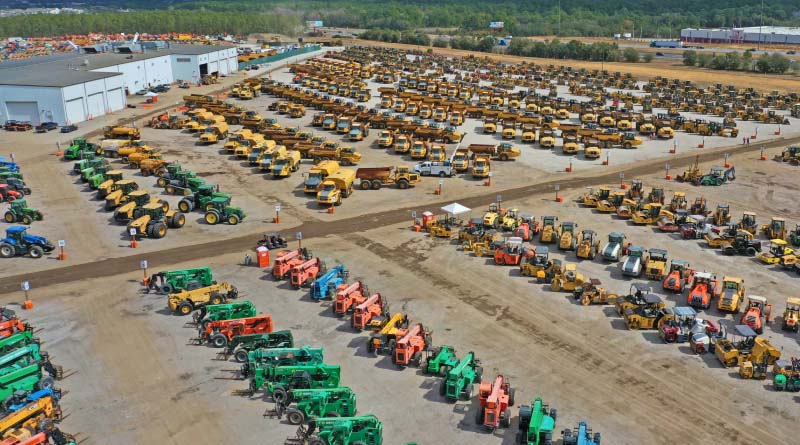
Selling surplus equipment sounds straightforward. You have assets you no longer need, there are buyers who want them, and somewhere in the middle a transaction happens. But for government agencies, the process comes with a layer of complexity that private sellers don’t face — public accountability, budget timing, board approvals, and the need to document every step.
The agencies that consistently get the best results share a few things in common — and it has less to do with how much equipment they have than how they approach the process. Here are five tips that make a real difference.
Tip 1: Don’t wait until equipment has no value left
The single most common mistake government agencies make is holding onto equipment too long. A piece of fleet that’s been replaced sits in the yard for a year, then two, while maintenance costs continue and market value quietly erodes.
Heavy equipment depreciates, but it doesn’t depreciate evenly. There’s a window — typically after a unit has been replaced but before it accumulates significant additional hours or deterioration — where market value is still strong. Miss that window and you’re selling a liability instead of an asset.
Build surplus reviews into your regular budget cycle. If a piece of equipment has been replaced or is no longer in active rotation, start the conversation about selling it now, not after the next budget season.
Tip 2: Know what your surplus equipment is worth before you sell
A lot of agencies go into a sale without a realistic sense of current market value — and that creates problems in both directions. You might accept less than you should, or you might set internal expectations so high that the actual outcome creates political headaches.
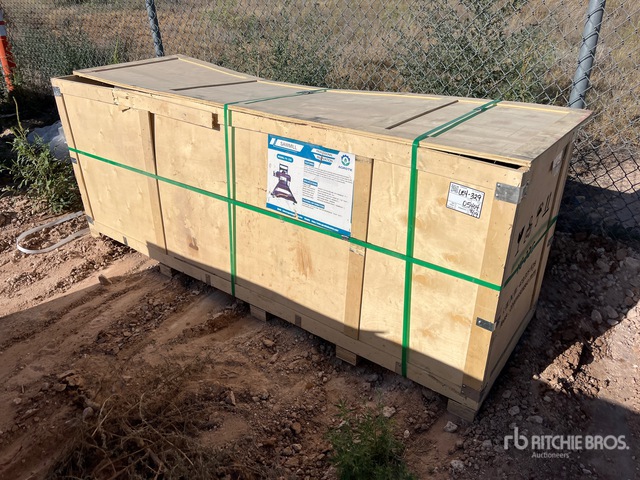 2026 AGT YC32-G Portable Sawmill
Before you commit to any sale structure, ask for comparable sales data. A reputable auction partner should be able to show you what similar equipment — similar age, similar hours, similar condition — has actually sold for recently. Not estimates. Actual transactions.
That number does two things. It helps you choose the right sale structure, and it gives you something concrete to bring to your finance committee or board when you need approval to proceed.
Tip 3: Match the sale structure to your agency’s needs
There isn’t one right way to sell surplus equipment. The right approach depends on what matters most to your agency right now.
If maximum return is the priority and you have flexibility on timing, an unreserved auction with broad market exposure tends to produce the strongest results. If you need budget certainty before you can move forward — because proceeds are earmarked for a replacement purchase or a board approval requires a guaranteed minimum — a guaranteed selling option structure gives you a floor before the sale happens. If the fiscal calendar is the driving factor and you need the transaction closed by a specific date, an outright purchase may be the cleanest option.
Don’t let an auction partner default you into a structure that works best for them. Know your priorities going in, and make sure the approach reflects them.
Tip 4: Think about timing as carefully as you think about price
For private sellers, the close date on a transaction is mostly irrelevant. For government agencies, it can significantly affect your budget position.
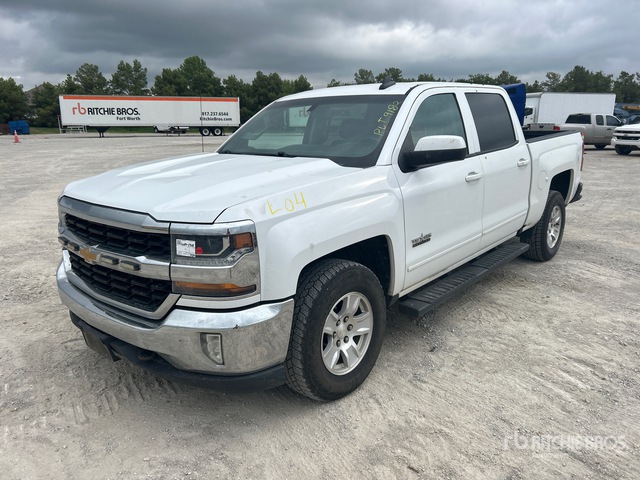 2018 Chevrolet Silverado 1500 Pickup
Every county and municipality operates on its own fiscal calendar — and that schedule directly affects how a surplus sale should be structured. A sale that closes in the wrong month — even a successful one — can leave unpaid items on your books at year-end, which can affect your federal budget allocation and create accounting complications that outlast the sale itself.
Payment timing should be part of the conversation with your selling partner from day one. A specialist who works regularly with government agencies will already understand this. One who doesn’t is a flag worth paying attention to.
Tip 5: Reduce your team’s workload by choosing the right partner
One of the most common reasons agencies delay surplus sales is bandwidth. Nobody on staff has time to manage listings, field buyer inquiries, coordinate inspections, process payments, and handle title transfers — on top of everything else they’re already doing.
The right auction partner eliminates most of that burden. A full-service operation handles logistics end-to-end: listing and marketing the equipment, verifying buyers, collecting payment, and processing titles. Your team’s involvement should be minimal — hand off the assets and receive the proceeds.
Before you commit to a partner, ask specifically what your team will be responsible for managing. The answer tells you a lot about whether this is a true service relationship or just a listing platform.
The bottom line
Government agencies are sitting on more recoverable value than most realize. The difference between a frustrating surplus sale and a smooth, profitable one usually comes down to preparation — knowing what you have, what it’s worth, which sale structure fits your situation, and who you’re working with to get it done.
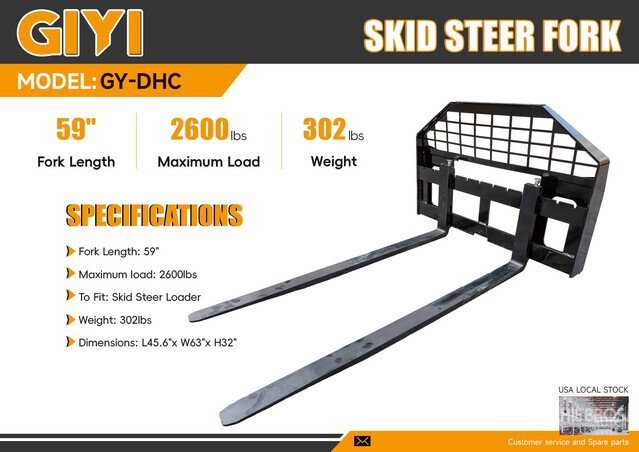 2026 GIYI GY-DHC Skid Steer Forks
Ritchie Bros. has a government surplus equipment specialists — specialists who understand public-sector timelines, oversight requirements, and budget constraints. They can walk you through all of it, from first inventory conversation to final payment.
Talk to one of our government surplus specialists today to build a plan that works for your timeline and goals.
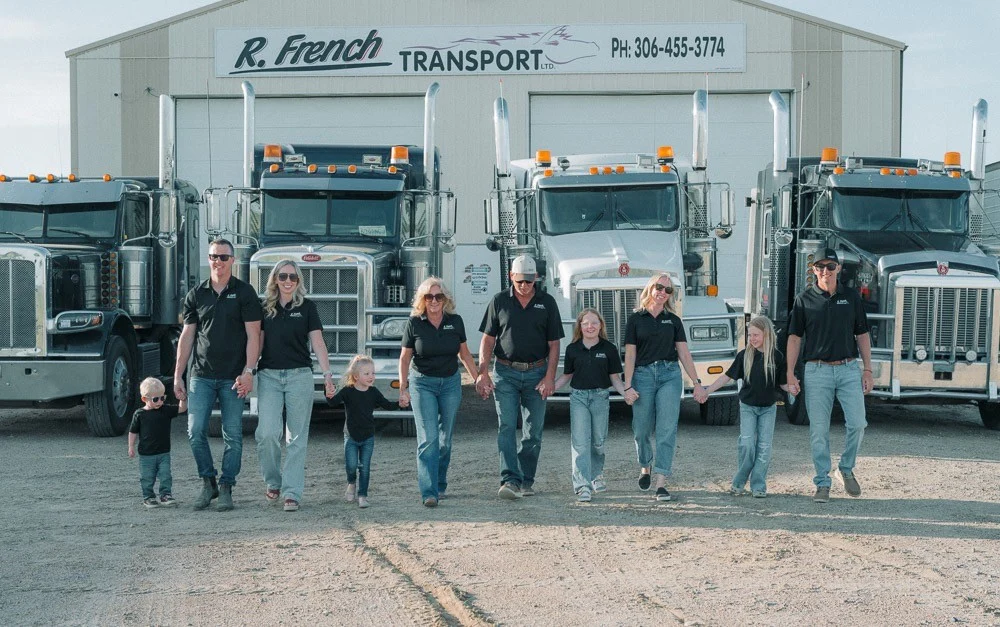 |
From Winter Roads to Retirement: How R. French Transport Sold Its Fleet from Home in Arcola, SK |
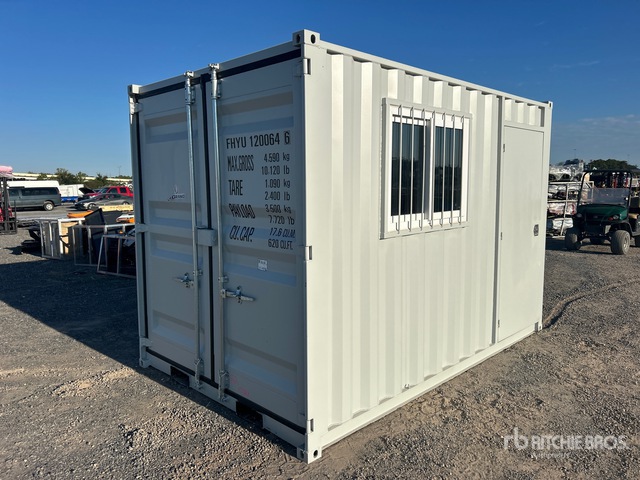 2026 SDGRAND IRC12 Storage Container
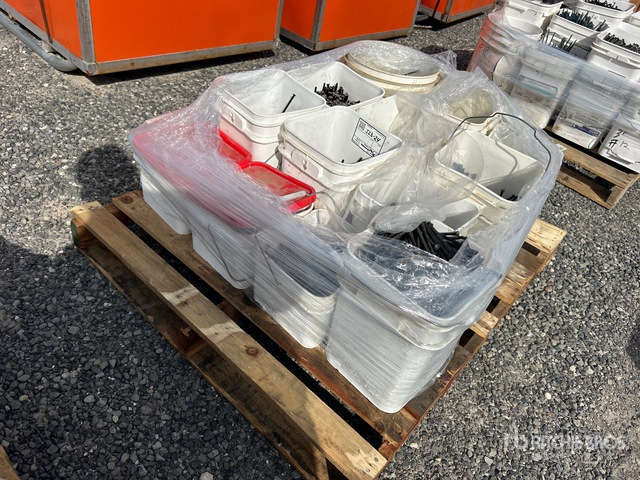 Drill-Tec Misc. Industrial2018 Chevrolet Silverado 1500 Pickup
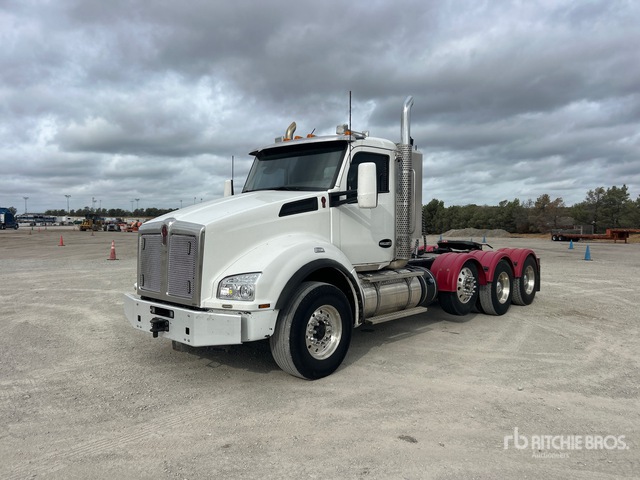 2015 Kenworth T880 Tri/A Day Cab Truck Tractor2026 AGT YC32-G Portable Sawmill2026 GIYI GY-DHC Skid Steer Forks
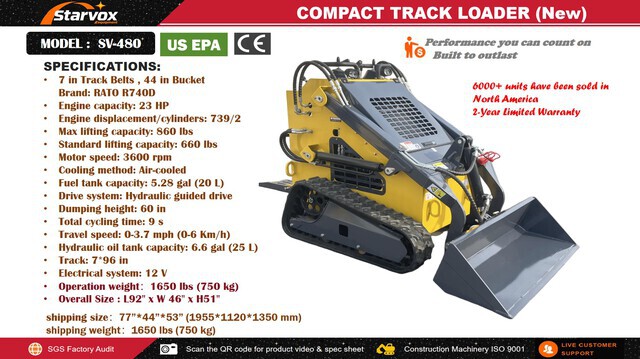 2026 STARVOX SV-480 Compact Track Loader
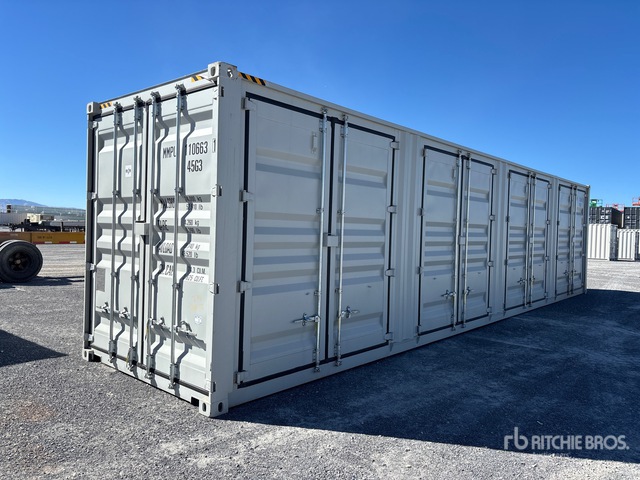 2026 RanchMaster 40HQ Storage Container
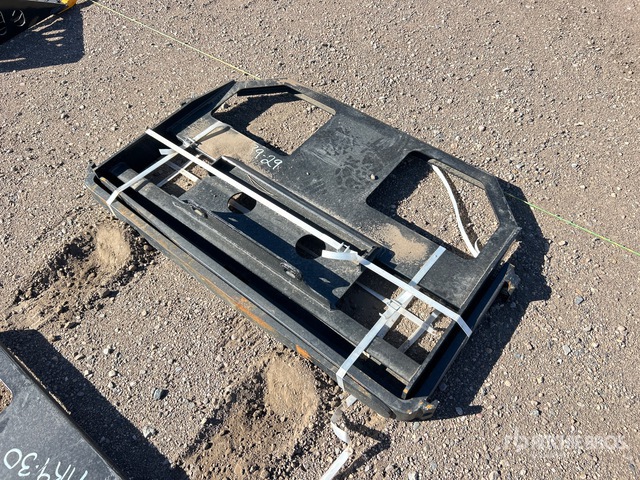 2026 GIYI GY-FR47 Skid Steer Forks
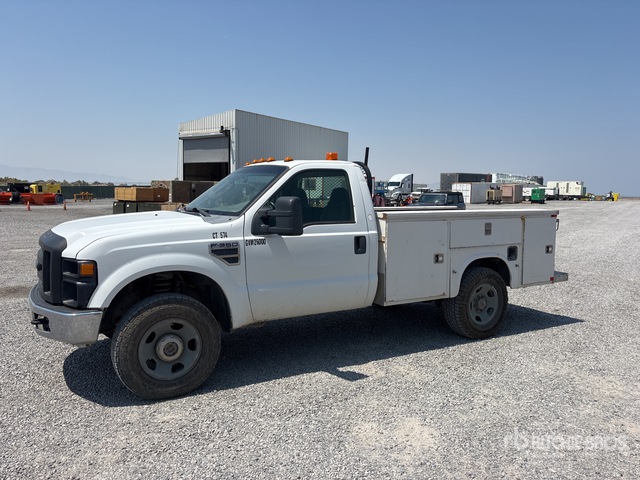 2009 Ford F-350 Utility Truck
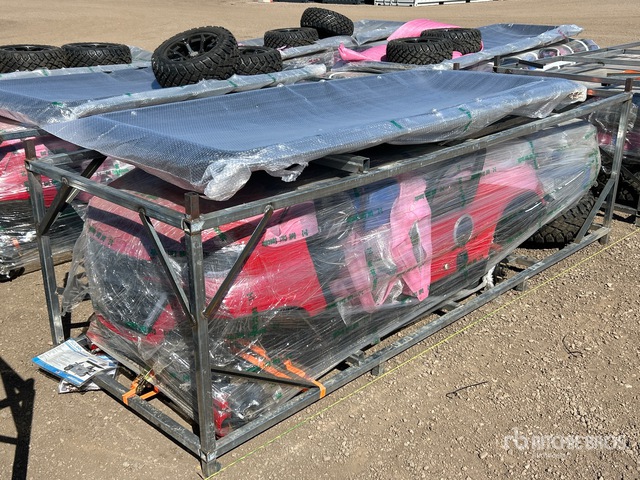 2026 SDLOOL SL-GC22S Golf Cart
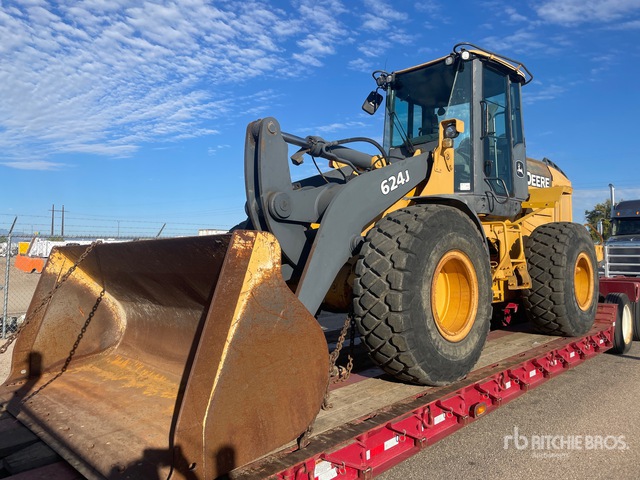 2007 John Deere 624J Wheel Loader
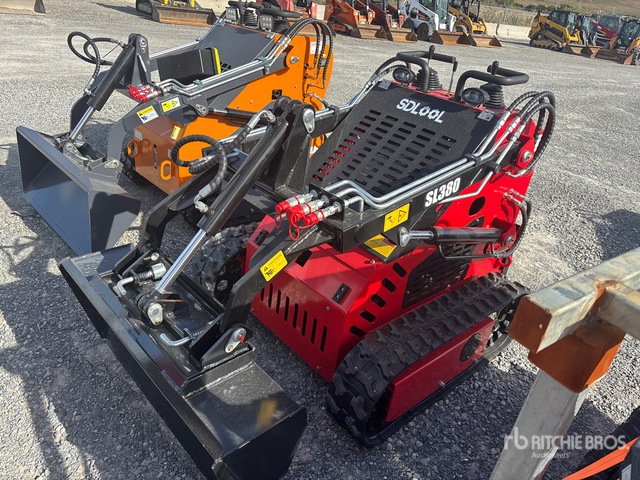 2026 SDLOOL SL380R Compact Track Loader
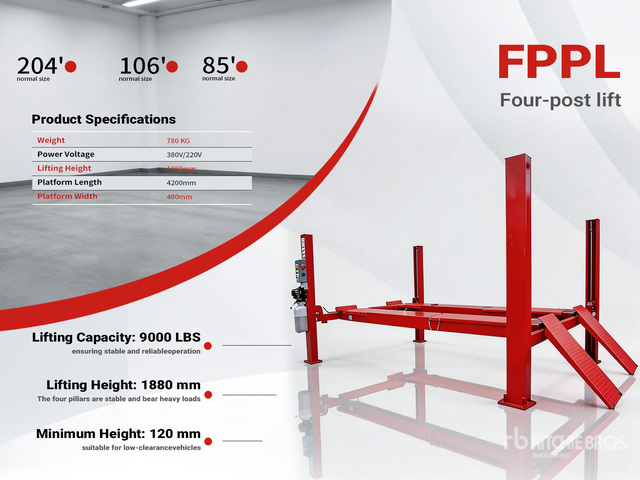 2026 FPPL Vehicle Lift
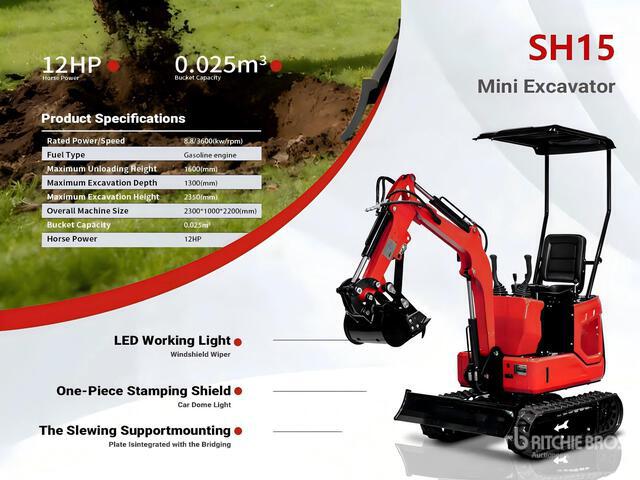 2026 SH15-RED Mini Excavator: <6.6t
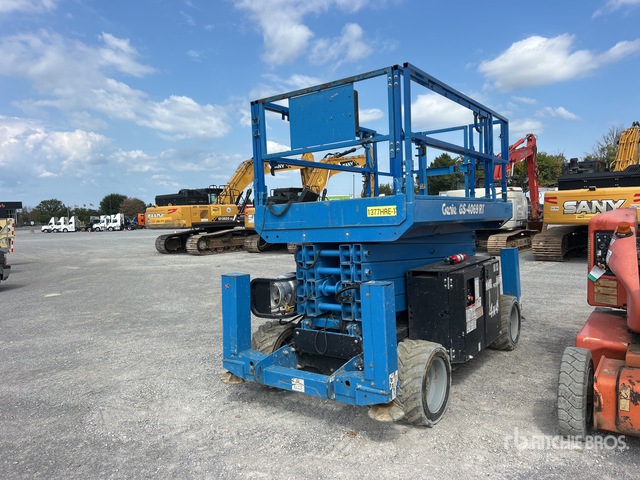 2017 Genie GS-4069RT Scissor Lift
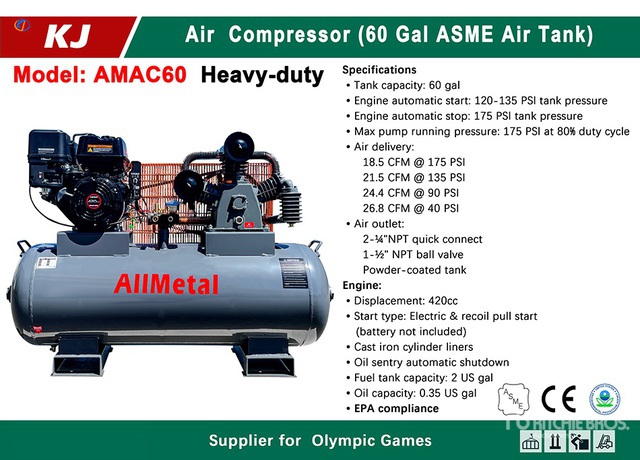 2026 KJ AMAC60 Air Compressor
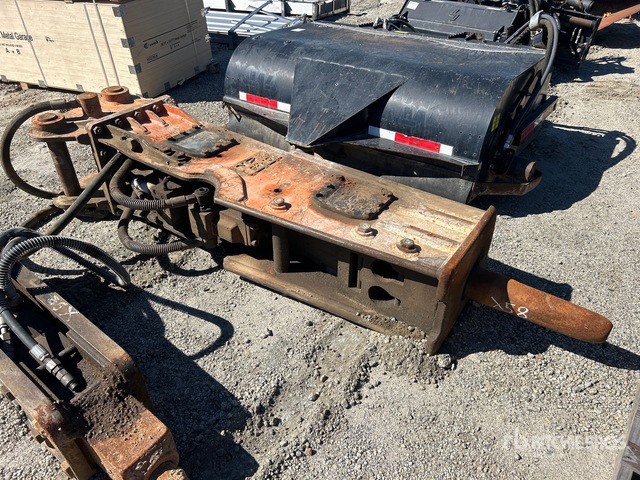 2016 NPK GH10 Hammer Hydraulic Breaker
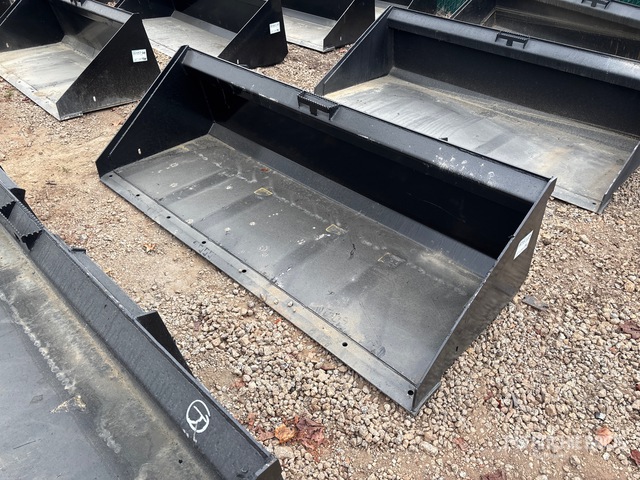 All-Star Skid Steer Bucket
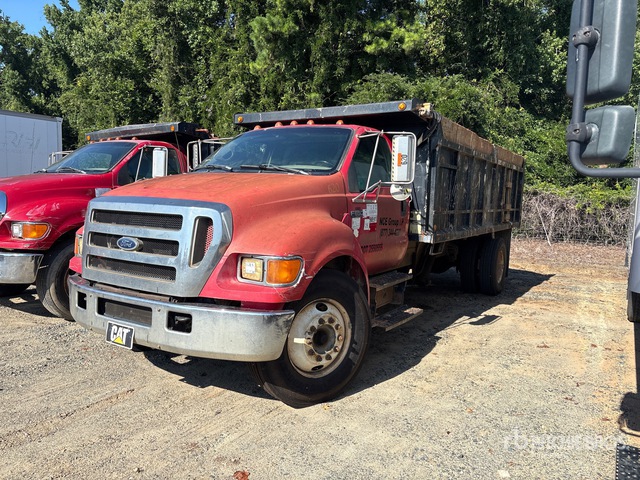 2006 Ford F-650 S/A Dump Truck
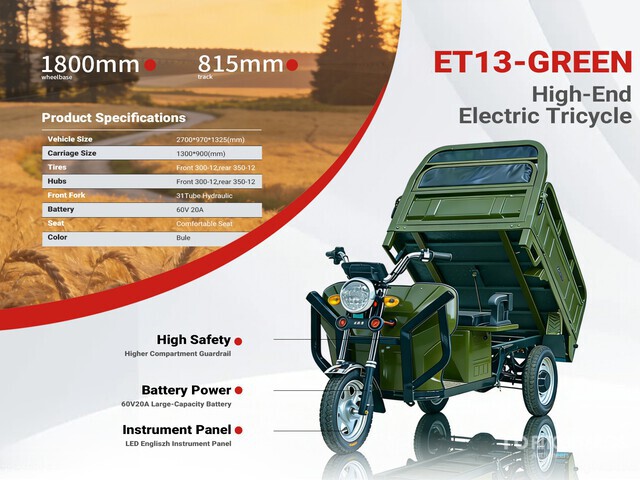 2026 ET13-GREEN Trike
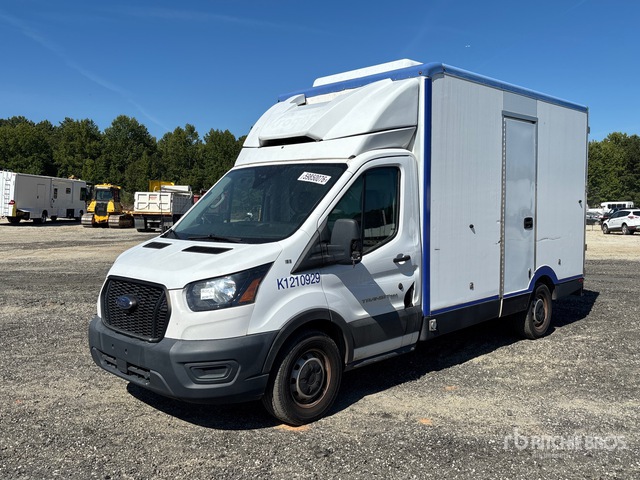 2022 Ford Transit T-350 Refrigerated Truck
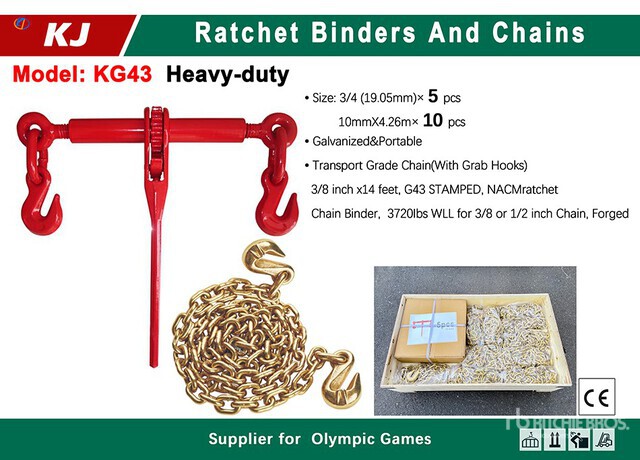 2026 KJ KG43 Misc. Shop, Warehouse, Consumer
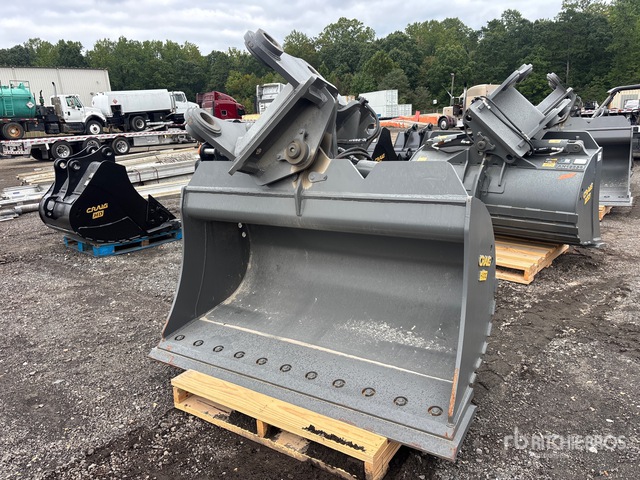 Craig Excavator Bucket
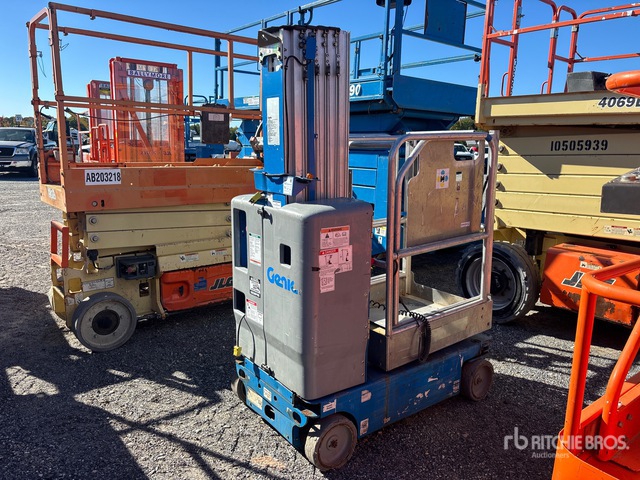 2018 Genie GR-20 Vertical Mast Lift