 USA
USA France
  Germany
  United Kingdom
  Netherlands
  Spain
Spain  Italy
Italy  Canada (FR)
  Mexico
  Australia
 Avoiding undervaluation: What farmers miss on a farm equipment appraisal

Most farmers take better care of their equipment than they get credit for at sale time. You know your machines run well because you did the work — years of maintenance with a steady hand went into keeping it that way. But a proper farm equipment appraisal depends on more than good upkeep. A handful of common mistakes can quietly drag down the final number, sometimes by a significant amount, no matter how well the machine actually runs.
None of these mistakes are hard to spot or fix. You need to know where to look before a buyer — or an appraiser — looks first.
Misjudging wear and condition
Sellers often grade their own equipment generously, and buyers are trained to look past that. Worn cutting edges, cracked hoses, tired hydraulics or high hours without recent service all factor into what a buyer is willing to pay, and they factor into any honest farm equipment appraisal too.
Being realistic about condition upfront does more for your final number than hoping buyers won’t notice a slipping seal or a hose that’s past its service life. Walk your own equipment the way a buyer would: start it cold, run it through a full cycle, check every fluid. Fix what’s cheap to fix — a $40 hose is a lot less expensive than the discount a buyer will apply for finding it themselves. For a closer look at how that evaluation actually works, see why onsite inspections matter in equipment appraisals.
No service records or documentation
A well-maintained machine without paperwork to prove it is worth less than the same machine with detailed records — a fair farm equipment appraisal can only price what it can verify. Buyers can’t verify what they can’t see.
Service logs, repair receipts and maintenance history signal trust and reduce a buyer’s perceived risk, which directly supports a stronger sale price. If your records are scattered across receipts in a shop drawer and a few text threads with your mechanic, that’s still worth pulling together before you list. A simple folder — purchase date, major repairs, recent service, hour or mileage readings — turns “trust me” into “here’s the proof,” and that shift alone can move the number.
 2026 SDLOOL SL-GC42S Golf Cart
Low quality or too few photos
Most buyers evaluate equipment online before they ever show up in person, appraisal or not. Dark, blurry or incomplete photos read as neglect even when the machine is in great shape — and a listing with weak photos gets discounted the same way a machine with no service records does.
Clean your equipment, shoot it in good light, and cover every angle: cab, engine bay, hour meter, undercarriage, any wear points you’ve already disclosed. Photos are the first impression for every buyer who can’t be there in person, and for a lot of buyers, they’re the only impression before they decide whether to bid at all.
Pricing from memory, not the market
What you paid for a machine, or what your neighbor got for something similar a few years back, isn’t a reliable baseline for a current farm equipment appraisal. Equipment values shift with commodity prices, seasonal demand and regional supply — a number that was accurate two seasons ago can be off by a wide margin today.
Anchoring to the wrong number cuts both ways: price too high off old memory and the machine sits; price too low and you’ve left money on the table before a single bid comes in. Understanding how buyers actually value equipment is worth a look before you set your number, not after.
Limited buyer exposure
A private listing or a local classified reaches a far smaller pool of buyers. A smaller pool means less competition, and less competition almost always means a lower final sale price — regardless of how accurate the underlying appraisal was.
The more qualified buyers who see your equipment, the better your odds of landing on the number it actually deserves. Ritchie Bros. puts equipment in front of 2.2M+ registered bidders, not just whoever happens to scroll past a classified ad. That’s the difference between one or two interested parties and real competitive bidding on your machine.
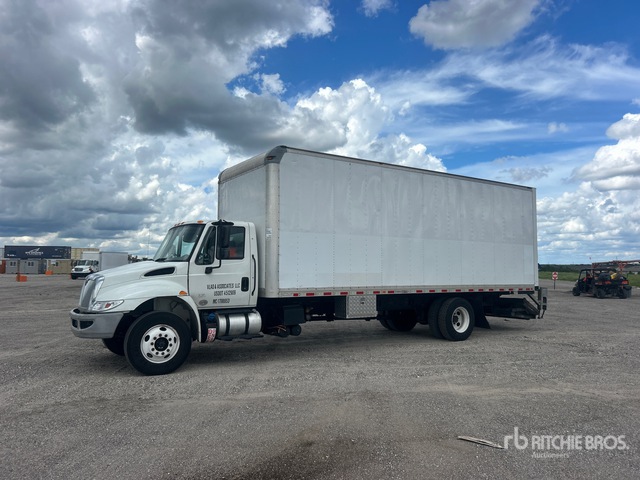 2018 International 4300 Van Truck
The throughline: honesty and transparency
Buyers pay top dollar when they’re confident they know exactly what they’re buying. Sellers get more when they understand what their equipment is truly worth in the current market — which is what an honest farm equipment appraisal is for in the first place.
Ritchie Bros. can give you straight talk on valuations based on current market data, no guesswork. We’ll tell you what it’s worth before you decide how and when to sell.
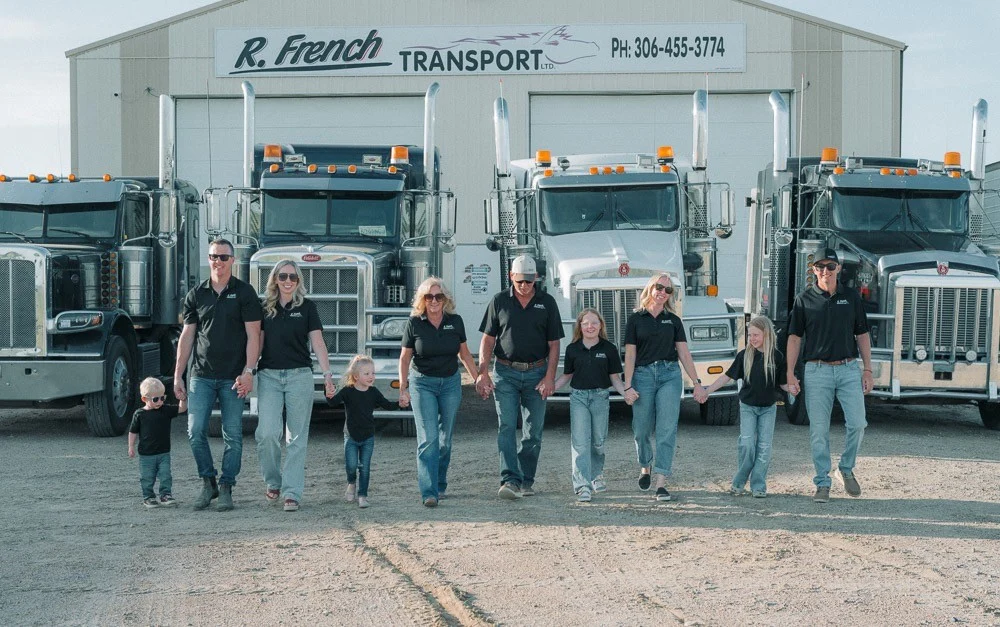 |
From Winter Roads to Retirement: How R. French Transport Sold Its Fleet from Home in Arcola, SK |
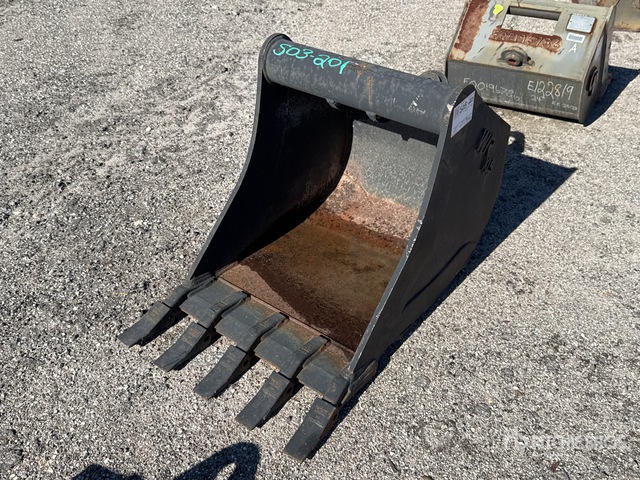 2016 Wain-Roy HD1XLS Excavator Bucket
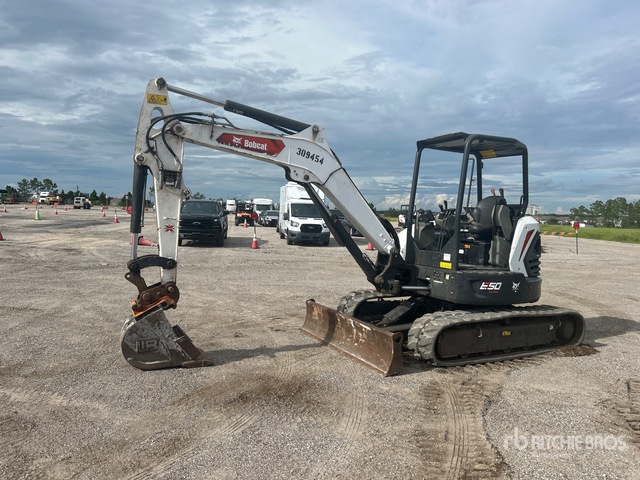 2022 Bobcat E50 Mini Excavator: <6.6t
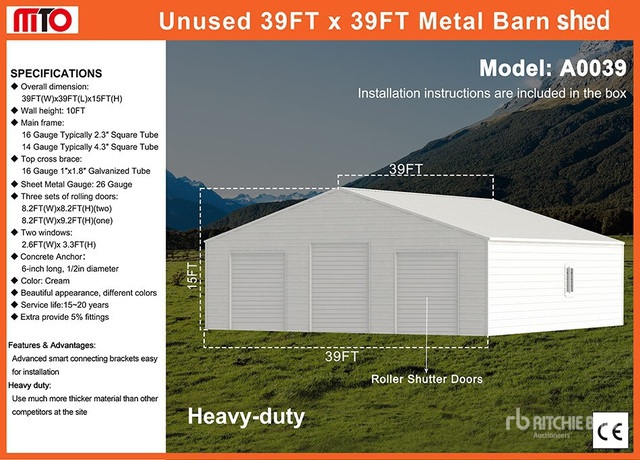 2026 MTO A0039 Shed2018 International 4300 Van Truck2026 SDLOOL SL-GC42S Golf Cart
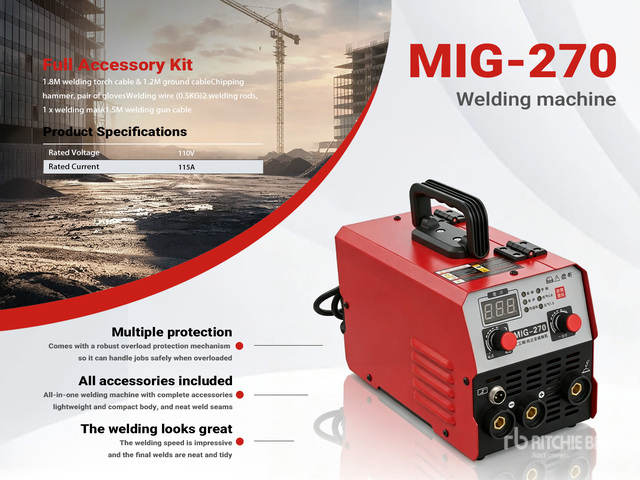 2026 MMA Electric Welder
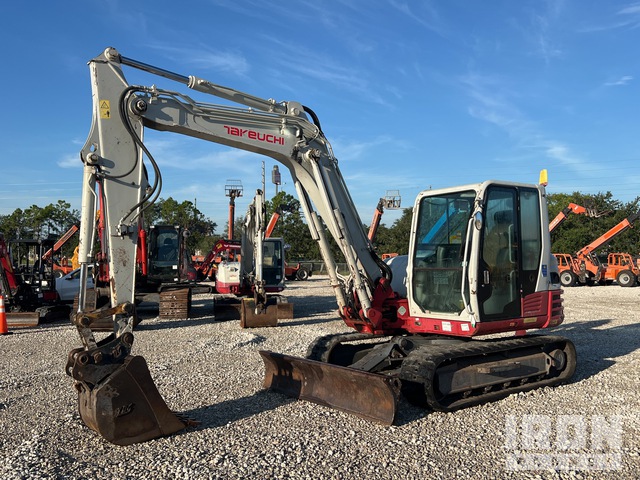 2019 Takeuchi TB290 Tracked Excavator
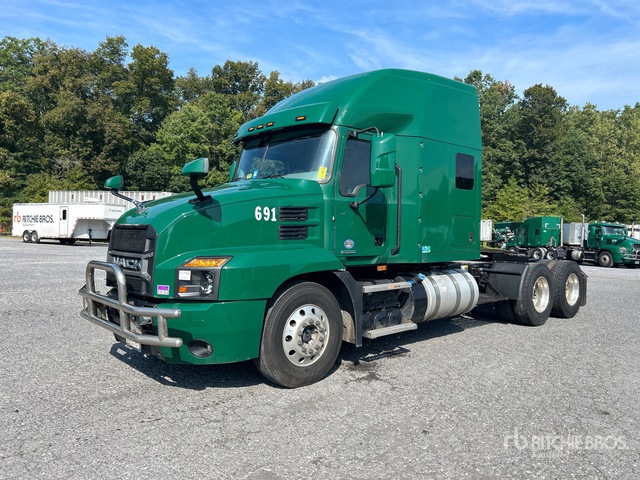 2024 Mack Anthem AN64T T/A Sleeper Truck Tractor
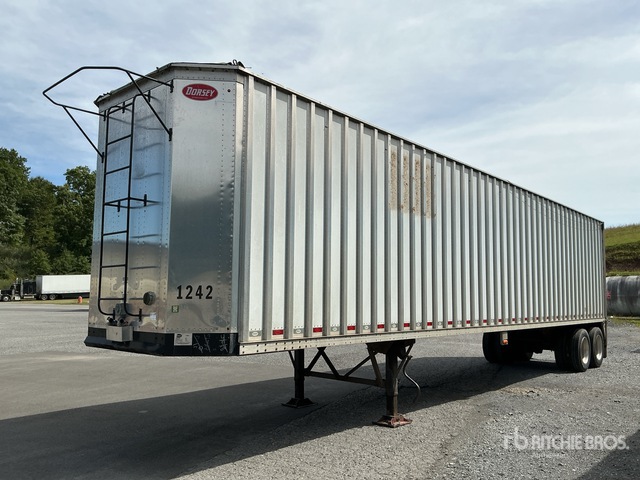 2019 Pitts CV45 Chip Trailer
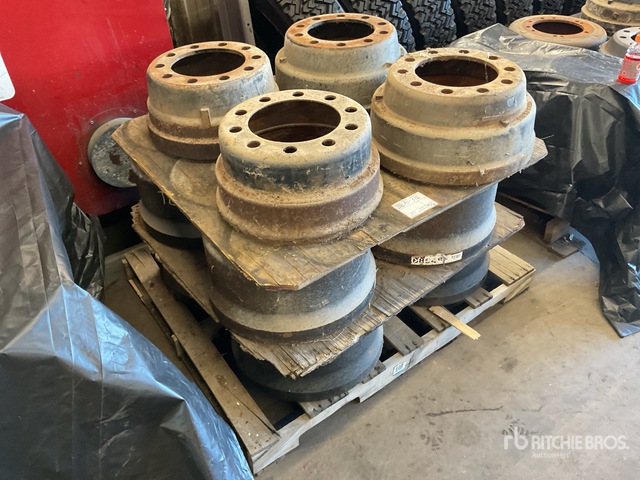 Misc. Parts
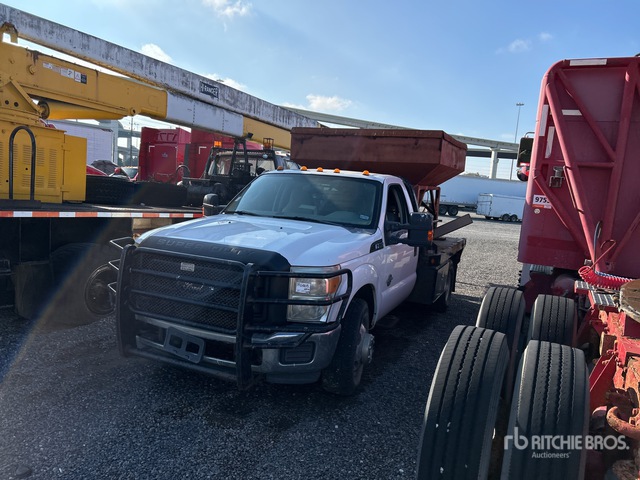 2012 Ford F-350 Flatbed Truck
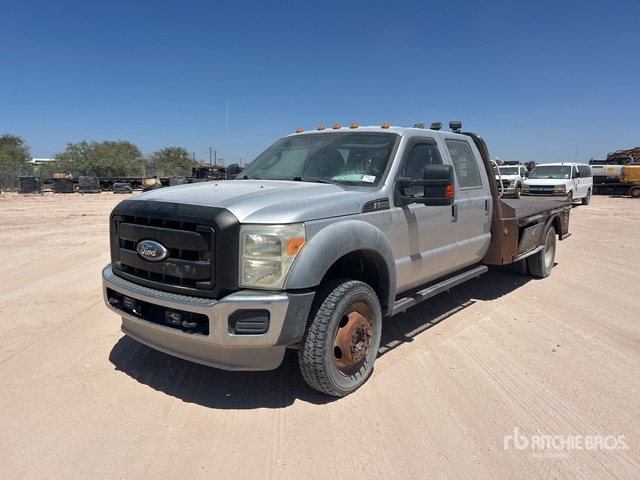 2011 Ford F-550 Flatbed Truck
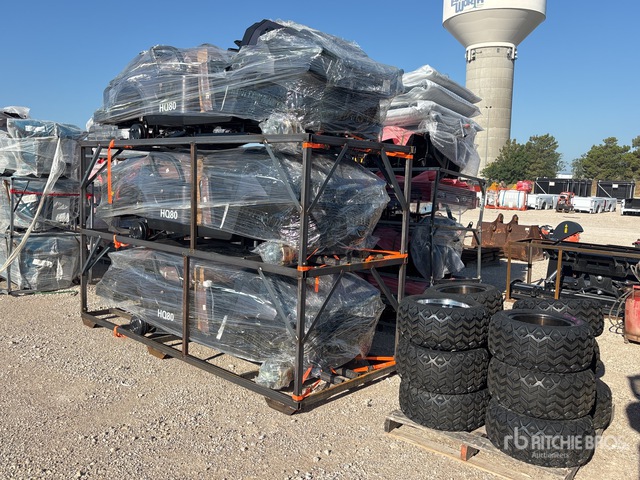 2026 HQ80 Golf Cart
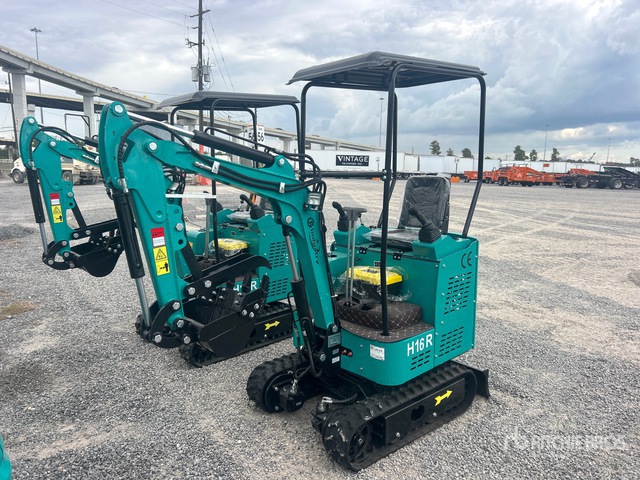 2026 CFG H16R Mini Excavator: <6.6t
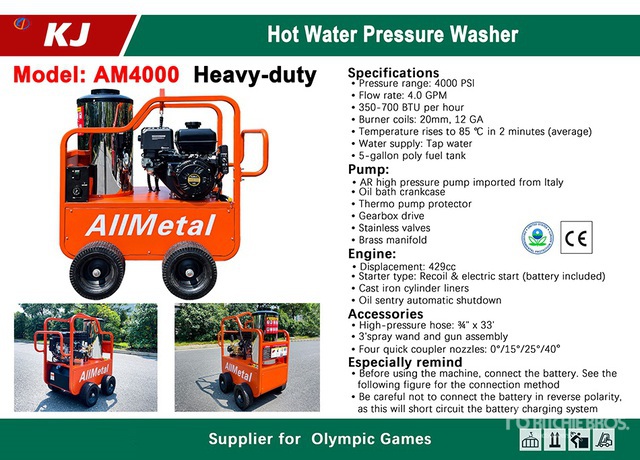 2026 KJ AM4000 Pressure Washer
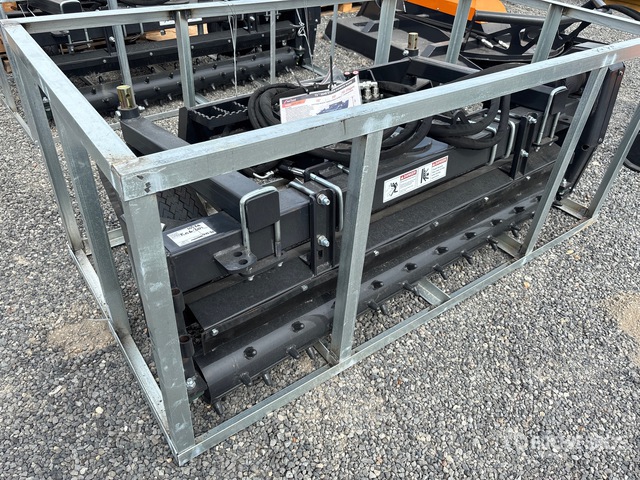 2026 ARTEER SSPR-72W Skid Steer Power Rake
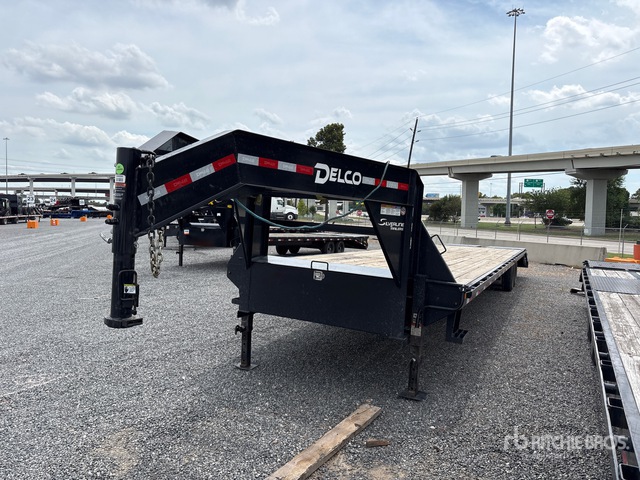 2026 Delco Trailers Equipment Trailer
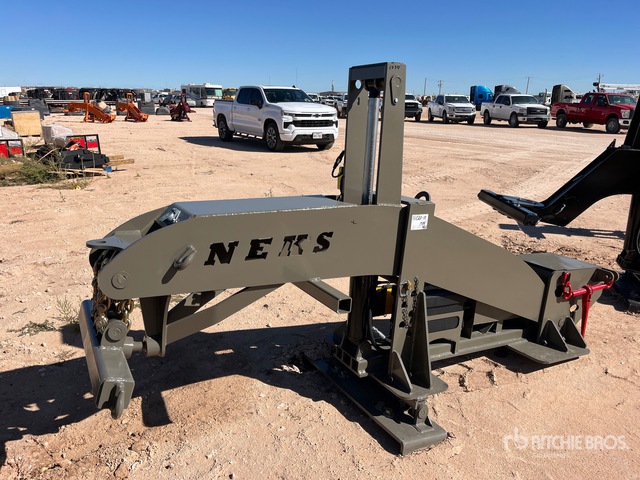 2026 Neks Fifth Wheel Wrecker Attachment
 Misc. Aggregate Equipment
 1992 Progress Solar SLT-1400 Light Tower
 Misc. Construction Materials
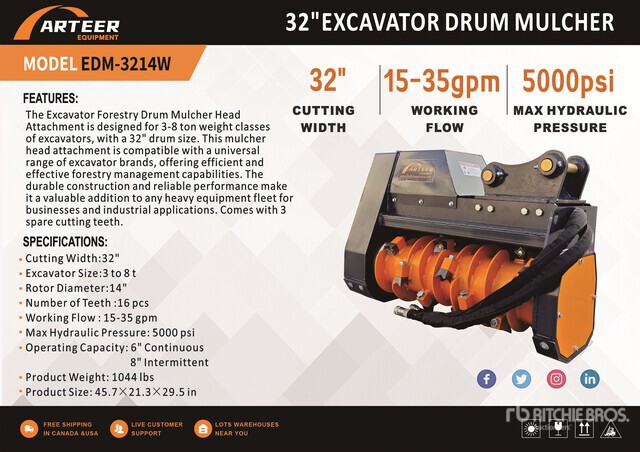 2026 ARTEER EDM-3214W Misc. Excavator Attachment
 2026 SKLP SK-HJ6 Shelving
 2026 CTTN CTTN-10 Storage Container
 2019 Flagro FVO-1000TR Space Heater