 USA/CAN
 France
  Germany
  United Kingdom
  Netherlands
  Spain
Spain  Italy
Italy  Canada (FR)
  Mexico
  Australia
 A farmer’s checklist for preparing equipment for resale
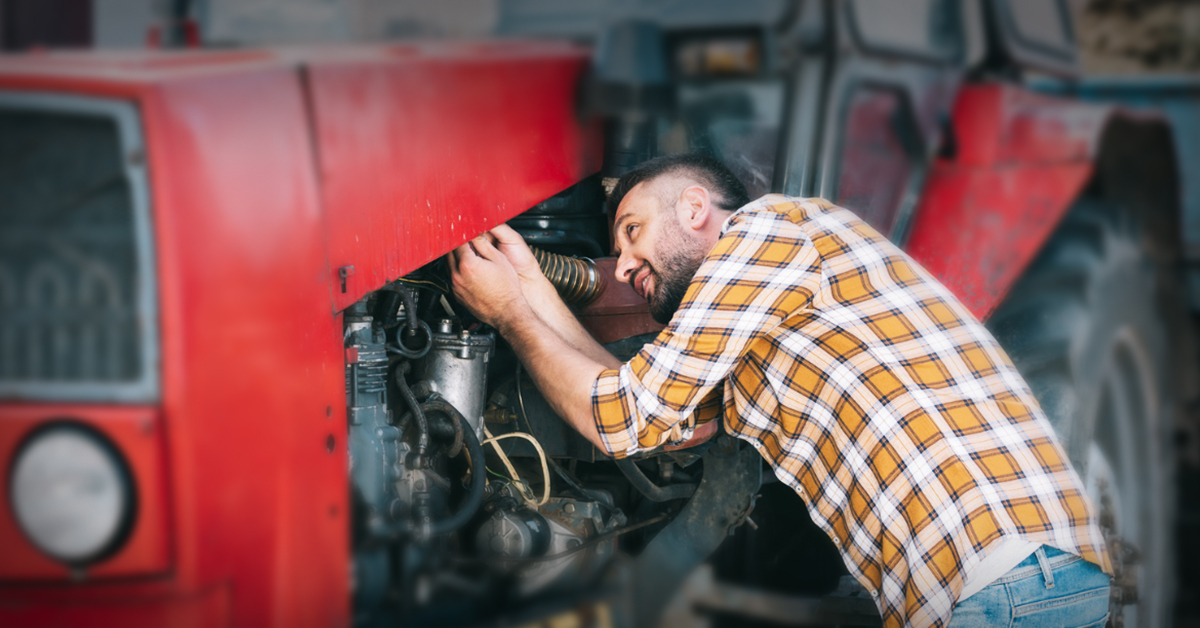
You already know your equipment better than any buyer or appraiser ever will. Years of maintenance went into keeping it running right, done in your own shop, on your own schedule. The step that’s easy to skip is showing that work to a buyer who’s never set foot on your farm. This checklist covers the practical steps that turn “trust me, it runs great” into proof a buyer can see for themselves. Print it, run through it before your next sale, and you’ll walk into auction day with equipment that’s ready to earn its full value.
Fluids
- Check engine oil level and condition — top off or change if it’s due
- Check hydraulic fluid level and look for signs of contamination
- Check coolant level and condition
- Check transmission and differential fluid levels
- Check fuel level and look for water or contamination in the tank
- Fix any active leaks — a $40 hose is cheaper than the discount a buyer applies for finding it themselves
Grease points and lubrication
- Grease every fitting according to the Original Equipment Manufacturer schedule — pins, bushings, linkages, PTO
- Wipe down excess grease so joints look maintained, not just recently serviced
- Check for dry or worn grease points that signal missed service intervals
Battery and electrical
- Test battery charge and load capacity
- Clean battery terminals and check for corrosion
- Confirm all lights, gauges, and warning indicators work
- Start the machine cold and run it through a full cycle — this is exactly what a buyer or inspector will do
Cleaning and presentation
- Wash the exterior — remove dirt, mud, and built-up grease
- Clean the cab interior, including glass, seat, and controls
- Clean the engine bay
- Touch up paint or decals where practical; consider professional refurbishing for higher-value pieces
- Address any minor repairs that are cheap to fix now and expensive to have discounted later
Photos
- Shoot in good daylight — dark or blurry photos read as neglect even when the machine is in great shape
- Photograph every angle: cab interior, engine compartment, undercarriage, hour meter
- Photograph any wear points or damage you’re already disclosing — buyers trust sellers who show the whole picture
- Include wide shots and close-ups; a buyer evaluating equipment online may never see it in person before bidding
Documentation
- Gather service logs, repair receipts, and maintenance history in one place
- Confirm serial numbers or the Vehicle Identification Number (VIN) match your records and are legible on the machine
- Pull together title, ownership, and usage records
- Note current hour or mileage readings
- Organize everything into a simple file — purchase date, major repairs, recent service — so a buyer’s “trust me” becomes “here’s the proof”
Why onsite inspections matter to appraisals
Before you list
- Walk the machine the way a buyer would, start to finish, before anyone else does
- Confirm your price expectations reflect current market data, not what a similar machine sold for a season or two ago
- Decide how you want to reach buyers — the wider the pool, the more competitive the bidding on your equipment
How Ritchie Bros. helps you maximize returns on farm equipment.
Get more tips from your local rep
A checklist gets you most of the way there. For guidance specific to your equipment, market, and timing, contact your local Ritchie Bros. representative — they can walk your yard with you and tell you what’s worth doing before your next sale.
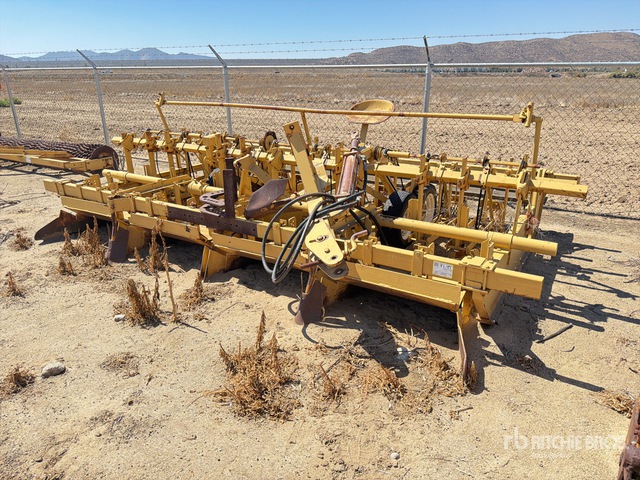 WELDING Misc. Ag attachment
 |
No One Does Everything We Do |
 WELDING Misc. Ag attachment
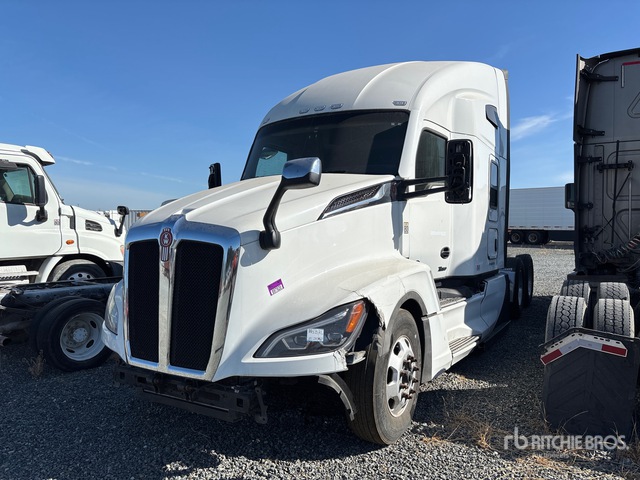 2024 Kenworth T680 T/A Sleeper Truck Tractor
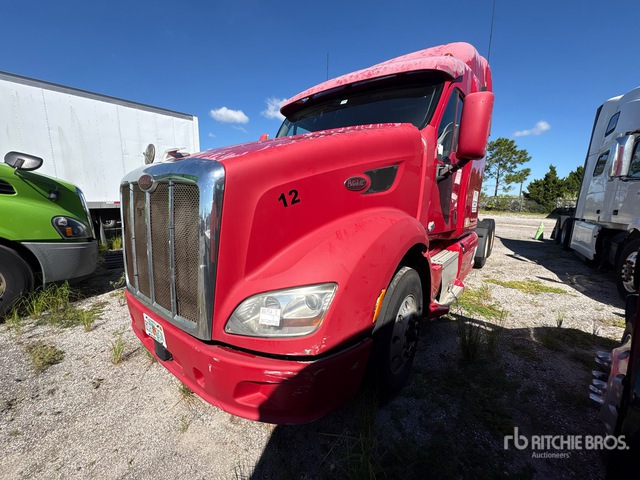 2012 Peterbilt 587 T/A Sleeper Truck Tractor
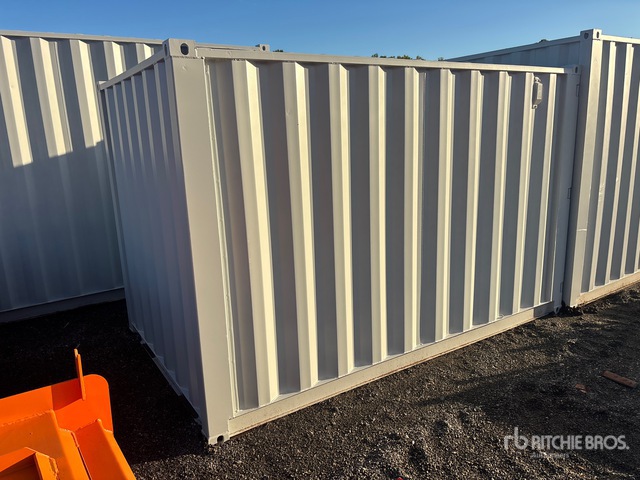 2026 SDGRAND IRC10 Storage Container
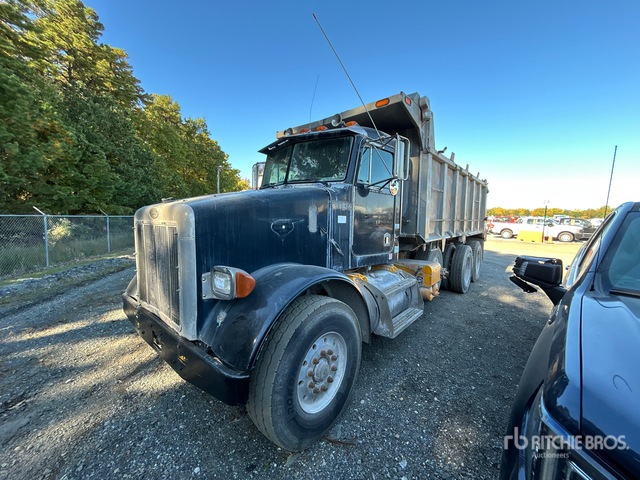 2000 Peterbilt 357 Tri/A Dump Truck
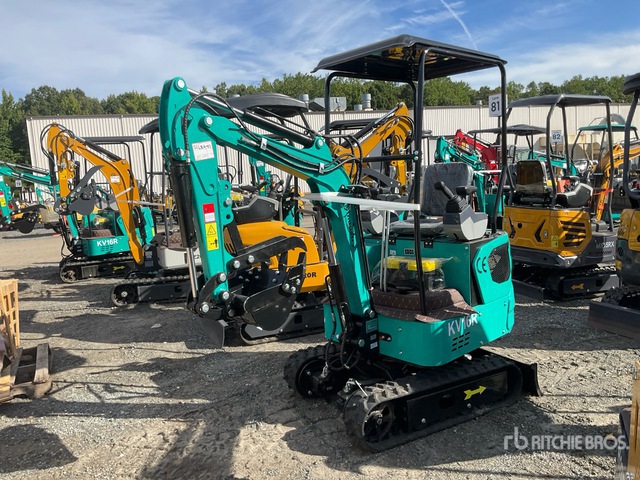 2026 CFG KV16R Mini Excavator: <6.6t
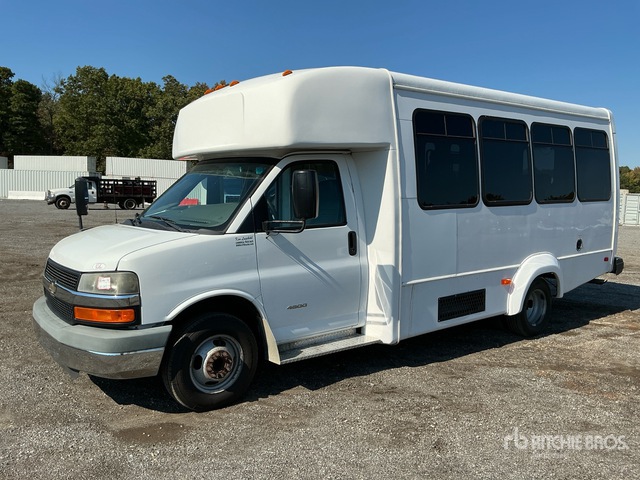 2014 Chevrolet Express 4500 Bus
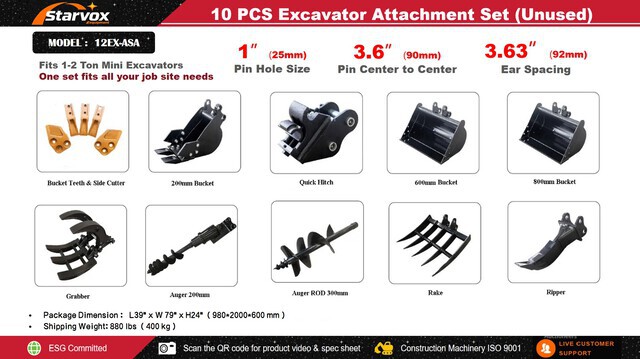 2026 STARVOX 12EX-ASA Misc. Excavator Attachment
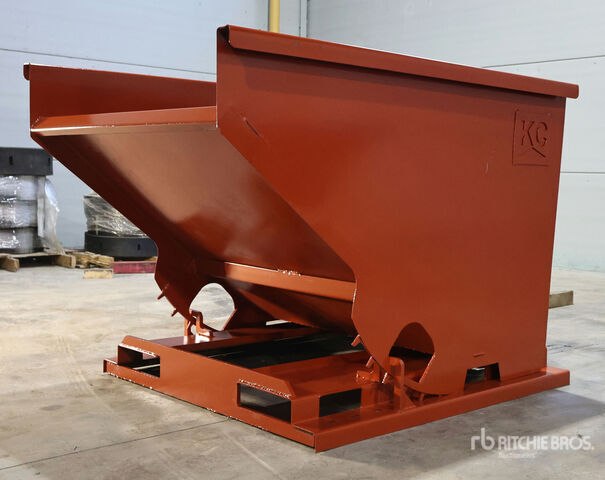 2026 Kit Containers 2YFT-SDH Self-Dumping Hopper
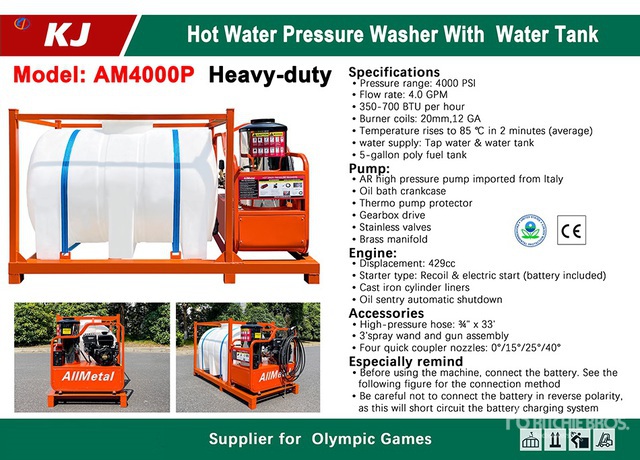 2026 KJ AM4000P Pressure Washer
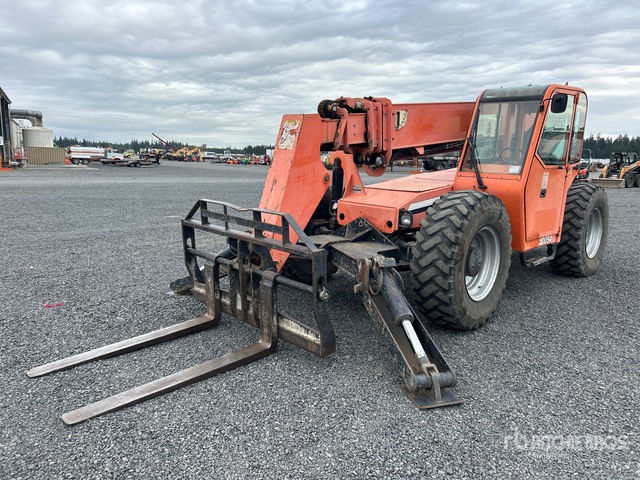 2007 SkyTrak 10054 Telehandler
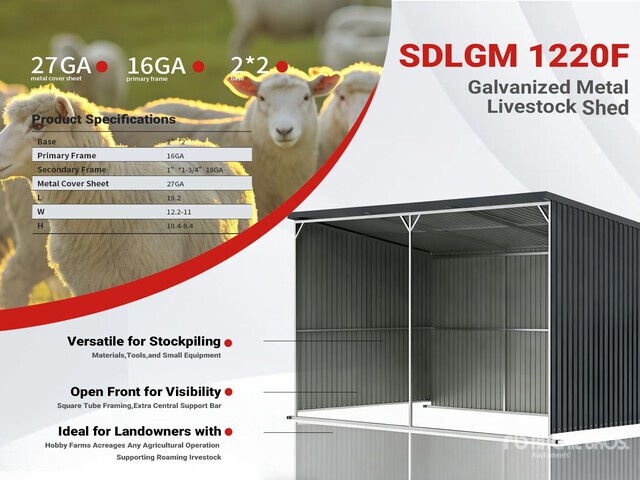 2026 SDLGM1220F Livestock Shelter
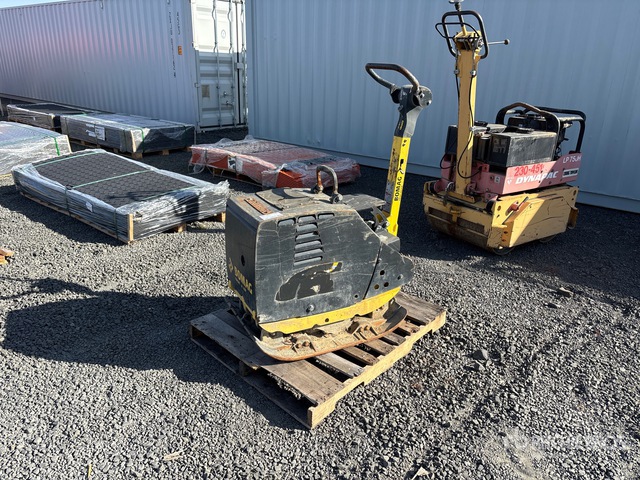 2021 Bomag BPR60/65D Vibratory Plate Compactor
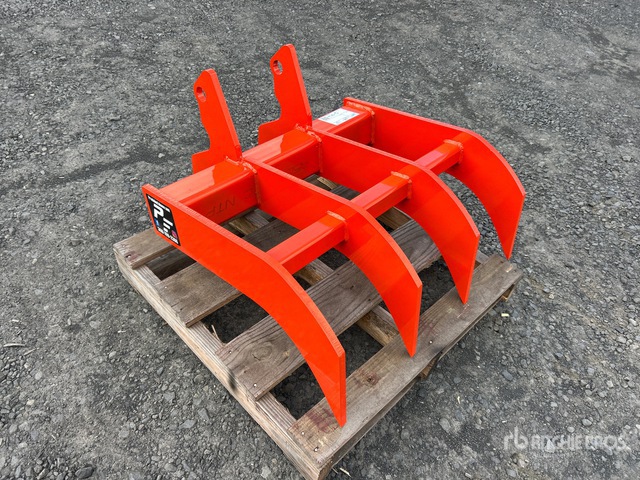 Precision Fabrication Excavator Rake
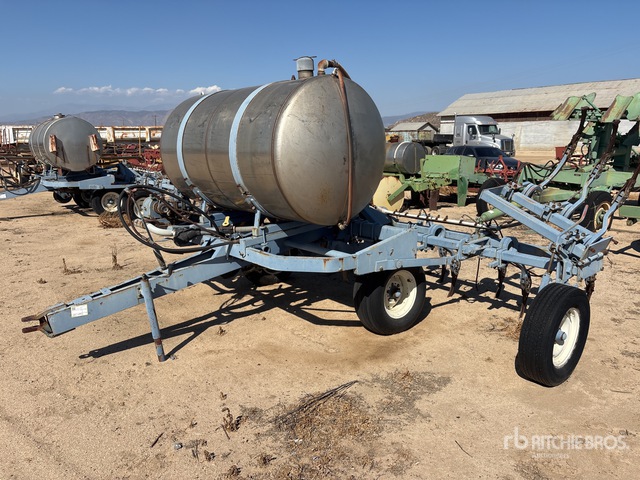 Fertilizer Tank
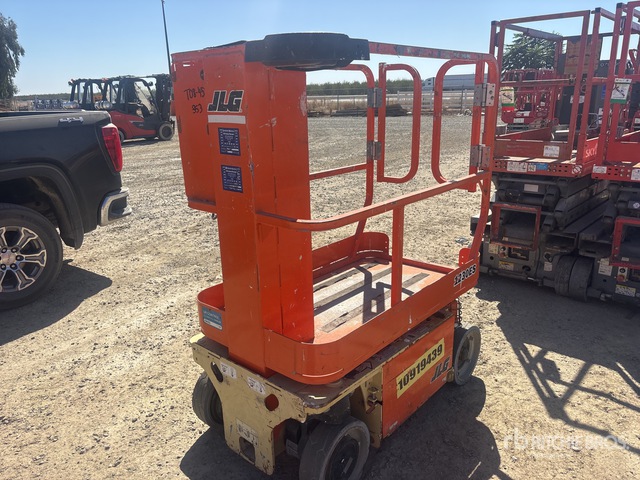 2019 JLG 1230ES Vertical Mast Lift
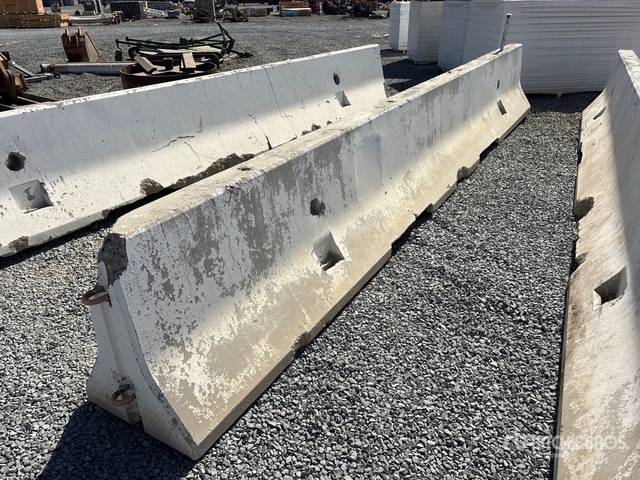 Barrier
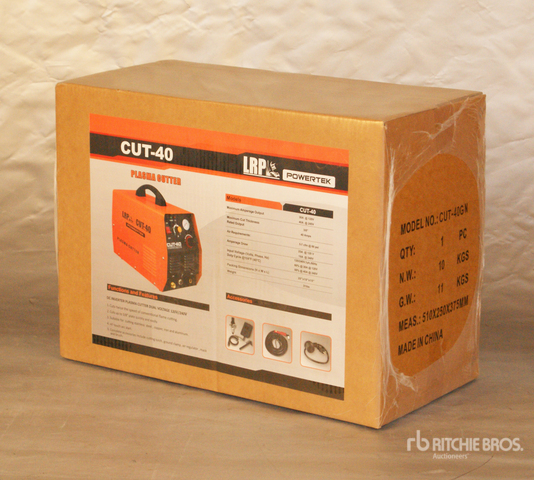 2026 Powertek CUT-40 Plasma Cutter
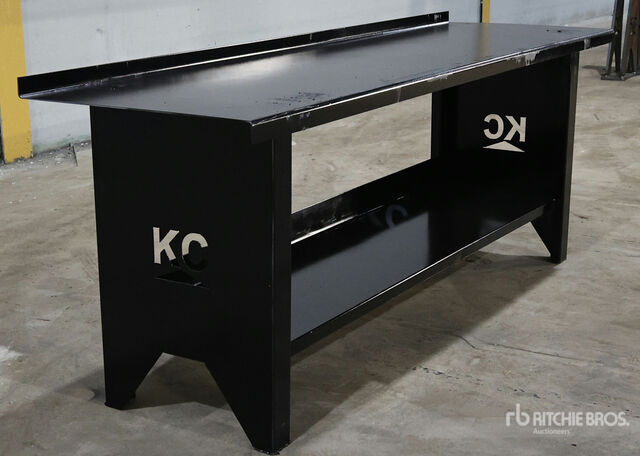 2026 Kit Containers WB-90-243 Workbench
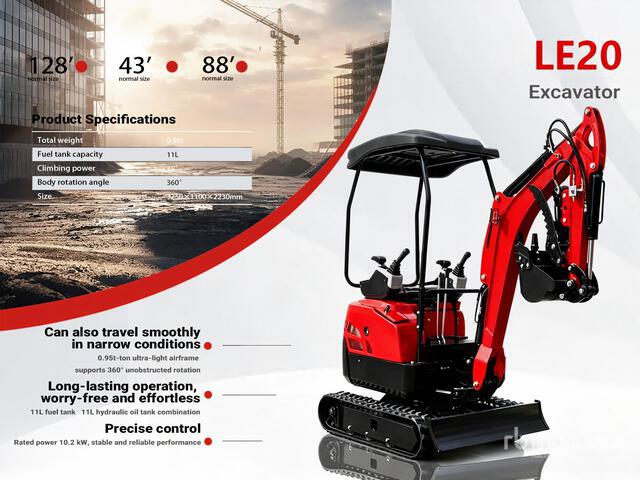 2026 LE20-RED Mini Excavator: <6.6t
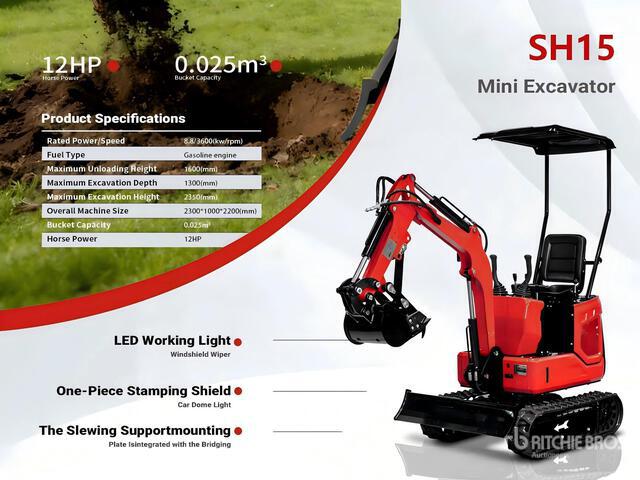 2026 SH15-RED Mini Excavator: <6.6t
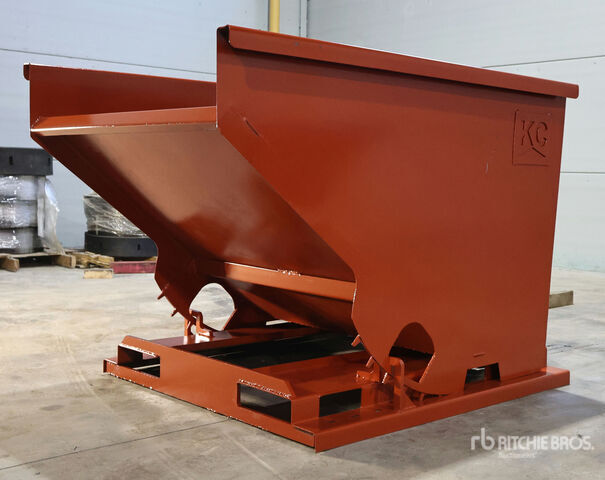 2026 Kit Containers 2YFT-SDH Self-Dumping Hopper
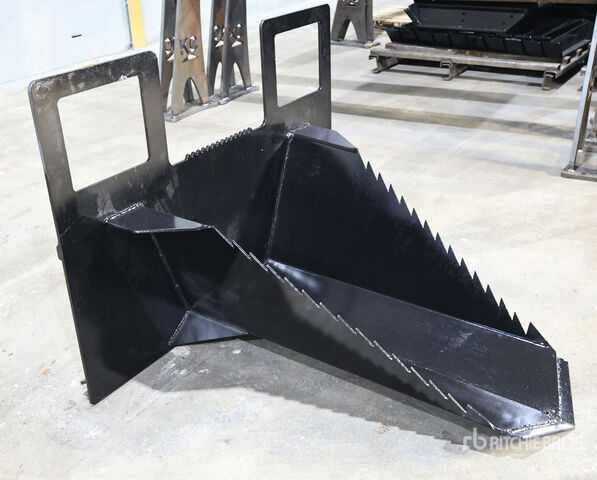 2026 Kit Containers QT-TS-40 Skid Steer Stump Bucket
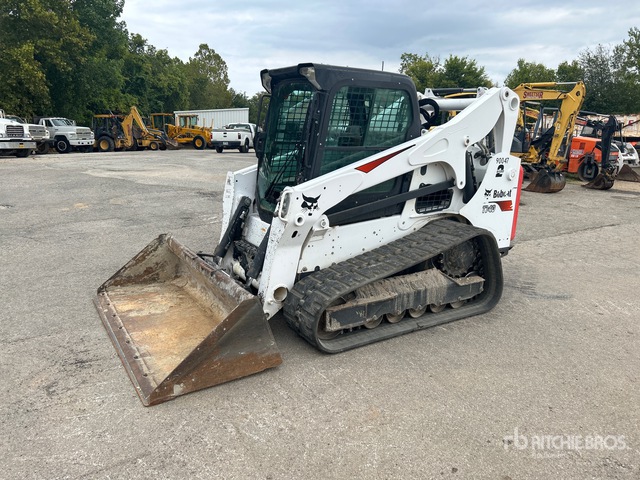 2020 Bobcat T740 Compact Track Loader
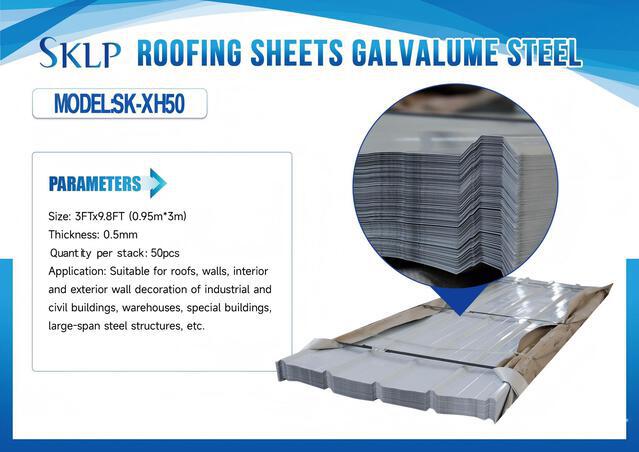 2026 SKLP SK-XH50 Misc. Construction Materials