 USA
USA France
  Germany
  United Kingdom
  Netherlands
  Spain
Spain  Italy
Italy  Canada (FR)
  Mexico
  Australia
 Peterbilt vs. Kenworth: Which truck has the best resale value?

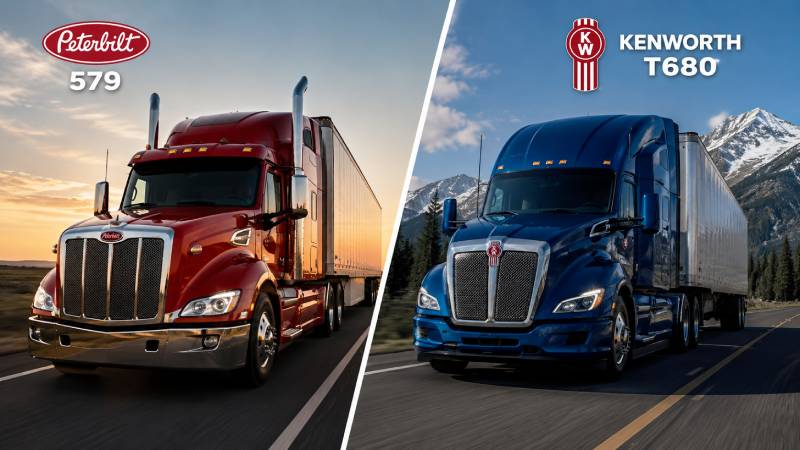
Kenworth trucks, particularly the T680 and W900, edge out equivalent Peterbilts on raw resale value by roughly 3 to 8 percent over a five-year hold, according to auction data from Ritchie Bros. But the gap is narrow enough that it rarely decides the outcome on its own. Engine spec, mileage relative to the next major service interval, and where you sell the truck all move the number more than the badge on the hood does. If you’re weighing a used Class 8 tractor as a resale asset rather than just a work truck, here’s what actually separates the two brands, and what doesn’t.
Does Peterbilt or Kenworth hold resale value better?
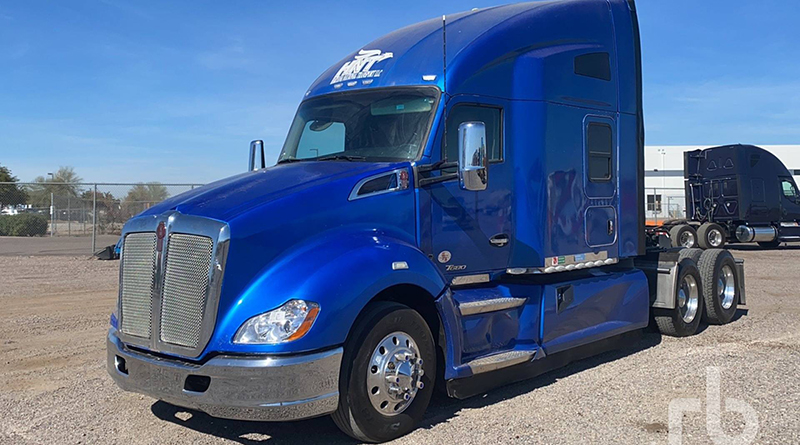
Kenworth holds a slight, consistent edge in raw resale data, but Peterbilt closes or reverses that gap in specific regions and configurations. Both brands are owned by PACCAR and share the same MX-13 and MX-11 engine platforms, so the underlying reliability and parts costs, the two biggest long-term drivers of resale value, are nearly identical. The 3 to 8 percent spread in Kenworth’s favor shows up most reliably on the T680 against the Peterbilt 579 in national auction data. Regionally and by model, that spread can vanish entirely.
What actually drives resale value on a used Peterbilt or Kenworth?
Engine history, mileage against the rebuild clock, spec completeness, and documented maintenance move the price more than brand does. A few things worth knowing before you buy or sell:
- Engine type matters more than most buyers expect. Modern trucks running PACCAR’s MX-13 or the Cummins X15 hold value well because parts and service networks are mature. Pre-emissions trucks (pre-2007) spec’d with the Cummins ISX, Detroit Series 60, or Caterpillar C15 are often more sought after than newer, more complicated powertrains, since they’re simpler to rebuild and cheaper to keep running.
- Mileage relative to the next major service matters more than mileage alone. A truck with 550,000 miles that just had a rebuild is worth more than one with 400,000 miles approaching one.
- Factory spec beats aftermarket modification. OEM sleepers, chrome packages, and factory options retain value better than heavily customized trucks, even when the modifications cost more upfront.
- Paper trail is a real price mover. Documented service history consistently pulls a premium at auction, because it removes guesswork for the next buyer.
Because Peterbilt and Kenworth share PACCAR’s parts supply chain and dealer network, these factors apply almost identically across both brands. That shared platform is exactly why the resale gap between them stays so narrow.
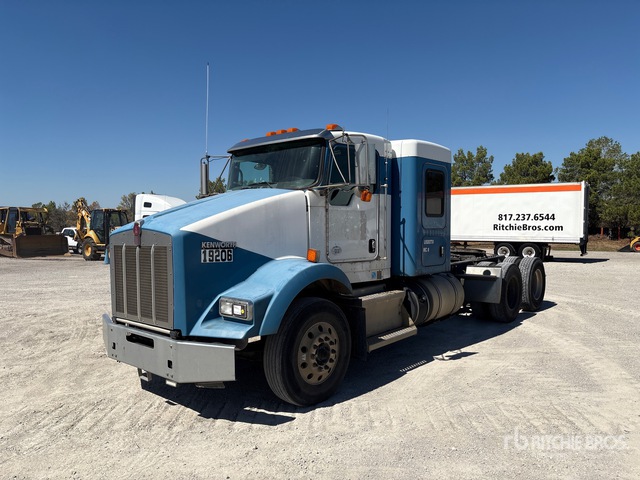 2016 Kenworth T800 T/A Sleeper Truck Tractor
How do the two brands compare region by region?
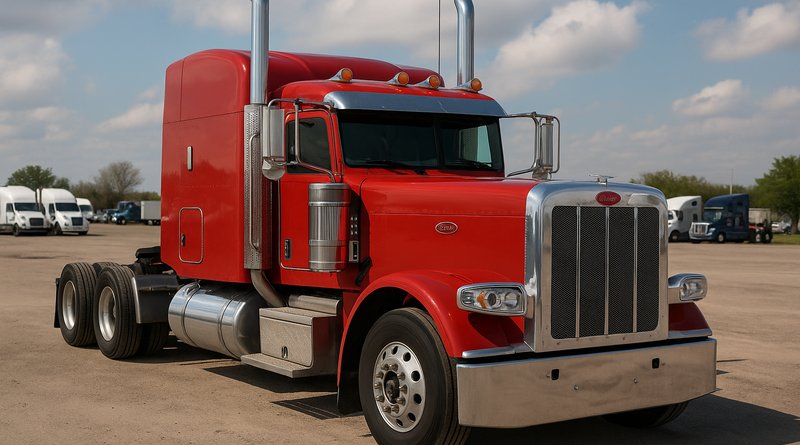
Kenworth sells at a premium in the Western US and Canada, while Peterbilt commands a stronger price in the South and Southeast. This is a buyer-pool effect more than a build-quality one. A Peterbilt 389 sold at auction in Texas will often outperform an identical Kenworth W900 sold in the same room, simply because more Peterbilt-loyal buyers are bidding. The reverse tends to hold true further north and west. If you’re planning a five-year hold with resale in mind, where you’ll eventually sell is worth weighing as heavily as which brand you buy. Browsing current 5-axle day cab tractors at auction is a fast way to see this regional pricing play out in real transaction data rather than dealer list prices.
How does either brand compare to Freightliner on resale?
Both Peterbilt and Kenworth consistently outperform Freightliner on resale despite Freightliner leading new truck sales by volume. Freightliner’s Cascadia dominates fleet purchases, but that same volume means more supply hits the used market every year, which suppresses resale prices across the board. Buyers who prioritize resale return over lower acquisition cost tend to choose Peterbilt or Kenworth for this reason, even when Freightliner would save money upfront.
Which truck should you buy for a five-year resale play?
Choose Kenworth if pure resale liquidity is the priority, and Peterbilt if driver retention and regional premium matter more to your business. The spread between them at the five-year mark, typically 3 to 8 percent, sits well within the range that condition, mileage, and selling venue can swing on their own. In practice, that means the brand decision matters less than getting the engine spec, maintenance records, and sale location right.
Vocational segments are worth a look for buyers or sellers who want less price volatility than the over-the-road tractor market carries. Winch trucks and water trucks generally see less supply pressure and a tighter resale spread than long-haul Class 8 tractors, regardless of which of the two brands you’re comparing.
Bottom line: Peterbilt and Kenworth are the two safest bets in the used semi truck market for retained value. Kenworth edges ahead slightly on raw resale data. Peterbilt wins on driver desirability and regional premium in key markets. Condition, engine spec, and selling venue decide the outcome more than brand loyalty does.
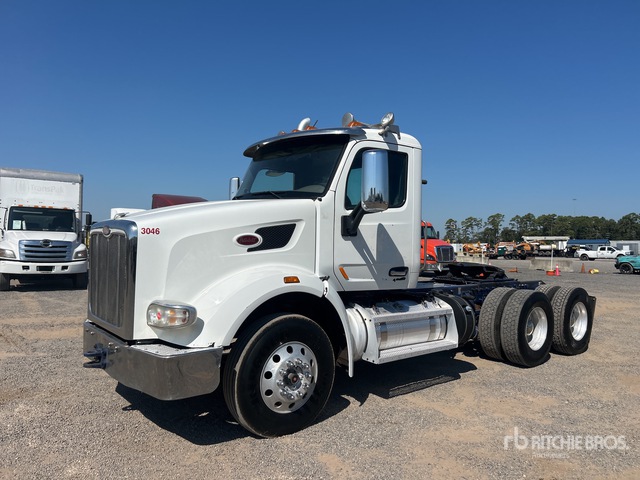 2016 Peterbilt 567 T/A Day Cab Truck Tractor
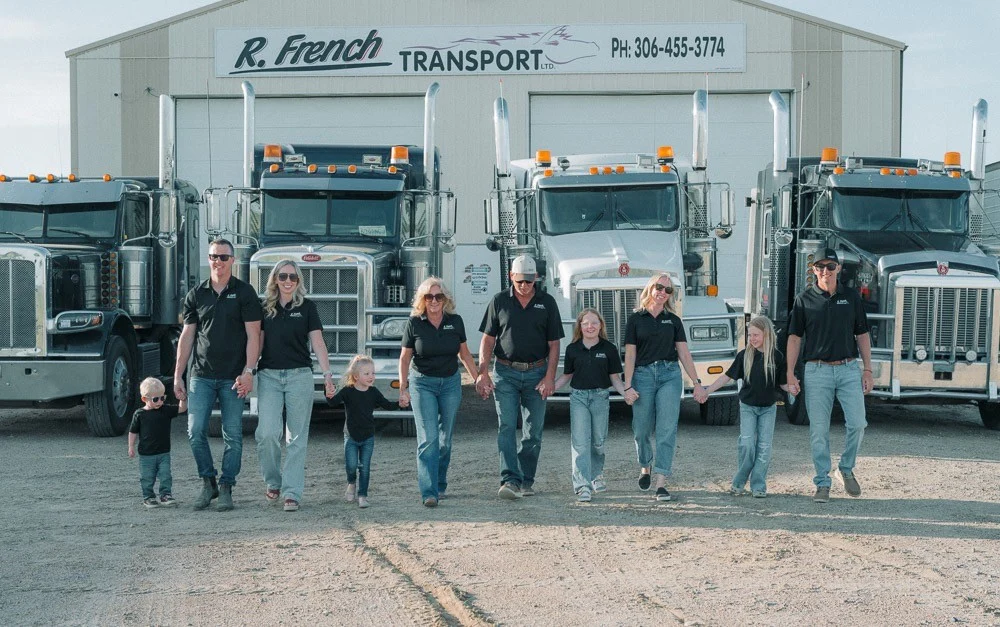 |
From Winter Roads to Retirement: How R. French Transport Sold Its Fleet from Home in Arcola, SK |
 2016 Kenworth T800 T/A Sleeper Truck Tractor2016 Peterbilt 567 T/A Day Cab Truck Tractor
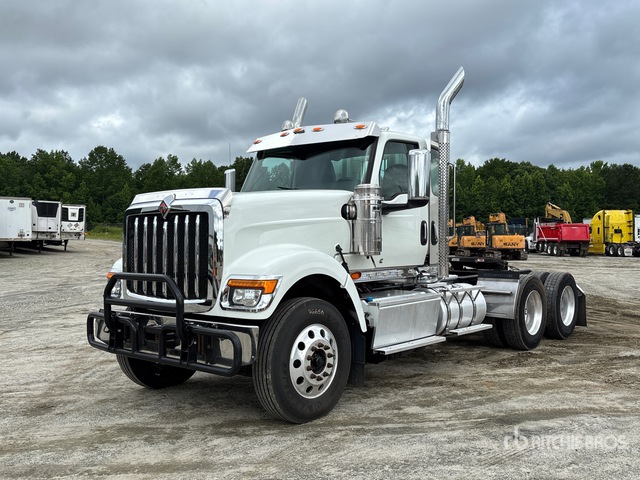 2022 International HX520 T/A Day Cab Truck Tractor
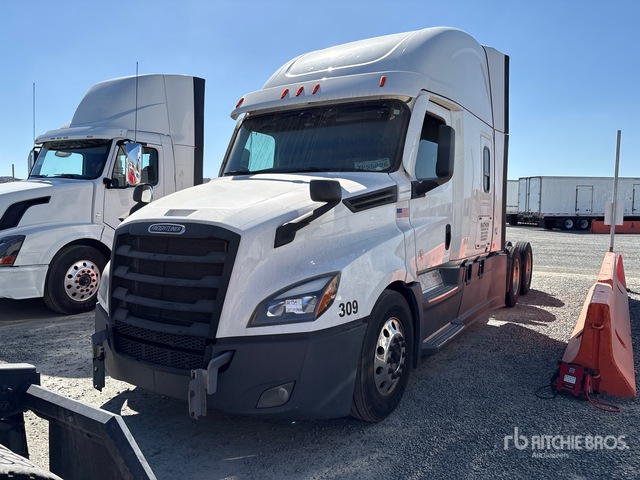 2022 Freightliner Cascadia 126 T/A Sleeper Truck Tractor
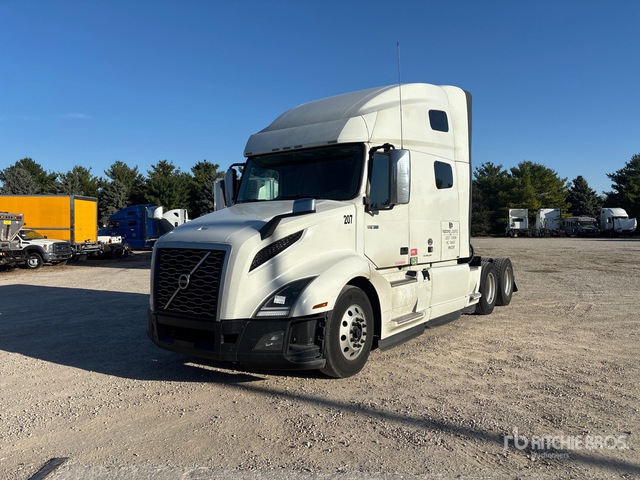 2024 Volvo VNL760 T/A Sleeper Truck Tractor
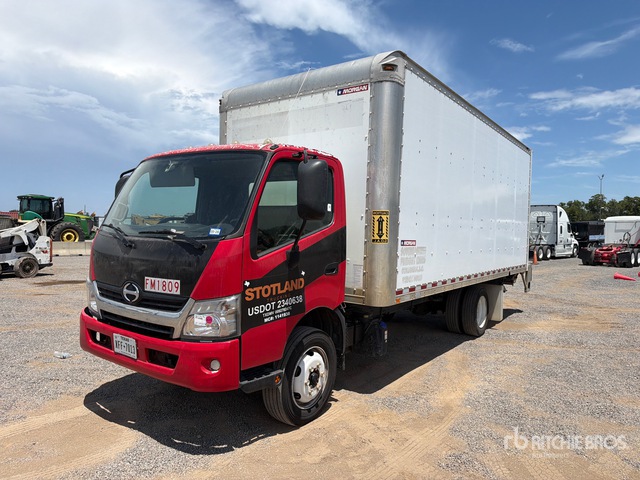 2017 Hino 195 Van Truck
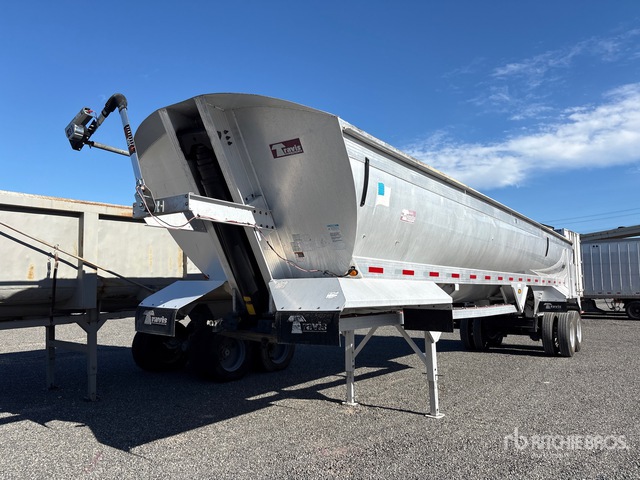 2017 Travis S/97 End Dump Trailer
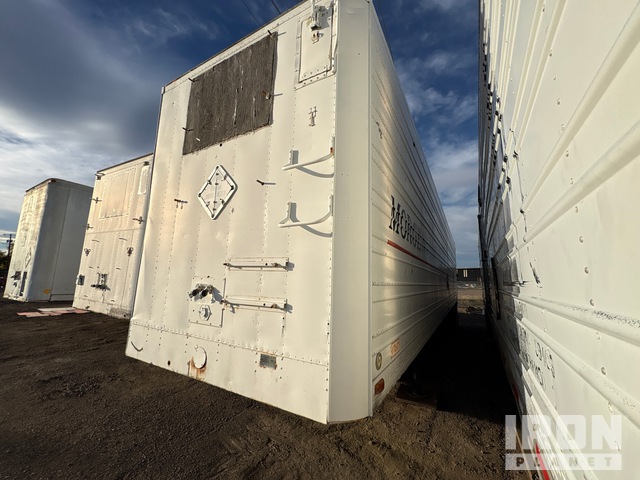 1975 Utility VS2RS Van Trailer
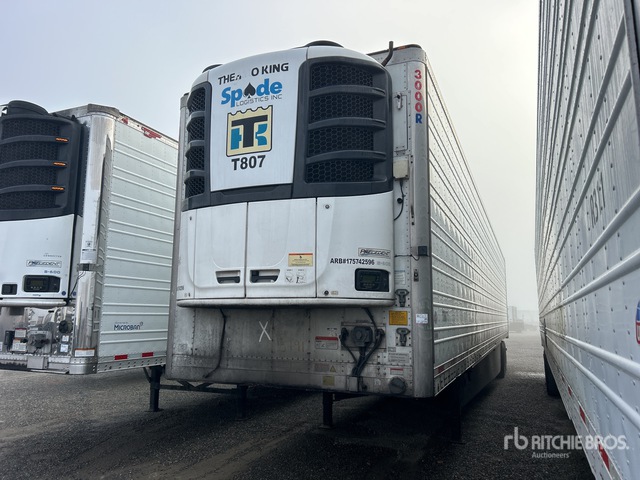 2018 Utility VS2RA Refrigerated Trailer
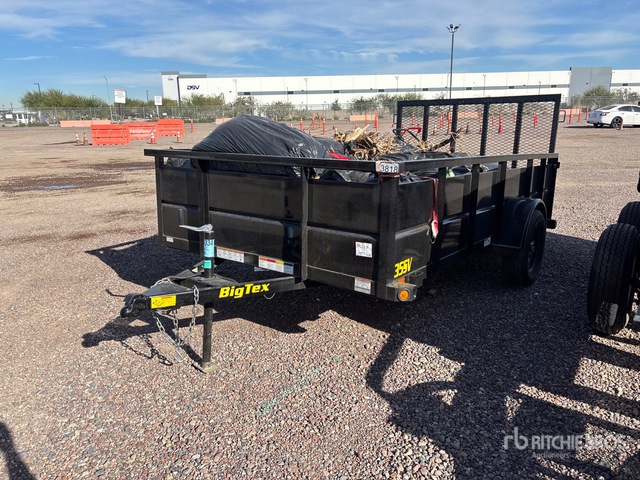 2026 Big Tex 35SV-12BK Dump Utility Trailer
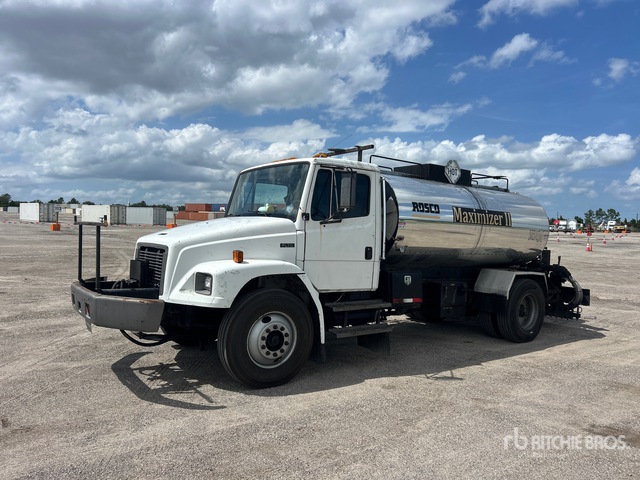 2002 Freightliner FL 70 Asphalt Distributor Truck
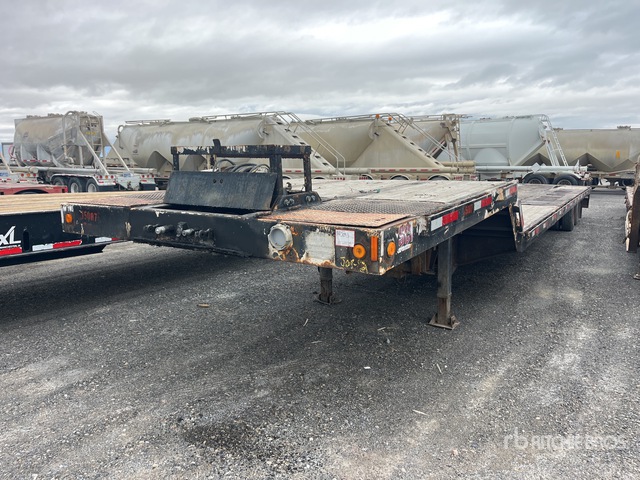 1999 Trail-Eze DLX30TC4 Sliding Axle Trailer
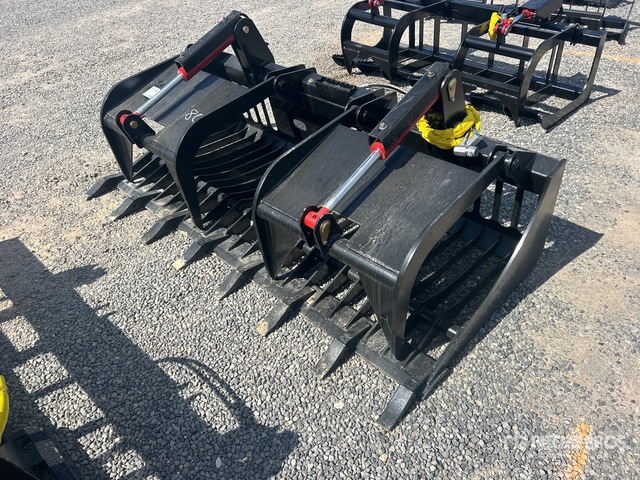 All-Star Skid Steer Grapple
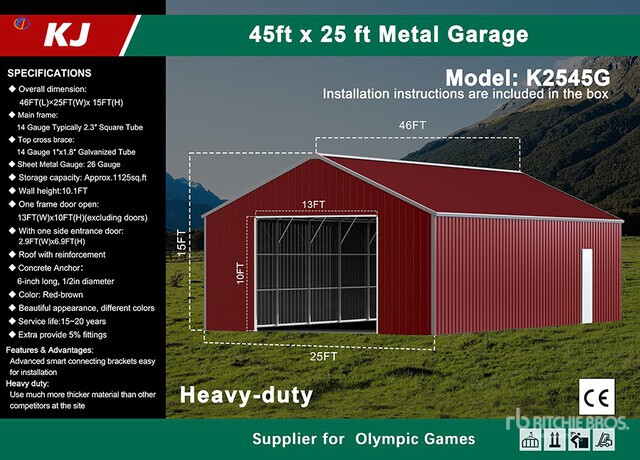 2026 KJ K2545G Storage Building
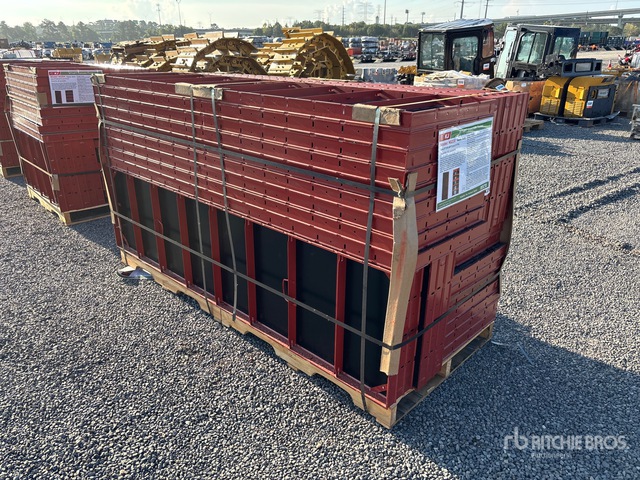 2026 KJ K0208 Concrete Forms
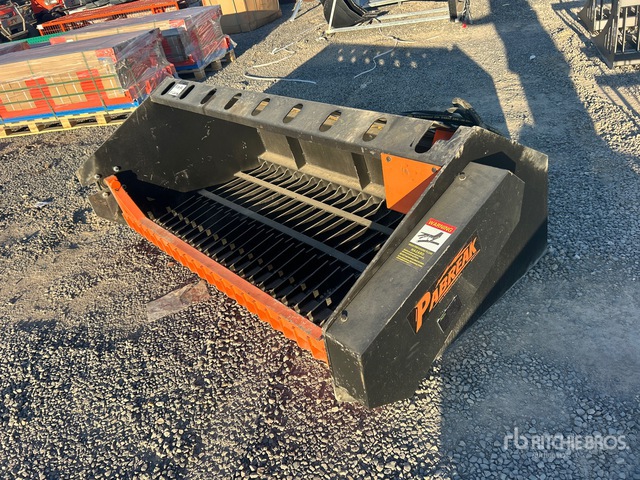 2026 PABREAK RP280 Skid Steer Rock Picker
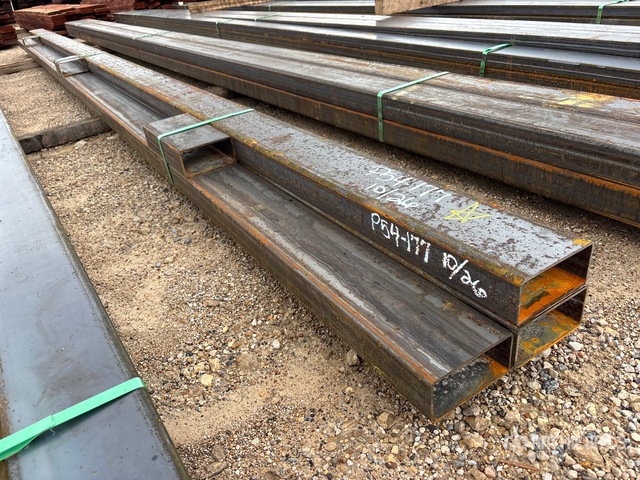 2026 Kit Containers Misc. Construction Materials
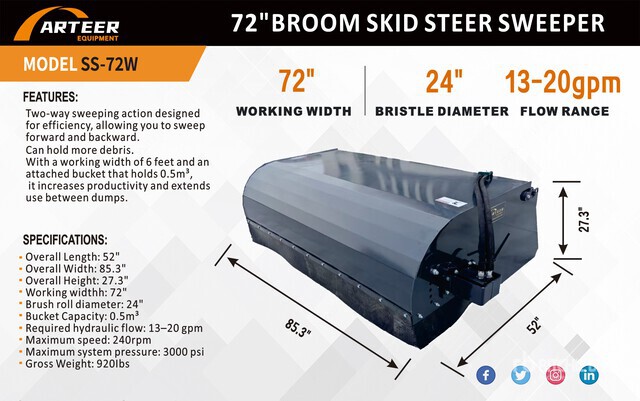 2026 ARTEER SS-72W Skid Steer Sweeper
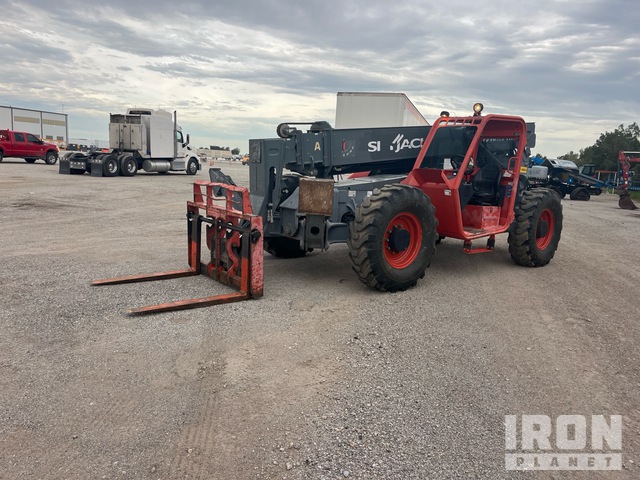 2018 Skyjack SJ1044 TH Telehandler
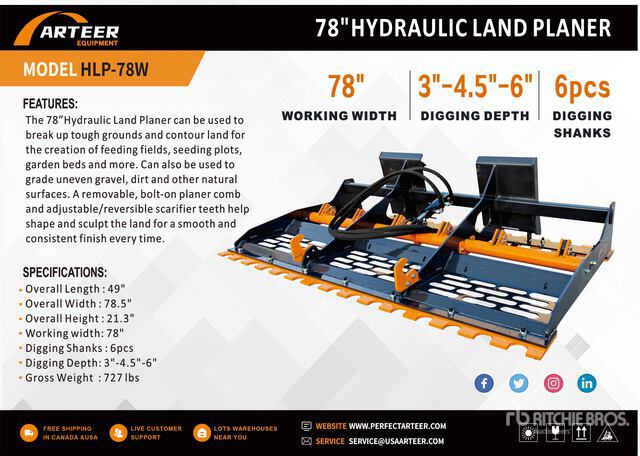 2026 ARTEER HLP-78W Skid Steer Landplane
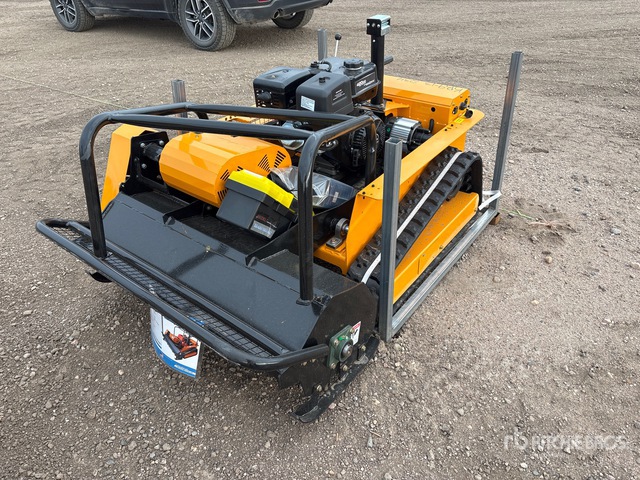 2026 SDLOOL SL-LM1000Q Lawn Mower
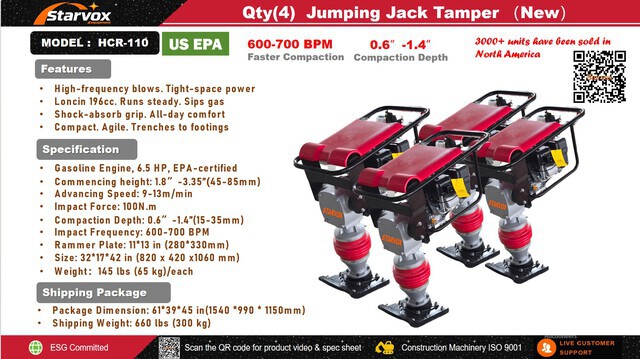 2026 STARVOX HCR-110 Jumping Jack Tamper
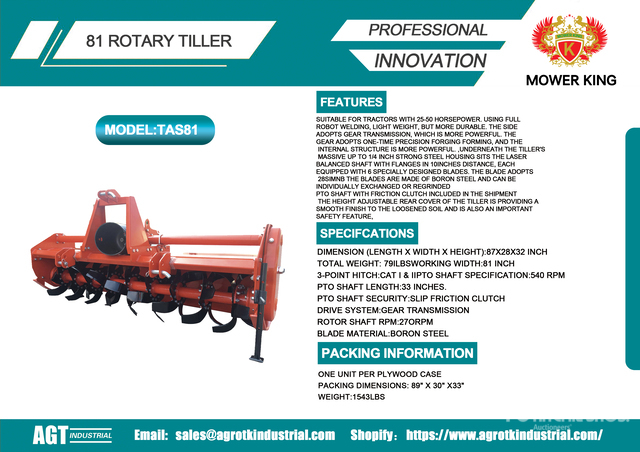 2026 Mower King TAS-81 Rotary Tiller
 2023 Bomag BMP 8500 Trench Compactor
 2022 Bobcat T740 Compact Track Loader