 USA
USA France
  Germany
  United Kingdom
  Netherlands
  Spain
Spain  Italy
Italy  Canada (FR)
  Mexico
  Australia
 Here’s why more buyers are financing used equipment instead of paying cash at auction


Why are buyers moving away from cash purchases at auction?
Because paying cash for equipment quietly drains the cash you need for everything else running around it. A $180,000 excavator paid for outright is $180,000 you can’t use for payroll during a slow month, a repair on another machine, or the next opportunity that shows up before your next job pays out. Financing spreads that cost over the life of the machine instead of front-loading it onto one invoice. For a business running thin margins between jobs, that difference in timing matters more than the interest line on the loan — see our breakdown on weighing buying outright against financing for the full math.
There’s a second reason, less obvious but just as real: buyers who finance often end up with more capacity, not less. A contractor with $200,000 in reserve can pay cash for one machine, or put down a fraction of that and finance two. When utilization is the thing driving revenue, having a second machine working beats having zero debt.
What changed in the lending environment to make this shift stick now?
Rates cooled through 2025 and into 2026 after several rough years of borrowing costs. Well-qualified buyers are seeing equipment loan rates in roughly the 6% to 15% range depending on credit profile and term, a meaningfully better spread than the peak years, even as some lenders tightened who qualifies for the lower end of that range.
That combination changes the math. A few years ago, financing a machine meant accepting a rate that ate into the argument for borrowing at all. Now the interest cost is small enough, relative to the value of keeping cash on hand, that more buyers are running the numbers and financing even when they technically could pay cash.
None of this means financing is automatically cheaper than cash. It means the gap has narrowed enough that liquidity usually wins the comparison for buyers who have a real use for that capital elsewhere.
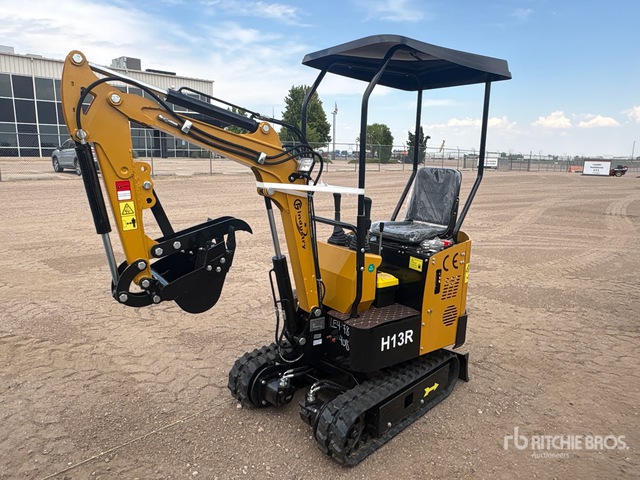 2026 CFG H13R Mini Excavator: <6.6t
Who’s actually financing equipment, and does that match who’s buying at auction?
Yes, and the overlap is closer than most buyers realize. According to the Equipment Leasing and Finance Association’s 2024 Industry Horizon Report, agriculture and construction rank as the top two end-user industries for equipment financing by new business volume nationally, ahead of wholesale, retail, and health services. Those are the same two categories that make up the bulk of what moves across an auction floor.
The same data shows banks originate the majority of new equipment financing volume, with captive lenders and independents splitting most of the rest. Middle-ticket transactions, the range where most heavy equipment purchases actually land, account for over half of all new business volume industry-wide.
That last point matters for how you think about a lender. A generalist bank is financing equipment as one product line among many, evaluating you the way it would evaluate any borrower. Ritchie Bros. Financial Services operates closer to the captive model, financing the specific machine you’re bidding on rather than your business in the abstract — and it’s backed by real volume, with $1B+ in pre-approved financing extended to equipment buyers. That structure is also what makes one financing approval, multiple purchases possible for buyers who want to put reserve capital to work across more than one machine. That’s part of why pre-approval through a lender embedded in the buying process tends to move faster than a general-purpose bank loan.
Ready to see where you stand? Applying for equipment financing is straightforward once you know what documentation to bring.
How does financing change what you can actually bid?
A pre-approval sets your ceiling before the auction starts, and that changes how you bid, not just what you can afford. Buyers estimating their limit in real time tend to bid more cautiously, second-guessing themselves as the number climbs. Buyers who walked in with a confirmed financing limit from a lender like Ritchie Bros. Financial Services already know where their ceiling sits, so they can bid with less hesitation up to that number and move on cleanly once they hit it. That’s the financing side of the equation — pair it with finding your bidding strategy and the auction stops feeling unpredictable.
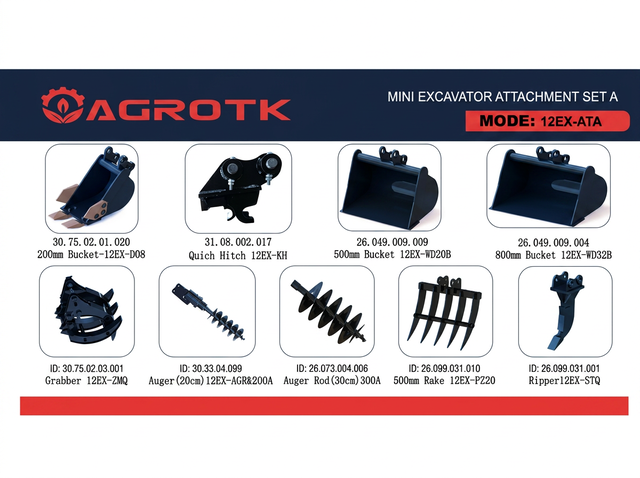 2026 AGT 12EX-ATA Misc. Excavator Attachment
This matters more at auction than almost anywhere else in a buying decision. Hesitation costs you the lot. A buyer who’s already cleared financing isn’t doing mental math mid-bid — they’re watching the number and deciding.
Does financing still make sense for used equipment specifically?
Yes, though used equipment usually carries a modest rate premium over new, typically 1.5 to 2.5 percentage points higher. Lenders price that premium because used equipment carries more uncertainty around remaining useful life and resale value than a new unit with a full warranty behind it. That’s also why reducing the risk of buying used matters as much as the financing terms themselves. For most buyers, that premium is still cheaper than the alternative of draining cash reserves or missing a piece of equipment that would have paid for itself within a season.
The exception is older, higher-hour equipment where the premium starts eating meaningfully into the value case. At that point it’s worth running the comparison directly: total financed cost over the loan term against the cash price, factoring in what that cash could otherwise do for your business.
What should you check before financing your next auction purchase?
Look past the headline rate. Before you show up, confirm:
- Your bidding limit under the pre-approval — not just the rate you’ll pay. A limit that’s too conservative defeats the purpose of financing in the first place.
- How fast funding actually clears — a pre-approval that takes a week to fund is close to useless on sale day.
- Whether the pre-approval covers both online and in-lane bidding — if you’re planning to buy across formats, not every financing arrangement is built for both.
Buyers who get this wrong usually find out at the worst possible moment, mid-auction, with a machine they want and a financing process that isn’t ready to move at the speed the sale demands. Sort it out before you’re in the room, not once bidding has started.
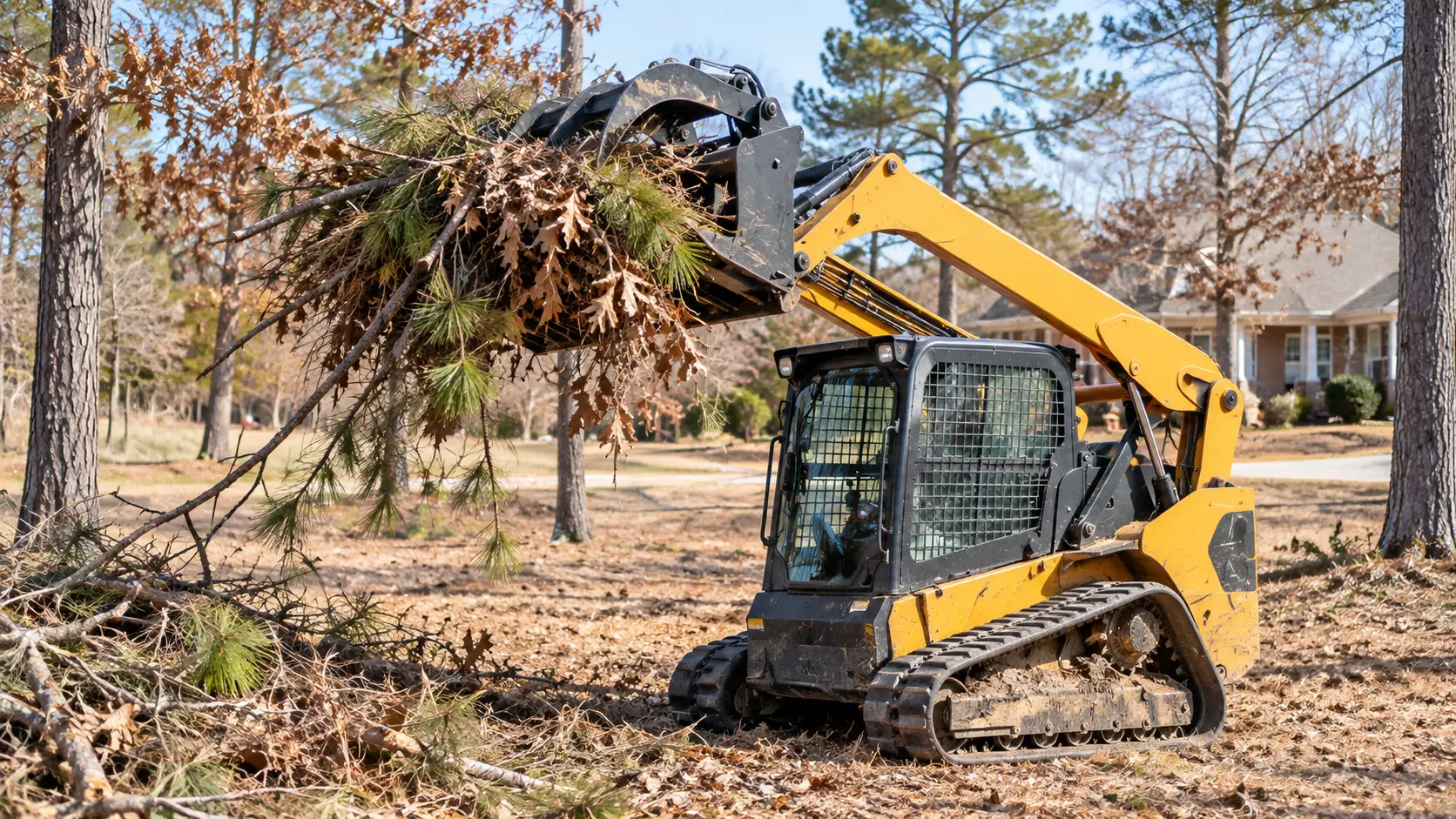 |
How to pick the best skid steer grapple for the job |
 2026 CFG H13R Mini Excavator: <6.6t2026 AGT 12EX-ATA Misc. Excavator Attachment
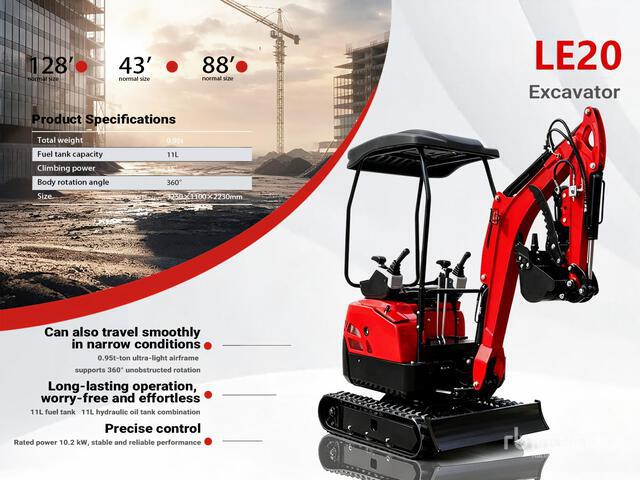 2026 LE20-RED Mini Excavator: <6.6t
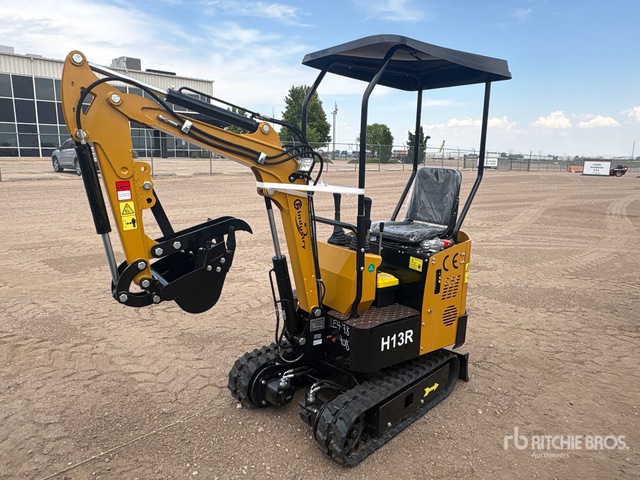 2026 CFG H13R Mini Excavator: <6.6t
 2016 Peterbilt 567 T/A Day Cab Truck Tractor
 2016 Kenworth T800 T/A Sleeper Truck Tractor
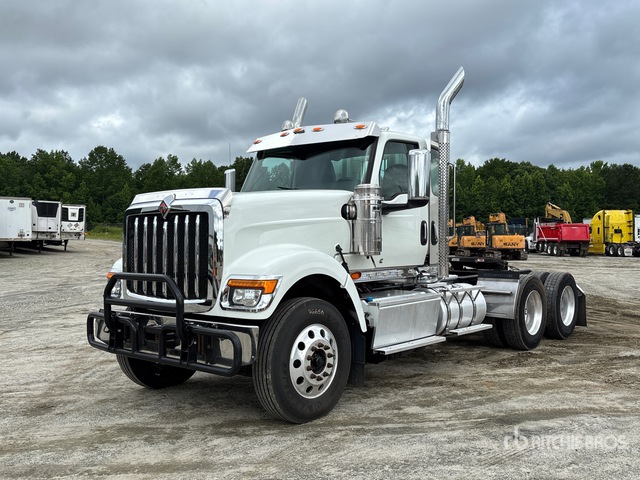 2022 International HX520 T/A Day Cab Truck Tractor
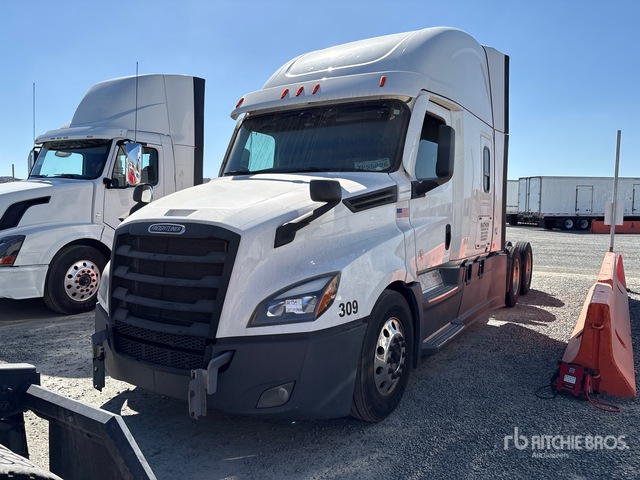 2022 Freightliner Cascadia 126 T/A Sleeper Truck Tractor
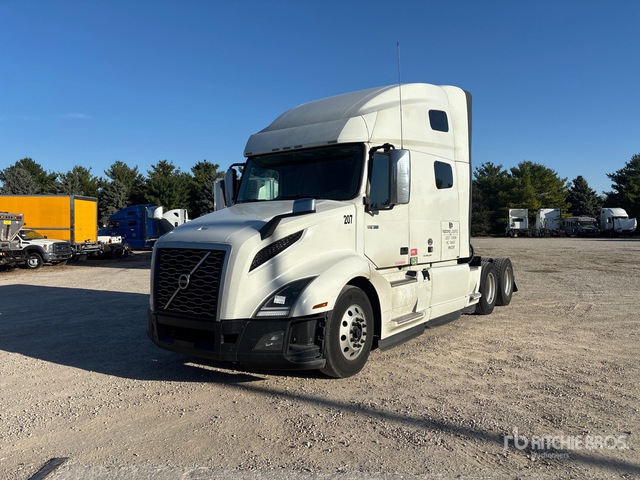 2024 Volvo VNL760 T/A Sleeper Truck Tractor
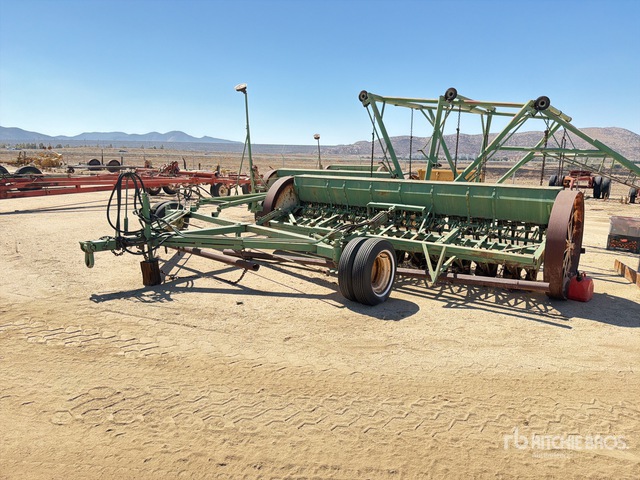 Seed Drill
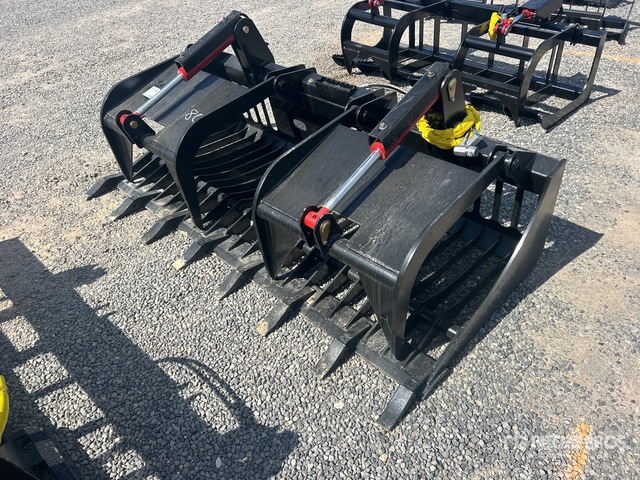 All-Star Skid Steer Grapple
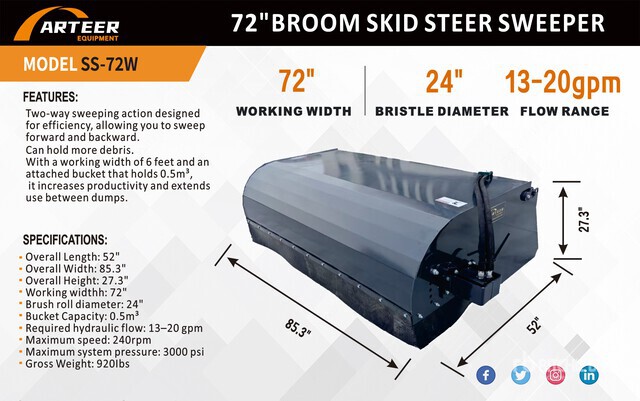 2026 ARTEER SS-72W Skid Steer Sweeper
 2026 KJ K0208 Concrete Forms
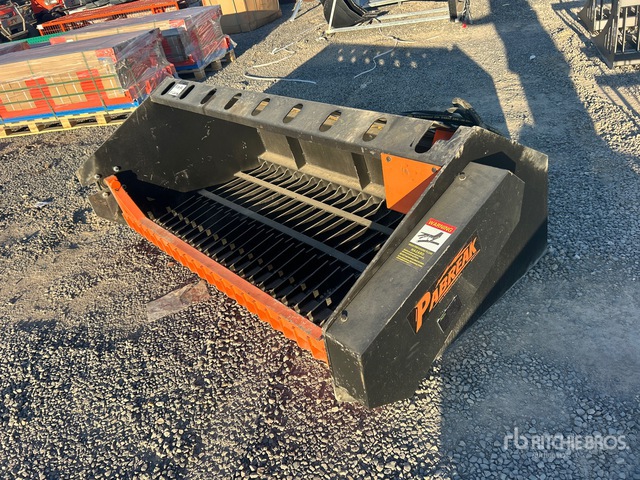 2026 PABREAK RP280 Skid Steer Rock Picker
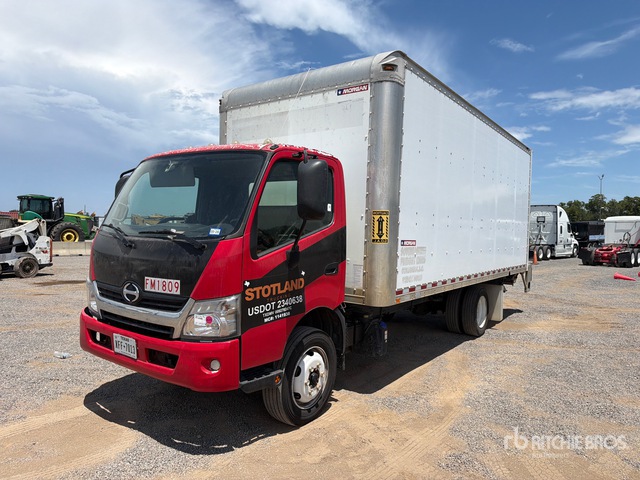 2017 Hino 195 Van Truck
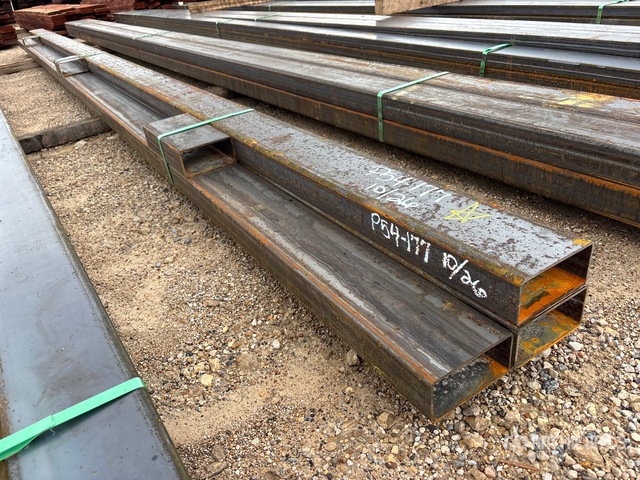 2026 Kit Containers Misc. Construction Materials
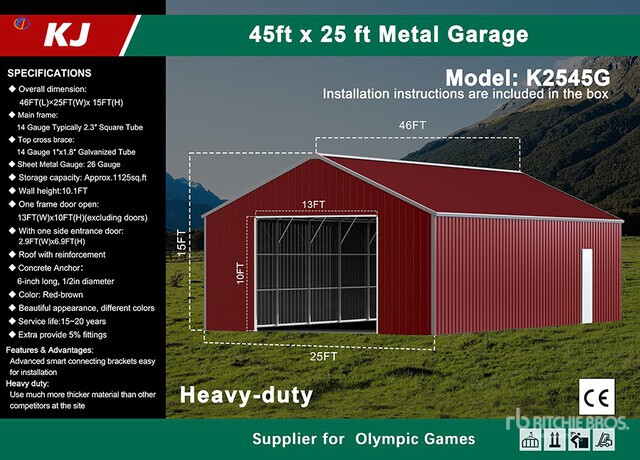 2026 KJ K2545G Storage Building
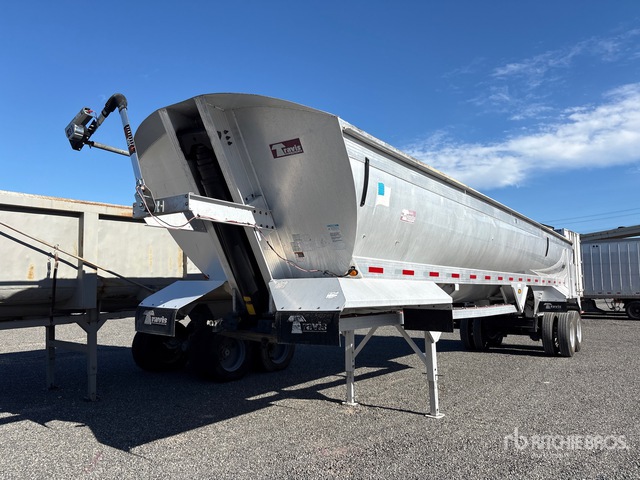 2017 Travis S/97 End Dump Trailer
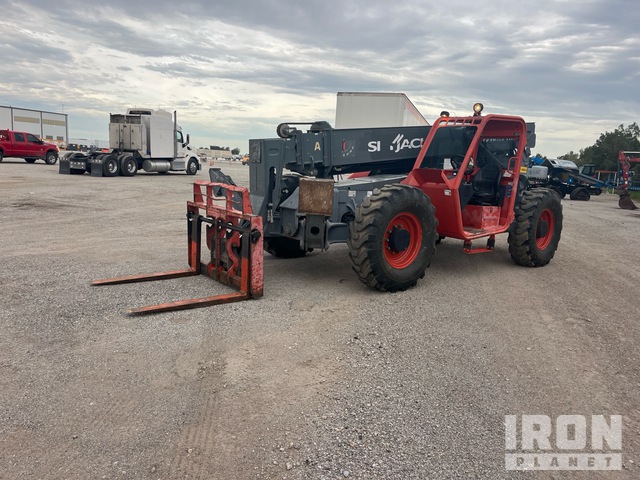 2018 Skyjack SJ1044 TH Telehandler
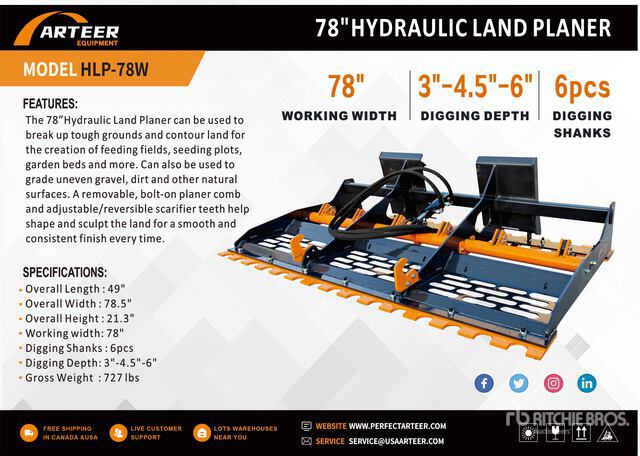 2026 ARTEER HLP-78W Skid Steer Landplane
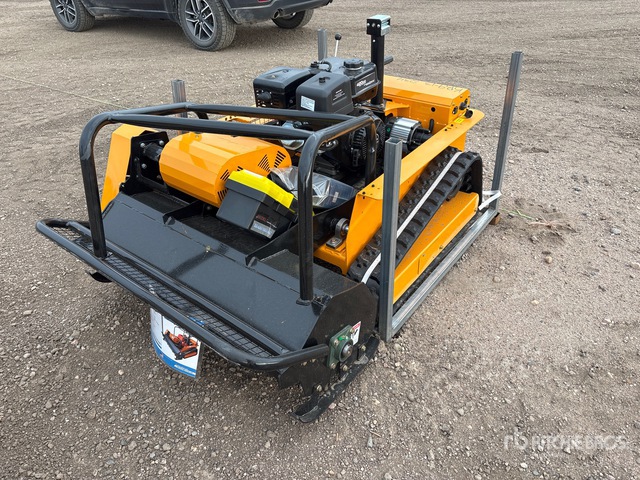 2026 SDLOOL SL-LM1000Q Lawn Mower
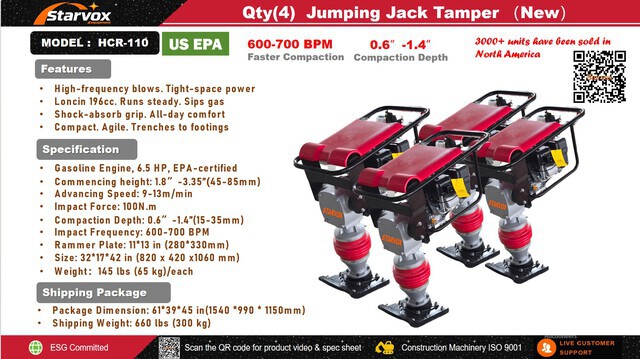 2026 STARVOX HCR-110 Jumping Jack Tamper
 1975 Utility VS2RS Van Trailer
 2023 Bomag BMP 8500 Trench Compactor
 2022 Bobcat T740 Compact Track Loader