 USA
USA France
  Germany
  Netherlands
  United Kingdom
  Spain
Spain  Italy
Italy  Canada (FR)
  Mexico
  Australia
 Bobcat Hydraulic Fluids: Which one can you use?

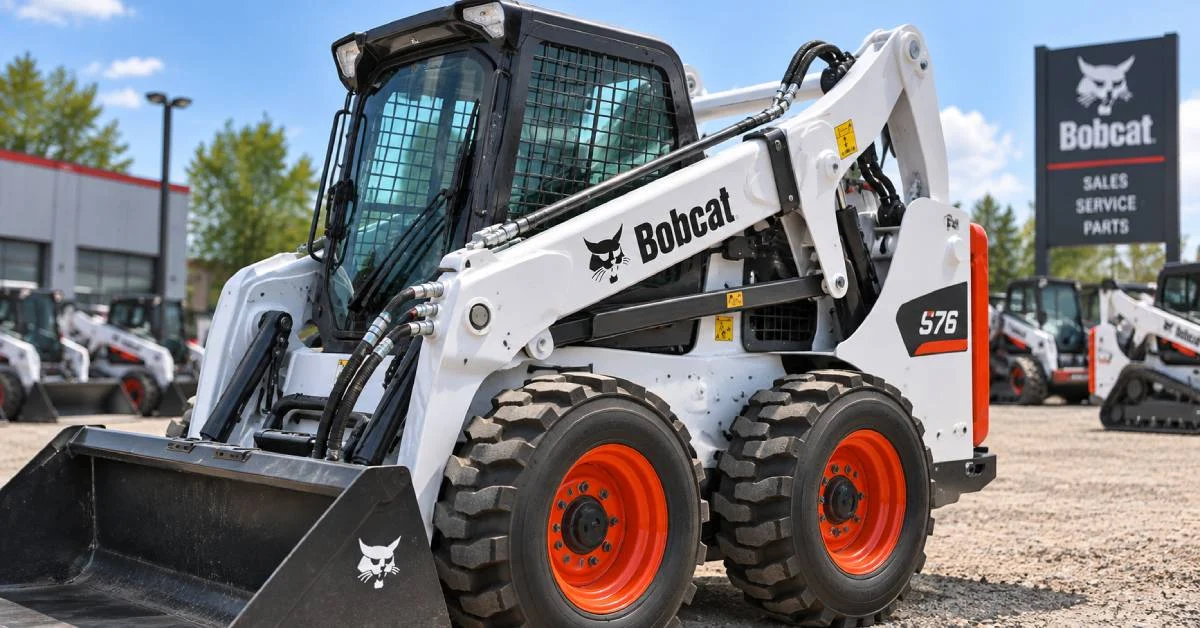
Bobcat skid steers use a specific hydraulic/hydrostatic fluid — Bobcat’s own branded fluid or a Bobcat-approved equivalent meeting the same spec — rather than generic hydraulic oil, because the fluid also lubricates the hydrostatic drive system that powers the machine’s wheels or tracks. Using the wrong fluid type can affect both hydraulic performance and drivetrain wear over time.
What type of hydraulic fluid does a Bobcat skid steer use?
Bobcat actually sells two separate hydraulic/hydrostatic fluid lines, not one all-purpose formula. Proven Performance Hydraulic/Hydrostatic Fluid (orange) is the legacy formulation for older machines, while current-generation and R-Series loaders require Max Performance Hydraulic/Hydrostatic Fluid, sold in Warm Climate and Cool Climate versions depending on your operating region — Bobcat specifies that the older orange Proven Performance fluid is not compatible with newer R-Series equipment. Always confirm which line and climate variant your machine needs in its operation and maintenance manual.
| Bobcat fluid | Color | Typical use |
|---|---|---|
| Proven Performance Hydraulic/Hydrostatic Fluid | Orange | Legacy/older skid steer models (pre-R-Series) |
| Max Performance Hydraulic/Hydrostatic Fluid — Warm Climate | Red | Newer R-Series and current-generation loaders, warmer operating regions |
| Max Performance Hydraulic/Hydrostatic Fluid — Cool Climate | Blue | Newer R-Series and current-generation loaders, cooler operating regions |
Can I use a different brand of hydraulic fluid in a Bobcat?
Yes, as long as the substitute fluid meets Bobcat’s published specification for viscosity and performance — most major fluid manufacturers sell a “universal” hydraulic/hydrostatic fluid or a direct Bobcat-equivalent product designed to match the OEM spec. The key is confirming the equivalent fluid is rated for combined hydraulic and hydrostatic drive use, since a standard hydraulic-only fluid that isn’t rated for hydrostatic drive components can lead to premature wear on the drive motors.
What happens if I use the wrong hydraulic fluid?
Using a fluid with the wrong viscosity or additive package can cause reduced hydraulic response, increased heat buildup, and accelerated wear on hydrostatic pump and motor components, since these parts rely on the fluid for both lubrication and precise hydraulic control. In cold climates specifically, using a fluid not rated for the temperature range can cause sluggish hydraulic response during startup, which is why Bobcat offers season-specific fluid formulations for some models.
How do I check hydraulic fluid level on a Bobcat skid steer?
Most Bobcat skid steers have a sight glass or dipstick on the hydraulic reservoir, typically checked with the machine on level ground, attachments lowered, and the engine off. Checking at the interval specified in the operation manual — and topping off with the correct fluid type rather than whatever is on hand — is one of the simplest and most overlooked maintenance habits that affects long-term hydraulic system health.
How often should hydraulic fluid be changed?
Bobcat generally recommends hydraulic/hydrostatic fluid changes at set hour intervals specified in the machine’s maintenance schedule, commonly in the 1,000-2,000 hour range depending on model and duty cycle, with the filter changed at the same time. Machines working in dusty, high-heat, or heavy-duty-cycle conditions typically need more frequent fluid and filter changes than the standard interval, since contamination and heat both accelerate fluid breakdown.
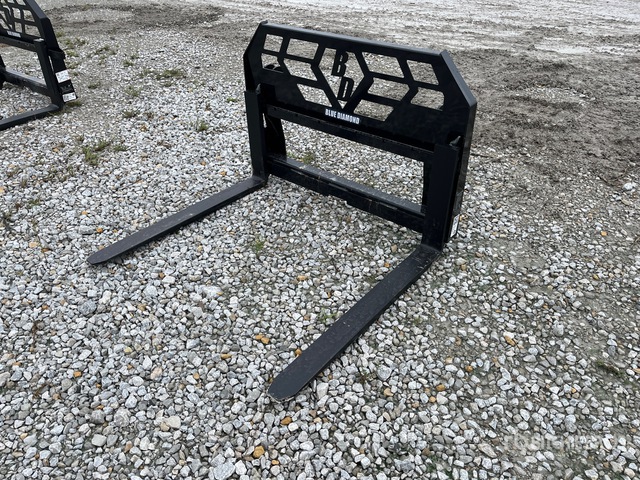 Blue Diamond Skid Steer Forks
What’s the difference between hydraulic fluid and hydrostatic fluid?
On most Bobcat skid steers, there isn’t a meaningful difference in practice — the machine uses a single fluid that services both the hydraulic implement circuits and the hydrostatic drive system, which is why Bobcat markets it as “hydraulic/hydrostatic fluid” rather than two separate products. Some older or specialty machines separate the two systems, so it’s worth confirming your specific model’s configuration in the manual before assuming a single fluid covers both.
The bottom line
Sticking to Bobcat’s specified hydraulic/hydrostatic fluid — or a confirmed equivalent rated for the same dual-purpose use — is a simple habit that protects both hydraulic performance and drivetrain longevity. Checking fluid levels regularly and following the manufacturer’s change interval matters more for long-term reliability than most owners realize, especially for machines working in demanding conditions.
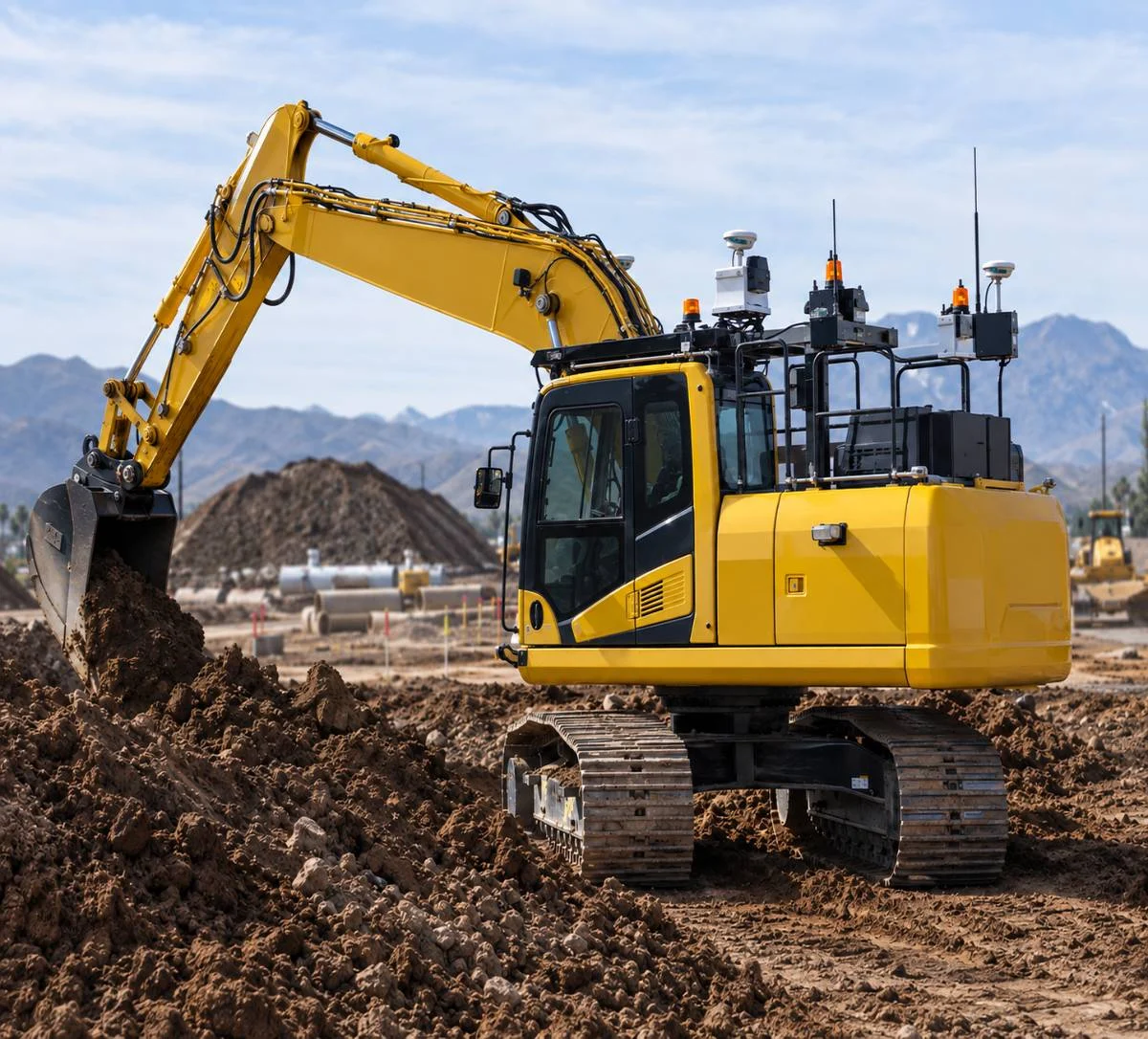 |
Autonomous excavators: where the technology stands in 2026 |

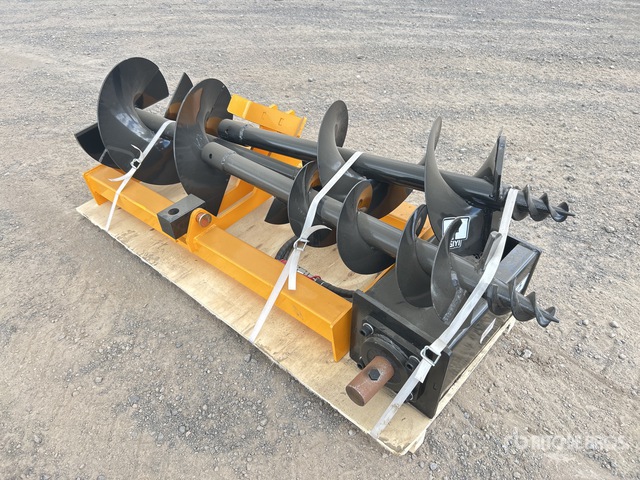 2026 GIYI GY-SA Skid Steer AugerBlue Diamond Skid Steer Forks
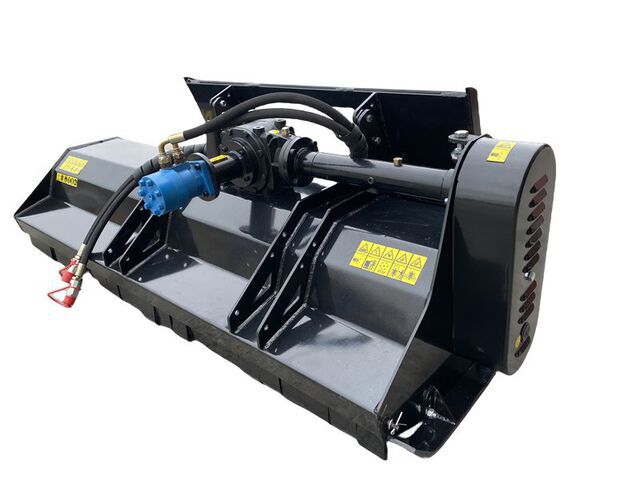 2026 Mower King SSEFGC175 Skid Steer Flail Mower
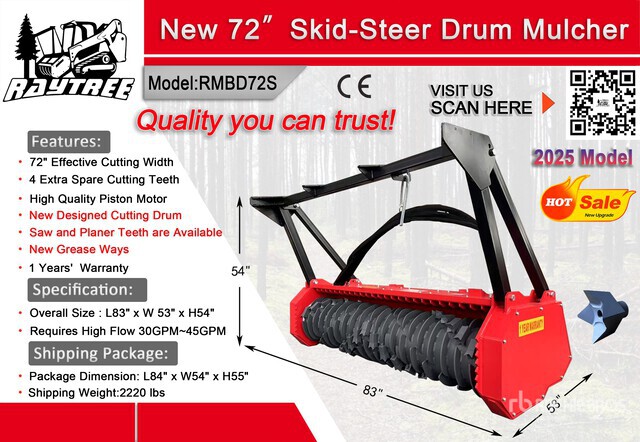 2026 Raytree RMBD72S Skid Steer Mulcher
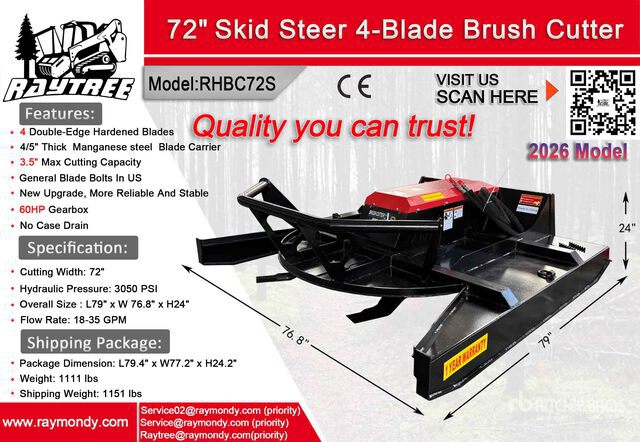 2026 Raytree RHBC72S Skid Steer Brush Cutter
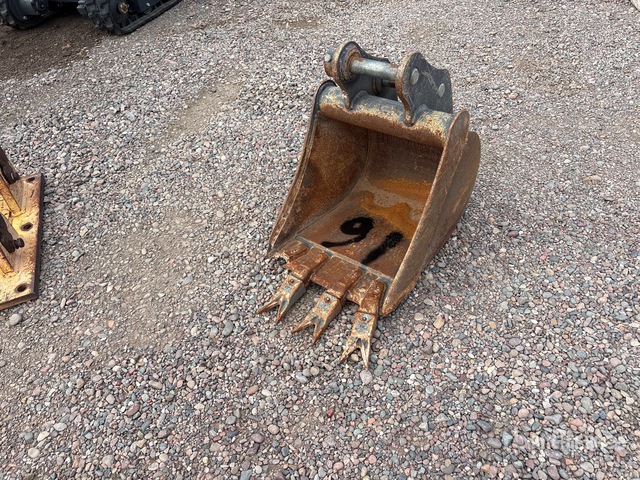 Backhoe Loader Bucket
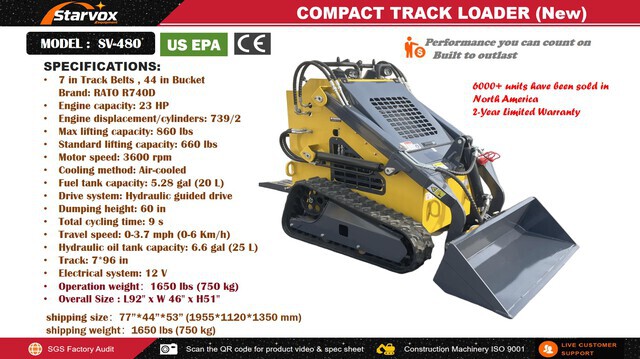 2026 STARVOX SV-480 Compact Track Loader
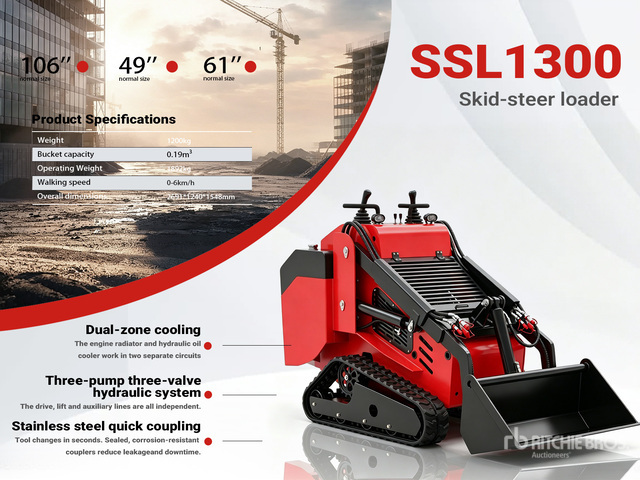 2026 SSL1300-RED Compact Track Loader
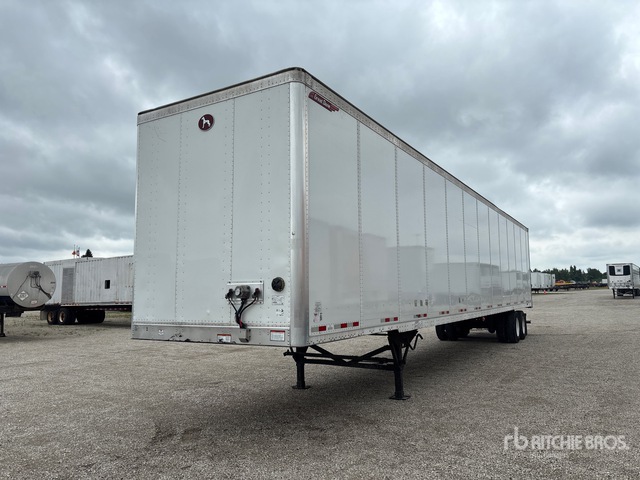 2022 Great Dane CCC-3314-01053 Van Trailer
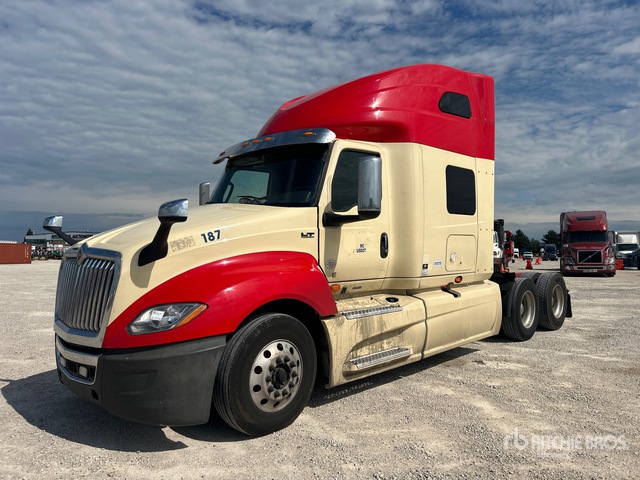 2020 International LT625 T/A Sleeper Truck Tractor
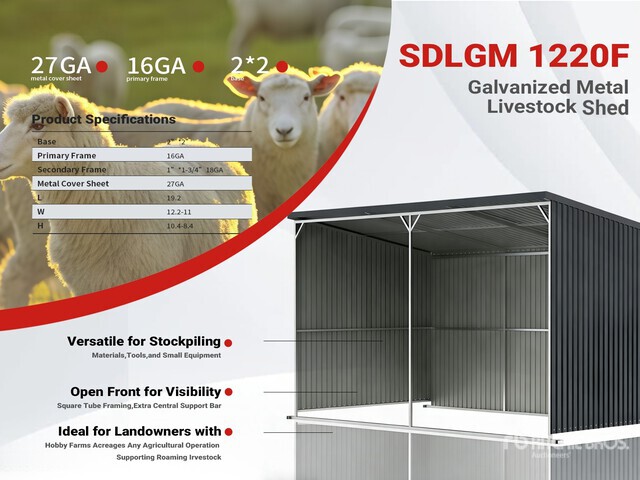 2026 SDLGM1220F Livestock Shelter
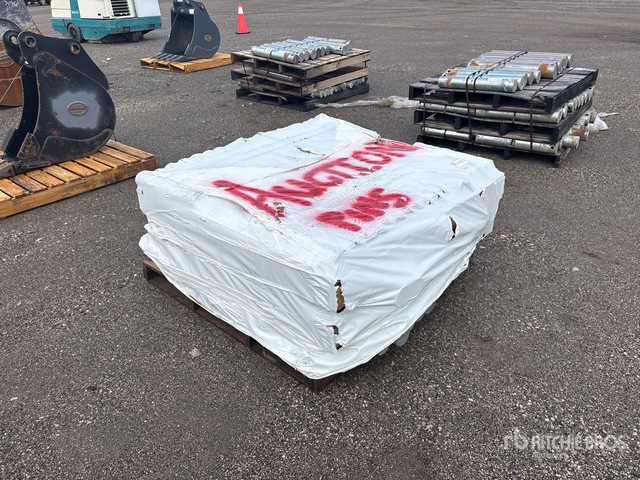 Misc. Parts
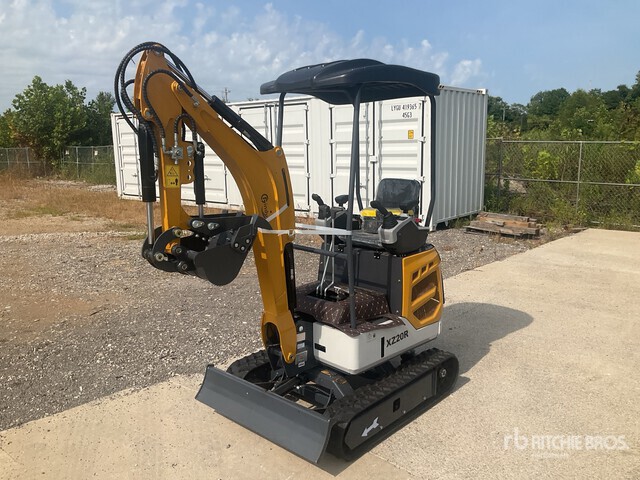 2026 CFG XZ20R Mini Excavator: <6.6t
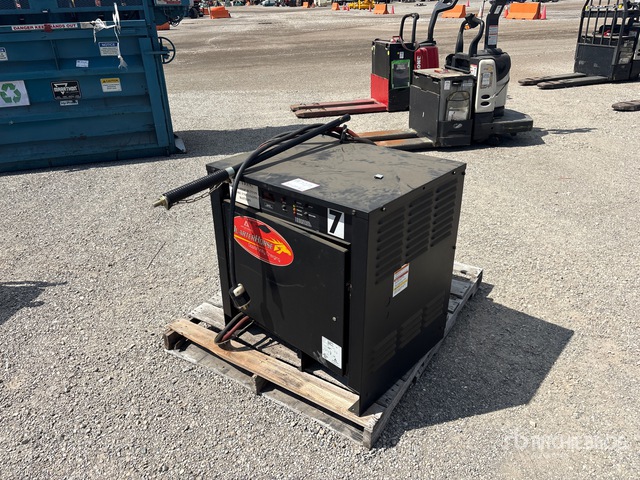 Applied LT2-12-85O Battery Charger
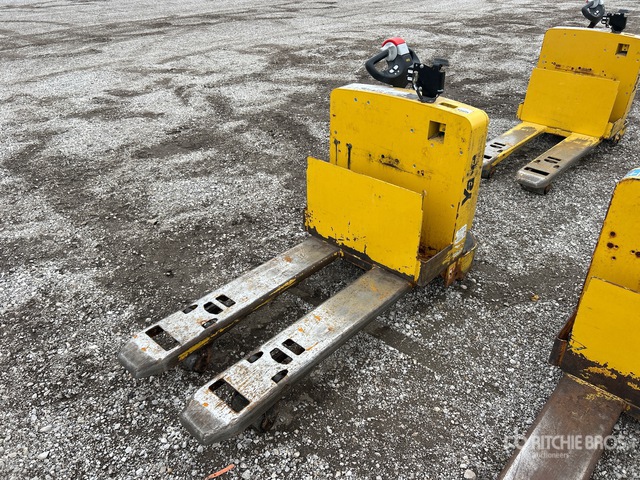 2022 Yale MPW065-E Pallet Jack
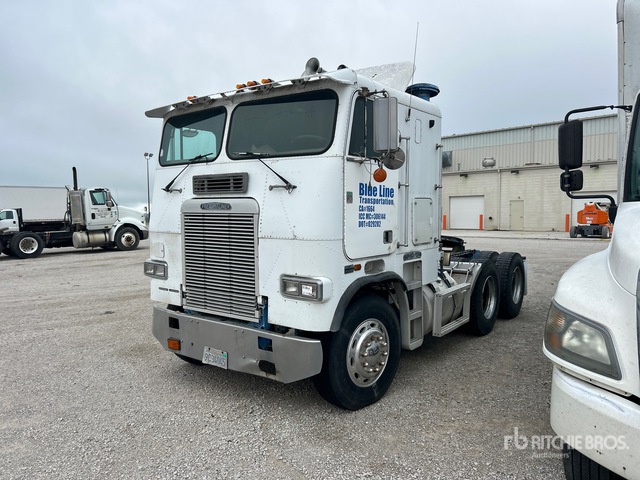 1986 Freightliner FLT T/A Cabover Day Cab
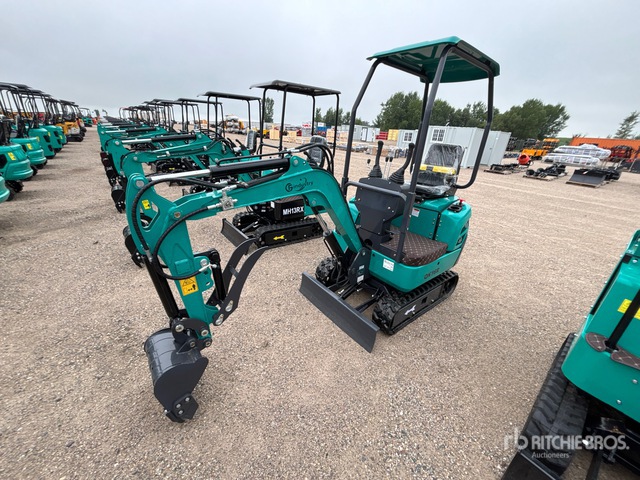 2026 CFG QK16R Mini Excavator: <6.6t
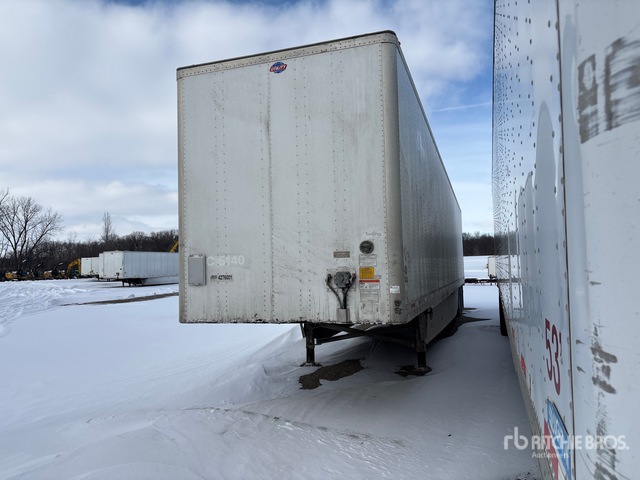 2015 Utility VS2DX Van Trailer
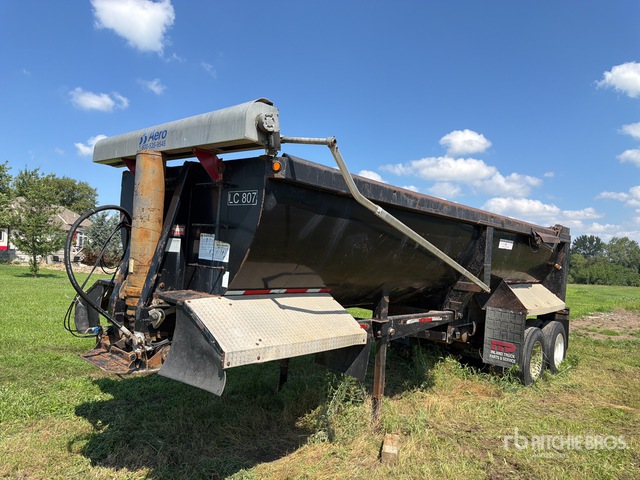 1998 Clement RKHS2625 End Dump Trailer
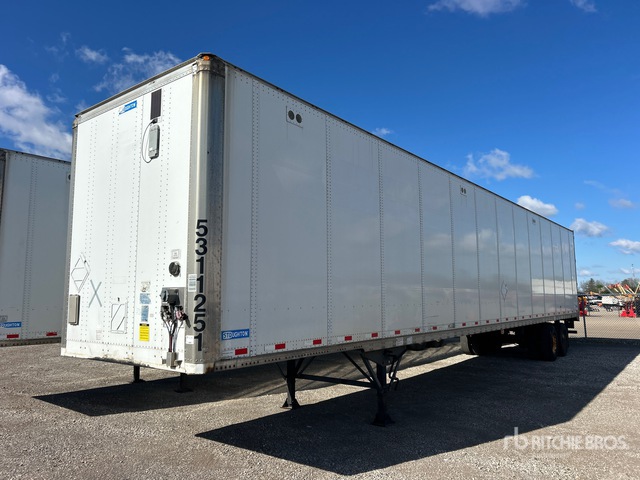 2012 Stoughton ZGPVW535T-S-C-AR Van Trailer
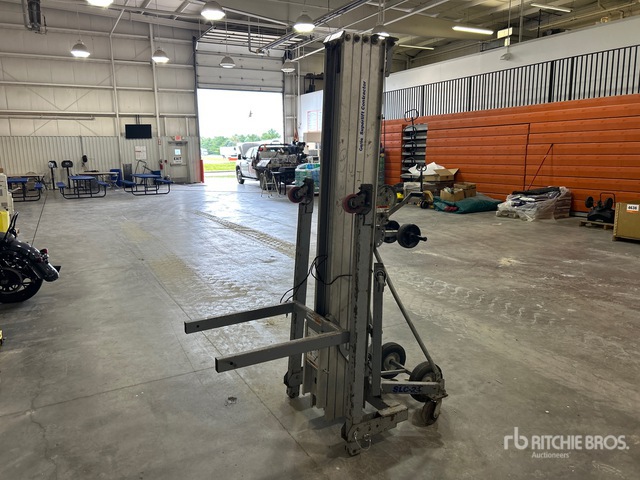 2001 Genie SLC-24 Material Hoist
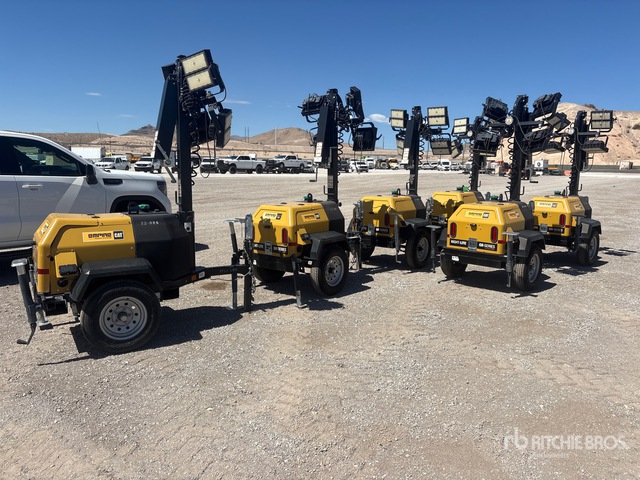 2022 Allmand LT-NLGRAC Light Tower
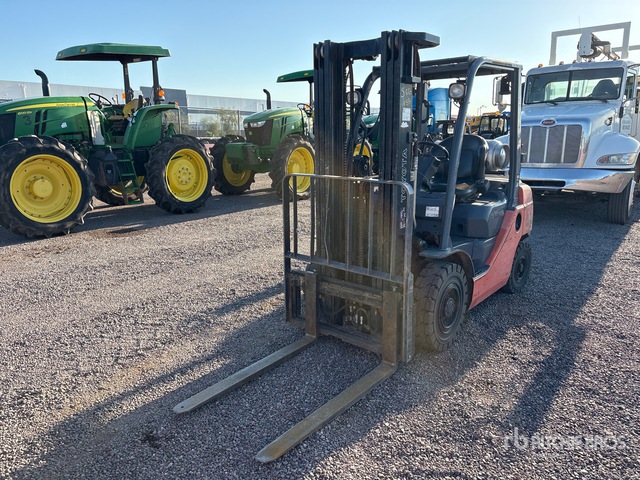 2014 Toyota 8FGU25 Forklift
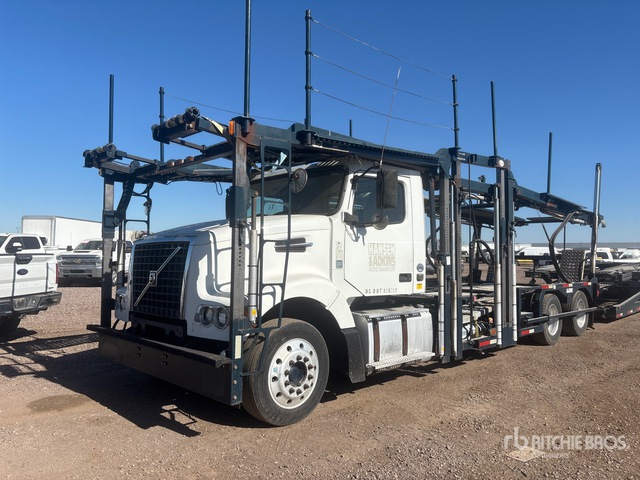 2014 Volvo VAH Car Carrier Truck
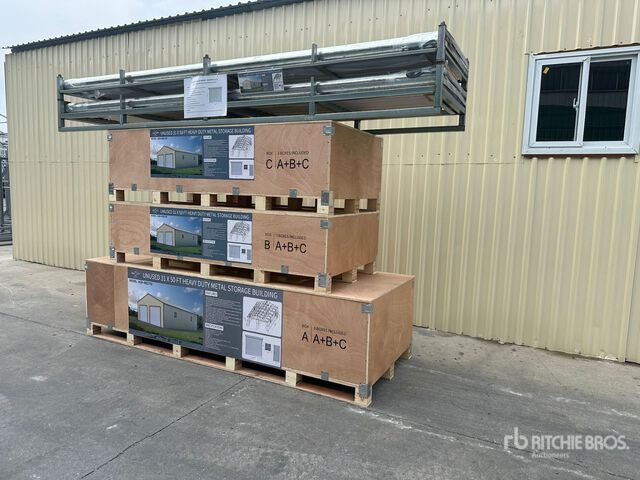 2026 AGR-MS3150 Storage Building