 USA/CAN
 France
  Germany
  United Kingdom
  Netherlands
  Spain
Spain  Italy
Italy  Canada (FR)
  Mexico
  Australia
 Skid steer: tracks vs wheels?


If you’re deciding between a tracked mini skid steer and a wheeled model, the answer comes down to three things: your ground conditions, the surfaces you need to protect, and how you weigh upfront cost against long-term running costs. Neither configuration is universally better — but one is almost always the right choice for a given job site.
Here’s a practical breakdown to help you buy smarter.
How tracks and wheels differ on mini skid steers
Tracks and wheels aren’t just a cosmetic difference — they change how the machine handles weight, traction, and surface contact in fundamentally different ways.
| Feature | Tracks | Wheels |
|---|---|---|
| Ground pressure | Low (spreads load) | Higher (concentrated at tires) |
| Traction on soft ground | Excellent | Limited |
| Surface damage | Minimal | Moderate to high (turf, pavers) |
| Speed | Slower | Faster |
| Maintenance cost | Higher (track replacement) | Lower (tire replacement) |
| Purchase price | Higher | Lower |
| Best for | Soft, wet, uneven, or sensitive terrain | Hard, stable, dry surfaces |
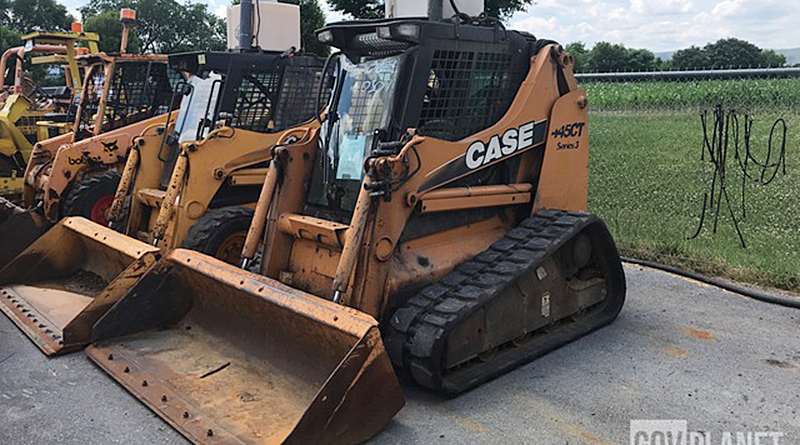
What is the main difference between a compact track loader and a skid steer?
A compact track loader uses rubber tracks instead of wheels to distribute the machine’s weight over a larger footprint, reducing ground pressure and improving traction on soft or uneven terrain. A wheeled skid steer concentrates that weight through four tires, making it faster and easier to maneuver on firm, flat surfaces but more prone to slipping or causing surface damage when conditions deteriorate.
Both machines use the same skid-steer steering principle — differential wheel or track speed — but their undercarriages are built for different environments.
When should you choose a tracked mini skid steer?
A tracked mini skid steer is the right call when ground conditions are soft, wet, or unpredictable, or when you’re working on surfaces you can’t afford to damage.
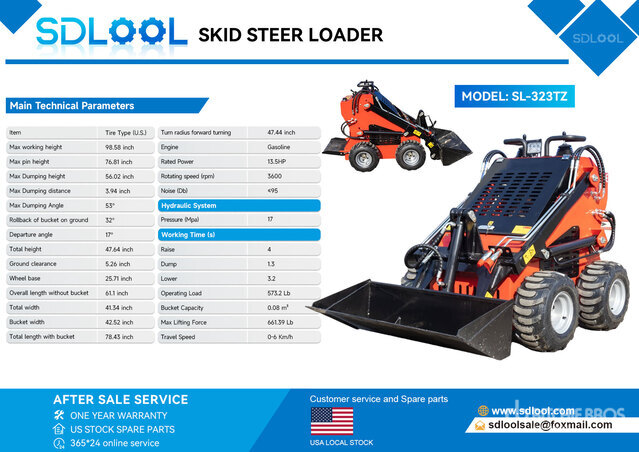 2026 SDLOOL SL-323TZ Skid Steer Loader
Go tracked when you’re dealing with:
- Muddy or waterlogged ground — tracks float where tires sink
- Landscaping and turf work — minimal surface disturbance compared to pneumatic tires
- Slopes and uneven terrain — broader contact patch gives more stability and grip
- Clay-heavy soils — tracks shed packed material more effectively than tires
- Sandy or loose fill — weight distribution prevents bogging down
For landscaping contractors, groundskeepers, and operators working through wet seasons, the traction advantage of a compact track loader is significant. You lose fewer productive hours to ground conditions and spend less time recovering machines that have spun out or sunk.
What ground pressure does a tracked mini skid steer have?
A typical rubber-tracked mini skid steer operates at 3–5 PSI of ground pressure, compared to 25–35 PSI for a wheeled model. That difference is why tracked machines can work on soft lawns, freshly graded soil, and sensitive terrain without the rutting and compaction that wheels leave behind.
When does a wheeled skid steer make more sense?
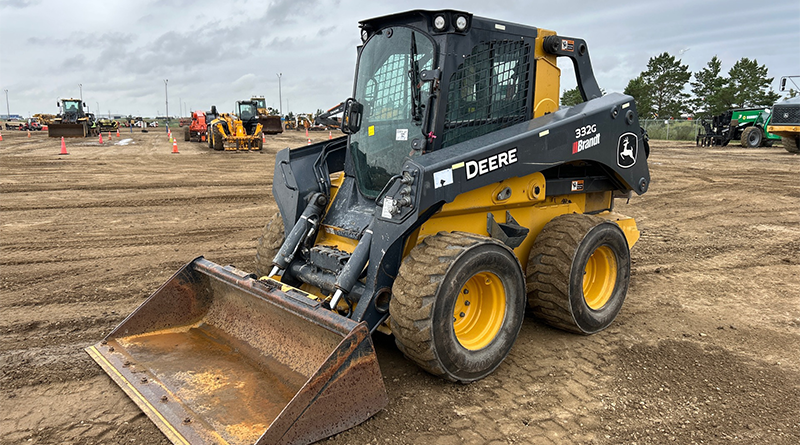
A wheeled skid steer earns its place on job sites with hard, stable, dry surfaces — particularly where speed, maneuverability, and lower operating costs matter more than traction.
Go wheeled when you’re working on:
- Concrete, asphalt, or hard pan surfaces — tires handle these better and cause less wear to the machine
- Interior demolition or warehouse environments — compact footprint and faster travel
- High-cycle work where speed matters — wheeled machines are typically 20–30% faster than tracked equivalents
- Operations with tight budgets — lower purchase price and cheaper tire replacement vs. track replacement
- Rocky or abrasive ground — rough surfaces chew through rubber tracks quickly, making tires the more economical choice
For contractors doing concrete breaking, interior work, or operating primarily on paved sites, a wheeled skid steer delivers lower cost per hour and faster cycle times. Browse available skid steer loaders at auction to compare models and specs side by side.
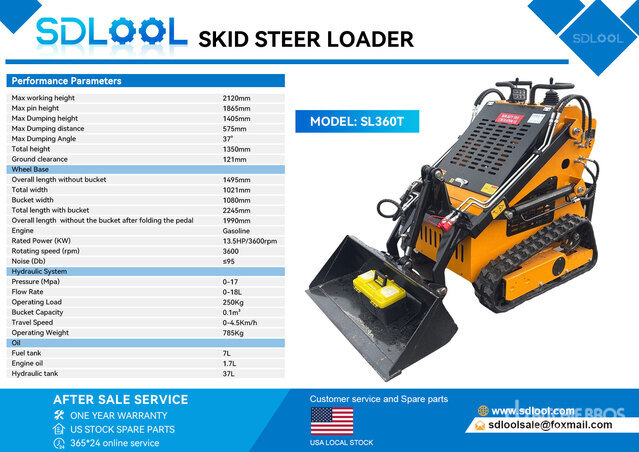 2026 SDLOOL SL360T Compact Track Loader
Is a wheeled skid steer faster than a tracked machine?
Yes — wheeled skid steers are generally faster, with travel speeds of 10–12 km/h compared to 8–10 km/h for most compact track loaders. On flat hard surfaces this adds up across a full shift, especially in applications involving repeated short-cycle loading or material moving over distance.
Mini skid steer traction: what actually affects grip?
Mini skid steer traction depends on more than just tracks vs. wheels. Several variables interact to determine how well the machine performs in demanding conditions.
- Tire type (wheeled machines): Solid foam-filled tires handle punctures better on demolition sites; pneumatic tires give better grip on natural ground
- Track width and pattern (tracked machines): Wider tracks and aggressive tread patterns improve traction in deep mud
- Operating weight: Heavier machines generally achieve better bite, but add ground pressure on sensitive surfaces
- Lift arm design: Radial lift arm machines are often paired with tracked undercarriages for earthmoving; vertical lift arms suit wheeled machines in pallet and loading applications
- Ballast and attachments: A heavy bucket at ground level lowers the centre of gravity and can improve stability on slopes regardless of undercarriage type
Tracks vs. wheels: resale value and total cost of ownership
For buyers thinking about resale — and most commercial buyers should be — the cost comparison between tracks and wheels goes beyond the sticker price.
Tracks: – Higher purchase price (typically 10–20% premium over equivalent wheeled model) – Rubber track replacement: $1,500–$4,000 per set depending on size, every 1,200–1,600 hours – Strong resale demand in landscaping, utility, and agricultural markets – Condition of tracks is a major factor at resale — worn or cracked tracks significantly reduce value
Wheels:
– Lower purchase price
– Tire replacement: $200–$600 per tire, more frequent on abrasive surfaces
– Broader buyer pool at resale (more buyers are comfortable with wheeled machines)
– Easier to assess condition — buyers can visually inspect tires without specialist knowledge
When selling at auction, tracked machines in good condition with significant track life remaining consistently attract strong bids from landscaping and site prep contractors. Wheeled machines move quickly across a broader buyer base. Neither has a clear resale advantage — it depends on hours, condition, and the local buyer pool on auction day.
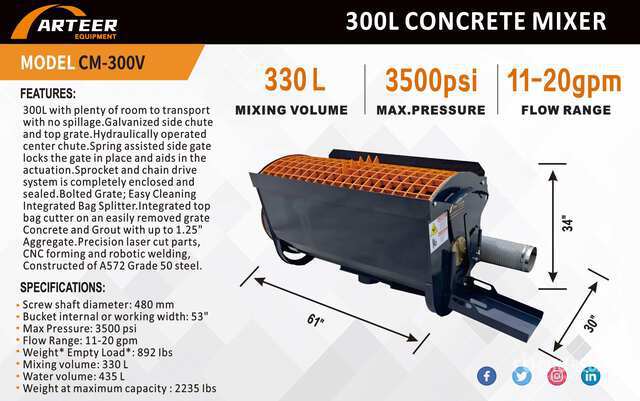 2026 ARTEER CM-300V Skid Steer Concrete Mixer
Can you switch between tracks and wheels?
On most mini skid steers, no — the undercarriage is fixed at the time of manufacture. Some manufacturers offer both tracked and wheeled variants of the same frame (Toro, Dingo, and Vermeer all offer this), but the two configurations are not interchangeable after purchase. This makes the tracks-vs-wheels decision a permanent one for each machine, which is why getting it right at the point of purchase matters.
Attachment compatibility: does undercarriage type matter?
For most attachments — buckets, augers, trenchers, grapples — the undercarriage type has no effect on compatibility. Attachments connect via the universal skid steer quick-attach plate regardless of whether the machine runs on tracks or wheels.
Where undercarriage does matter is in attachment performance. A skid steer trencher, for example, puts significant side load on the machine. A tracked mini skid steer handles this more stably on soft ground because the wider stance resists tipping. On hard ground, a wheeled machine is equally capable and easier to reposition between cuts.
The bottom line: tracks or wheels?
Choose a tracked mini skid steer if you work predominantly on soft, wet, or sensitive ground — landscaping, utility installation, land clearing, or agricultural applications where traction and low ground pressure are non-negotiable.
Choose a wheeled skid steer if you work on hard, stable surfaces, prioritise speed and cycle time, operate in environments where abrasive terrain would destroy tracks, or need to keep purchase and running costs down.
If you’re buying used, inspect the tracks or tires carefully — they’re one of the most significant cost items in the machine’s remaining service life and a direct signal of how the previous owner managed the machine. At Ritchie Bros. auctions, you can review inspection reports and photos before bidding to assess remaining wear on either undercarriage type.
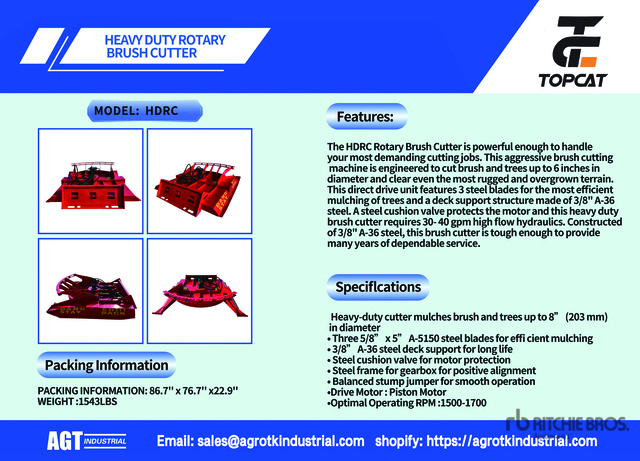 2026 Top Cat HDRC Skid Steer Brush Cutter
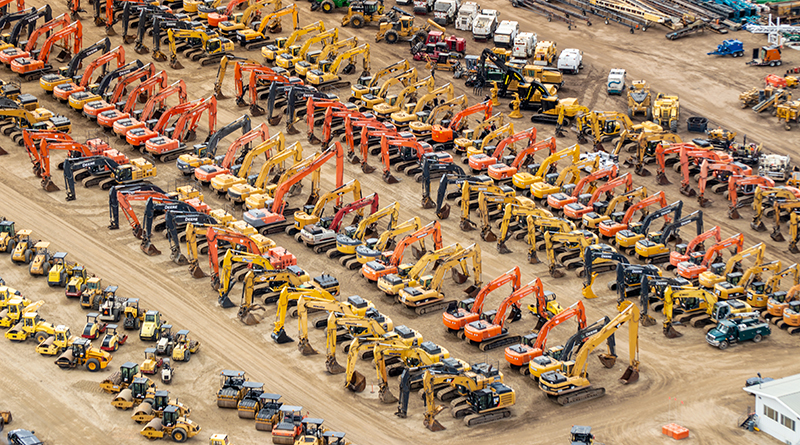 |
Tips for cross-border buyers at Ritchie Bros. auctions |
 2026 SDLOOL SL-323TZ Skid Steer Loader2026 SDLOOL SL360T Compact Track Loader2026 ARTEER CM-300V Skid Steer Concrete Mixer2026 Top Cat HDRC Skid Steer Brush Cutter
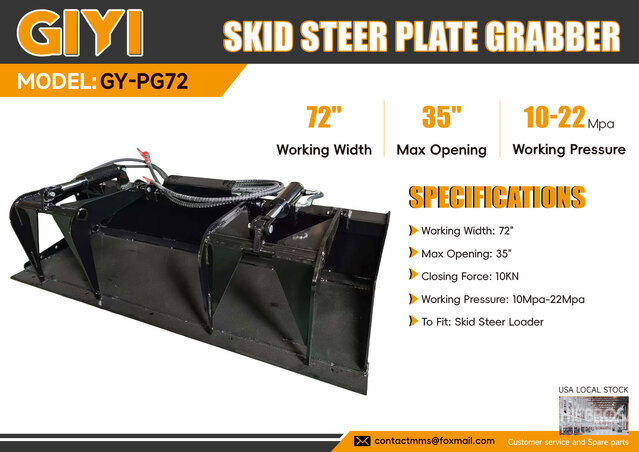 2026 GIYI GY-PG72 Skid Steer Grapple
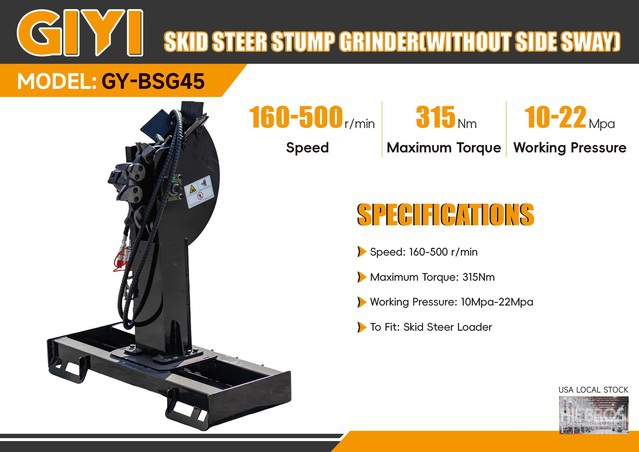 2026 GIYI GY-BSG45 Skid Steer Stump Grinder
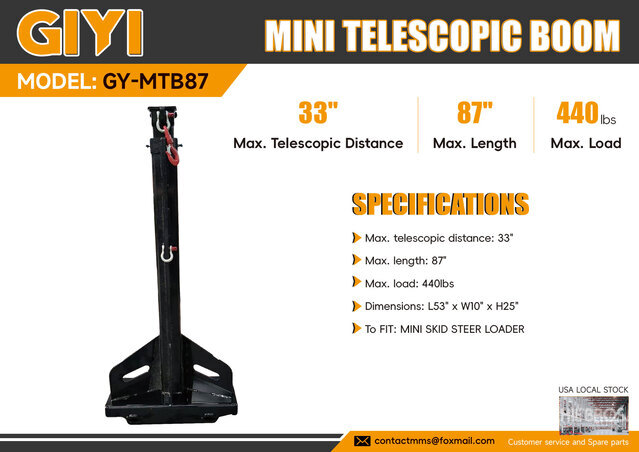 2026 GIYI GY-MTB87 Misc. Skid Steer Attachment
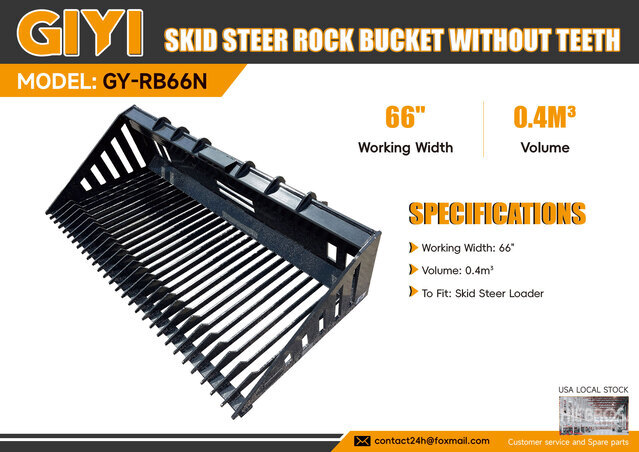 2026 GIYI GY-RB66N Skid Steer Bucket
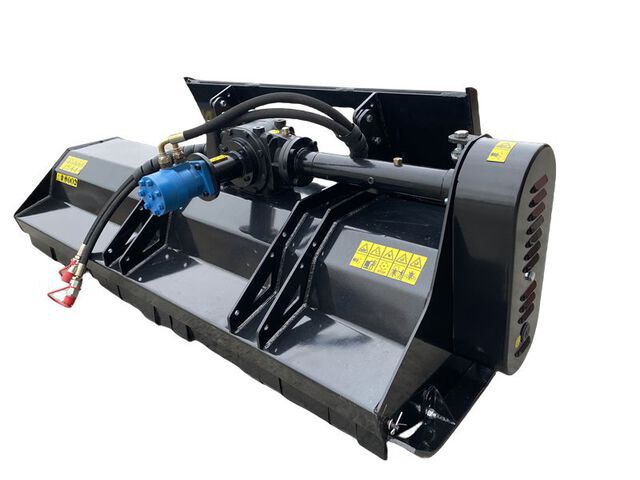 2026 Mower King SSEFGC175 Skid Steer Flail Mower
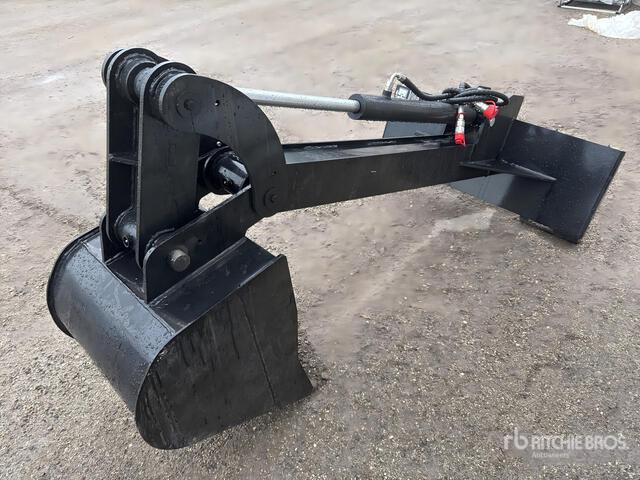 2026 GIYI GY-D ZWB Skid Steer Backhoe
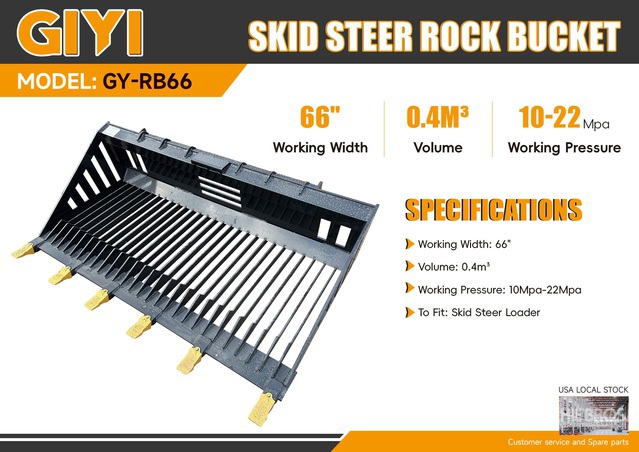 2026 GIYI GY-RB66 Skid Steer Bucket
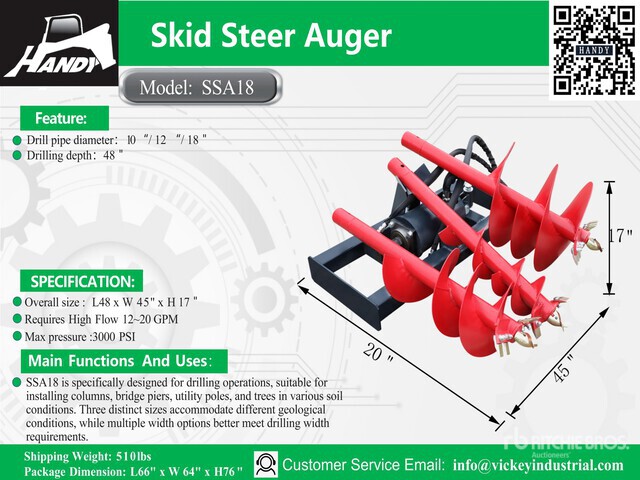 2026 Handy SSA18 Skid Steer Auger
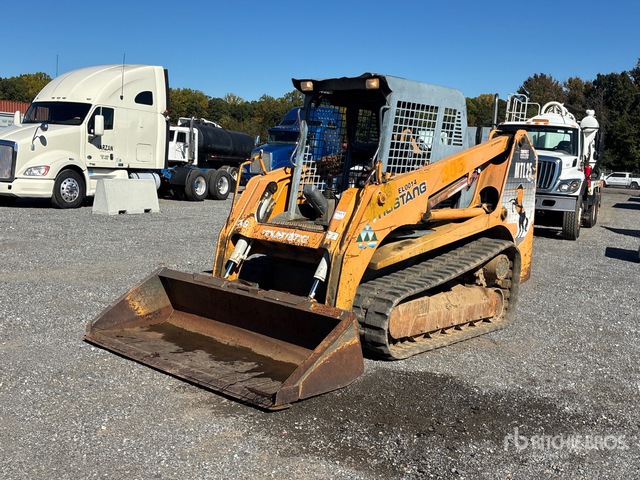 2006 Mustang MTL25 Compact Track Loader
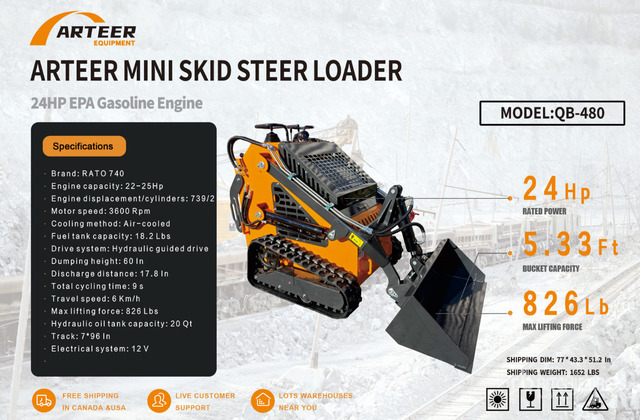 2026 ARTEER QB-480 Compact Track Loader
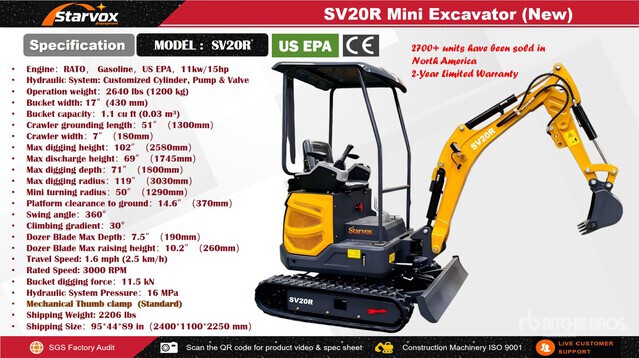 2026 STARVOX SV20R Mini Excavator: <6.6t
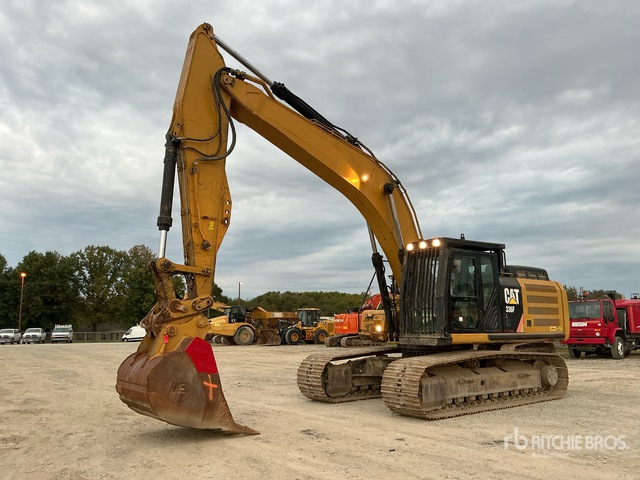 2018 Cat 336F L Tracked Excavator
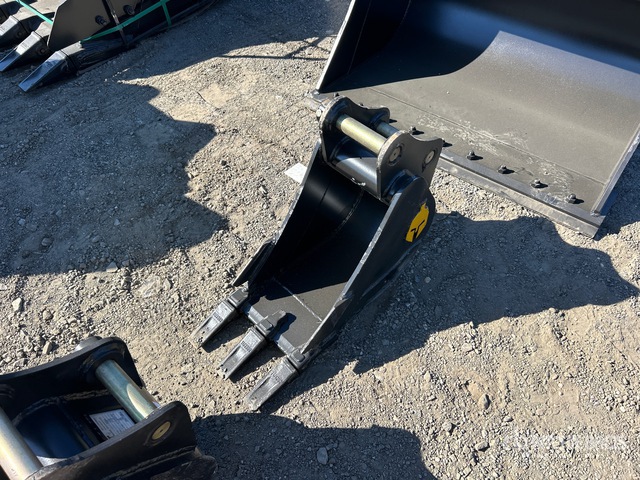 Trojan 35CL Excavator Bucket
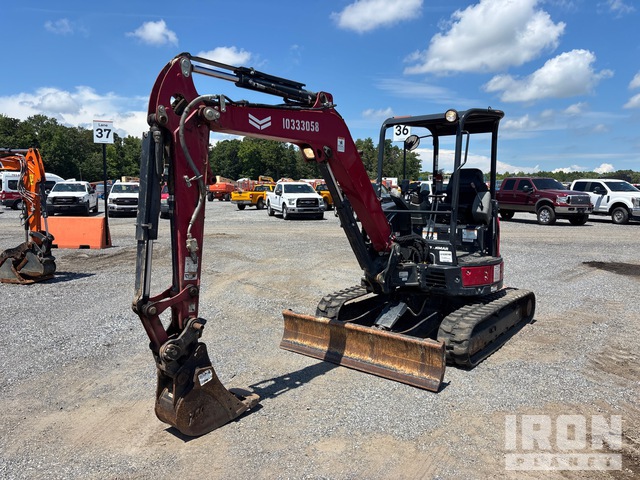 2021 Yanmar ViO35-6A Mini Excavator: <6.6t
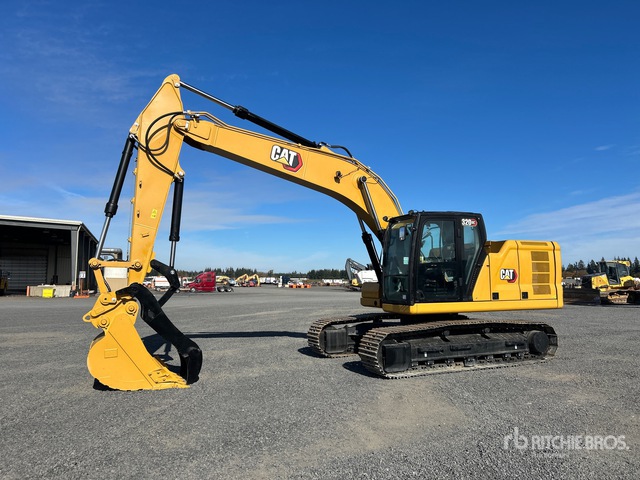 2024 Cat 320 Tracked Excavator
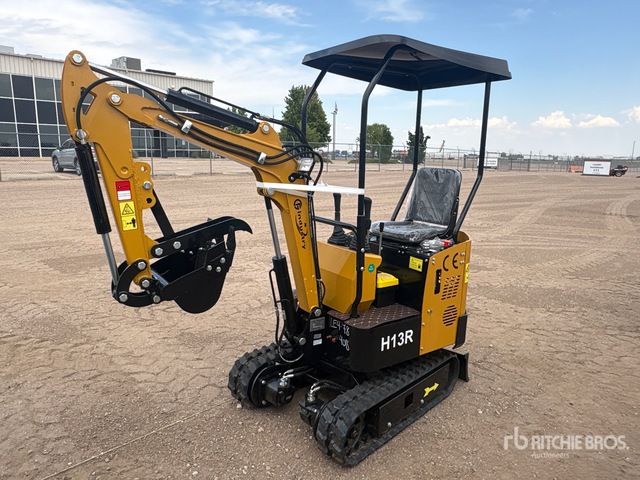 2026 CFG H13R Mini Excavator: <6.6t
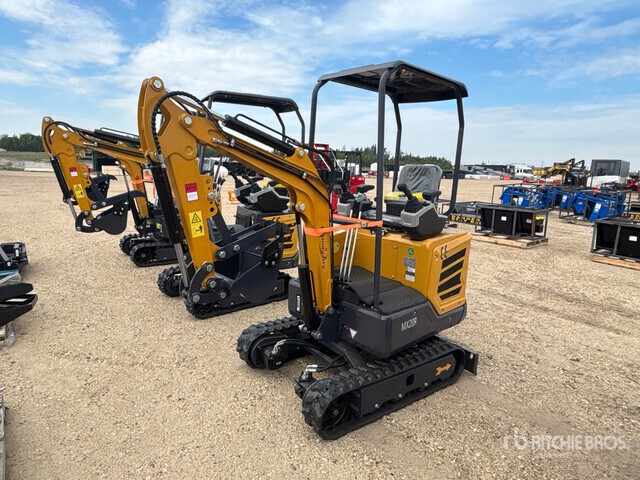 2026 CFG MX20R Mini Excavator: <6.6t
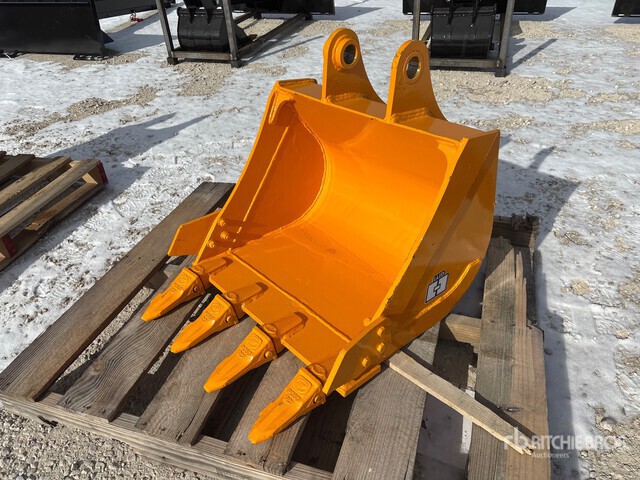 2026 GIYI GY-BK Excavator Bucket
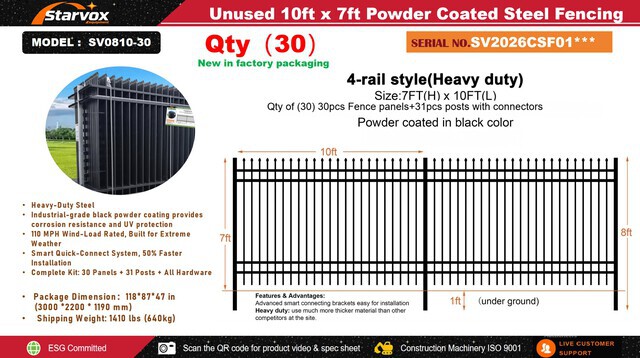 2026 STARVOX SV0810-30 Fencing
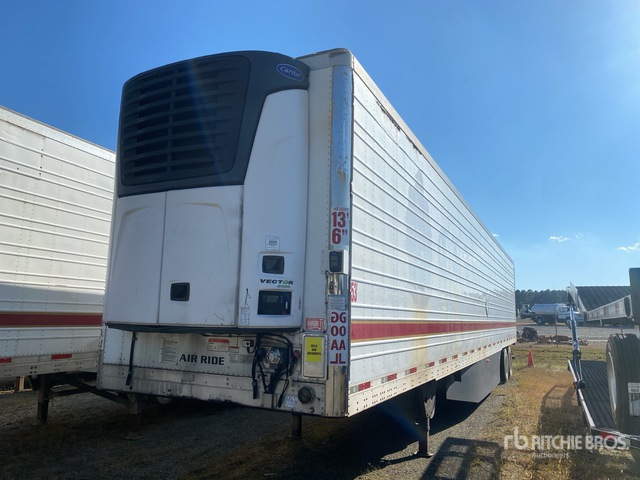 2019 Utility VS2RA Refrigerated Trailer
 2019 Crown RC5545-40 Electric Forklift