 USA
USA France
  Germany
  United Kingdom
  Netherlands
  Spain
Spain  Italy
Italy  Canada (FR)
  Mexico
  Australia
 Leveraging technology in the labor shortage
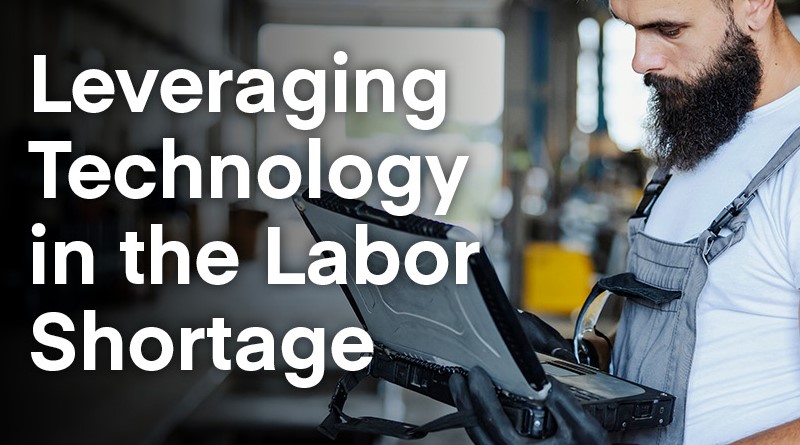
While skilled service technicians are at a premium, technology innovation can make these roles nearly three times as productive as they were just a few years ago.
Global labor markets finally enjoyed a healthy rebound in 2023 following the massive disruptions of 2020, with unemployment dropping to record lows as companies across all sectors began hiring at a frenetic pace. That pace has slowed significantly in 2024, but certain long-term trends and challenges remain – particularly demand for skilled labor. As more Boomer Generation workers retire, there are simply not enough skilled people among the younger generations to take on the same roles. Even some conservative estimates say that there may be only one skilled mechanic to replace every seven Boomer-aged mechanics who retire in the coming years. Moreover, and more challenging still, even during high-employment periods, very few young adults today choose to become service technicians, resulting in a long-term shortage of tech personnel – not just in North America, but around the world. So the question for rental companies and other equipment owners increasingly is: How do we get the most out of the labor force we have?
How do technicians spend their time?
Back in the early 2000s, SmartEquip conducted a study across national rental companies to analyze how many hours on a given day a technician spent servicing equipment. All elements of the process were considered, including the number of work orders generated across a company’s locations and the time logged for each repair. This information was weighed against the number of parts requests, both from internal stock as well as from outside sources.
Shockingly, these highly trained and expensive service techs frequently spent less than 50% of their hours actually holding a wrench in their hands. How was this possible? And what were the majority of those hours spent on?
Prior to working on a particular piece of equipment, a service technician’s hours are usually consumed by locating relevant information from manufacturers, dealers, and from internal service departments to determine which repairs are needed. The first steps of this hands-on job involved consulting hundreds of different information sources, across paper, “glass” (computers, CD ROM, microfiche) and other sources. Often the information was inadequate, outdated, or even missing – long before the job was started.
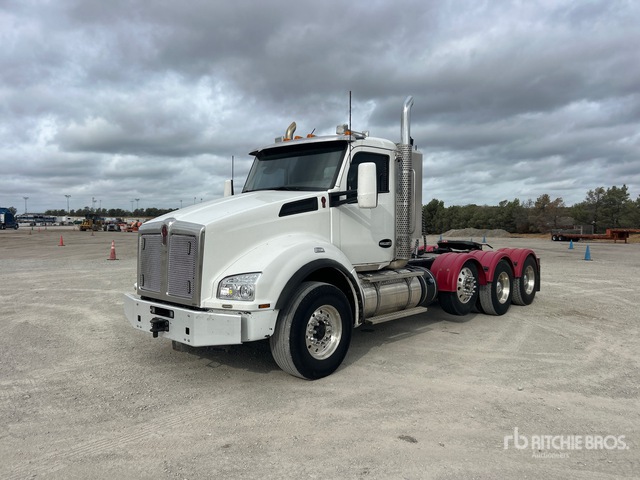 2015 Kenworth T880 Tri/A Day Cab Truck Tractor
After identifying the right parts, service technicians needed to check whether they were in stock anywhere in the company or needed to be ordered. If an order was required, they had to request permission (requisition) and identify the right source, all while adhering to both supplier and company pricing, terms, and purchasing rules. Add in the need to locate equipment service history and warranty status before you even get to prioritizing tasks. This painstaking way of working was time consuming and inefficient – but, thankfully, it did not need to remain this way.
Investing in technology to make technicians more efficient
Service technicians are scarce across the industry, and typically are among a rental company’s or contractor’s most skilled and highly compensated employees. Any time they spend on these laborious, low-skill tasks will raise the cost of repair and diminish equipment availability, thus cutting into revenue and earnings.
While service labor markets remain tight, investing in technology and innovation is a powerful counter-measure which can dramatically shift efficiency across the equipment lifecycle – reducing costs and increasing uptime. Against this skilled labor shortage, new management systems and platforms are helping techs perform better and with significantly improved “wrench time.”
Here are just a few ways technology is improving service efficiency:
- Automated delivery of service support: Integrating live electronic parts and service catalogs with rental management systems enables manufacturers to deliver service and parts information to technicians, intelligently customized to the serial number of the equipment they’re servicing. Equipment owners utilizing SmartEquip Procurement are able to dynamically map their asset numbers with make, model and serial number, and then access the always-current service documentation, including supersession information, onto the technician’s mobile device, saving hours of searching.
- Streamlining of administrative workflow & transactions: Systems integrations further allow rental companies and contractors to automate the creation of workflow documentation. When technicians select their parts, the system auto-populates work orders and purchase orders, which are then submitted electronically to the supplier with zero labor effort.
- Tracking total cost of ownership: Because each repair and parts order is automatically associated with a specific equipment unit, fleet owners are now automatically tracking TCO information at the individual-asset level. Not only will this allow for the assessment of profitability at the unit level, but it will also help optimize identifying the point in time when equipment should be sold.
- Back-office administration upgrades: These “smart” solutions update and enforce correct pricing for both buyers and sellers, eliminating otherwise very common three-way mismatches between purchase order, invoice, and receipt. This dramatically reduces a company’s “accounts payable” burden for service technicians and the back office, and by extension mitigates corresponding “accounts receivable” challenges for suppliers.
- Automation of service scheduling: Applications that provide “smart” scheduling by matching technician specializations to service priorities are growing more sophisticated and are increasingly tied to transactional capabilities, where anticipated needs will trigger pre-emptive ordering of parts without requiring technician intervention, resulting in optimized man hours.
- Repair prediction: Equipment sensor data is designed to predict equipment failure. Not only are equipment sensors reporting in real-time how a unit is faring, but the layering of statistical methods to predict machine failure is proving quite promising. Some companies are partnering to connect sensor data with statistical inference to predict equipment performance and failure, saving hours in the service and repair process and equipment downtime.
A more satisfied, productive workforce
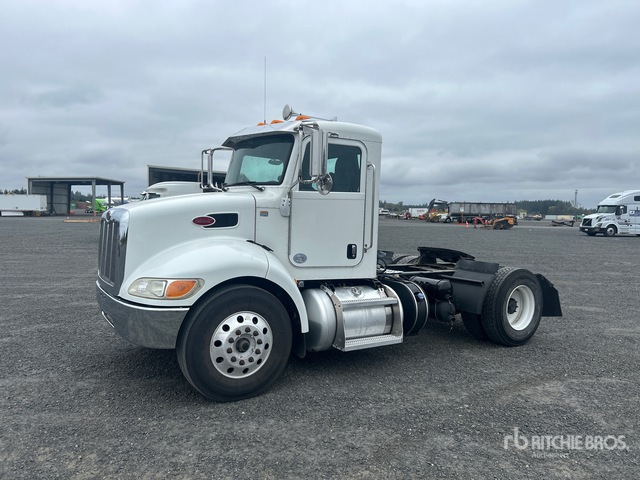 2016 Peterbilt 337 S/A Day Cab Truck Tractor
Returning to the “time-and-motion” study from almost a quarter century ago, we see that recent innovative advances in technology can help the typical rental business dramatically reduce company-wide labor time associated with service and repair – freeing up tremendous wrench time.
Yes, technicians are hard to come by these days, but technology like SmartEquip Procurement allows them to perform more than twice the work they did 20 years ago by guiding their service work while eliminating time-consuming, extraneous tasks. Freeing up wrench time and decreasing equipment downtime are critical drivers of profitability. But let’s also not forget the technician’s personal satisfaction with how their job is performed: no service technician chose their trade to do administrative work. Allowing these skilled and valuable workers to focus on what attracted them to their job in the first place is another significant win.
 |
GM’s New 8.3L Duramax: Codename Mongoose |
 2015 Kenworth T880 Tri/A Day Cab Truck Tractor2016 Peterbilt 337 S/A Day Cab Truck Tractor
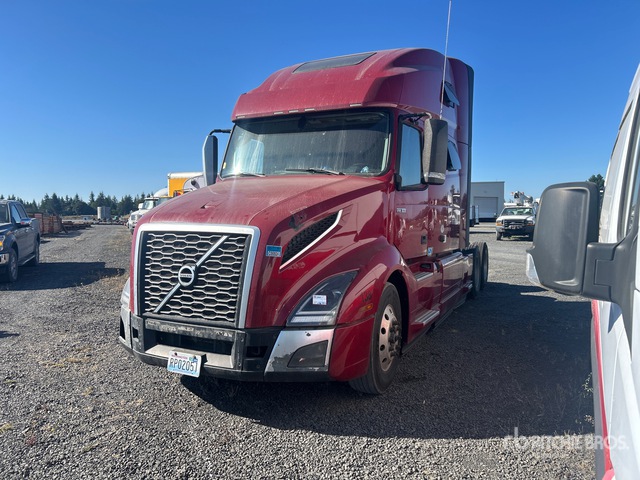 2023 Volvo VNL760 T/A Sleeper Truck Tractor
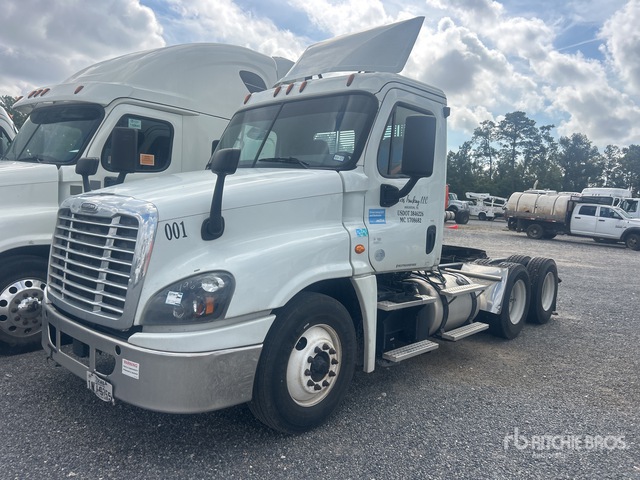 2019 Freightliner Cascadia 125 T/A Day Cab Truck Tractor
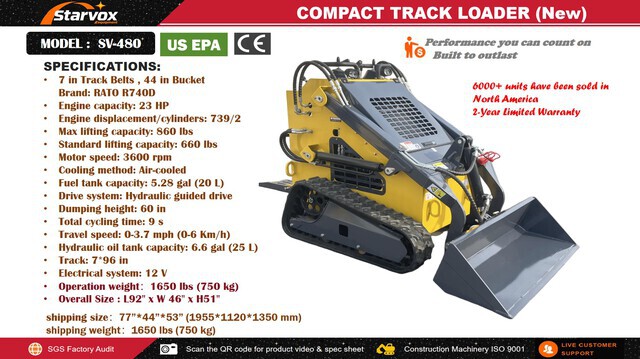 2026 STARVOX SV-480 Compact Track Loader
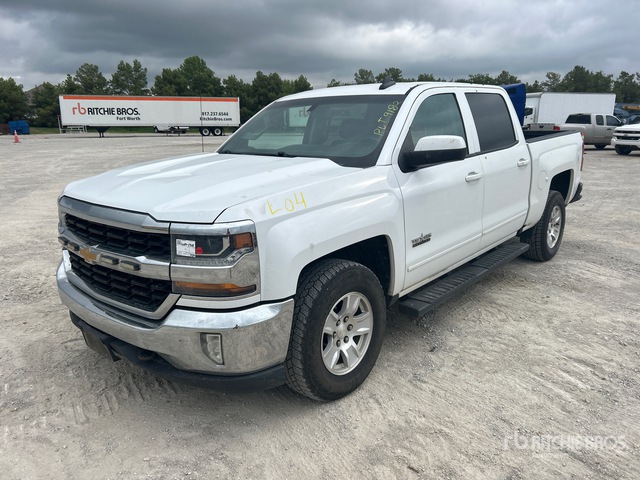 2018 Chevrolet Silverado 1500 Pickup
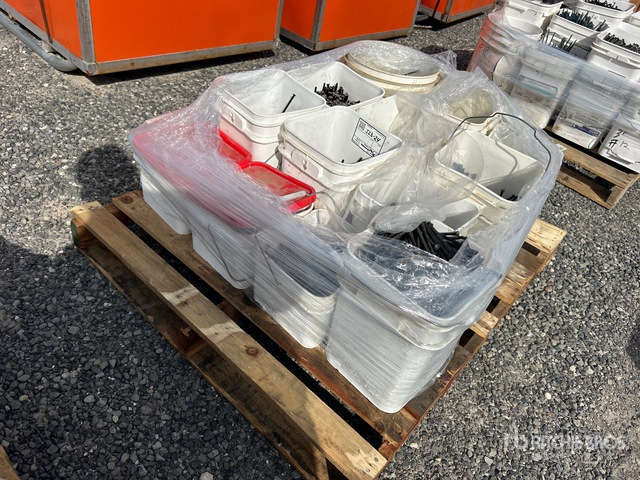 Drill-Tec Misc. Industrial
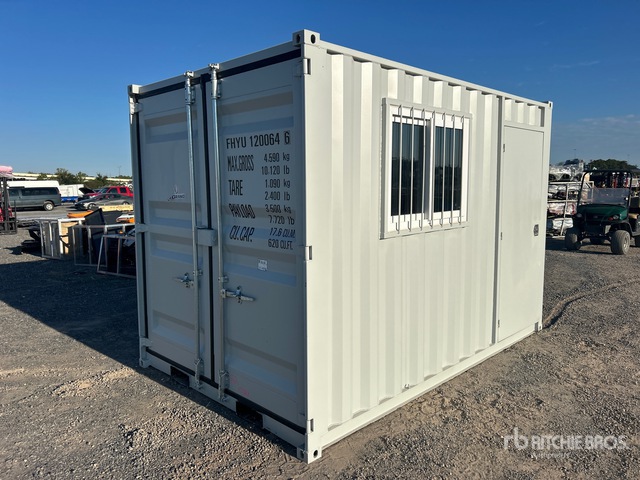 2026 SDGRAND IRC12 Storage Container
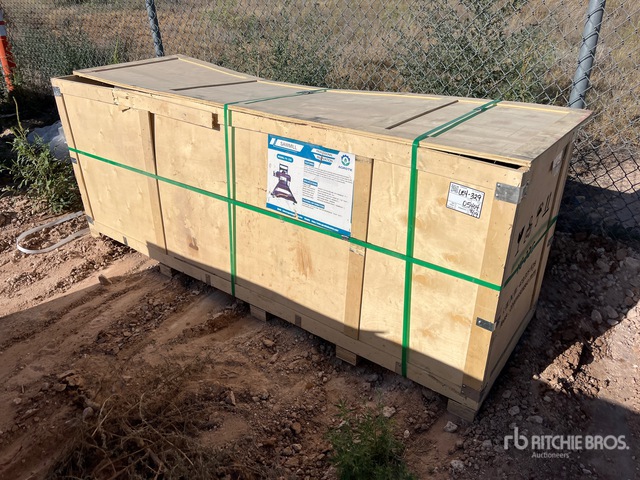 2026 AGT YC32-G Portable Sawmill
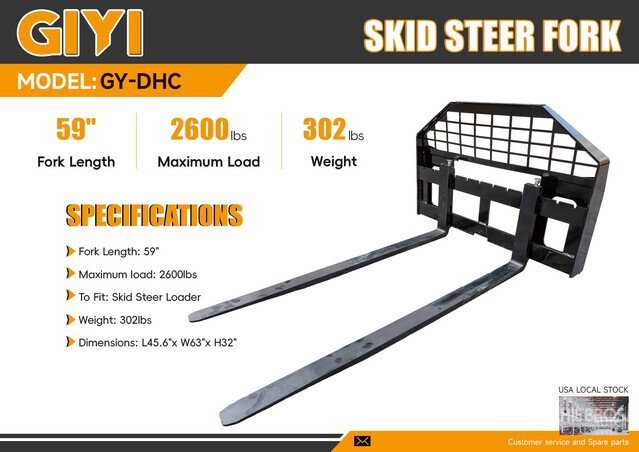 2026 GIYI GY-DHC Skid Steer Forks
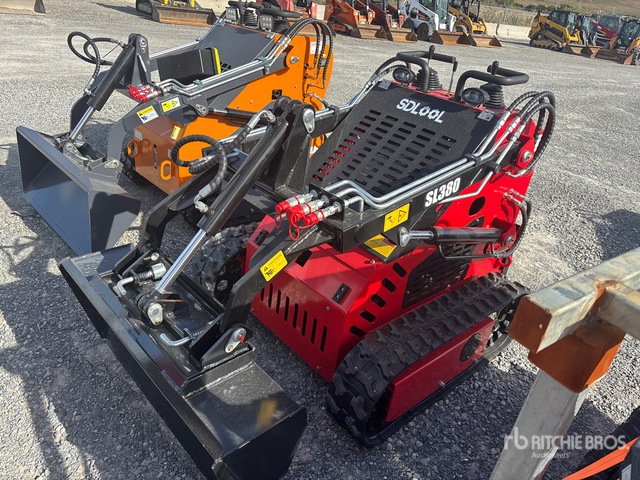 2026 SDLOOL SL380R Compact Track Loader
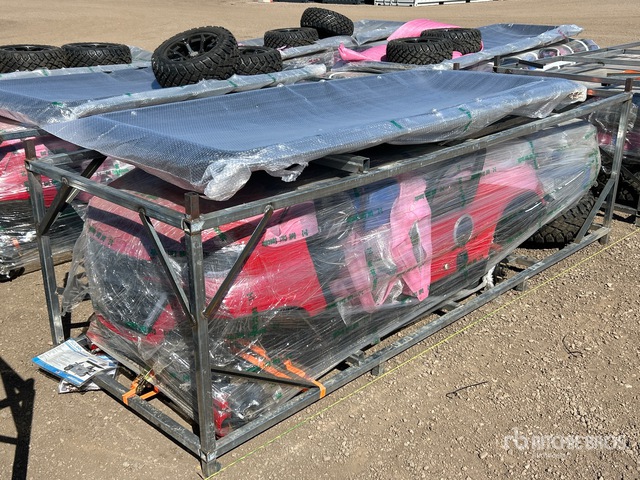 2026 SDLOOL SL-GC22S Golf Cart
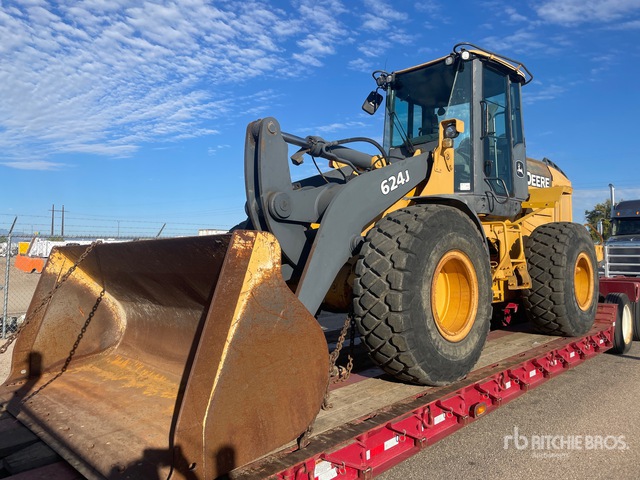 2007 John Deere 624J Wheel Loader
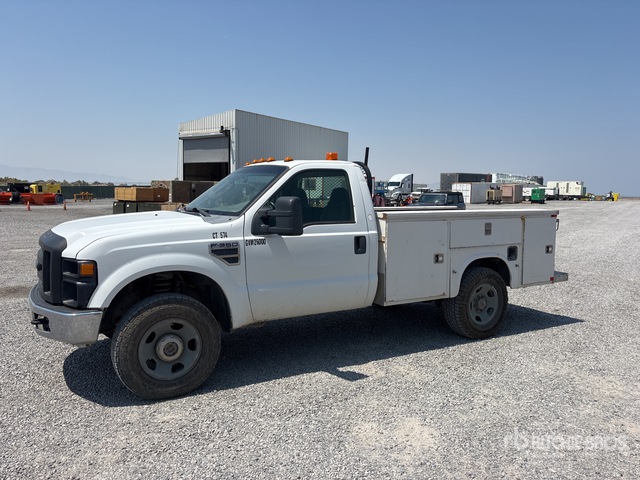 2009 Ford F-350 Utility Truck
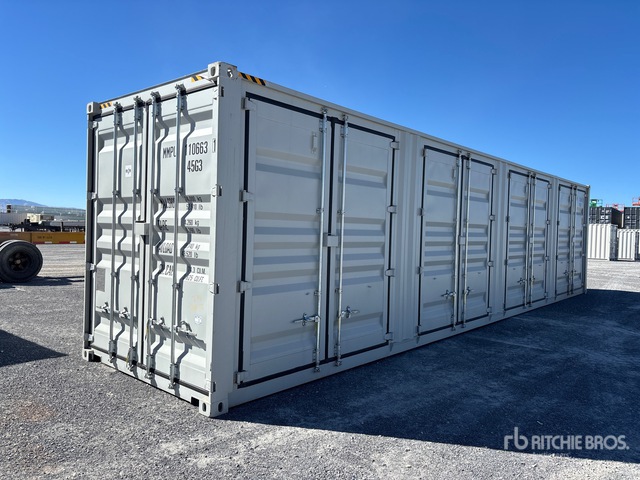 2026 RanchMaster 40HQ Storage Container
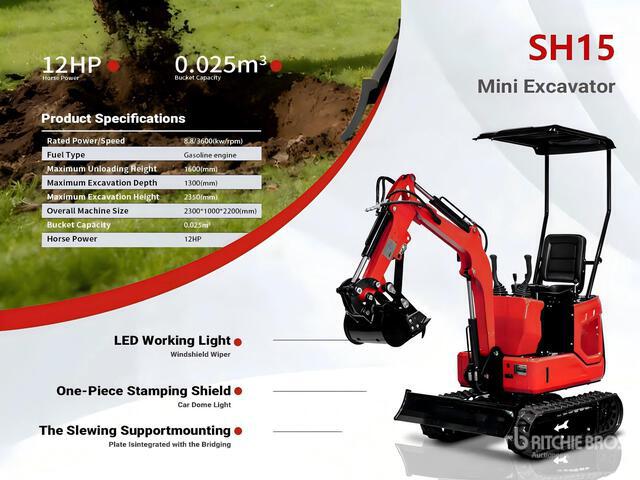 2026 SH15-RED Mini Excavator: <6.6t
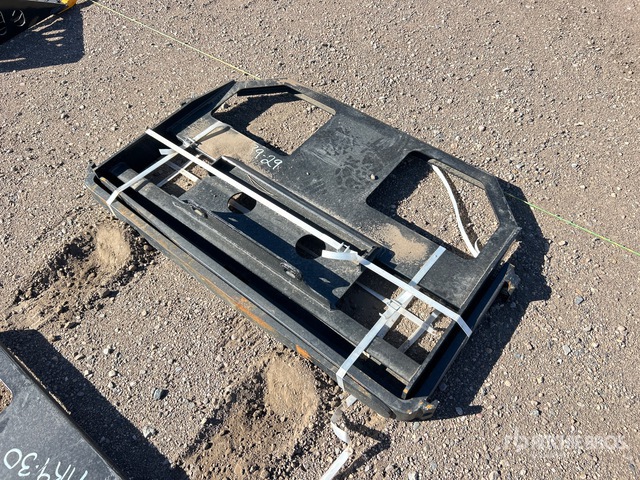 2026 GIYI GY-FR47 Skid Steer Forks
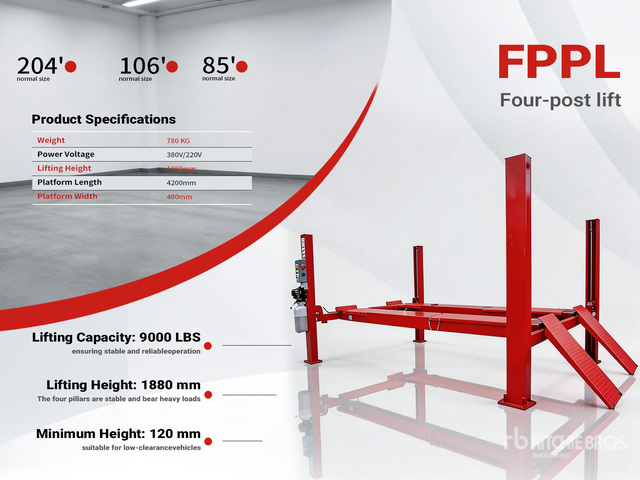 2026 FPPL Vehicle Lift
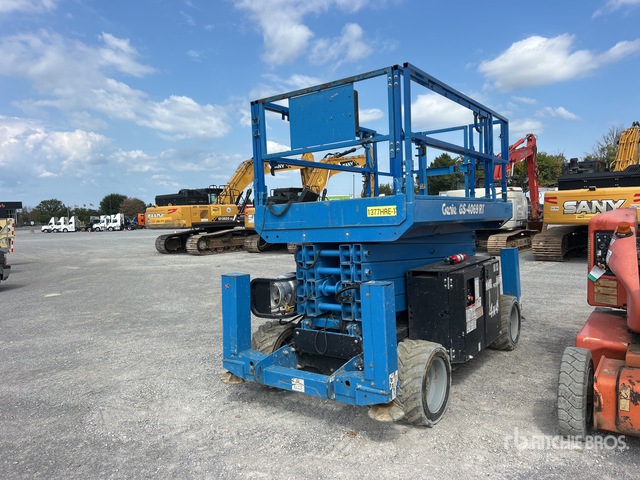 2017 Genie GS-4069RT Scissor Lift
 2026 ET13-GREEN Trike
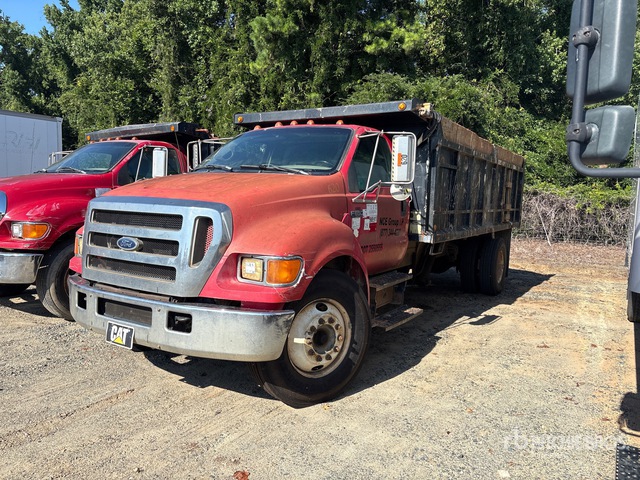 2006 Ford F-650 S/A Dump Truck
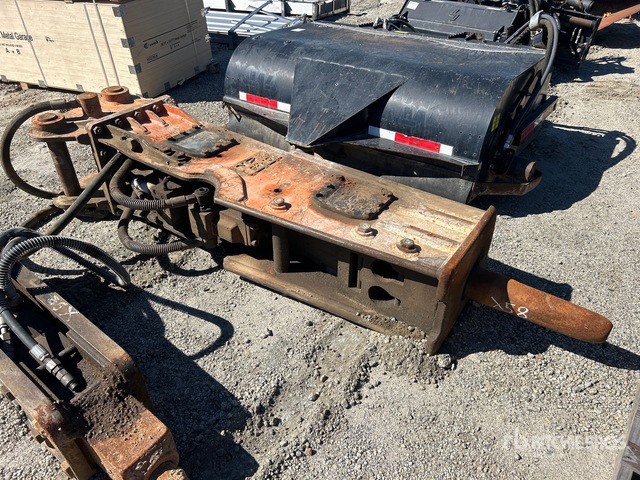 2016 NPK GH10 Hammer Hydraulic Breaker
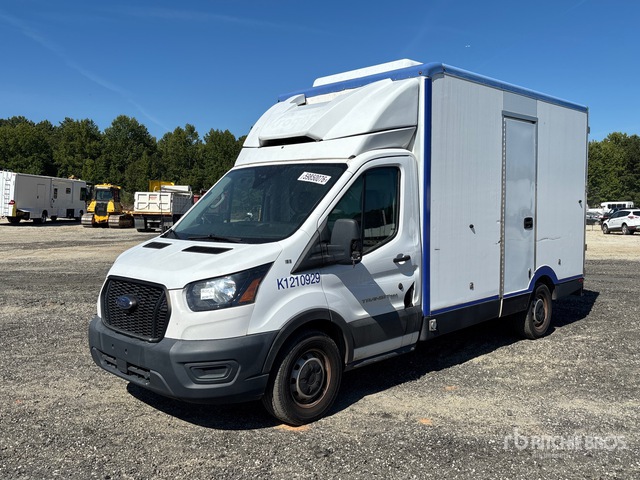 2022 Ford Transit T-350 Refrigerated Truck
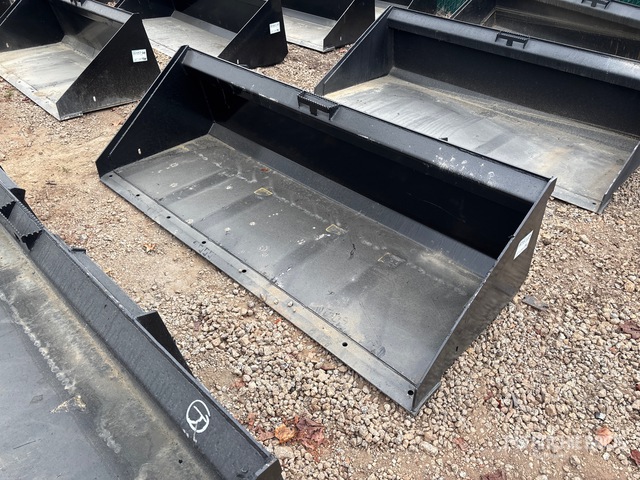 All-Star Skid Steer Bucket
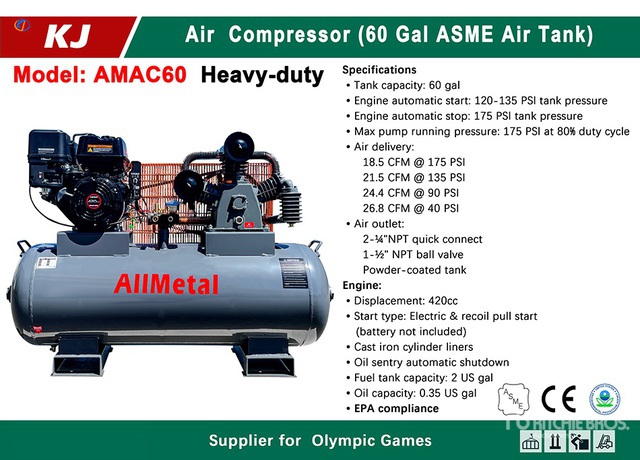 2026 KJ AMAC60 Air Compressor