 USA/CAN
 France
 Germany
 United Kingdom
 Netherlands
 Spain
 Italy
 Canada (FR)
 Mexico
 Australia
What is hotshot trucking? Requirements, trucks and costs

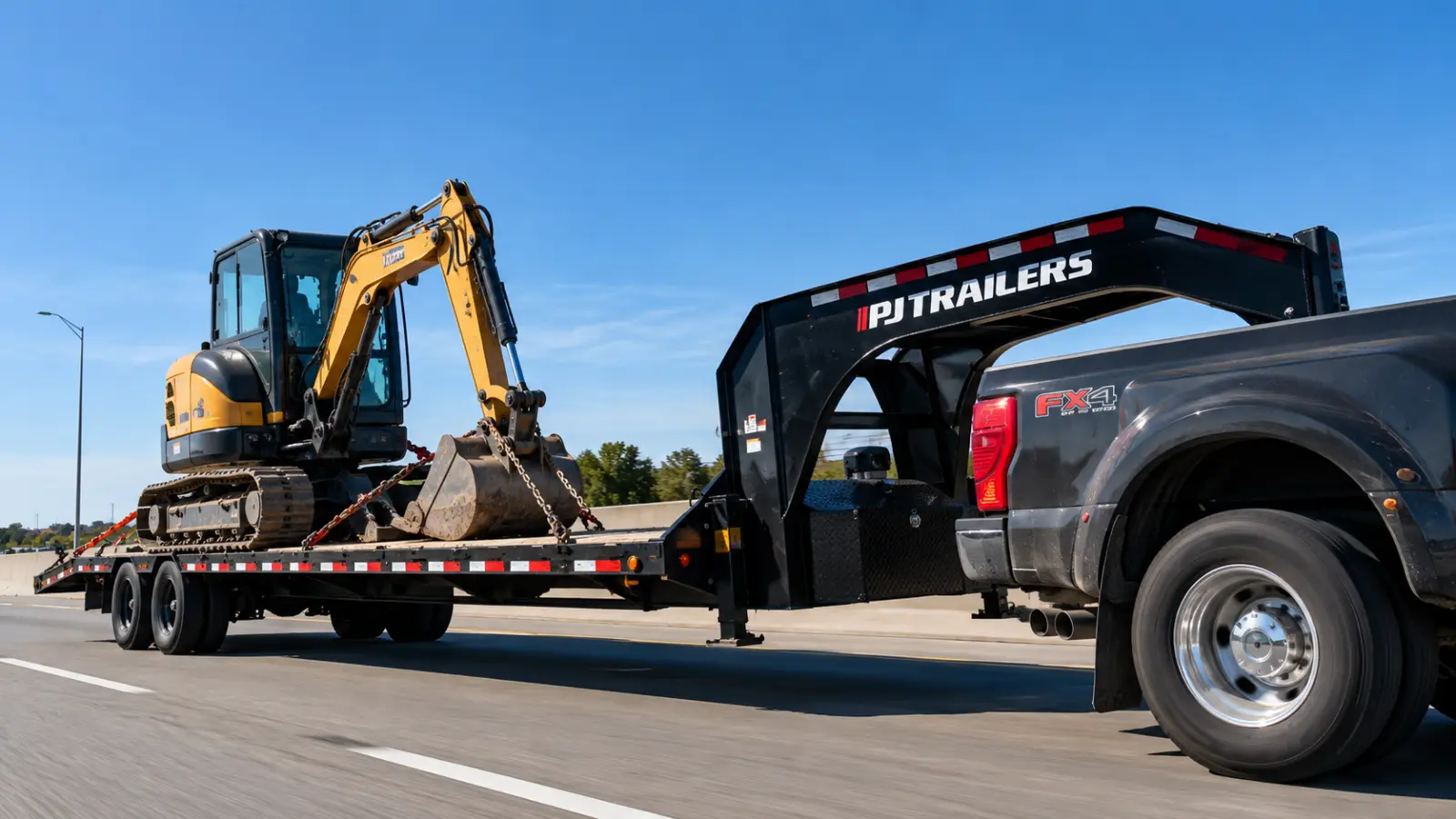
Not every load needs a semi. Oilfield parts, a single piece of construction equipment, a few pallets of building supplies or a car that has to be across the state by tomorrow are often too big for a courier but too small to justify a full truckload. That’s the gap hotshot trucking fills, and it’s one of the most common ways owner-operators get into trucking without buying a Class 8 tractor. This guide explains what hotshot trucking is, what you need to start, which trucks and trailers work best, and what it costs.
The short answer: hotshot trucking is hauling smaller, often time-sensitive loads with a heavy-duty pickup or medium-duty truck (usually Class 3 to 5) pulling a flatbed trailer, most often a gooseneck. Loads typically go straight from pickup to delivery for a single customer. To run for hire across state lines you need a USDOT number, motor carrier (MC) operating authority, commercial insurance and a DOT medical card, plus a Class A CDL if your truck and trailer are rated at 26,001 lbs or more combined with a trailer rated over 10,000 lbs.
Hotshot trucking at a glance
| Typical hotshot setup | |
|---|---|
| Truck | Class 3 to 5 pickup or cab and chassis, such as a Ford F-350 to F-550, Ram 3500 to 5500, or Silverado 3500HD to 5500HD |
| Trailer | Gooseneck flatbed, deckover, dovetail, tilt deck or car hauler, often 30 to 40 ft |
| Loads | Partial and expedited loads: equipment, machinery, building materials, oilfield parts, vehicles |
| License | Non-CDL if under 26,001 lbs combined or the trailer is rated 10,000 lbs or less; Class A CDL above that |
| Paperwork | USDOT number, MC authority, BOC-3, UCR, DOT medical card; IFTA and IRP on heavier combinations |
| Startup cost | Often $15,000 to $30,000+ in down payments, insurance and fees if you finance the truck and trailer, per DAT |
Get free pricing for recently sold trailers
Create a free account to access real sold pricing information from recent auctions.
Reveal sold price- Real auction data
- Verified sales
- Updated daily
2024 Maxey 14 ft T/A Dump Utility Trailer
Medford, MN
Sold
🔒 $X,XXX USD Reveal sold price >
 2020 Kenworth T680 T/A Sleeper Truck Tractor
Closed: Sep 2, 2026
What is a hotshot driver?
A hotshot driver hauls freight with a smaller truck and trailer instead of a semi, usually on a direct, expedited run for one customer.
Most hotshot drivers are owner-operators who lease onto a carrier or run under their own authority, and they find loads through load boards, brokers and direct customers. Because the loads are smaller and often urgent, the work is less predictable than long-haul trucking, but the truck costs a fraction of a Class 8 semi.
What do hotshot truckers haul?
Hotshot truckers haul anything that fits on a flatbed and doesn’t fill a full semi load, especially freight that needs to move quickly.
- Construction equipment like skid steers, mini excavators, compact tractors and light towers
- Oilfield and energy parts such as pipe, valves, pumps and generators
- Agricultural equipment and parts during planting and harvest
- Building materials like lumber, steel and palletized supplies
- Vehicles on car hauler and wedge trailers
- Auction purchases, which buyers often need moved from the yard soon after the sale
Do you need a CDL for hotshot trucking?
Not always. You need a Class A CDL if your truck and trailer have a combined weight rating (GCWR) of 26,001 lbs or more and the trailer is rated over 10,000 lbs.
Many new hotshot drivers start non-CDL by keeping the combination under that line, for example a 1-ton pickup with a trailer rated at 10,000 lbs or less. That limits how much you can haul, so most full-time hotshot operators get a Class A CDL to pull heavier goosenecks and take better-paying loads. Our guides on CDL classes, costs and training and gooseneck vs bumper pull trailers explain how trailer ratings affect the license you need.
 1997 Peterbilt 379 T/A Sleeper Truck Tractor
| Setup | Example | CDL needed? |
|---|---|---|
| Non-CDL hotshot | Pickup and trailer under 26,001 lbs GCWR, or trailer rated 10,000 lbs or less | No |
| CDL hotshot | Pickup or cab and chassis with a gooseneck rated over 10,000 lbs, 26,001 lbs or more combined | Yes, Class A |
What are the requirements to start hotshot trucking?
To haul for hire across state lines, you need federal operating authority, insurance, a medical card and the right state registrations.
- USDOT number from the Federal Motor Carrier Safety Administration (FMCSA) for commercial vehicles over 10,000 lbs in interstate commerce
- MC number (operating authority) if you haul other people’s freight for pay under your own authority
- BOC-3 filing, which names a process agent in each state you operate in
- Unified Carrier Registration (UCR), an annual fee for interstate carriers
- DOT medical card from an examiner on the FMCSA national registry
- Commercial insurance, with liability and cargo coverage that meets federal minimums and what brokers require
- IFTA and IRP fuel tax and apportioned plates if your combination is over 26,000 lbs or has three or more axles
- Hours-of-service compliance, usually with an electronic logging device (ELD), unless you qualify for an exemption
- Drug and alcohol testing program if you drive with a CDL
Many new operators set up an LLC to keep the business separate from their personal finances. If you lease onto an existing carrier instead, the carrier’s authority and insurance usually cover you, which is a simpler way to start. Requirements change, so confirm current rules with the FMCSA and your state.
What is the best truck for hotshot trucking?
The best hotshot trucks are diesel 1-ton dually pickups and Class 4 to 5 cab and chassis trucks, because they have the payload and towing ratings to handle heavy gooseneck trailers.
| Truck class | GVWR | Examples | Best for |
|---|---|---|---|
| Class 3 | 10,001 to 14,000 lbs | Ford F-350, Ram 3500, Silverado 3500HD, Sierra 3500HD | Non-CDL and lighter CDL loads; most common starter truck |
| Class 4 | 14,001 to 16,000 lbs | Ford F-450, Ram 4500, Silverado 4500HD | Heavier goosenecks and higher payload |
| Class 5 | 16,001 to 19,500 lbs | Ford F-550, Ram 5500, Silverado 5500HD | Heavy CDL hotshot loads and long trailers |
A dually adds stability and payload for heavy gooseneck pin weight, and a diesel engine handles constant heavy towing better than gas. When buying used, check service records, transmission condition and emissions systems; our guides to the 6.4 Powerstroke and Duramax reliability by generation cover common engine issues. Browse pickup trucks and cab and chassis trucks on RB Auction to compare real listings.
What trailer do you need for hotshot trucking?
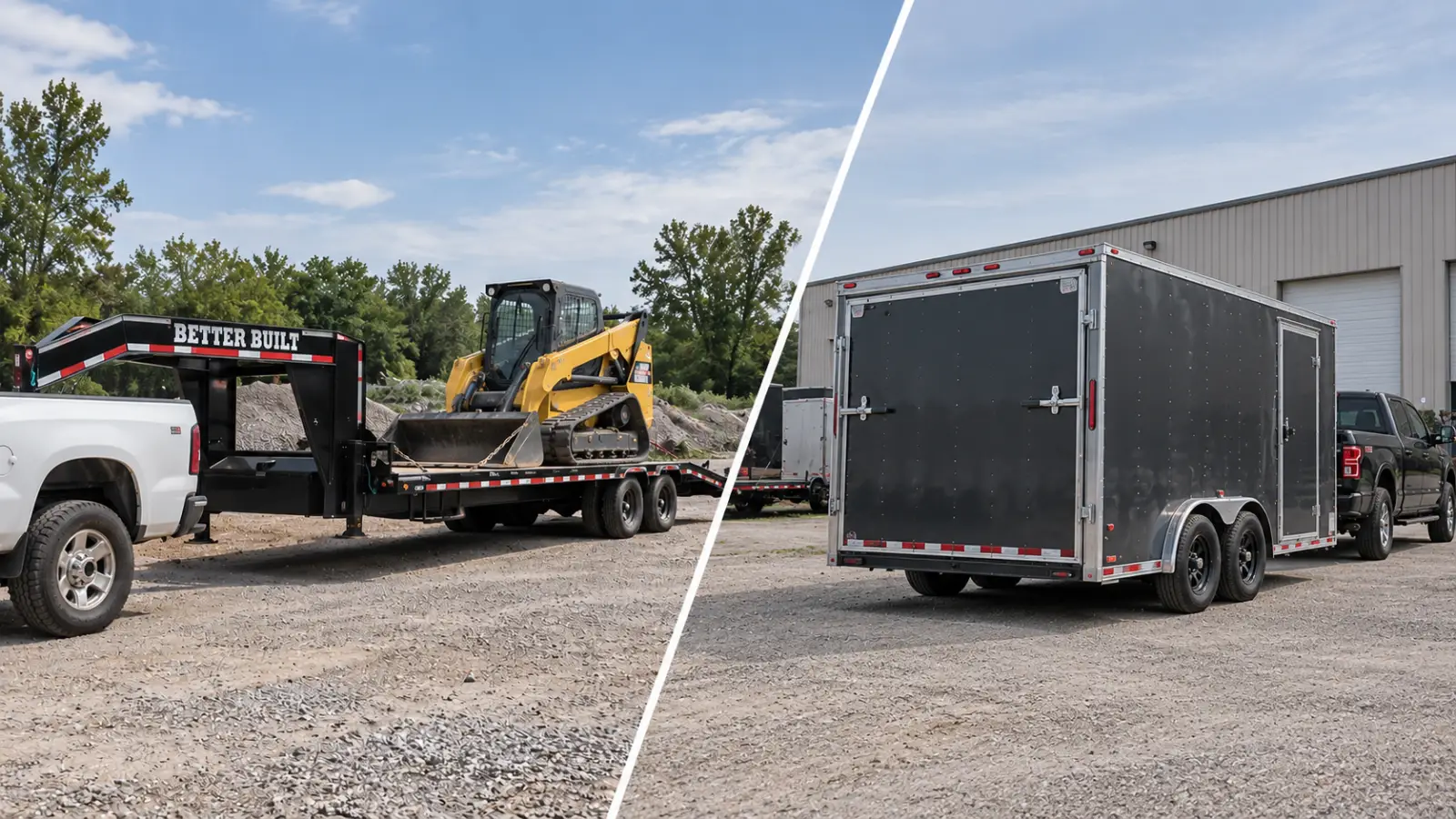
Most hotshot drivers use a 30 to 40 ft gooseneck flatbed, because it carries the most weight and handles the widest range of loads.
| Trailer | Pros | Cons |
|---|---|---|
| Gooseneck flatbed or deckover | High capacity, stable, fits most freight | Needs a bed hitch and a heavier truck |
| Dovetail or beavertail | Easy to drive equipment and vehicles on | Low tail can drag on steep driveways |
| Tilt deck | No ramps needed for wheeled and tracked machines | Hydraulics and pivots need maintenance |
| Car hauler or wedge | Built for multiple vehicles | Limited to vehicle freight |
| Bumper pull flatbed | Cheaper, works with lighter trucks | Lower capacity and more sway |
Look for flatbed trailers, equipment trailers and car carrier trailers with current brake, light and axle inspections. You’ll also need straps, chains, binders and tarps to secure loads.
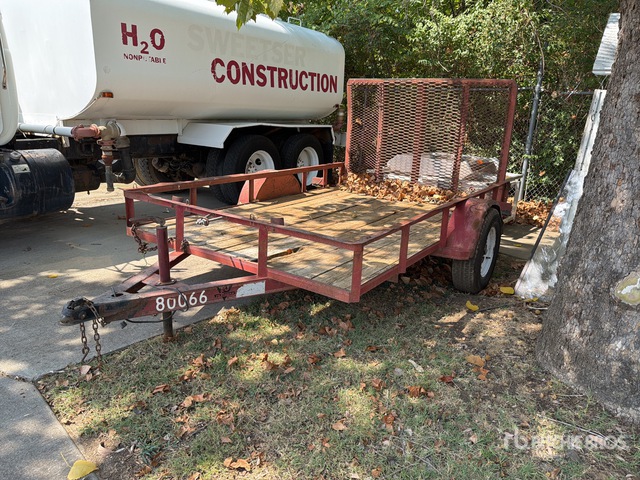 1999 PJ Trencher Trailer
How much does it cost to start a hotshot trucking business?
According to DAT, startup costs can easily reach $15,000 to $30,000 when you finance the truck and trailer, covering down payments, insurance and setup fees.
| Cost | Typical range (per DAT) |
|---|---|
| Truck down payment | About $5,000 if you don’t already own a suitable truck |
| Trailer | $10,000 to $15,000 |
| Insurance down payment | About $3,000 |
| Insurance | $1,000 to $2,500 per month, depending on experience, age and state |
| LLC setup | About $1,000 |
| DOT medical exam | About $120 |
Buying a used truck and trailer at auction is one of the biggest ways to lower startup costs. Before you bid, factor in the buyer’s premium, registration and any repairs, and use our pickup truck inspection tips to avoid an expensive surprise.
How much do hotshot truckers make?
DAT puts typical owner-operator hotshot earnings at about $49,000 to $75,000 a year, with experienced operators sometimes clearing more than $100,000.
Income swings with freight demand, fuel prices, deadhead miles and how much of the truck you still owe. CDL hotshot drivers usually earn more because they can take heavier loads. Weekend and last-minute loads often pay a premium, while empty miles back home eat into profit. Track your cost per mile from day one, including fuel, insurance, payments, tires and maintenance, so you know which loads are worth taking.
Is hotshot trucking worth it?
Hotshot trucking can be worth it if you want to own your own trucking business with less money up front than a semi, but income is less steady and margins depend heavily on your costs.
| Pros | Cons |
|---|---|
| Lower startup and operating costs than a Class 8 truck | Income varies with freight demand and season |
| Can start non-CDL while you learn the business | Deadhead miles and empty returns cut profit |
| Premium rates for urgent loads | Insurance is a large monthly cost for new authorities |
| Flexible schedule and more home time on regional runs | Lots of paperwork, compliance and load-finding work |
| Equipment holds resale value if you need to exit | Smaller loads mean less revenue per trip than a semi |
If you’re comparing small trucking businesses, see our guides to making money with a box truck, starting a tow truck business and ways to make money with a pickup truck.
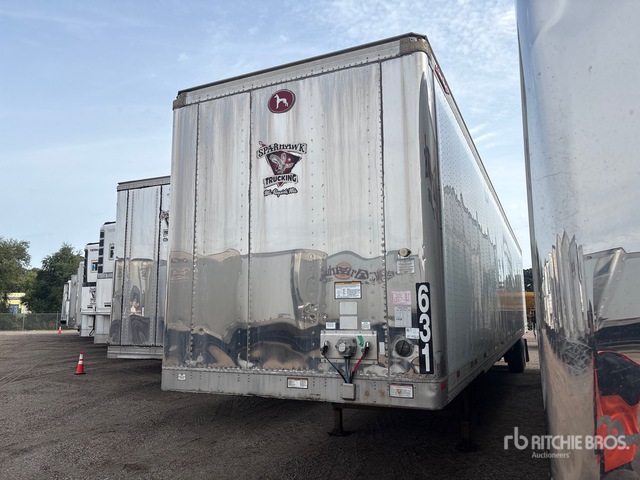 2016 Great Dane Van Trailer
How do you get started in hotshot trucking?
- Decide on CDL or non-CDL based on the loads you want to haul.
- Choose a business setup: lease onto a carrier, or form an LLC and get your own authority.
- Register for a USDOT number, MC authority, BOC-3 and UCR, and get a DOT medical card.
- Get insurance quotes early, since cost varies widely and is needed to activate your authority.
- Buy your truck and trailer, ideally used, inspected and matched to your license and loads.
- Set up load securement gear, an ELD if required, and IFTA and IRP if your combination needs them.
- Find loads through load boards, brokers and local customers like equipment dealers, contractors and farms.
Ritchie Bros. lists heavy-duty pickups, cab and chassis trucks and flatbed trailers in its auctions, and you can check recent sold prices before you bid to build a hotshot rig for less.
 |
Gooseneck vs bumper pull trailers and which one to buy |
 2020 Kenworth T680 T/A Sleeper Truck Tractor1997 Peterbilt 379 T/A Sleeper Truck Tractor2016 Great Dane Van Trailer1999 PJ Trencher Trailer
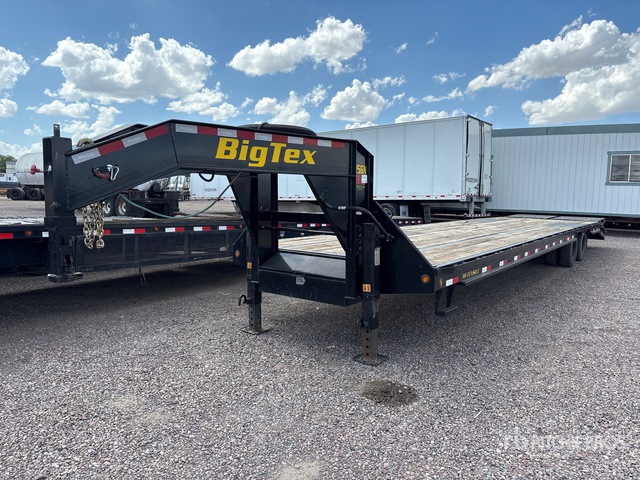 2024 Big Tex Equipment Trailer
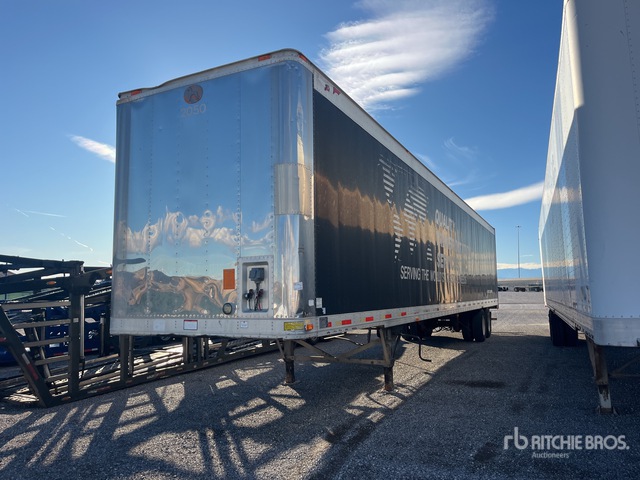 1998 Great Dane Van Trailer
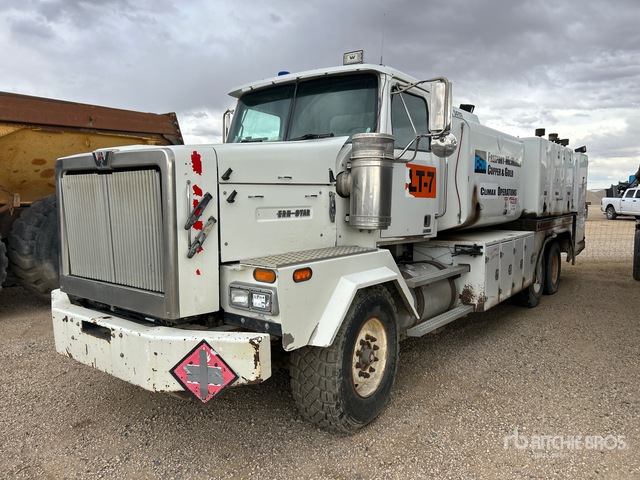 2013 Western Star 4900 Lube Truck
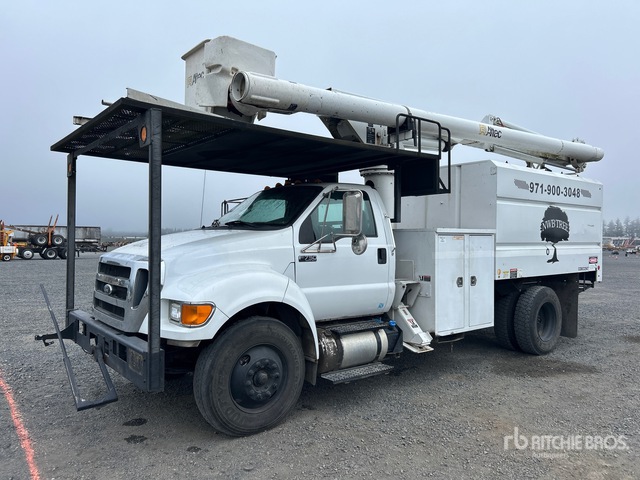 2012 Ford F-750 Chipper Truck
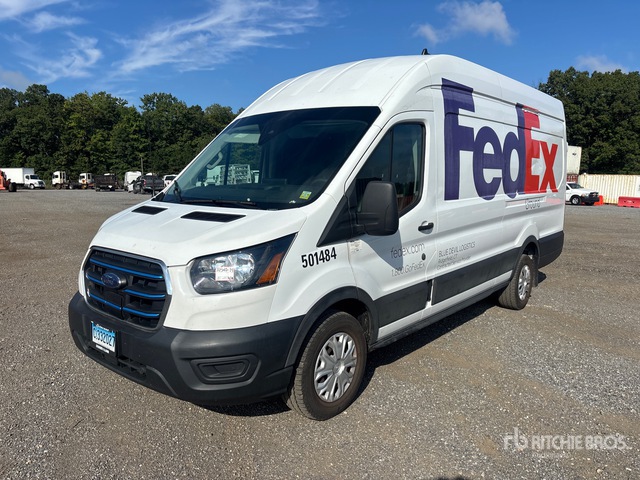 2022 Ford Transit 350 Cargo Van
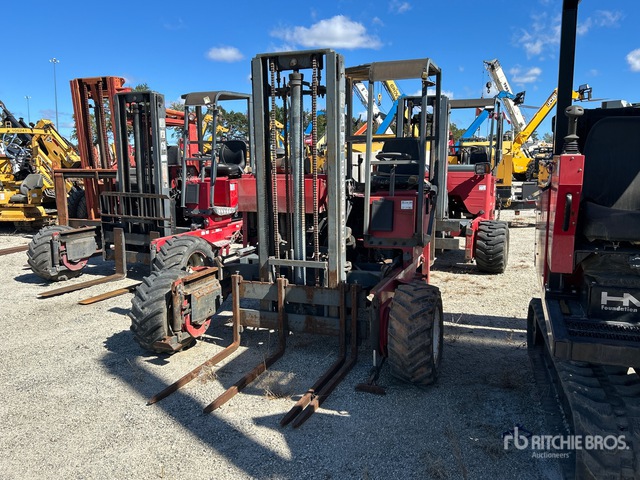 2003 Moffett M5000 Truck Mounted Forklift
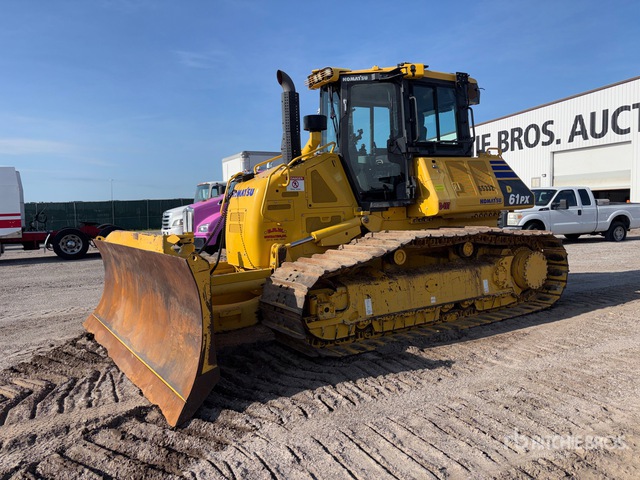 2025 Komatsu D61PX-24 Crawler Dozer
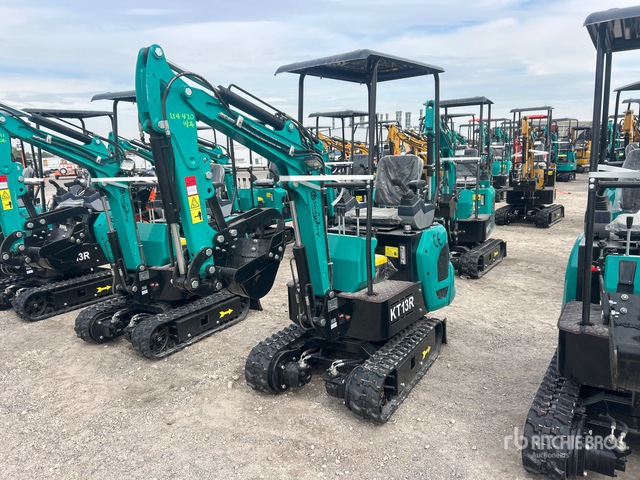 2026 CFG KT13R Mini Excavator: <6.6t
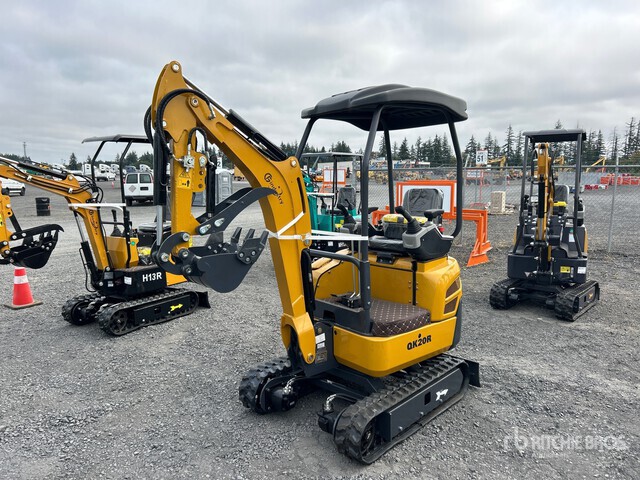 2026 CFG QK20R Mini Excavator: <6.6t
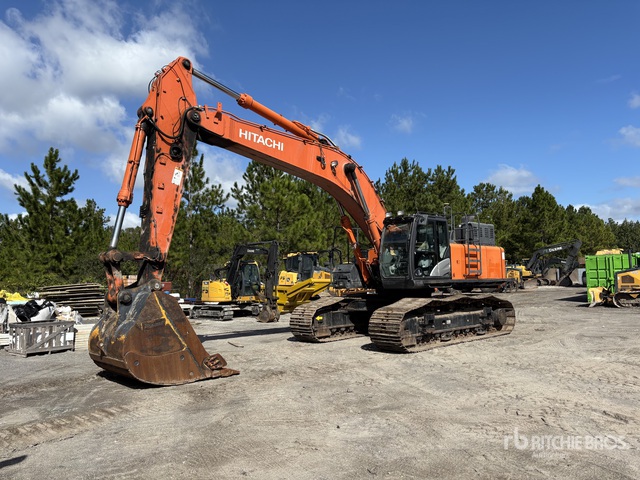 2022 Hitachi ZX470LC-6 Tracked Excavator
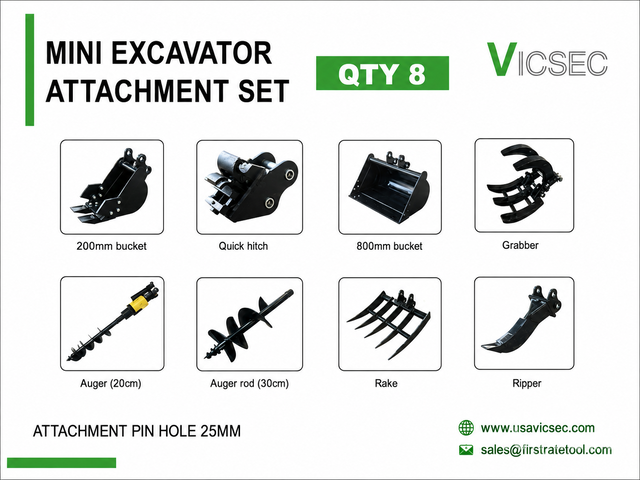 2026 VICSEC VCA-8 Misc. Excavator Attachment
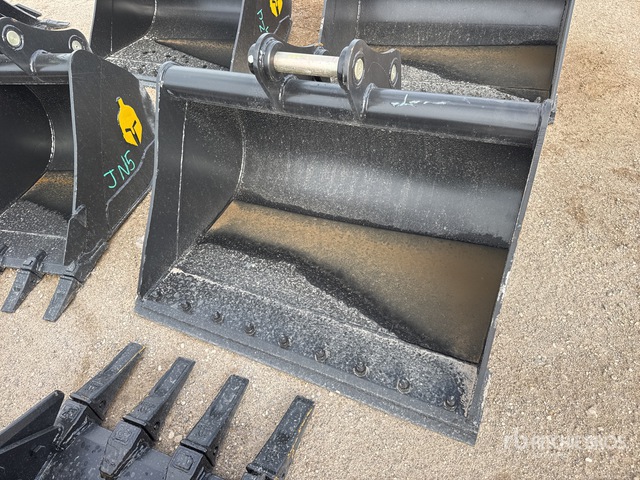 Trojan Excavator Bucket
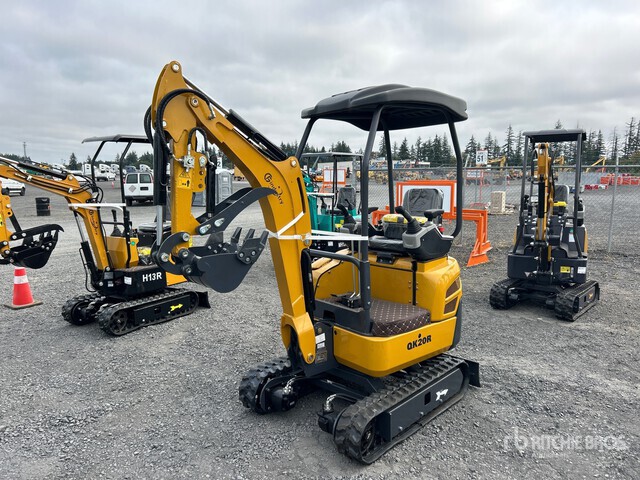 2026 CFG QK20R Mini Excavator: <6.6t
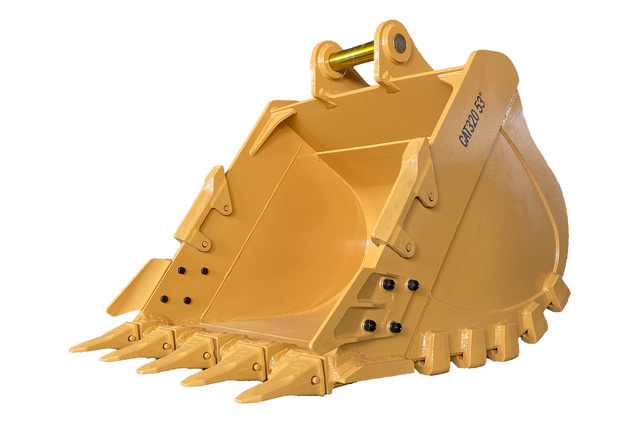 2026 Warrior WBRC20-1400 Excavator Bucket
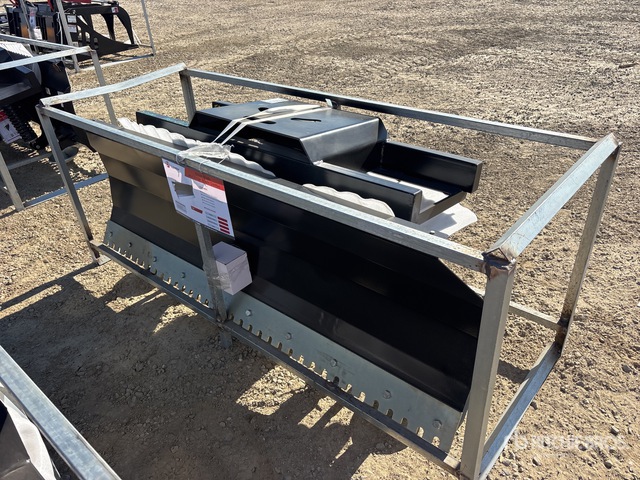 2026 LANDY SBE72 Skid Steer Dozer
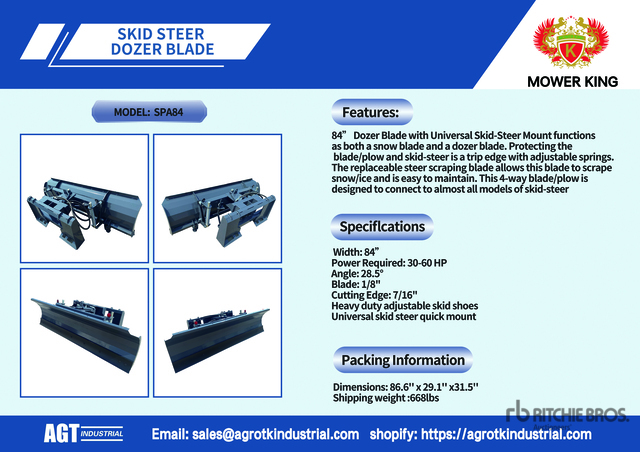 2026 Mower King SPA84 Skid Steer Dozer
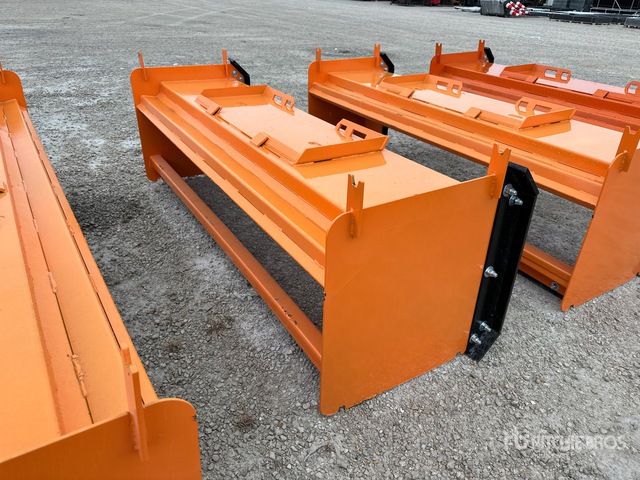 2026 Kit Containers QT-SP-8-23-PB-SB Skid Steer Snow Pusher
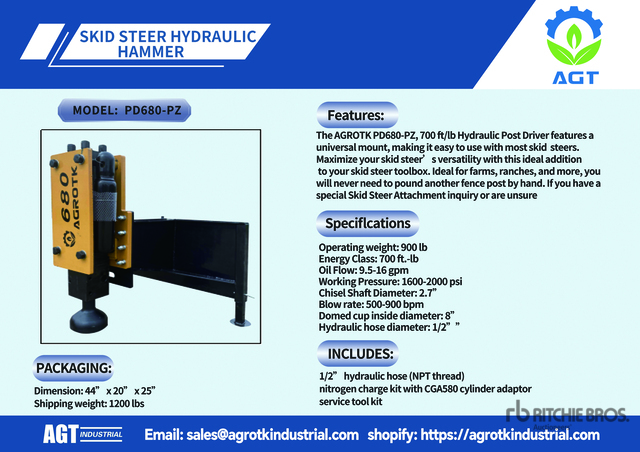 2026 AGT PD680-PZ Skid Steer Post Driver
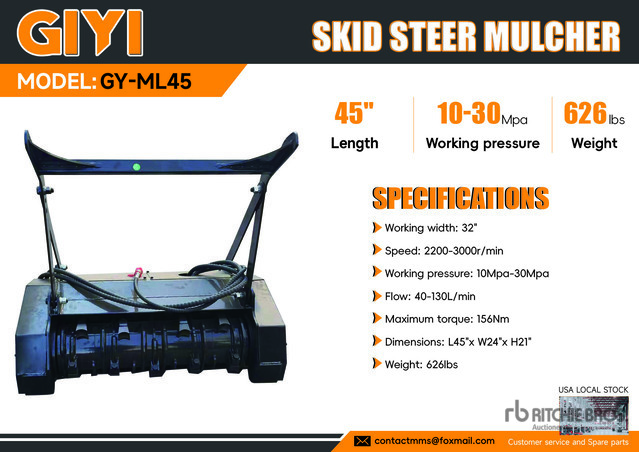 2026 GIYI GY-ML45 Skid Steer Mulcher
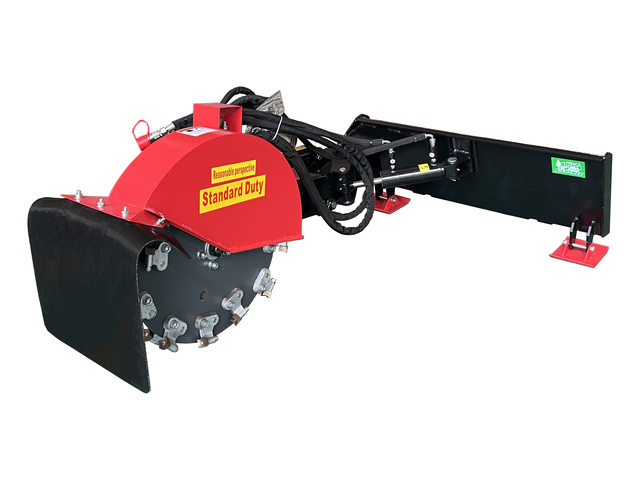 2026 Raytree RMSG29 Skid Steer Stump Grinder
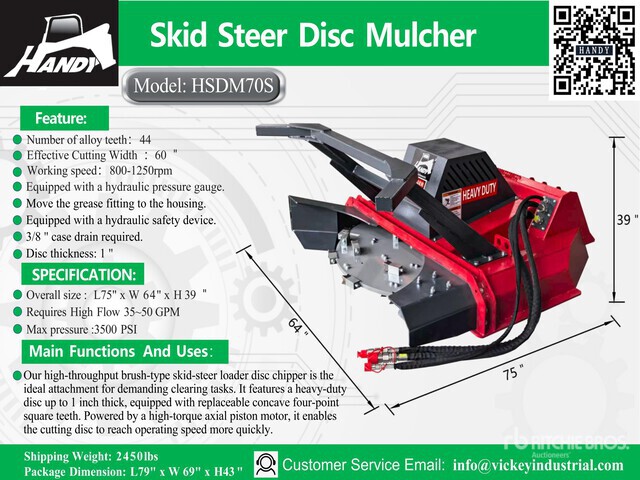 2026 Handy HSDM70S Skid Steer Mulcher