 USA/CAN
 France
  Germany
  United Kingdom
  Netherlands
  Spain
Spain  Italy
Italy  Canada (FR)
  Mexico
  Australia
 Local convenience vs. global reach: How to strategically source your next fleet addition
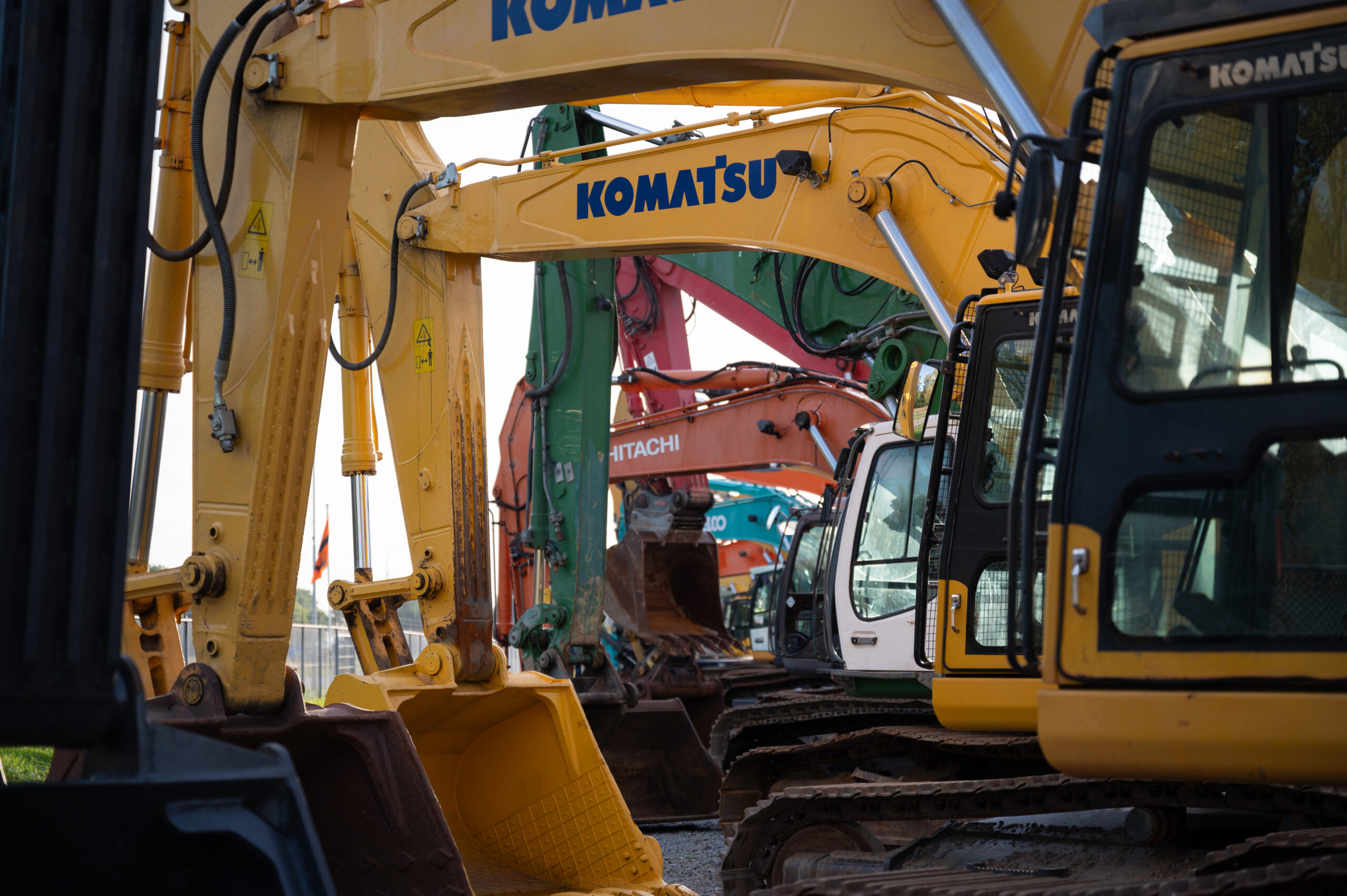
When a machine hits its maintenance threshold and you need a replacement, two instincts kick in at once. The first: call your local dealer or check what’s running nearby — fast, familiar, you can put eyes on it. The second: cast a wider net, find the exact spec you need, and let competitive bidding set a fair price.
Neither instinct is wrong. The mistake is treating them as rivals instead of tools. The fleet managers who consistently get the right additions aren’t loyal to one approach — they know which situations call for which, and they work both simultaneously. Here’s the fleet sourcing framework to make it systematic.
What local sourcing actually gets you
The case for local sourcing is real. Speed is the most obvious advantage: a machine available within 50 miles can be on your job site in days, not weeks. You can do a physical walk-around, start it up, check the hydraulics. If something looks wrong in person, you catch it before it’s your problem.
There’s also the dealer relationship. A local equipment rep who knows your operation can flag relevant inventory before it’s listed publicly, help with financing terms, and support you on parts and service after the purchase. That’s not nothing — especially for equipment where downtime costs are high.
The honest limitation of local sourcing is selection. You’re buying from what exists in your market at that moment. In practice, that means settling on the wrong hours, a configuration that’s close but not right, or paying a premium because the seller knows you don’t have many options. When you need a 2019–2021 Cat 336 in the 5,000–8,000 hour range and there are two within 100 miles, you’re not in a competitive position. You’re just negotiating.
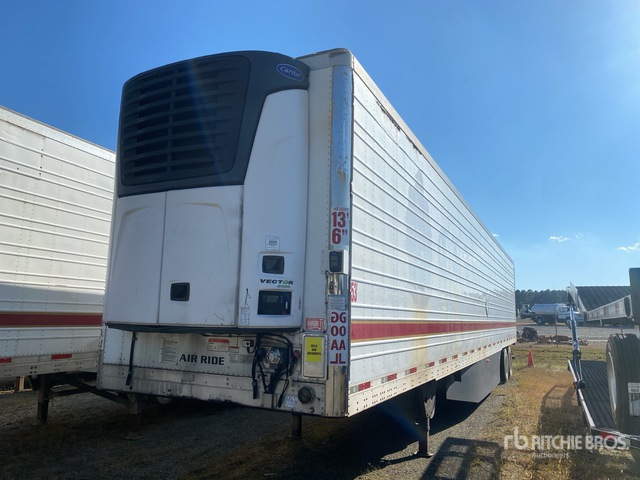 2019 Utility VS2RA Refrigerated Trailer
What global sourcing actually gets you
The global marketplace inverts the problem. Where local sourcing gives you speed but limited selection, global sourcing gives you depth — the ability to find the exact make, model, configuration, and hour range your operation actually needs, at a price set by real market competition rather than local supply constraints.
More than 2.2 million registered bidders participate in Ritchie Bros. auctions annually. That buyer depth works in reverse when you’re purchasing: in a market with genuine competition, the price you pay reflects what the machine is actually worth. Not what one local dealer decided to ask.
The trade-off is lead time. Transport adds time and cost — our guide to buying and shipping equipment internationally walks through what that actually involves — and you need to plan for it. That’s a real constraint, but for additions that aren’t emergency replacements, it’s a manageable one.
Condition certainty removes the remote-buying risk
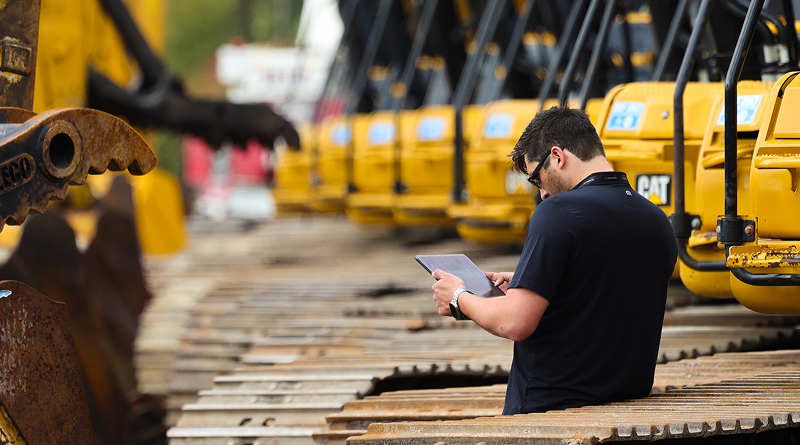
The other thing global sourcing offers — and this matters for anyone buying remotely — is condition certainty. IronPlanet’s 350+ professional inspectors produce comprehensive condition reports with ratings, test results, and multiple photos per machine. The IronClad Assurance program means if the condition doesn’t match the report on covered items, you’re protected. That removes the biggest practical barrier to buying a machine you haven’t personally inspected: the risk of a surprise after it lands
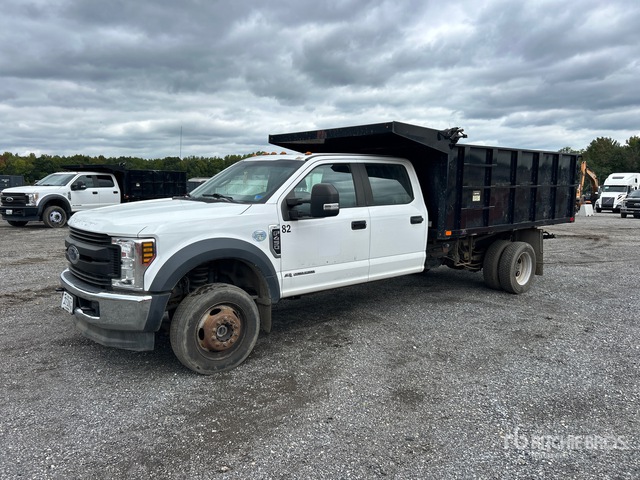 2019 Ford F-450 Dump Truck: Light Duty
The Framework: Which approach fits which situation
Four variables should drive the decision — the same ground covered in our equipment buying checklist for 2026, applied specifically to the local-vs-global call.
How urgent is the need?
If a machine goes down on an active job and you need a replacement in the next five to seven days, local is your first call. The time window for global sourcing — inspection, winning, transport logistics — doesn’t compress to that timeline. But if you’re planning a fleet addition ahead of a new project, or replacing a machine that’s approaching its cycle before it fails, you have runway to work globally. Use it.
How specific is your requirement?
Generic needs — “a mid-size excavator in decent shape” — can often be satisfied locally because the field of acceptable options is wide. Specific needs — the exact model your operators already know, a particular configuration your application requires, a unit that fits a narrow hour range for warranty or resale reasons — require depth to fill correctly. That’s where global selection pays off.
What’s your price tolerance?
If getting the machine fast justifies a premium, local sourcing makes sense. If the addition is part of a fleet strategy where the purchase price sets the economics of a two- or three-year ownership window, overpaying locally compounds. A $15,000 gap on a loader purchase doesn’t feel like much the day you write the check — it does when you’re calculating total cost of ownership at disposal.
How many units are you sourcing?
A single-unit replacement is a different problem than adding four or five units for a project ramp. Single-unit, high-urgency: local first. Multi-unit, planned addition: global sourcing almost always produces better combined results, because you can fill different spec requirements from a wider inventory pool rather than taking whatever happens to be available nearby.
Stop Treating It as Either/Or
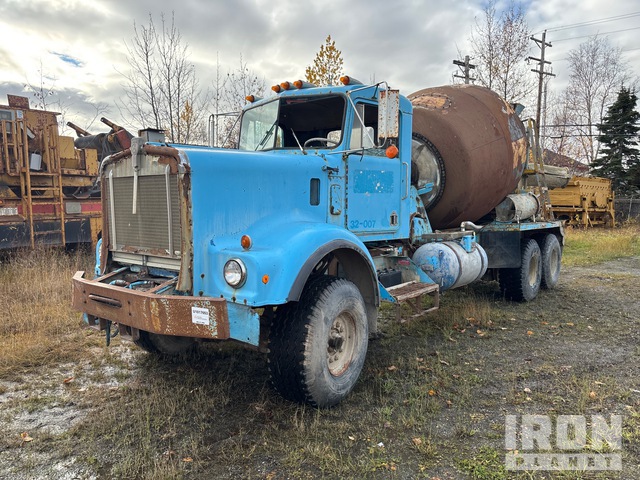 1974 Kenworth C523 Mixer Truck
The framing of “local vs. global” implies you have to pick one. You don’t. The best approach is to run both simultaneously — and use each to calibrate the other.
Before you buy locally, check what comparable machines are selling for in the broader market. Ritchie Bros. has deep transaction history by make, model, and hour range — see our free auction price results by equipment category. If you know what a 2020 John Deere 310L backhoe in 4,000–6,000 hours has been clearing in recent auctions, you have a real anchor for any local negotiation. You’re not guessing at fair value — you know it.
Conversely, when you find a specific lot that fits your spec, get a transport quote before you bid. Knowing your landed cost up front means you’re not discovering later that logistics turned a good purchase into a marginal one. Ritchie Bros.’ Digital Checkout can generate a transportation quote before you bid directly on a lot you’re watching — run the numbers before bidding opens, not after.
The practical workflow: global search first to identify what you actually need and what it should cost; local sourcing as the fast path when urgency is real and the right unit happens to exist nearby. They’re not competing channels — they’re two tools in the same sourcing process.
What shifts when you get this right
The direct result: better machines at better prices. But the downstream impact on fleet economics is what makes this worth building as a process rather than treating each purchase as a one-off decision.
When you stop defaulting to “whatever’s available locally,” you stop accumulating a mixed fleet of almost-right machines. The excavator that’s 3,000 hours heavier than ideal because it was the only option within range. The truck spec that doesn’t quite match your application. Each of those compromises carries a cost — in maintenance timing, in operator productivity, in residual value at disposal. Sourcing the right machine, even if it takes a few extra weeks to transport, compounds over the ownership window.
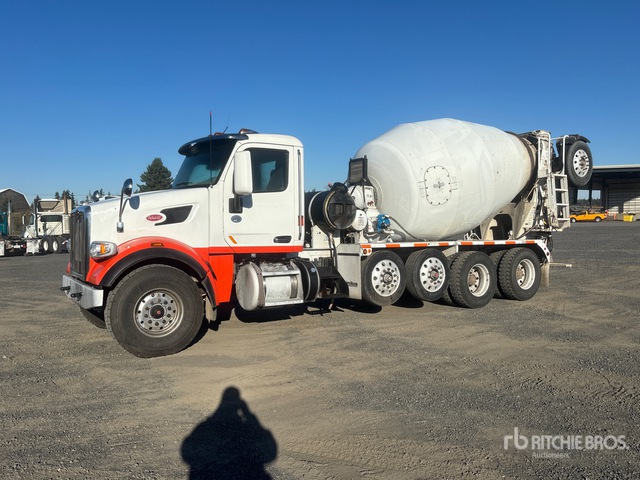 2018 Peterbilt 567 Mixer Truck
Fleet managers who build a consistent sourcing process — with clear decision criteria, both local and global channels active, and transaction data informing every local negotiation — tend to make decisions they can defend to the CFO and to themselves. Build the process once. It pays every cycle. Weighing equipment ownership costs over time is the closest existing piece on this — flagged below as an interim stand-in, not a perfect match.
Find it down the street or across the world
The next time a unit comes up for replacement, apply the framework before you make the call. Define what you actually need — model, configuration, hour range, timeline. Check what the market is paying for that spec. Then decide whether local inventory fills it, or whether you have the runway to source it right.
Ritchie Bros. is built to support both decisions. Source equipment locally or globally — from 60+ full-service yards staffed with on-site experts, to a buyer network spanning 190+ countries. The inventory is there whether you need it around the corner or across an ocean.
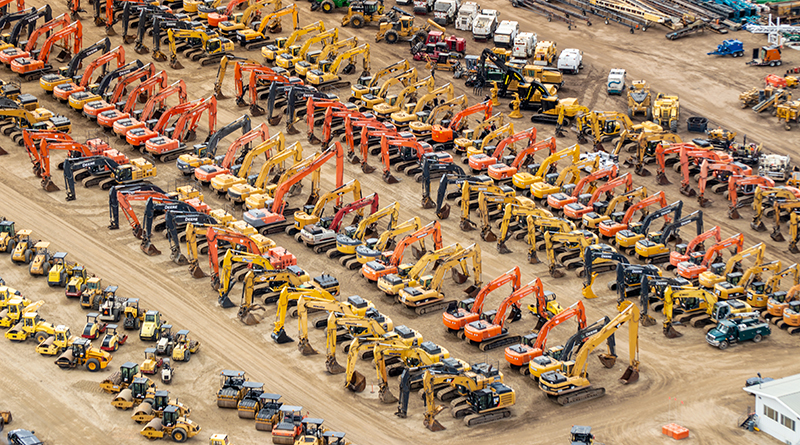 |
Tips for cross-border buyers at Ritchie Bros. auctions |
 2019 Ford F-450 Dump Truck: Light Duty2019 Utility VS2RA Refrigerated Trailer2018 Peterbilt 567 Mixer Truck1974 Kenworth C523 Mixer Truck
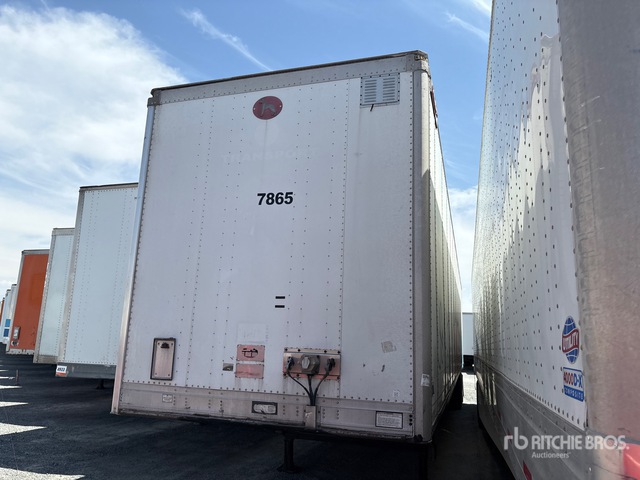 2013 Great Dane Van Trailer
 Leer Latitude Misc. Truck Attachments
 Leer Latitude Misc. Truck Attachments
 Leer HF350M Misc. Truck Attachments
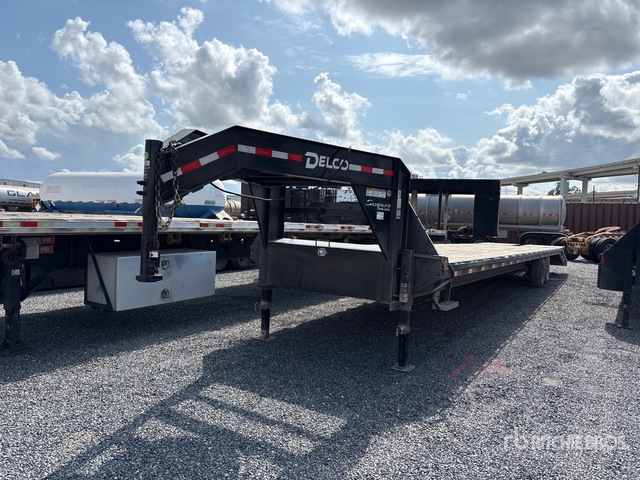 2026 Delco Equipment Trailer
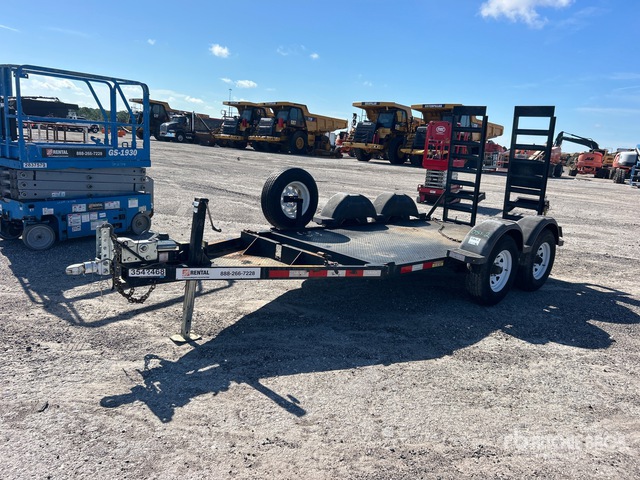 2021 MMDI 510RCMPH Equipment Trailer
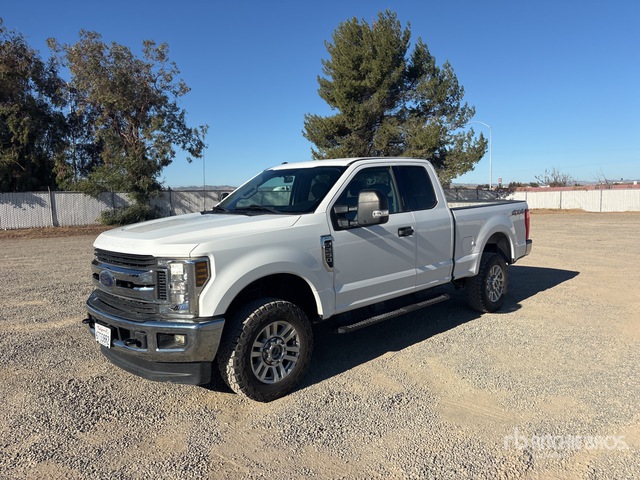 2019 Ford F-250 Pickup
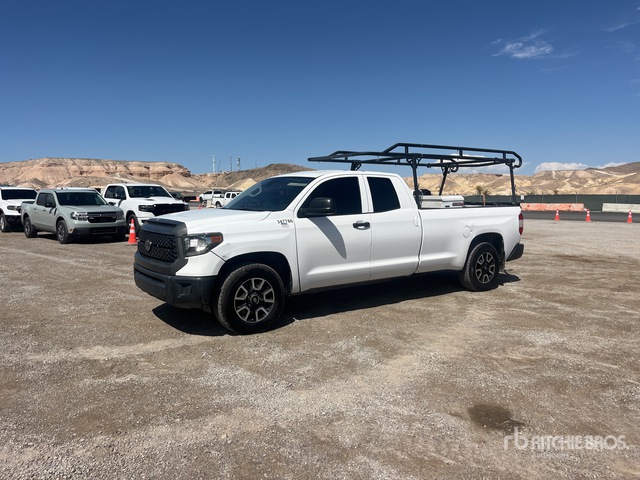 2018 Toyota Tundra Pickup
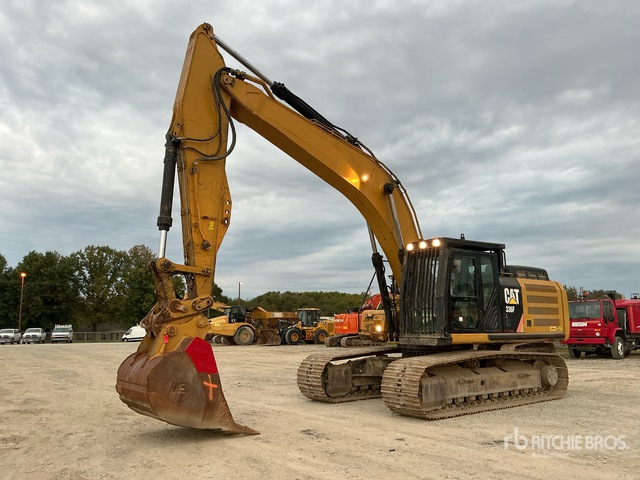 2018 Cat 336F L Tracked Excavator
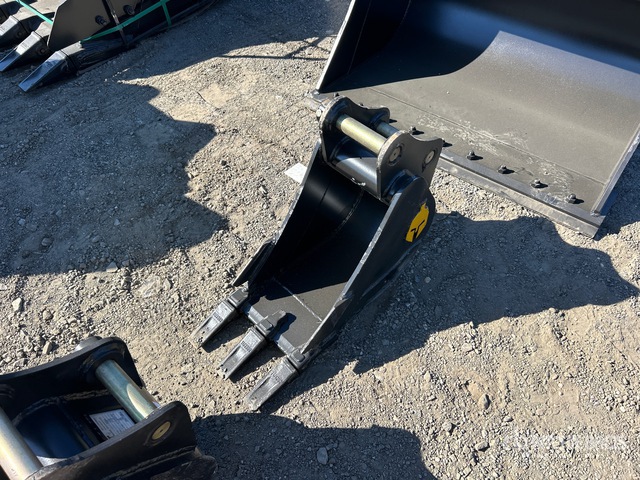 Trojan 35CL Excavator Bucket
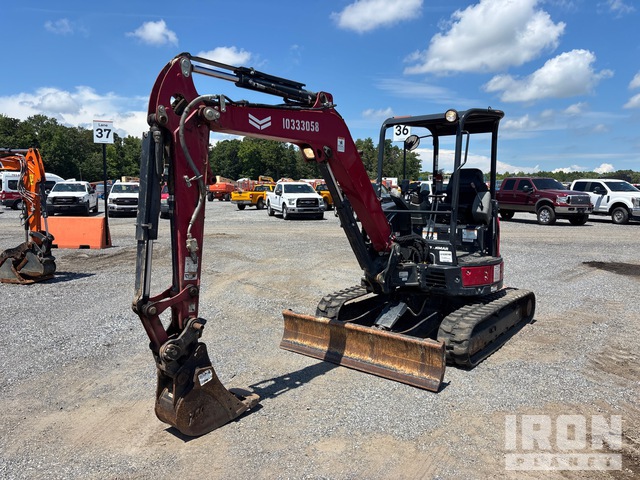 2021 Yanmar ViO35-6A Mini Excavator: <6.6t
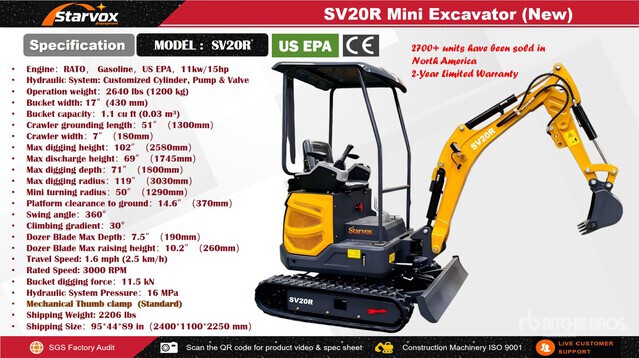 2026 STARVOX SV20R Mini Excavator: <6.6t
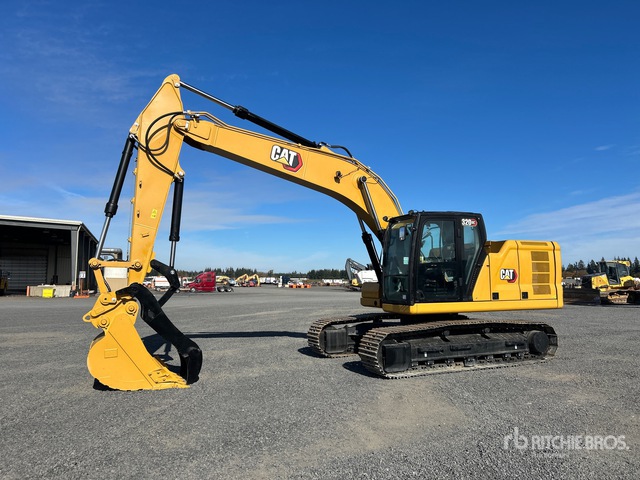 2024 Cat 320 Tracked Excavator
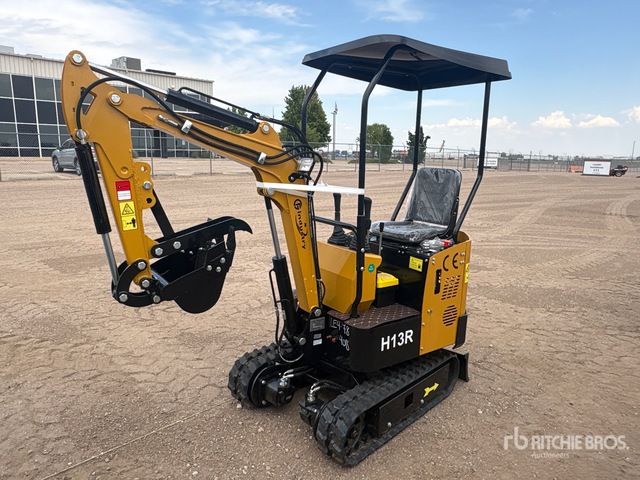 2026 CFG H13R Mini Excavator: <6.6t
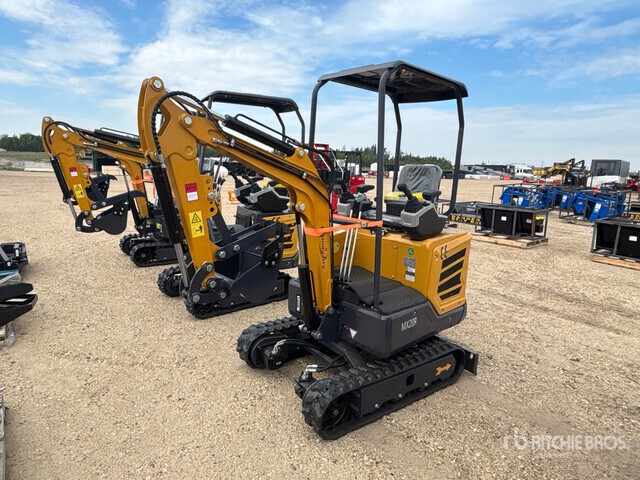 2026 CFG MX20R Mini Excavator: <6.6t
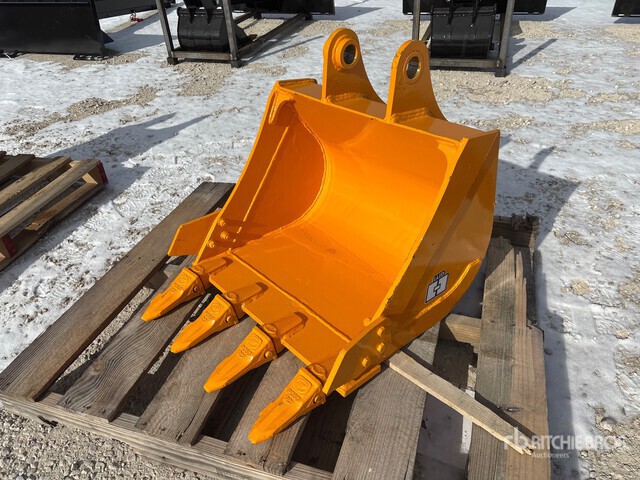 2026 GIYI GY-BK Excavator Bucket
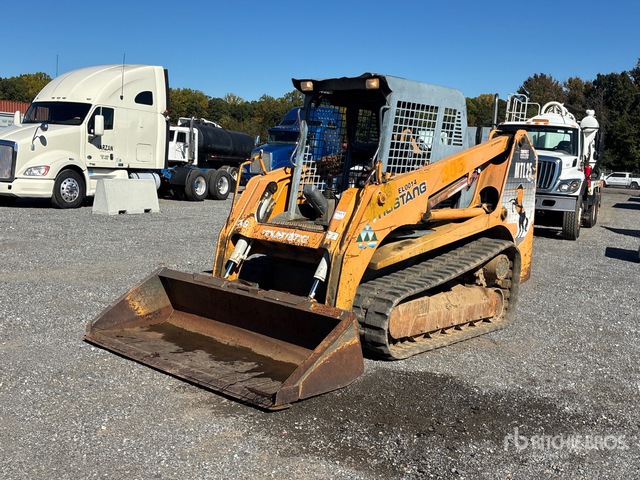 2006 Mustang MTL25 Compact Track Loader
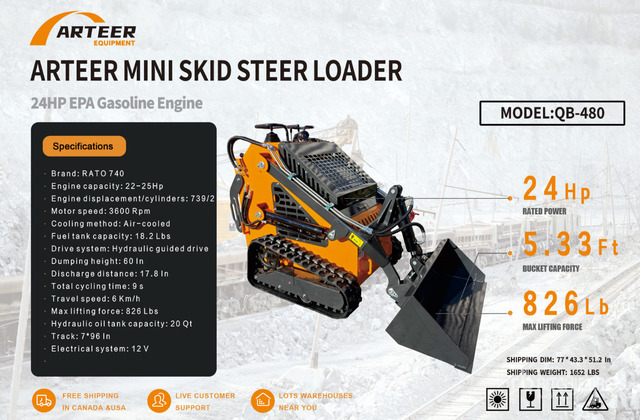 2026 ARTEER QB-480 Compact Track Loader
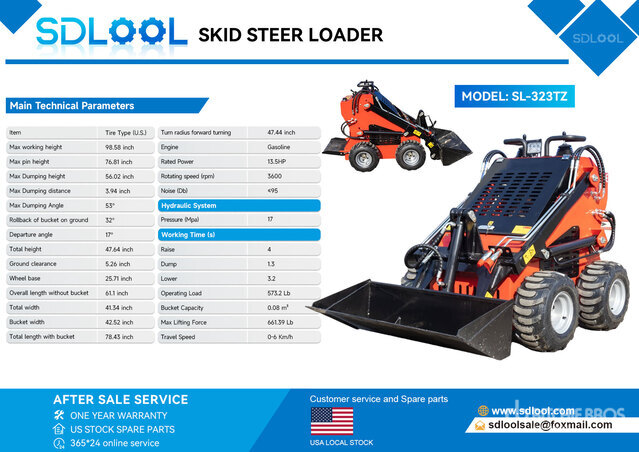 2026 SDLOOL SL-323TZ Skid Steer Loader
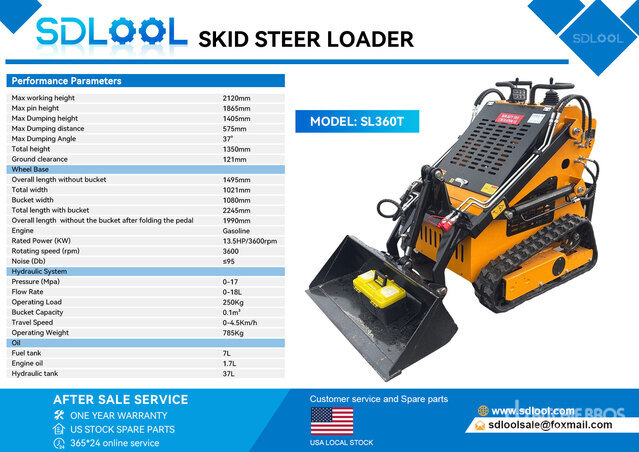 2026 SDLOOL SL360T Compact Track Loader
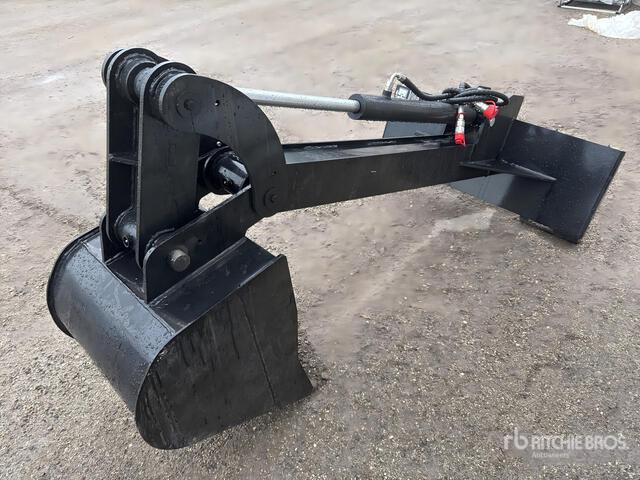 2026 GIYI GY-D ZWB Skid Steer Backhoe