 USA/CAN
 France
  Germany
  United Kingdom
  Netherlands
  Spain
Spain  Italy
Italy  Canada (FR)
  Mexico
  Australia
 Miller vs. Lincoln welders: resale value compared


If you’re buying or selling a used welder, the brand on the machine matters more than most buyers realize. Miller welders and Lincoln welders dominate the professional market, and both hold value well — but they don’t perform identically at resale. Understanding who makes these machines, where they’re built, and what drives their pricing helps you make a smarter decision whether you’re acquiring a machine or liquidating one.
Where Miller welders are manufactured
Miller Electric manufactures the majority of its professional-grade welders in Appleton, Wisconsin, USA. The Appleton facility has been central to the brand’s identity for decades and remains its primary production base for industrial and contractor-class equipment.
Are Miller welders made in the USA?
Yes — Miller’s core professional product lines, including the Dynasty, Syncrowave, and Multimatic series, are assembled in Appleton, Wisconsin. This domestic manufacturing is a key selling point for contractors and fleet buyers who prioritize supply chain reliability and parts availability.
Are Miller welders made in China?
Some of Miller’s entry-level and consumer-facing products are manufactured overseas, including certain inverter models sold through retail channels. However, the professional and industrial lines that appear most frequently at auction are predominantly US-made. When evaluating a used machine, check the serial number plate — the country of origin is listed and directly affects resale value.
Get free pricing for recently sold welders
Create a free account to access real sold pricing information from recent auctions.
Reveal sold price- Real auction data
- Verified sales
- Updated daily
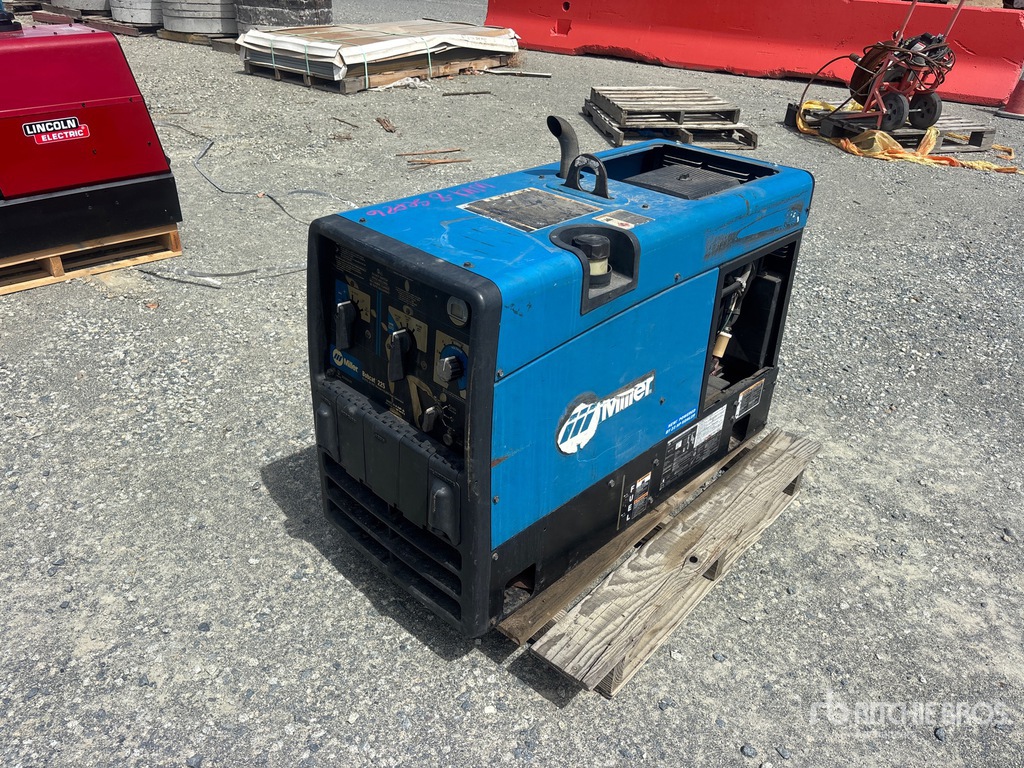
2006 Miller Bobcat 225 Skid-Mounted Welder
Lethbridge County, Canada · 178 hrs
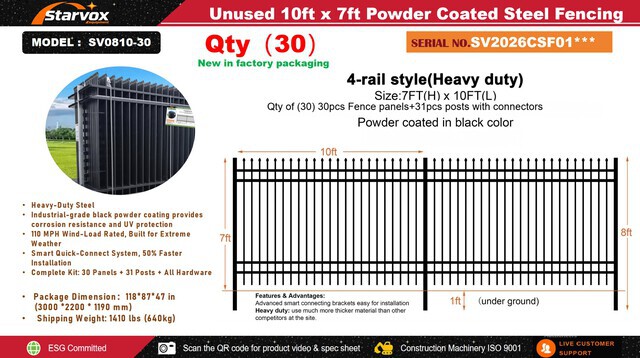 2026 STARVOX SV0810-30 Fencing
Sold
🔒 $X,XXX CAD Reveal sold price >
Closed: May 15, 2025
Who owns and makes Miller welders
Miller Electric is owned by Illinois Tool Works (ITW), a diversified industrial manufacturer. ITW acquired Miller in 1993 and has since used the Miller brand as the anchor of its welding products division, which also includes several other welding and consumables brands.
Does Miller make Hobart welders?
Yes. Hobart Brothers is also part of the Illinois Tool Works portfolio. ITW owns both Miller and Hobart, and the two brands share engineering resources, components, and — in some product tiers — platforms. Hobart is positioned as a more value-oriented brand, while Miller occupies the professional and industrial segment.
Are Hobart and Miller welders the same?
Not exactly. While Hobart and Miller share an ownership structure and some underlying technology, they are not the same machine rebadged. Miller machines typically feature more advanced arc control electronics, a broader feature set, and heavier-duty duty cycles. Hobart units are designed for lighter commercial and hobbyist use. At resale, Miller machines consistently command a significant premium over comparable Hobart units — an important distinction if you’re buying with eventual resale in mind.
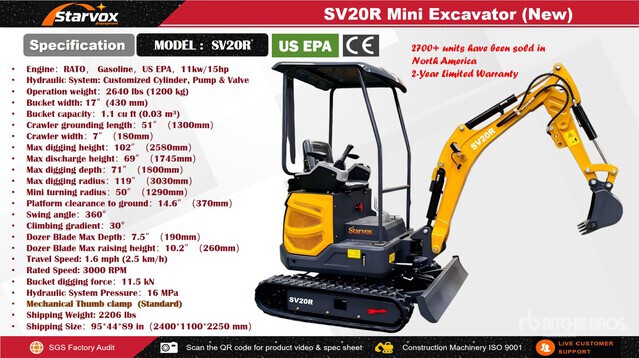 2026 STARVOX SV20R Mini Excavator: <6.6t
Get free pricing for recently sold welders
Create a free account to access real sold pricing information from recent auctions.
Reveal sold price- Real auction data
- Verified sales
- Updated daily

2010 Lincoln 250GXT Skid-Mounted Multi-Process Engine Driven Welder
Perris, CA
Sold
🔒 $X,XXX CAD Reveal sold price >
Closed: May 15, 2025
Miller vs. Lincoln welders: which is better?
Both are excellent professional-grade brands, and the honest answer is that neither is universally better — they’re differentiated by application, feature set, and buyer preference. What matters most for buyers and sellers is understanding where each brand’s strengths lie and what those strengths mean for long-term value.
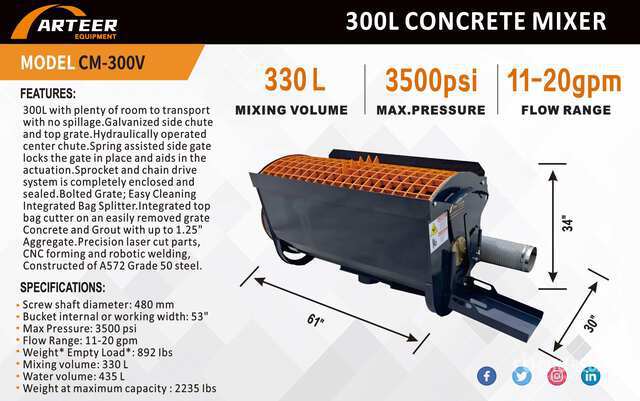 2026 ARTEER CM-300V Skid Steer Concrete Mixer
How do Miller and Lincoln welders compare in performance?
Miller and Lincoln welders are broadly comparable in output quality for MIG, TIG, and stick applications at the professional level. Miller is widely regarded for its arc smoothness and advanced inverter technology, particularly in TIG applications — the Dynasty series is a benchmark for AC/DC TIG performance. Lincoln is praised for its robust transformer-based machines, particularly the Ranger and SA-200 engine-driven welders, which have a near-cult following in pipeline and structural welding. Lincoln’s Power MIG series is a staple in fabrication shops. For fleet buyers, both brands offer reliable duty cycles and widespread parts availability. The choice often comes down to application: Miller leads in precision TIG work; Lincoln leads in engine-driven and heavy structural applications.
Resale value: Miller versus Lincoln welders
Both brands retain value well relative to the broader used welder market, but resale performance varies by product line. Miller’s professional inverter machines — particularly the Dynasty TIG series and Multimatic multi-process units — tend to hold a strong percentage of original retail value, especially in good working condition with original accessories. Lincoln’s engine-driven welders, particularly the SA-200 and classic Ranger models, are arguably the strongest resale performers in the entire used welder market, with some vintage SA-200s selling for more than their original retail price due to collector and professional demand. For multi-process shop machines, resale values between the two brands are close enough that condition, hours of use, and included accessories matter more than the badge. When selling a used welder at auction, machines with documented service history and original wire feeders or water coolers consistently outperform comparable units without them.
Why are Miller welders so expensive?

Miller welders carry a premium price because they are engineered and built to professional and industrial specifications. The cost reflects US-based manufacturing, advanced arc control electronics, high-duty-cycle ratings, and a dealer support network that provides parts and service availability across North America.
Are Miller welders worth the money?
For professional users, yes — the long-term cost of ownership justifies the upfront price. Miller machines are built to run hard in commercial environments, and their resale value reflects that durability. A well-maintained Miller Dynasty 200 or Multimatic 220 purchased used will still command a solid return at resale years later, which is not true of most consumer-grade machines. For occasional or light-duty use, the premium may not be warranted — but for contractors and fabricators running equipment daily, the investment calculates out. Buying a used Miller in good condition is one of the most cost-effective ways to access professional-grade performance without paying full retail.
Understanding arc control on Miller welders
Arc control is one of the most cited technical differentiators between Miller and competing brands. Miller’s Auto-Set technology (available on Multimatic and several MIG models) automatically configures voltage and wire feed speed based on material thickness and wire diameter, reducing setup time and operator error. On TIG machines, Miller’s Advanced Squarewave technology in the Dynasty series allows precise control over AC frequency, balance, and amplitude — parameters that directly affect bead profile, heat input, and oxide cleaning action on aluminium. For buyers evaluating used Miller TIG machines, the generation of squarewave technology matters: older Dynasty 200 units with basic AC control are functional but lack the fine-tuning capability of Dynasty 210 or 280 machines with extended frequency ranges. Always confirm which arc control features are present and functional before purchasing a used unit, as these electronics are the primary value driver in Miller’s premium machines.
For buyers in the market for a used welder, both Miller and Lincoln represent low-risk acquisitions compared to lesser-known brands — provided the machine has been properly maintained and the key electronics are verified working. For sellers, professional-grade machines from either brand benefit from being sold with documentation, original accessories, and a clear description of hours and application history. At auction, transparency drives bids. A well-described Miller Dynasty or Lincoln SA-200 with service records will consistently outperform an identical machine listed with minimal detail.
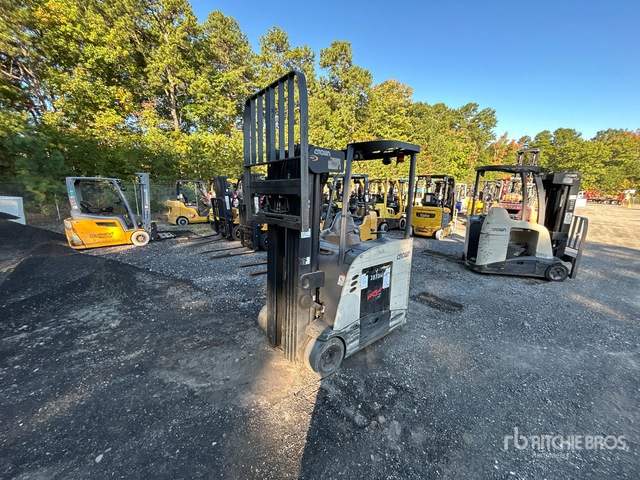 2019 Crown RC5545-40 Electric Forklift
 |
No One Does Everything We Do |
 2019 Crown RC5545-40 Electric Forklift2026 STARVOX SV20R Mini Excavator: <6.6t
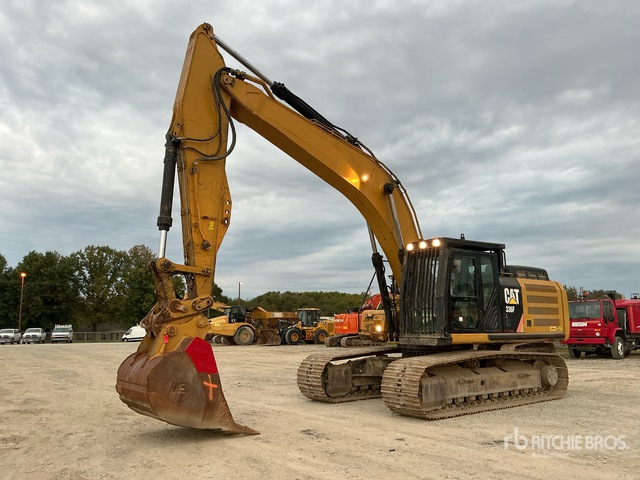 2018 Cat 336F L Tracked Excavator
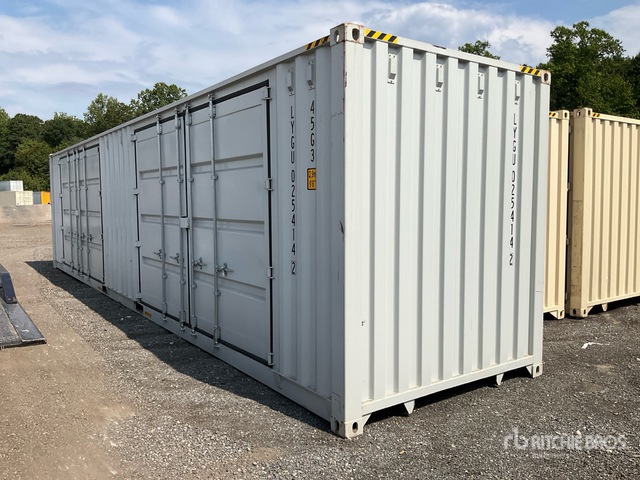 2026 MTO A40HC-2 Storage Container2026 ARTEER CM-300V Skid Steer Concrete Mixer
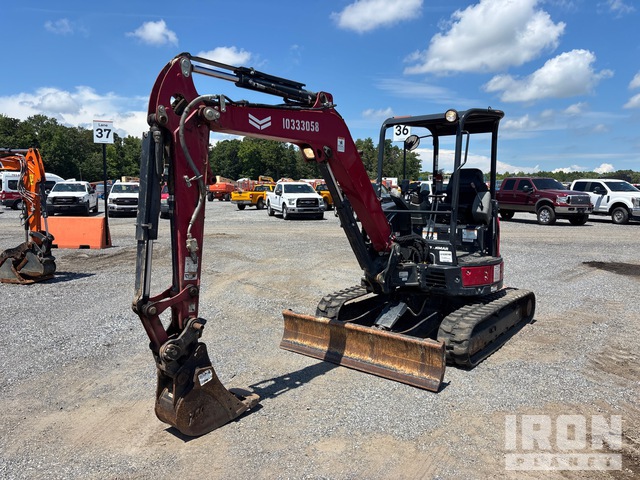 2021 Yanmar ViO35-6A Mini Excavator: <6.6t
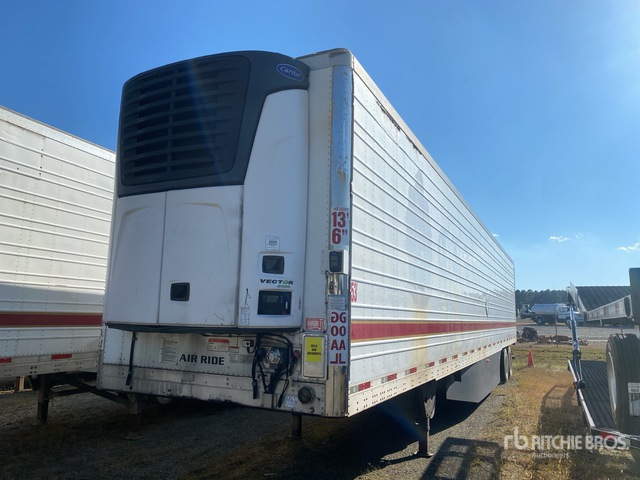 2019 Utility VS2RA Refrigerated Trailer
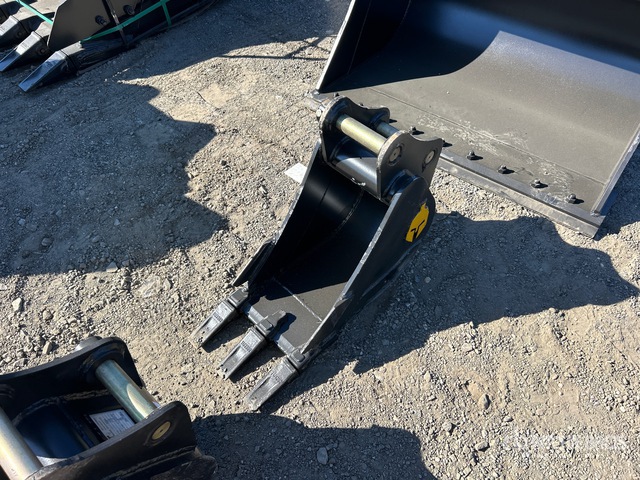 Trojan 35CL Excavator Bucket
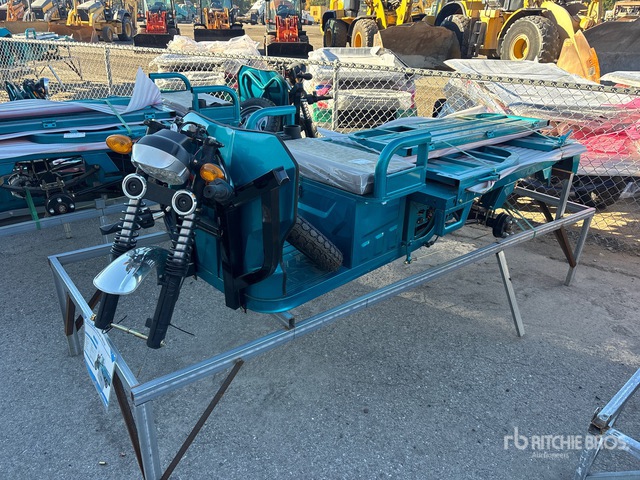 2026 SDLOOL SL-EC15 Trike
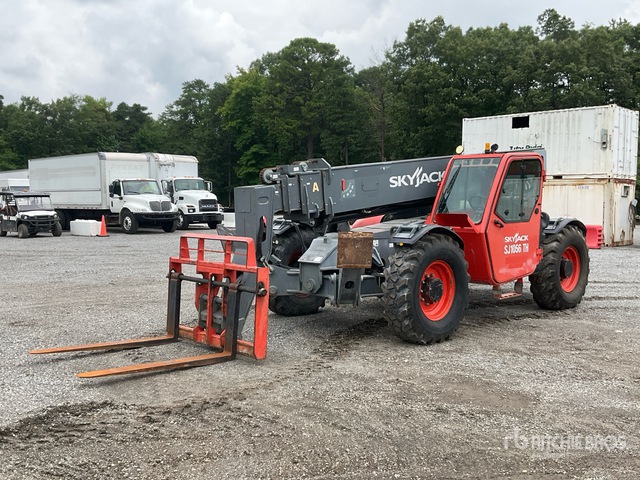 2018 Skyjack SJ1056TH Telehandler
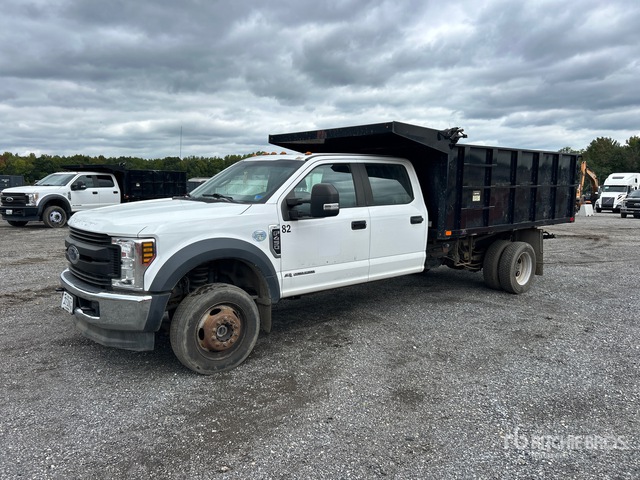 2019 Ford F-450 Dump Truck: Light Duty2026 STARVOX SV0810-30 Fencing
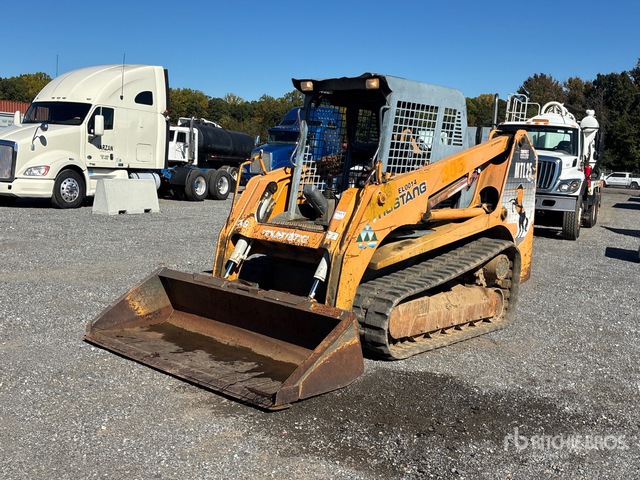 2006 Mustang MTL25 Compact Track Loader
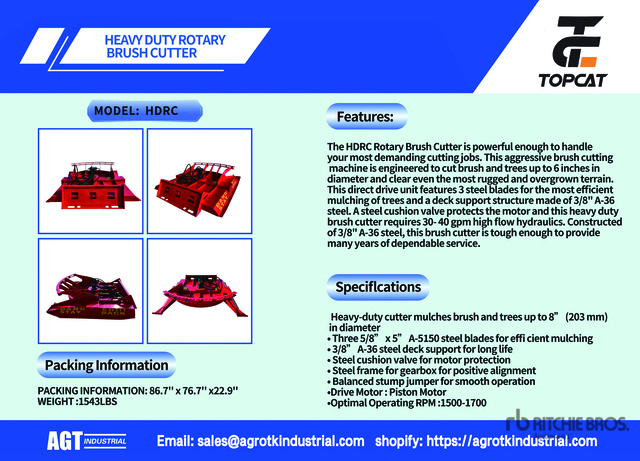 2026 Top Cat HDRC Skid Steer Brush Cutter
 Electric Motor
 2024 Cat 320 Tracked Excavator
 2026 ARTEER QB-480 Compact Track Loader
 2026 TPL-RED Vehicle Lift
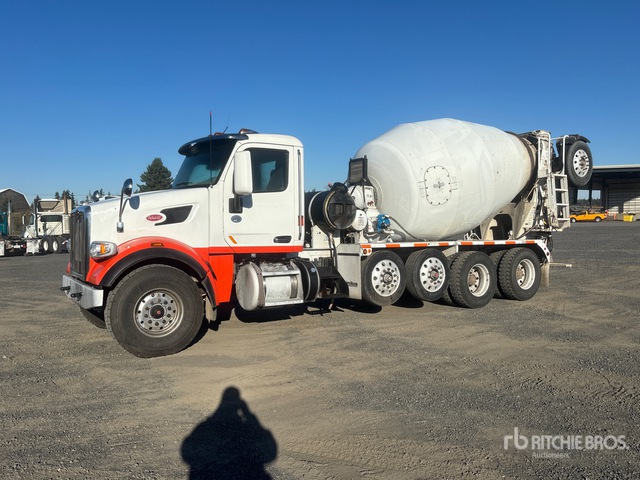 2018 Peterbilt 567 Mixer Truck
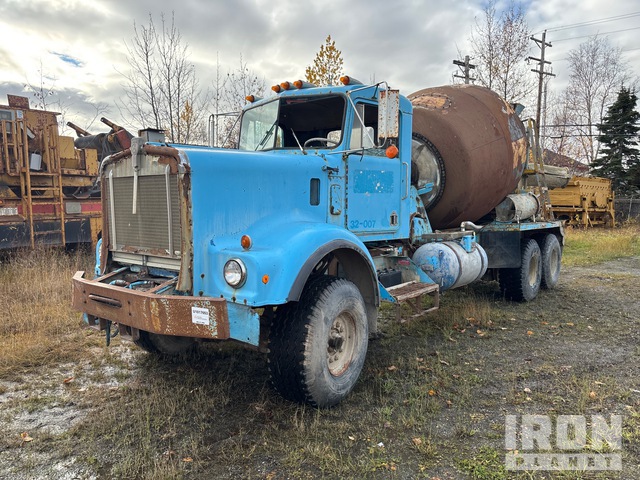 1974 Kenworth C523 Mixer Truck
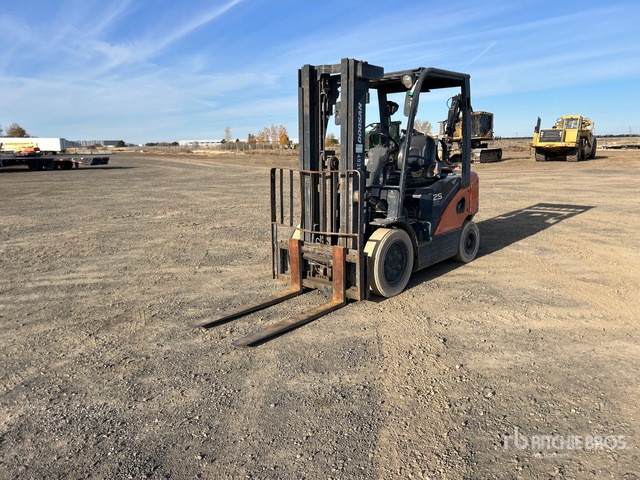 Doosan G25P-7 Forklift
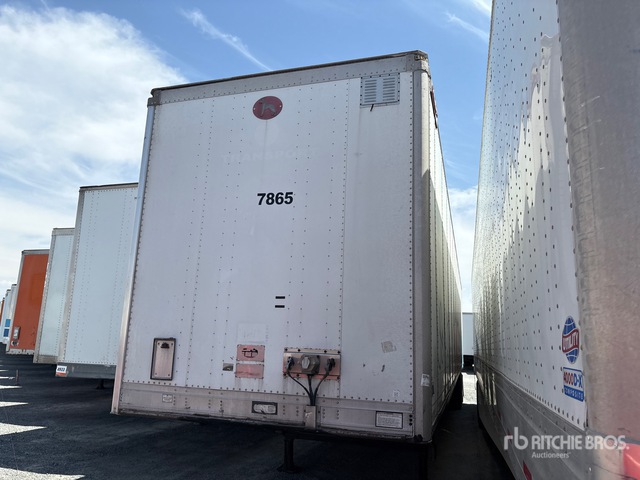 2013 Great Dane Van Trailer
 2019 Ford F-250 Pickup
 2019 Genie GR20 Vertical Mast Lift
 2026 GIYI GY-PG72 Skid Steer Grapple