 USA
USA France
  Germany
  United Kingdom
  Netherlands
  Spain
Spain  Italy
Italy  Canada (FR)
  Mexico
  Australia
 Common skid steer auger attachment problems

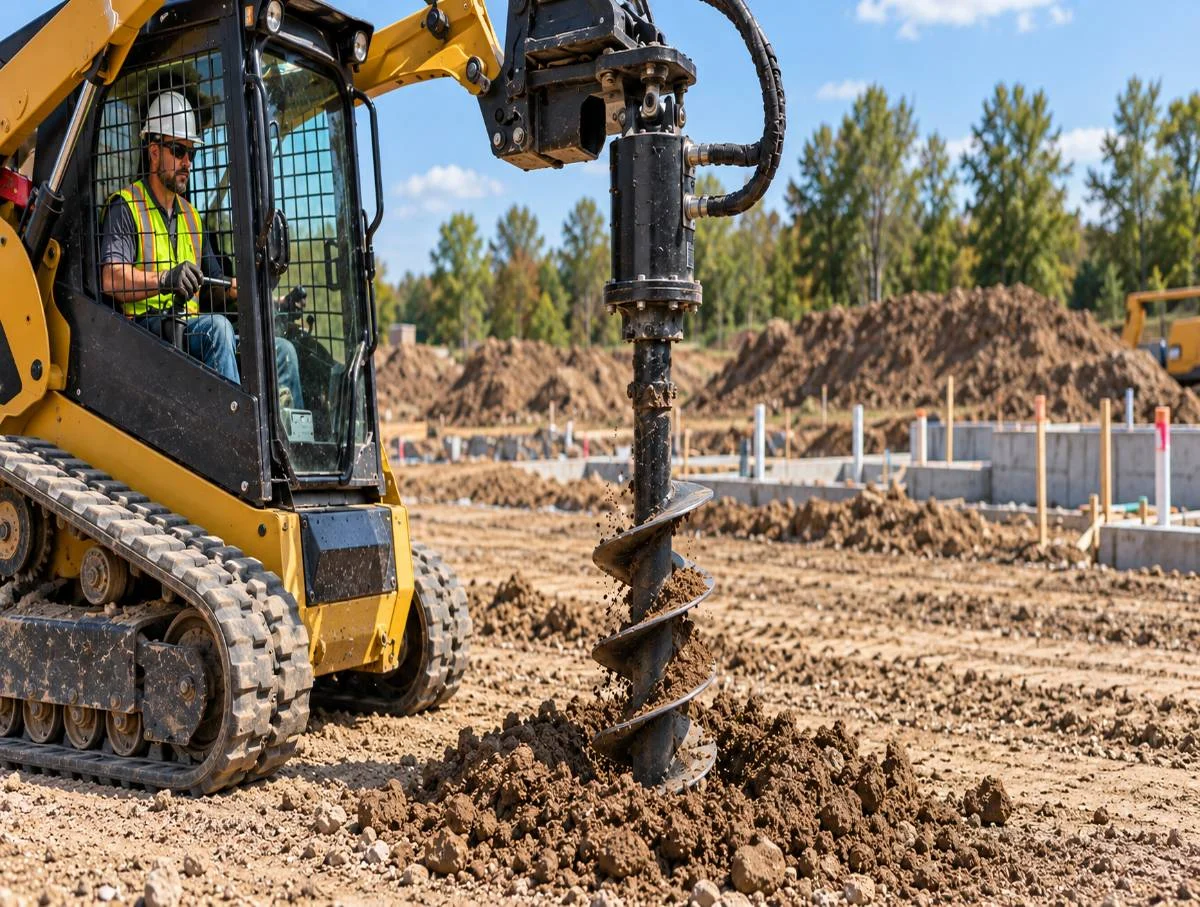
A skid steer auger attachment is a hydraulically powered drive unit that spins an interchangeable bit to dig round holes for fence posts, footings, tree planting, and utility work. Getting good results comes down to two things in sequence: running it correctly once it’s on the machine, and knowing whether owning one makes sense in the first place. Here’s what skid steer operators actually run into with both.
What is a skid steer auger attachment?
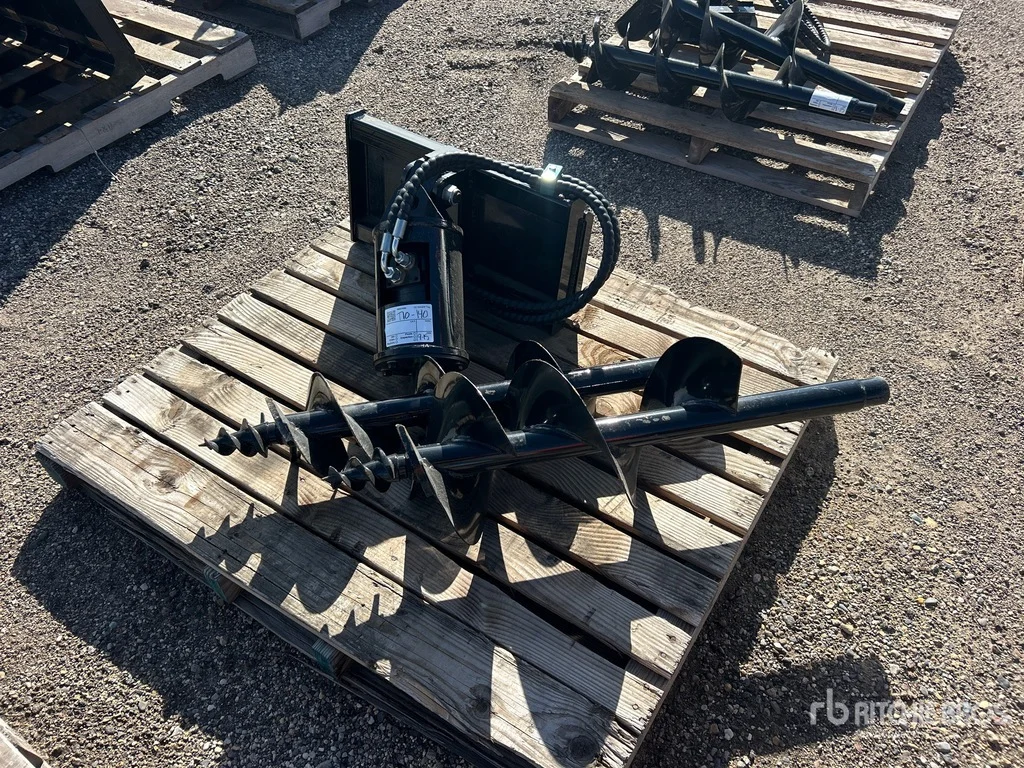
A skid steer auger attachment is a hydraulically powered drive unit that mounts to a skid steer’s quick-attach plate and spins an interchangeable auger bit to dig round holes for fence posts, deck footings, tree planting, or utility and signage installation. The auger motor connects to the skid steer’s auxiliary hydraulics, and most systems use a universal mounting hub so a single drive unit can accept multiple bit sizes.
Will a low-flow skid steer be able to spin an 18-inch (or larger) auger bit?
Yes, but slower. A standard-flow skid steer (roughly 17-25 GPM) can turn a bit that size — it just won’t rotate as fast as it would on a high-flow machine (28+ GPM). The real risk isn’t speed: pushing too much down-pressure into an oversized bit on a low-flow machine is what stalls the engine or locks up the hydraulics, not the bit size on its own. Matching bit diameter to your machine’s rated flow, and easing off down-pressure instead of forcing the bit through resistance, matters more than chasing the largest bit available.
How do I stop the auger bit from getting stuck in the ground?
Even with the right bit-to-flow match, technique still decides how the dig actually goes. An auger isn’t a self-clearing drill bit — it doesn’t continuously feed loose dirt up and out on its own, so running it non-stop is what gets it “screwed” into the ground and stuck. Run the machine at full throttle for smooth, consistent rotation, but only dig about a foot at a time: pull the spinning bit completely out of the hole periodically to fling the loose dirt off the flutes before going back down. Skipping that step is the most common reason operators end up fighting a bound-up auger.
Why won’t my mini skid steer dig in dry clay?
That in-and-out rhythm gets harder in one specific condition: dry clay. If the auger is “polishing” the top of the hole instead of cutting down, the bit is usually the problem, not the machine or the soil. A 9-inch bit is often harder to dig with in clay than a 12-inch bit, because it doesn’t leave enough flighting room to clear thick, compacted dirt out of the hole as it cuts — the clay packs in and the bit just spins in place. Operators who hit this either switch to a slightly larger bit or use the “water trick”: dig for about a minute, pull the auger out, pour water down the hole to soften the clay into mud, then drill again.
Are cheap Chinese or Facebook Marketplace augers worth it?
Good technique only gets you so far if the attachment itself isn’t up to the job, which is where budget units come into question. For occasional DIY use, cheap imports are generally worth it, with a caveat. Budget drive units — commonly $800-$1,500 — tend to ship with soft teeth that dull quickly and thinner flighting that can bend under heavy down-pressure, so they’re not built for daily production drilling. But for a single fencing or pole-barn project in soft-to-moderate soil, a budget unit with the teeth upgraded to higher-grade, replaceable ones afterward is a reasonable way to go, rather than paying full price for a unit that sits unused after one job.
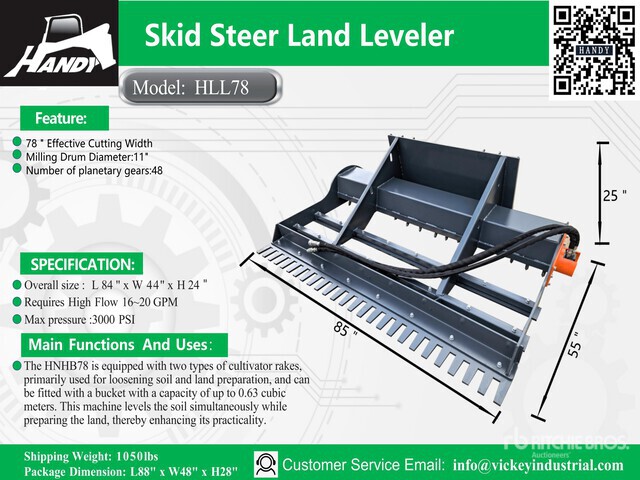 2026 Handy HLL78 Skid Steer Landplane
Should I buy an auger attachment or just rent it?
That value question usually leads to a bigger one: is it worth owning at all? Unless you run a dedicated fencing or landscaping business, rent it. A skid steer can punch dozens of holes in a single afternoon, so most owners only need the attachment for a day: mark and prep every hole location beforehand, rent the auger for that one day, and return it. Buying only pays off once you’re using it regularly enough that rental fees would exceed ownership cost — for occasional use, it rarely does.
The bottom line
Most auger attachment problems come down to matching bit size to soil conditions and operating the machine correctly — not the attachment itself, and not usually a reason to buy one outright if you only need it occasionally. For sizing, pricing, and current inventory if you do decide to buy or rent, browse skid steer auger attachments.
 |
Finding Machines Faster: What’s New with Ritchie Bros. Search |

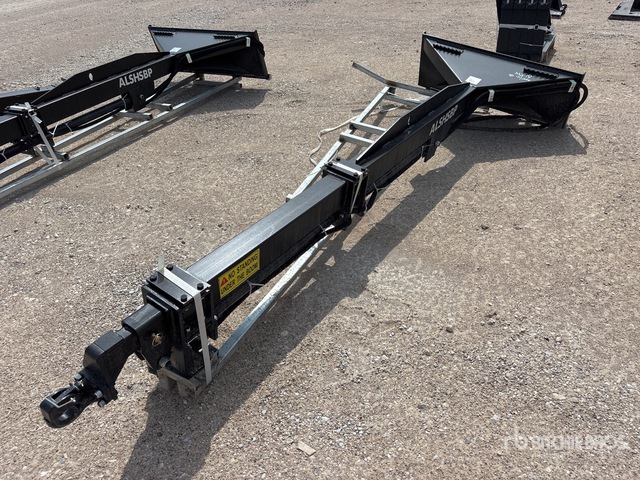 2026 LYALS ALSHSBP Skid Steer Boom2026 Handy HLL78 Skid Steer Landplane
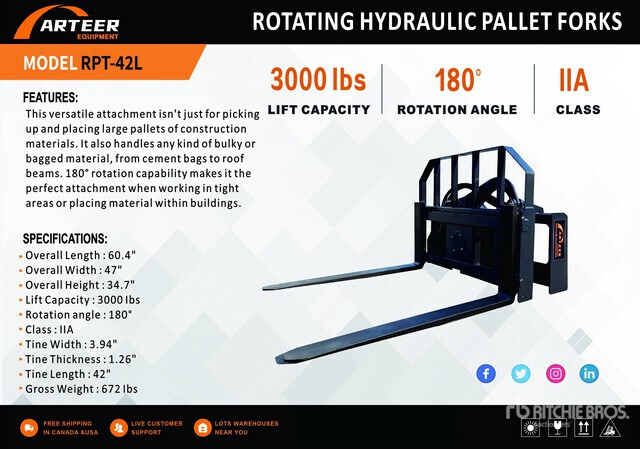 2026 ARTEER RPT-42L Skid Steer Forks
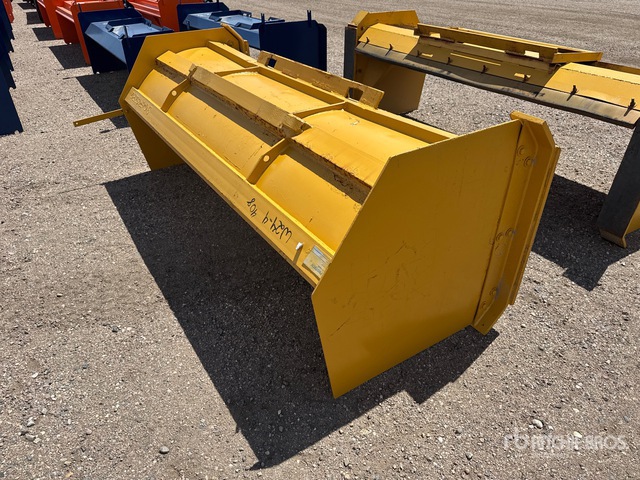 ProTech SP08 Skid Steer Snow Pusher
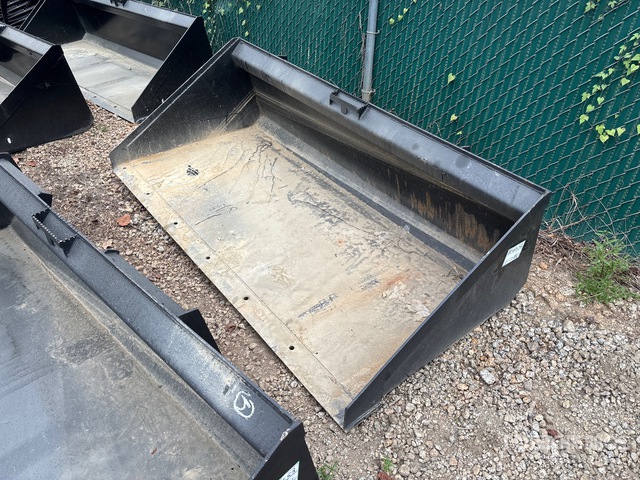 All-Star Skid Steer Bucket
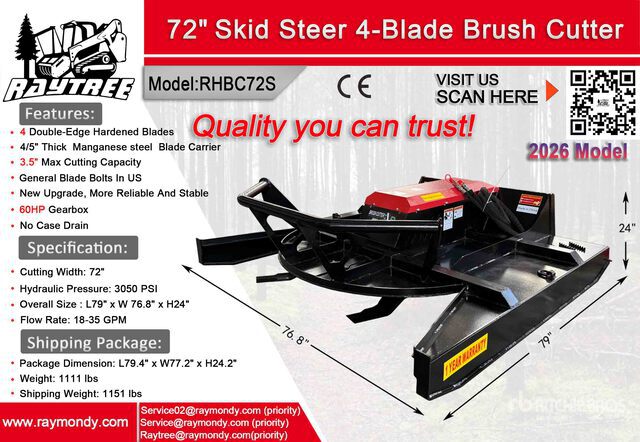 2026 Raytree RHBC72S Skid Steer Brush Cutter
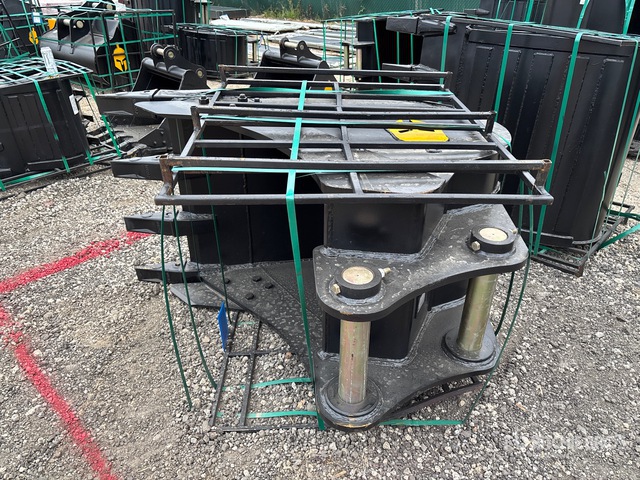 Trojan Excavator Bucket
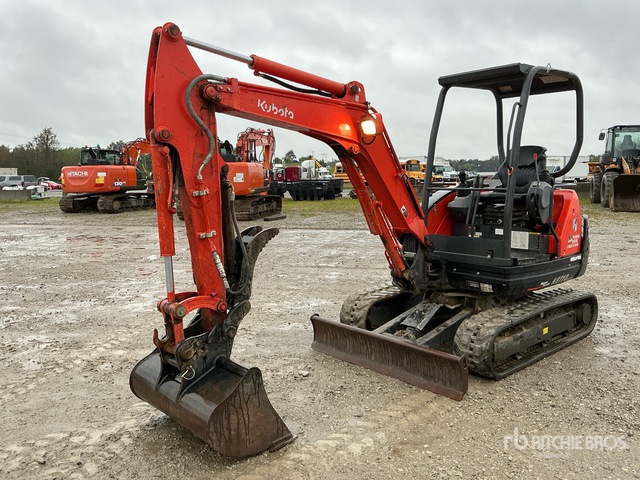 2022 Kubota KX71-3S Mini Excavator: <6.6t
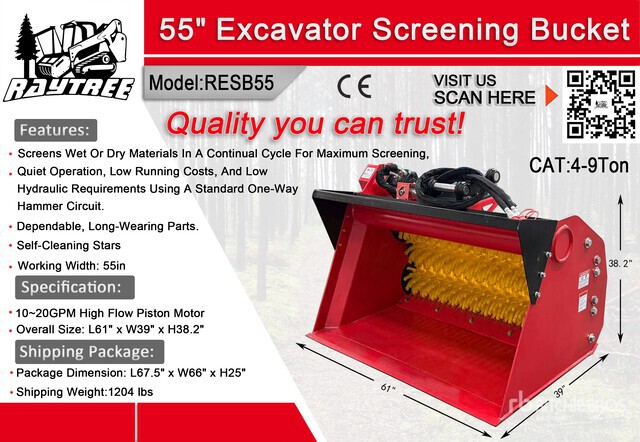 2026 Raytree RESB55 Excavator Screening Bucket
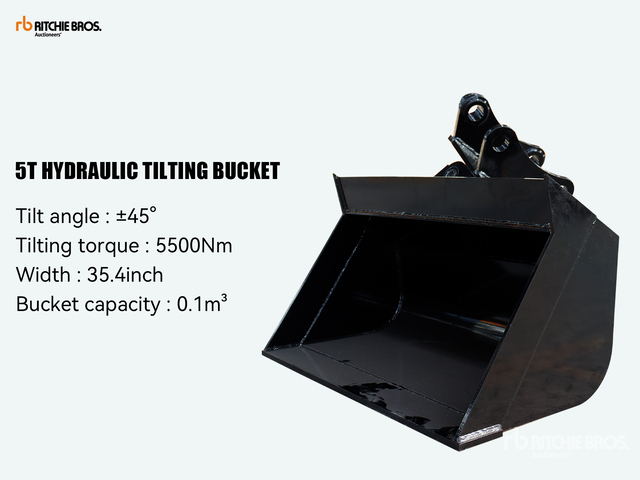 2026 GIYI GY-3TB Excavator Bucket
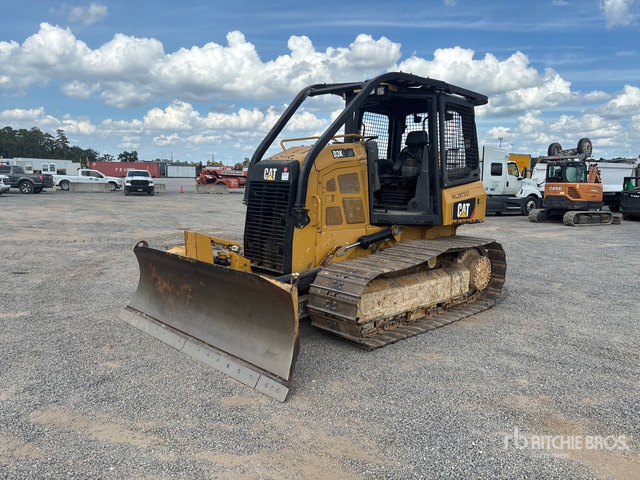 2019 Cat D3K2 LGP Crawler Dozer
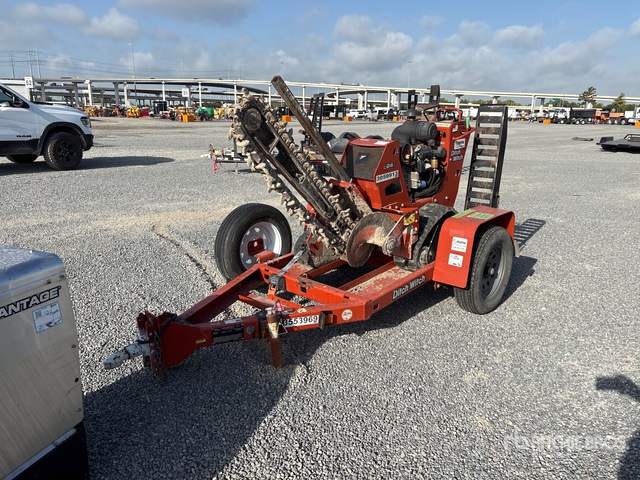 2021 Ditch Witch C24X Trencher
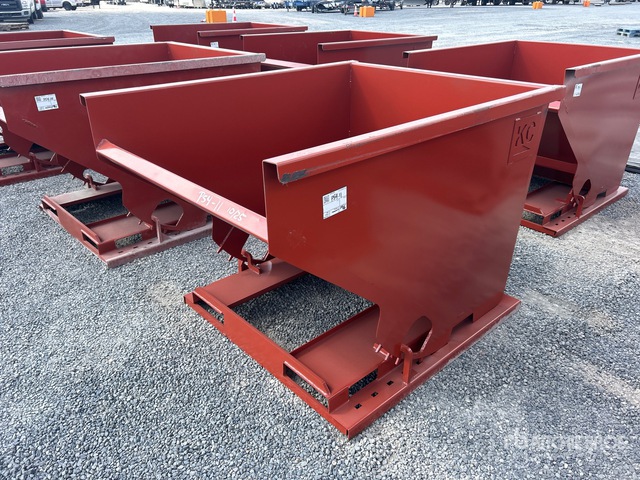 2026 Kit Containers 2.0YFT-SDH Self-Dumping Hopper
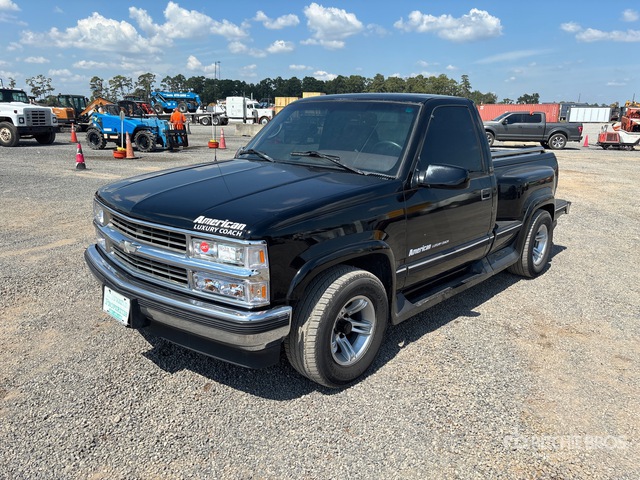 1996 Chevrolet Silverado 1500 Pickup
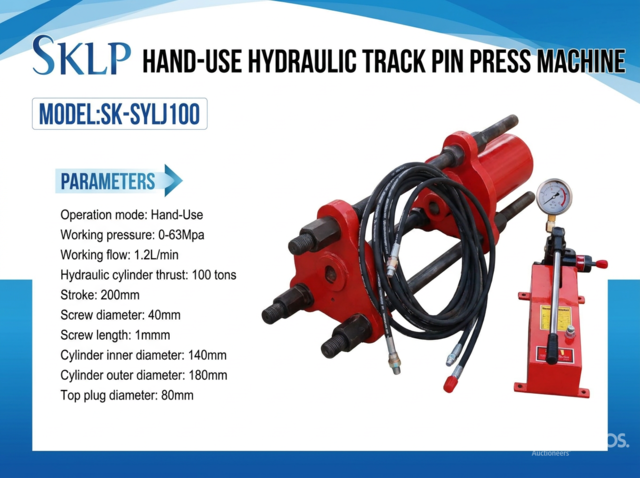 2026 SKLP SK-SYLJ100 Misc. Shop, Warehouse, Consumer
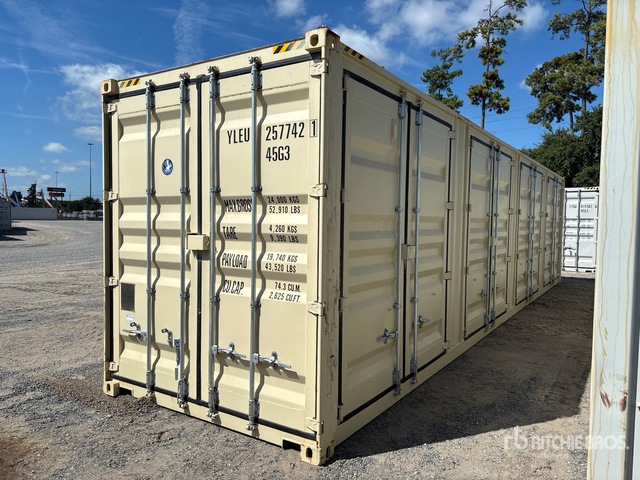 2026 ARTEER Storage Container
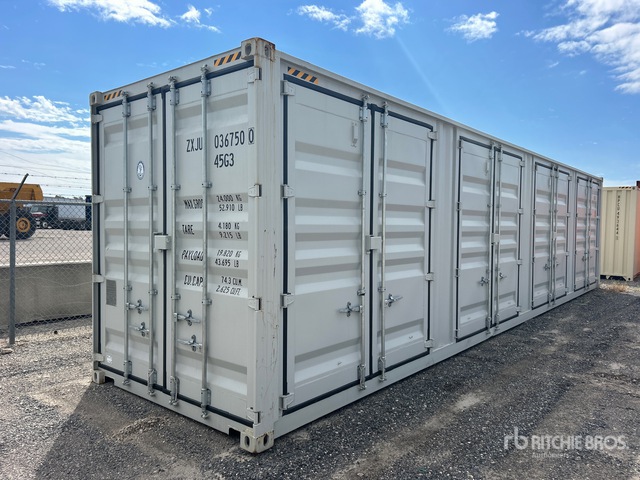 2026 AGT 40 ft HQ Storage Container
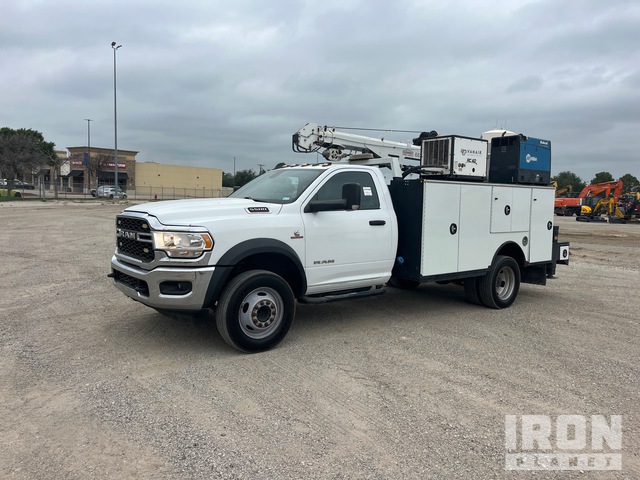 2021 Ram 5500 Service Truck
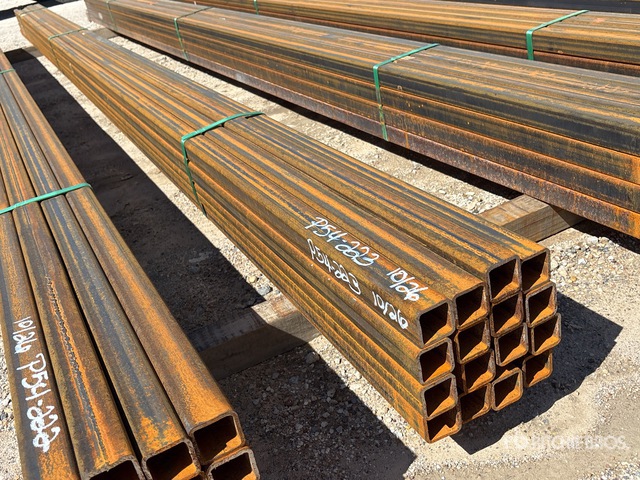 Misc. Construction Materials
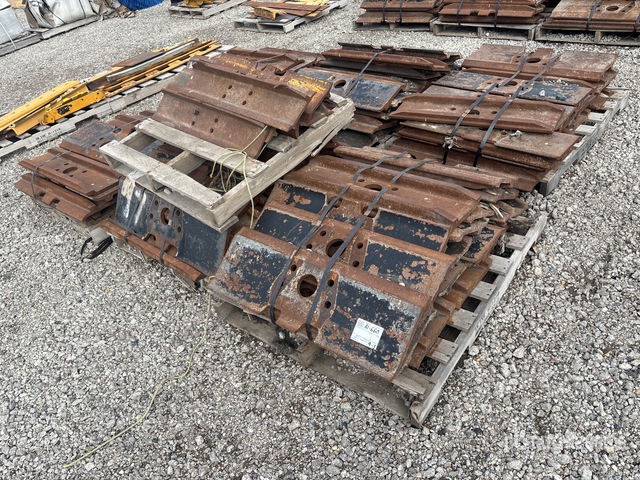 Misc. Parts
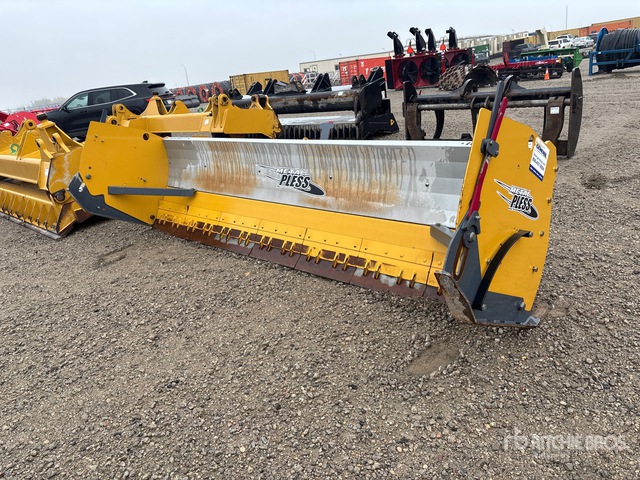 2022 Metal Pless Livebox 1442 Snow Pusher
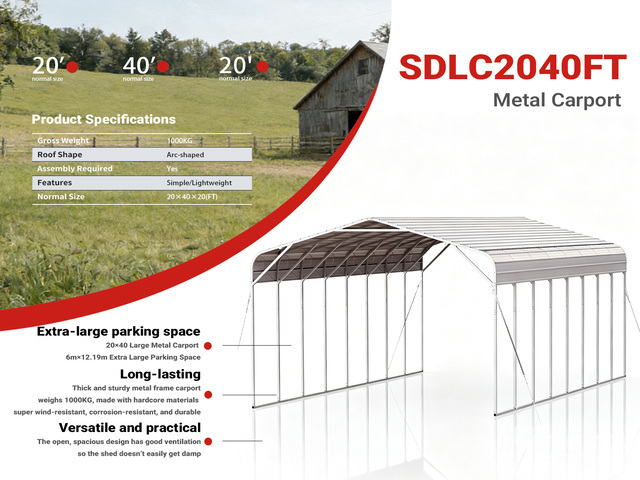 2026 SDLC2040FT Carport
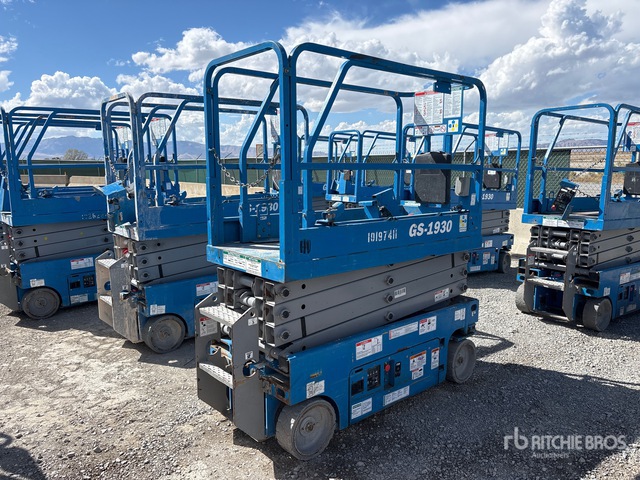 2016 Genie GS-1930 Scissor Lift
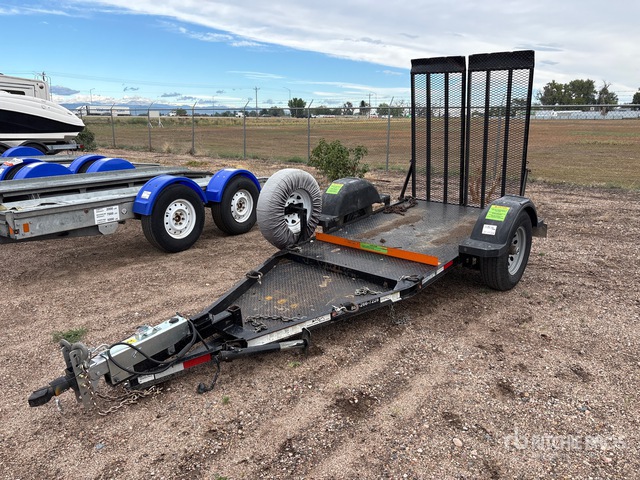 2019 Snake River Equipment Trailer
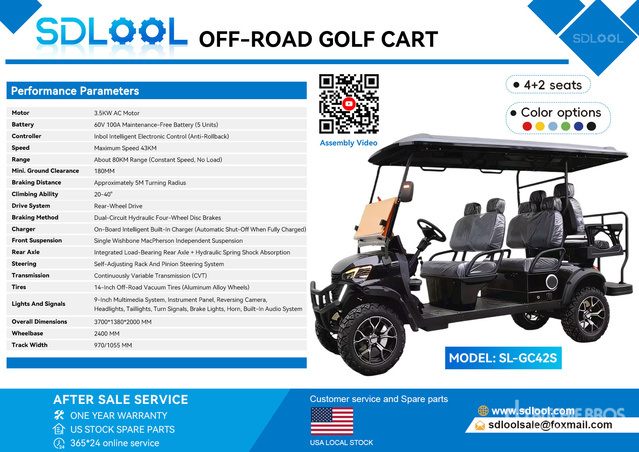 2026 SDLOOL SL-GC42S Golf Cart