 USA
USA France
  Germany
  United Kingdom
  Netherlands
  Spain
Spain  Italy
Italy  Canada (FR)
  Mexico
  Australia
 Starting a skid steer business in 2026: Get paid fast and build long-term profit
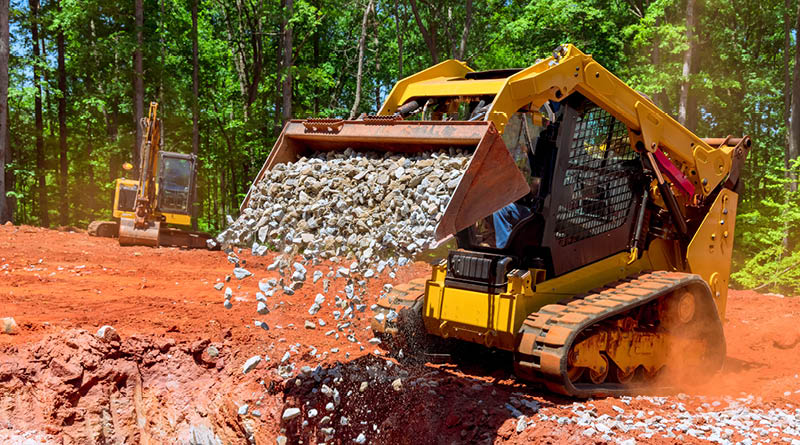
Starting a skid steer business can be one of the fastest ways to enter the equipment services market — if you know what to buy, which jobs to target, and how to price your work. By pairing the skid steer with high-demand attachments and local marketing, you can start booking profitable jobs within weeks of launch.
Can a skid steer business be profitable? (and the jobs that actually pay)
Yes — a skid steer business can be profitable when you focus on high-demand, high-margin work and keep your operating costs under control. Many small operators earn a steady income by targeting jobs that general contractors or homeowners can’t easily handle without specialized equipment.
Jobs that consistently generate revenue include:
- High-demand, quick-start services: Driveway grading, brush clearing, post-hole digging, and material moving.
- Seasonal work to smooth cash flow: Snow removal, storm debris cleanup, and mulch/topsoil delivery.
- Niche, higher-rate jobs: Forestry mulching, small demolition projects, and gravel driveway rehabilitation.
By specializing in a few profitable services, you reduce setup time and improve your ability to upsell attachments for higher daily rates.
What’s the most profitable skid steer attachment? (and which ones to start with)
The most profitable skid steer attachment depends on your market, but industry operators frequently cite forestry mulchers/brush cutters, augers, grapples, power rakes, and snow attachments as top ROI performers.
For example:
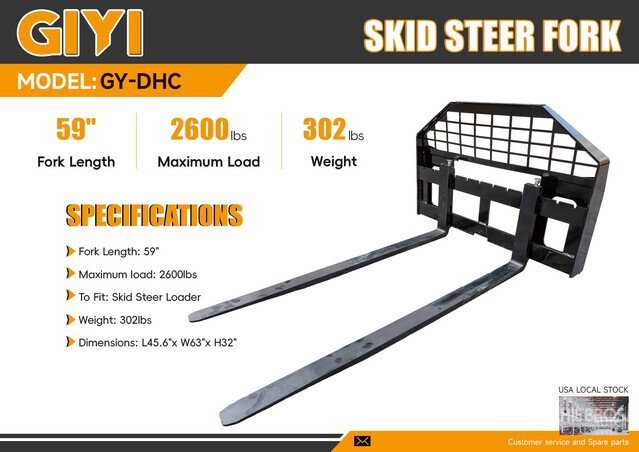 2026 GIYI GY-DHC Skid Steer Forks
- In wooded or rural areas, a forestry mulcher can command premium rates for lot clearing.
- In residential and construction markets, an auger and grapple combo allows you to handle fencing, landscaping, and demolition debris.
- In cold-weather regions, snow pushers and blowers often provide reliable winter income.
How many attachments should you start with?
Most new operators launch with 2–3 versatile attachments that cover a range of jobs. This approach keeps your startup costs lower while ensuring you can service multiple types of clients.
One of the biggest blocks to starting a business is capital, which is why buying supplementary skid steer attachments at Ritchie Bros. Can lower your startup costs with a wide variety and great prices.
Choosing the right skid steer (and how to haul it safely)
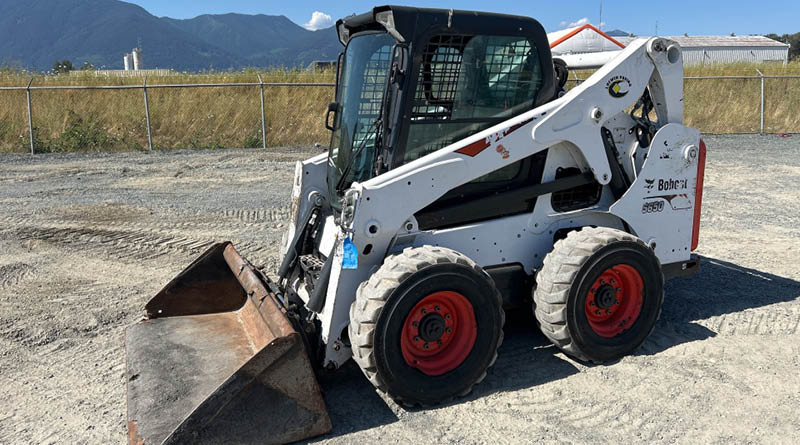
When starting a skid steer business, choosing the right machine size and configuration is key — and sourcing through Ritchie Bros. can help you do it more cost-effectively. Our auctions feature a wide selection of late-model and well-maintained skid steers and attachments from top brands.
Reducing your initial capital investment this way allows you to allocate more budget toward high-demand attachments, marketing, or transportation equipment.
Key considerations:
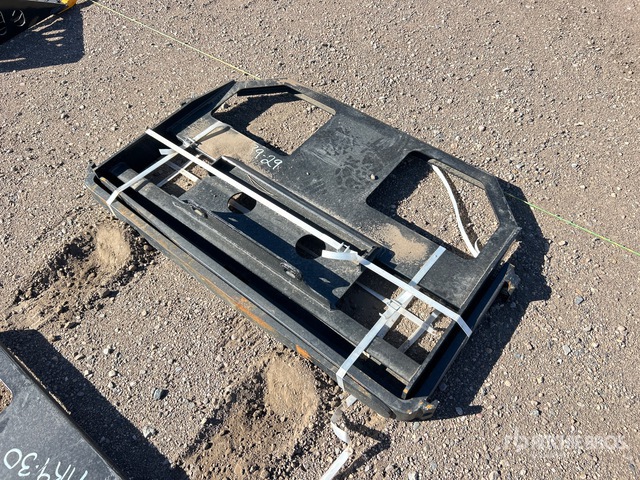 2026 GIYI GY-FR47 Skid Steer Forks
- Track vs. wheeled: Tracks provide better traction and less ground disturbance, ideal for landscaping and muddy conditions. Wheels offer faster travel and lower maintenance on hard surfaces.
- Standard vs. high-flow hydraulics: Only opt for high-flow if your target jobs require it (e.g., forestry mulching, cold planing).
- Machine size: Mid-size models (65–75 hp) balance power and transport ease.
Hauling essentials
Calculate your total load weight — machine + attachments + fuel + chains — to choose the right trailer and truck. Many operators use a 14,000–20,000 GVWR trailer with a ¾-ton or 1-ton truck, ensuring compliance with local hauling regulations and safe stopping power.
How much should I charge for skid steer work?
To make money with a skid steer, you’ll need a pricing structure that covers costs, includes your profit margin, and reflects local market rates.
Common pricing models:
- Hourly rate: US$75–$125/hour, depending on job type and attachment.
- Day rate: Often discounted for longer projects but still includes mobilization fees.
- Attachment premiums: Charge extra for specialized tools like forestry mulchers or augers.
Always factor in setup time, travel, and fuel to ensure your quote is profitable.
What does it cost to rent or hire a skid steer?
If you’re on the other side of this — hiring a skid steer instead of running one — here’s what to expect:
| Option | Typical Cost | Notes |
|---|---|---|
| Rent the machine only (no operator) | $200–$400/day | Varies by machine size and attachment |
| Hire with an operator | $75–$125/hour | Matches typical owner-operator billing rates |
| Weekly rental | $800–$1,500/week | Often discounted vs. daily rate for longer jobs |
Rates vary by region, machine size, and attachment needs — always confirm mobilization and delivery fees separately, as they’re often billed on top of the base rate.
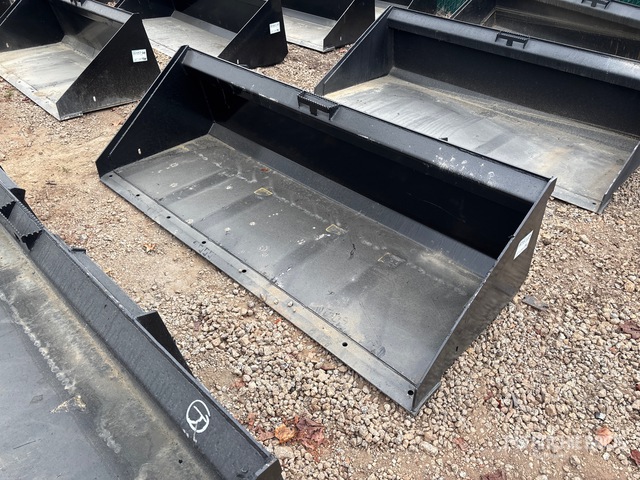 All-Star Skid Steer Bucket
How do I find my first customers?
When starting a skid steer business, your first customers often come from local, low-cost marketing efforts and word-of-mouth.
Proven tactics:
- Google Business Profile: Optimize for your primary services and location.
- Local Facebook groups: Post before/after photos of completed jobs.
- Contractor partnerships: Offer overflow support to landscapers, builders, and paving crews.
- Networking at supply yards: Material suppliers often refer skid steer operators to their customers.
Your early jobs don’t just bring in revenue — they also create portfolio material for ongoing marketing.
Other ways to make money with a skid steer (without starting a business)
Not everyone wants to launch a full operation — and you don’t have to in order to put a skid steer to work.
- Rent it out. If you’re not operating it yourself, renting your machine to contractors or homeowners during downtime turns idle equipment into income without adding a service business to manage.
- Take one-off gig work. Local Facebook groups, Craigslist, and community boards are full of small jobs — a driveway regrade, a brush-clearing afternoon, a single load of material moved. No ongoing commitment required.
- Go seasonal-only. Snow removal is the clearest example: you can generate meaningful income in the winter months and leave the machine parked the rest of the year, with none of the year-round overhead a full business requires.
These paths are lower-commitment than launching a business outright, and they’re a good way to test demand in your area before deciding whether to formalize into something bigger.
What up-keep costs should I plan for?
Ongoing maintenance costs can quickly cut into profits if you don’t budget for them.
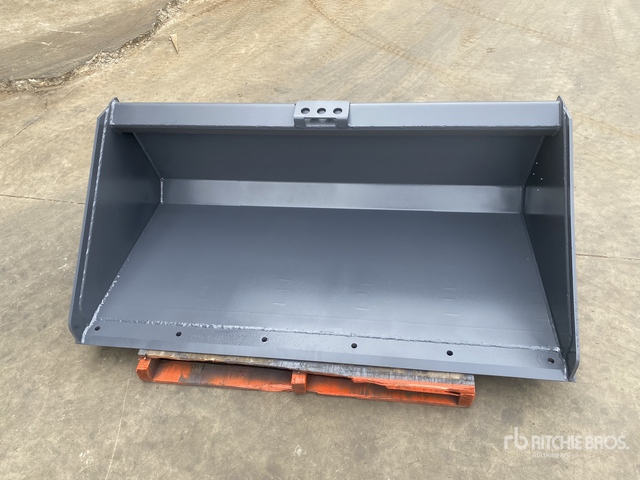 2026 TOFT HSSRB-60 Skid Steer Bucket
Typical expenses include:
- Fuel and DEF (if applicable).
- Track or tire replacement.
- Hydraulic hoses, fittings, and fluid changes.
- Filters and attachment wear parts (teeth, blades, auger bits).
Preventive maintenance not only avoids downtime but also preserves your machine’s resale value.
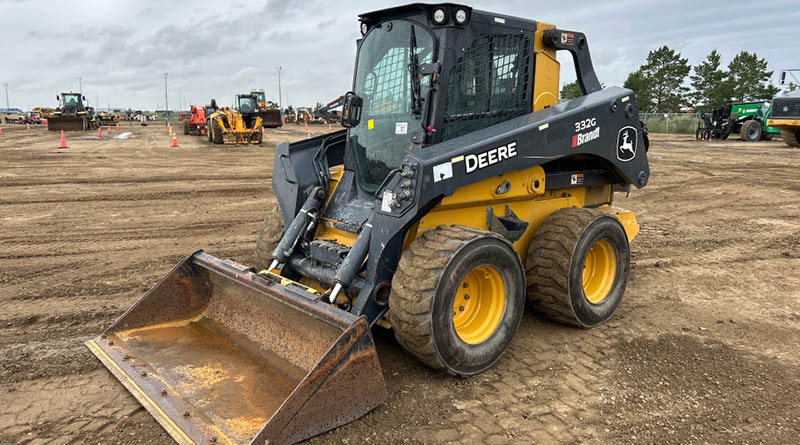
Skid steer business ideas (list you can steal)
If you’re looking for profitable skid steer business ideas, here are a few proven niches:
- Gravel driveway repair and grading. Low startup complexity and recurring demand from rural and suburban homeowners — a reliable way to build a client base.
- Brush and lot clearing. Higher-paying work, especially with a forestry mulcher attachment; strong margins in wooded or rural markets.
- Post-hole digging and small fencing projects. Quick jobs that pair well with residential and agricultural clients — easy to bundle with other services.
- Material moving for DIYers and contractors. Steady, low-skill-barrier work; a good way to stay busy between larger jobs.
- Stump removal. Specialized enough to command a premium, especially when paired with a grapple or auger attachment.
- Snow removal contracts. Seasonal but often the highest-margin work of the year — commercial contracts can cover a large share of annual revenue in just a few winter months.
- Demolition cleanup. Pairs well with construction and renovation crews who need debris cleared fast.
- Shed/patio site preparation. Smaller-scale grading work that’s in constant demand from homeowners planning outdoor projects.
- Small drainage and grading projects. Recurring need in both residential and light commercial settings — good for building repeat business.
Ritchie Bros.’ recommended quick start kit (checklist)
Your first steps to start a business with a skid steer:
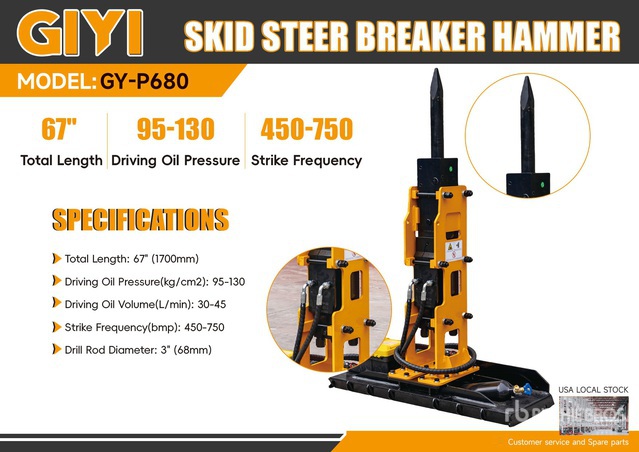 2026 GIYI GY-P680 Skid Steer Breaker
- Machine & attachments: Bid on well-maintained skid steers and attachments at Ritchie Bros. auctions to keep startup costs low.
- Machine specs: Mid-size, versatile, fits most trailers.
- Hauling kit: Proper trailer and truck combo.
- Safety gear: PPE and load securement equipment.
- Pricing sheet: Clear hourly/day rates with attachment premiums.
- Portfolio: Take before/after photos for every job.
Final tip: Start small, focus on profitable niches, and reinvest early profits into expanding your attachment lineup. By building a reputation for reliability and results, you’ll position your skid steer business for long-term success — and steady income.
 |
GM’s New 8.3L Duramax: Codename Mongoose |
 2026 GIYI GY-DHC Skid Steer Forks2026 GIYI GY-FR47 Skid Steer ForksAll-Star Skid Steer Bucket2026 TOFT HSSRB-60 Skid Steer Bucket2026 GIYI GY-P680 Skid Steer Breaker
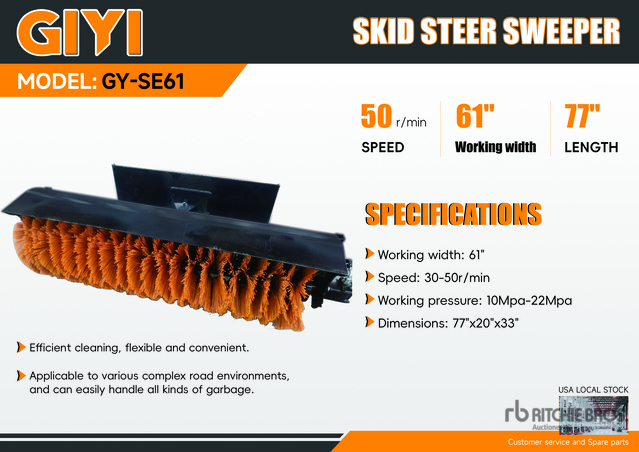 2026 GIYI GY-SE61 Skid Steer Broom
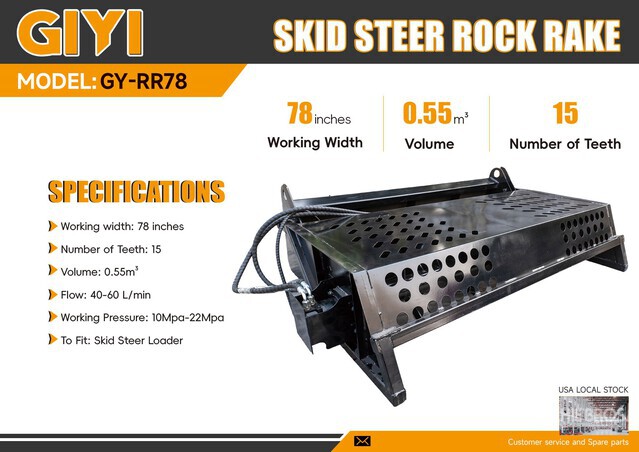 2026 GIYI GY-RR78 Misc. Skid Steer Attachment
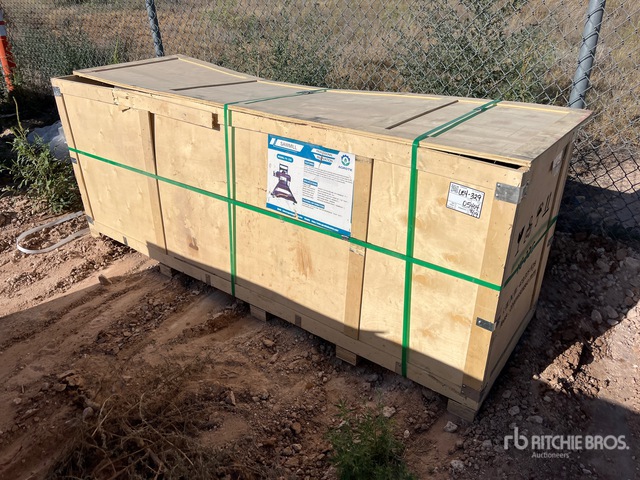 2026 AGT YC32-G Portable Sawmill
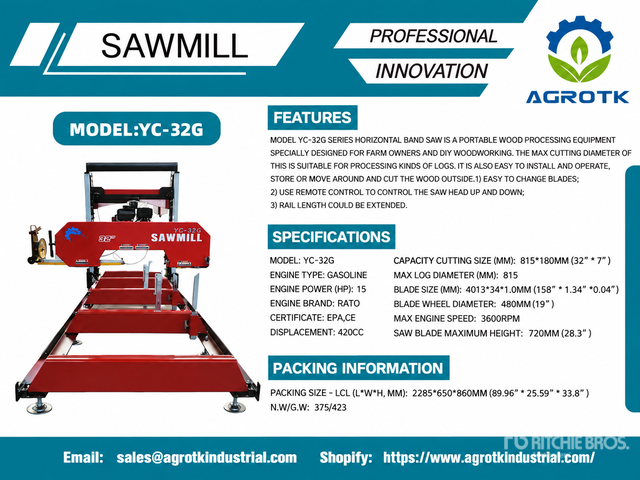 2026 AGT YC32-G Portable Sawmill
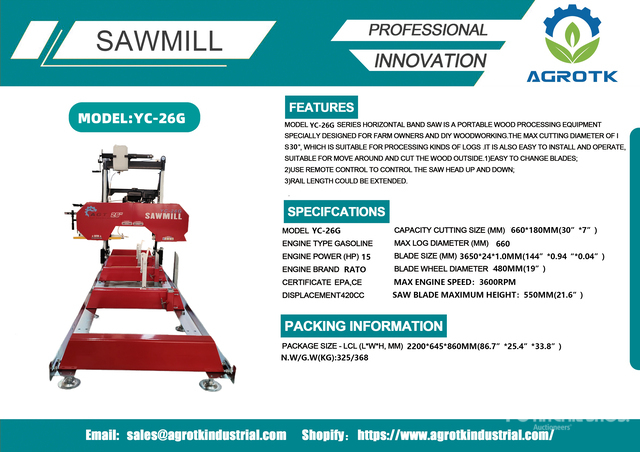 2026 AGT YC-26G Portable Sawmill
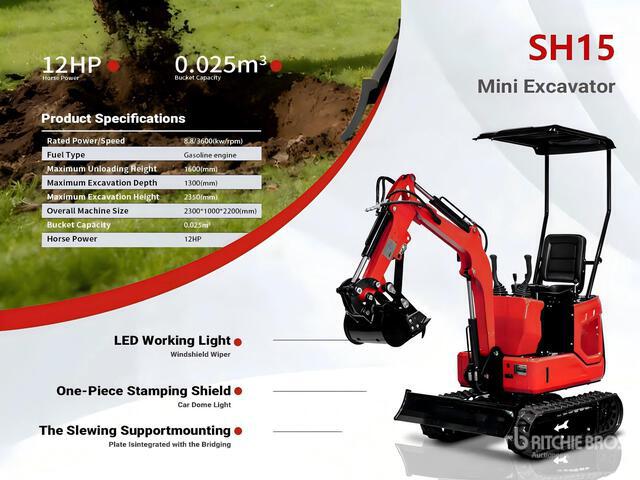 2026 SH15-RED Mini Excavator: <6.6t
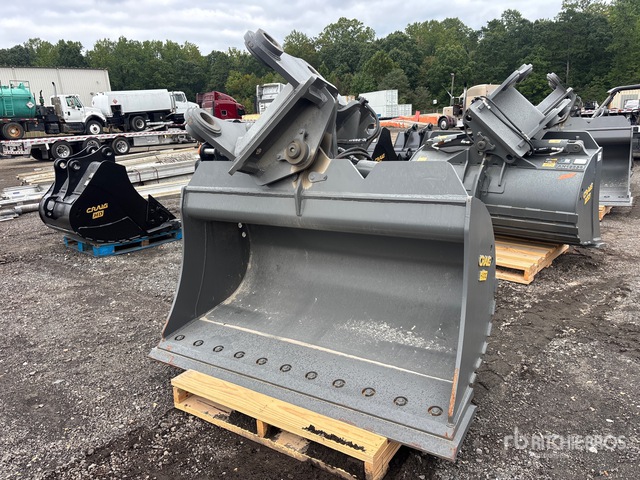 Craig Excavator Bucket
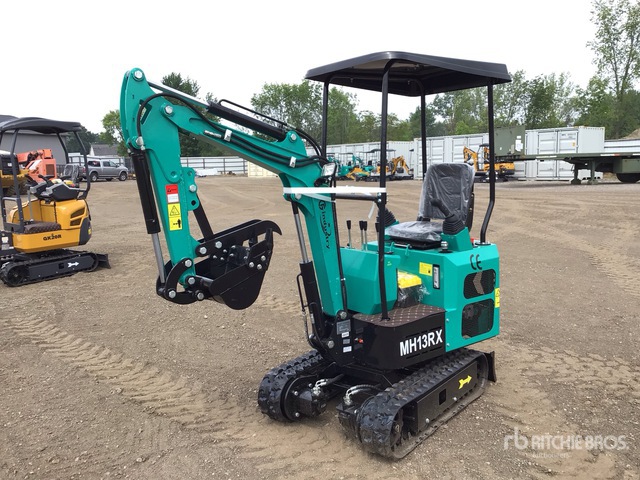 2026 CFG MH13RX Mini Excavator: <6.6t
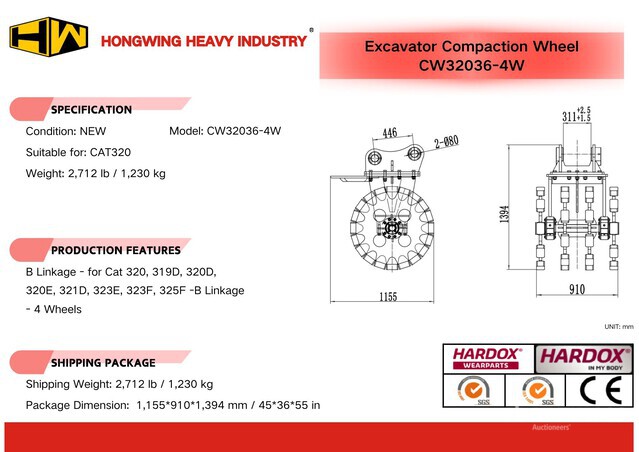 2026 HW CW32036-4W Excavator Compaction Wheel
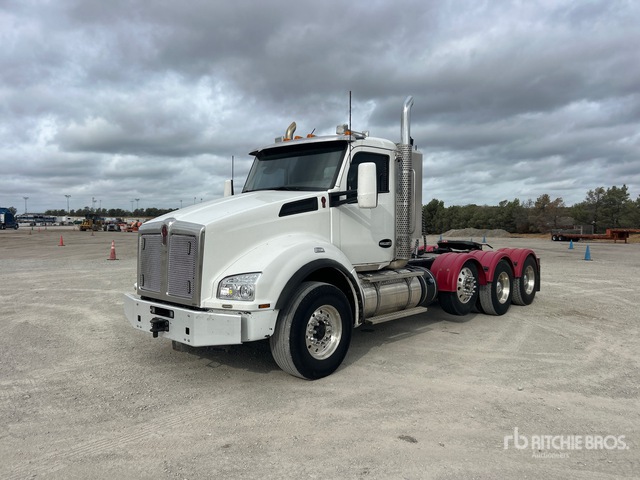 2015 Kenworth T880 Tri/A Day Cab Truck Tractor
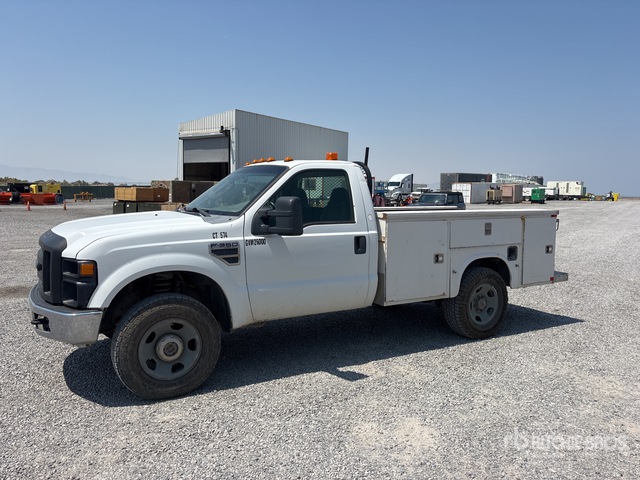 2009 Ford F-350 Utility Truck
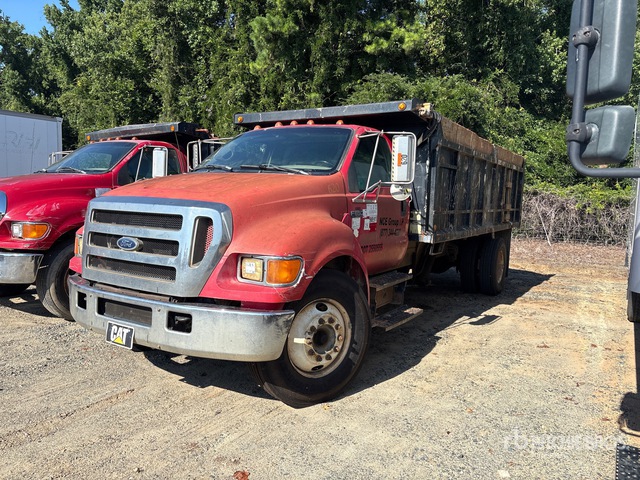 2006 Ford F-650 S/A Dump Truck
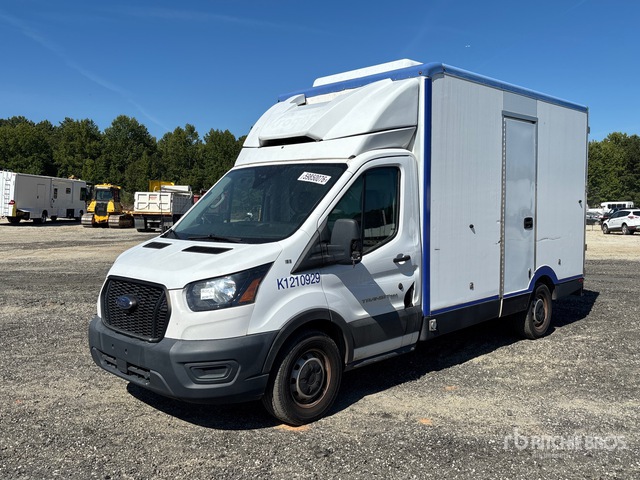 2022 Ford Transit T-350 Refrigerated Truck
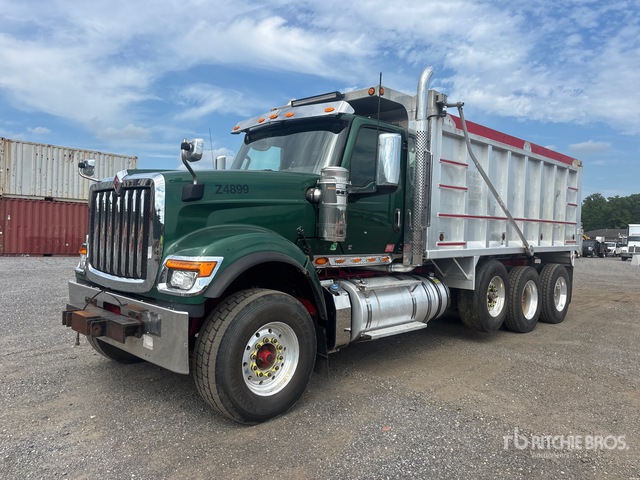 2023 International HX520 Tri/A Dump Truck
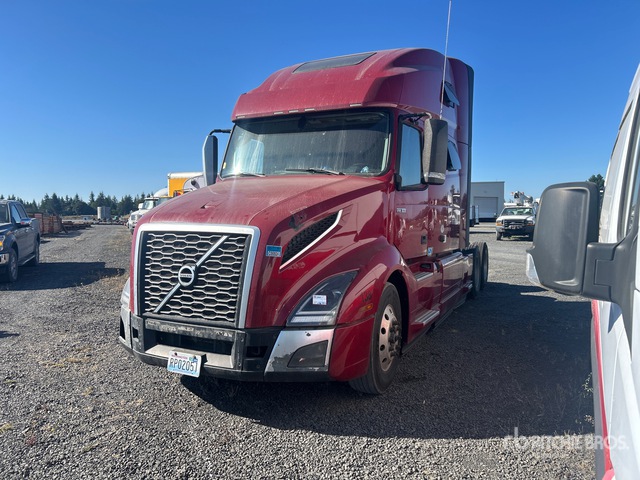 2023 Volvo VNL760 T/A Sleeper Truck Tractor
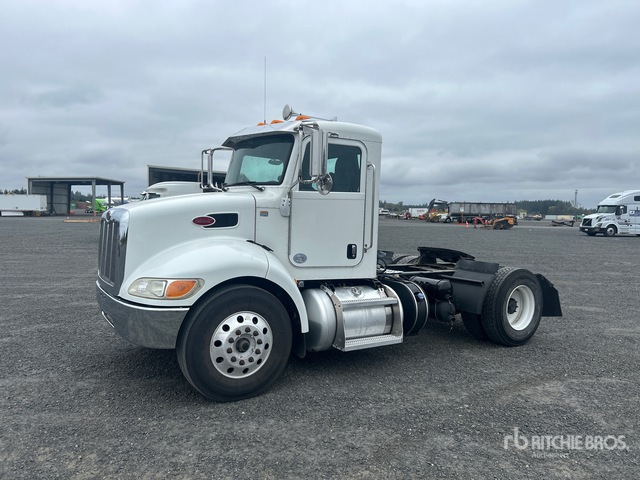 2016 Peterbilt 337 S/A Day Cab Truck Tractor
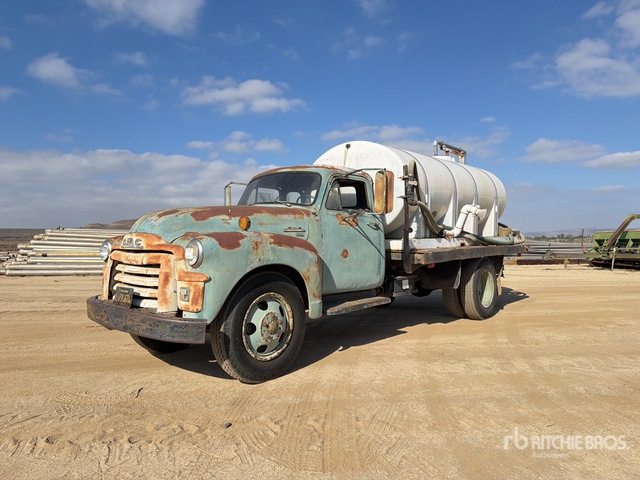 1963 GMC 350 Flatbed Truck
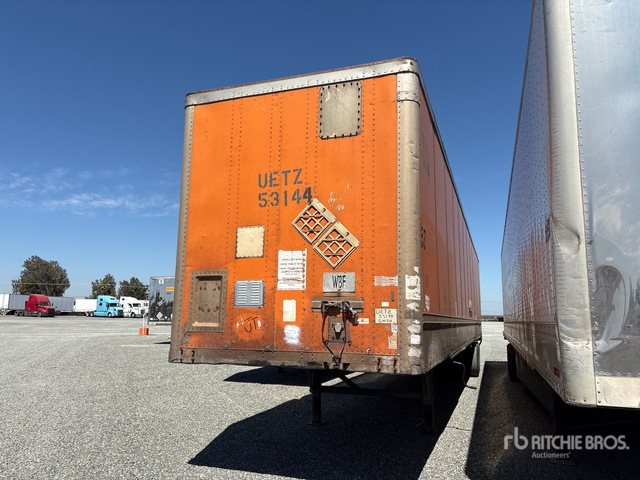 2004 Wabash Van Trailer
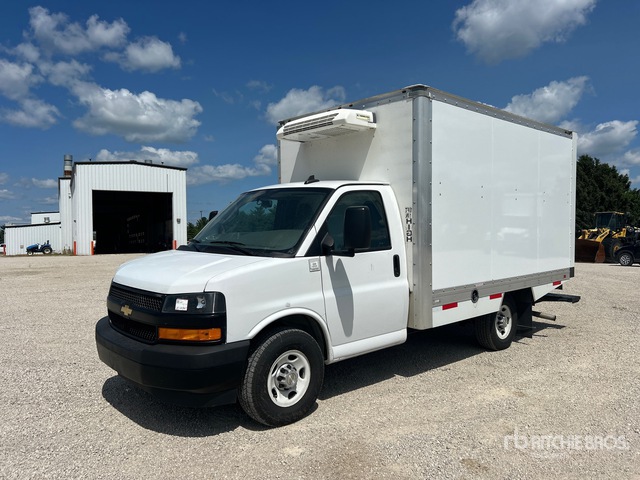 2023 GMC Express G3500 Refrigerated Truck
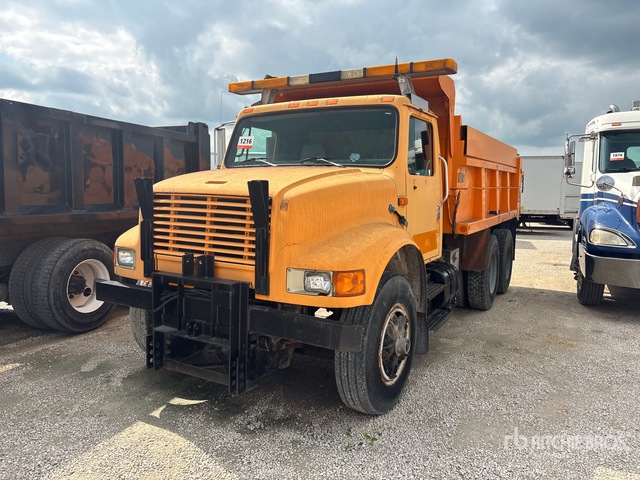 1992 International 4900 T/A Dump Truck