 USA/CAN
 France
  Germany
  United Kingdom
  Netherlands
  Spain
Spain  Italy
Italy  Canada (FR)
  Mexico
  Australia
 Starting a business with a box truck: Business models, requirements, and real-world economics
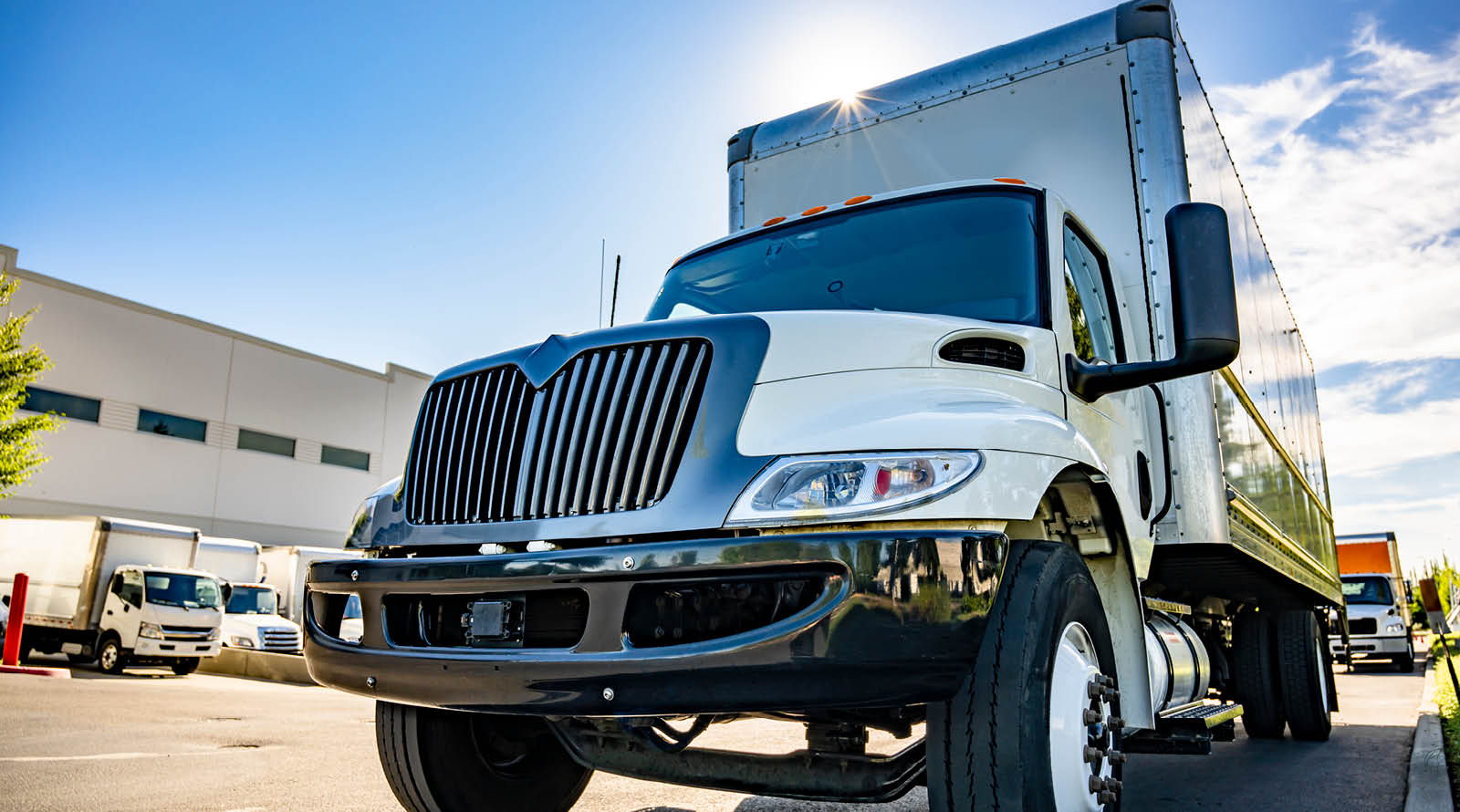
The idea of making a living with a box truck is appealing for many entrepreneurs. These versatile vehicles are used in parcel delivery, furniture hauling, retail logistics, and last-mile freight, creating opportunities for steady work. But while there’s plenty of buzz online about buying a 20-foot box truck and immediately turning profits, the reality is more nuanced.
Most successful owner-operators don’t rely on short-term load boards alone. Instead, they build sustainable revenue through contracts, steady routes, and the right truck specifications for the work.
At Ritchie Bros., we see firsthand how equipment choices and market positioning impact resale value and long-term profitability. Buyers know that when they look to us for a box truck, they can browse inventory from the top brands. This article provides general market insights and business considerations, but keep in mind that requirements and regulations differ by state, province, and country. Always confirm your obligations locally before making decisions.
How to make money with a box truck in 2025?
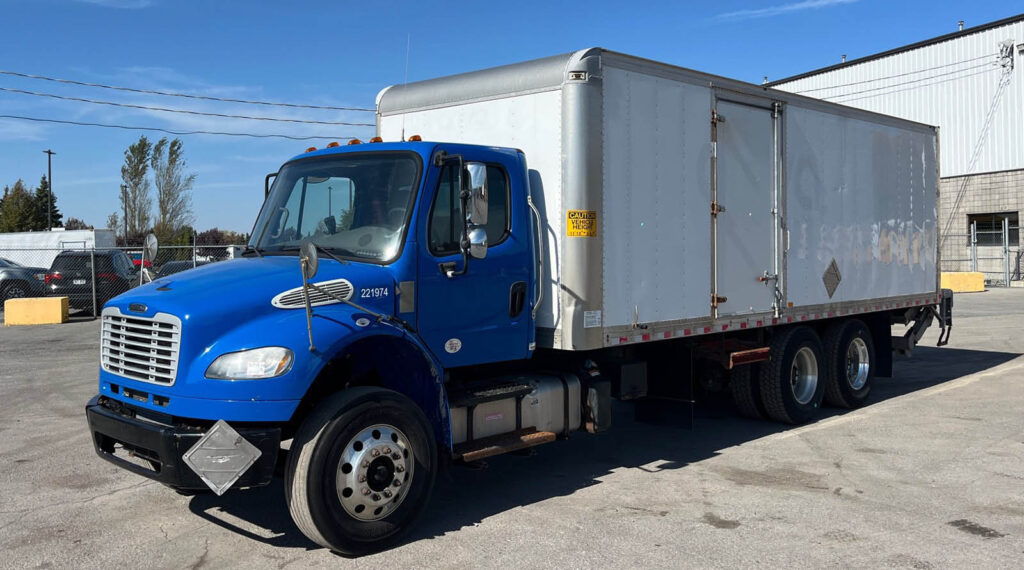
If you’re wondering if it’s possible to make money with a box truck, yes—it’s possible, but it usually requires the right size vehicle and a disciplined business model. Operators with 24′–26′ trucks are far more likely to secure steady work with parcel carriers, Amazon Relay, and regional logistics companies. In contrast, smaller 20′ trucks face more limited options, particularly if you plan to rely on national load boards.
Community consensus reinforces this reality: spot rates for smaller trucks are often too low to sustain a business, and many brokers won’t work with brand-new authorities. Instead, operators succeed by securing contracts, proving reliability, and gradually building their reputation.
The bottom line: if you’re considering this path, think in terms of contracts, not loads, and invest in a truck that opens more doors than it closes. Of course, this can vary from region to region, so you’ll have to learn your local market rates, and overall demand.
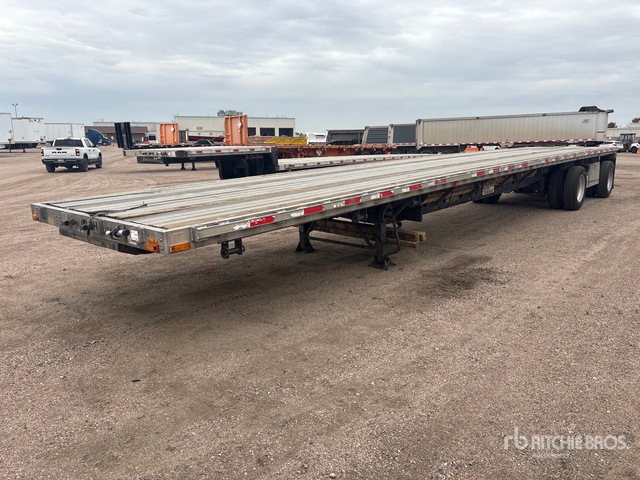 2004 Transcraft Flatbed Trailer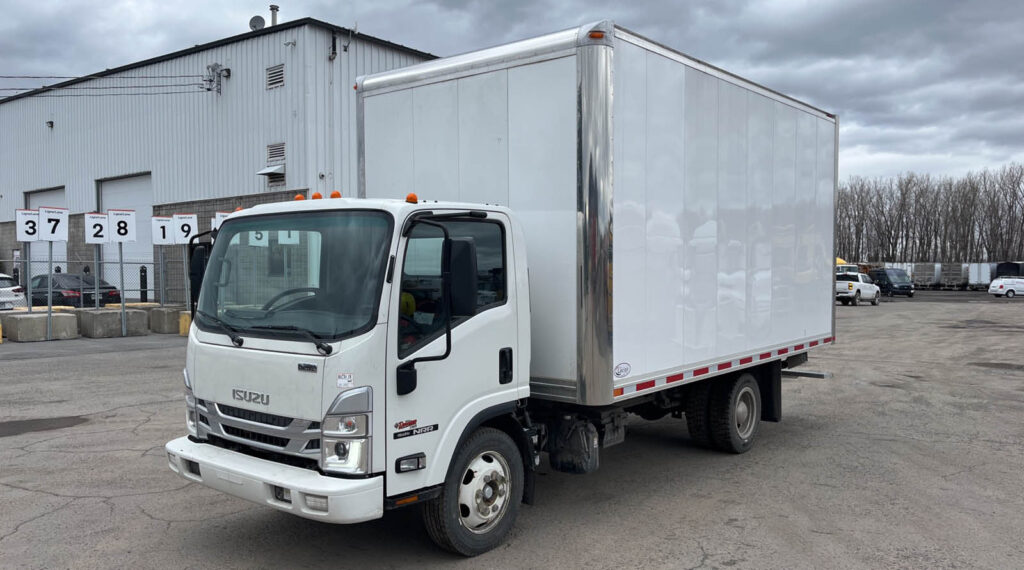
Business models that actually pay
There are several proven ways to generate consistent income with a box truck. Each comes with its own requirements, margins, and risks.Parcel & LTL pick-up and delivery
Working as a contracted owner-operator for parcel carriers or regional LTL networks can provide steady daily routes. These jobs typically require 26′ dock-height trucks with liftgates and a pallet jack. Margins are modest but predictable, with income tied to reliability and on-time performance.
White-glove final-mile delivery
Furniture and appliance delivery is a profitable niche for operators willing to provide two-person crews and careful handling. These jobs pay more per stop but also demand higher service standards—protective gear, claims management, and sometimes assembly or setup.
Retail and regional contracts
Many big-box retailers and regional suppliers contract directly with box-truck operators for regular store deliveries. The work often requires consistent capacity, insurance, and strict adherence to scheduling.
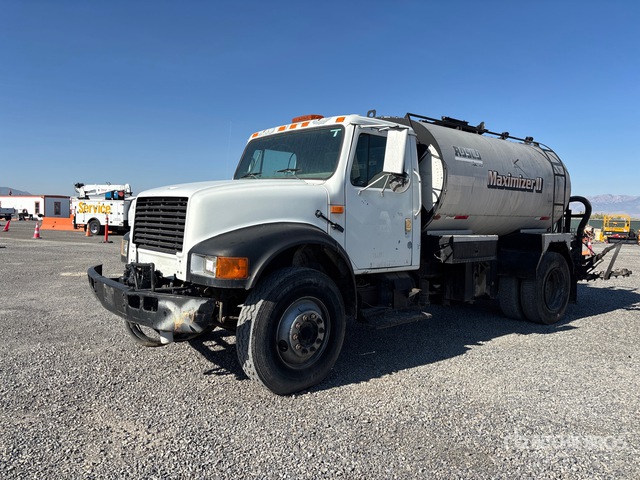 1993 International 4700 Asphalt Distributor Truck
Amazon relay
Amazon has become a popular option for box-truck operators, offering block-based schedules. The requirements are strict: a 26′ dock-height box truck with a liftgate and pallet jack is typically mandatory, along with robust insurance and DOT/MC authority. For operators who qualify, it can be a reliable revenue stream.
Airport cartage and expedited freight
For those who secure TSA clearance, airport cartage and expedited freight provide premium pay for time-sensitive deliveries. This niche is documentation-heavy but lucrative for operators with the right credentials.
Specialty niches
Some box trucks are fitted with reefer bodies for temperature-sensitive goods, or configured for medical and tradeshow freight. These require higher investment and strong relationships but can command above-average rates once established.
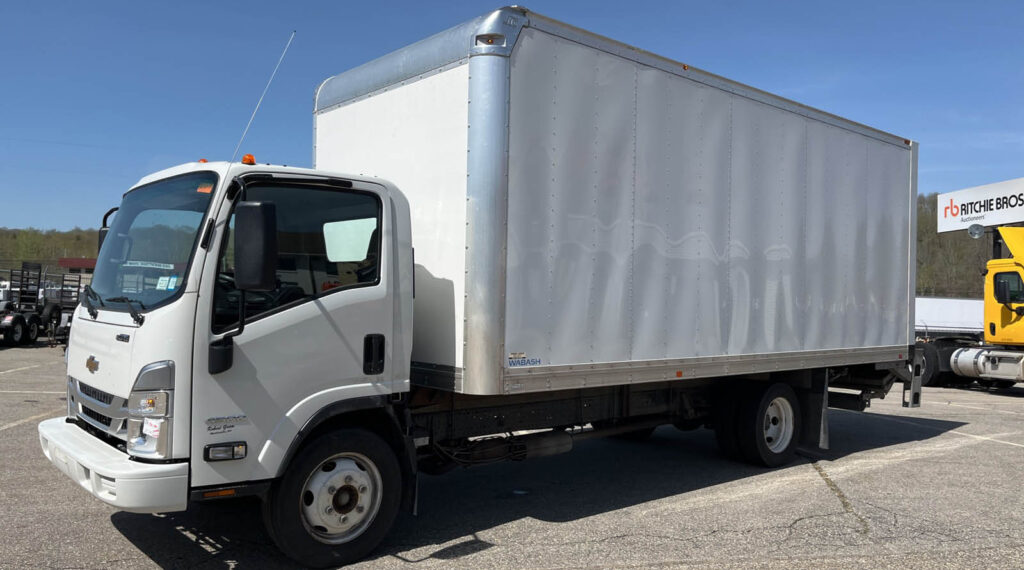
The 20′ vs 24′/26′ decision
The size of your truck can determine your income potential.
- 20′ trucks are best suited for local contracts, moving services, or small-scale final-mile work. They often lack dock height and pallet capacity for national carriers.
- 24′–26′ trucks meet the requirements for Amazon Relay, parcel networks, and most retail contracts. Dock height is critical, as it enables loading from standard freight docks.
Many operators choose 26,000 lb GVWR trucks, which can be driven without a CDL while still offering larger payload and cube capacity. But payload limits must be respected—overloading can result in fines and accelerated wear.
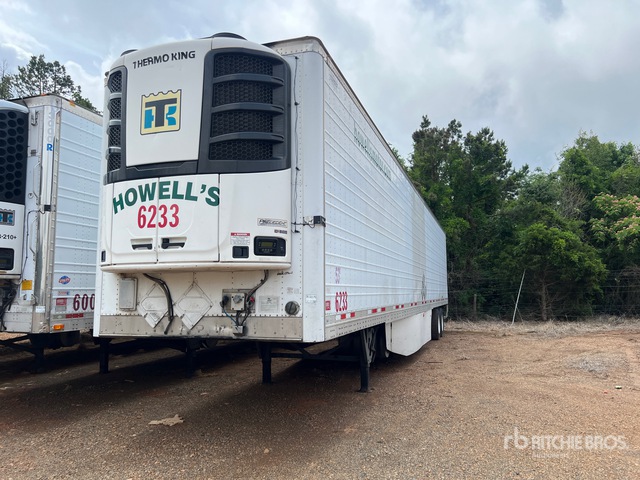 2018 Wabash RFALHSA Refrigerated Trailer
If you already own a 20′ truck, it’s not the end of the road. Focus on local white-glove delivery or retail contracts, build revenue, and consider upgrading once you’re ready to scale.
Compliance and carrier setup
One of the biggest roadblocks new operators face is compliance. To haul freight for-hire across state lines, you generally need both a DOT number and MC authority, along with commercial insurance. Many brokers won’t work with carriers until they’ve held active authority for 30–180 days, creating a catch-22 for startups.
Insurance is another cost center. Auto liability, cargo coverage, and sometimes general liability are mandatory. Premiums for new entrants are often high, so budgeting for this upfront is essential.
For intrastate or local delivery work, requirements can be lighter, but it depends on your state. Regulations can vary widely, so it’s essential to verify requirements directly with your state’s Department of Transportation, the FMCSA, or other applicable agencies before pursuing contracts or crossing state lines.
Spec’ing the right truck for revenue
Choosing the right truck configuration isn’t just about what’s available—it’s about what your target customers demand.
Key considerations:
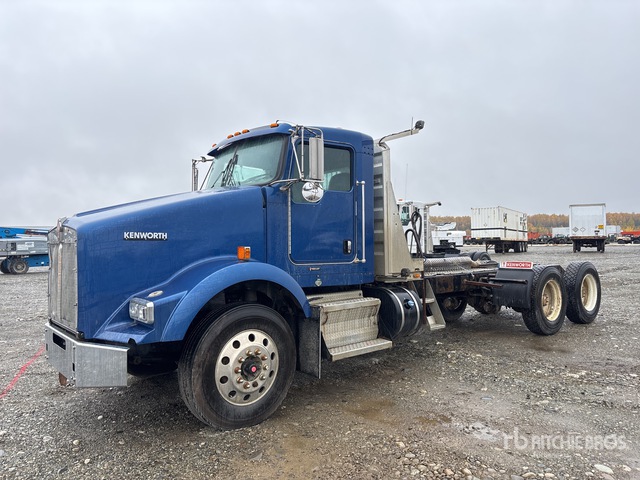 2015 Kenworth T800 T/A Day Cab Truck Tractor
- Size & Body: 24′–26′, dock-height, with e-track or logistics posts.
- Liftgate: Essential for white-glove and parcel work; 2,000–3,000 lb capacity is standard.
- Payload & GVWR: Balance between CDL and non-CDL needs; payload directly affects profitability.
- Equipment: Pallet jack, moving blankets, straps, and hand trucks are often required by shippers.
- Specialized options: Refrigerated bodies or side doors for urban work can open additional revenue streams.
Investing in the right spec from the start increases your eligibility for high-paying contracts and reduces missed opportunities.
The numbers: startup and operating costs
Profitability comes down to utilization and disciplined cost management.
Startup expenses may include:
- Truck purchase or financing
- Insurance down payments (often several thousand dollars)
- DOT/MC authority fees
- Load gear and equipment (pallet jack, straps, blankets)
- ELD or telematics if required
- Working capital for fuel, maintenance, and repairs
Ongoing operating costs include:
- Fuel and DEF (if diesel)
- Maintenance and repairs (tires, brakes, fluids)
- Insurance premiums
- Claims and liability reserves
- Labor (if using a crew)
- Dispatch/admin services
- Factoring or invoicing fees
The biggest pitfall is depending solely on load boards. Rates on small straight trucks are often unsustainable. Smart operators use load boards to backfill lanes but focus on direct contracts for stability.
Go-to-Market: How to win work
Building a profitable box-truck business means being proactive about finding freight. Here’s a few ideas that’ll help starting out:
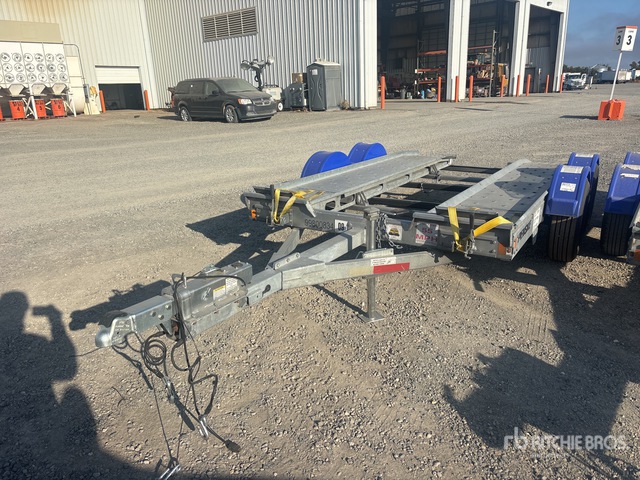 2020 Demco Car Carrier Trailer
- Pitch local retailers for recurring store deliveries.
- Apply as an owner-operator with parcel and LTL networks.
- Leverage Amazon Relay or similar platforms if you meet requirements.
- Network at airports or trade centers to tap expedited freight.
- Use load boards selectively—mainly for backhauls or to build relationships, not as your primary income.
Reputation is everything. On-time performance, low damage claims, and professional presentation can quickly lead to word-of-mouth referrals and better-paying contracts.
Common pitfalls to avoid
- Buying a 20′ truck and expecting national load-board income.
- Launching with brand-new authority and assuming brokers will immediately give loads.
- Skimping on insurance or liftgate specs, only to find yourself excluded from contracts.
- Ignoring maintenance and uptime, which can derail contracts and damage credibility.
Avoiding these mistakes can make the difference between struggling and building a sustainable business.The Ritchie Bros. advantage
Ritchie Bros. offers one of the world’s largest selections of box trucks, from 20′ to 26′ models, including specialized units with liftgates and reefer bodies. With detailed inspection reports, financing options, and transparent auction results, buyers can find the right truck for their business model.
Through RitchieSpecs and the Market Trends Report, we also provide data-driven insights into truck values, helping operators make informed decisions about when to buy, sell, or expand their fleet.
FAQs about box truck businesses
Is it possible to make a living with a 20′ box truck?
Yes, but typically through local contracts and final-mile delivery—not national load boards.
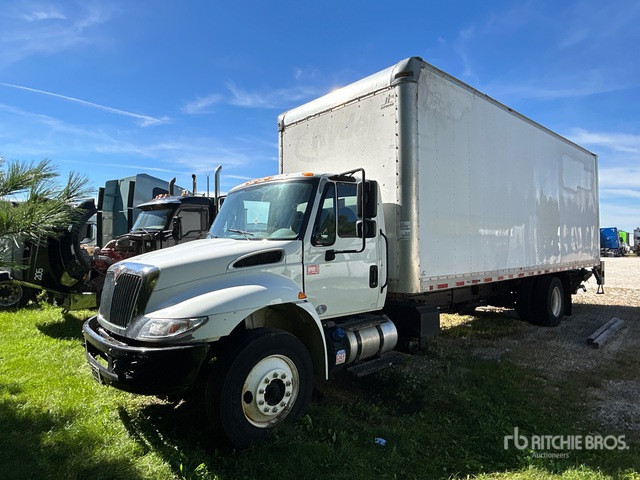 2017 International 4300 Van Truck
Do I need an MC number?
If you plan to haul for-hire freight across state lines, yes. DOT and MC authority plus insurance are generally required, though requirements vary by state.
What size truck does Amazon Relay require?
Most contracts require a 26′ dock-height truck with a liftgate and pallet jack.
Are load boards enough to live on?
Usually not. They’re best used for backhauls or filling gaps, not as your main revenue source.
What’s the best truck size for new operators?
A 26′ non-CDL box truck offers the widest opportunities while keeping licensing simple.
Closing thoughts on box truck business models
Making a living with a box truck is possible, but it isn’t as simple as buying a vehicle and signing up for a load board. Success comes from choosing the right truck, targeting the right business model, and building reliable relationships with shippers and carriers.
At Ritchie Bros., we help operators start strong by offering a wide selection of box trucks, market data to guide investments, and auction platforms that connect sellers and buyers worldwide. If you’re considering this path, take the time to evaluate your options, model your costs, and confirm all regulatory requirements with the appropriate agencies before moving forward.
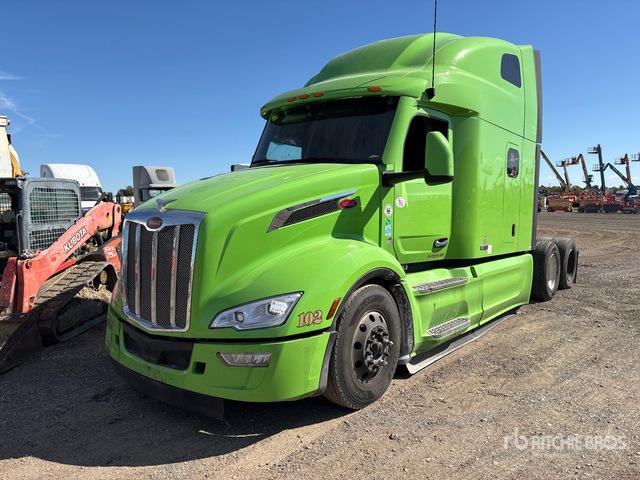 2024 Peterbilt 579 T/A Sleeper Truck Tractor
 |
What is GVWR and why it matters when you buy a truck |
 1993 International 4700 Asphalt Distributor Truck2004 Transcraft Flatbed Trailer2018 Wabash RFALHSA Refrigerated Trailer2015 Kenworth T800 T/A Day Cab Truck Tractor2020 Demco Car Carrier Trailer
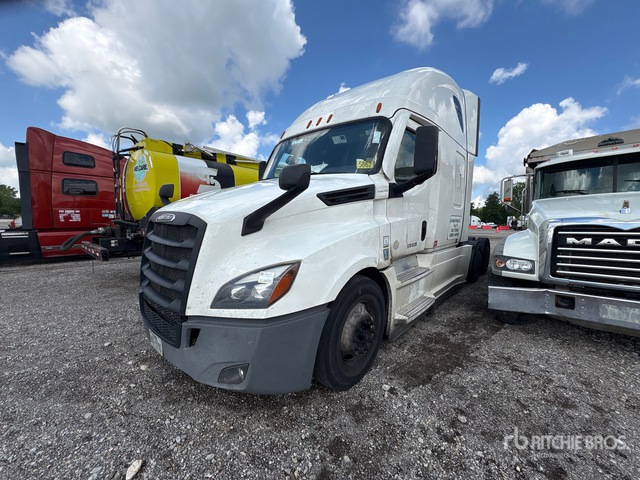 2022 Freightliner Cascadia 126 T/A Sleeper Truck Tractor2024 Peterbilt 579 T/A Sleeper Truck Tractor
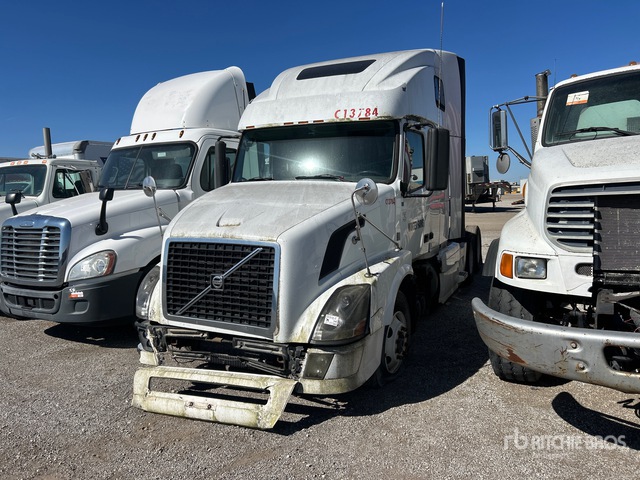 2010 Volvo VNL T/A Sleeper Truck Tractor2017 International 4300 Van Truck
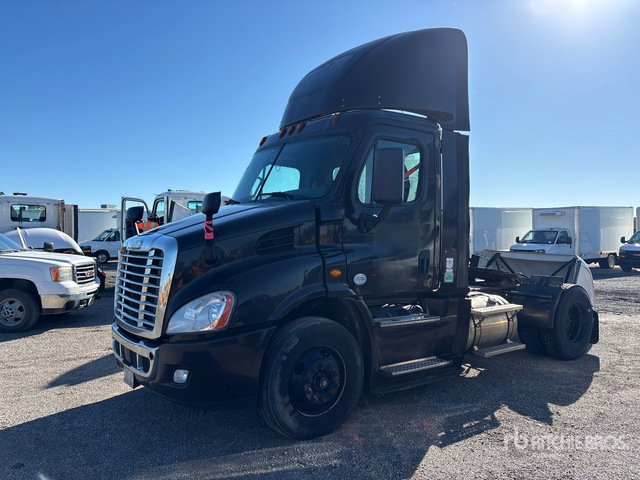 2017 Freightliner Cascadia 113 S/A Day Cab Truck Tractor
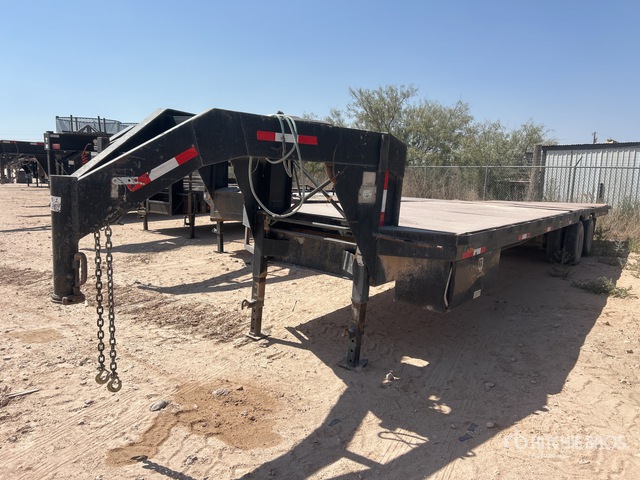 1983 PJ Flatbed Trailer
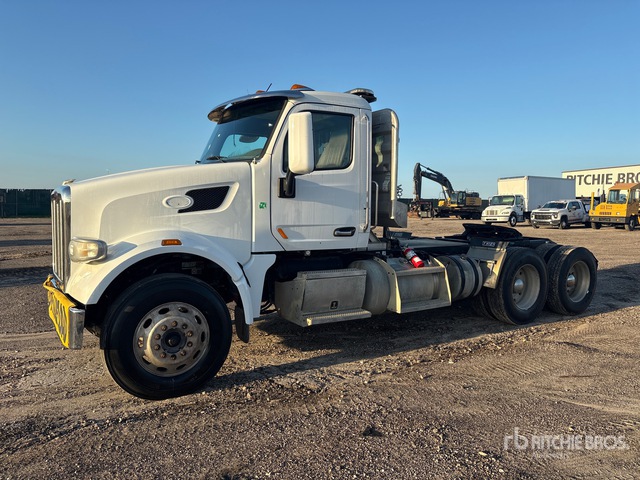 2017 Peterbilt 567 T/A Day Cab Truck Tractor
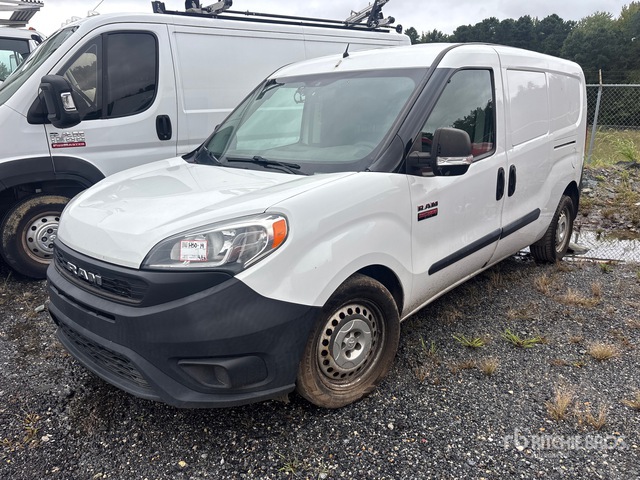 2019 Ram ProMaster 1500 Cargo Van
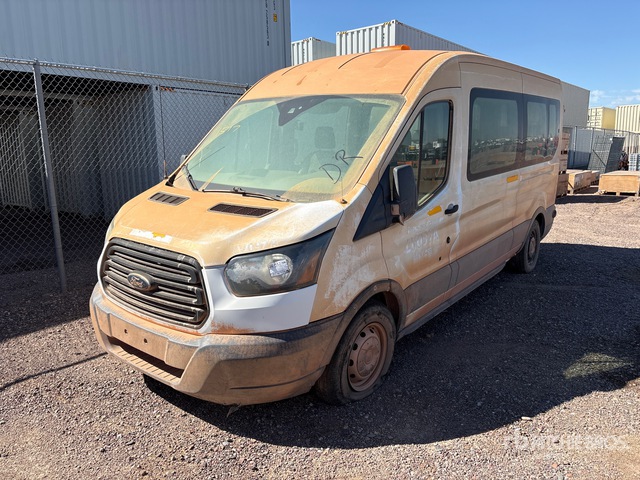 2019 Ford Transit 350 Cargo Van
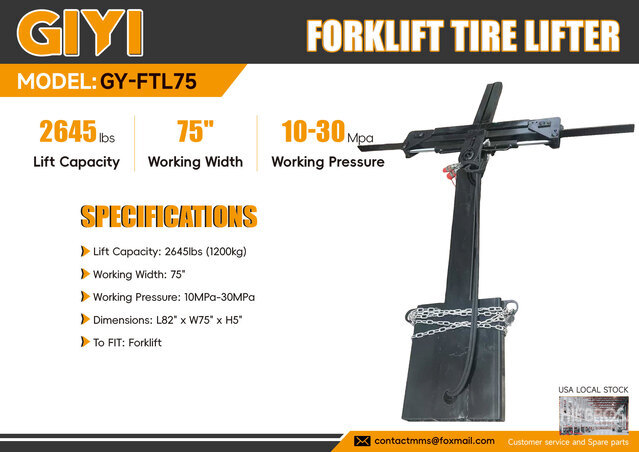 2026 GIYI GY-FTL75 Misc. Lift Truck Attachment
 2008 ABI HVR 75 Pile Driver and Extractor
 Vevor KW-870D Misc. Consumer Electronics
 2026 GIYI GY-BF47 Skid Steer Bale Spear
 2026 GIYI GY-SA Skid Steer Auger
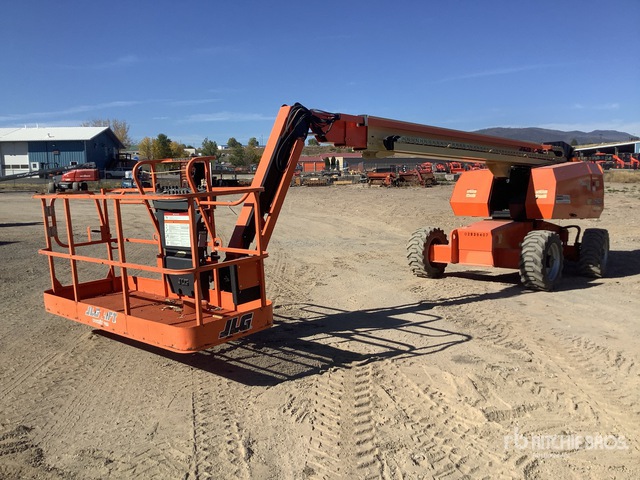 2012 JLG 660SJ Telescopic Boom Lift
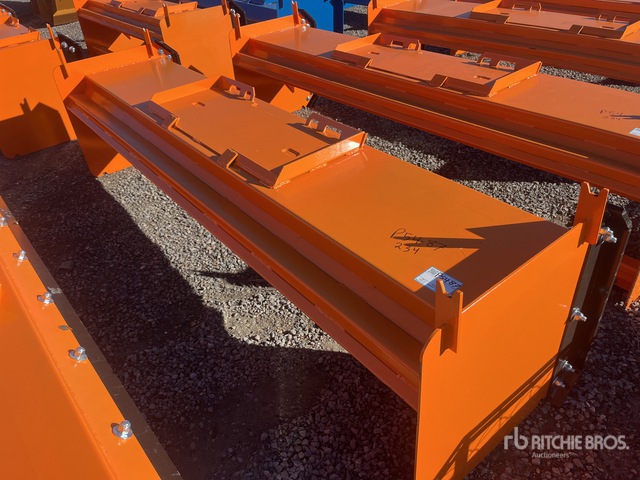 2026 Kit Containers QT-SP-10-23-SB Skid Steer Snow Pusher
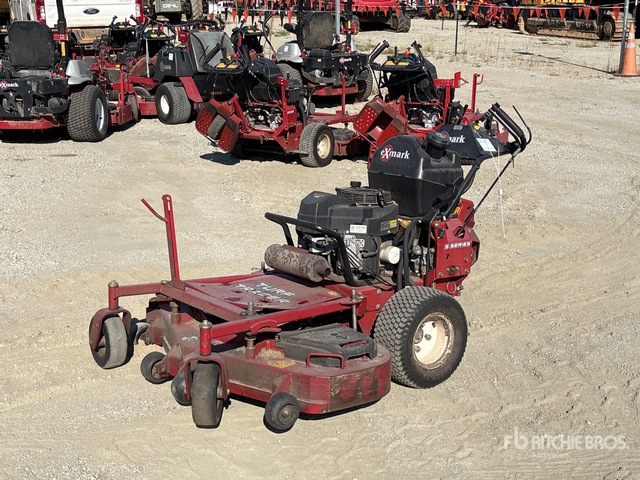 2023 Exmark Turf Tracer S-Series Lawn Mower
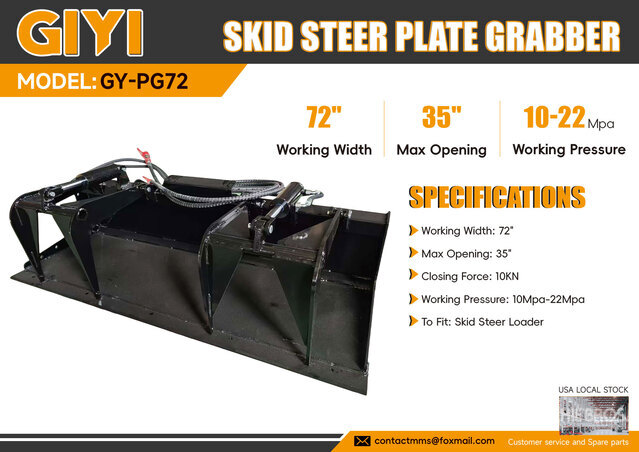 2026 GIYI GY-PG72 Skid Steer Grapple
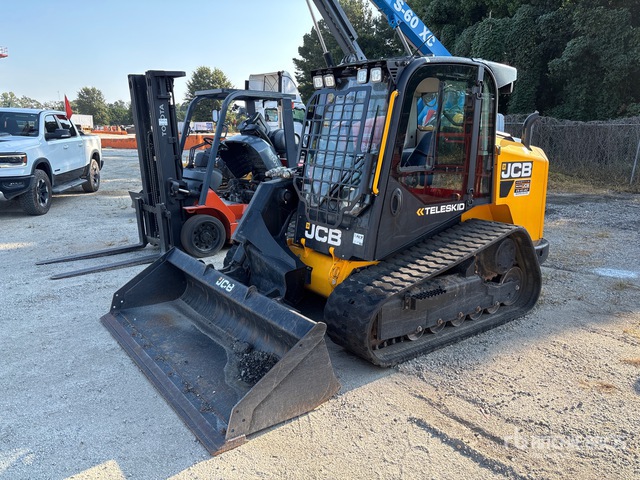 2024 JCB 3TS-8T Compact Track Loader
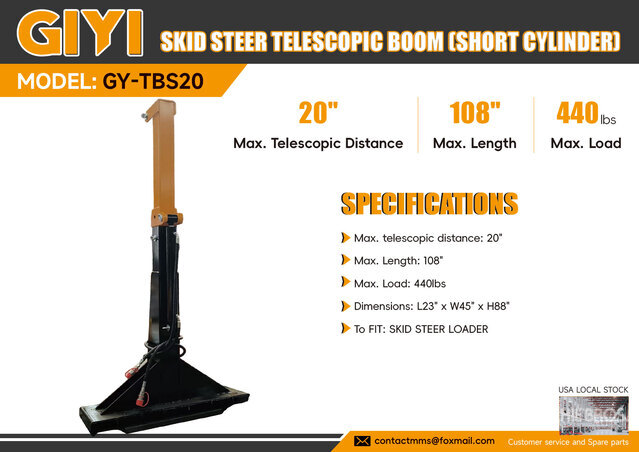 2026 GIYI GY-TBS20 Misc. Skid Steer Attachment