 United Kingdom
 USA
USA  France
  Germany
  Netherlands
  Spain
Spain  Italy
Italy  Canada (FR)
  Mexico
  Australia
 The expertise that turns a complicated export into a clean sale
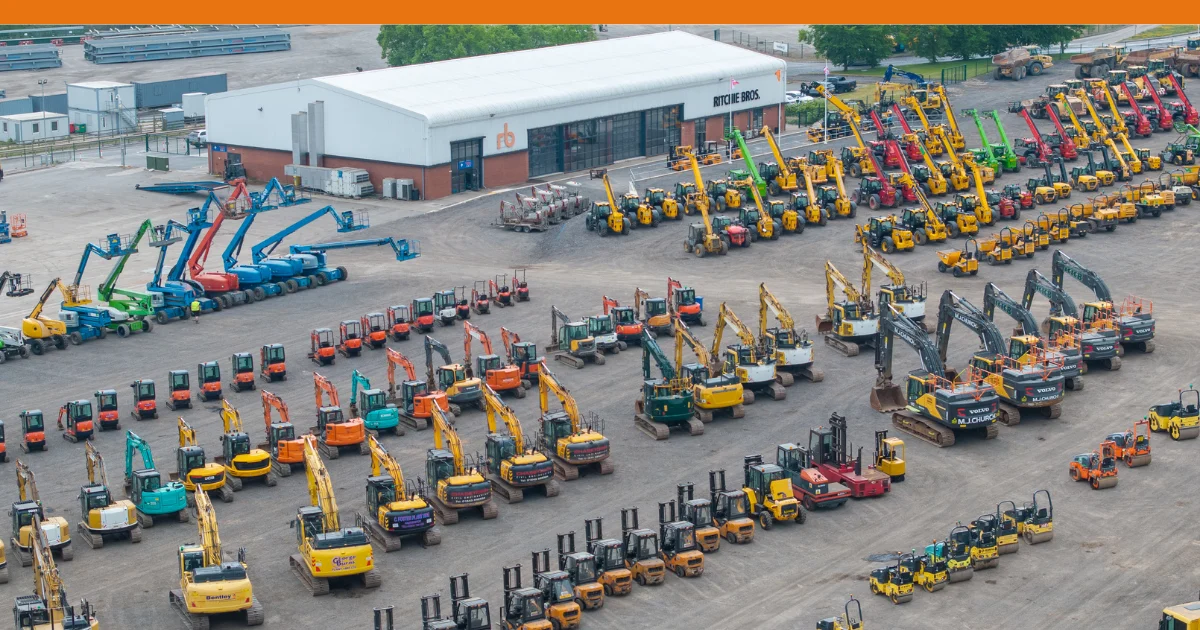
What happens behind the scenes when used equipment crosses borders? Rob Trewick, UK Regional Operations Manager at Ritchie Bros., explains what it looks like from the yard.
A tractor leaving Britain for Ireland can be delayed by something almost invisible – a trace of soil beneath a wheel arch. Exporting agricultural machinery from the UK to the EU can involve strict biosecurity requirements and phytosanitary certification, with standards that leave little room for error. Wheels may have to come off. Engine covers removed. Inspectors search recesses for traces of dirt or plant material. A machine that sells in minutes can take three to four days to clear before it even reaches the border.
That is the reality Rob Trewick and his team at Maltby navigate every auction cycle. Around 10 events a year, approximately 2,500 lots each — and roughly 5,000 machine movements between equipment arriving and leaving again. “It’s very fast paced,” he says. “There’s not a lot of room for error.”
Building expertise no one handed us
As export requirements became part of the used equipment process, guidance for the industry was not always straightforward. The team at Maltby built its knowledge through experience — working through requirements, contacting the relevant authorities, and developing a reliable process from the ground up.
That expertise now sits inside the operation as standard practice: advising on machine condition before export, handling documentation, and in many cases managing the compliance process on the customer’s behalf.
The same discipline runs through every transaction regardless of destination. Before any machine leaves the yard, it is checked for outstanding finance, stolen markers and the accuracy of its listed details. Documentation — titles, VAT and proof of export – is treated not as administration but as part of the customer experience.
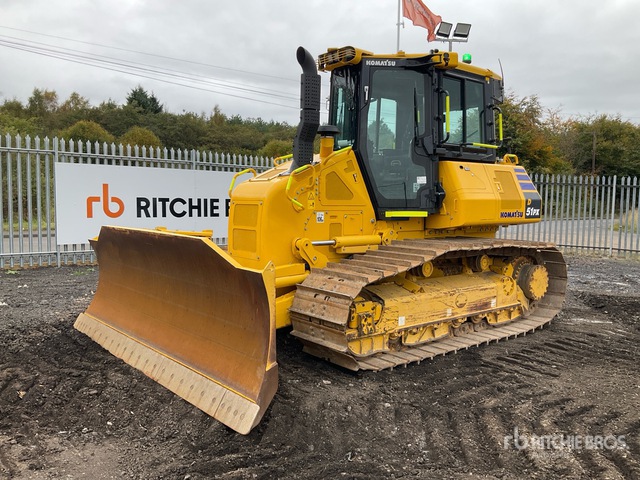 2023 Komatsu D51PX-24EO Crawler Dozer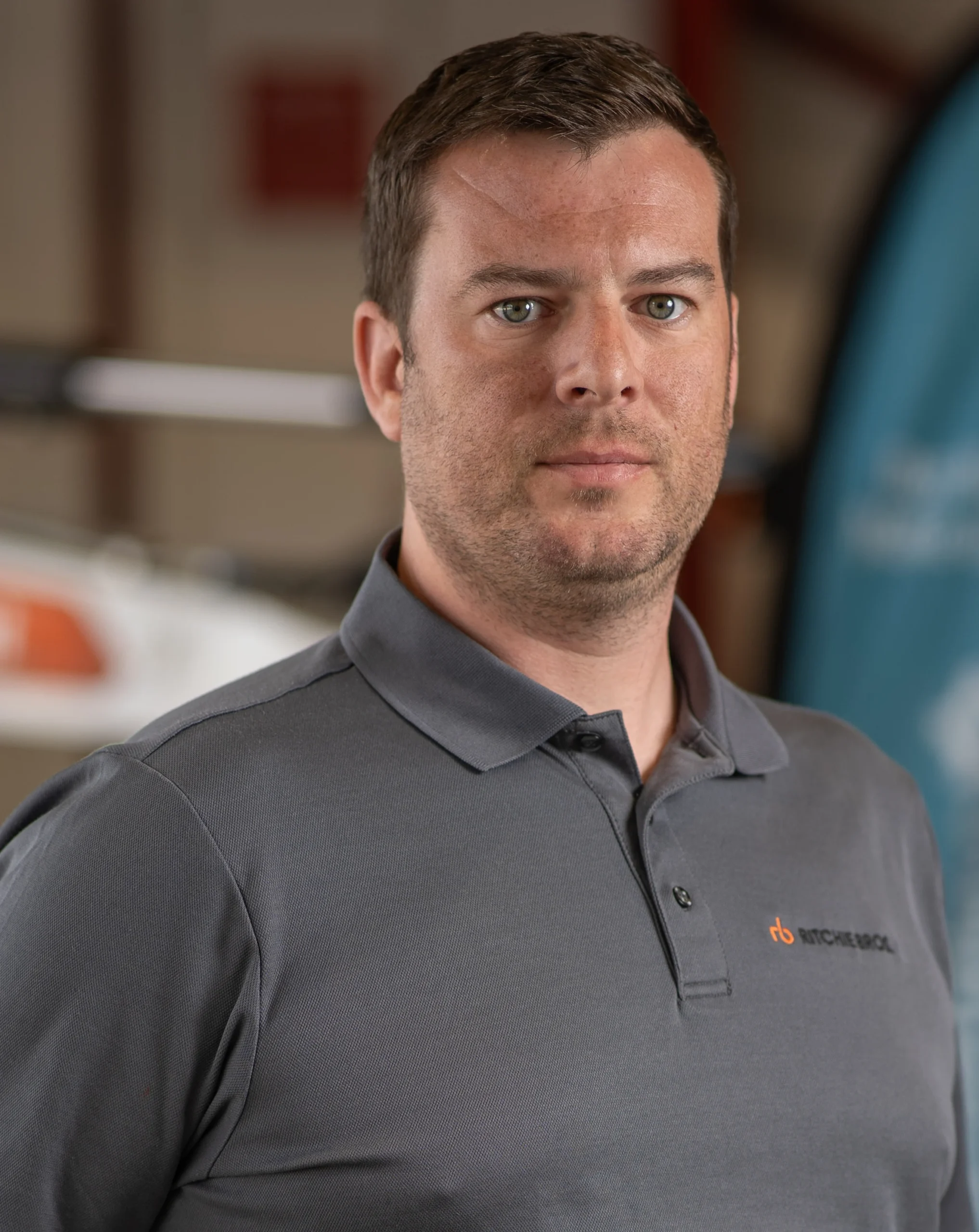
Every buyer is different. The process has to match.
Around half to 60 per cent of lots sold at Maltby stay within the UK. Most international sales go to buyers in Europe, while a smaller share, typically five to ten per cent, travels to markets in the Middle East, North Africa and beyond. Each group has different documentation requirements, logistics needs and risk profiles. The process adapts without losing precision or pace.
Last year, a 125-tonne excavator bound for Egypt had to be stripped and loaded across six containers — two flat-racks for the main body, four for the remaining components. The securing chains alone cost £7,000. The mechanics and yard team completed the job in three to four days, without a single issue. “A great example of everyone working together,” Trewick says.
Operations as the product
What buyers and sellers experience — the listing, the sale, the machine arriving where it should — is the visible surface of something much larger.
Inspections, logistics, documentation, export compliance, cross-border coordination: each part has to work precisely for the transaction to feel effortless.
And that is increasingly what operational expertise means in the used equipment market. It is not simply about moving a machine from A to B. It is about anticipating what could slow a transaction down, solving issues before they become problems, and giving customers confidence that everything is being handled.
The customers who come back do so because it did.
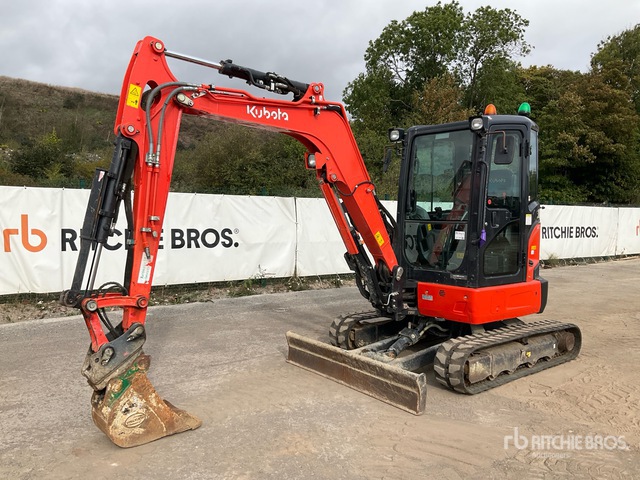 2022 Kubota U36-4 Mini Excavator: <6.6t
Ready to experience the Ritchie Bros. way?
Let us take the stress out of selling heavy equipment.
Contact our team today or explore what’s for sale at rbauction.co.uk.
 |
International Women’s Day: Women Driving Change at Ritchie Bros. |
 2023 Komatsu D51PX-24EO Crawler Dozer
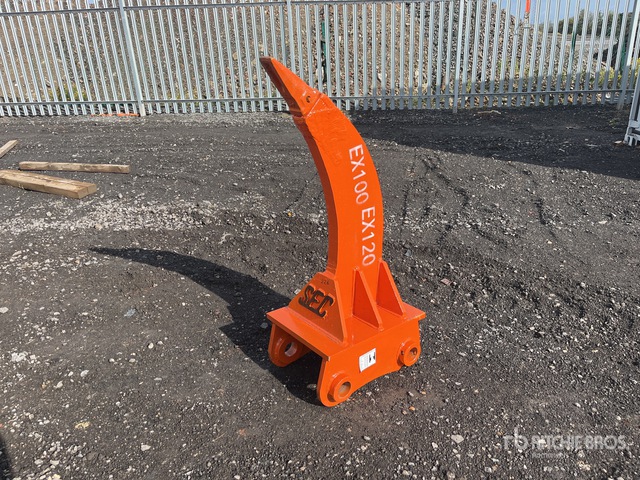 2026 SEC Excavator Ripper
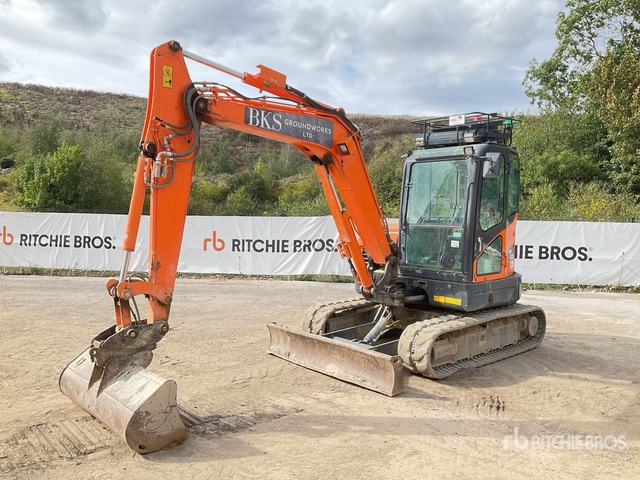 2022 Doosan DX63-3 Mini Excavator: <6.6t
 Excavator Bucket
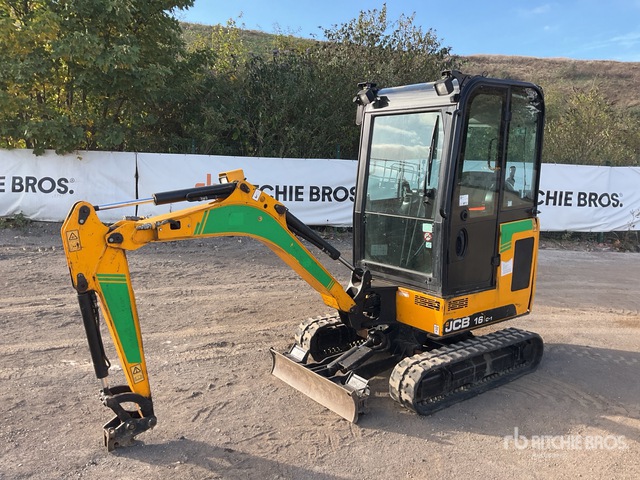 2019 JCB 16C-1 T3 Mini Excavator: <6.6t2022 Kubota U36-4 Mini Excavator: <6.6t
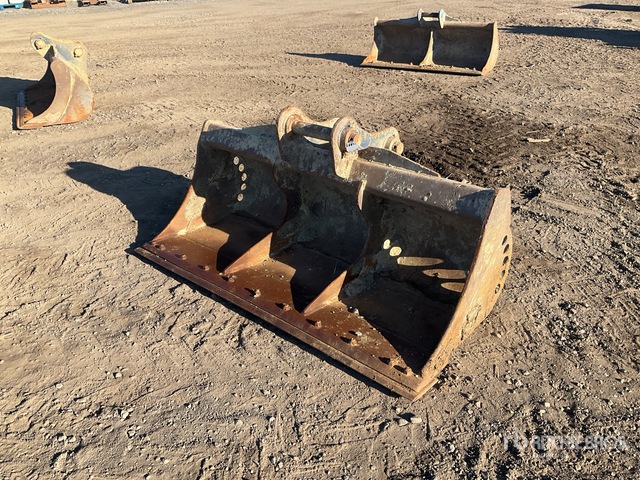 Excavator Bucket
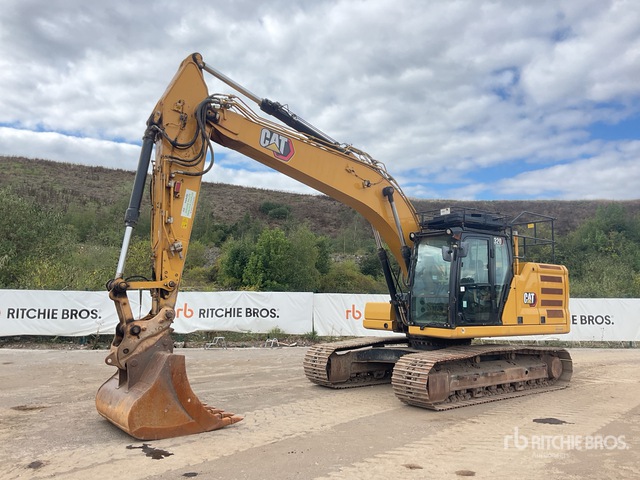 2021 Cat 320 Tracked Excavator
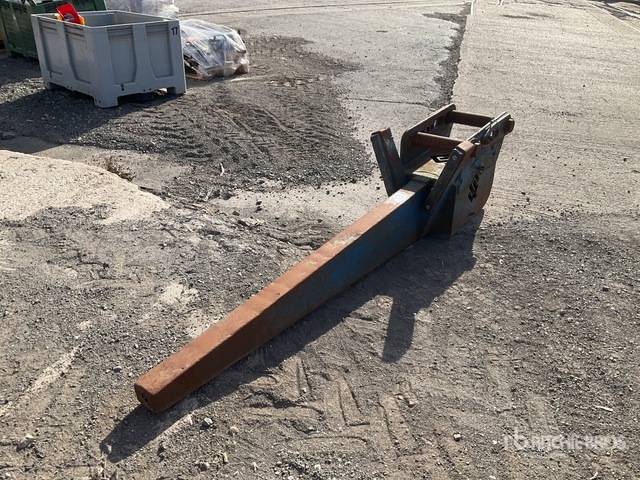 Conquip Misc. Excavator Attachment
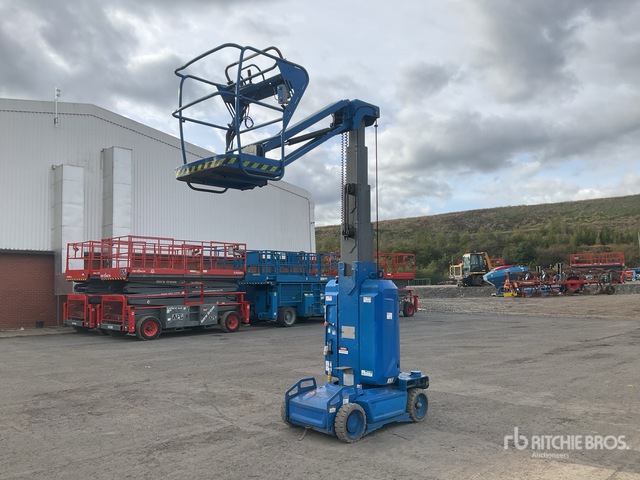 2016 Haulotte Star10 Telescopic Boom Lift
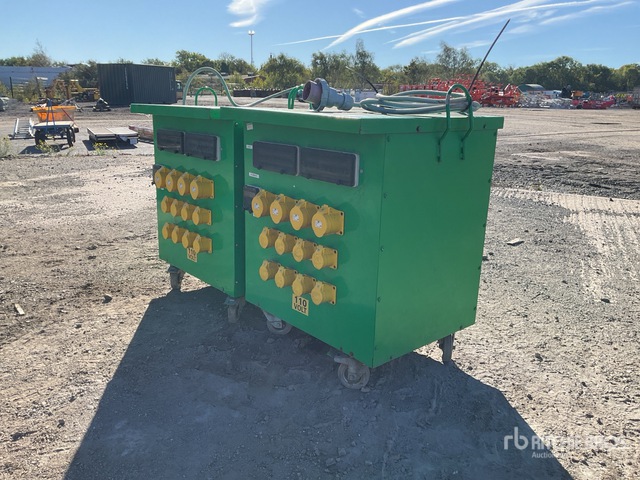 starling Transformer
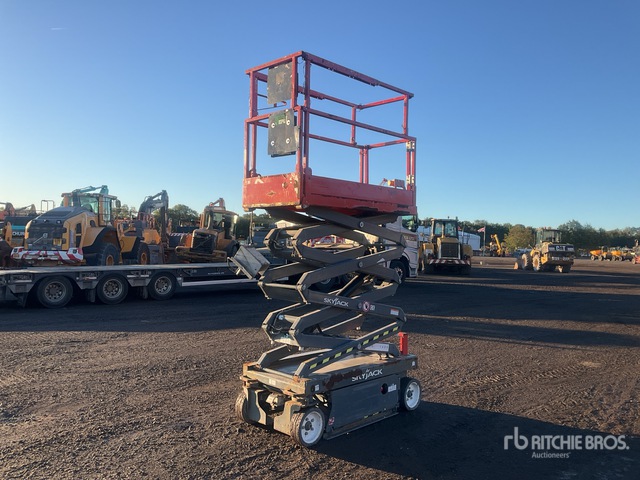 2016 Skyjack SJIII3219 Scissor Lift
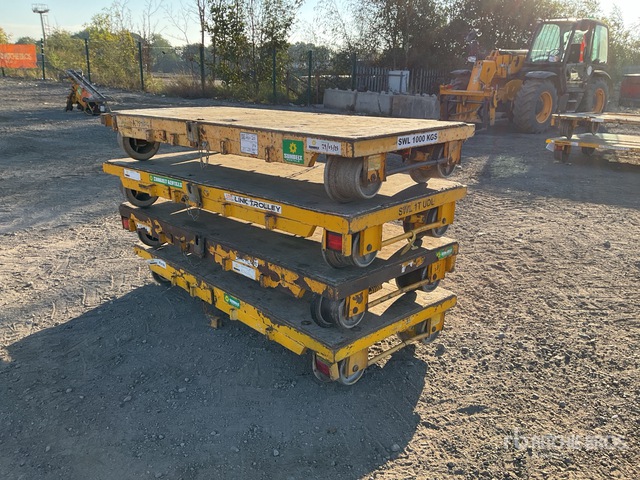 2017 Stel Misc. Rail Equipment
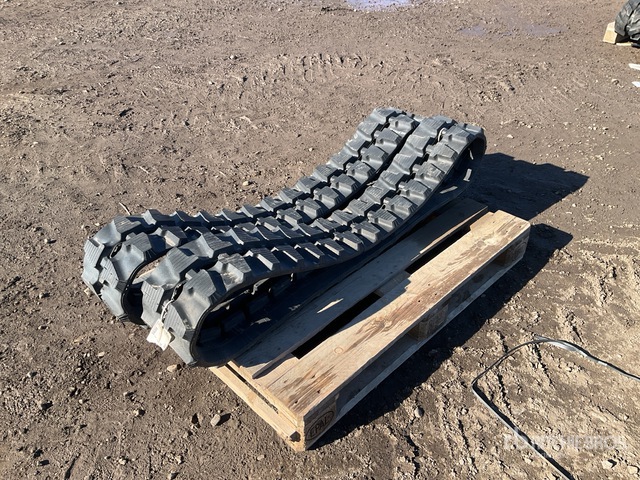 JCB Tracks
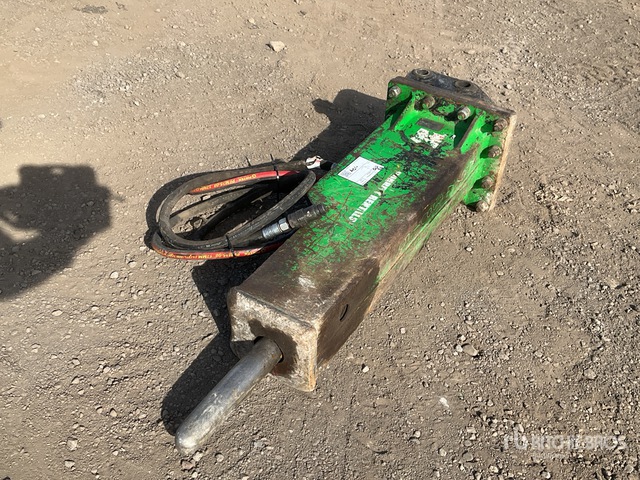 2018 JCB Hydraulic Breaker
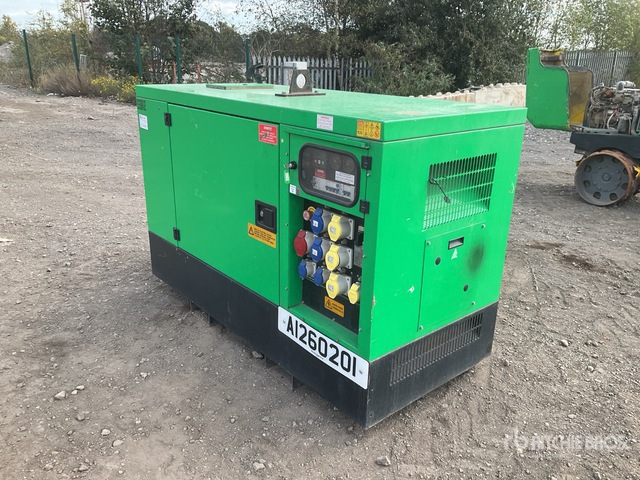 2022 Stephill SSDK12M Generator Set
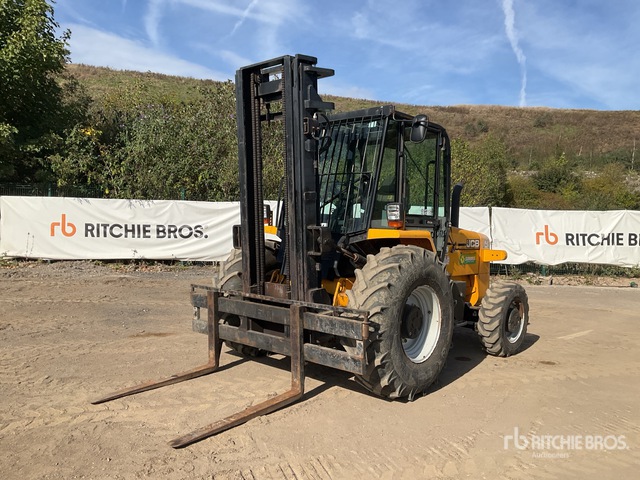 2016 JCB 926 Rough Terrain Forklift
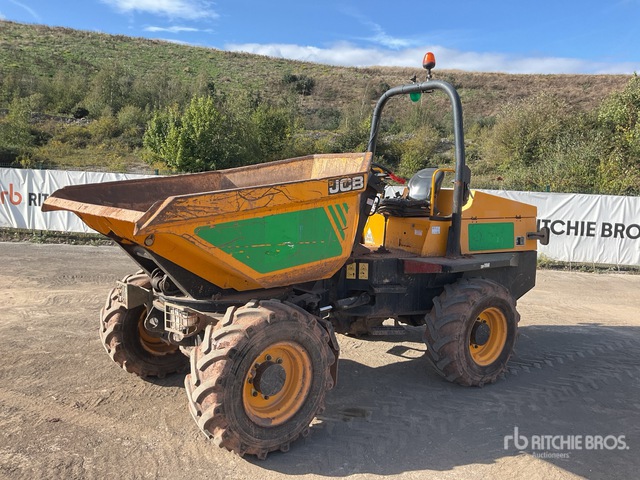 2014 Terex 6T Dumper
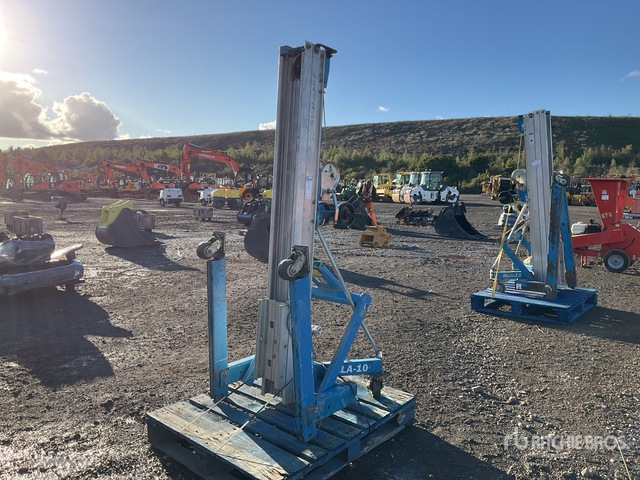 2016 Genie SLA10 Material Hoist
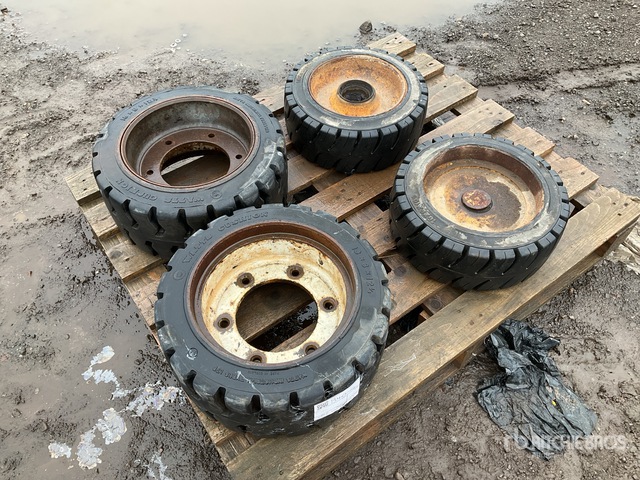 Wheels
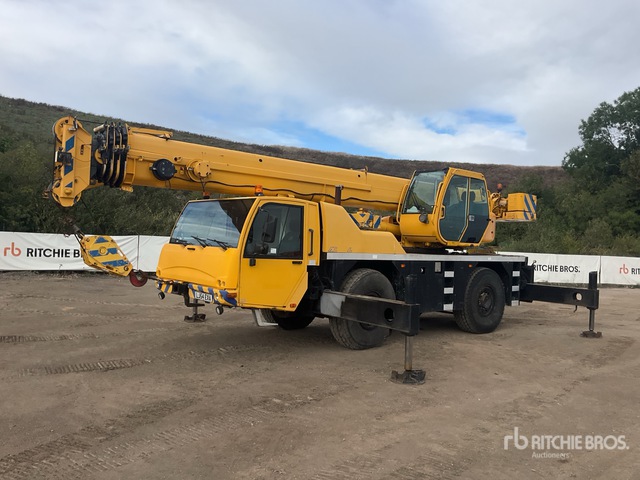 2004 Terex AC35L All Terrain Crane
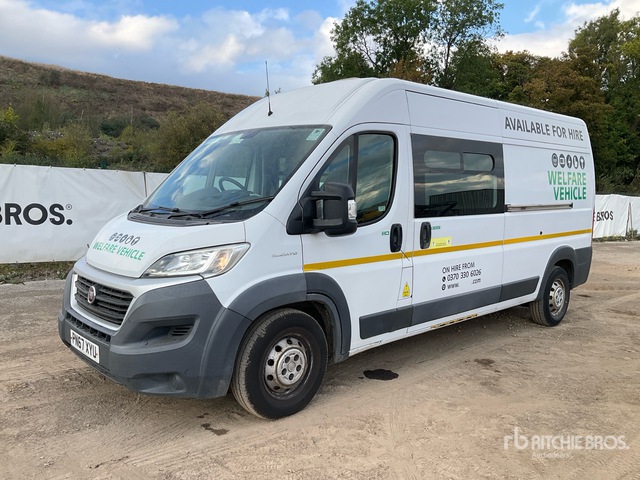 2017 Fiat Ducato maxi Cargo Van
 Misc. Industrial
 2016 Western Trans Cube Fuel Tank
 Misc. Rail Equipment