 USA/CAN
 France
  Germany
  United Kingdom
  Netherlands
  Spain
Spain  Italy
Italy  Canada (FR)
  Mexico
  Australia
 What is a DOT number? A plain-English guide for truck and equipment owners

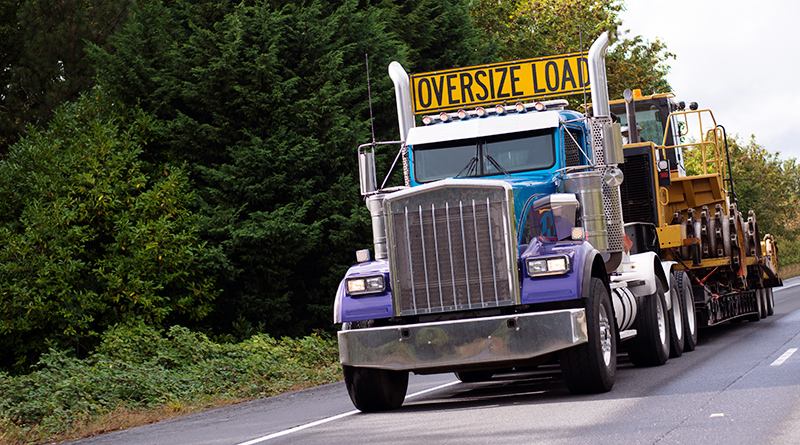
If you own a commercial truck, haul equipment across state lines, or run a fleet of any size, the question of whether you need a DOT number will come up — often at the worst possible moment. This guide cuts through the regulatory language and gives you straight answers: what a DOT number is, who needs one, who is exempt, and how to get and maintain yours.
What is a DOT number?
A DOT number is a unique identifier issued by the Federal Motor Carrier Safety Administration (FMCSA) that allows the government to track a motor carrier’s safety record, inspections, audits, and crash data. It functions like a license plate for your company rather than your vehicle — every registered motor carrier operating in interstate commerce gets one, and it follows the business, not the truck.
The number itself is prefixed with “USDOT” and is publicly searchable through the FMCSA’s Safety and Fitness Electronic Records (SAFER) system. If you want to look up any carrier’s compliance history before signing a contract or purchasing a fleet asset, that’s where to go.
DOT numbers for trucks vs. tires
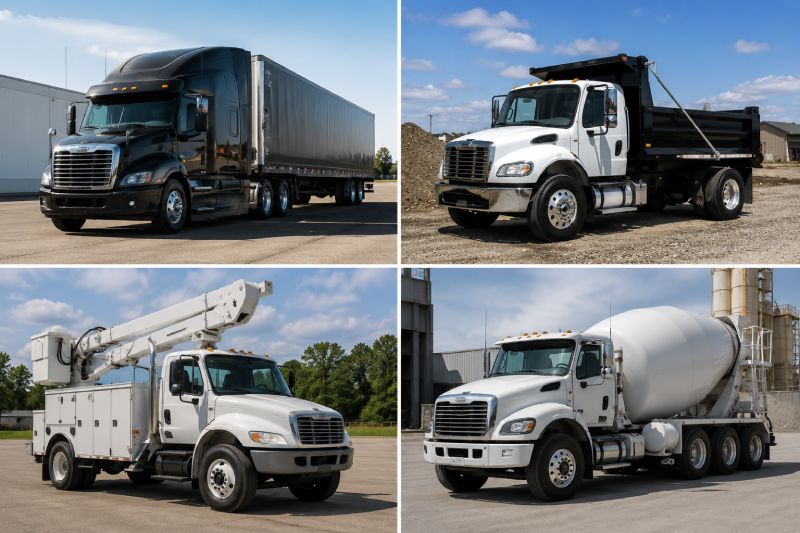
This is one of the most common points of confusion — “DOT number” means two completely different things depending on whether you’re talking about a vehicle or a tire.
What is a DOT number on a truck?
A DOT number on a truck refers to the carrier identification number issued by the FMCSA, displayed on the door or cab of commercial vehicles operating in interstate commerce. It’s a business registration number, not a vehicle-specific code. The same DOT number appears on every truck in your fleet.
What is a DOT number on a tire?
A DOT number on a tire is an entirely separate thing — it’s a manufacturing code moulded into the sidewall that identifies the plant where the tire was made, its size characteristics, and its week and year of manufacture. It has nothing to do with motor carrier registration. When people talk about checking tire age or recalls, this is the number they mean.
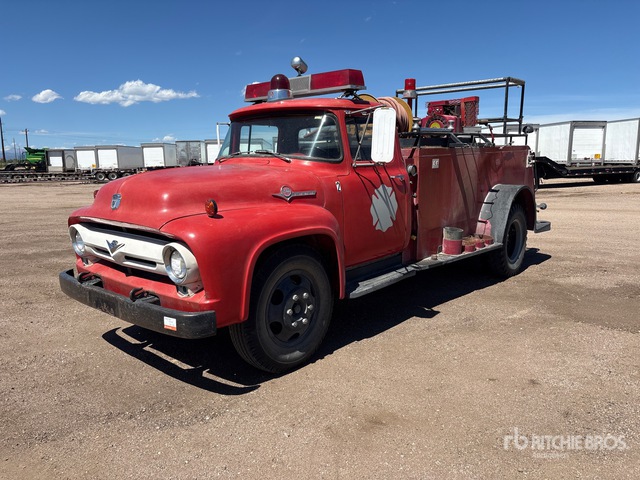 1956 Ford F60Z6K Fire Truck
What is a DOT number used for?
A DOT number is used to identify and monitor commercial motor carriers for safety compliance. The FMCSA uses it to record roadside inspection results, crash reports, audit findings, and out-of-service orders against your operation. Insurance companies, freight brokers, and shippers routinely check a carrier’s DOT number before doing business with them — a poor safety rating attached to your number can cost you contracts.
For equipment owners buying or selling trucks at auction, a truck’s history tied to its carrier’s DOT record can affect resale value and buyer confidence. When you’re evaluating used equipment transport trucks, it’s worth understanding what kind of operational history and regulatory standing may come with them.
DOT numbers and MC numbers
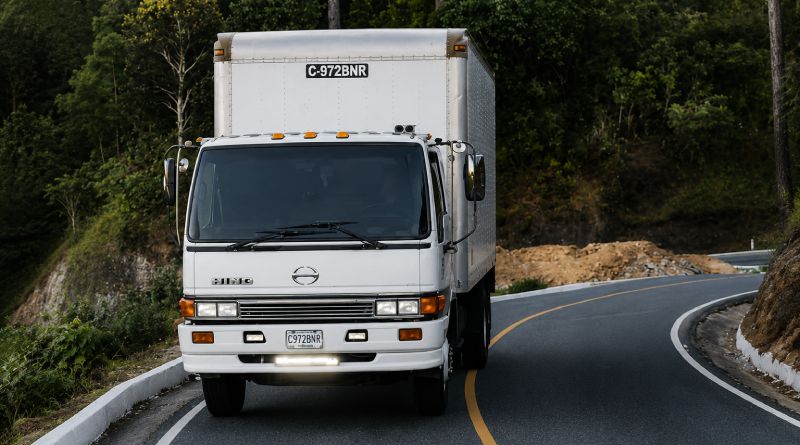
DOT numbers and MC numbers are related but not the same, and many operators need both.
Difference between DOT and MC numbers
A DOT number identifies your company for safety monitoring; an MC (Motor Carrier) number authorizes you to operate as a for-hire carrier in interstate commerce. Think of the DOT number as your safety file and the MC number as your operating license. A private carrier hauling its own goods needs a DOT number but typically does not need an MC number. A carrier hauling freight for pay in interstate commerce needs both.
What is a carrier DOT number?
A carrier DOT number is simply the USDOT number assigned to a specific motor carrier — the company legally responsible for the vehicle and driver. It is the number that shows up on the FMCSA SAFER system next to your company name, and it’s the number that must appear on the side of any commercial vehicle you operate.
How to get a DOT number for your trucking operation
Registering for a DOT number is done online through the FMCSA’s Unified Registration System (URS) The process is straightforward, there is no fee to obtain a DOT number itself, and most applicants receive their number immediately upon completing registration.
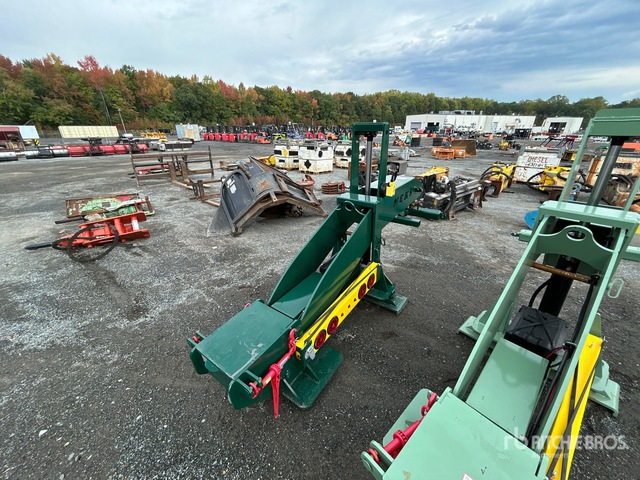 2026 Neks Fifth Wheel Wrecker Attachment
What you need to get a DOT number
Before starting your registration, have the following ready:
- Legal business name and address — must match your business registration
- EIN or Social Security Number — depending on business structure
- Type of operation — interstate or intrastate, for-hire or private carrier
- Cargo type — what you haul (hazmat requires additional disclosures)
- Number and type of vehicles — straight trucks, tractors, trailers, etc.
- Driver count — total drivers, including CDL holders
If you’re also applying for operating authority (an MC number), you’ll pay a separate filing fee and may need to file proof of insurance and a BOC-3 process agent designation before your authority becomes active.
What is a DOT docket number?
A DOT docket number is an older term sometimes used interchangeably with a carrier’s DOT number, particularly in legacy FMCSA records and older paperwork. In modern usage, “DOT number” and “USDOT number” are the standard terms. If you encounter “docket number” on older documents, it refers to the same carrier registration identifier.
DOT number requirements
Under federal rules, you generally need a DOT number if you operate in interstate commerce and meet any of the following thresholds:
- Your vehicle has a gross vehicle weight rating (GVWR) over 10,001 lbs
- You transport 9–15 passengers for compensation
- You transport 16 or more passengers (with or without compensation)
- You haul hazardous materials in quantities requiring placarding
Some states also require intrastate carriers to obtain a state-issued DOT number even for purely in-state operations — requirements vary, so check your state’s DOT rules if you never cross state lines.
Who is exempt from a DOT number?
Not every commercial vehicle operator needs one. Common exemptions include:
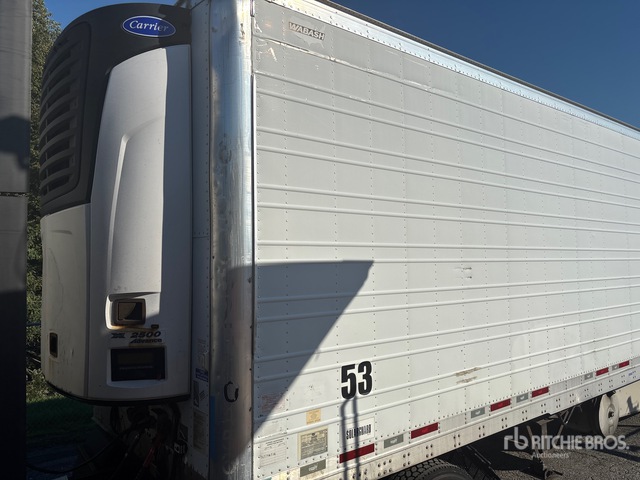 2013 Wabash RFALHSA Refrigerated Trailer
- Farmers and agricultural operators hauling their own farm products or supplies within a defined radius, using vehicles under 26,001 lbs GVWR, are federally exempt in many cases
- Private carriers operating only within one state, below the weight threshold, and not hauling hazmat
- Small vehicles under 10,001 lbs GVWR operating in intrastate commerce without hazmat or passenger loads
- Certain government vehicles operated by federal, state, or local agencies
For operators in Western Canada looking at cross-border work into the US, DOT number requirements apply as soon as a truck crosses into American territory — worth factoring in when buying equipment at upcoming heavy equipment and trucks auctions intended for cross-border use.
Not-for-hire DOT requirements
A common question from fleet owners is whether “not for hire” operations — companies moving their own equipment, not third-party freight — still need a DOT number. The answer is yes, if the vehicles exceed 10,001 lbs GVWR and cross state lines. The for-hire distinction affects whether you also need MC operating authority, not whether you need a DOT number.
DOT number maintenance and updates
Getting your DOT number is a one-time registration, but keeping it active requires ongoing attention.
What is a biennial update for your DOT number?
A biennial update is a mandatory filing that every active USDOT number holder must complete every two years — or within 30 days of any change to your registration information — to keep the number active. The FMCSA uses this process to maintain accurate carrier data and weed out dormant or non-compliant registrations. Failure to file results in your DOT number being deactivated, which means you cannot legally operate until it’s reinstated.
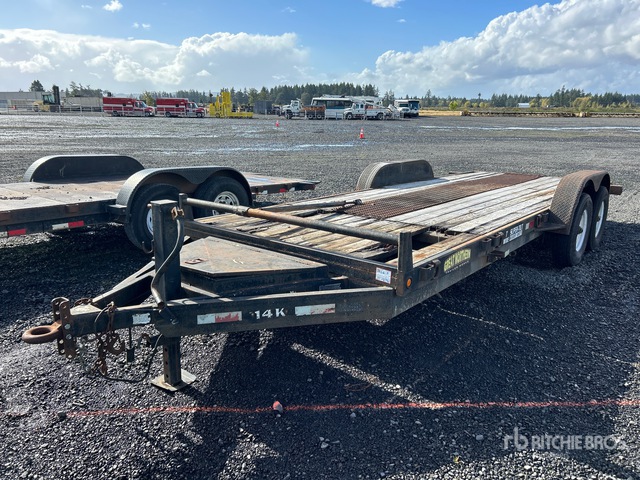 2005 Great Northern Tilt Deck Trailer
The update is filed through the FMCSA URS portal and requires no fee. You’ll confirm or update your company information, vehicle counts, cargo type, and contact details. Mark it on the calendar — an inactive DOT number discovered during a roadside inspection creates serious problems.
The wrap up
Understanding your DOT number obligations matters whether you’re running a single work truck or managing a large commercial fleet. If you’re in the market for trucks or equipment subject to these rules, buying through a transparent auction platform gives you access to full equipment listings and the ability to inspect vehicles before bidding. Browse available equipment transport trucks at Ritchie Bros. to find assets that fit your operational needs — and make sure your registration is squared away before the first load moves.
 |
How to pick the best skid steer grapple for the job |
 1956 Ford F60Z6K Fire Truck2026 Neks Fifth Wheel Wrecker Attachment2013 Wabash RFALHSA Refrigerated Trailer2005 Great Northern Tilt Deck Trailer
 2017 Utility VS2DX Van Trailer
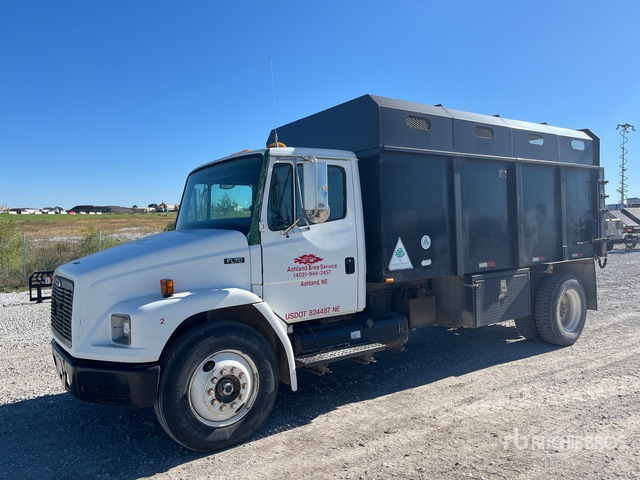 1998 Freightliner FL70 Chipper Truck
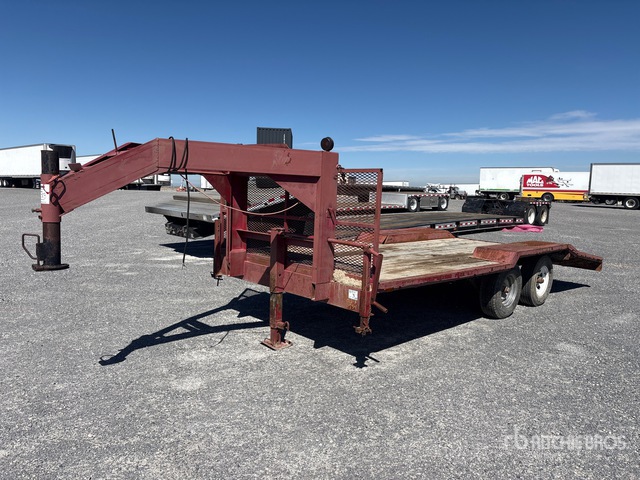 1998 Equipment Trailer
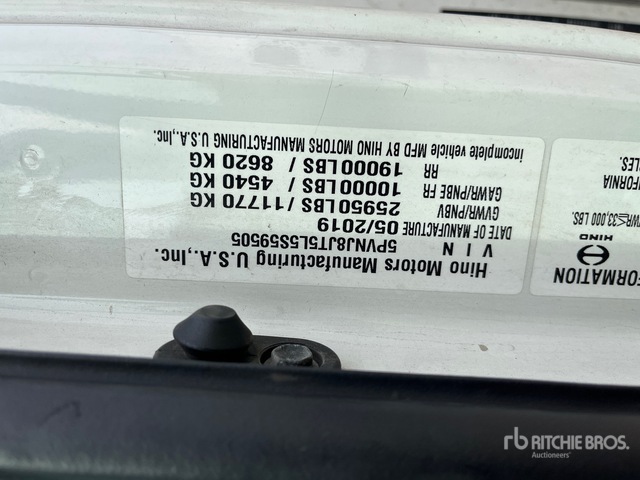 2020 Hino 268 Van Truck
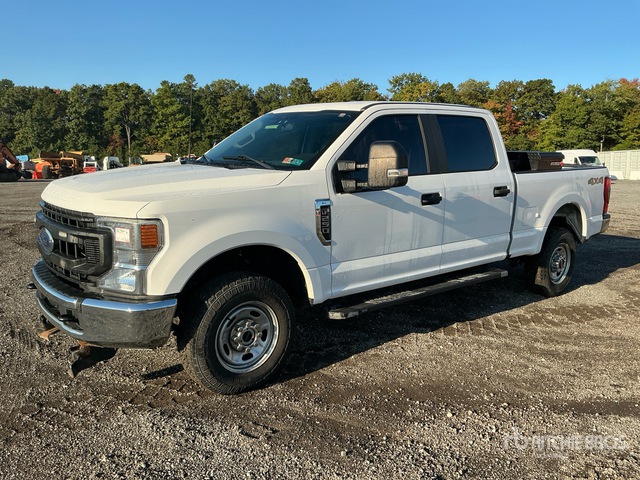 2020 Ford F-250 Pickup
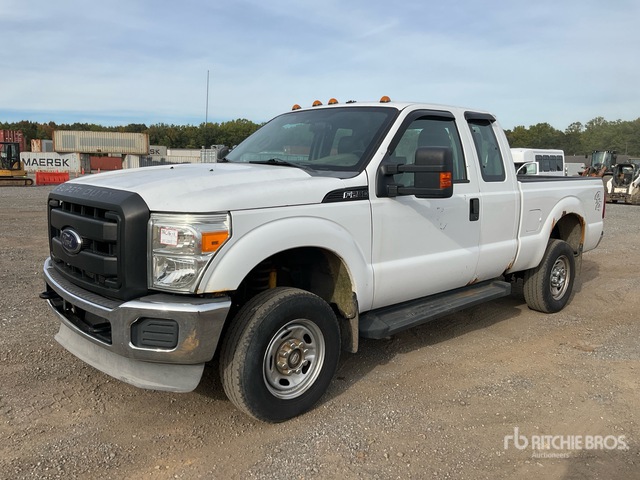 2012 Ford F-250 Pickup
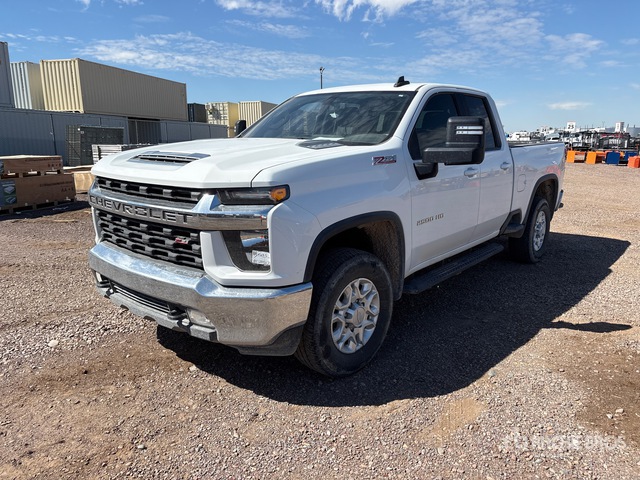 2021 Chevrolet Silverado 2500HD Pickup
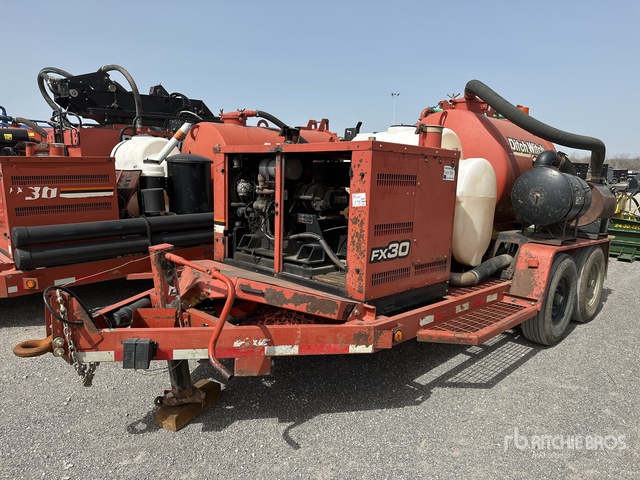 2013 Ditch Witch FX30 Vacuum Excavation Unit
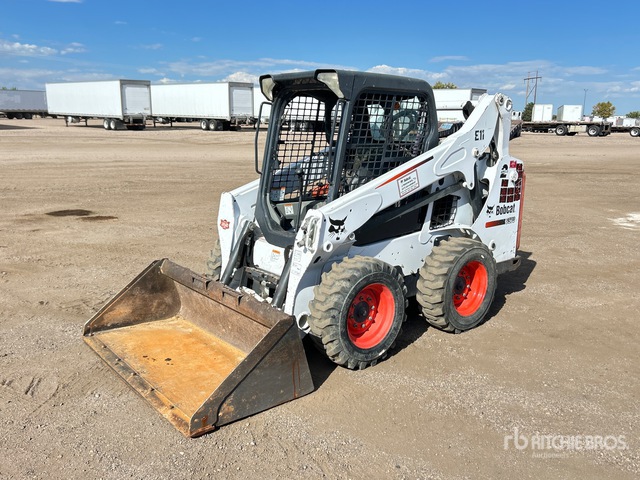 2015 Bobcat S570 Skid Steer Loader
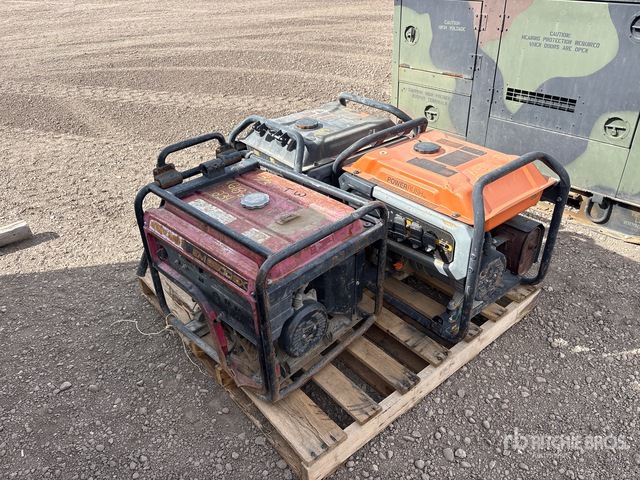 Generator Set
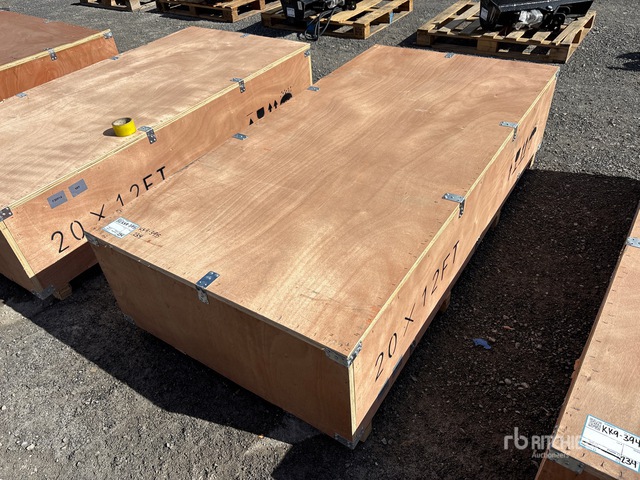 2026 SKLP SK-S2012 Misc. Livestock Equipment
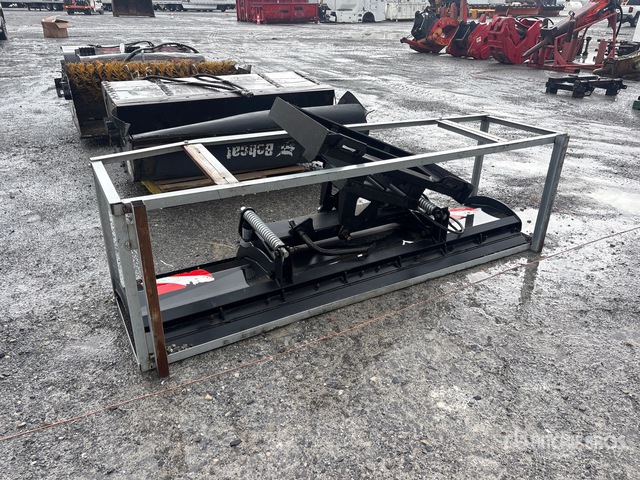 2023 Skid Steer Grader Misc. Skid Steer Attachment
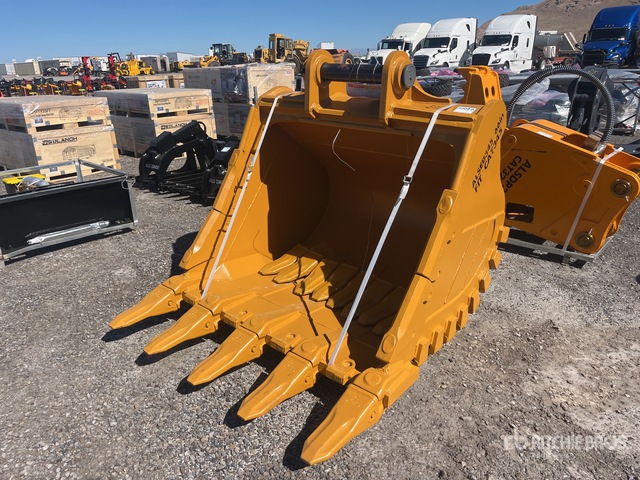 2026 LYALS ALS EB345 Excavator Bucket
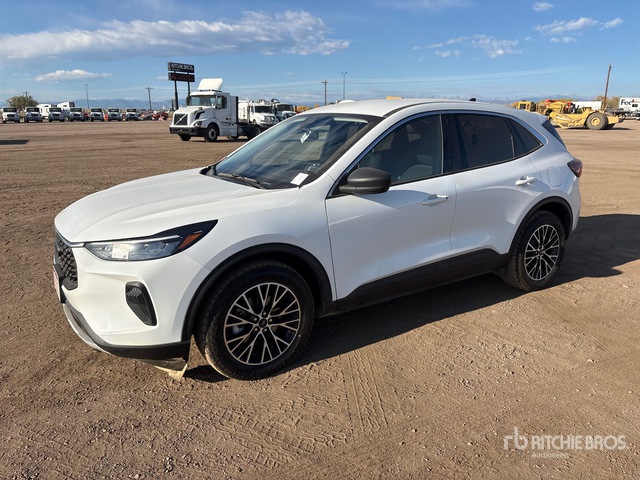 2023 Ford Escape SUV
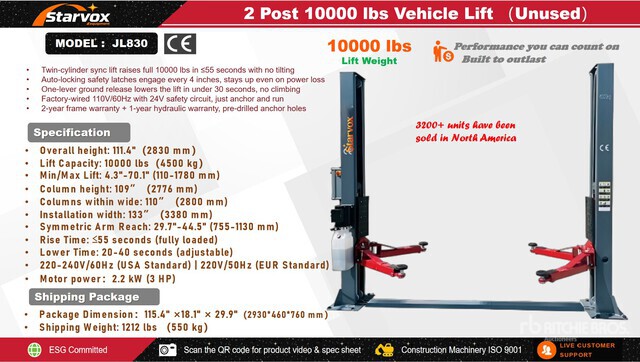 2026 STARVOX JL830 Vehicle Lift
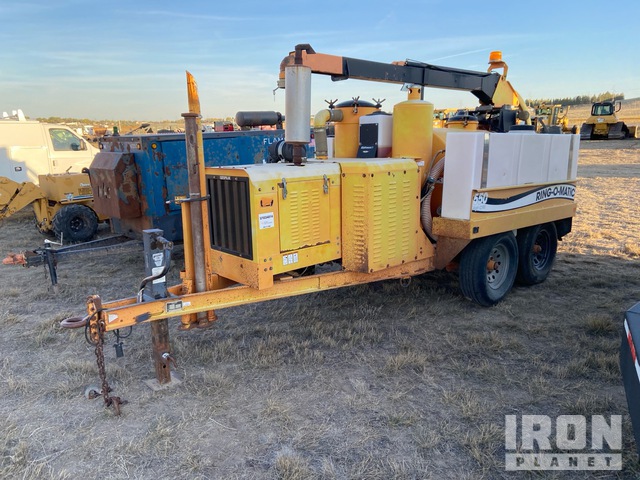 2006 Ringomatic 550 Vacuum Excavation Unit
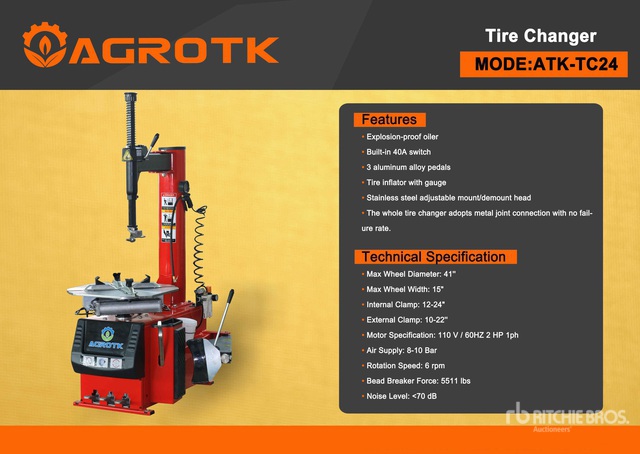 2026 AGT ATK-TC24 Tire Changer
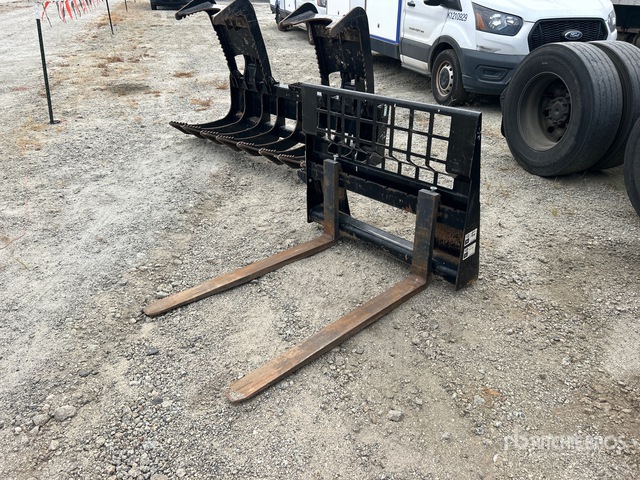 Cat Skid Steer Forks
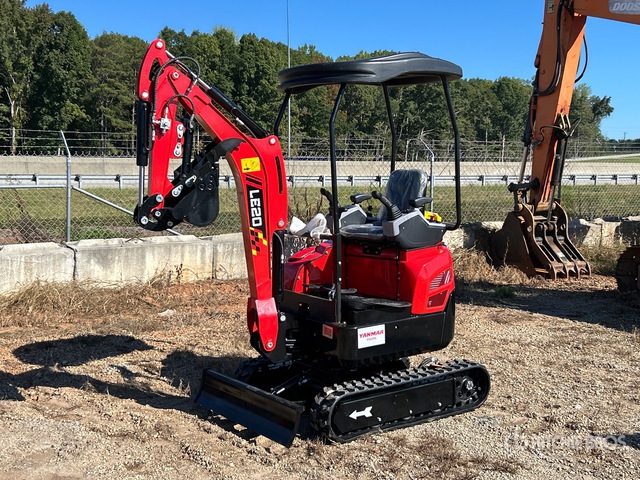 2026 LE20 Mini Excavator: <6.6t
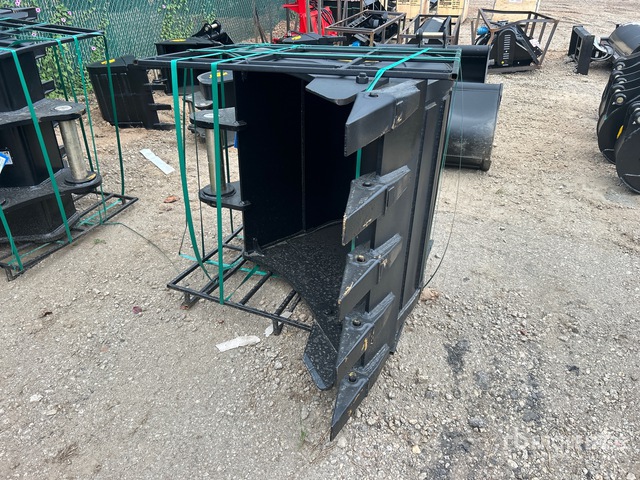 Trojan Excavator Bucket
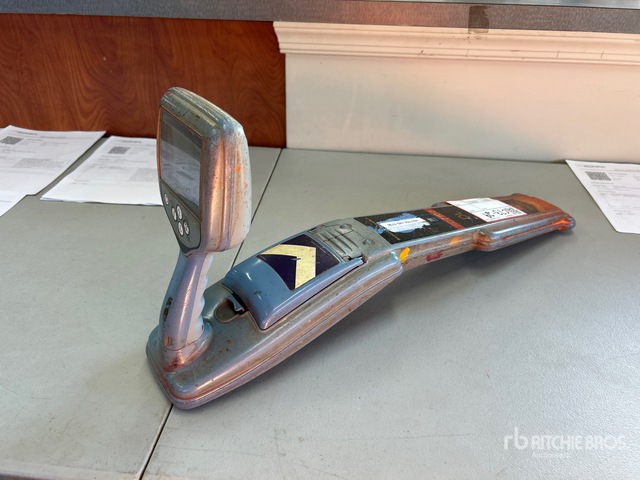 2016 Radiodetection RD7100DL TX5 Misc. Laser,GPS and Survey Equipment