 USA
USA France
  Germany
  Netherlands
  United Kingdom
  Spain
Spain  Italy
Italy  Canada (FR)
  Mexico
  Australia
 How much power do semi-trucks have?
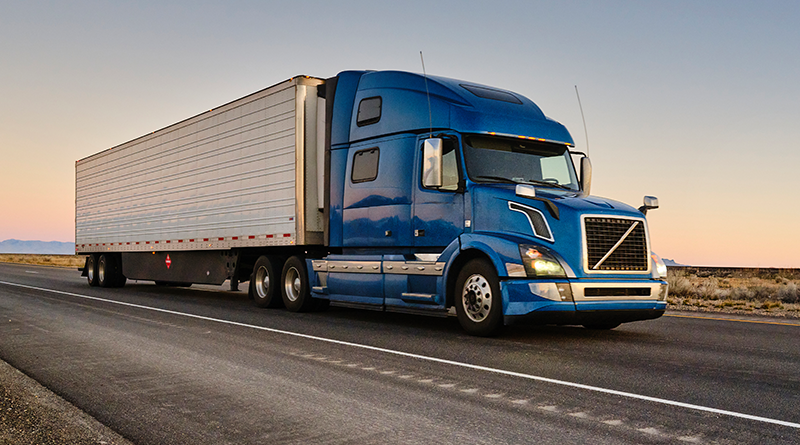
When you think of semi trucks, you think of size, strength, and the ability to move massive loads across highways and backroads alike. But the real measure of a truck’s capability is found under the hood. Horsepower and torque define how efficiently a truck can pull weight, handle steep grades, and keep freight moving on schedule. For owner-operators and fleet managers, understanding these numbers isn’t just trivia — it’s part of making informed buying decisions.
At Ritchie Bros., where hundreds of semi trucks are sold at auctions and online marketplaces every year, buyers often look beyond mileage and condition to examine what powers the rig. Knowing the typical horsepower range of a modern semi helps you evaluate whether a truck fits the kind of hauling you do, whether that’s cross-country freight, regional deliveries, or specialized heavy loads.
How much horsepower does a semi-truck have?
Unlike passenger cars, where horsepower is often tied to speed and performance bragging rights, semi-truck horsepower is all about utility. Most long-haul rigs on North American highways carry engines rated between 400 and 600 horsepower, striking the balance between fuel economy and pulling power. That’s a wide range, but it reflects the different jobs semis are designed for. A regional hauler pulling lighter loads may be on the lower end of the scale, while a truck spec’d for heavy-duty applications might push toward the higher side.
Some models, particularly European heavy-haulers like the Volvo FH16 or Scania R-series, stretch those limits even further, climbing into the 700+ horsepower range. These are the outliers, but they show what’s possible with modern diesel engineering. By contrast, a passenger car typically carries somewhere between 150 and 300 horsepower — a reminder that a semi engine isn’t just bigger, it’s built for an entirely different purpose.
When shopping for semi trucks for sale, paying attention to horsepower is more than a matter of numbers. It can help you identify whether a rig is right-sized for the routes and loads you run. Too much power can mean higher fuel costs without real benefit, while too little can leave you underpowered on grades or when hauling at maximum weight.
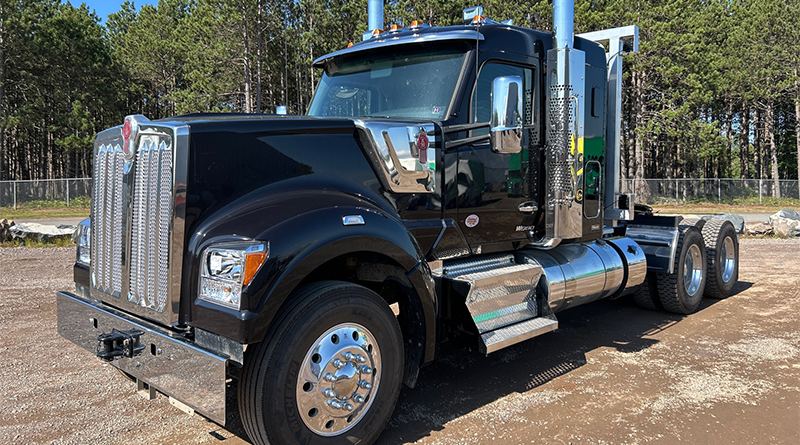
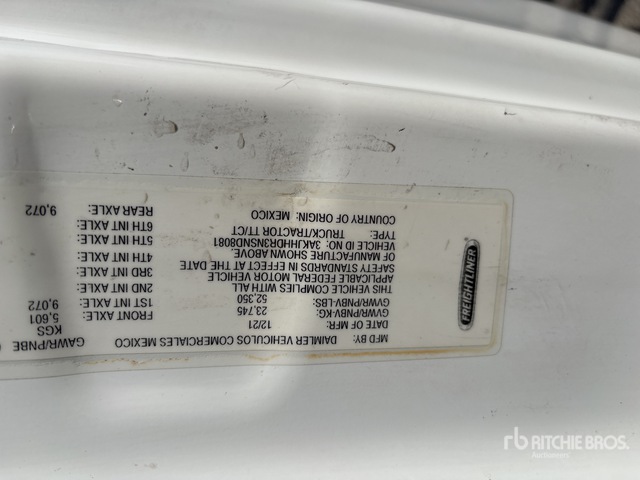 2022 Freightliner Cascadia 126 T/A Sleeper Truck Tractor
Horsepower vs. torque in semi-trucks
Horsepower gets most of the attention, but torque is the other half of the story. If horsepower tells you how fast work can be done, torque tells you how much force is available to get that work started. In practical terms, torque is what lets a fully loaded truck ease away from a stoplight or muscle up a mountain pass without stalling out.
Most modern semis deliver torque ratings in the 1,450 to 2,050 lb-ft range, with some specialized models offering even more. That immense twisting force is why a semi can haul up to 80,000 pounds across the country, while a pickup truck — even a heavy-duty diesel — simply can’t compete. Horsepower keeps the rig moving at highway speeds, but torque is what gets it rolling in the first place.
Understanding the balance between horsepower and torque helps separate trucks that are built for line-haul efficiency from those meant for demanding heavy applications. A truck with a high horsepower rating but modest torque may perform well on flat highways but struggle when faced with steep grades or oversize loads. Conversely, torque-rich engines may be ideal for specialized hauling where sheer pulling power matters more than top speed.
How big are engines on an 18 wheeler?
Not every semi truck is engineered for the same kind of work, and the horsepower you see on a spec sheet is the result of multiple design decisions. From the size of the engine itself to how the power is delivered to the wheels, several factors shape the way a truck performs on the road.
Engine displacement
Engine displacement — usually measured in liters — sets the baseline for a truck’s output. Many highway tractors operate with engines in the 12- to 16-liter range, giving them the torque needed to move heavy freight. Larger displacement engines generally produce more horsepower and torque, but they also come with higher weight and fuel considerations.
Turbocharging and fuel systems
Modern diesel engines rely heavily on turbochargers and advanced fuel injection systems. These technologies allow manufacturers to push more air and fuel into the combustion chamber, creating more power without increasing engine size. This means a 13-liter engine today can often deliver the same output that once required a 15-liter block.
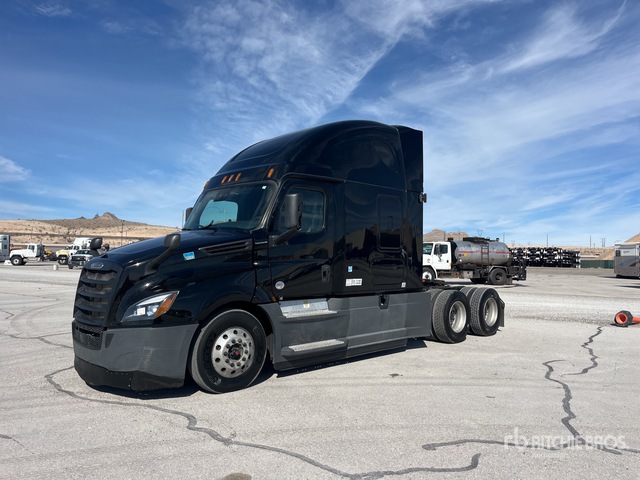 2022 Freightliner Cascadia 126 T/A Sleeper Truck Tractor
Transmission and gearing
A high-horsepower engine only performs as well as the transmission paired with it. The right gearing makes sure torque is available when it’s needed most — starting from a stop, climbing a grade, or maintaining speed under load. Fleets often spec transmissions carefully, because the balance between engine output and gear ratios determines whether a truck runs efficiently or wastes fuel.
Emissions standards and efficiency
Regulations around emissions and fuel economy have reshaped diesel design over the last two decades. Manufacturers like Cummins, Detroit, and PACCAR now produce engines that meet strict environmental standards while still delivering strong horsepower and torque. While these systems add complexity, they often improve overall efficiency, giving buyers more usable power per gallon of fuel.
All these factors are integral to an 18 wheeler’s engine size. And at Ritchie Bros., you’ll find trucks that span these generations of design and engine sizes. From older workhorses with straightforward, with big-block engines to late-model tractors that deliver high output while meeting today’s emissions standards.
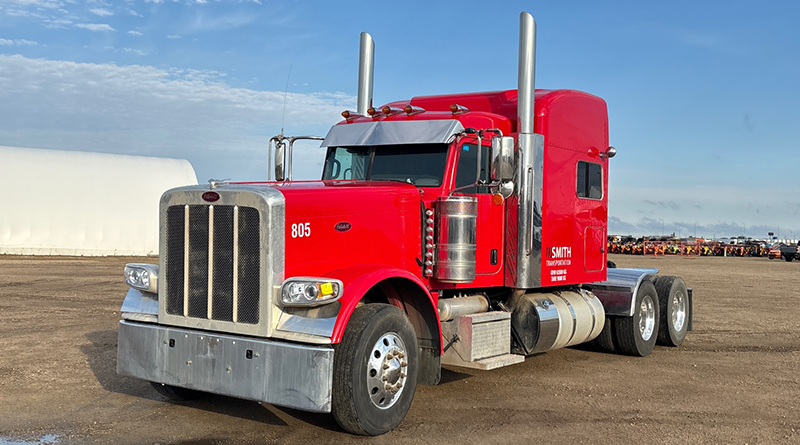
Real-world impact: Putting horsepower down on the road
Horsepower and torque aren’t just numbers on a spec sheet. For truck owners and fleet managers, these figures determine how a truck performs day in and day out. Whether you’re hauling across long stretches of interstate or working short regional routes, the way power translates into the real world matters.
Fuel efficiency
It’s a common misconception that more horsepower always means less fuel efficiency. In reality, the relationship is more nuanced. Engines with higher horsepower can sometimes run at lower RPMs while cruising, which actually improves fuel economy under the right conditions. On the flip side, overspec’ing an engine for light-duty work often results in wasted fuel.
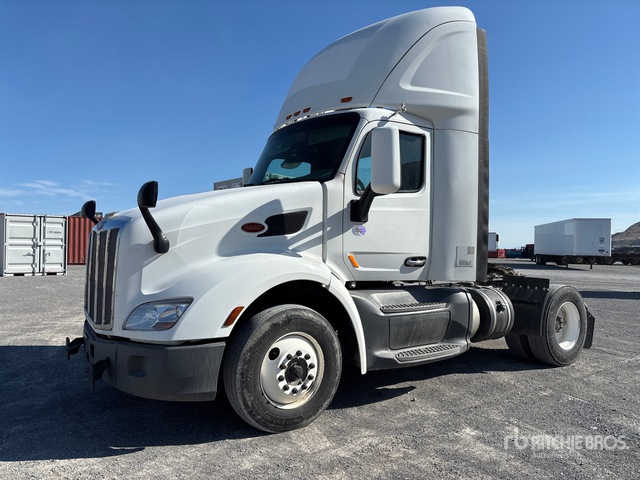 2018 Peterbilt 579 S/A Day Cab Truck Tractor
Load capability
The right horsepower and torque combination ensures that a truck can handle its maximum gross weight without strain. Trucks spec’d too lightly for their work may struggle on hills, wear down faster, or require more frequent maintenance. On the other hand, a truck built for heavy haulage may be overkill for regional freight, adding unnecessary upfront and operating costs. Matching load requirements to engine power is one of the most important considerations when purchasing a used truck.
Operational reliability
Engines built with the right balance of horsepower and torque tend to last longer under consistent workloads. Pushing an underpowered engine to its limit shortens its lifespan, while running a properly spec’d truck within its comfort zone reduces downtime and repair costs. At Ritchie Bros., our buyers evaluate trucks from a range of years and manufacturers, reliability is often the deciding factor — and horsepower ratings play directly into that decision.
Fun facts about semi-truck engines
The numbers behind semi-truck engines are impressive even before you get into the record breakers. A modern Class 8 truck engine typically weighs between 2,500 and 3,000 pounds, nearly ten times heavier than the engine in an average car. Oil capacity is another eye-opener: while a passenger vehicle holds four to six quarts, a semi often requires more than 15 gallons to keep everything properly lubricated. These figures illustrate just how much more robust these machines need to be to survive hundreds of thousands of highway miles.
Semi Trucks with the most horsepower
While most trucks on the road fall into the 400–600 horsepower range, there are a few standouts designed to push limits.
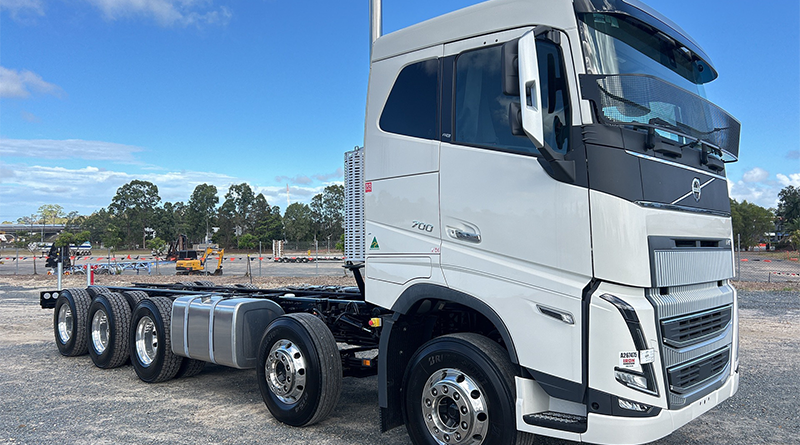
Volvo FH16
The Volvo FH16, for example, is often cited as the most powerful production truck in the world, delivering up to 750 horsepower.
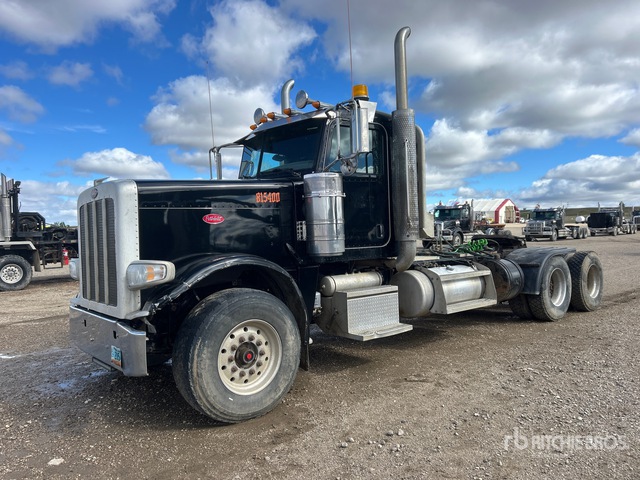 2014 Peterbilt 388 T/A Day Cab Truck Tractor
Scania
Scania has also produced models in the 700+ range, built for extreme heavy-haul applications in Europe.
Custom Peterbilt’s
On the custom side, rigs like the Peterbilt 389 or 379 are featured in pulling competitions or show builds and can exceed 1,000 horsepower, though these aren’t the trucks you’d see running freight every day.
The power behind every semi-truck
Horsepower and torque aren’t just engineering specs; they’re the backbone of the trucking industry. From the average 400–600 horsepower engines that keep freight moving across the continent to the torque-rich builds that muscle through steep grades, these numbers tell the story of how work gets done on the road. When you understand how engine displacement, fuel systems, transmissions, and efficiency standards shape performance, you can make better decisions about which trucks fit your needs.
With our truck selection, we see this play out every auction. Buyers aren’t only comparing mileage or cosmetic condition — they’re looking closely at horsepower and torque ratings to ensure the trucks they invest in will handle their workloads with reliability and efficiency. With hundreds of semi trucks for sale each year, ranging from late-model highway tractors to dependable older units, the marketplace is a snapshot of how power and practicality come together in real-world trucking.
In the end, knowing what’s under the hood is about more than numbers. It’s about finding the right balance of strength and efficiency, so every mile, every load, and every haul delivers on its promise.
 |
GM’s New 8.3L Duramax: Codename Mongoose |
 2022 Freightliner Cascadia 126 T/A Sleeper Truck Tractor2022 Freightliner Cascadia 126 T/A Sleeper Truck Tractor2014 Peterbilt 388 T/A Day Cab Truck Tractor2018 Peterbilt 579 S/A Day Cab Truck Tractor
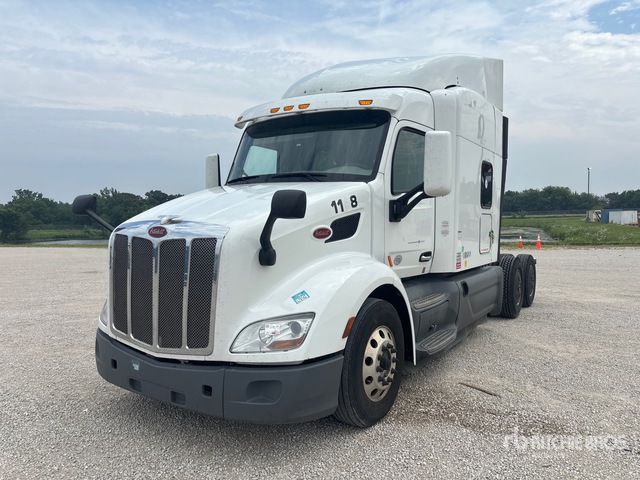 2019 Peterbilt 579 T/A Sleeper Truck Tractor
 2012 Ford F-450 Dump Truck: Light Duty
 2006 Great Dane Van Trailer
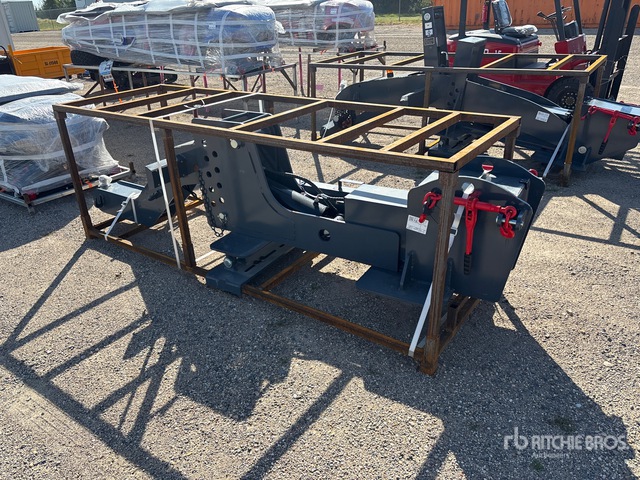 2026 PROMECH FW80 Fifth Wheel Wrecker Attachment
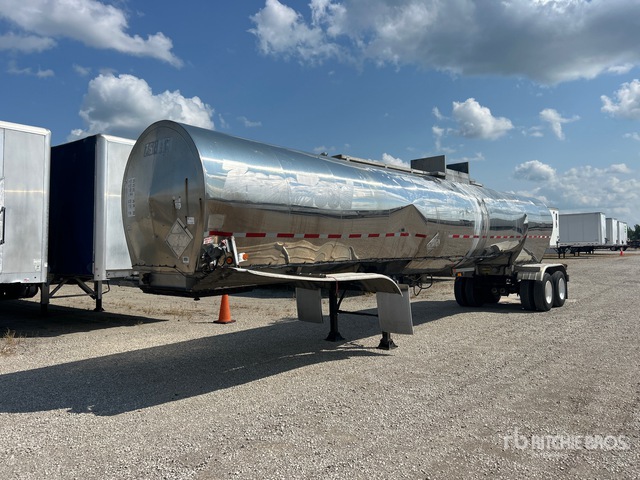 1990 Brenner MC3070 Tanker Trailer
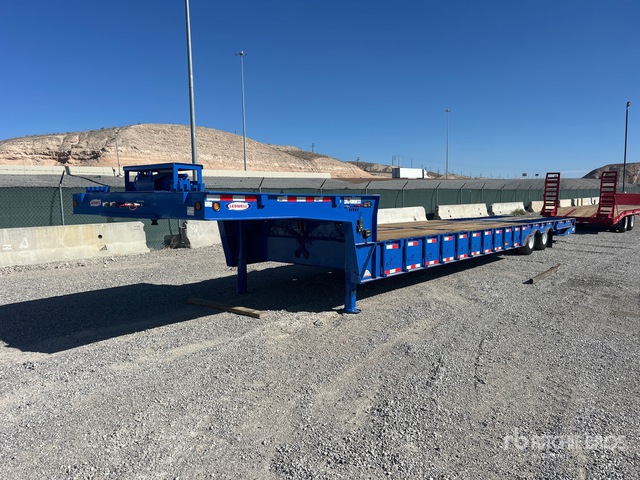 2015 Ledwell Hydraulic Tail Trailer
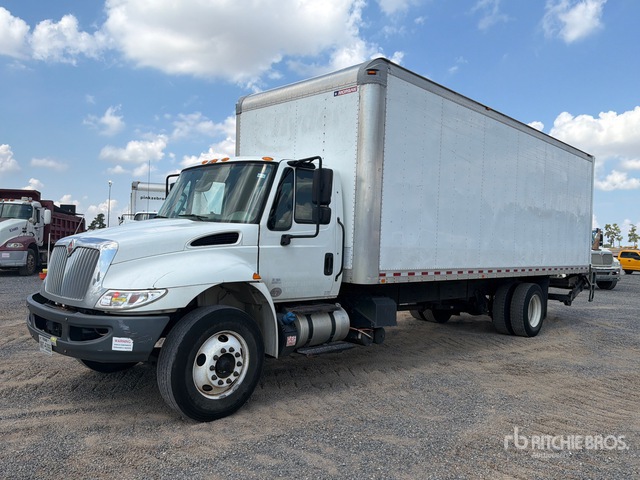 2018 International 4300 Van Truck
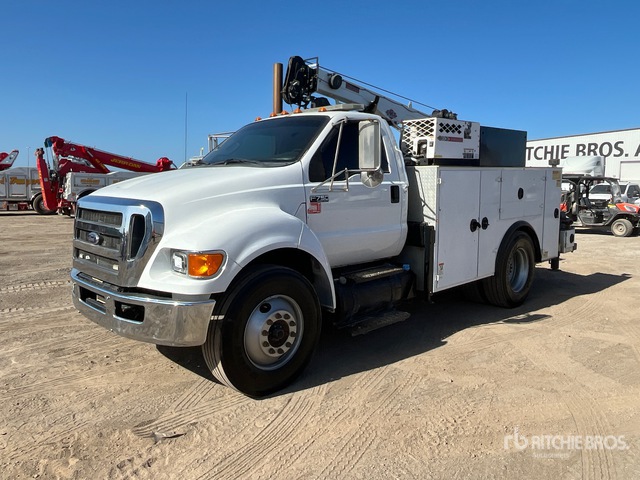 2015 Ford F-750 Service Truck
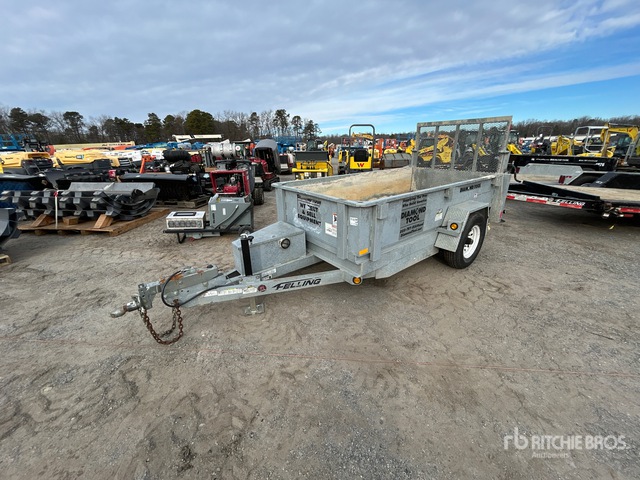 2020 Felling FT-6DT-E-TRL01 Dump Utility Trailer
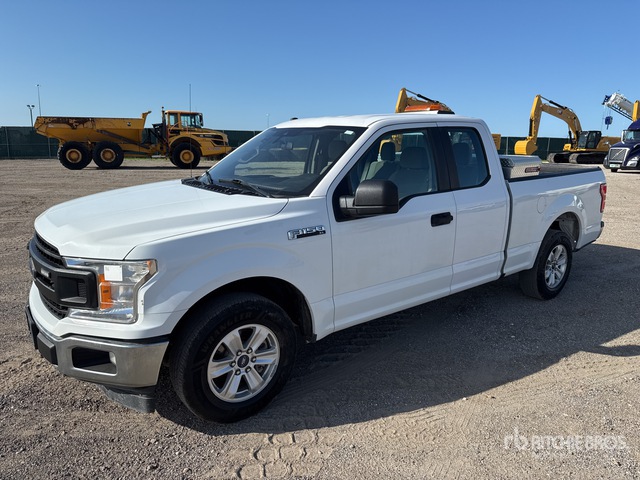 2019 Ford F-150 Pickup
 2025 Mercedes-Benz Sprinter Cargo Van
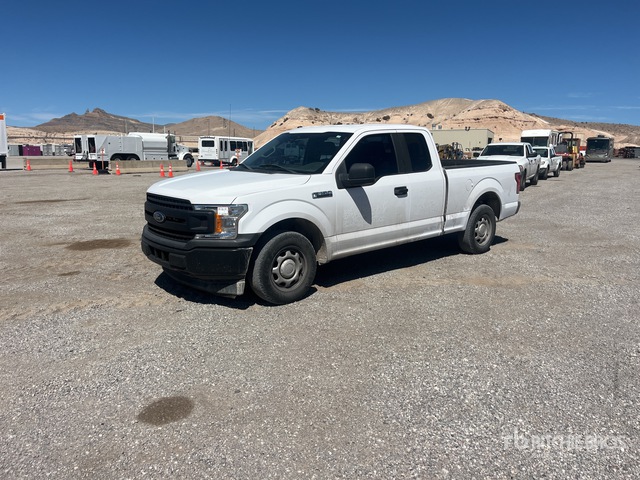 2019 Ford F-150 Pickup
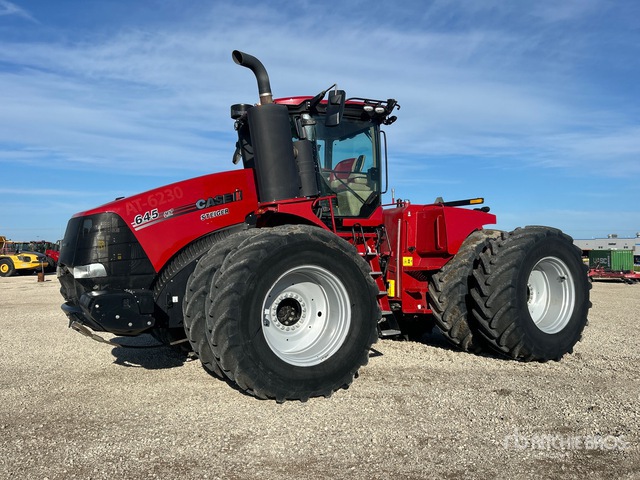 2024 Case IH Steiger 645S Scraper Tractor
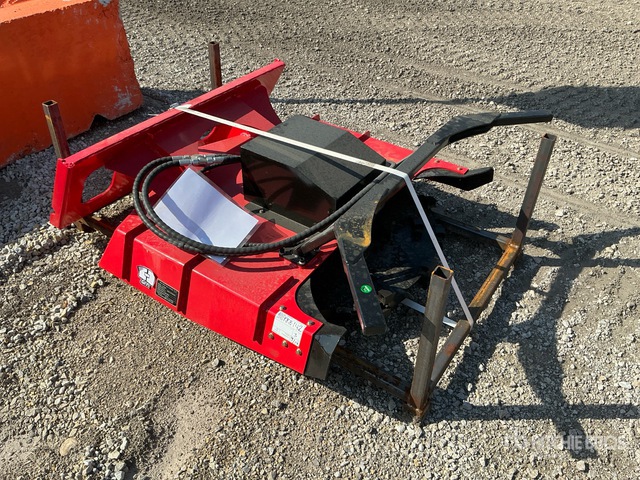 2026 GIYI GYx-DM43 Skid Steer Mulcher
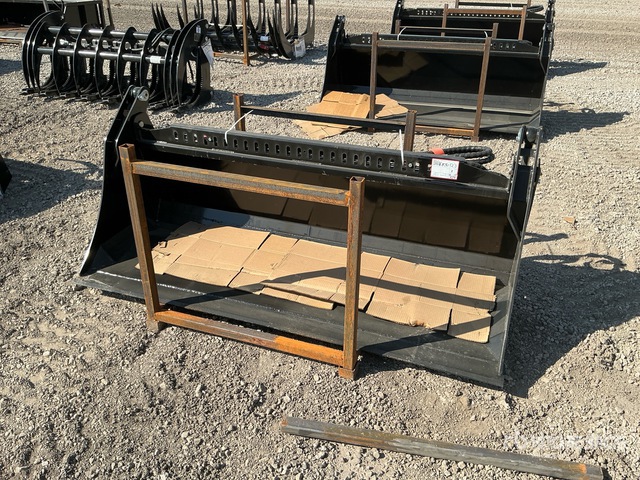 2026 GIYI GY-KH72 Skid Steer Bucket
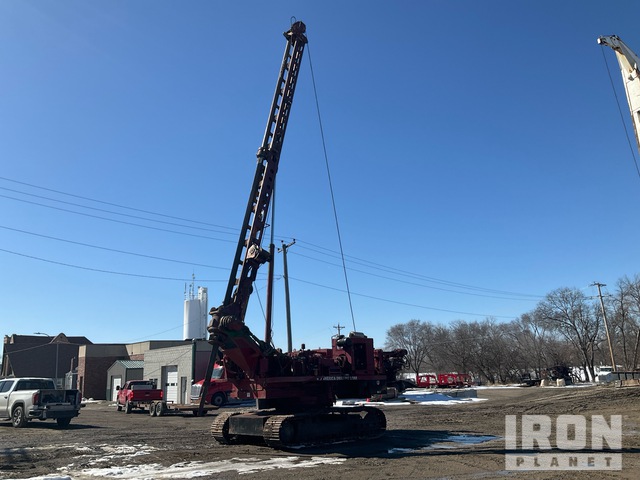 Texoma 700T Foundation Drill
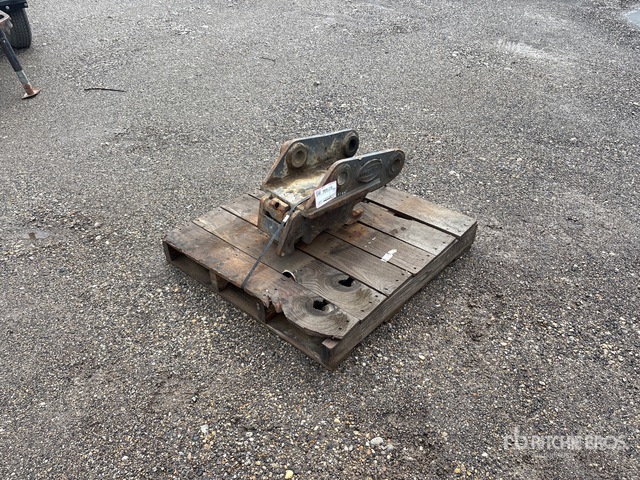 Excavator Coupler
 2026 KJ KG43 Misc. Shop, Warehouse, Consumer
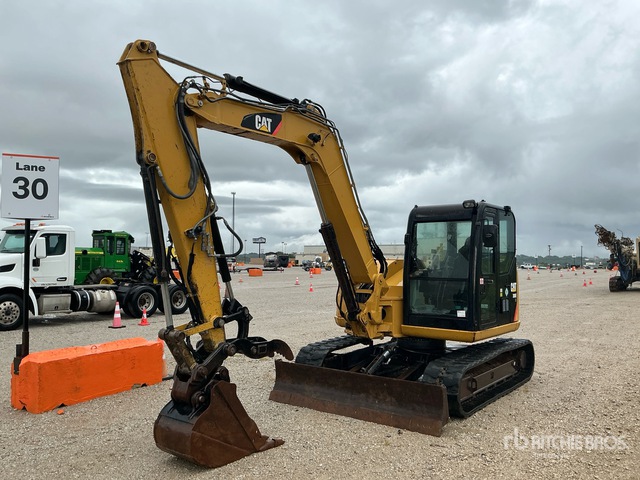 2012 Cat 308E CR Tracked Excavator
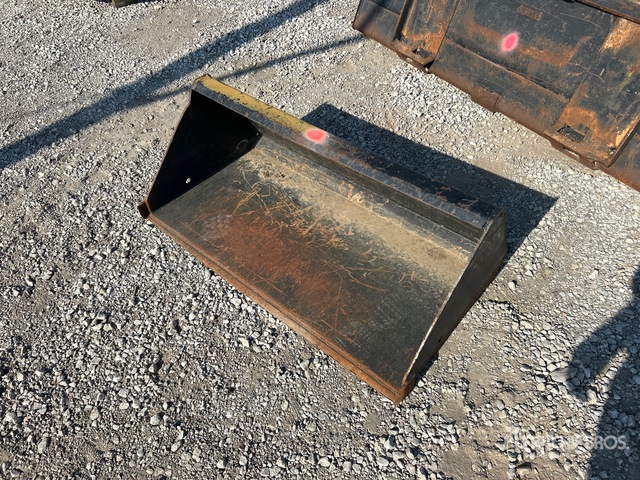 Skid Steer Bucket
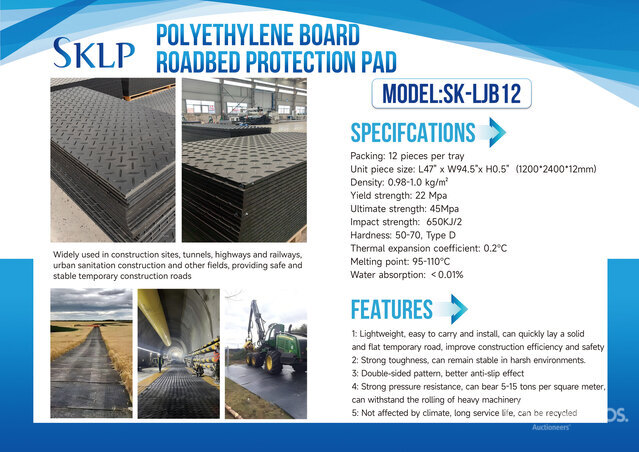 2026 SKLP SK-LJB12 Misc. Traffic Control Device