 USA
USA France
  Germany
  Netherlands
  United Kingdom
  Spain
Spain  Italy
Italy  Canada (FR)
  Mexico
  Australia
 Ford 6.0 PowerStroke common problems

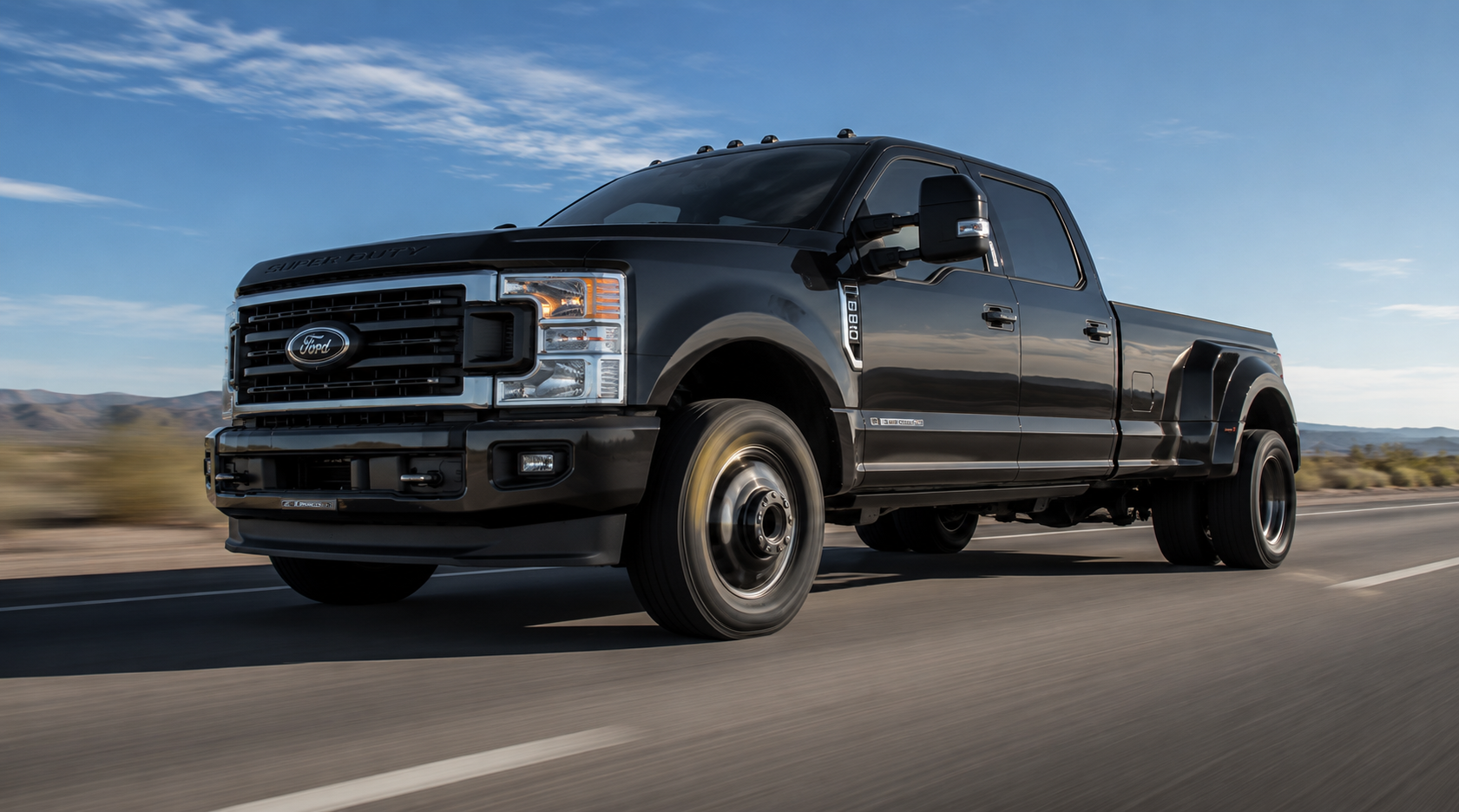
The 6.0 PowerStroke is one of the most searched diesel engines on the internet — and not always for good reasons. If you’re considering a used Ford Super Duty with this engine at Ritchie Bros.’ auctions featuring a wide selection of pickup trucks, you need to go in with eyes open. The 6.0 has real problems, but it also has real defenders. Here’s what the data and experience actually say.
Is the 6.0 PowerStroke a good engine?
In its stock, unmodified form, the 6.0 PowerStroke is a problematic engine. In properly maintained or “bulletproofed” form, it can be a capable and long-lived diesel workhorse. The engine’s core architecture is solid — the failures that gave it a bad name are largely traceable to specific components that can be upgraded or replaced. Buyers who know what to look for and what to avoid can still find good value in a 6.0-equipped truck, especially at auction prices that reflect the engine’s reputation.
6.0 PowerStroke reliability: common issues
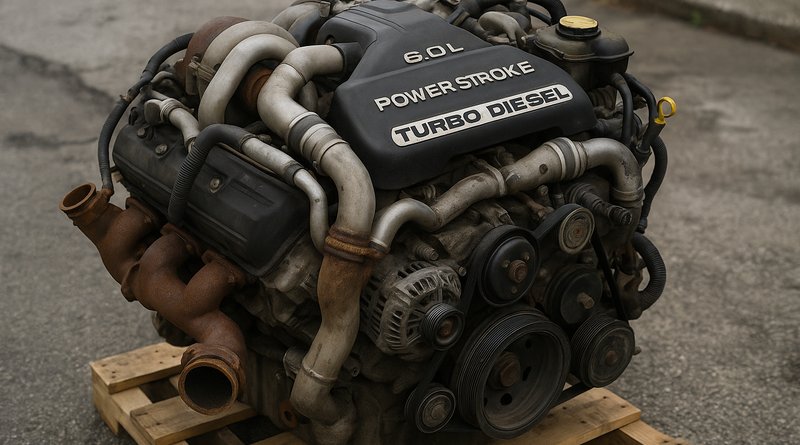
The 6.0’s reliability problems centre on four well-documented failure points based on various user forums and community notes:
- EGR cooler failure — The exhaust gas recirculation cooler cracks under thermal stress, allowing coolant to mix with exhaust gases. This contaminates the cooling system and can cause catastrophic overheating.
- Oil cooler clogging — The factory oil cooler restricts coolant flow over time, accelerating the EGR cooler failure cycle. This is the root cause behind most 6.0 meltdowns.
- Head gasket failure — Caused almost exclusively by overheating events triggered by the two issues above. The head bolts are also undersized for the cylinder pressure this engine generates.
- FICM (Fuel Injector Control Module) failure — The FICM runs the injectors and is known to fail, causing hard starts, rough running, and misfires.
The critical question when evaluating any used 6.0 truck is not “has it had problems?” — it’s “have the known problems been properly addressed?” A truck with a documented EGR delete, upgraded oil cooler, and ARP head studs is a fundamentally different purchase than a stock, high-mileage unit with no service history.
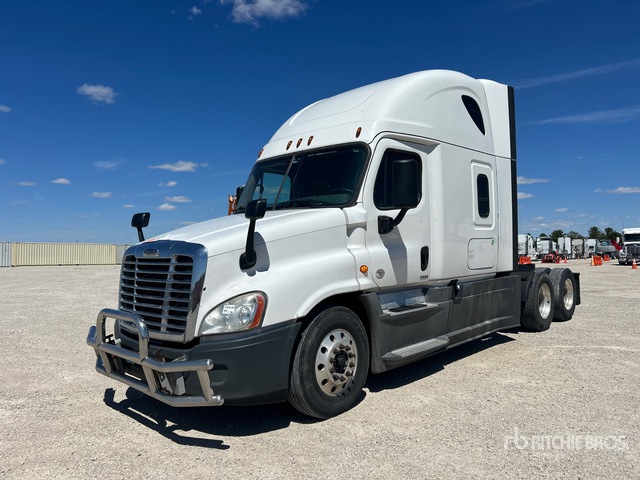 2019 Freightliner Cascadia 125 T/A Sleeper Truck Tractor
6.0 PowerStroke specifications and performance
When did the 6.0 PowerStroke come out?
The 6.0 PowerStroke entered production in 2003, replacing the well-regarded 7.3 PowerStroke in Ford’s F-250, F-350, F-450, and F-550 Super Duty trucks. It remained in production through 2007, when it was replaced by the 6.4 PowerStroke — an engine that brought its own set of challenges. The 6.0 was also used in Ford Excursion SUVs and E-Series vans during the same period.
How much horsepower does a 6.0 PowerStroke have?
Output varied across model years. Early 2003–2004 trucks produced 325 hp and 560 lb-ft of torque. Later 2005–2007 versions were rated at 325 hp and 570 lb-ft of torque. These are factory figures — properly maintained engines with common performance upgrades can exceed these numbers meaningfully.
How much does a 6.0 PowerStroke engine weigh?
The 6.0 PowerStroke weighs approximately 920–970 lbs (420–440 kg) as a complete dressed engine. Dry block weight is lower, but for practical purposes — swaps, transport, or fleet spec comparisons — plan for roughly 950 lbs.
Who made the 6.0 PowerStroke?
The 6.0 PowerStroke was designed and manufactured by International (Navistar), not Ford. Ford branded and sold it, but the engine’s engineering — including the flawed EGR and oil cooler designs — came from International. This partnership ultimately ended after the 6.0 era. Ford subsequently developed the 6.7 PowerStroke entirely in-house, which has a significantly better reliability record.
6.0 PowerStroke oil capacity and maintenance

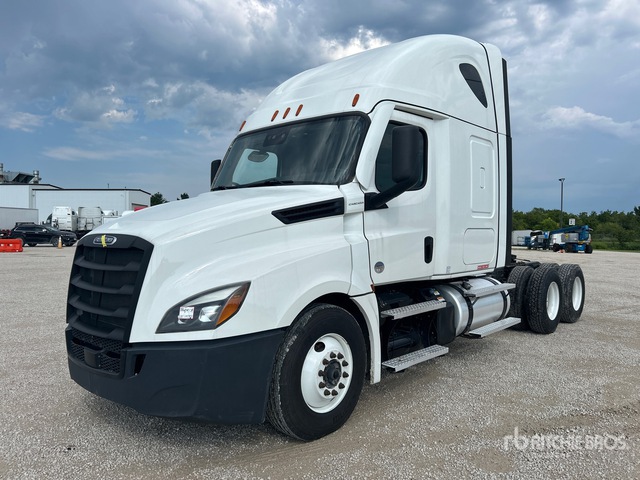 2023 Freightliner Cascadia 126 T/A Sleeper Truck Tractor
How much oil does a 6.0 PowerStroke take?
The 6.0 PowerStroke takes 15 quarts (approximately 14.2 litres) of oil, including the filter. This is a notably large sump compared to many diesel engines of similar displacement — which is actually a point in its favour for thermal stability and oil longevity when properly maintained.
What oil does a 6.0 PowerStroke require?
Ford specifies 15W-40 or 10W-30 motor oil meeting the API CI-4 or CI-4 Plus specification. Many experienced 6.0 owners and mechanics recommend a quality synthetic 15W-40 diesel oil — brands like Rotella T6 and Mobil Delvac are commonly used. Oil change intervals should be kept tight: no more than 5,000 miles (8,000 km) given the engine’s sensitivity to oil degradation. Fresh, clean oil is especially important for protecting the oil cooler from sludge buildup — the leading trigger for the failure chain described above.
How to bulletproof a 6.0 PowerStroke
What does bulletproofing a 6.0 PowerStroke involve?
“Bulletproofing” refers to a specific set of upgrades that address the 6.0’s known failure points — and the term is taken seriously enough that a company called Bulletproof Diesel trademarked it. At minimum, a properly bulletproofed 6.0 includes:
- Upgraded EGR cooler — Replacing the factory unit with a larger, more robust cooler (or deleting the EGR system entirely where legal)
- Upgraded oil cooler — The factory cooler is replaced with a high-flow unit to prevent the thermal cascade that destroys head gaskets
- ARP head studs — The stock head bolts are replaced with stronger aftermarket studs that can withstand the cylinder pressures without lifting the head gasket
- Updated coolant filter system — A coolant filtration kit removes the silicate gel that clogs the factory oil cooler over time
- FICM inspection or replacement — A healthy FICM voltage should be 48V; anything below 45V under load is a sign the module is failing
Some rebuilds also include an upgraded water pump and a thorough EGR valve service. A FASS fuel system (Fuel Air Separation System) is frequently added at the same time — it removes air, water, and contaminants from the fuel supply before they reach the injectors, improving combustion quality and extending injector life significantly. The FASS fuel system is a popular upgrade among diesel owners across platforms, not just the 6.0, but it’s particularly common in 6.0 builds given the engine’s sensitivity to injector wear.
How much does it cost to bulletproof a 6.0 PowerStroke?
Expect to spend $3,000–$8,000 for a full bulletproof build at a reputable diesel shop, depending on the scope of work and parts quality. A basic EGR cooler and oil cooler swap with ARP studs typically runs $3,000–$4,500. A comprehensive rebuild including FICM replacement, injector service, coolant flush, and a FASS fuel system installation can push toward $7,000–$8,000. If you’re evaluating a used truck at auction, factor this cost into your bid ceiling — a stock 6.0 at a low price isn’t necessarily a bargain if it needs the full treatment.
For comparison: the 6.4 PowerStroke (2008–2010) that replaced the 6.0 has its own set of issues, including aggressive diesel particulate filter regeneration cycles that dilute engine oil with fuel. The 6.4 is generally considered harder to fix reliably than a properly bulletproofed 6.0. Older OBS Ford trucks (1992–1997) with the 7.3 IDI or the original 7.3 PowerStroke don’t carry these concerns at all — they’re simpler engines with strong reliability records, though they trade modern performance for that simplicity. Even comparing against a LML Duramax (2011–2016 GM 6.6L diesel), which is widely regarded as one of the most reliable production diesels of its era, a bulletproofed 6.0 holds its own in practical fleet use — it just requires the upfront investment.
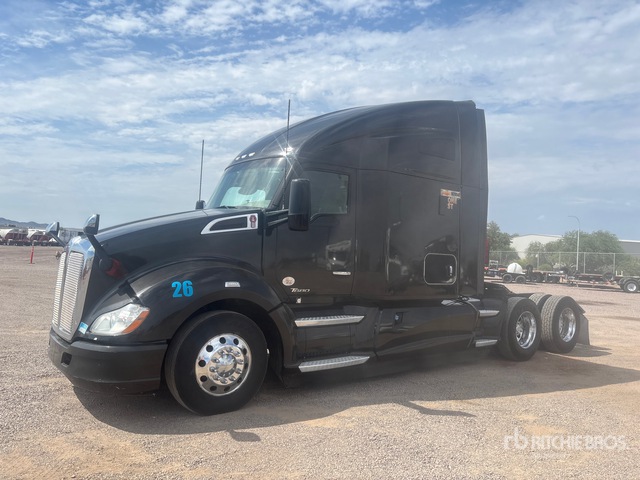 2018 Kenworth T680 T/A Sleeper Truck Tractor
If you’re in the market for a used diesel work truck, browse used winch trucks and utility trucks at RBA auctions — many are powered by the 6.0 PowerStroke and priced to reflect the engine’s reputation, which creates real opportunity for buyers who know how to evaluate them. Fleet-spec water trucks and vocational units with documented service histories also come through regularly and are worth watching if you need a diesel work truck at a realistic price.
Bottom line: A 6.0 PowerStroke truck is not a blind buy — but it’s not a truck to automatically walk away from either. Know the service history, check for documented upgrades, and price the remaining work realistically. A bulletproofed 6.0 in a well-maintained F-350 or F-450 can deliver years of reliable service. An unknown, unmodified unit with 200,000 miles and no records is a different story entirely.
 |
RB Purchase vs. RB Guarantee: Which Guaranteed Selling Option Is Right for You? |
 2023 Freightliner Cascadia 126 T/A Sleeper Truck Tractor2019 Freightliner Cascadia 125 T/A Sleeper Truck Tractor2018 Kenworth T680 T/A Sleeper Truck Tractor
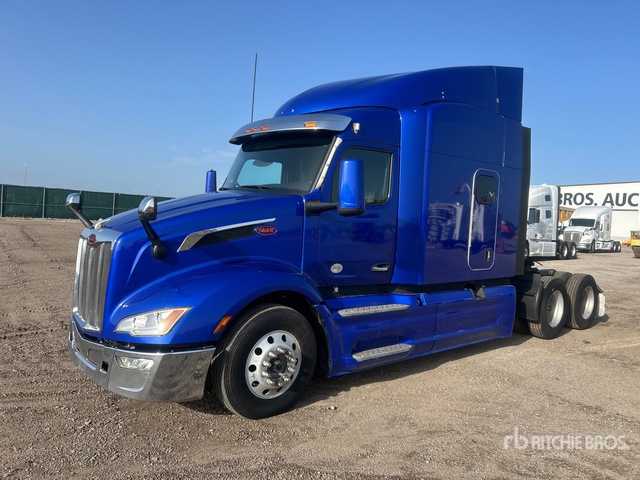 2022 Peterbilt 579 T/A Sleeper Truck Tractor
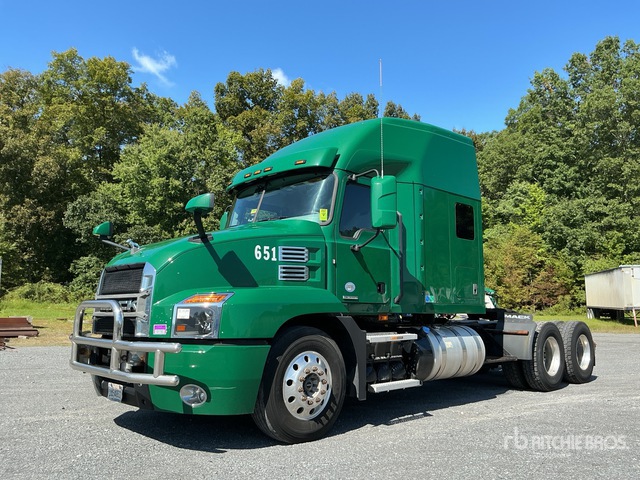 2020 Mack Anthem AN64T T/A Sleeper Truck Tractor
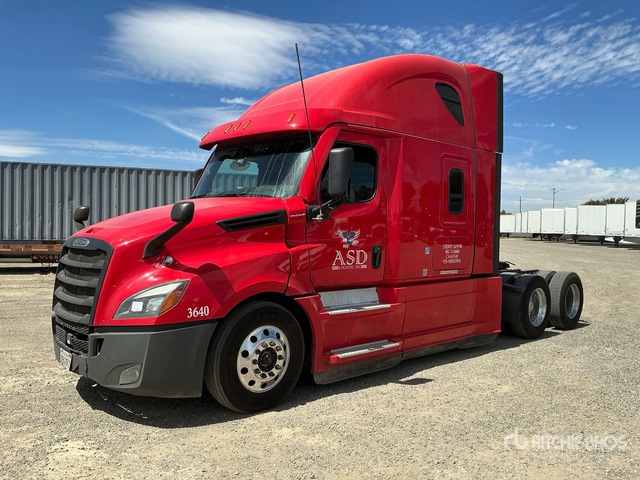 2022 Freightliner Cascadia 126 T/A Sleeper Truck Tractor
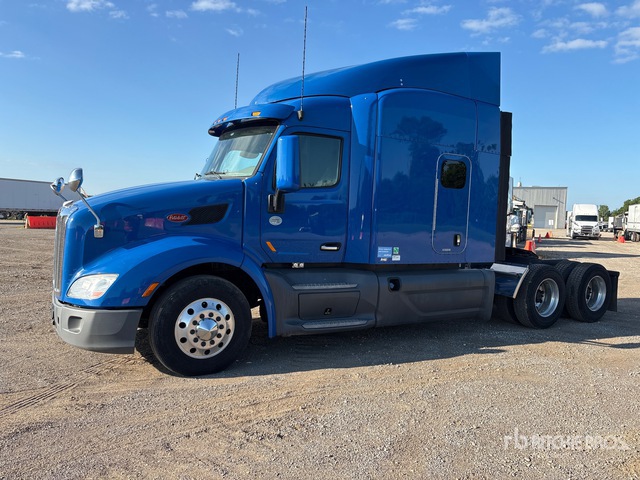 2019 Peterbilt 579 T/A Sleeper Truck Tractor
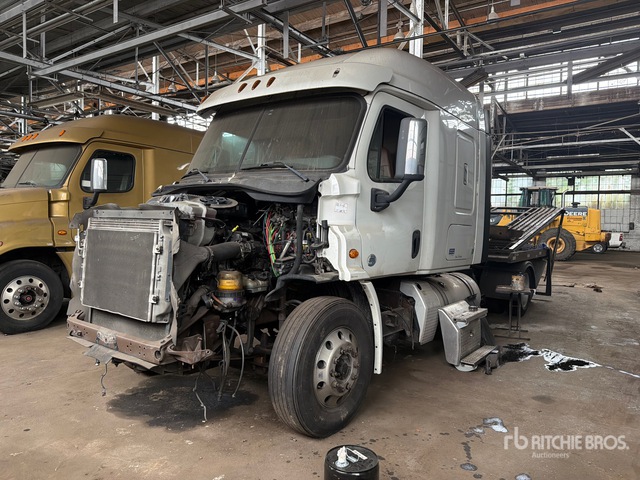 2015 Freightliner Cascadia 113 Car Carrier Truck
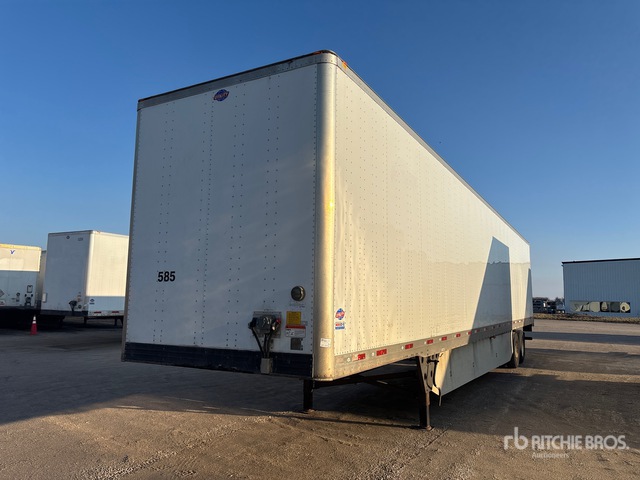 2016 Utility VS2DX Van Trailer
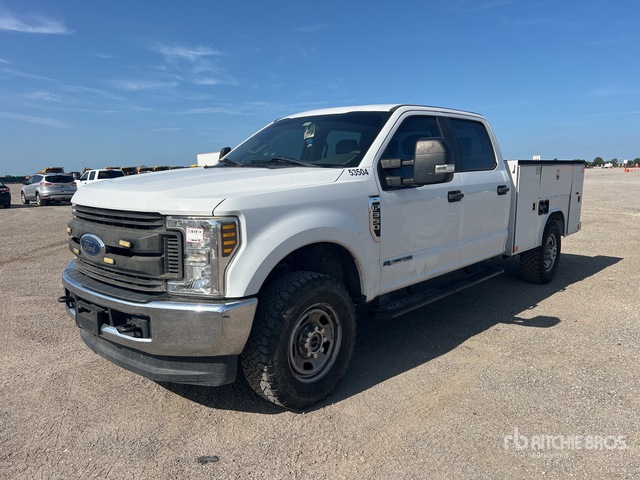 2019 Ford F-350 Utility Truck
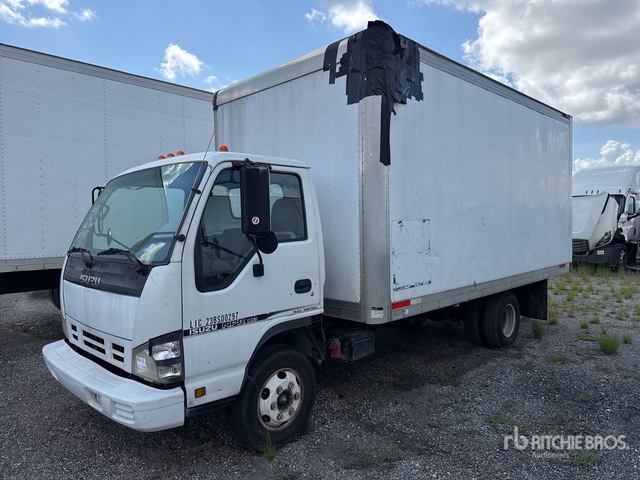 2007 Isuzu NPR Van Truck
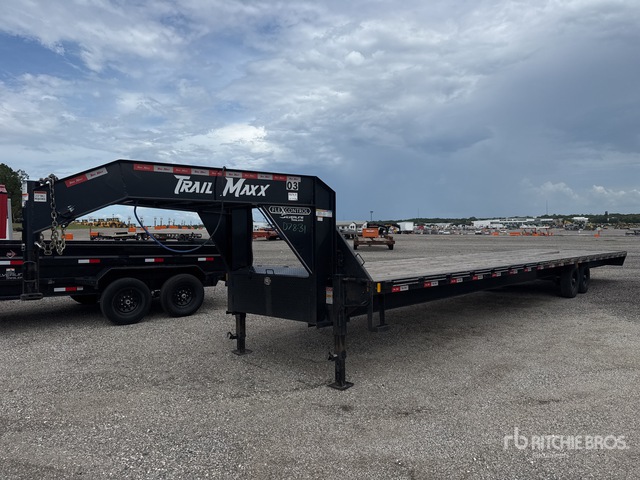 2025 Trailmaxx Equipment Trailer
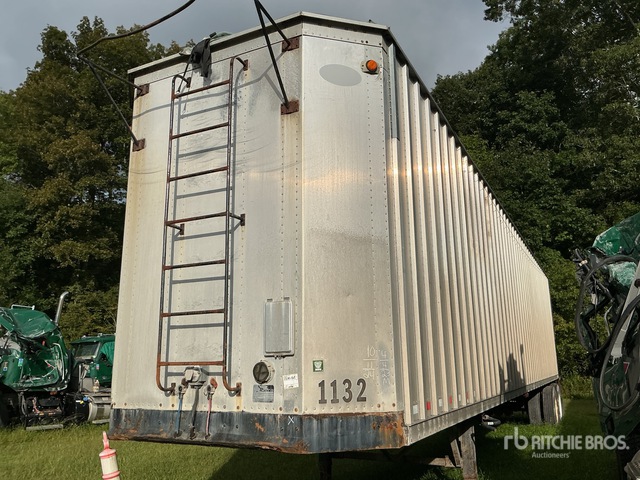 2013 Dorsey CV45 Chip Trailer
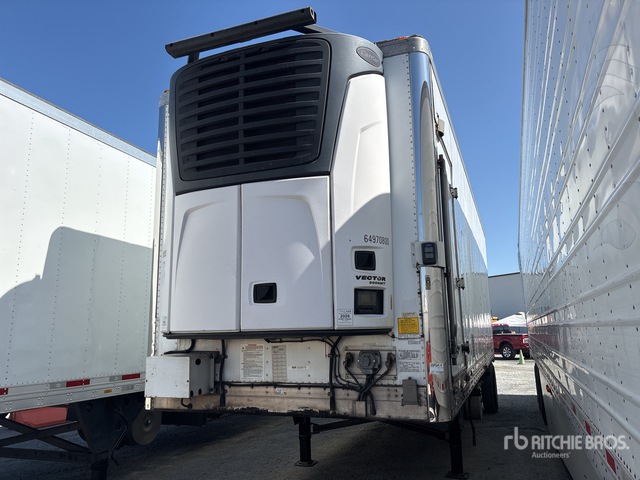 2016 Utility VS1RA Refrigerated Trailer
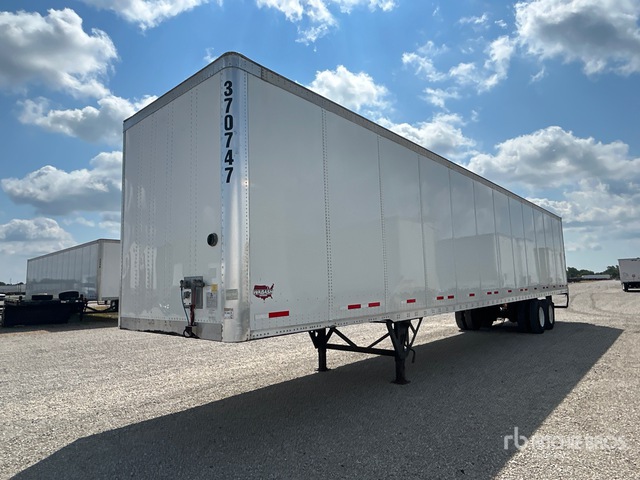 2023 Wabash DVLSHPC Van Trailer
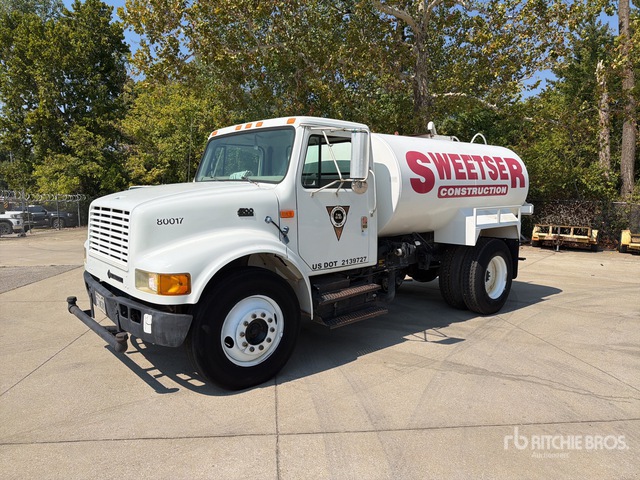 1999 International 4700 Water Truck
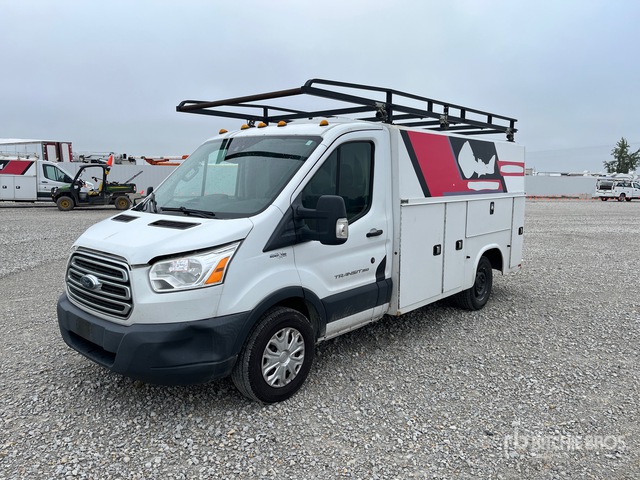 2018 Ford Transit 350 Cargo Van
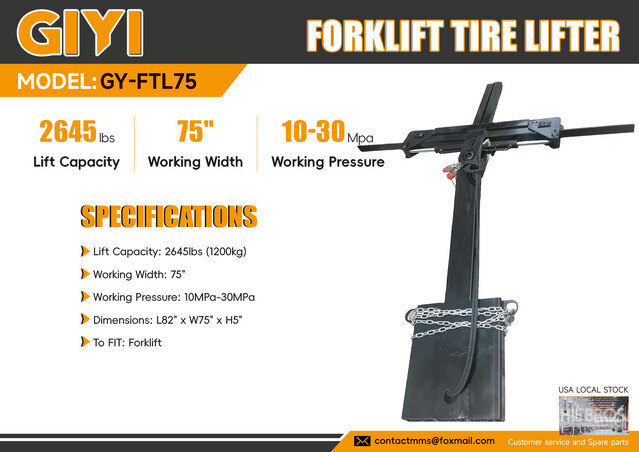 2026 GIYI GY-FTL75 Misc. Lift Truck Attachment
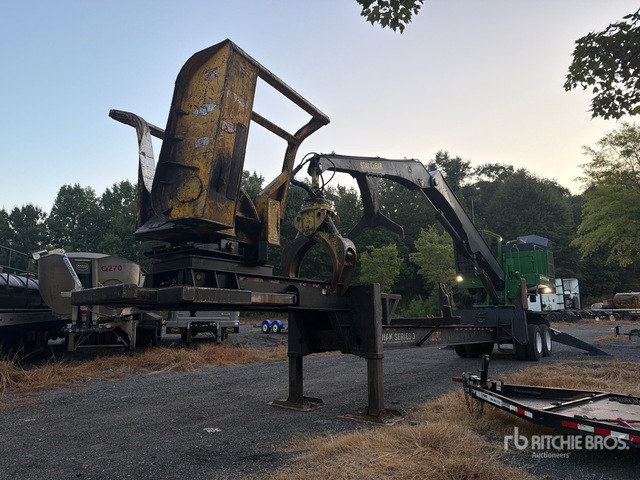 2021 John Deere 437E Trailer Mounted Log Loader
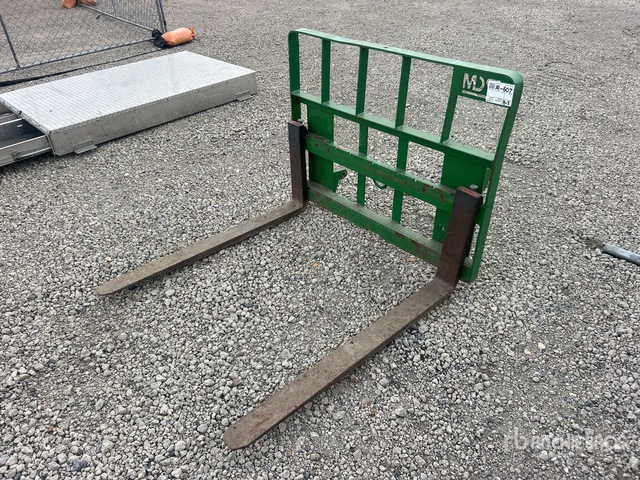 MDS Tractor Pallet Forks
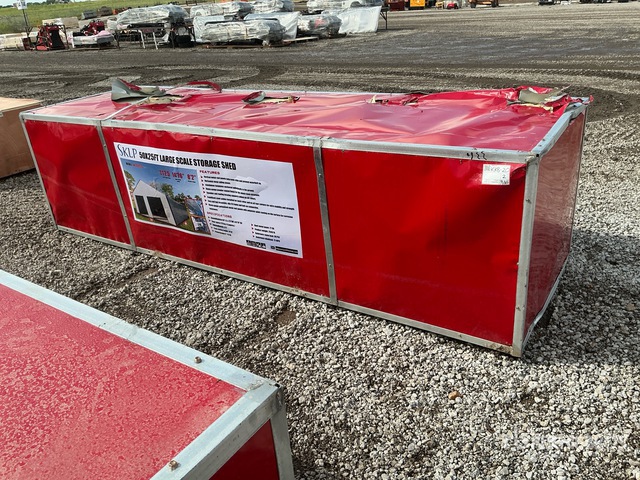 2026 SKLP SK-S5025 Storage Building
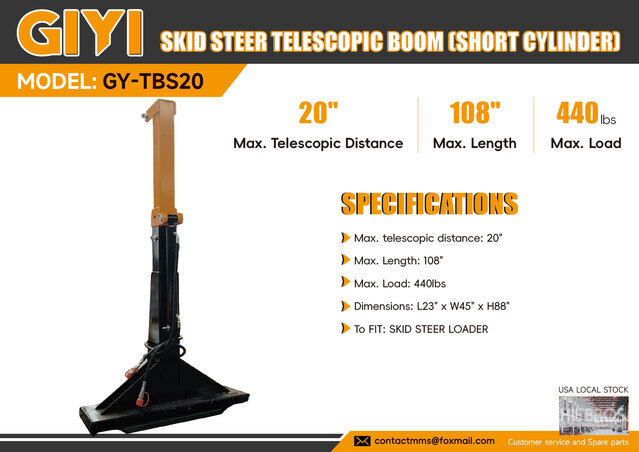 2026 GIYI GY-TBS20 Misc. Skid Steer Attachment
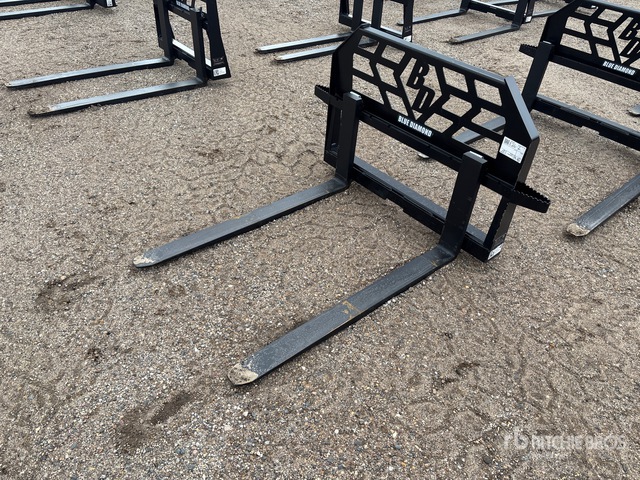 Blue Diamond Skid Steer Forks
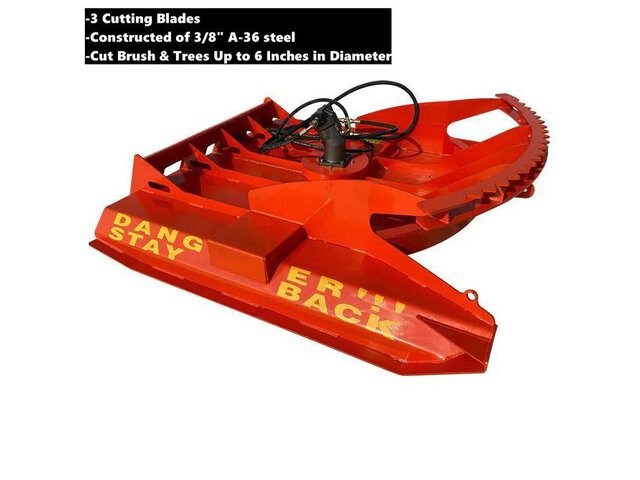 2026 Top Cat HDRC Skid Steer Brush Cutter
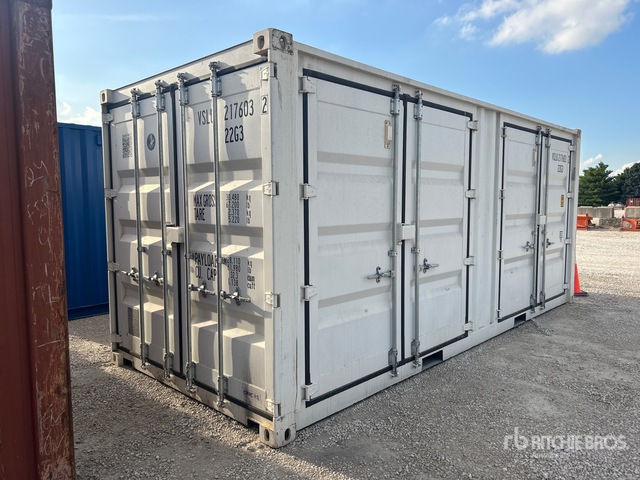 2025 Storage Container