 USA/CAN
 France
 Germany
 United Kingdom
 Netherlands
 Spain
 Italy
 Canada (FR)
 Mexico
 Australia
Gooseneck vs bumper pull trailers and which one to buy

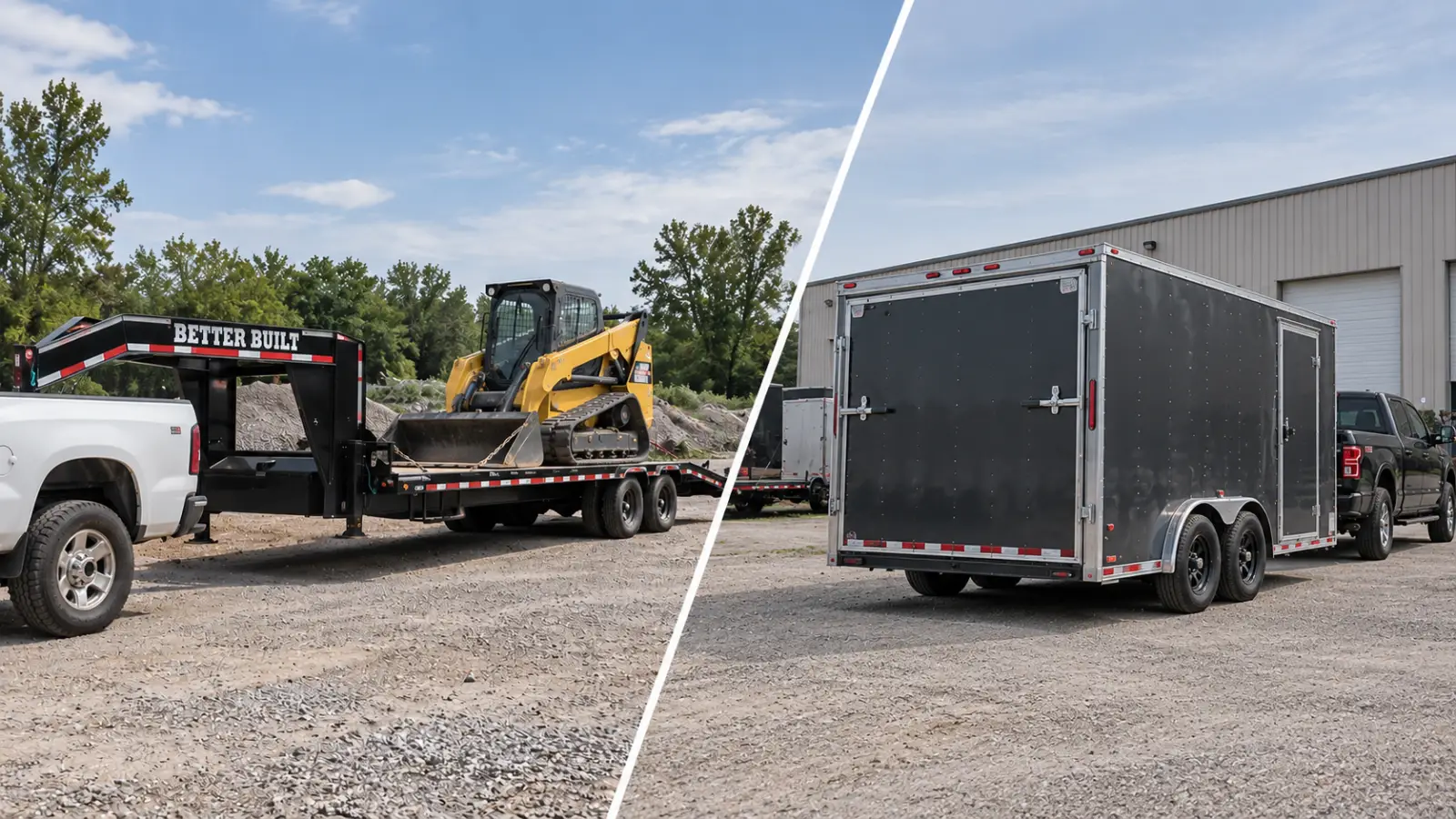
Whether you’re hauling a skid steer to a job site, moving horses to a show or pulling hay across the farm, the hitch on your trailer matters as much as the truck in front of it. The two most common choices are bumper pull and gooseneck, and they handle weight, turning and your truck bed very differently. Picking the wrong one can mean a trailer that sways, a truck that’s overloaded, or paying for capacity you’ll never use. This guide compares gooseneck vs bumper pull trailers side by side so you can choose the right one for your loads and your truck.
The short answer: choose a gooseneck if you regularly haul more than about 10,000 lbs, tow long distances, or want the most stable ride, and you have a 3/4-ton or 1-ton pickup you can fit with a bed hitch. Choose a bumper pull if your loads are lighter, you want a cheaper trailer, or you need to tow with different trucks or keep your truck bed free. Goosenecks carry more weight more smoothly; bumper pulls are cheaper and work with almost any truck.
Gooseneck vs bumper pull at a glance
| Bumper pull | Gooseneck | |
|---|---|---|
| Where it connects | Receiver hitch under the rear bumper | Ball hitch in the middle of the truck bed, over the rear axle |
| Typical trailer capacity (GVWR) | About 3,000 to 10,000 lbs; some heavy-duty units go higher | Commonly 14,000 to 30,000+ lbs |
| Weight on the hitch | 10 to 15% of the loaded trailer weight | 20 to 25% of the loaded trailer weight |
| Stability and sway | More prone to sway, especially when loaded light at the front | Very stable; weight sits over the truck’s rear axle |
| Turning | Wider turns, but easier for new drivers to back up | Tighter turns and more maneuverable in tight spaces |
| Tow vehicle | Half-ton pickups, SUVs and heavier trucks | Usually 3/4-ton or 1-ton pickups |
| Truck bed | Stays fully usable | Partly blocked while towing; most balls flip or remove |
| Upfront cost | Lower trailer and hitch cost | Higher trailer cost plus a bed hitch install |
| Best for | Utility, landscape, small equipment, car and lighter horse trailers | Heavy equipment, livestock, hay, hotshot and long-distance hauling |
Get free pricing for recently sold trailers
Create a free account to access real sold pricing information from recent auctions.
Reveal sold price- Real auction data
- Verified sales
- Updated daily
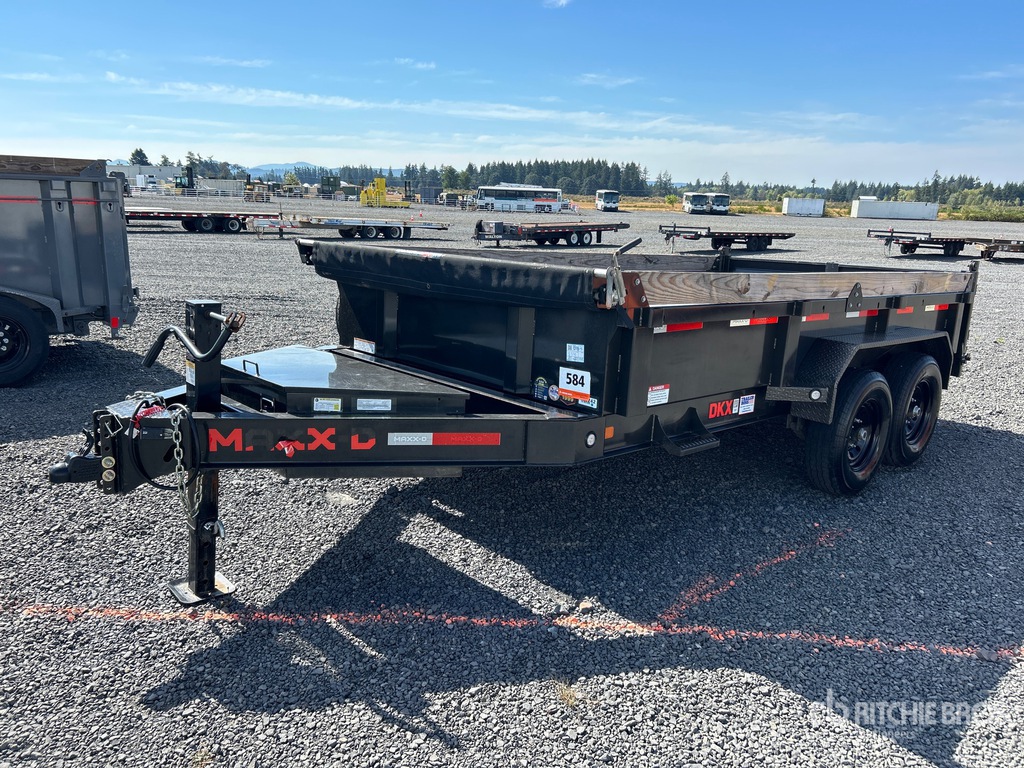
2024 Maxey 14 ft T/A Dump Utility Trailer
Medford, MN
Sold
🔒 $X,XXX USD Reveal sold price >
 2022 Peterbilt 579 T/A Sleeper Truck Tractor
Closed: Sep 2, 2026
What is a bumper pull trailer?
A bumper pull trailer connects to a receiver hitch mounted under the rear bumper of the tow vehicle.
It’s also called a tag-along or drag trailer. The trailer’s coupler drops onto a ball (or a pintle hook on heavier units) behind the truck, so the hitch weight hangs off the back of the frame. Most utility trailers, landscape trailers, smaller dump trailers and car haulers are bumper pulls, and so are many two- and three-horse trailers.
What is a gooseneck trailer?
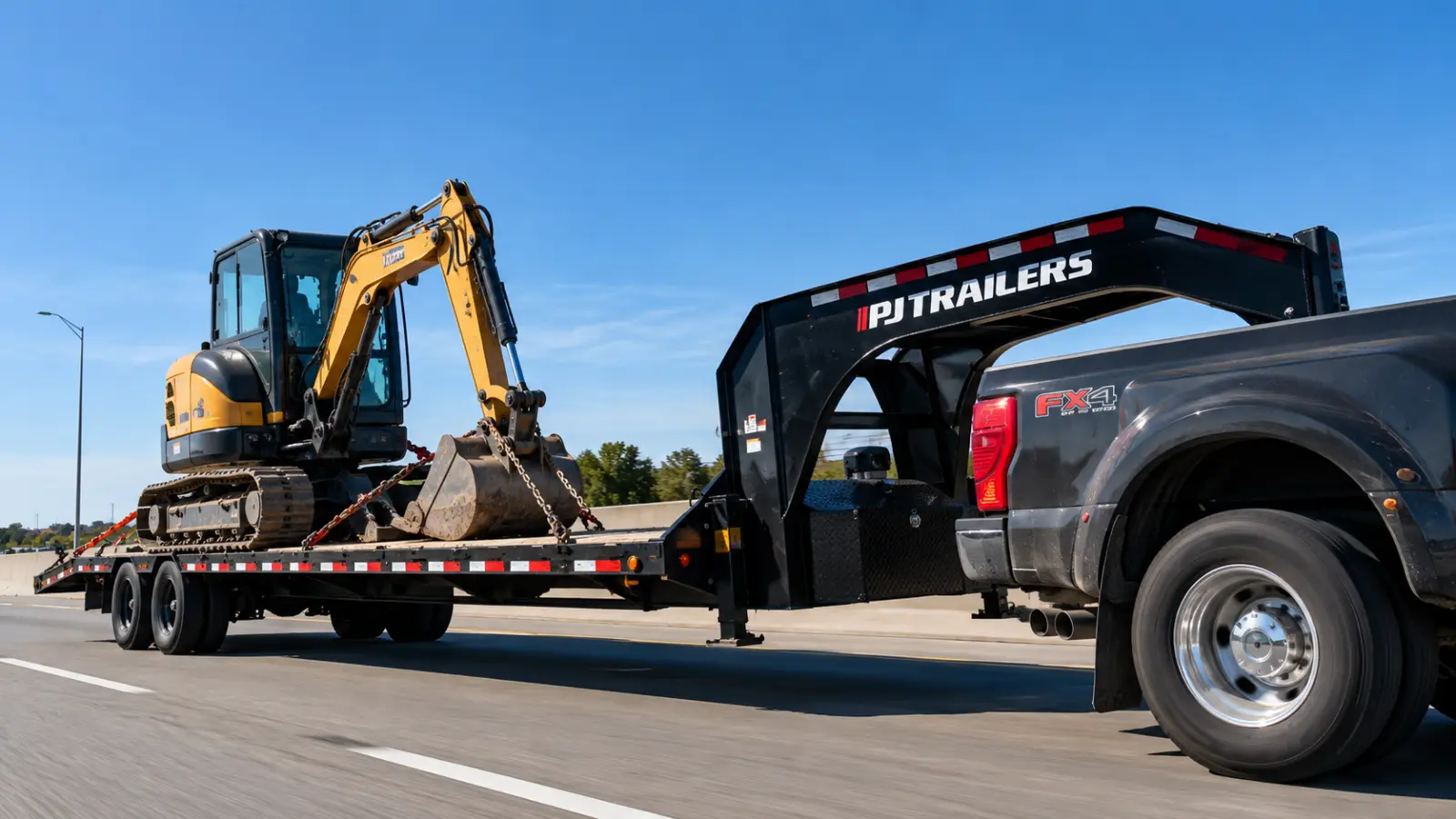
A gooseneck trailer has a long, curved neck that reaches over the tailgate and couples to a ball hitch mounted in the truck bed, directly over or just ahead of the rear axle.
Because the weight is carried over the axle instead of behind it, the truck and trailer move as one unit. That’s why most heavy flatbed trailers, equipment trailers, larger livestock trailers and hotshot rigs are goosenecks.
Which can haul more weight, a gooseneck or a bumper pull?
A gooseneck can haul more. Gooseneck trailers are commonly rated from about 14,000 to over 30,000 lbs GVWR, while most bumper pulls top out around 10,000 lbs.
 2019 Freightliner Cascadia 126 T/A Day Cab Truck Tractor
The difference comes from where the weight sits. A receiver hitch has to carry the trailer’s tongue weight behind the rear axle, which levers weight off the front wheels and limits how much the hitch can safely handle. A gooseneck puts that weight on the axle itself, which is how trucks are designed to carry heavy loads. Always check three ratings before you hitch up: the trailer’s GVWR, the hitch rating, and your truck’s towing and payload ratings. Our guide to GVWR and weight ratings explains how to find them.
How much tongue weight does each trailer need?
Plan for about 10 to 15% of the loaded trailer weight on a bumper pull hitch, and about 20 to 25% on a gooseneck ball.
| Loaded trailer weight | Bumper pull tongue weight (10 to 15%) | Gooseneck pin weight (20 to 25%) |
|---|---|---|
| 7,000 lbs | 700 to 1,050 lbs | 1,400 to 1,750 lbs |
| 10,000 lbs | 1,000 to 1,500 lbs | 2,000 to 2,500 lbs |
| 15,000 lbs | Too heavy for most bumper pulls | 3,000 to 3,750 lbs |
| 20,000 lbs | Too heavy for most bumper pulls | 4,000 to 5,000 lbs |
Too little weight on the hitch is what causes sway, so don’t load a trailer tail-heavy to take weight off your truck. Hitch weight counts against your truck’s payload, which is why the pin weight on a heavy gooseneck can overload a pickup that tows the trailer itself without trouble.
Is a gooseneck more stable than a bumper pull?
Yes. A gooseneck is more stable and much less likely to sway, because its weight sits over the truck’s rear axle instead of hanging behind the bumper.
With a bumper pull, crosswinds, passing semis and uneven loading can start the trailer swaying, and the long lever arm behind the axle makes it harder for the truck to correct. Weight-distribution hitches and sway control help on bumper pulls, but a gooseneck is the more stable setup for heavy loads and long highway runs.
Which is easier to turn and back up?
A gooseneck turns tighter and is more maneuverable, while many drivers find a bumper pull easier to learn to back up.
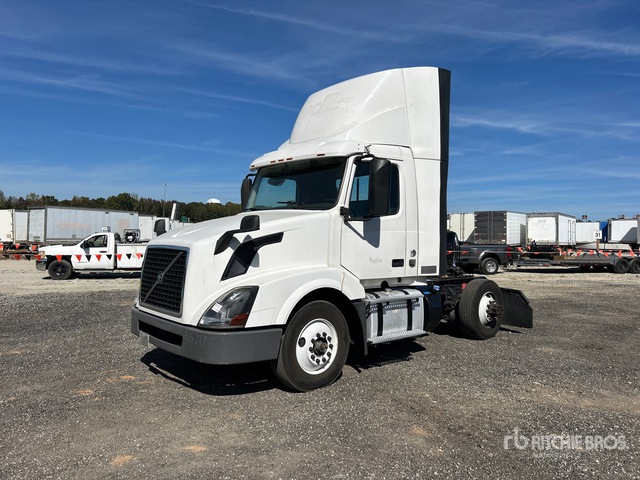 2017 Volvo VNL42T S/A Day Cab Truck Tractor
Because a gooseneck pivots over the axle, it can turn at a much sharper angle without the trailer hitting the truck, which helps in tight farm yards, job sites and auction lots. A bumper pull reacts more quickly to steering when you reverse, which some drivers find easier to control, but it needs more room to turn. On a gooseneck, watch the corner of the trailer neck against the cab on very sharp turns, especially with a short-bed truck.
What truck do you need to pull a gooseneck?
Most gooseneck trailers need a 3/4-ton or 1-ton pickup, such as a Ford F-250 or F-350, Ram 2500 or 3500, or Chevrolet Silverado or GMC Sierra 2500HD or 3500HD.
The limit is usually payload, not towing capacity. A 12,000-lb gooseneck puts roughly 2,400 to 3,000 lbs on the bed hitch, which is more than most half-ton pickups can carry once a driver and fuel are added. For the heaviest goosenecks, a dually truck adds rear stability and payload. See our picks for the best trucks for towing and our half-ton pickup comparison if you’re matching a truck to a trailer.
How much does it cost to install a gooseneck hitch?
Expect to pay several hundred to over $1,000 to have a gooseneck hitch installed, depending on the truck and the hitch.
Many newer heavy-duty pickups come from the factory with gooseneck or fifth wheel prep, which only needs a ball or a puck-mount hitch and costs much less to set up. Trucks without prep need an under-bed rail kit and a hole cut in the bed. A bumper pull only needs a receiver hitch, which most pickups already have, plus a ball mount rated for the trailer.
Do you need a CDL to pull a gooseneck trailer?
Sometimes. For commercial use in the U.S., you need a Class A CDL if your truck and trailer have a combined weight rating of 26,001 lbs or more and the trailer itself is rated over 10,000 lbs.
 2002 Elgin Pelican Sweeper Truck
Many goosenecks are rated over 10,000 lbs, so a 1-ton truck pulling a heavy gooseneck for work often crosses the Class A line, which is common in hotshot trucking. A bumper pull rated at 10,000 lbs or less stays under that threshold. Rules for farm and personal use vary by state, so check with your state DMV. Our guides on CDL classes and when a dump truck needs a CDL explain the weight thresholds in detail.
What’s the difference between a gooseneck and a fifth wheel?
A gooseneck couples to a ball in the truck bed, while a fifth wheel uses a kingpin that locks into a large jaw-style plate, like a semi-truck.
Fifth wheel hitches are common on RVs and give a smoother, quieter connection, but the plate takes up much of the bed. A gooseneck ball flips over or pops out when you’re not towing, leaving the bed almost flat, which is why goosenecks are favored for work trailers. Adapters let some trailers switch between the two, but check the manufacturer’s rating before using one.
Should you buy a gooseneck or a bumper pull?
Match the trailer to your heaviest regular load, your truck and how often you tow.
Choose a bumper pull if you:
- Haul loads under about 10,000 lbs, like a compact tractor, UTV, mower or small mini excavator
- Tow with a half-ton pickup or more than one vehicle
- Need your truck bed free for tools, materials or a camper
- Want the lowest upfront cost
Choose a gooseneck if you:
- Regularly haul more than 10,000 lbs, like a full-size skid steer, excavator or several round bales
- Tow long distances or at highway speed with heavy loads
- Haul livestock or horses and want a smoother, more stable ride
- Run a hotshot or equipment hauling business
- Have a 3/4-ton or 1-ton truck with gooseneck prep
If you’re hauling equipment for a business, it’s often cheaper to buy the trailer once than to upgrade later. Our guides to starting a land clearing business and matching haul capacity to excavator size show how quickly equipment weights add up.
What should you check on a used gooseneck or bumper pull trailer?
Used trailers are one of the easiest ways to save money, as long as you check the parts that wear out.
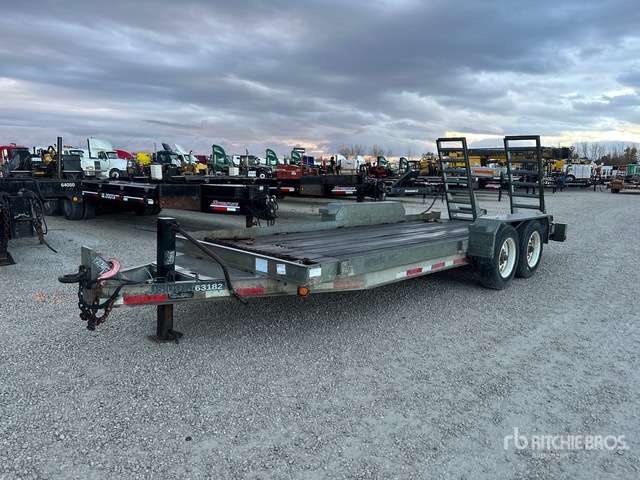 2016 Lucon 8T182BW Equipment Trailer
- Coupler and neck. Look for cracks, bent metal or fresh welds around the coupler, neck and frame.
- Axles and suspension. Check for bent axles, worn springs and uneven tire wear, which can point to alignment problems.
- Brakes and wiring. Electric brakes should engage evenly, and the lights and breakaway switch should work.
- Deck and ramps. Check wood or steel decking, ramp hinges and dovetails for rot, cracks or bending.
- Paperwork. Make sure the VIN plate matches the title and that the GVWR sticker is present and readable.
Ritchie Bros. has thousands of trailers listed, from utility trailers to heavy equipment trailers, and pickup trucks to pull them. You can see recent sold prices before you bid to know what a fair price looks like.
 |
What is hotshot trucking? Requirements, trucks and costs |
 2022 Peterbilt 579 T/A Sleeper Truck Tractor2019 Freightliner Cascadia 126 T/A Day Cab Truck Tractor2017 Volvo VNL42T S/A Day Cab Truck Tractor2002 Elgin Pelican Sweeper Truck2016 Lucon 8T182BW Equipment Trailer
 2022 Smithco CPL30-30-21 Off-Road Side Dump Trailer
 2018 Toyota Tacoma Pickup
 2026 CFG NT20R Mini Excavator: <6.6t
 2026 Warrior WBMCS5-1320 Excavator Bucket
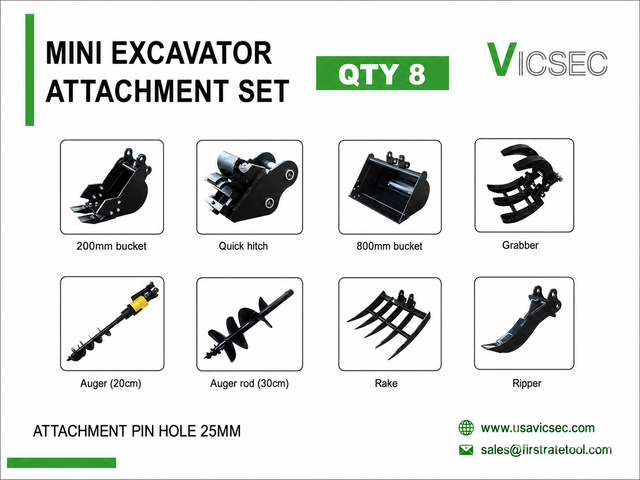 2027 VICSEC VCA-8 Misc. Excavator Attachment
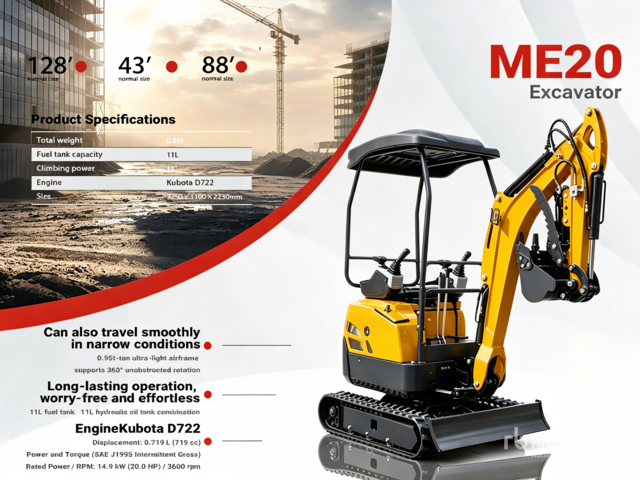 2026 ME20-YELLOW Mini Excavator: <6.6t
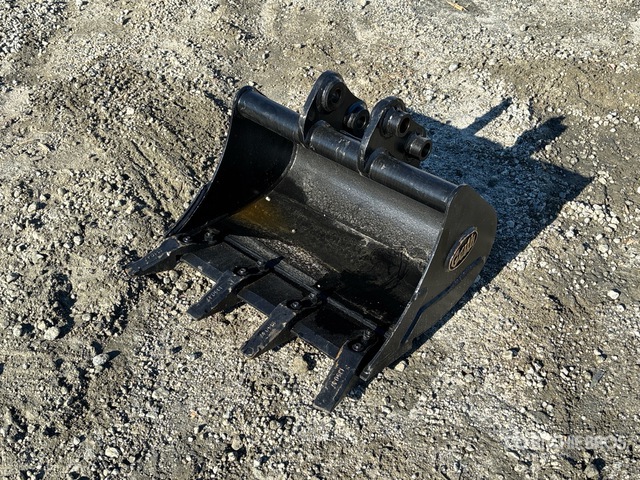 Geith Excavator Bucket
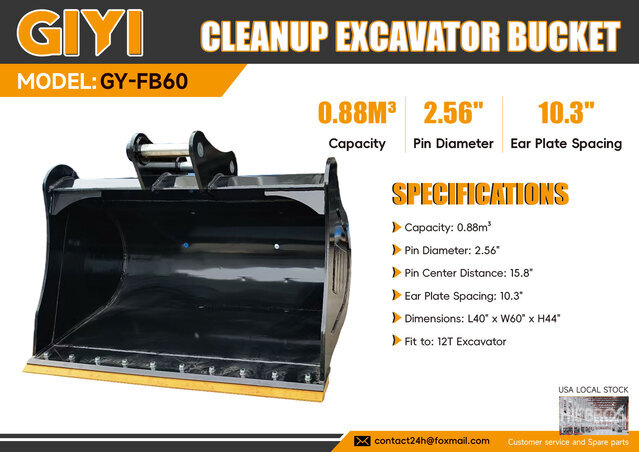 2027 GIYI GY-FB60 Excavator Bucket
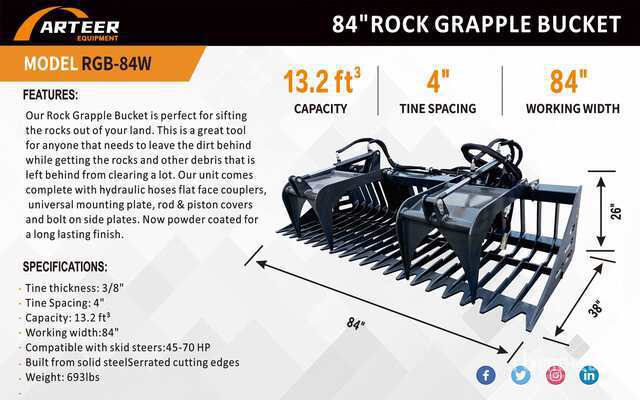 2026 ARTEER RGB-84W Skid Steer Grapple Bucket
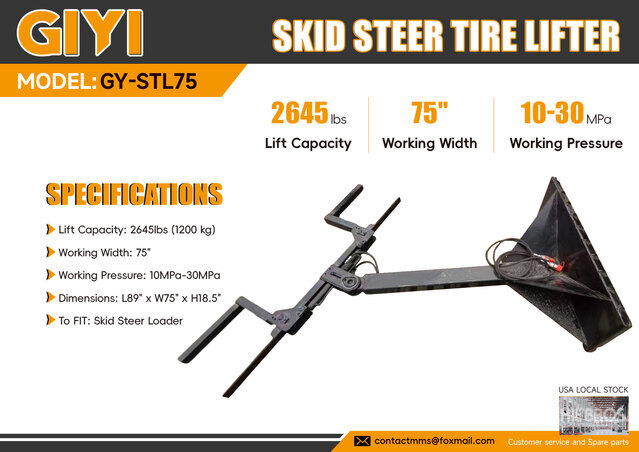 2026 GIYI GY-STL75 Misc. Skid Steer Attachment
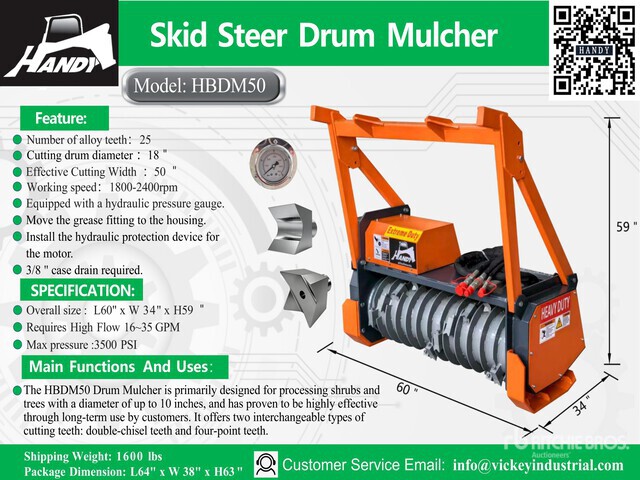 2026 Handy HBDM50 Skid Steer Mulcher
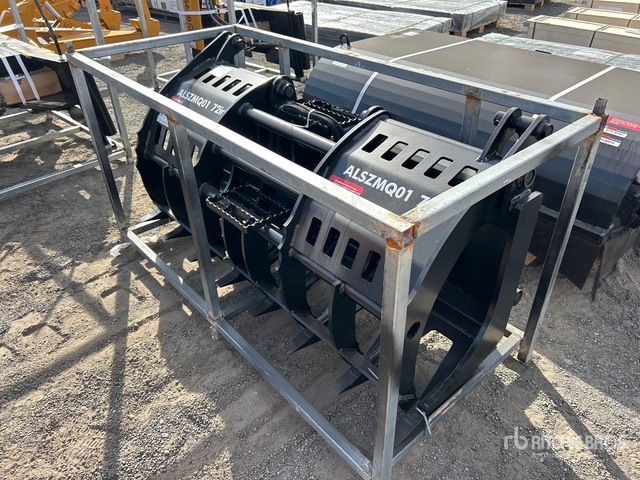 2026 LYALS ZMQ01 Skid Steer Grapple
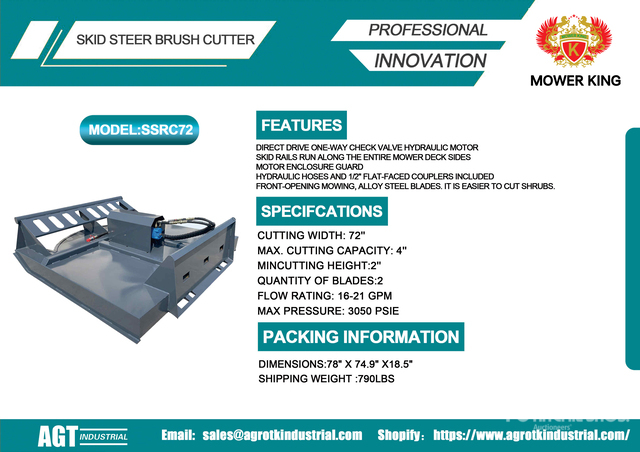 2026 Mower King SSRC Skid Steer Brush Cutter
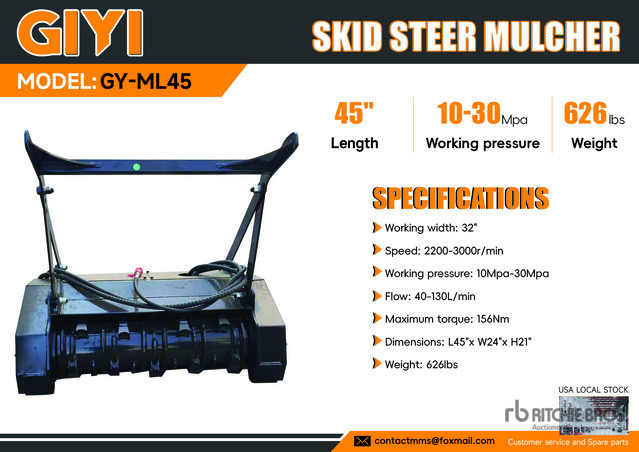 2026 GIYI GY-ML45 Skid Steer Mulcher
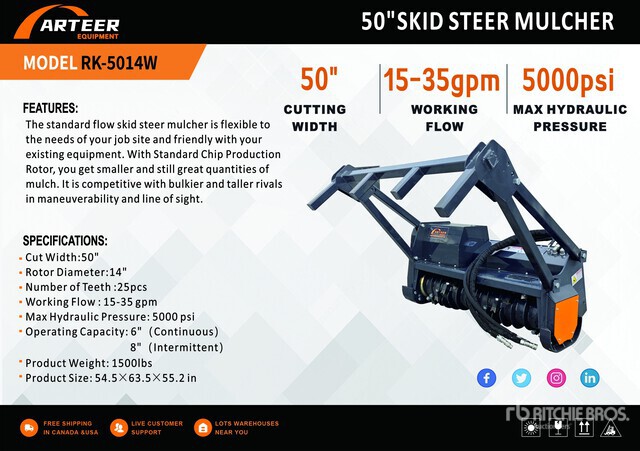 2026 ARTEER RK-5014W Skid Steer Mulcher
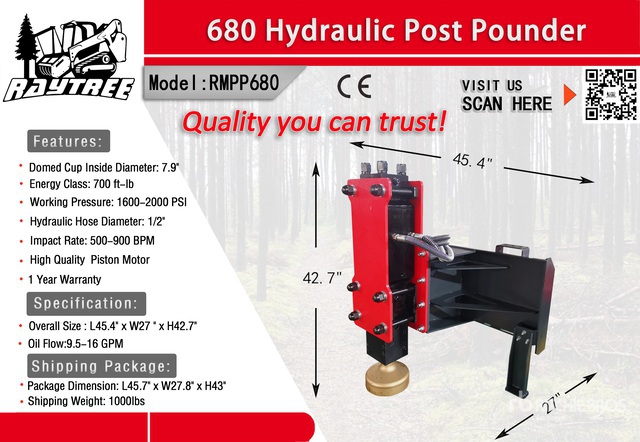 2026 Raytree RMPP680 Skid Steer Post Driver
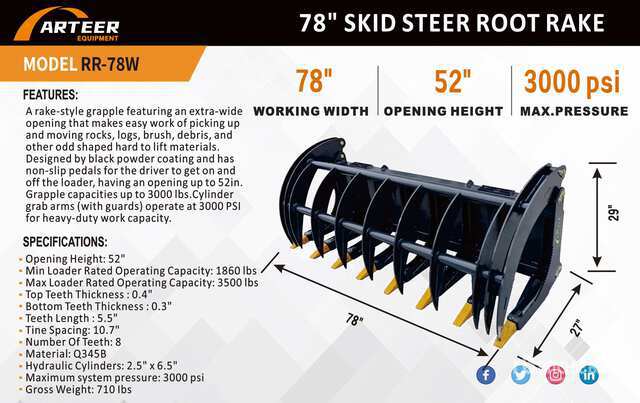 2026 ARTEER RR-78W Skid Steer Root Rake
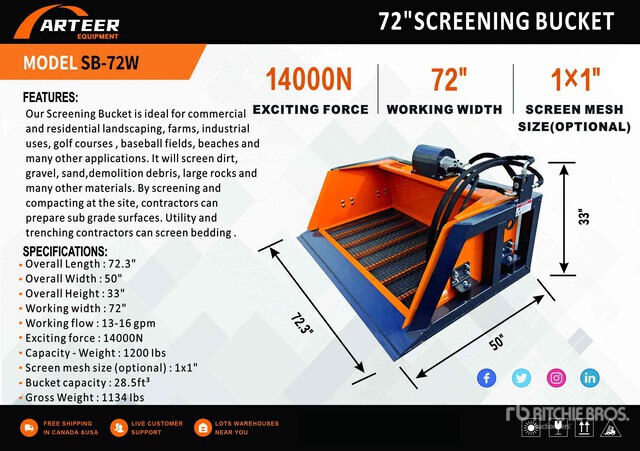 2026 ARTEER SB-72W Skid Steer Screening Bucket
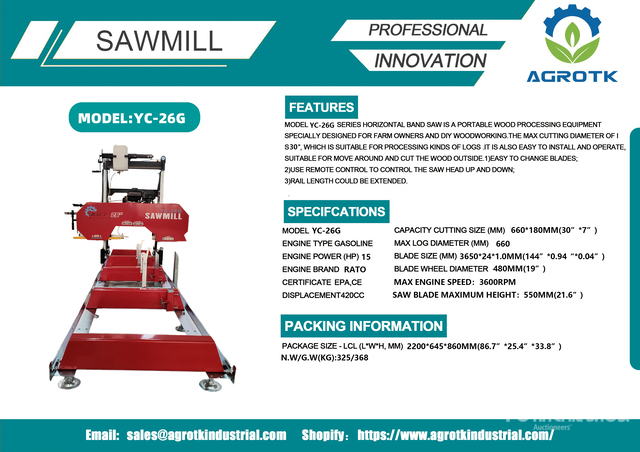 2026 AGT YC-26G Portable Sawmill
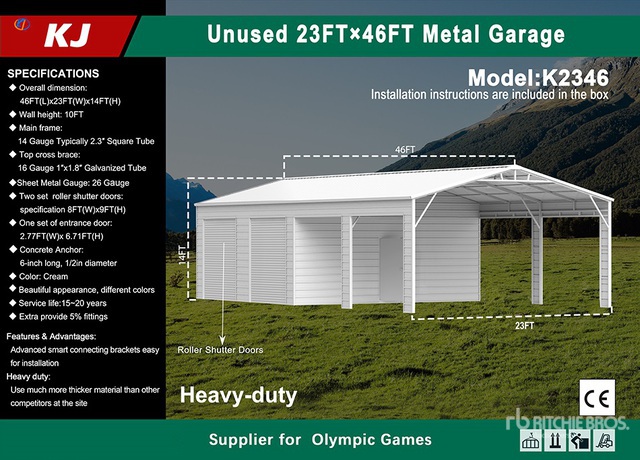 2026 KJ K2346 Shed