 USA/CAN
 France
 Germany
 United Kingdom
 Netherlands
 Spain
 Italy
 Canada (FR)
 Mexico
 Australia
What is a buyer’s premium and how do auction fees work?

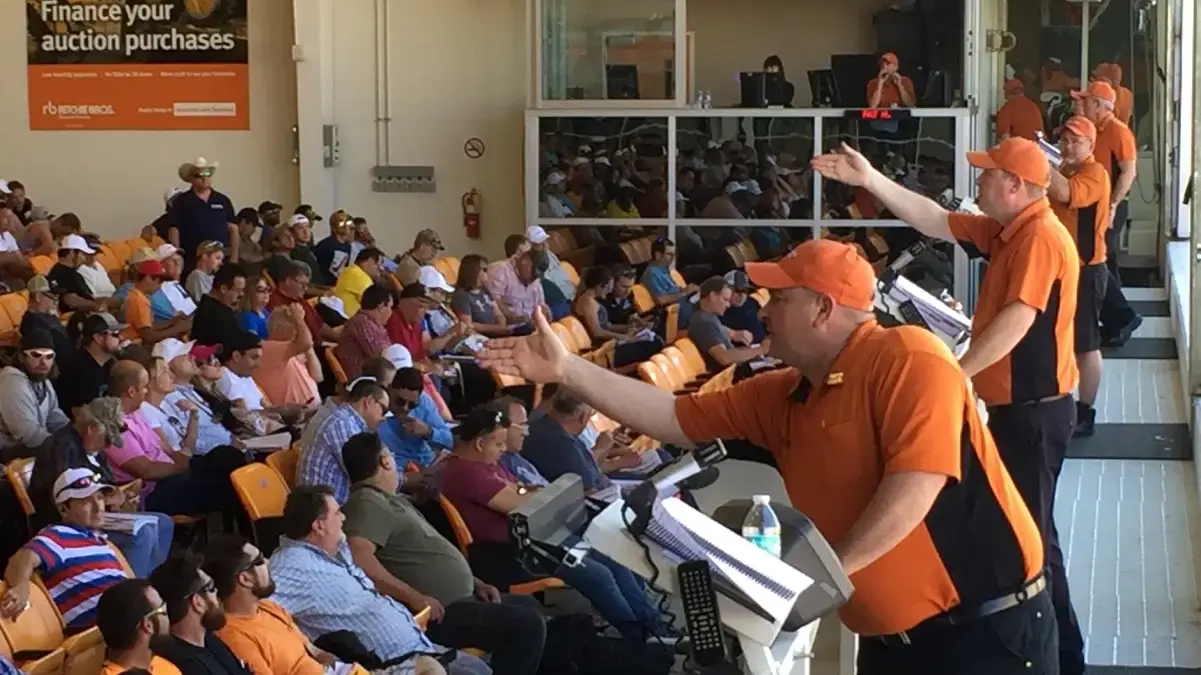
If you’re used to buying from a dealer, an auction invoice can look different from what you expect. The price you see when the hammer drops is your winning bid, and the auction company then adds its own fee on top before taxes and any title paperwork. Knowing how that fee works before you bid is the easiest way to avoid paying more than you planned. This guide explains what a buyer’s premium is, how Ritchie Bros. calculates it, and how to factor it into your maximum bid.
The short answer: a buyer’s premium is a fee the auction company adds to your winning bid, usually as a percentage of the hammer price. At Ritchie Bros. it’s called a transaction fee. In the U.S. it’s 10% on lots up to $30,000 (minimum $100), 5.5% on lots from $30,000 to $75,000 (minimum $3,000), and a flat $4,125 on anything over $75,000. So a $20,000 winning bid costs $22,000 before taxes, and a $150,000 winning bid costs $154,125.
Ritchie Bros. transaction fees at a glance
| Winning bid (USD or CAD) | Transaction fee | Minimum per lot |
|---|---|---|
| Up to $30,000 | 10% of the winning bid | $100 |
| $30,000 to $75,000 | 5.5% of the winning bid | $3,000 |
| Over $75,000 | Flat $4,125 | n/a |
Rates apply to U.S., Mexico and Canada events that open for bidding on or after August 1, 2026, excluding Canadian on-the-farm sales, which use a lower scale. Fees exclude taxes and can vary by region and event. Always check the current buyer fees page and the auction page before you bid.
Buyer’s premium examples by winning bid
| Item | Winning bid | Transaction fee | Total before taxes |
|---|---|---|---|
| Pallet of tools | $500 | $100 (minimum) | $600 |
| Compact tractor | $8,000 | $800 (10%) | $8,800 |
| Pickup truck | $25,000 | $2,500 (10%) | $27,500 + $125 documentation fee |
| Skid steer | $45,000 | $3,000 (minimum) | $48,000 |
| Mini excavator | $60,000 | $3,300 (5.5%) | $63,300 |
| Wheel loader | $150,000 | $4,125 (flat) | $154,125 |
Notice how the fee shrinks as a share of the price. On a $150,000 machine, the flat $4,125 works out to under 3% of the winning bid.
Get free pricing for recently sold heavy equipment
Create a free account to access real sold pricing information from recent auctions.
Reveal sold price- Real auction data
- Verified sales
- Updated daily

2023 John Deere 332G Two-Speed High Flow Skid Steer Loader
Medford, MN · 987 hrs
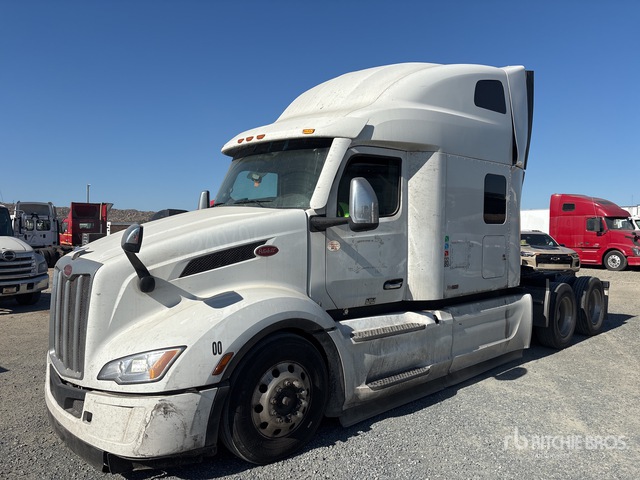 2024 Peterbilt 579 T/A Sleeper Truck Tractor
Sold
🔒 $X,XXX CAD Reveal sold price >
Closed: Jun 30, 2026
What is a buyer’s premium?
A buyer’s premium is an extra charge, paid by the winning bidder, that the auction company adds on top of the hammer price.
It’s standard practice at most auction houses, from art and antiques to cars and heavy equipment, although the name and the rate vary. Some call it a buyer’s fee, a transaction fee or an internet fee. The premium is separate from the sale price, so the seller receives the winning bid (minus their own commission), and the auction company keeps the premium.
Why do auctions charge a buyer’s premium?
Auctions charge a buyer’s premium to share the cost of running the sale between the buyer and the seller.
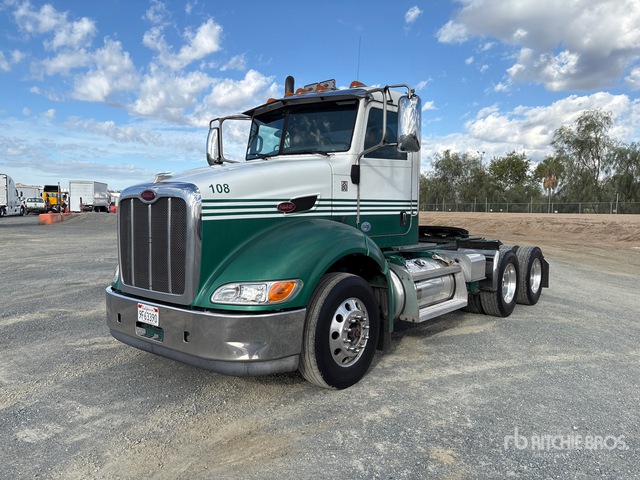 2013 Peterbilt 384 T/A Day Cab Truck Tractor
That cost includes the yard, marketing the equipment to buyers around the world, the online bidding platform and app, payment processing, and title and paperwork handling. Sellers pay a separate commission or fee on their side. Because Ritchie Bros. auctions are unreserved, with no minimum bids or reserve prices, the market sets the hammer price and the fee is applied the same way to every winning bidder, whether you bid online, in the app or on site.
Is the buyer’s premium included in the winning bid?
No, the buyer’s premium is added on top of your winning bid, not taken out of it.
If you win a skid steer at $20,000, your invoice shows $20,000 plus a $2,000 transaction fee, plus any documentation fee and applicable taxes. This is the most common surprise for first-time auction buyers, so build the fee into your budget before the bidding starts.
How do you set your maximum bid with a buyer’s premium?
Work backward from your all-in budget, so that the winning bid plus the fee lands at or under the amount you want to spend.
| Your all-in budget (before tax) | How to find your max bid | Example |
|---|---|---|
| Up to $33,000 | Divide your budget by 1.10 | $22,000 budget = $20,000 max bid |
| About $33,000 to $57,500 | Subtract $3,000 (the minimum fee) | $48,000 budget = $45,000 max bid |
| About $57,500 to $79,125 | Divide your budget by 1.055 | $63,300 budget = $60,000 max bid |
| Over $79,125 | Subtract $4,125 (the flat fee) | $104,125 budget = $100,000 max bid |
Then subtract anything else you’ll pay to get the machine home and working, such as transport, a documentation fee on titled items, and taxes. Our guide to transporting large equipment covers shipping costs, and our equipment valuation guide shows how to use recent sold prices to decide what a machine is worth.
What other fees do auction buyers pay?
Besides the buyer’s premium, you may pay a documentation fee on titled items, taxes, and storage if you don’t pick up your purchase on time.
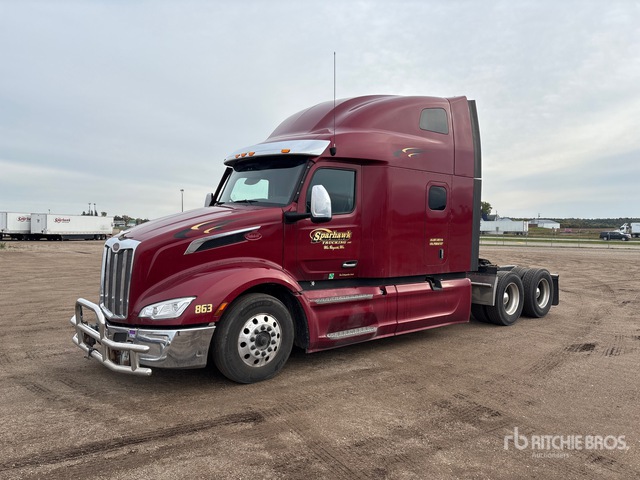 2023 Peterbilt 579 T/A Sleeper Truck Tractor
- Documentation fee. At Ritchie Bros., titled or registered items such as trucks and trailers carry a documentation fee, generally $125 per titled item in the U.S. and Canada ($70 in California and $140 in Orlando).
- Taxes. Sales tax, GST or VAT is charged on top where it applies. Exemptions for resale, farm or export purchases depend on your location and paperwork.
- Storage. Items left past the removal deadline are charged storage, $25 per day in the U.S. and Canada.
- Late payment. Overdue invoices accrue interest, and unpaid lots can be resold, with a resale commission charged to the buyer who didn’t pay.
- Transport. Shipping is arranged and paid separately. You can get estimates on item pages before you bid.
Buyer’s premium vs dealer markup
A buyer’s premium is a visible, fixed fee, while a dealer’s margin is built into the asking price where you can’t see it.
Neither one makes a purchase automatically cheaper or more expensive. What matters is the total cost of ownership. For a fair comparison, add the winning bid, the transaction fee, the documentation fee, taxes and transport, and compare that to a dealer’s out-the-door price, which usually includes their own documentation and prep charges. On higher-value machines, the flat fee cap means the auction fee is a small share of the price. Our guide to paying cash or financing at auction explains how to fund the purchase once you know your total.
Can you negotiate or avoid the buyer’s premium?
No, the buyer’s premium is set by the auction’s published fee schedule and applies to every winning bidder in the event.
What you can control is your bid. Know the fee tiers, set your maximum before the item opens, and stick to it. The Ritchie Bros. app sends outbid alerts so you can follow an item without getting carried away.
Who pays the buyer’s premium, the buyer or the seller?
The buyer pays the buyer’s premium; sellers pay their own separate fees or commission.
The bottom line
A buyer’s premium is the auction company’s fee on top of your winning bid. At Ritchie Bros., that’s 10% up to $30,000, 5.5% from $30,000 to $75,000, and a flat $4,125 above that in the U.S. and Canada. Build it into your maximum bid, add documentation fees, taxes and transport, and you’ll know your true cost before you place a bid. Use our equipment buying checklist to plan the rest of your purchase, then browse pickup trucks, skid steers and wheel loaders on RB Auction.
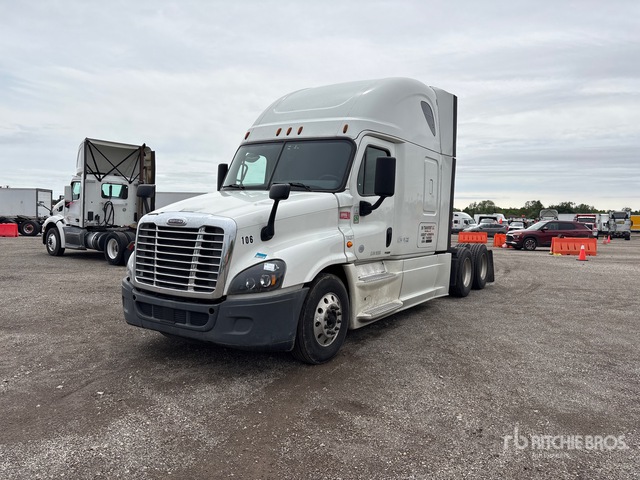 2018 Freightliner Cascadia 125 T/A Sleeper Truck Tractor
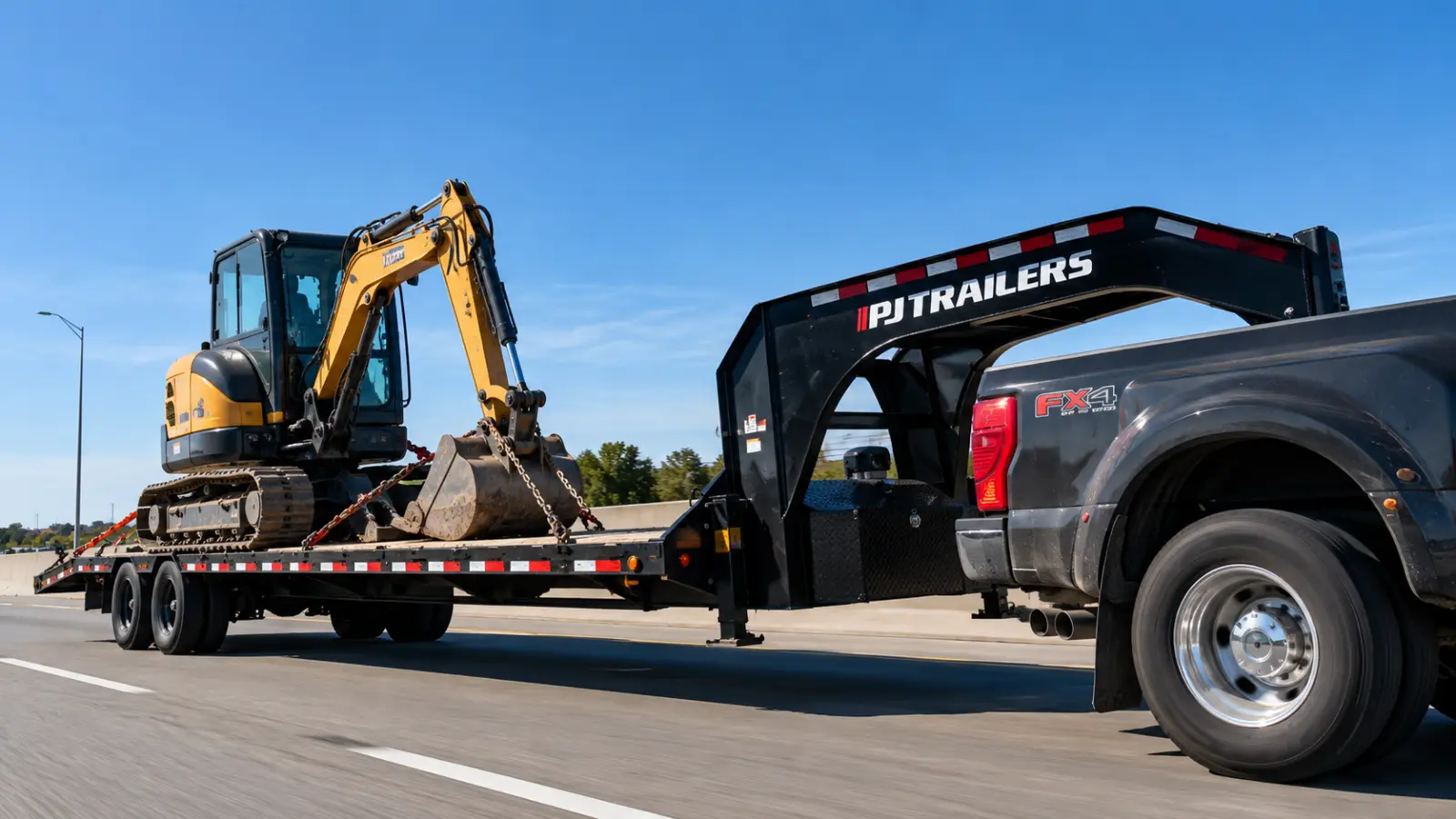 |
What is hotshot trucking? Requirements, trucks and costs |
 2013 Peterbilt 384 T/A Day Cab Truck Tractor2024 Peterbilt 579 T/A Sleeper Truck Tractor2018 Freightliner Cascadia 125 T/A Sleeper Truck Tractor2023 Peterbilt 579 T/A Sleeper Truck Tractor
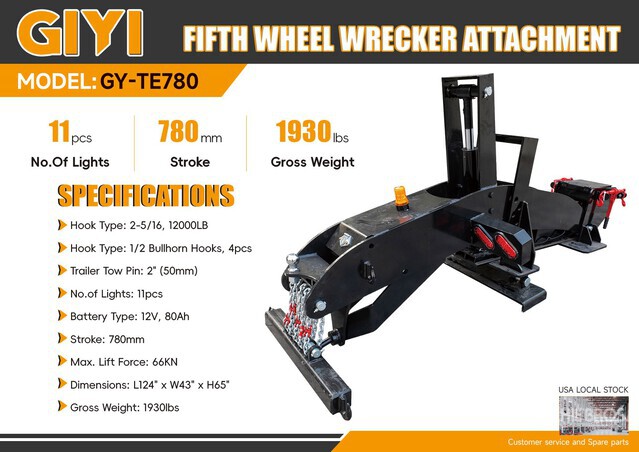 2026 GIYI GY-TE780 Fifth Wheel Wrecker Attachment
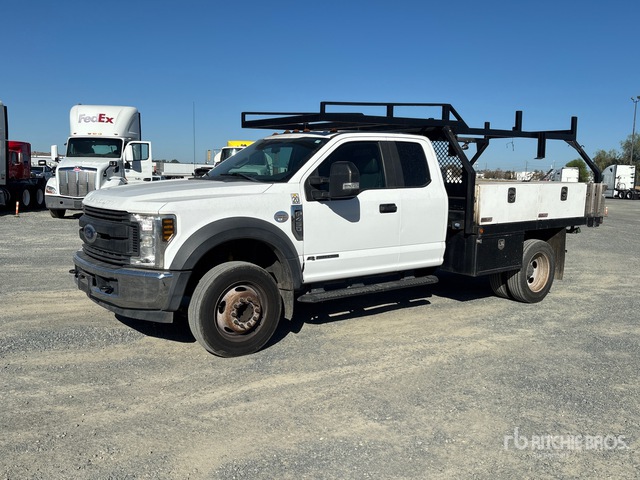 2019 Ford F-450 Flatbed Truck
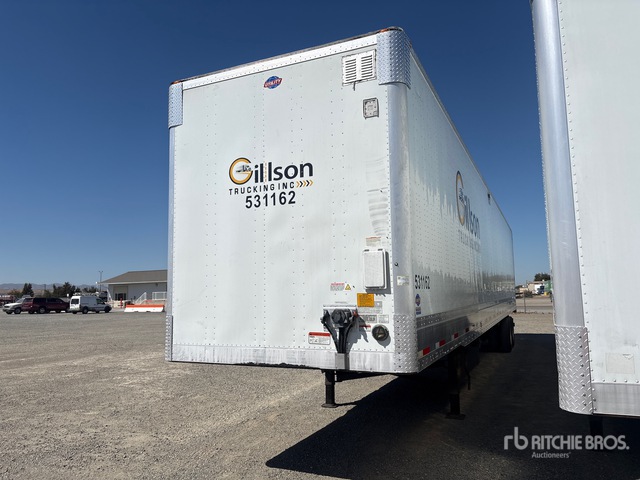 2022 Utility Van Trailer
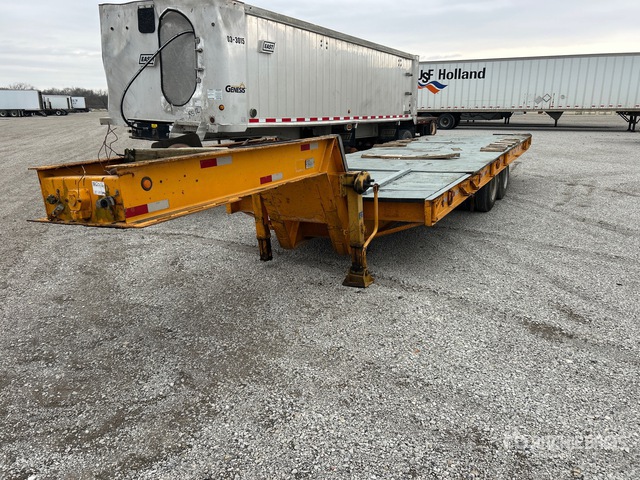 1981 Rogers Tilt Deck Trailer
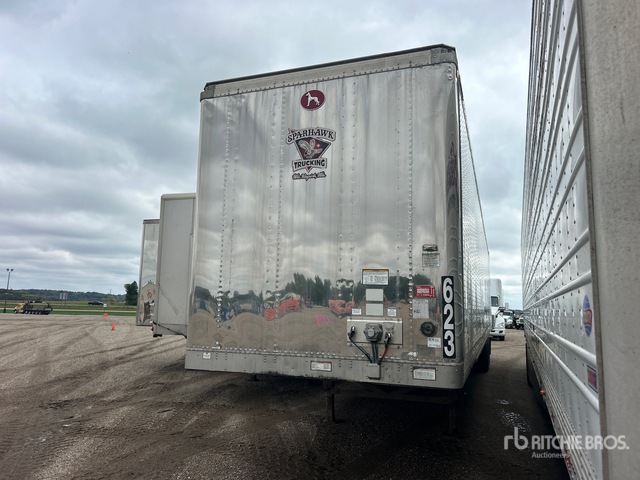 2016 Great Dane CS1-1314-01053 Van Trailer
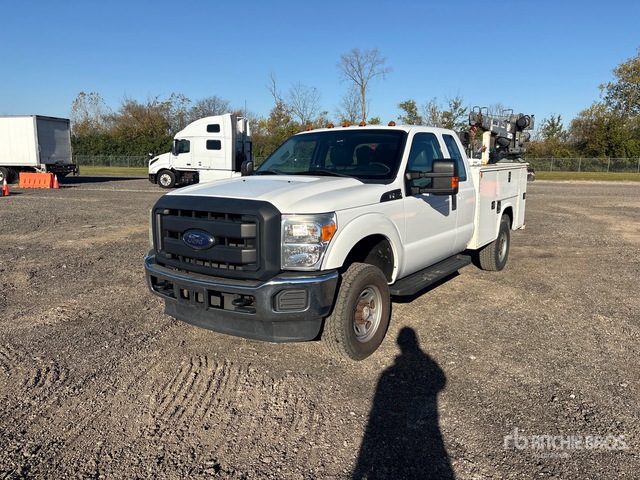 2015 Ford F-350 Service Truck
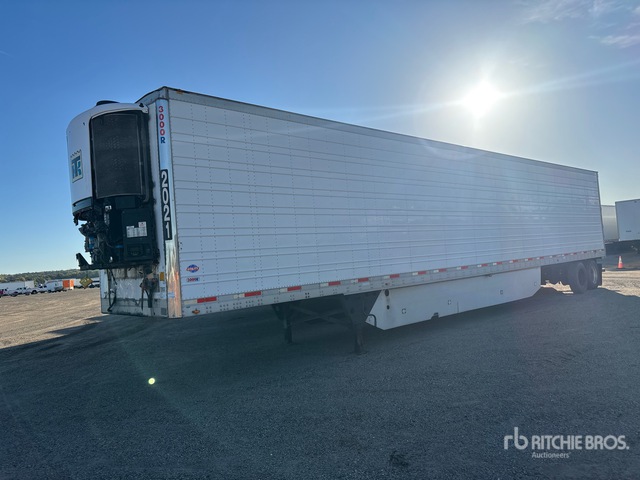 2017 Utility VS2RA Refrigerated Trailer
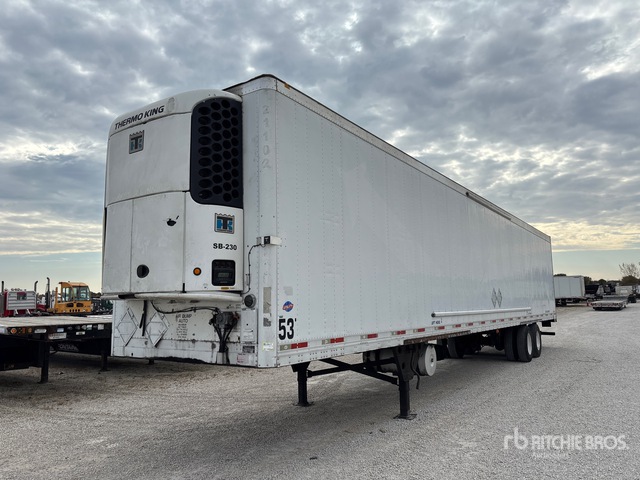 2012 Utility VS2RA Refrigerated Trailer
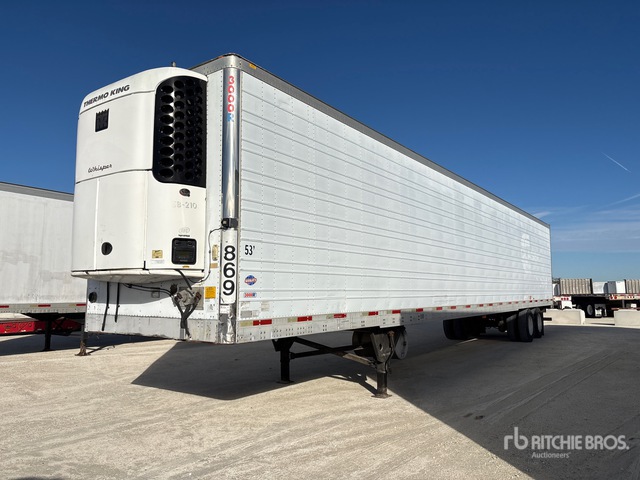 2005 Utility VS2RA Refrigerated Trailer
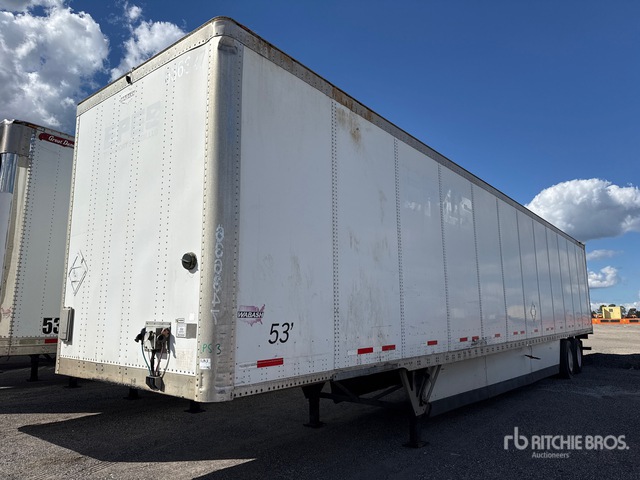 2016 Wabash DVCVHPC Van Trailer
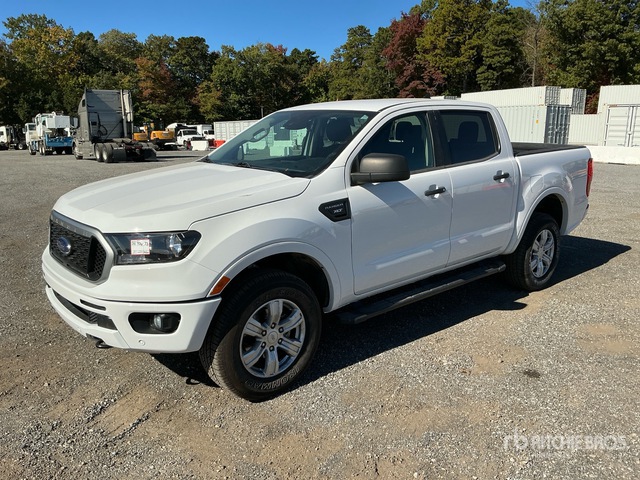 2019 Ford Ranger Pickup
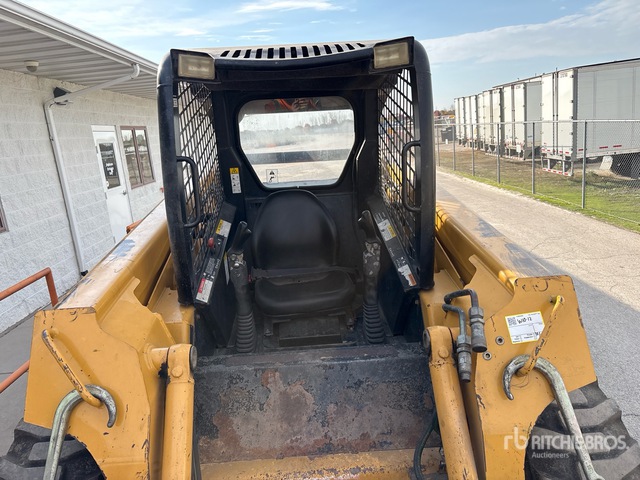 1999 John Deere 260 Skid Steer Loader
 2014 Massey Ferguson 5612 4WD Tractor
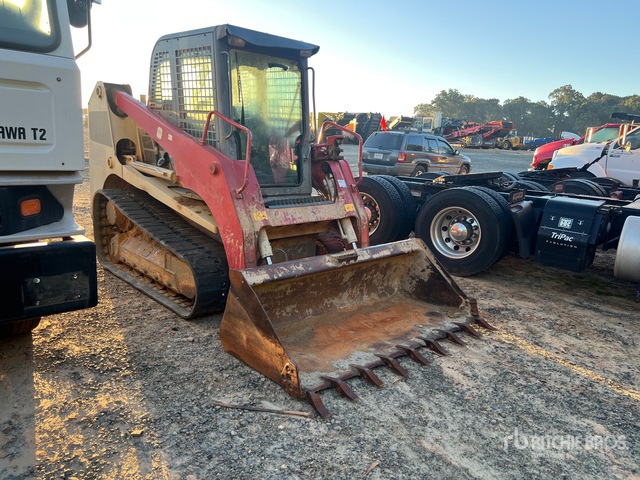 2015 Takeuchi TL12 Compact Track Loader
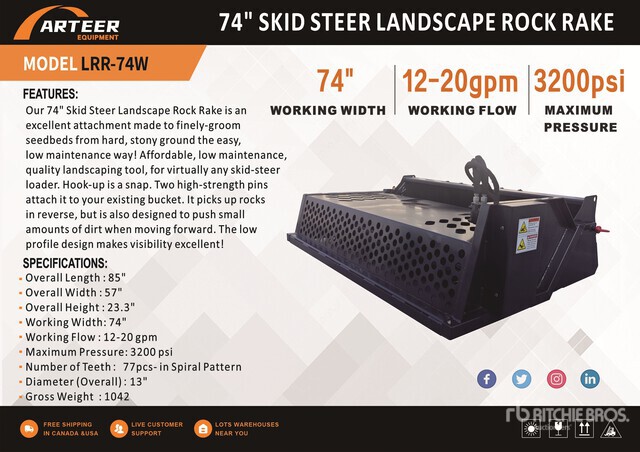 2026 ARTEER LRR-74W Skid Steer Landscape Rake
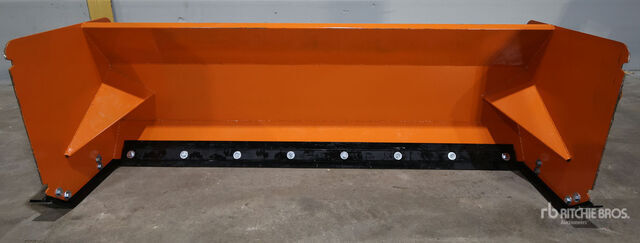 2026 Kit Containers QT-SP-8-23 Skid Steer Snow Pusher
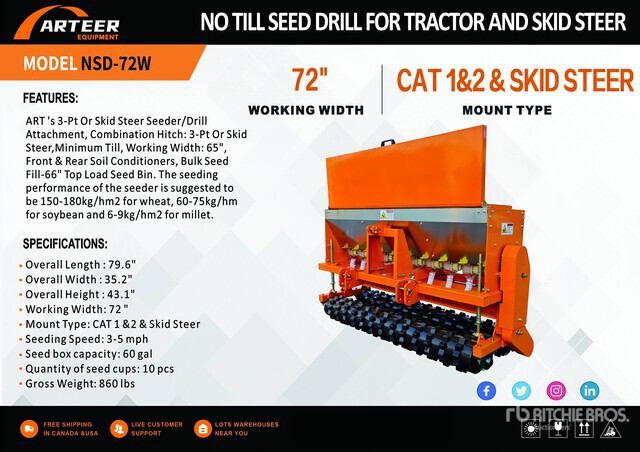 2026 ARTEER NSD-72W Skid Steer Seeder
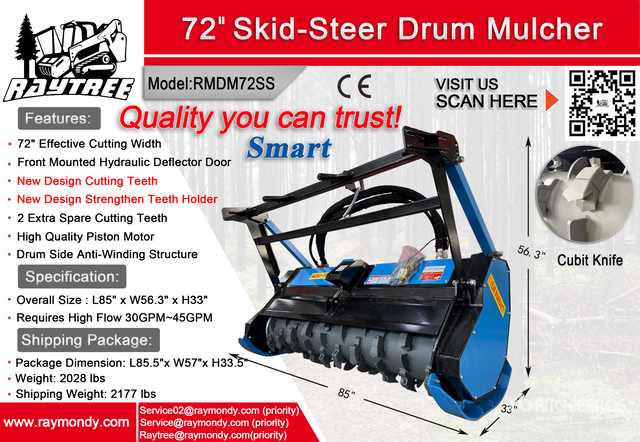 2026 Raytree RMDM72SS Skid Steer Mulcher
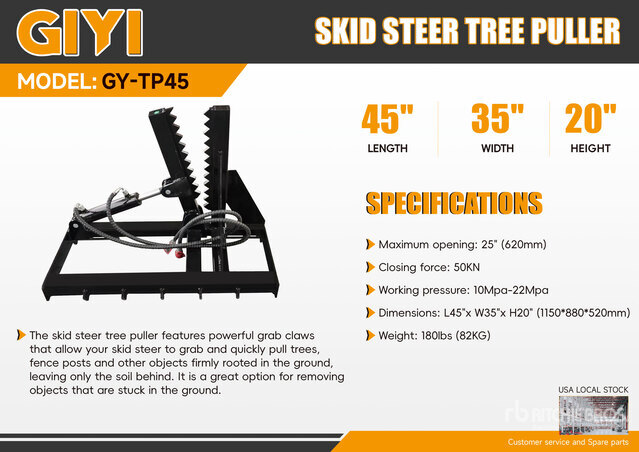 2026 GIYI GY-TP45 Skid Steer Post Puller
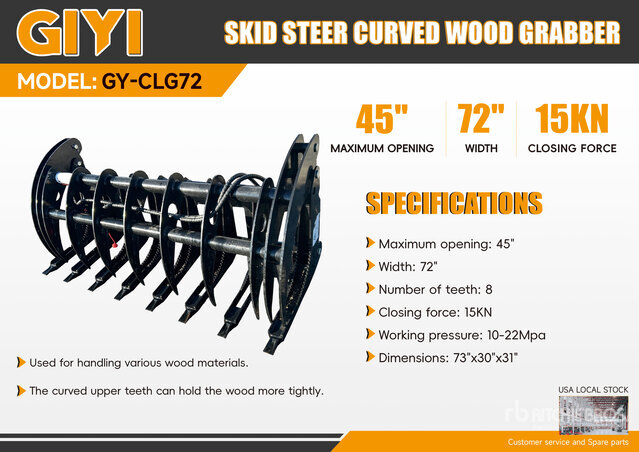 2026 GIYI GY-CLG72 Skid Steer Grapple
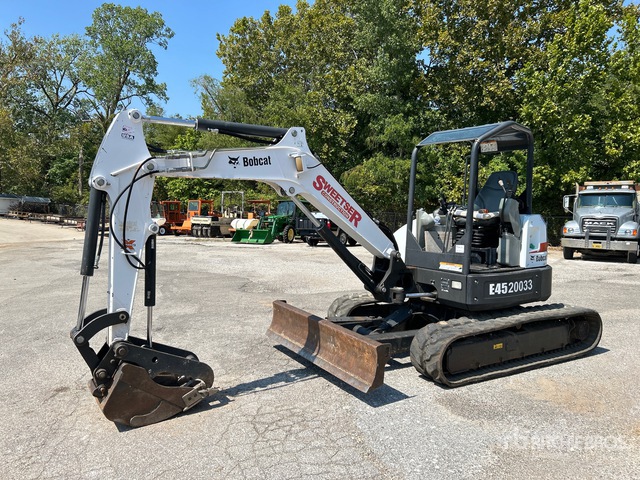 2016 Bobcat E45 Mini Excavator: <6.6t