 USA
USA France
  Germany
  United Kingdom
  Netherlands
  Spain
Spain  Italy
Italy  Canada (FR)
  Mexico
  Australia
 Autonomous excavators: where the technology stands in 2026

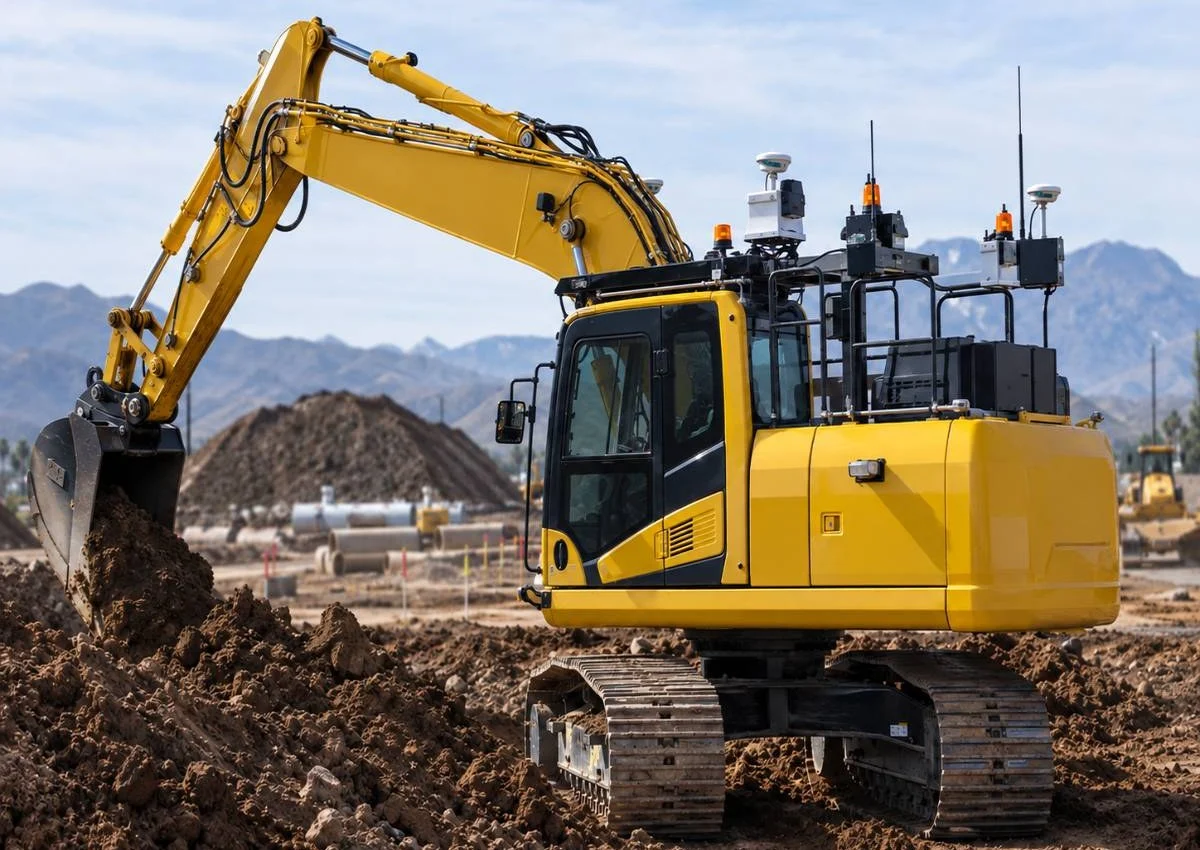
Autonomous excavators are already digging on real job sites today, but they’re not yet something a contractor can buy off a dealer lot. A handful of companies — Built Robotics, Caterpillar, and several Japanese heavy-equipment makers — are running autonomous and semi-autonomous excavator programs on active construction and mining sites, but full autonomy remains limited to pilot programs, retrofitted fleets, and controlled environments rather than a standard buying option. For most contractors, the more realistic near-term move is semi-autonomous assist features already showing up on new machines, not a fully driverless excavator.
What does “autonomous excavator” actually mean in 2026?
Today’s autonomous excavators fall into two categories: fully autonomous machines that operate without an onboard operator, and semi-autonomous machines that use grade control, obstacle detection, and automated cycle assistance to reduce operator workload. Built Robotics and Gravis Robotics both retrofit existing excavators — often standard Caterpillar or Komatsu machines — with sensor kits and control software rather than building autonomous excavators from scratch. That distinction matters for buyers: the technology is largely an add-on layer on conventional equipment, not a separate product category yet.
Which companies are leading in excavator automation?
Built Robotics and Gravis Robotics are the two most visible independent players, both focused on retrofitting existing excavators for autonomous digging, trenching, and grading. Caterpillar has invested heavily in autonomy across its mining equipment line and has extended command-and-control and Cat MineStar technology into some excavator applications. Japanese contractor Obayashi and equipment makers including Hitachi and Komatsu have run high-profile autonomous excavation trials, particularly in Japan, where labor shortages on construction sites have pushed automation investment further than in North America.
Are autonomous excavators available to buy today?
Not as a standard purchase. Most deployments are pilot programs, government-backed infrastructure trials, or retrofits sold directly to large contractors and mining operations rather than dealer-network products. A contractor interested in the technology today is more likely to lease a retrofit package or partner with a robotics provider on a specific project than to order an autonomous excavator through a standard equipment channel.
What’s actually driving adoption?
Three forces are pushing autonomous excavation forward faster than general construction-tech hype would suggest. Skilled operator shortages are a real and growing problem — many contractors report open operator positions they can’t fill, and autonomy is being pitched as a way to keep machines running through the gap. Repetitive, precision-heavy tasks like trenching, grading, and site prep are easier to automate than variable demolition or complex excavation, so early deployments cluster there. And mining and infrastructure projects, which run 24-hour operations in controlled environments, offer a far more forgiving testing ground than a busy urban job site full of unpredictable obstacles.
What’s holding full autonomy back?
Unstructured job sites are the core problem. An excavator working a mine bench or a closed highway corridor operates in a relatively predictable environment; one working a tight urban lot with pedestrians, utilities, and other trades moving around it does not. Liability and insurance frameworks for driverless heavy equipment are still being worked out, and most contractors aren’t yet willing to bet safety compliance on unproven autonomy in mixed-traffic environments. Cost is a factor too — retrofit kits and sensor packages add meaningfully to a machine’s price, and the payback case only works clearly for high-utilization fleets.
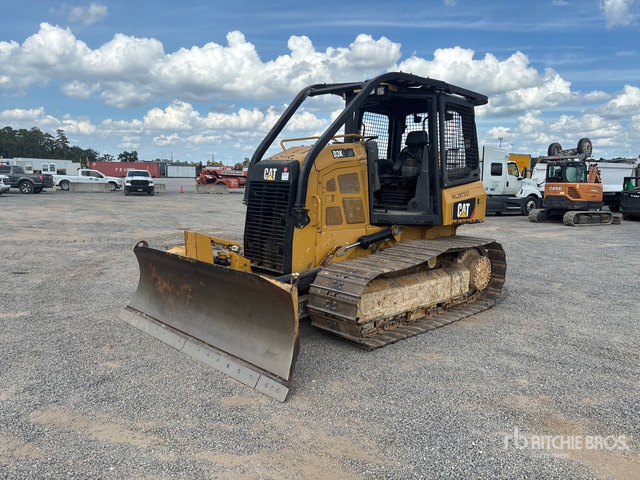 2019 Cat D3K2 LGP Crawler Dozer
What should equipment buyers actually watch for?
Rather than waiting for a fully autonomous excavator to appear on a dealer floor, buyers evaluating new or used equipment should pay attention to the assist technology already built into current machines: 2D and 3D grade control, automated boom and bucket positioning, and collision-avoidance sensors. These features are the practical, purchasable version of “excavator automation” available right now, and they’re increasingly standard on newer machines from Caterpillar, John Deere, and Komatsu. For contractors buying used equipment, a machine with factory grade-control hardware already installed carries real resale advantages as automation continues to move mainstream — even if the fully driverless version of the technology is still a few years from general commercial use.
The bottom line
Autonomous excavators are a real, actively developing technology rather than a future concept, but they’re not yet a mainstream purchase option for most contractors. The near-term opportunity is in semi-autonomous grade control and automation features already available on new machines, while full autonomy continues to prove itself in mining, infrastructure, and pilot programs before it reaches broader commercial availability.
 |
Finding Machines Faster: What’s New with Ritchie Bros. Search |
 2019 Cat D3K2 LGP Crawler Dozer
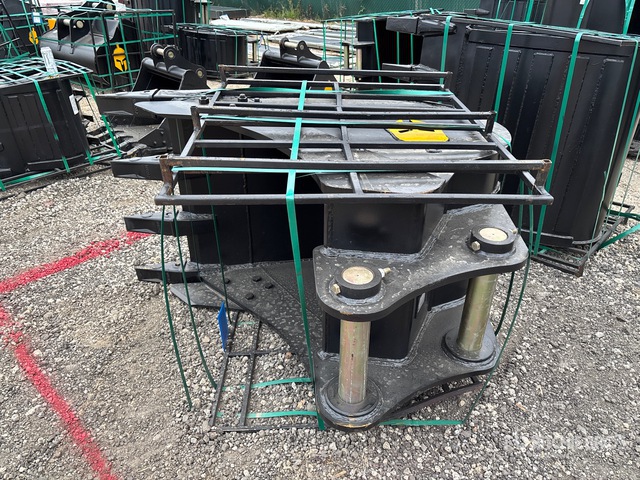 Trojan Excavator Bucket
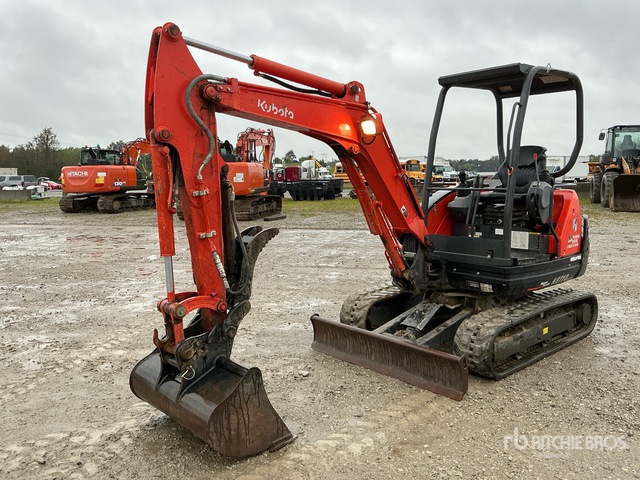 2022 Kubota KX71-3S Mini Excavator: <6.6t
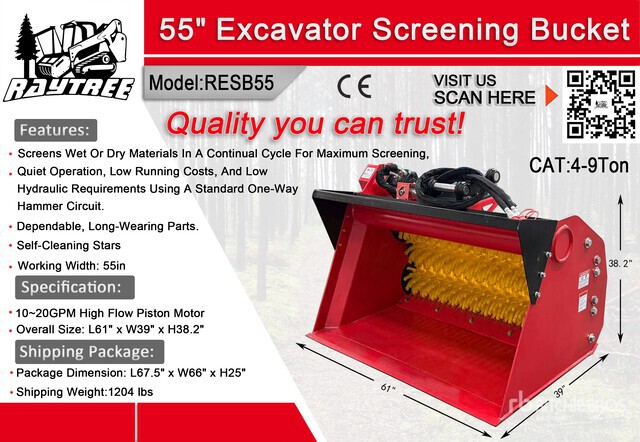 2026 Raytree RESB55 Excavator Screening Bucket
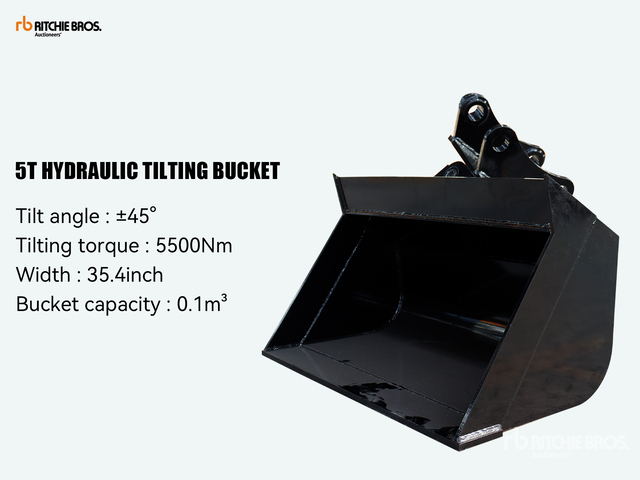 2026 GIYI GY-3TB Excavator Bucket
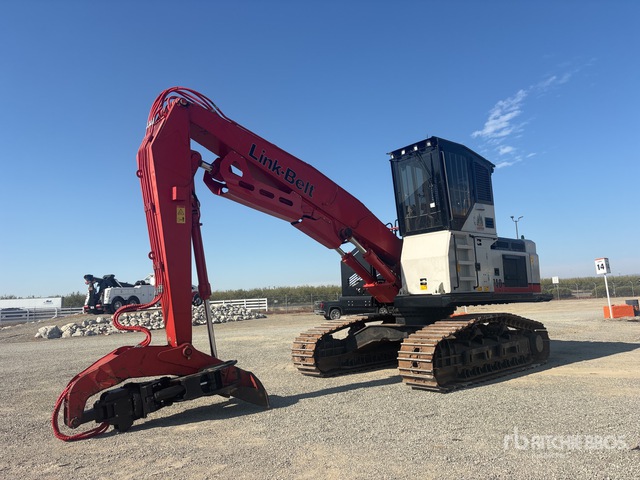 2023 Link-Belt 3740TLW Log Loader
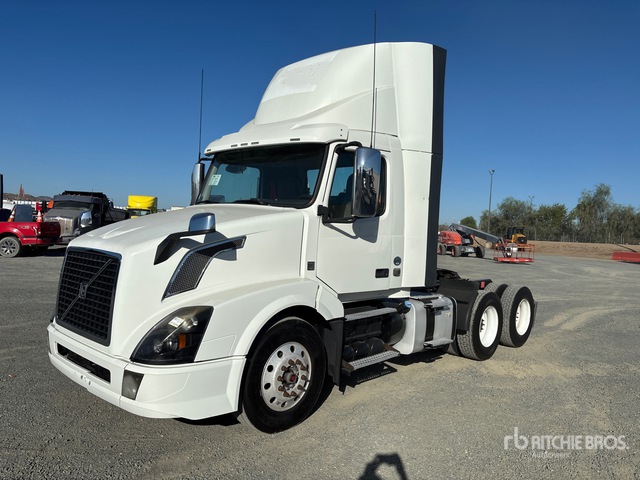 2017 Volvo VNL300 T/A Day Cab Truck Tractor
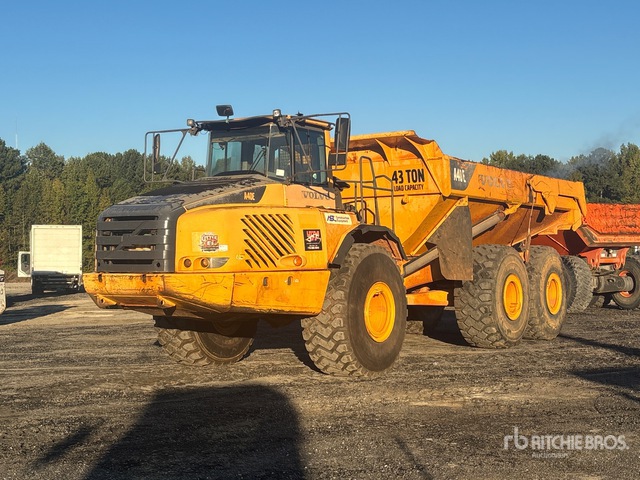 Volvo A40E Articulated Dump Truck
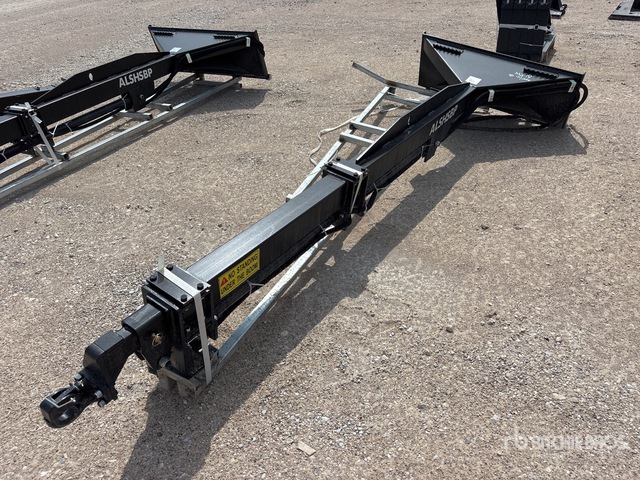 2026 LYALS ALSHSBP Skid Steer Boom
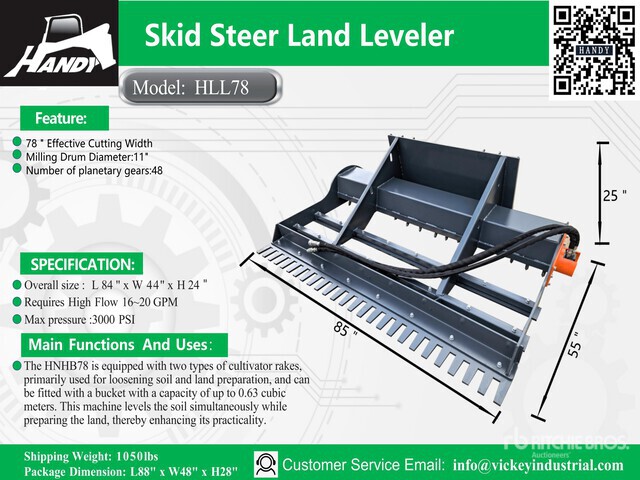 2026 Handy HLL78 Skid Steer Landplane
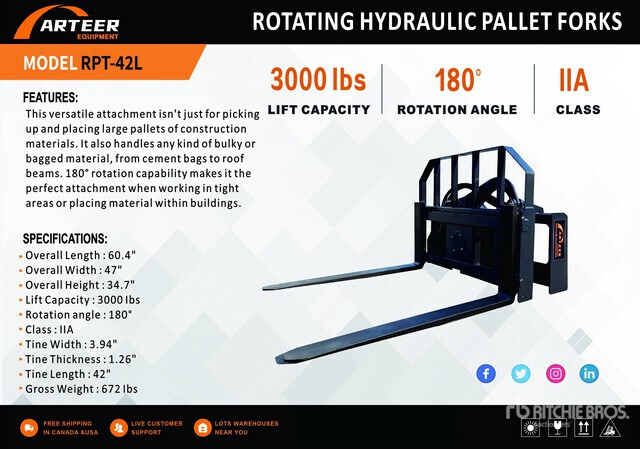 2026 ARTEER RPT-42L Skid Steer Forks
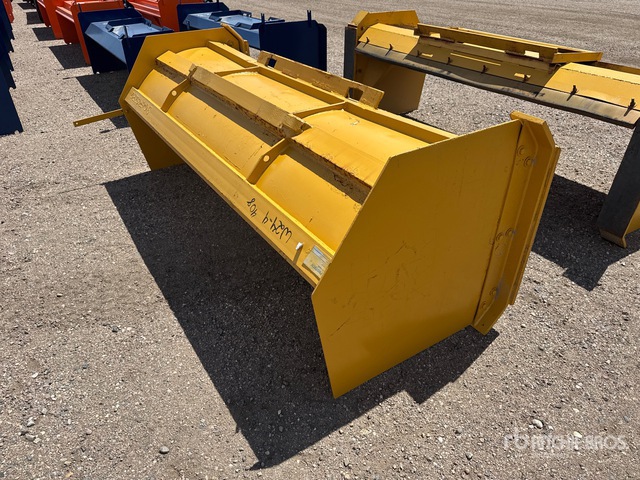 ProTech SP08 Skid Steer Snow Pusher
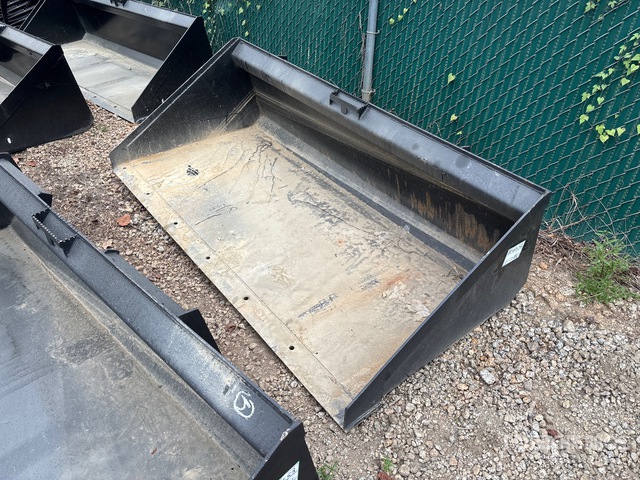 All-Star Skid Steer Bucket
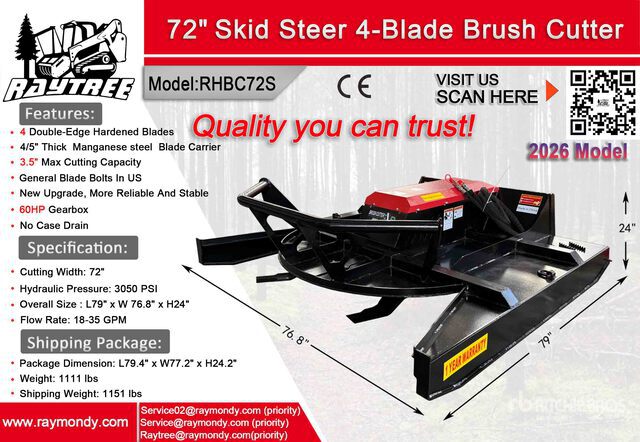 2026 Raytree RHBC72S Skid Steer Brush Cutter
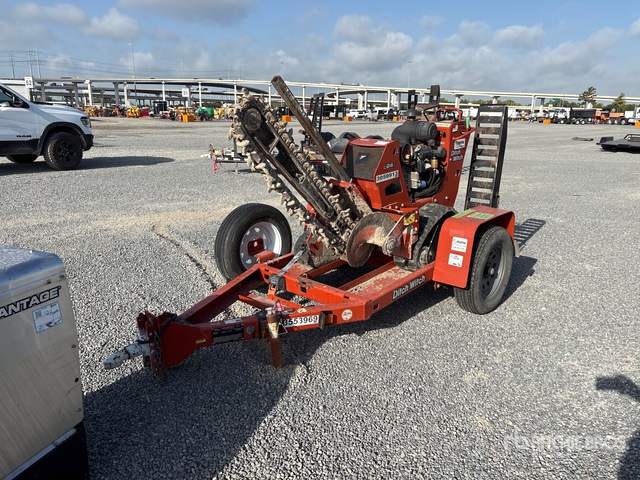 2021 Ditch Witch C24X Trencher
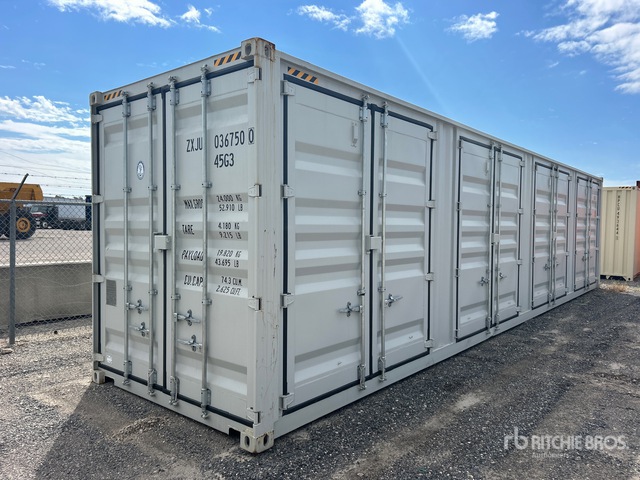 2026 AGT 40 ft HQ Storage Container
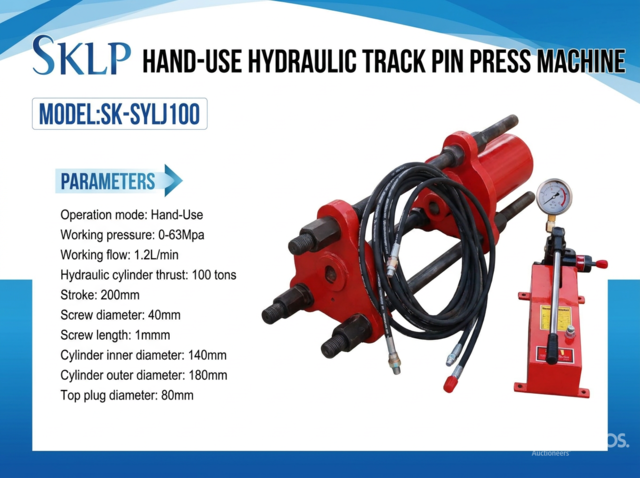 2026 SKLP SK-SYLJ100 Misc. Shop, Warehouse, Consumer
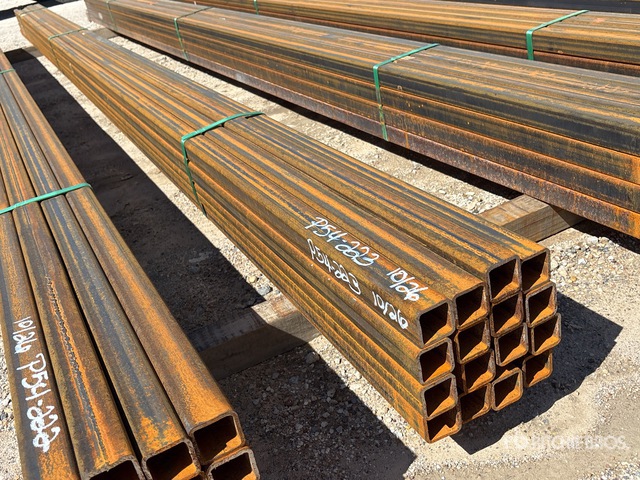 Misc. Construction Materials
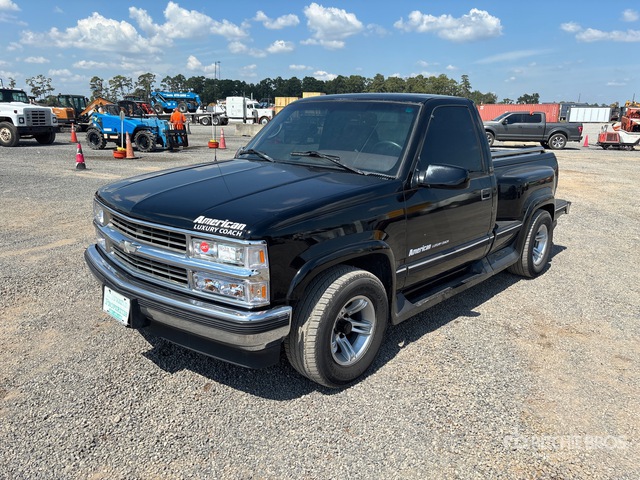 1996 Chevrolet Silverado 1500 Pickup
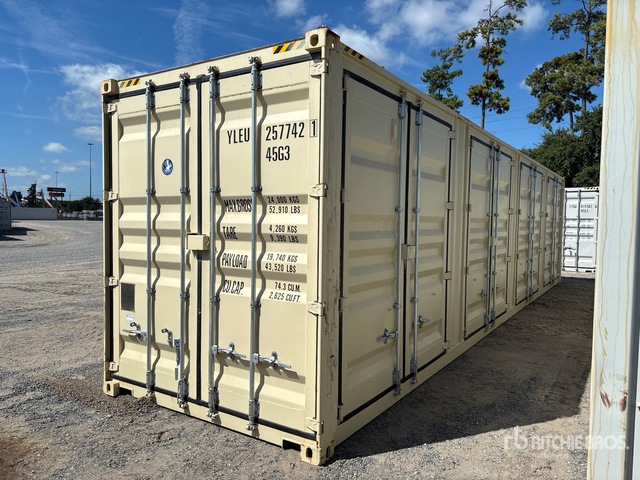 2026 ARTEER Storage Container
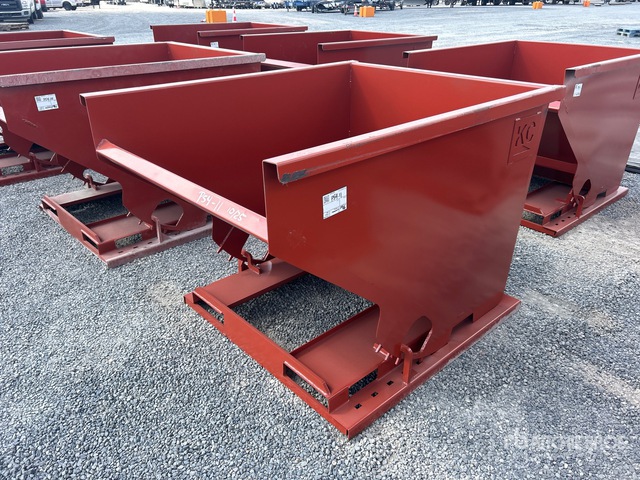 2026 Kit Containers 2.0YFT-SDH Self-Dumping Hopper
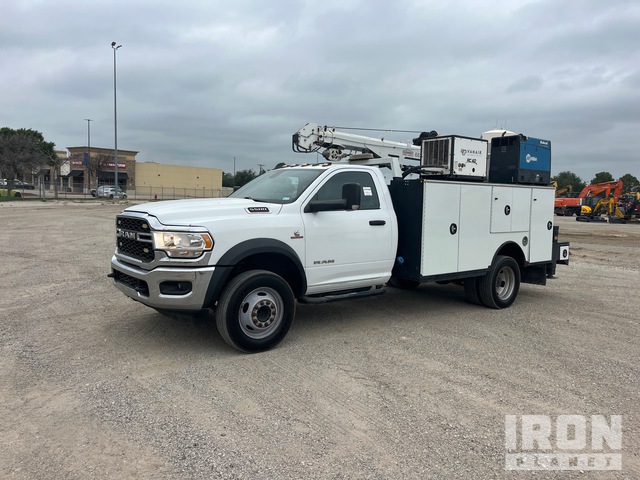 2021 Ram 5500 Service Truck
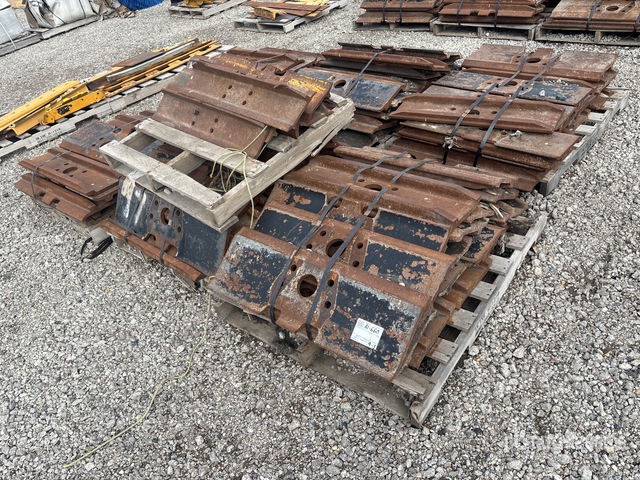 Misc. Parts
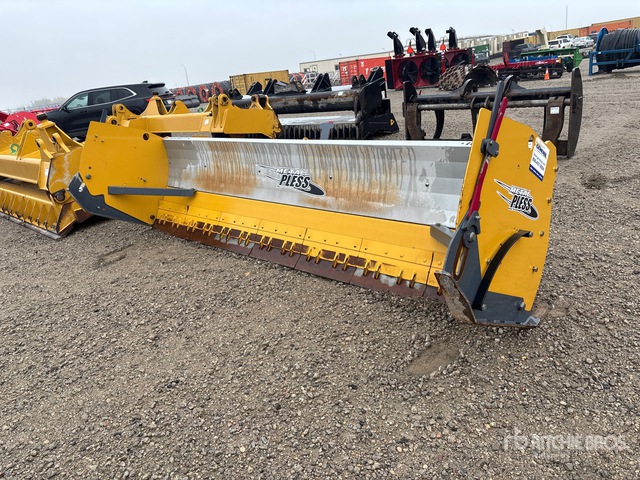 2022 Metal Pless Livebox 1442 Snow Pusher
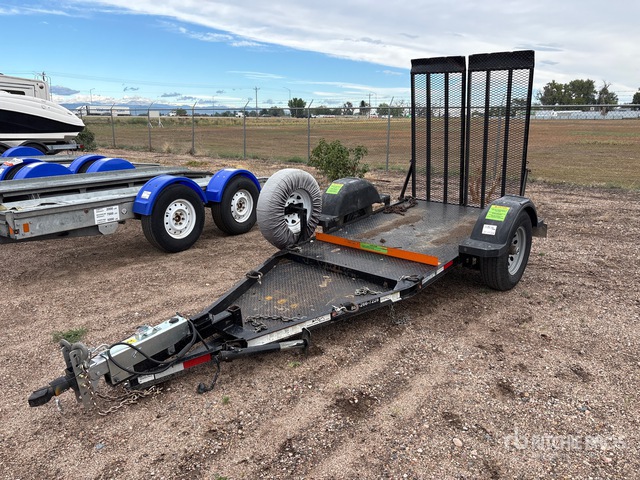 2019 Snake River Equipment Trailer