 USA
USA France
  Germany
  United Kingdom
  Netherlands
  Spain
Spain  Italy
Italy  Canada (FR)
  Mexico
  Australia
 Choosing the best mini excavator for personal use

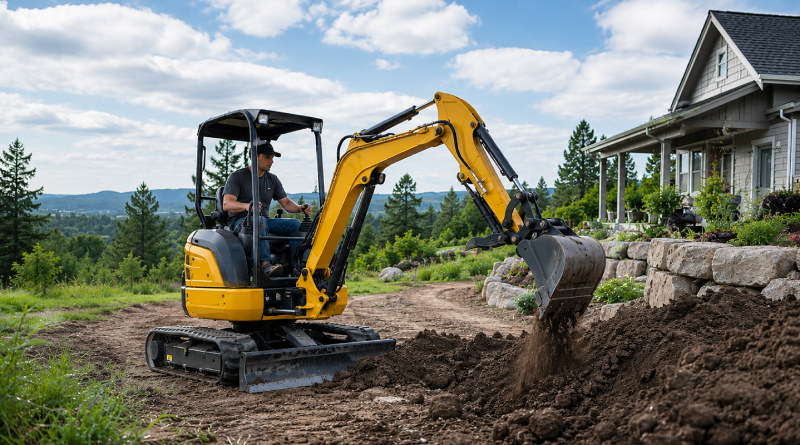
If you’re buying a mini excavator for personal use — a rural property, hobby farm, landscaping work, or ongoing land clearing — the right machine depends on three things: what you’re digging, where you’re digging it, and how you’re moving the machine between jobs. Get those three answers right and the rest of the decision falls into place.
This guide cuts through the specs and focuses on what actually matters for private buyers purchasing their first or second mini excavator.
What counts as a mini excavator?
A mini excavator — also called a compact excavator — typically weighs between 1 and 6 tons. Anything under about 6,000 kg operating weight is generally considered “mini” in the equipment industry, though some manufacturers extend the category slightly above that.
For personal use, most buyers land somewhere between 1.5 and 5 tons. Machines in that range are light enough to tow with a heavy-duty pickup or small trailer, narrow enough to fit through standard gates, and powerful enough to handle the majority of residential and rural digging tasks.
What size mini excavator do you actually need?
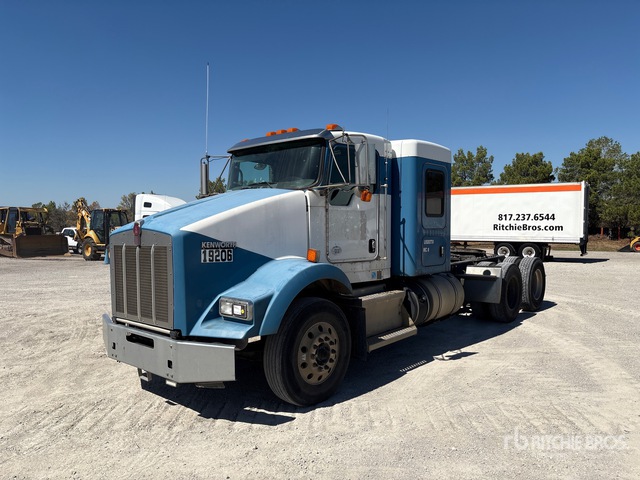 2016 Kenworth T800 T/A Sleeper Truck Tractor
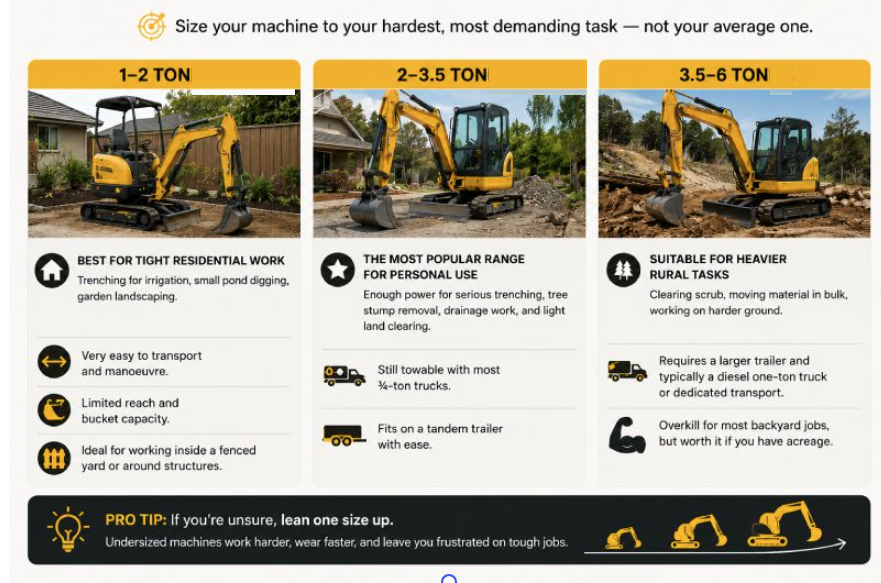
Size your machine to your hardest, most demanding task — not your average one.
Here’s a practical breakdown by operating weight:
1–2 ton: Best for tight residential work — trenching for irrigation, small pond digging, garden landscaping. Very easy to transport and maneuvre, but limited reach and bucket capacity. If you’re working inside a fenced yard or around structures, this is your range.
2–3.5 ton: The most popular range for personal use. Enough power for serious trenching, tree stump removal, drainage work, and light land clearing. Still towable with most ¾-ton trucks and a tandem trailer.
3.5–6 ton: Suitable for heavier rural tasks — clearing scrub, moving material in bulk, working on harder ground. Requires a larger trailer and typically a diesel one-ton truck or dedicated transport. Overkill for most backyard jobs, but worth it if you have acreage.
If you’re unsure, lean one size up. Undersized machines work harder, wear faster, and leave you frustrated on tough jobs.
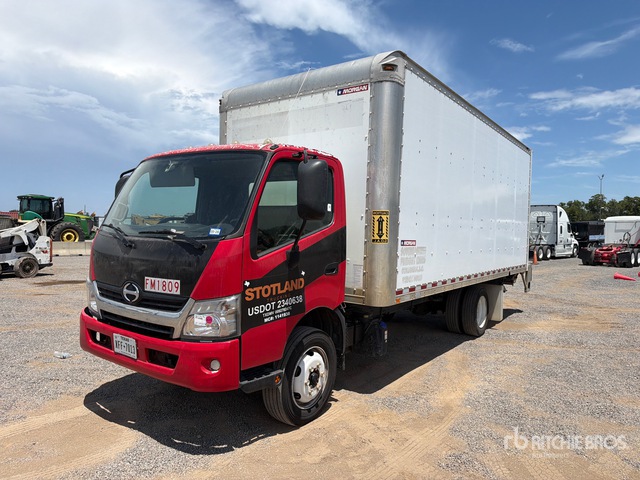 2017 Hino 195 Van Truck
Key specs to check before you buy
How much digging depth do you need?
Most personal-use tasks — trenching for pipes, planting trees, digging footings for small structures — require 6 to 8 feet (roughly 1.8 to 2.5 m) of digging depth. A standard 2–3.5 ton mini excavator delivers this comfortably. Check the manufacturer spec sheet and compare it against your deepest planned dig.
Does the tail swing matter for your site?
Yes — especially on tight properties. Zero tail swing (ZTS) and reduced tail swing mini excavators keep the counterweight within the machine’s track width when rotating. If you’re working near fences, walls, or parked vehicles, a ZTS machine is significantly safer and more practical. Expect to pay a small premium for it on the used market.
What attachments will you use?
Most mini excavators come with a standard digging bucket, but the real versatility comes from attachments. Before you buy, confirm the machine has an auxiliary hydraulic line if you plan to run a hydraulic thumb, auger, breaker, or tiltrotator. Not all compact excavators — especially older models — are set up for auxiliary hydraulics from the factory.
Common attachments for personal use: – Hydraulic thumb (essential for moving debris and rocks) – Auger (fence posts, tree planting) – Hydraulic breaker (concrete, frozen ground) – Grading bucket or ditching bucket – Mini ripper
Check the machine’s auxiliary flow rate against the attachment manufacturer’s requirements. Mismatched flow rates reduce performance and can damage attachments over time.
New vs. used: which makes more sense for personal use?
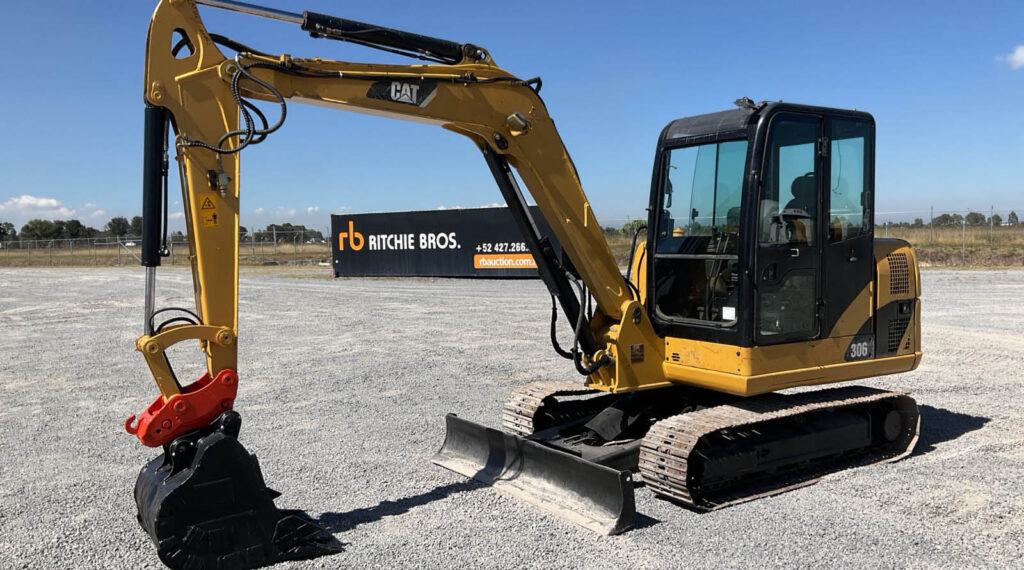
For most private buyers, a used mini excavator offers substantially better value. New compact excavators from major brands — Kubota, Bobcat, John Deere, Yanmar, Komatsu — carry a significant dealer premium. A well-maintained 3–5 year old machine with documented service history often sells for 40–60% of its new price while delivering nearly identical performance.
 2016 Peterbilt 567 T/A Day Cab Truck Tractor
What to look for on a used machine:
- Hours vs. age: Low hours on an old machine can be misleading. A 10-year-old excavator with 800 hours that sat unused for years can have deteriorated seals, cracked hoses, and corroded fittings. Balance both figures.
- Undercarriage condition: Tracks, rollers, idlers, and sprockets are expensive to replace. Inspect wear on the track links and ask about any recent undercarriage work.
- Hydraulic system: Look for leaks around cylinders, hoses, and the main control valve. Cloudy or foamy hydraulic oil is a red flag.
- Boom and arm pins: Worn or sloppy pins create slop in the linkage, reduce digging accuracy, and add up quickly to repair.
- Cab condition and controls: For personal use you may be spending hours in this seat. Check that all functions respond smoothly and that the HVAC (if fitted) works.
Auction is one of the most efficient ways to buy used — you’re competing against real market prices rather than negotiating against a seller’s hope figure. Looking for a tracked excavator? Ritchie Bros. conducts auctions regularly across North America and beyond, with machines available to view in-person and buy online.
Which brands hold up best for personal use?
For low-to-moderate hours in personal use, almost any major brand will serve you well if the machine has been maintained. That said, a few brands consistently appear at the top of owner satisfaction surveys for compact excavators:
Kubota: Widely regarded as the benchmark for reliability in the sub-5-ton class. Parts are widely available and dealer networks are strong across North America and Australia.
Bobcat: Excellent build quality and a large dealer/parts network. Bobcat’s zero tail swing machines are particularly well-suited to tight residential work.
John Deere: Strong hydraulic performance and good resale value. The 17G and 26G are popular choices in the 1.7–2.6 ton range for personal buyers.
 2017 Travis S/97 End Dump Trailer
Yanmar: Less common but highly regarded for engine reliability. Yanmar actually manufactures engines for several other brands, so their own machines benefit from deep engineering expertise.
Komatsu: Heavier build quality than some competitors, which can be a positive for demanding work. Excellent long-term durability.
For personal use where total hours over the machine’s life may never exceed 1,000–2,000, brand is often less important than individual machine condition and maintenance history.
What does a mini excavator cost for personal use?
Used mini excavator prices vary widely based on age, hours, brand, and configuration, but here are realistic ballpark ranges at auction (USD):
- 1–2 ton: $8,000 – $22,000
- 2–3.5 ton: $15,000 – $40,000
- 3.5–6 ton: $28,000 – $65,000
Machines with attachments, low hours, or recent undercarriage work command premiums. Older machines with high hours and deferred maintenance sell at the low end — and often need immediate investment after purchase.
Factor in transport costs. A mini excavator needs a trailer rated to its operating weight plus a margin. Trailers, permits (if required), and tie-down equipment are real costs to budget before the auction ends.
 1975 Utility VS2RS Van Trailer
If you’re ready to take the next step, explore our mini excavator inventory featuring machines from top manufacturers, with some models available through Ritchie Bros.’ auction marketplace.
Final checklist before you bid or buy
- Operating weight matches your transport capacity
- Digging depth meets your deepest planned task
- Zero or reduced tail swing if working in tight spaces
- Auxiliary hydraulics fitted (if you plan to run attachments)
- Undercarriage inspected or inspection report reviewed
- Hours relative to age cross-checked
- No active hydraulic leaks
- Service records available or verifiable
- Transport and trailer plan confirmed before purchase
Buying a mini excavator for personal use is a meaningful investment, and the used market offers genuine value for buyers who do their homework. Focus on condition over brand, match the size to your hardest task, and verify the machine’s history before you commit.
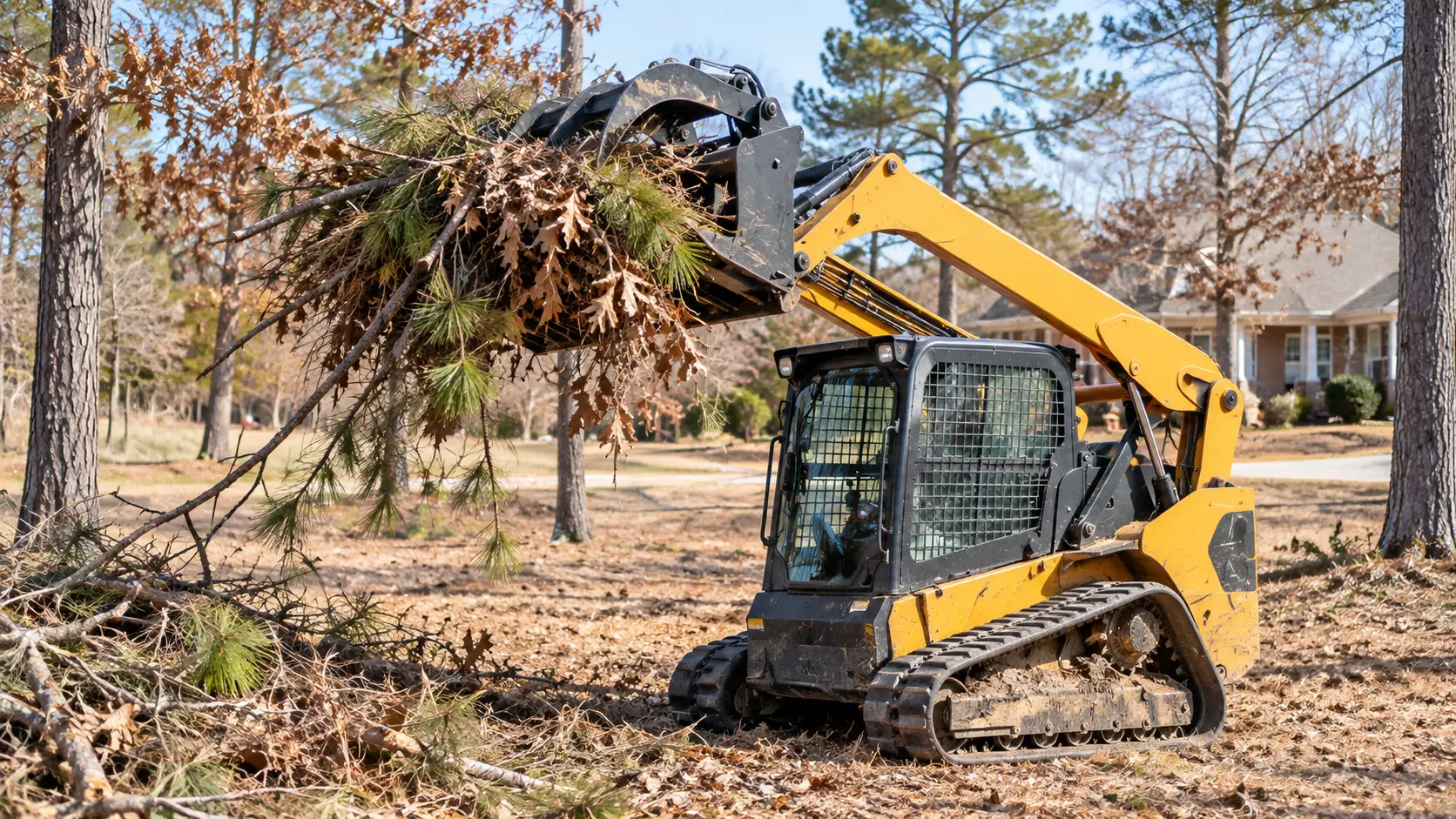 |
How to pick the best skid steer grapple for the job |
 2016 Peterbilt 567 T/A Day Cab Truck Tractor2016 Kenworth T800 T/A Sleeper Truck Tractor2017 Travis S/97 End Dump Trailer2017 Hino 195 Van Truck1975 Utility VS2RS Van Trailer
 2022 International HX520 T/A Day Cab Truck Tractor
 2022 Freightliner Cascadia 126 T/A Sleeper Truck Tractor
 2018 Utility VS2RA Refrigerated Trailer
 2024 Volvo VNL760 T/A Sleeper Truck Tractor
 2026 Big Tex 35SV-12BK Dump Utility Trailer
 2002 Freightliner FL 70 Asphalt Distributor Truck
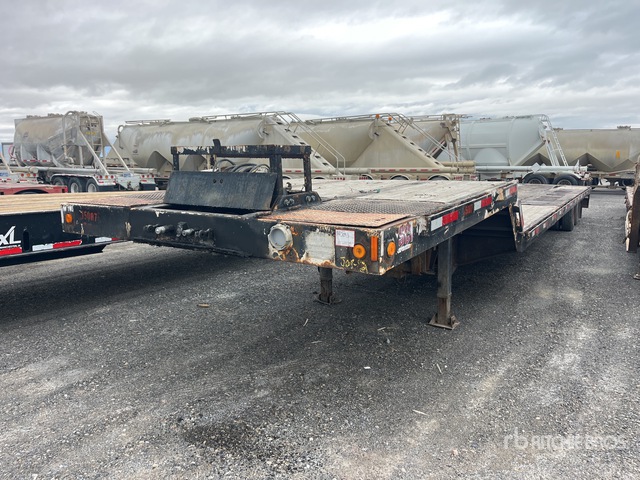 1999 Trail-Eze DLX30TC4 Sliding Axle Trailer
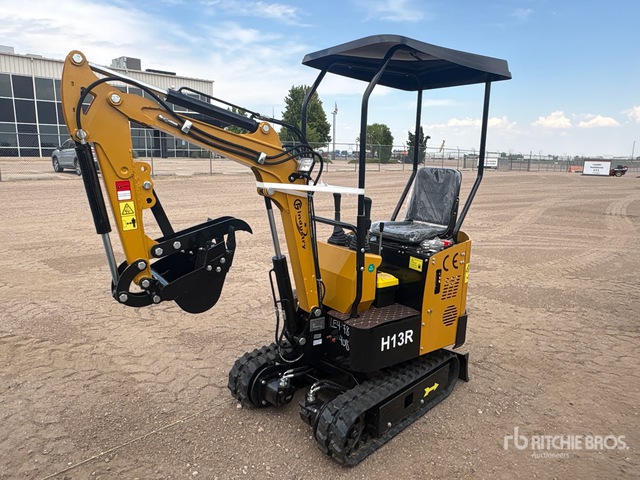 2026 CFG H13R Mini Excavator: <6.6t
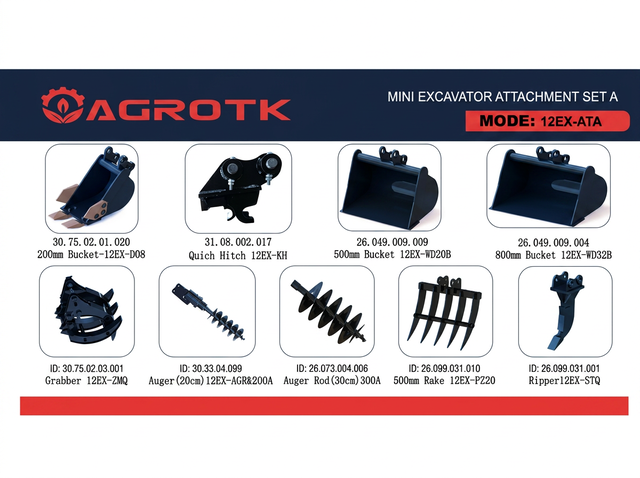 2026 AGT 12EX-ATA Misc. Excavator Attachment
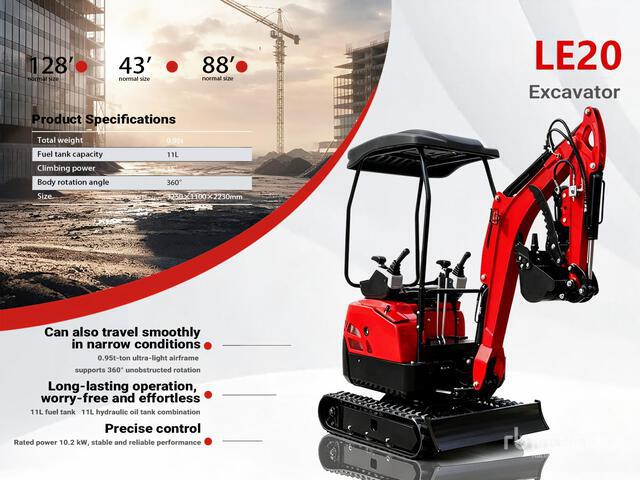 2026 LE20-RED Mini Excavator: <6.6t
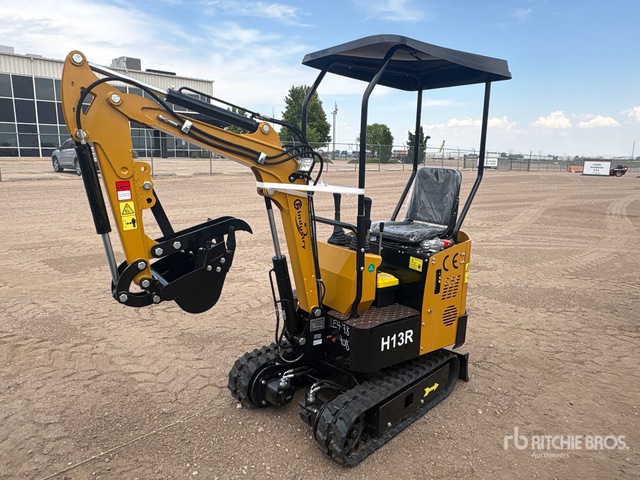 2026 CFG H13R Mini Excavator: <6.6t
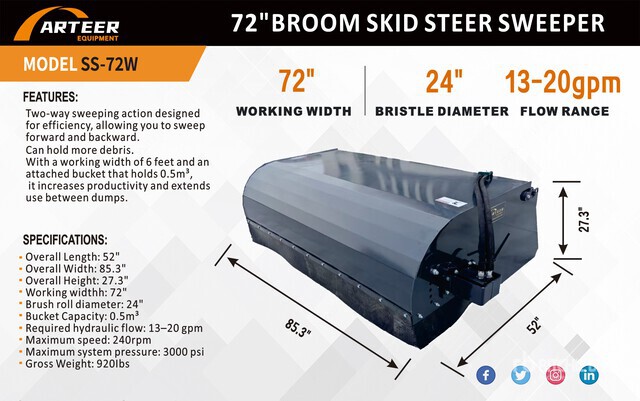 2026 ARTEER SS-72W Skid Steer Sweeper
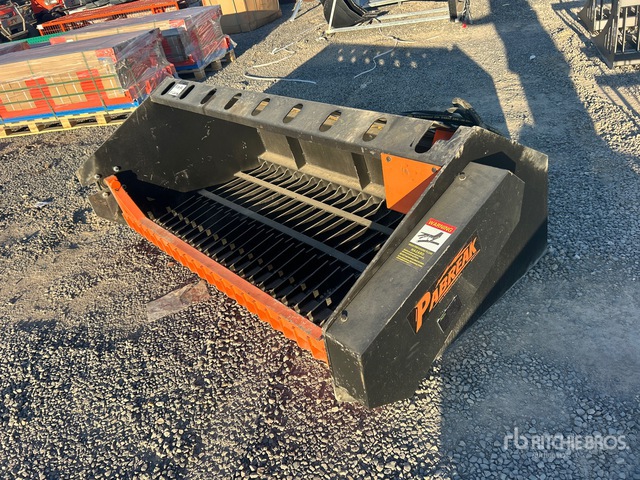 2026 PABREAK RP280 Skid Steer Rock Picker
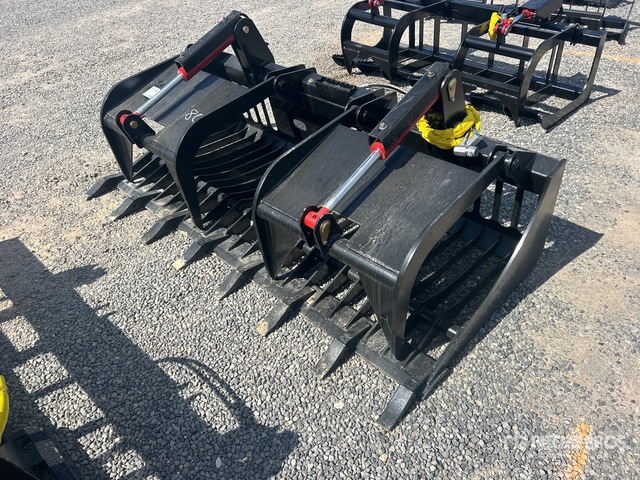 All-Star Skid Steer Grapple
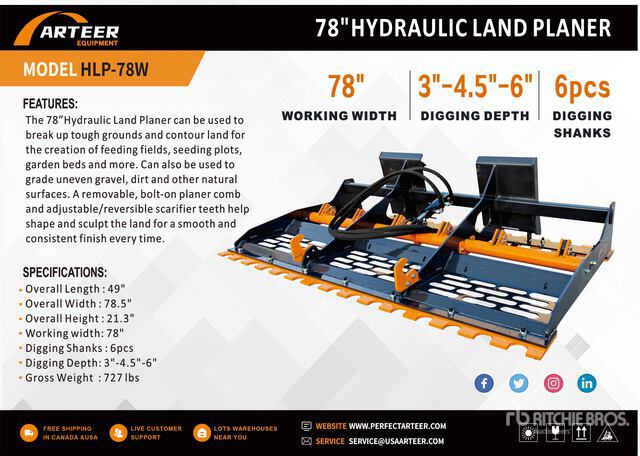 2026 ARTEER HLP-78W Skid Steer Landplane
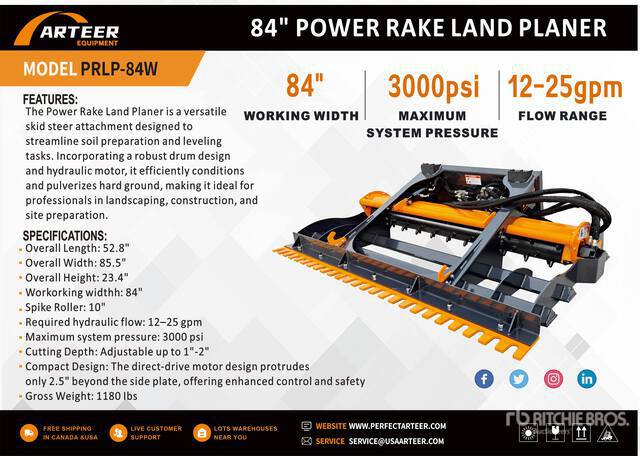 2026 ARTEER PRLP-84W Skid Steer Landplane
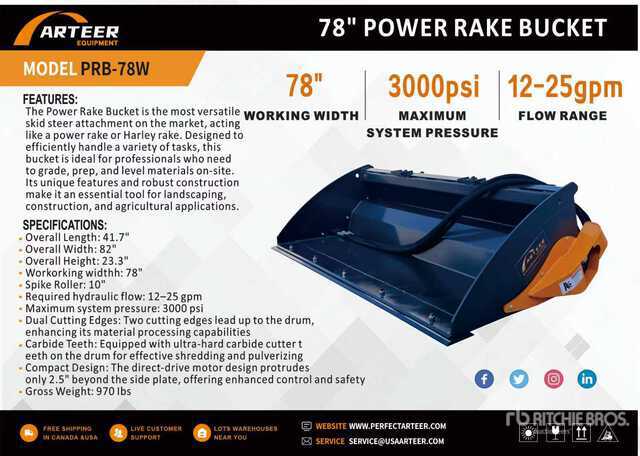 2026 ARTEER PRB-78W Skid Steer Bucket
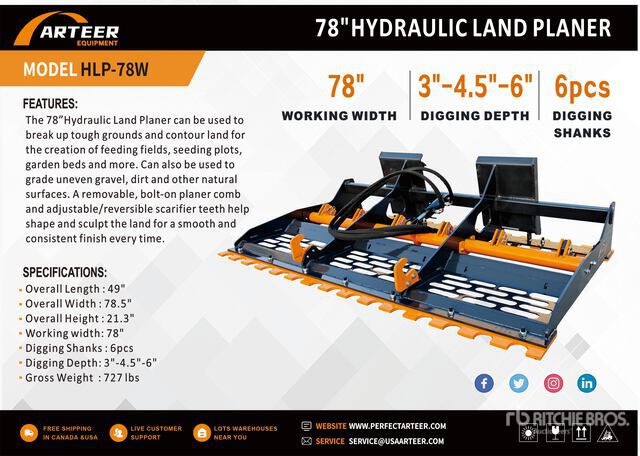 2026 ARTEER HLP-78W Skid Steer Landplane
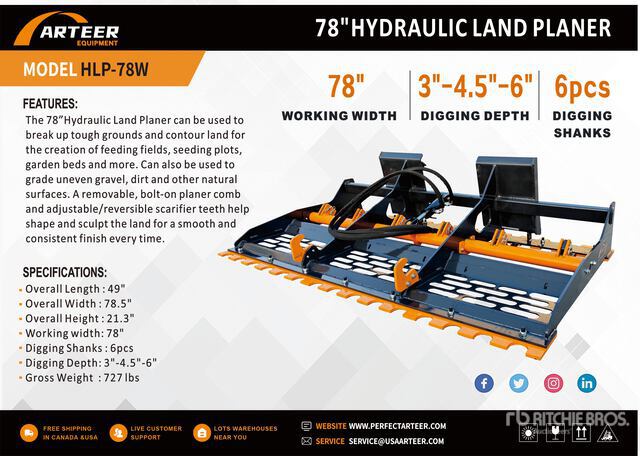 2026 ARTEER HLP-78W Skid Steer Landplane
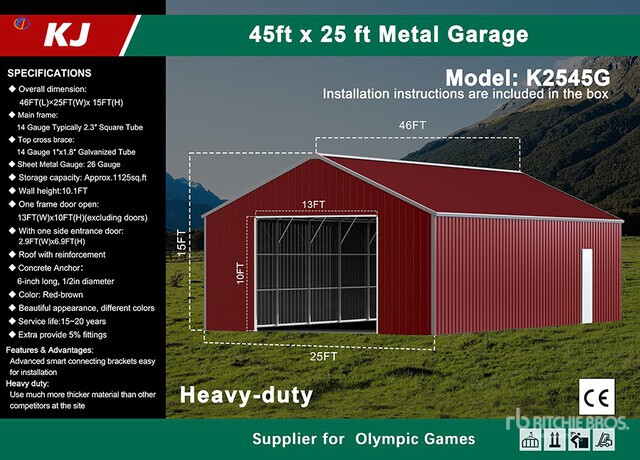 2026 KJ K2545G Storage Building