 USA
USA France
  Germany
  United Kingdom
  Netherlands
  Spain
Spain  Italy
Italy  Canada (FR)
  Mexico
  Australia
 Side by side UTV with snow plow: can it handle real snow removal work?

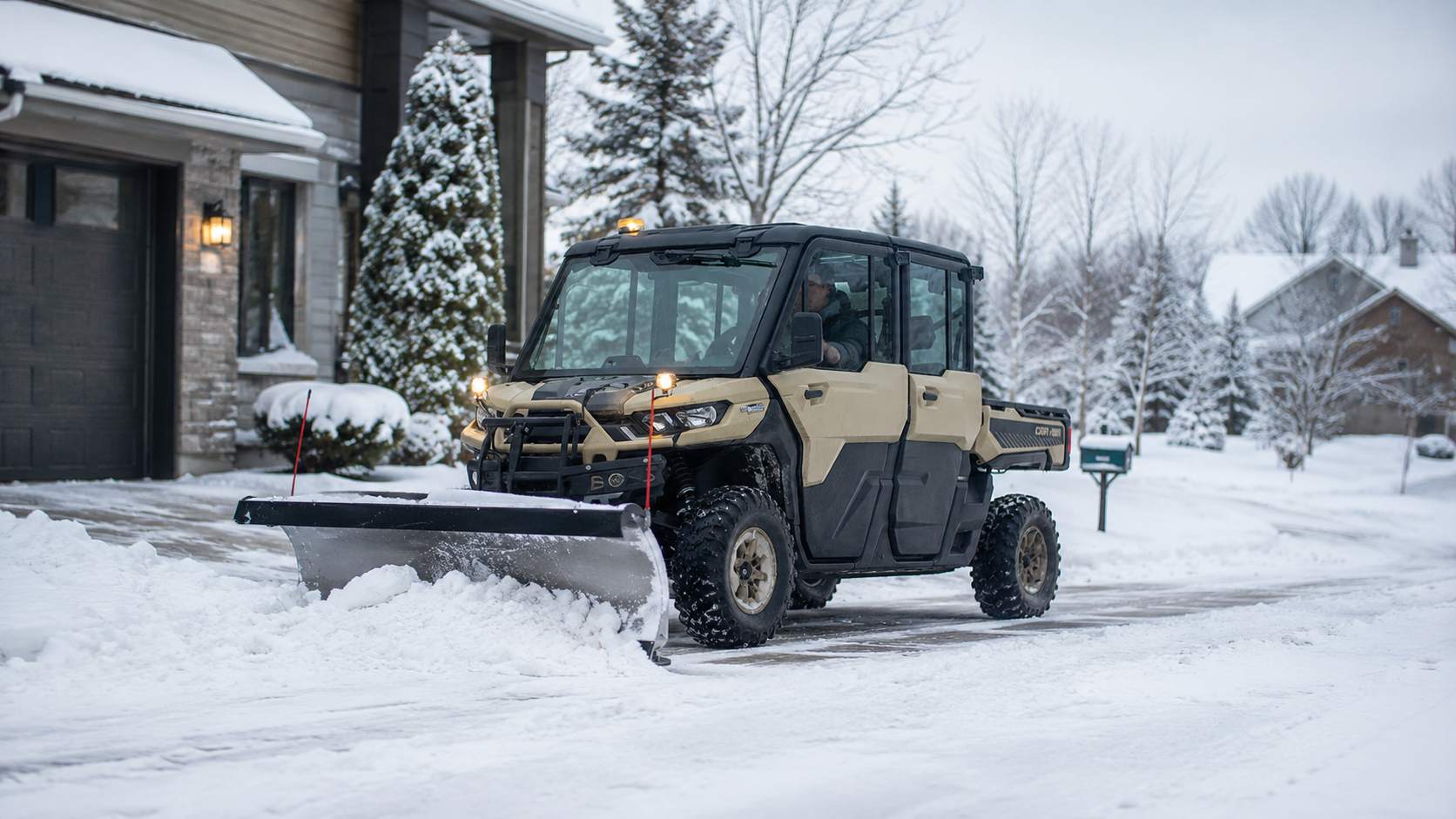
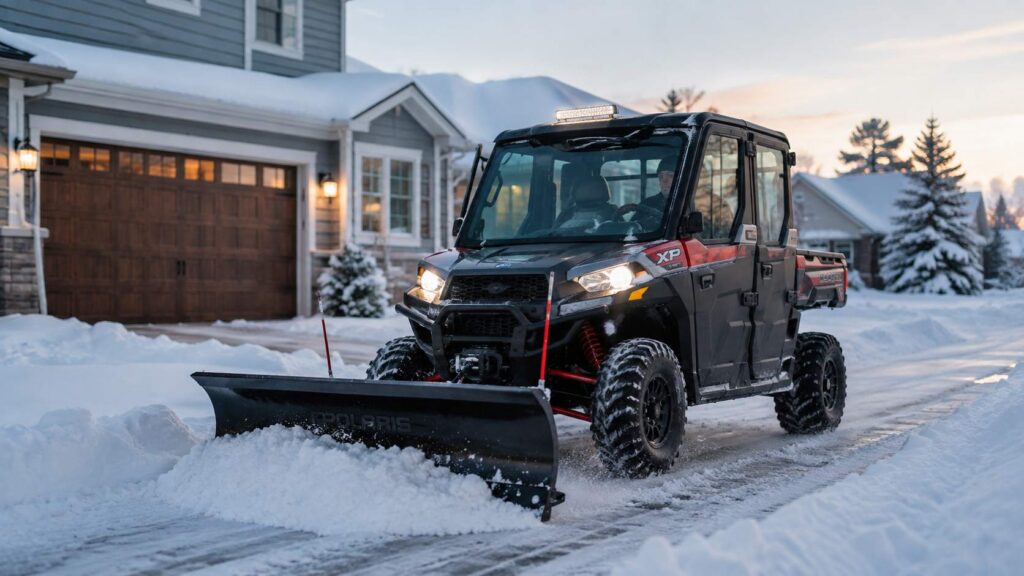
Yes — a side by side UTV with a snow plow can handle serious snow removal work, and for many operators it’s a smarter buy than a dedicated plow truck. UTVs are nimble enough for tight residential driveways, parking lots, and pathways that a full-size truck can’t reach, yet powerful enough to push meaningful volumes of snow. The key is knowing which machines are genuinely built for it and what to inspect before you buy.
What makes a UTV capable of plowing snow?
The right UTV for snow removal needs three things: sufficient engine displacement, true 4WD with low-range gearing, and a front receiver or plow-mount system rated for the blade weight.
Most capable snow-plowing UTVs run 700cc or larger engines. Below that threshold, you’ll find the machine lugging under load in heavy, wet snow. Low-range 4WD is non-negotiable — it gives you the torque multiplication needed to push compacted snow without overheating the drivetrain. A locking front differential is a strong bonus.
Plow mounting matters more than most buyers expect. Factory receiver mounts and manufacturer-approved plow kits are the safest route. Aftermarket mounts welded or bolted to machines not designed for a blade can stress the frame and create liability.
Which UTVs are most commonly used for snow plowing?
The most popular machines for plowing snow with a UTV come from four manufacturers: Polaris, Can-Am, John Deere, and Yamaha.
- Polaris Ranger 900/1000 — one of the most common choices; purpose-built plow packages available direct from Polaris
- Can-Am Defender HD10 — high torque output and a robust frame make it a strong snow removal platform
- John Deere Gator XUV835/865 — popular in commercial and municipal light-duty applications
- Yamaha Viking VI — six-seat layout limits front-end plow options but the drivetrain is proven
For buyers looking at used inventory, side by side UTVs at auction regularly include working-condition machines that come with plow attachments already fitted — worth checking for total package value.
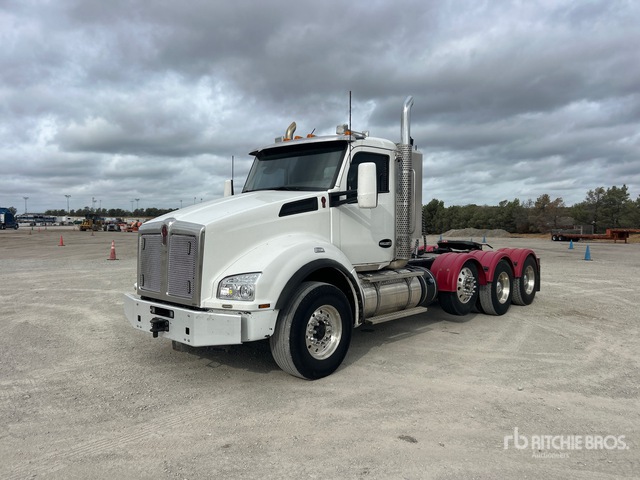 2015 Kenworth T880 Tri/A Day Cab Truck Tractor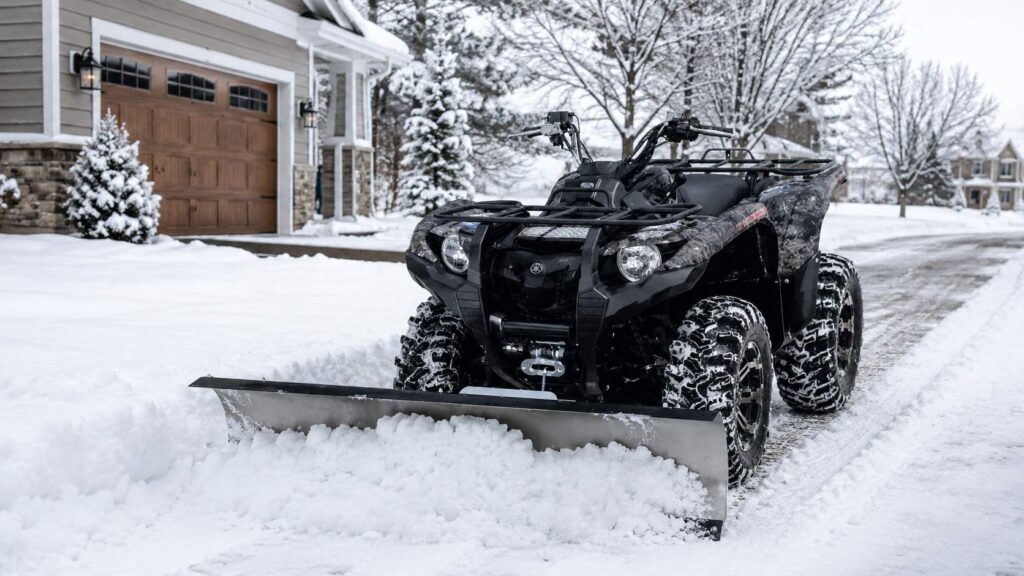
What size plow blade do you need on a UTV?
For most UTV applications, a blade between 54 and 72 inches wide is the practical range.
- 54–60 inches: suits residential driveways, pathways, and tight commercial lots
- 66–72 inches: better for open parking areas and faster clearing runs
Beyond 72 inches, the blade starts to exceed what most UTV front ends are engineered to handle, and you’ll see the machine push itself sideways in heavy snow rather than move the load forward. Stick to blades the manufacturer has tested and rated for the specific model.
Blade material is also worth noting. Poly blades are lighter and less prone to scratching paver surfaces. Steel blades are more durable under heavy use but add front-end weight that can affect steering on lighter UTVs.
Plowing snow with a UTV: what are the real limitations?
Can you plow snow with a UTV?
A UTV is not a replacement for a full-size plow truck on large commercial sites — here’s where it falls short.
Snow depth: Most UTVs are effective in snow up to 8–10 inches. Beyond that, you’re back-dragging and making multiple passes. A truck-mounted plow or a dedicated snow pusher on a skid steer or loader will outperform the UTV significantly in deep accumulations.
Windrow management: UTVs can’t throw or stack snow — they push it. On large lots where windrow placement matters, this becomes a real workflow constraint.
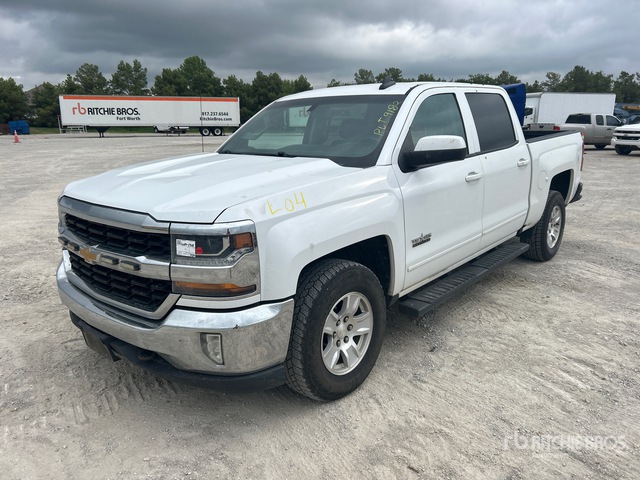 2018 Chevrolet Silverado 1500 Pickup
Ground clearance and traction: Stock UTV tires are often inadequate for plowing conditions. Buyers should plan on dedicated snow/ice tires or aggressive all-terrain tires with metal studs. Clearance under the machine can also be an issue if you’re driving over large frozen ridges.
Cab and operator comfort: Open-cab UTVs are brutal in sustained plowing work during sub-zero temperatures. Enclosed cab models (Polaris Ranger with factory cab, Can-Am Defender cab kit) are worth the premium if operators will be working multi-hour shifts.
What to inspect when buying a used UTV that has been used for snow plowing
Used plowing machines take hard use. A pre-purchase inspection should specifically look at these areas:
Front end and frame – Check the front receiver and plow mount brackets for cracks, weld repairs, or deformation – Inspect the A-arms and tie rods for bends — common when a blade clips a curb at speed – Look for frame flex damage around the front crossmember
Drivetrain – Test low-range 4WD engagement — slipping or hesitation suggests worn components – Check the front differential for leaks and listen for grinding under load – Inspect CV axle boots for cracks; plowing creates constant articulation stress
Electrical and hydraulics (if equipped) – Plow lift systems, whether hydraulic or electric actuator, cycle repeatedly during plowing — check for slow or inconsistent operation – Inspect wiring harnesses for corrosion from salt exposure
 2009 Ford F-350 Utility Truck
Engine and cooling – Snow can pack into radiator intakes on some models during heavy plowing passes — look for overheating history – Check the air filter housing for signs of snow ingestion
Tires and wheels – Assess remaining tread and sidewall condition; plowing on asphalt wears tires faster than trail use – Check for bent rims from curb strikes
If you’re sourcing a snow plow attachment separately from the machine, confirm mounting compatibility before purchase — blade hardware is not always universal even within the same brand family.
Is a UTV worth buying specifically for snow removal?
For the right application, yes — a UTV delivers strong ROI as a snow removal tool.
The best-fit use cases are: – Residential property managers handling multiple driveways – Rural property owners with long laneways – Municipalities maintaining pathways, parks, and non-road surfaces – Commercial operators clearing mid-size lots where a full truck is oversized
The economics also work in multi-use favour. A UTV that earns its keep in winter as a plow machine can shift into other roles — hauling, utility work, site access — for the rest of the year. That versatility makes the purchase justifiable even when plowing hours are seasonal.
 2006 Ford F-650 S/A Dump Truck
For buyers who need higher-volume snow removal capability beyond what a UTV can handle, it’s worth looking at the full range of snow equipment available at auction — skid steer blades, truck plows, and larger dedicated machines are often available alongside UTVs.
Quick reference: UTV snow plowing at a glance
| Factor | Recommendation |
|---|---|
| Minimum engine size | 700cc |
| Blade width (typical) | 54–72 inches |
| 4WD requirement | Low-range with locking front diff |
| Best applications | Driveways, pathways, mid-size lots |
| Cab type for extended work | Enclosed |
| Max practical snow depth | 8–10 inches per pass |
A side by side UTV with a snow plow is a legitimate, productive piece of equipment in the right hands. Buy the right machine for the job, inspect it properly before you commit, and match the blade size to your actual conditions — and it will earn its place in any winter operation.
 |
From Winter Roads to Retirement: How R. French Transport Sold Its Fleet from Home in Arcola, SK |
 2018 Chevrolet Silverado 1500 Pickup2015 Kenworth T880 Tri/A Day Cab Truck Tractor2009 Ford F-350 Utility Truck
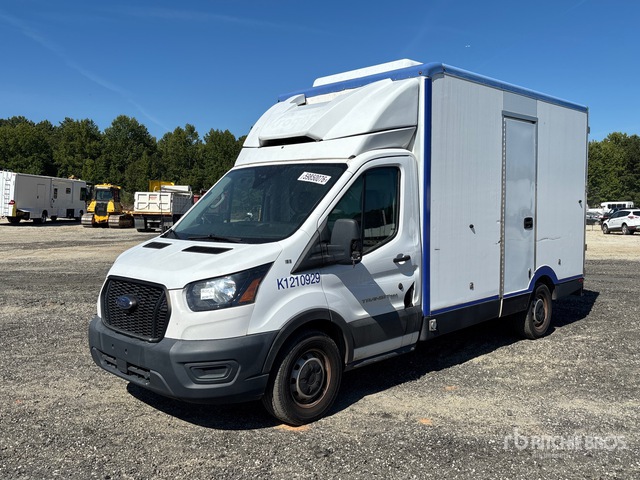 2022 Ford Transit T-350 Refrigerated Truck2006 Ford F-650 S/A Dump Truck
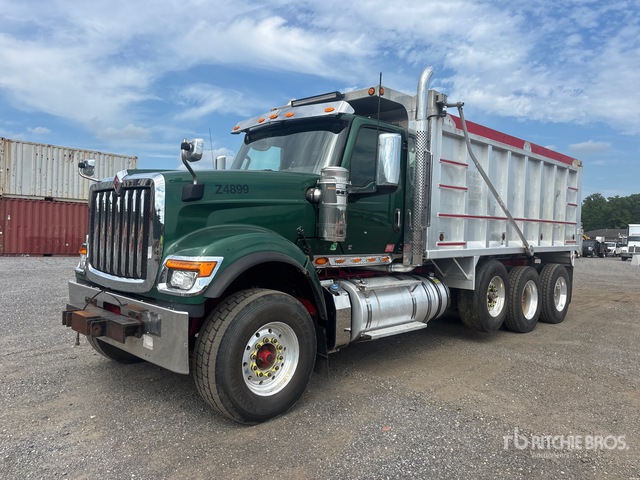 2023 International HX520 Tri/A Dump Truck
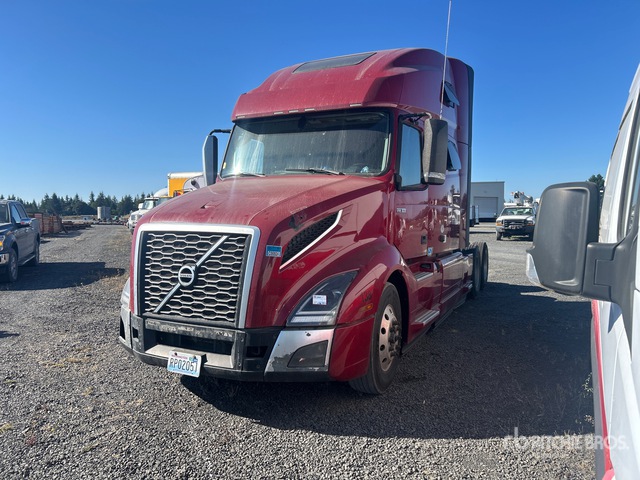 2023 Volvo VNL760 T/A Sleeper Truck Tractor
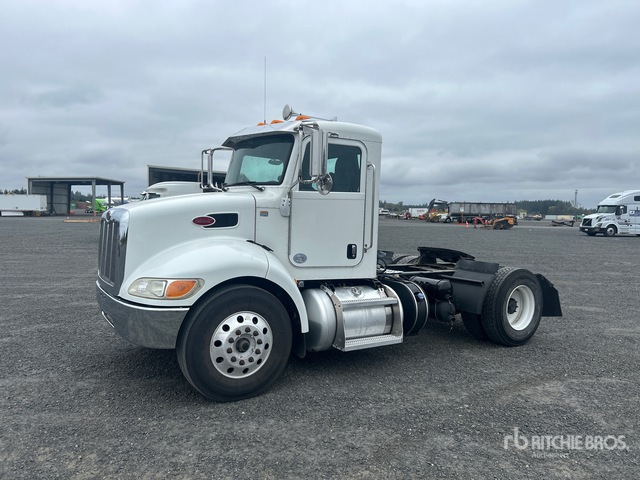 2016 Peterbilt 337 S/A Day Cab Truck Tractor
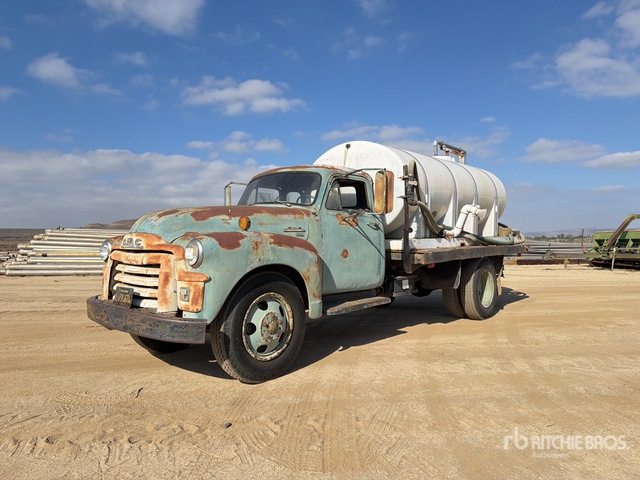 1963 GMC 350 Flatbed Truck
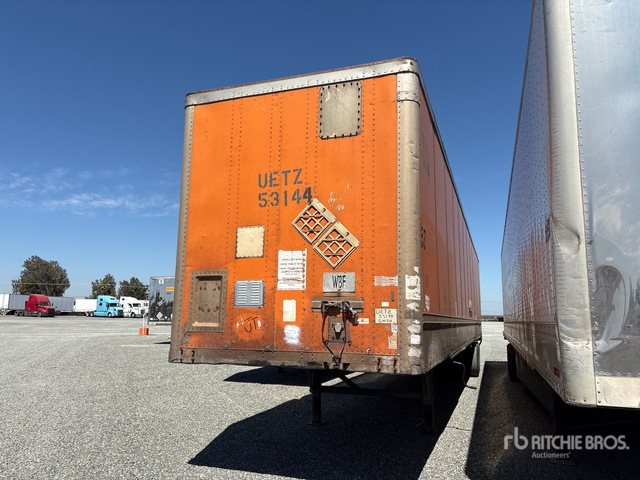 2004 Wabash Van Trailer
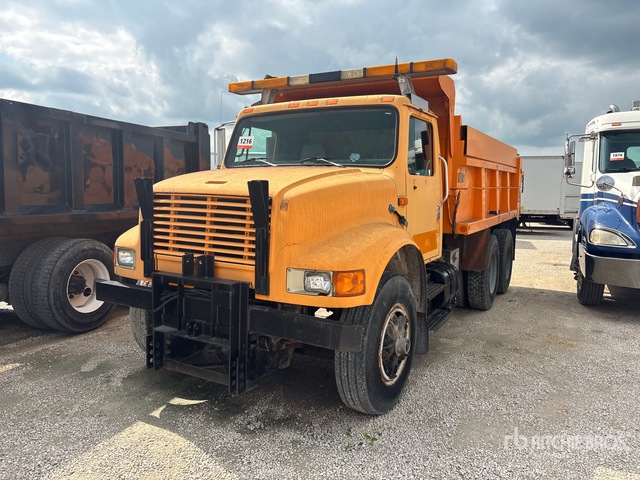 1992 International 4900 T/A Dump Truck
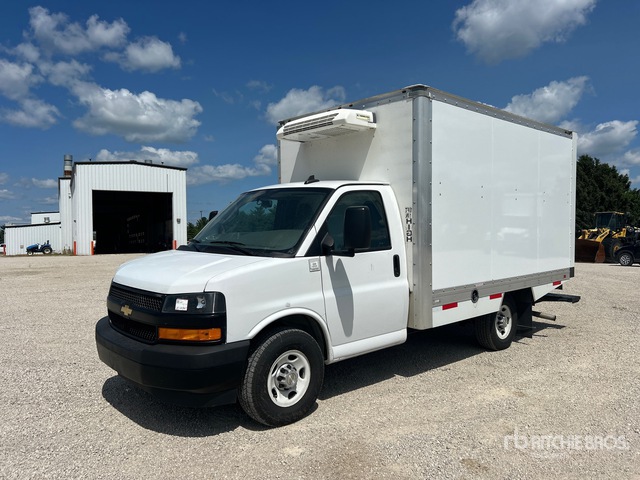 2023 GMC Express G3500 Refrigerated Truck
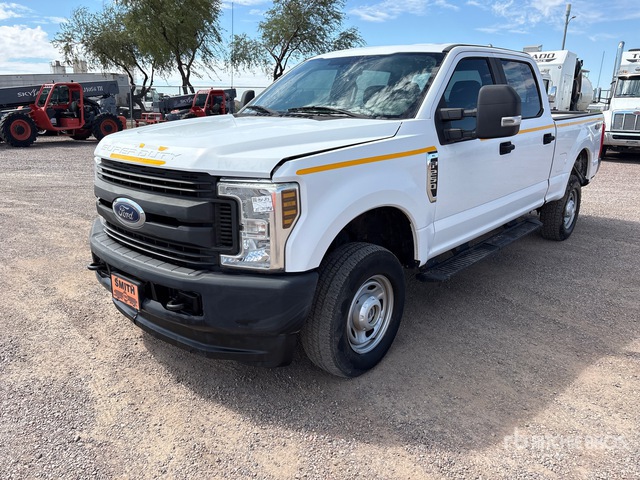 2018 Ford F-250 Pickup
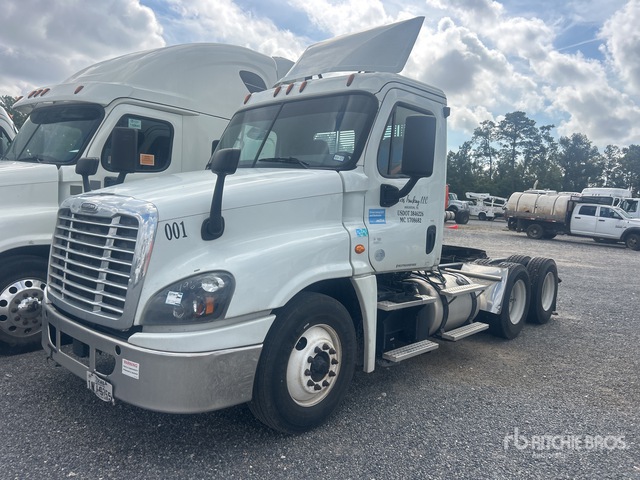 2019 Freightliner Cascadia 125 T/A Day Cab Truck Tractor
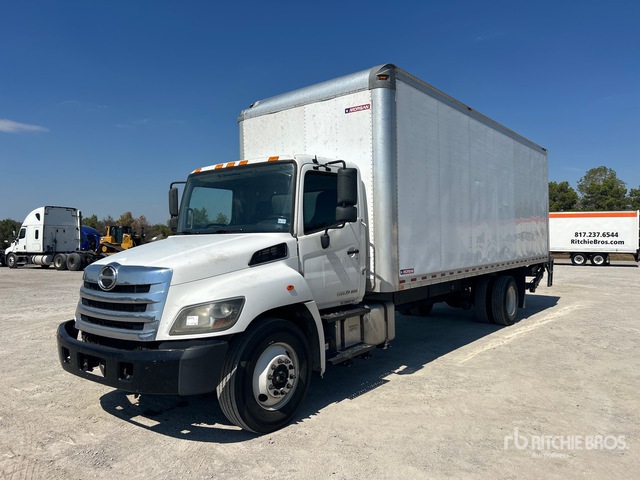 2019 Hino 268 Van Truck
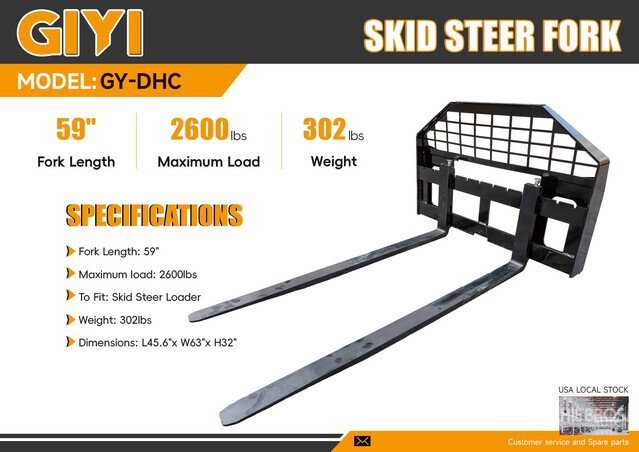 2026 GIYI GY-DHC Skid Steer Forks
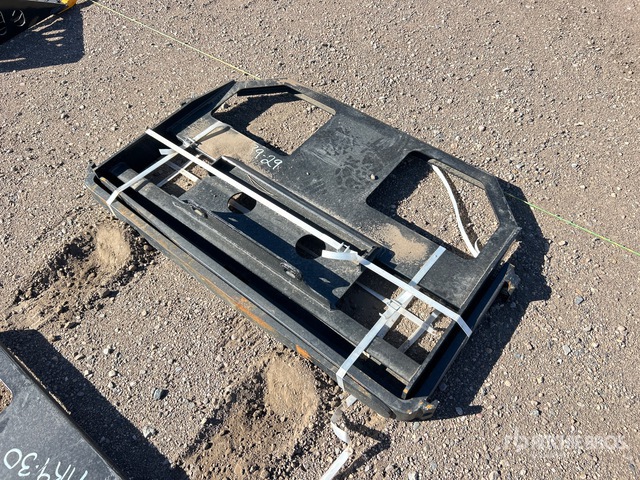 2026 GIYI GY-FR47 Skid Steer Forks
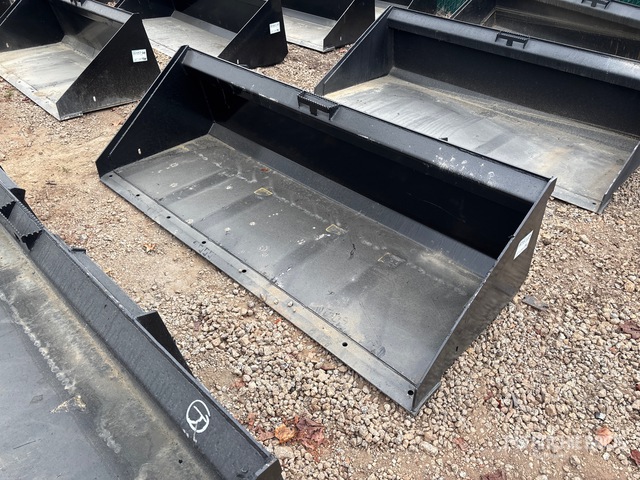 All-Star Skid Steer Bucket
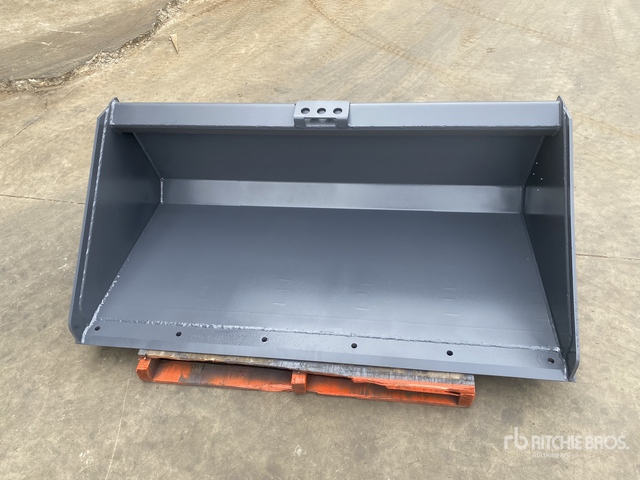 2026 TOFT HSSRB-60 Skid Steer Bucket
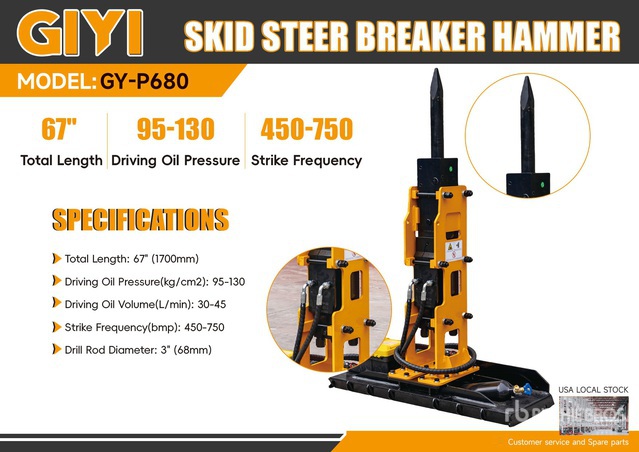 2026 GIYI GY-P680 Skid Steer Breaker
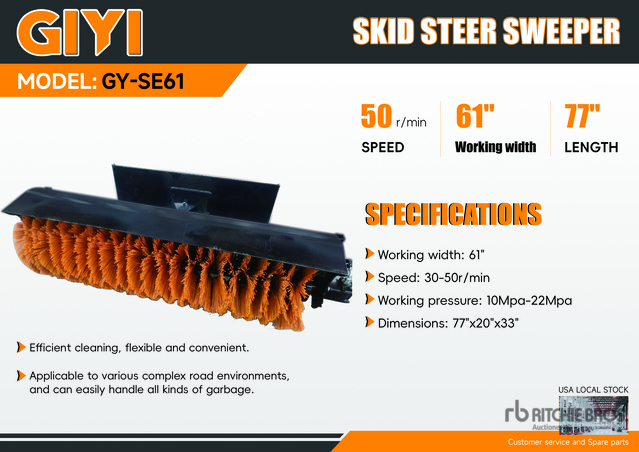 2026 GIYI GY-SE61 Skid Steer Broom
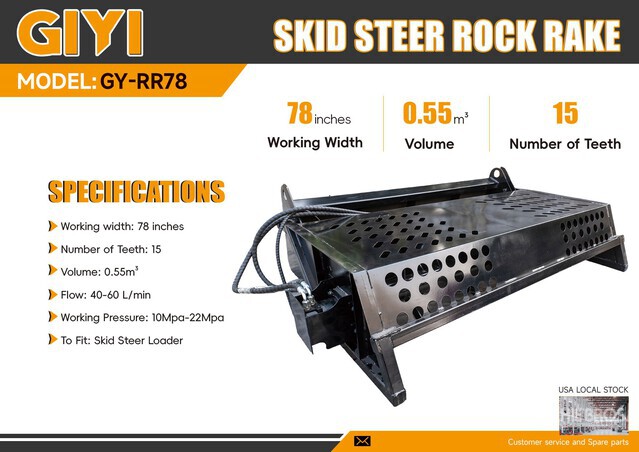 2026 GIYI GY-RR78 Misc. Skid Steer Attachment
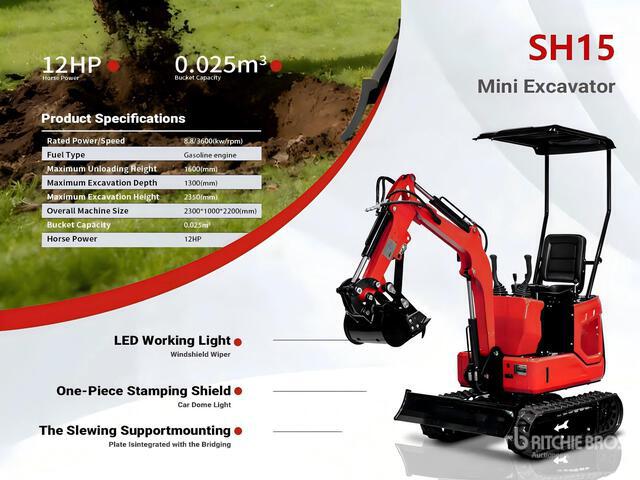 2026 SH15-RED Mini Excavator: <6.6t
 Craig Excavator Bucket
 2026 CFG MH13RX Mini Excavator: <6.6t