 USA/CAN
 France
  Germany
  United Kingdom
  Netherlands
  Spain
Spain  Italy
Italy  Canada (FR)
  Mexico
  Australia
 Crane operator salary in the US and more

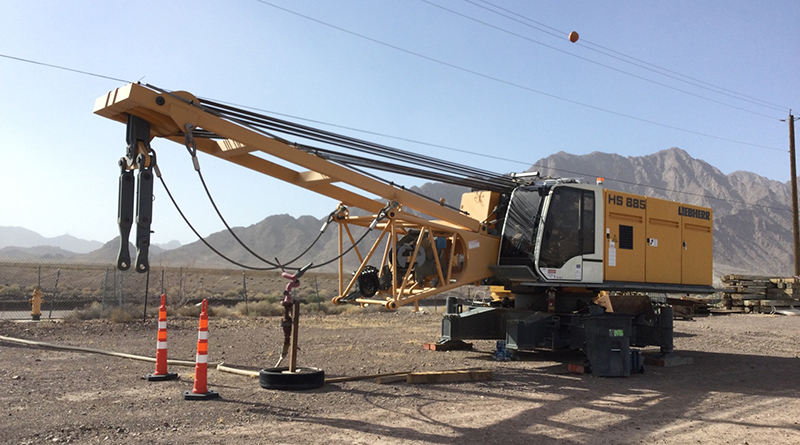
The median crane operator salary in the United States is $66,370 a year, according to the Bureau of Labor Statistics’ most recent wage data (May 2024), with typical total pay landing between $50,000 and $100,000 depending on crane type, licensing, and location.
Specialized roles like tower crane and port crane operators regularly clear $90,000 to $115,000, while entry-level operators typically start closer to $40,000. Whether you’re hiring operators, budgeting labor costs for a project, or evaluating the workforce behind equipment you’re buying or selling, understanding these numbers helps you plan with more confidence.
What is the average crane operator salary?
The median is $66,370 a year in the US as of May 2024, per BLS data, though the range runs wide on either side of that number.
Entry-level operators typically start between $40,000 and $50,000. Senior operators holding multiple crane licenses and working specialized equipment in high-demand markets regularly clear $90,000 to $110,000, and top earners on union contracts or major infrastructure projects can exceed $130,000. These figures reflect base pay only. Overtime, hazard allowances, and project bonuses, common in infrastructure, oil and gas, and heavy civil construction, can add another 20 to 40 percent on top.
A handful of factors explain most of the spread between operators:
- License type and certification level: operators certified across multiple crane types earn more
- Industry: oil and gas, mining, and port operations tend to pay above general construction rates
- Union membership: unionized operators (IUOE, in the US) typically earn 15 to 25 percent more than non-union counterparts
- Shift patterns: night shifts, rotating rosters, and fly-in fly-out (FIFO) roles carry pay premiums
- Experience and tenure: the salary curve is steepest in the first ten years
How does crane operator salary vary by crane type?
Crane type is one of the strongest predictors of pay, since more complex or higher-risk equipment requires more licensing, training, and precision.
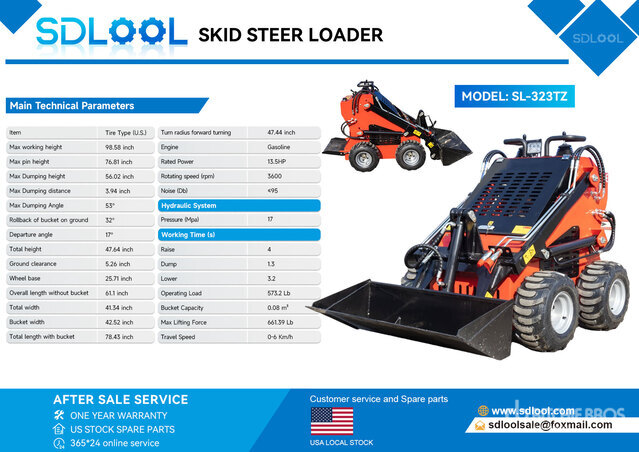 2026 SDLOOL SL-323TZ Skid Steer Loader
| Crane type | Typical annual salary (USD) |
| Mobile/truck crane | $58,000–$80,000 |
| Tower crane | $65,000–$95,000 |
| Crawler crane | $70,000–$105,000 |
| Rough terrain crane | $55,000–$75,000 |
| Port/container crane | $75,000–$115,000 |
| Overhead/bridge crane | $48,000–$68,000 |
**Source: U.S. Bureau of Labor Statistics, OEWS (May 2024); ZipRecruiter (August 2026).
How much do tower crane operators make?
Tower crane operators typically earn $65,000 to $95,000 a year in the US, with top-end operators in major cities exceeding $110,000.
The premium reflects the skill involved: tower crane operators work at height, often in dense urban environments with tight tolerances, and must interpret complex lift plans without a direct line of sight to the load. Operators certified across multiple tower crane configurations, fixed mast, luffing jib, and self-erecting, are the highest paid within the category. Australia and the UK show a similar 10 to 20 percent wage premium for tower crane work over the broader crane operator average. If you’re in the market for tower crane equipment, browse tower cranes at auction on RBA.
How much do port and container crane operators make?
Port crane operators are among the highest-paid crane specialists, with US base salaries typically running $75,000 to $115,000 a year.
Operators running ship-to-shore gantry cranes, rubber-tyred gantries, and rail-mounted gantries face constant throughput targets and round-the-clock shift rotations, and the pay reflects that demand. At major West Coast ports, unionized positions can exceed $130,000 once overtime is factored in.
Which US states pay crane operators the most?
Industry wage surveys consistently point to Hawaii, Alaska, Illinois, Washington, and New York as the highest-paying states, each averaging above $80,000 a year, while southern and rural markets typically sit 15 to 25 percent below the national median.
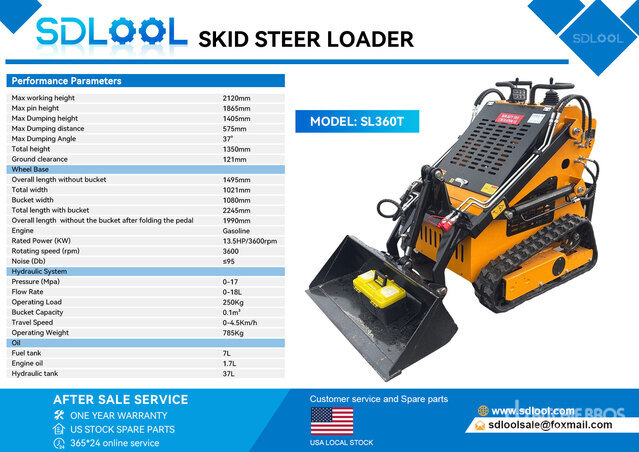 2026 SDLOOL SL360T Compact Track Loader
Cost of living, union density, and the pace of active construction and industrial projects explain most of that gap, and they’re worth checking against current state-level BLS data before using any single number for budgeting.
What do crane operators earn in Australia?
Australian crane operators typically earn AUD $80,000 to $130,000 a year, with FIFO mining roles in Western Australia and Queensland pushing total remuneration above AUD $150,000 once site allowances and shift loadings are included.
Base rates under Australian award agreements run roughly AUD $35 to $50 an hour, though site agreements on major infrastructure and resources projects often pay 30 to 50 percent above award. High Risk Work (HRW) licences are mandatory and tiered, and operators holding licences for derrick, bridge and gantry, or self-erecting tower cranes access the most competitive pay bands.
What do crane operators earn in Ireland?
Irish crane operators typically earn between €40,000 and €75,000 a year, with Dublin sitting at the top of that range due to sustained construction activity.
Tower crane operators on large Dublin city-center projects can negotiate day rates equivalent to €70,000 or more annualized. Construction Industry Federation benchmark agreements set a wage floor, and many contractors pay above them to attract and retain operators in a tight labor market.
Are crane operators paid hourly or salaried?
Most crane operators are paid hourly rather than salaried, and that distinction matters for anyone estimating real annual earnings.
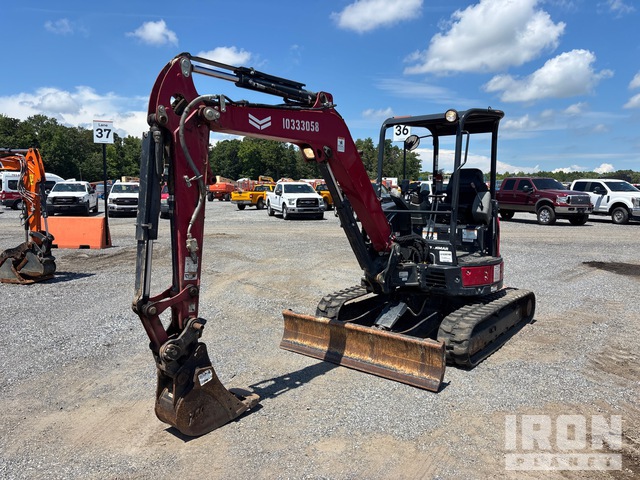 2021 Yanmar ViO35-6A Mini Excavator: <6.6t
US hourly rates typically run $28 to $55 depending on crane type and union affiliation. At a standard 40-hour week with no overtime, that works out to roughly $58,000 to $114,000 a year, but construction schedules rarely stay at 40 hours, and overtime at 1.5x or double time is common during project peaks. Salaried arrangements are more common in facility-based roles, industrial plants, shipyards, and warehouses running overhead bridge or gantry systems, where hours are predictable but total upside is lower.
- Hourly (project-based): higher earning potential and overtime upside, less year-round consistency
- Salaried (facility-based): predictable income and benefits, limited upside beyond base
- Day rate (contract): common in Australia and the UK, with rates of AUD $700–$1,200 a day standard for experienced operators
How does crane operator salary grow over time?
Experience and license breadth are the two biggest drivers of salary growth after initial certification.
- 0–2 years (entry level): $40,000–$50,000. A single crane license, working under supervision on straightforward lifts.
- 3–5 years (journeyman): $55,000–$72,000. Multiple licenses and independent lift planning; this is where salary grows fastest.
- 6–10 years (experienced): $72,000–$90,000. Trusted on complex or higher-risk lifts, often specializing in tower or port crane work.
- 10+ years (senior/specialist): $90,000–$130,000+. Major projects, offshore work, or FIFO resource-sector roles, plus lift supervisor or rigger team lead positions.
Operators who hold licenses across multiple crane types, mobile, tower, overhead, and gantry, consistently out-earn single-license peers, often by 20 to 30 percent over a career. Union membership adds further upside in markets where collective bargaining agreements are in force, since wage tables are negotiated annually and provide structured increases independent of individual negotiation.
What this means for buyers and fleet managers
For buyers and fleet managers, crane operator salary data is more than a hiring reference. It signals demand levels in a given market, helps project owners budget total lifting costs, and reflects how tightly certain crane types are in supply. A market where tower crane operators are commanding premium wages is often one where tower cranes at auction carry stronger resale values too.
 |
What is GVWR and why it matters when you buy a truck |
 2026 SDLOOL SL-323TZ Skid Steer Loader2026 SDLOOL SL360T Compact Track Loader
 2026 STARVOX SV20R Mini Excavator: <6.6t2021 Yanmar ViO35-6A Mini Excavator: <6.6t
 2018 Cat 336F L Tracked Excavator
 Trojan 35CL Excavator Bucket
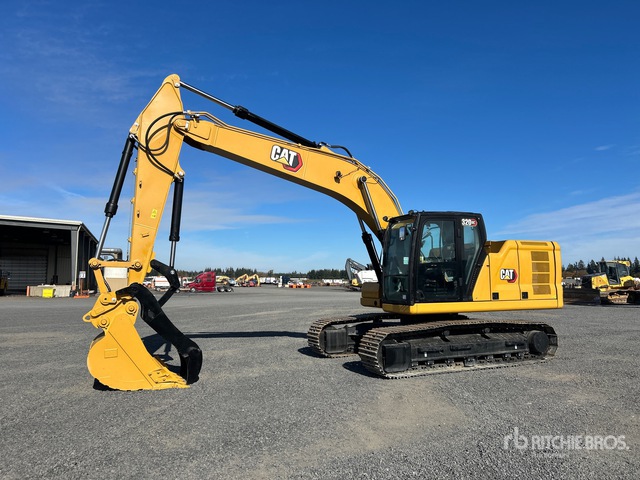 2024 Cat 320 Tracked Excavator
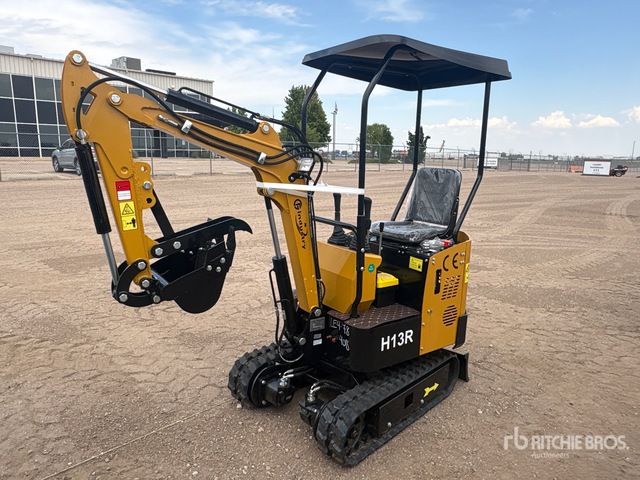 2026 CFG H13R Mini Excavator: <6.6t
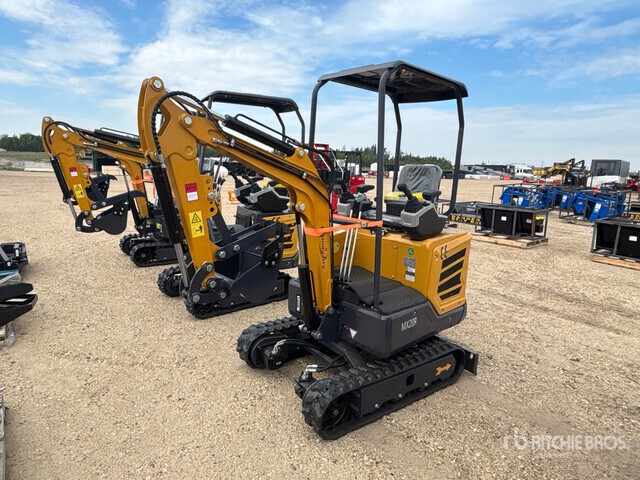 2026 CFG MX20R Mini Excavator: <6.6t
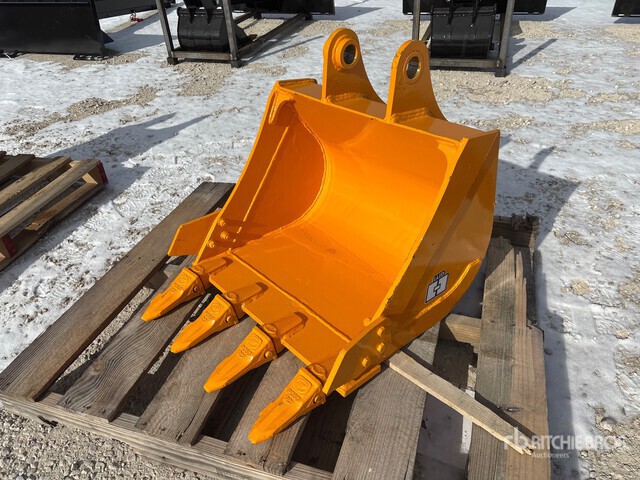 2026 GIYI GY-BK Excavator Bucket
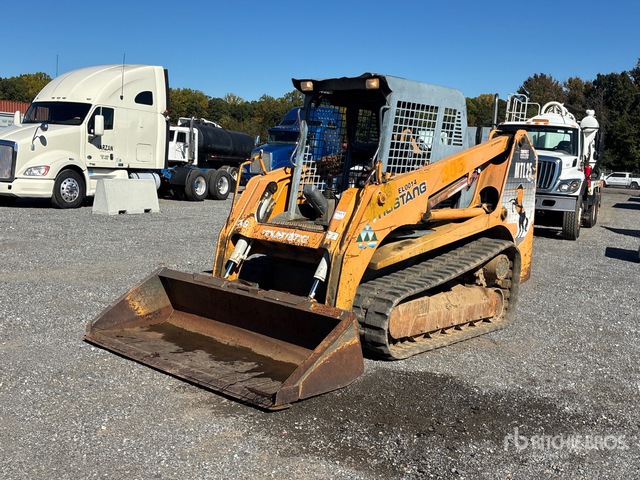 2006 Mustang MTL25 Compact Track Loader
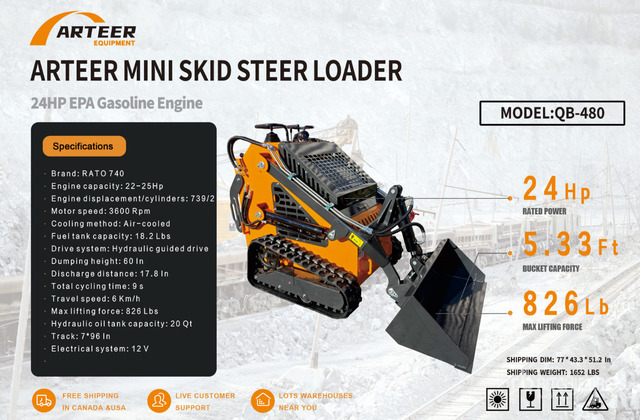 2026 ARTEER QB-480 Compact Track Loader
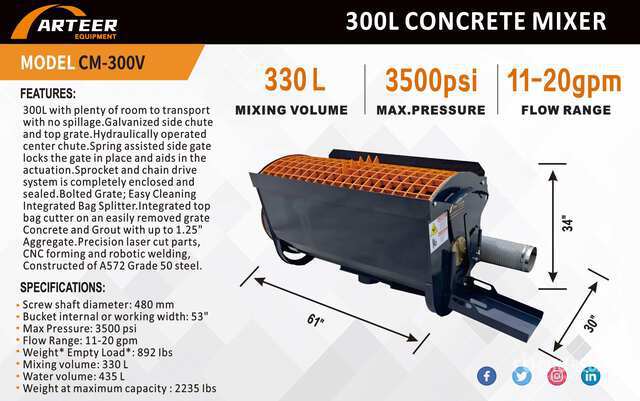 2026 ARTEER CM-300V Skid Steer Concrete Mixer
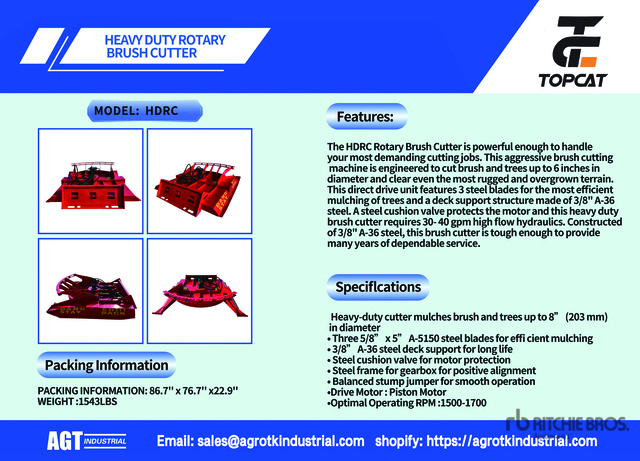 2026 Top Cat HDRC Skid Steer Brush Cutter
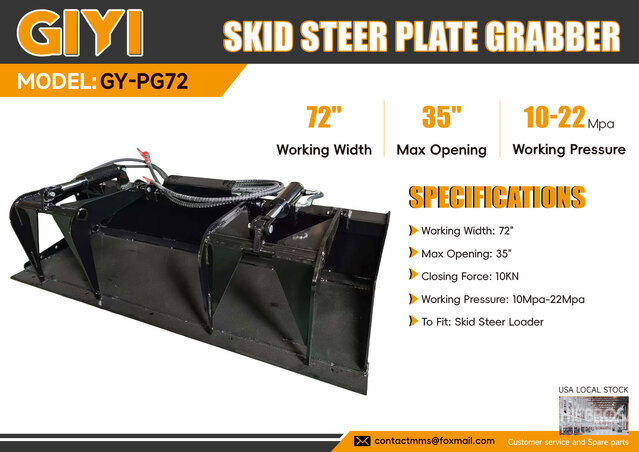 2026 GIYI GY-PG72 Skid Steer Grapple
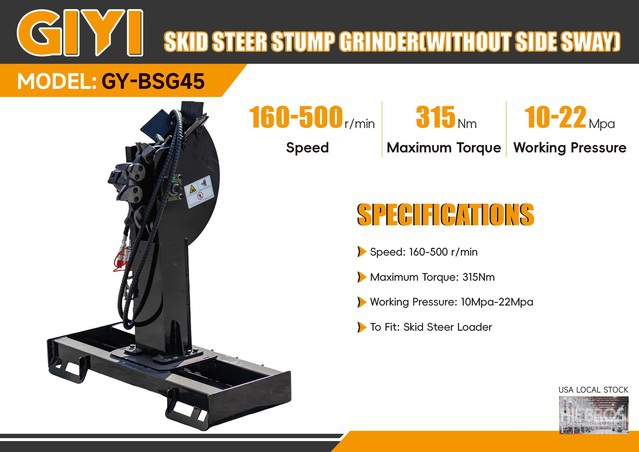 2026 GIYI GY-BSG45 Skid Steer Stump Grinder
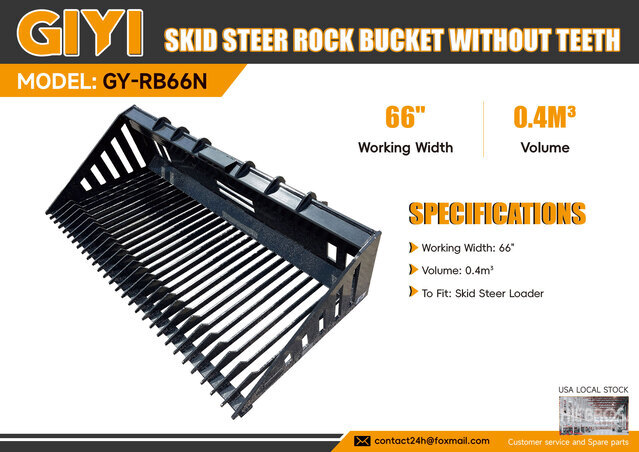 2026 GIYI GY-RB66N Skid Steer Bucket
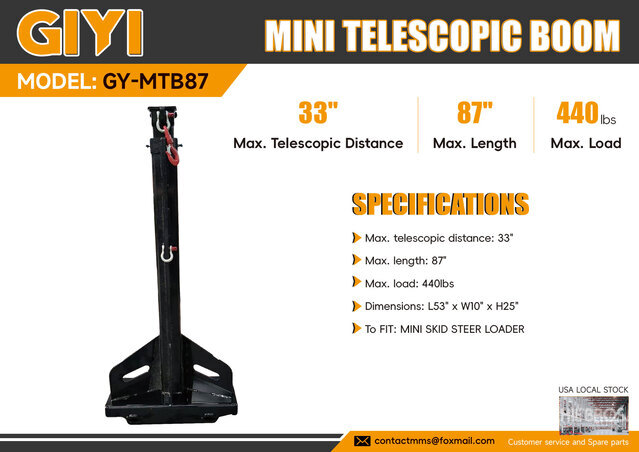 2026 GIYI GY-MTB87 Misc. Skid Steer Attachment
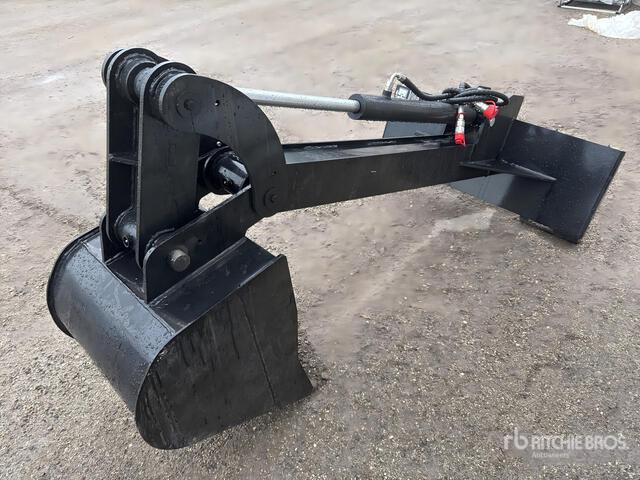 2026 GIYI GY-D ZWB Skid Steer Backhoe
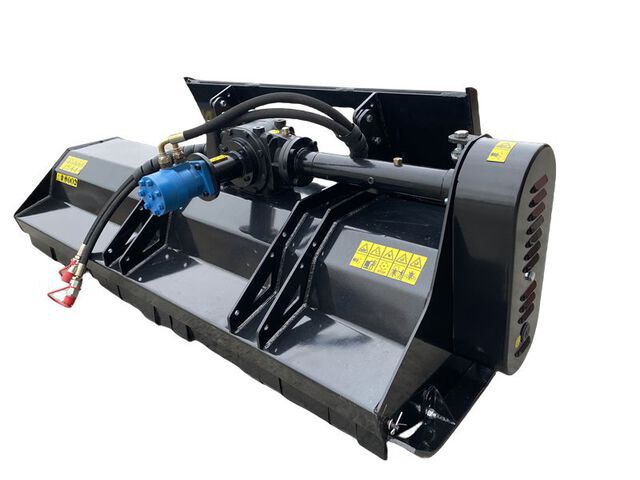 2026 Mower King SSEFGC175 Skid Steer Flail Mower
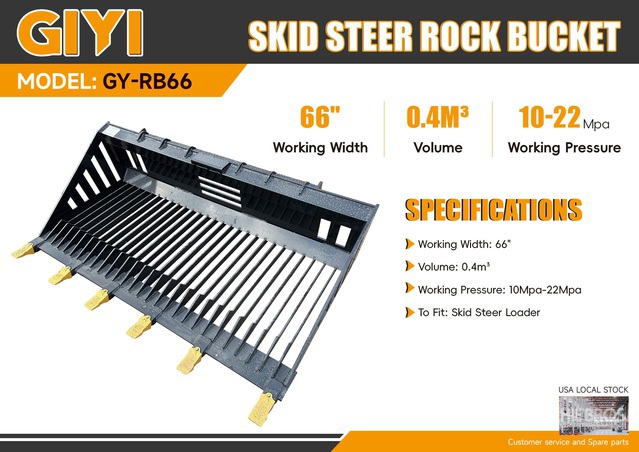 2026 GIYI GY-RB66 Skid Steer Bucket
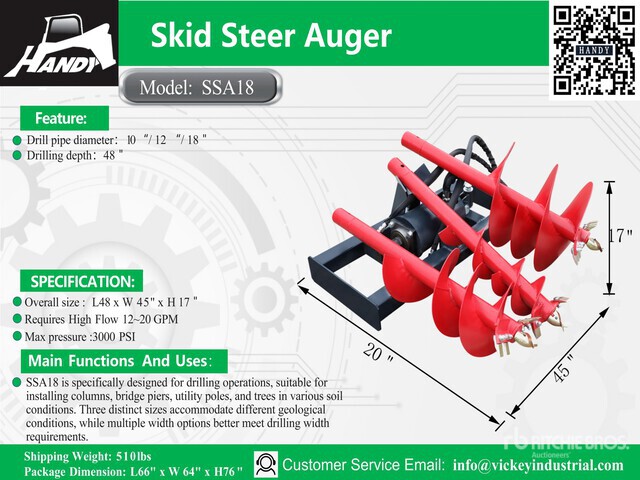 2026 Handy SSA18 Skid Steer Auger
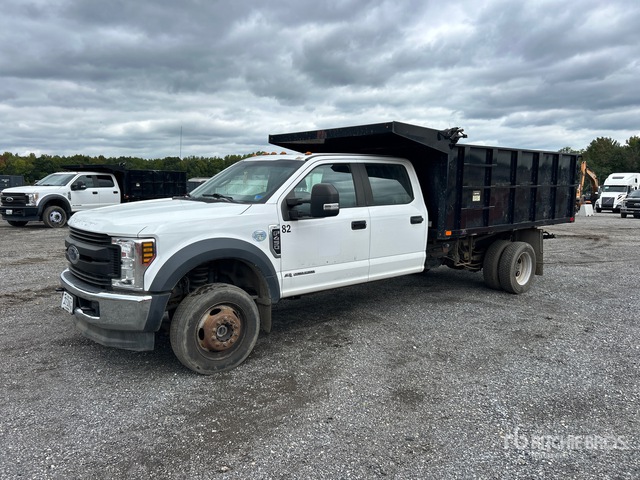 2019 Ford F-450 Dump Truck: Light Duty
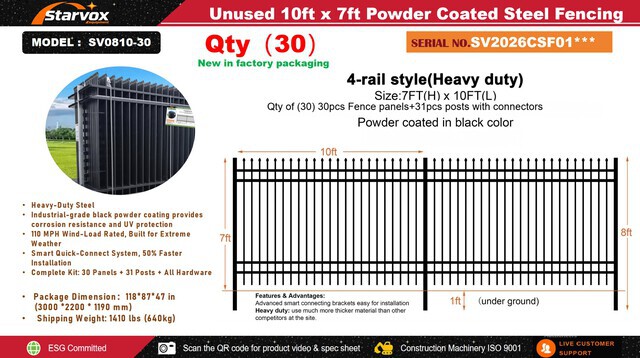 2026 STARVOX SV0810-30 Fencing
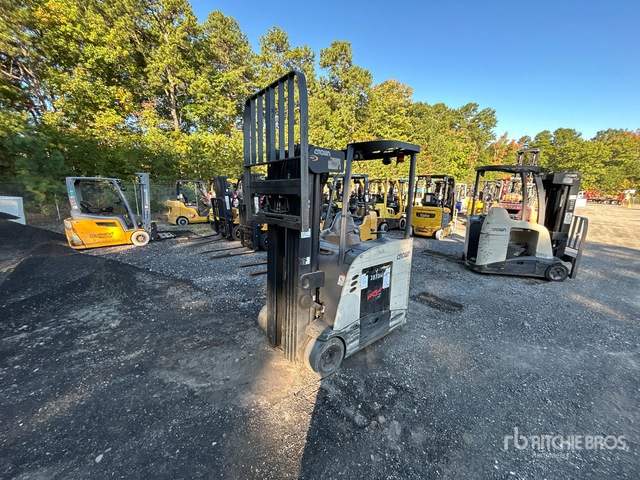 2019 Crown RC5545-40 Electric Forklift