 USA
USA France
  Germany
  United Kingdom
  Netherlands
  Spain
Spain  Italy
Italy  Canada (FR)
  Mexico
  Australia
 EPA Tier 5 emissions: Important things to know

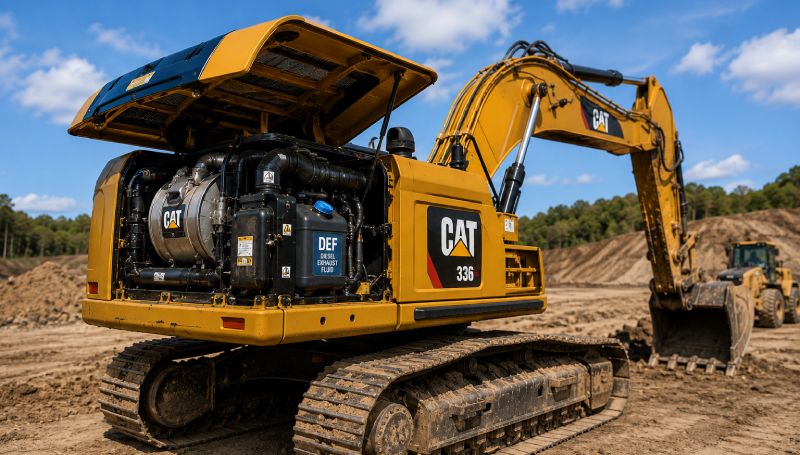
EPA Tier 5 emissions standards are the next major shift in diesel equipment regulations — and if you buy, own, or sell off-road equipment, they will affect your purchasing decisions, fleet planning, and asset values before you know it. Here’s what’s confirmed, what’s expected, and how to position yourself ahead of the transition.
What are EPA Tier 5 emissions standards?
EPA Tier 5 is the anticipated next phase of U.S. federal emissions regulations for non-road diesel engines, targeting further reductions in nitrogen oxides (NOx) and particulate matter (PM) beyond the current Tier 4 Final requirements. While Tier 5 rules have not yet been formally enacted in the United States as of 2025, the EPA has signaled intent to tighten off-road emissions standards, and the European Union’s equivalent — Stage V — is already in force, giving a clear preview of where North American regulations are heading.
For equipment buyers and fleet operators, the practical takeaway is this: the regulatory direction is set. Planning around it now protects both your compliance position and your resale value.
How do Tier 4 and Tier 5 engines differ?
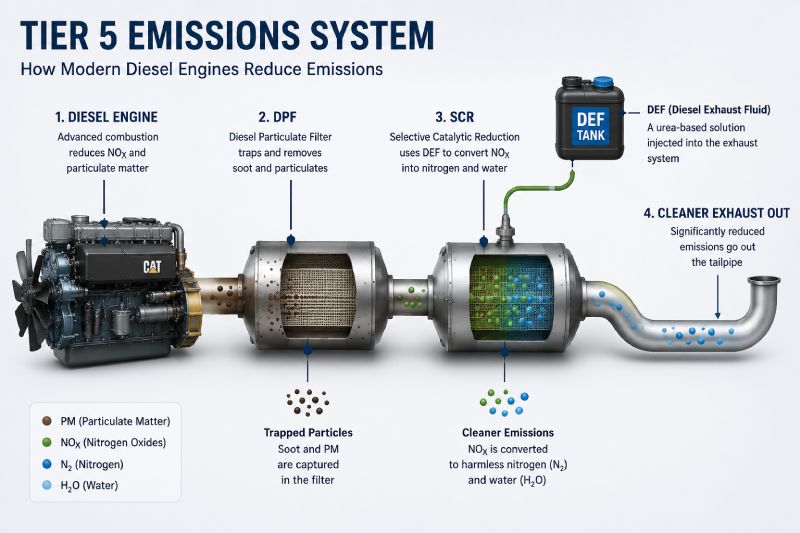
Tier 4 Final, fully phased in by 2015, requires diesel particulate filters (DPFs) and selective catalytic reduction (SCR) systems on most engines above 75 hp. NOx limits under Tier 4 Final sit at approximately 0.30 g/kWh for larger engines.
A Tier 4 vs Tier 5 engine comparison shows the primary difference is a further NOx reduction — the EU Stage V standard pushed limits to 0.40 g/kWh for smaller engines and introduced tighter PM thresholds across all power bands, including the previously unregulated sub-19 kW and 560+ kW categories. The technology required to meet these targets includes more advanced aftertreatment systems, improved combustion management, and in some cases, gaseous emission controls that Tier 4 machines do not carry.
For buyers, this means:
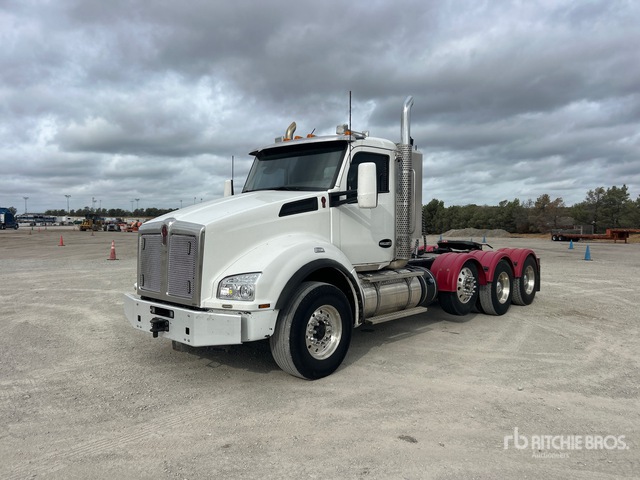 2015 Kenworth T880 Tri/A Day Cab Truck Tractor
- Engine complexity increases. More aftertreatment hardware means higher initial cost and more maintenance touchpoints.
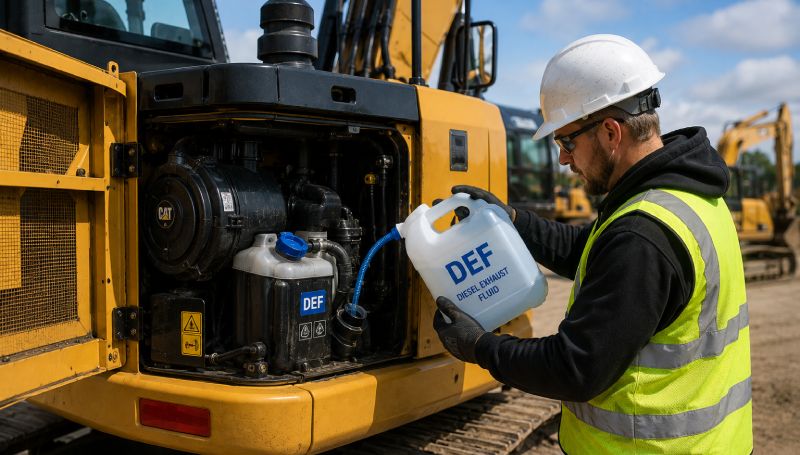
- Fuel and fluid requirements tighten. Ultra-low sulphur diesel and diesel exhaust fluid (DEF) remain essential; some Stage V-compliant engines require higher-quality DEF than their Tier 4 counterparts.
- Resale dynamics shift. As Tier 5 adoption grows, Tier 4 Final machines may face value compression in regulated markets — but they will remain highly competitive in markets with looser emissions rules.
What does this mean for used equipment buyers right now?
If you are purchasing used equipment today, your Tier 4 Final machine is not suddenly obsolete — far from it. Tier 4 Final equipment remains compliant in all current U.S. jurisdictions and will continue to be for the foreseeable future. The more pressing consideration is what market you are buying for and how long you plan to hold the asset.
Buying for domestic U.S. operations: Tier 4 Final equipment remains fully viable. No retrofit requirements are currently mandated for existing fleets transitioning to Tier 5 if and when those rules arrive.
Buying for export or resale into EU/UK markets: Stage V compliance is already required for new equipment. Used Tier 4 Final machines can still be imported under certain conditions, but buyers targeting European resale should factor in compliance status carefully.
Buying for long-term fleet retention (10+ years): Monitor EPA rulemaking closely. If Tier 5 is finalised with retrofit provisions — as some state-level rules like California’s CARB regulations have historically included — older equipment could face compliance costs down the line.
For buyers looking at used trucks, upcoming auctions at Ritchie Bros. regularly feature late-model Tier 4 Final equipment across multiple categories — worth evaluating now while values remain strong and regulatory clarity is still developing.
How are manufacturers responding to Tier 5 emissions?
Major OEMs — Caterpillar, John Deere, Cummins, Volvo, and Liebherr among them — have already developed Stage V-compliant engines for European markets. This development work does not need to be repeated for a U.S. Tier 5 rollout; it needs to be certified. The engineering groundwork is largely done.
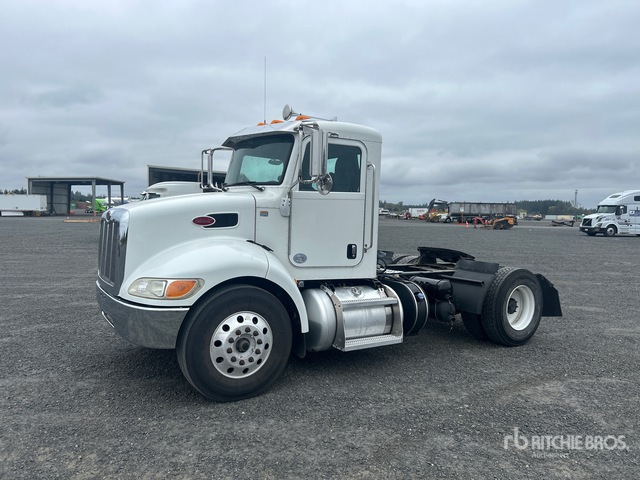 2016 Peterbilt 337 S/A Day Cab Truck Tractor
What this means practically:
- New equipment lines are Tier 5-ready in design. Many machines sold in North America with Stage V-compliant powerplants simply require EPA certification, not engineering redesign.
- Transition timelines will likely be phased by horsepower band, as all previous tier implementations have been. Larger engines (above 560 hp) and smaller engines (below 25 hp) are historically phased last.
- Dealers are already stocking Stage V-certified iron for customers who export or operate in jurisdictions with stricter rules.
What fleet owners should do before Tier 5 regulations arrive
The most damaging position to be in when diesel equipment emissions regulations tighten is a reactive one — scrambling to replace non-compliant assets under time pressure, or discovering that your fleet’s residual value has eroded because you held Tier 3 machines too long ahead of Tier 4.
Here is a practical action list:
- Audit your fleet by engine tier. Know exactly what Tier 3, Tier 4 Interim, and Tier 4 Final machines you are running and their expected remaining service life.
- Model resale timing against regulatory signals. If Tier 5 rules are proposed with a 3–5 year implementation window, assets you plan to sell anyway should be liquidated before the market absorbs the news.
- Track EPA rulemaking and CARB actions. California Air Resources Board rules frequently precede federal action. CARB’s In-Use Off-Road Diesel regulation is a leading indicator of where the EPA eventually moves.
- Evaluate total cost of ownership on new purchases. A Tier 4 Final machine bought at auction today at a discount may offer better total cost outcomes over five years than a new Tier 5-compliant unit at full retail — depending on your operating region and fleet cycle.
- Maintain aftertreatment systems rigorously. DPF and SCR systems on Tier 4 Final machines significantly affect resale value. Documented maintenance history on these systems is a material factor in what buyers will pay at auction.
Will Tier 5 affect equipment auction prices?
Regulatory transitions historically create a two-phase effect on used equipment markets. In the lead-up to a new tier’s implementation, compliant new equipment prices rise, which pushes buyers toward the used market and elevates prices for late-model machines in the outgoing tier. After implementation, non-compliant older machines face steeper value discounts as the buyer pool narrows.
For sellers, the window of maximum value for Tier 4 Final equipment in a Tier 5 world is likely the 12–24 months before formal rules take effect. Watching that window and timing disposition accordingly is where informed fleet managers extract the most value from their assets.
The bottom line on EPA Tier 5
EPA Tier 5 emissions standards are not yet law in the United States, but the regulatory trajectory is clear, the engineering is ready, and the market effects of a transition will be felt well before any rule officially takes effect. Equipment buyers who understand the Tier 4 vs Tier 5 engine distinction, and fleet owners who plan dispositions and acquisitions with emission tier in mind, will be better positioned than those who treat this as a future problem.
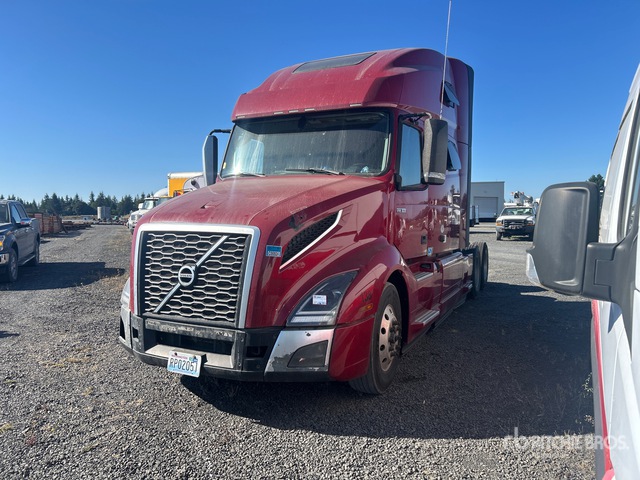 2023 Volvo VNL760 T/A Sleeper Truck Tractor
The time to integrate EPA off-road emissions rules into your buying and fleet strategy is now — not when the Federal Register publishes the final rule.
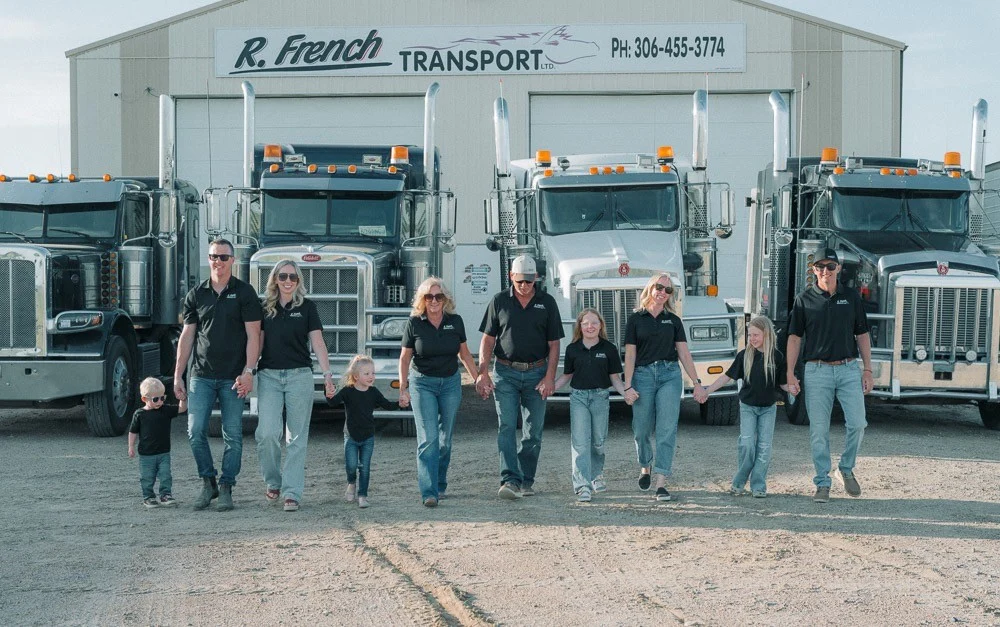 |
From Winter Roads to Retirement: How R. French Transport Sold Its Fleet from Home in Arcola, SK |
 2015 Kenworth T880 Tri/A Day Cab Truck Tractor2016 Peterbilt 337 S/A Day Cab Truck Tractor2023 Volvo VNL760 T/A Sleeper Truck Tractor
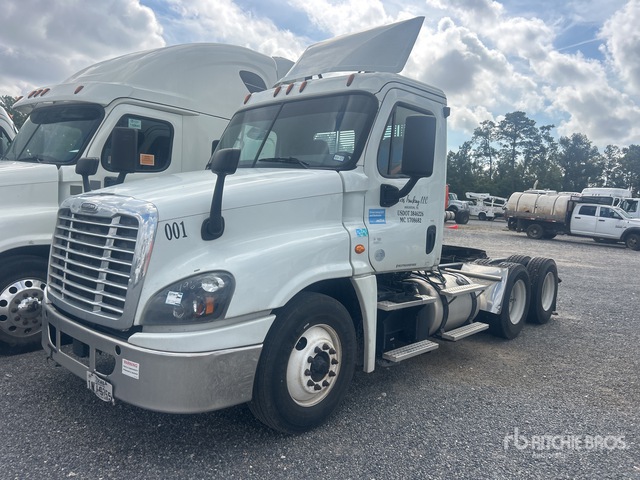 2019 Freightliner Cascadia 125 T/A Day Cab Truck Tractor
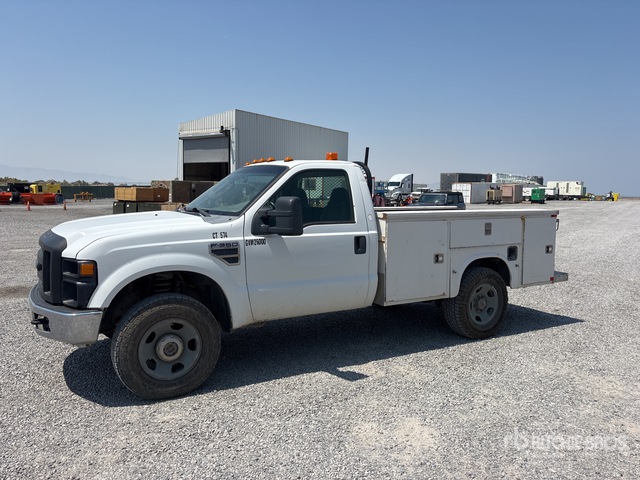 2009 Ford F-350 Utility Truck
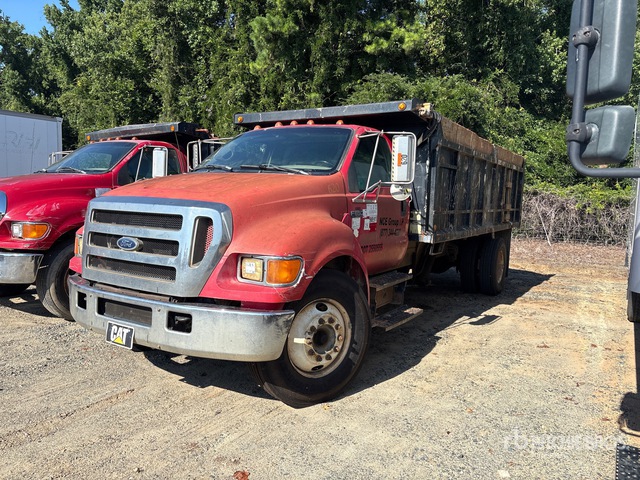 2006 Ford F-650 S/A Dump Truck
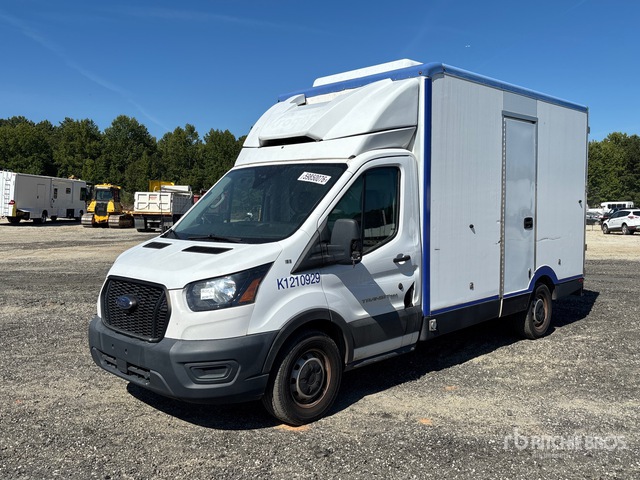 2022 Ford Transit T-350 Refrigerated Truck
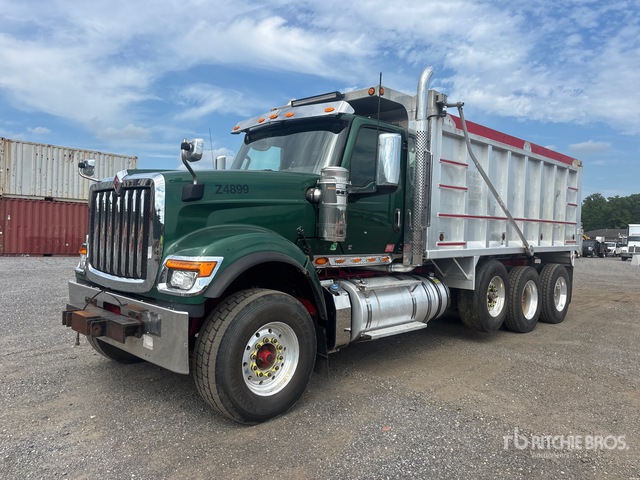 2023 International HX520 Tri/A Dump Truck
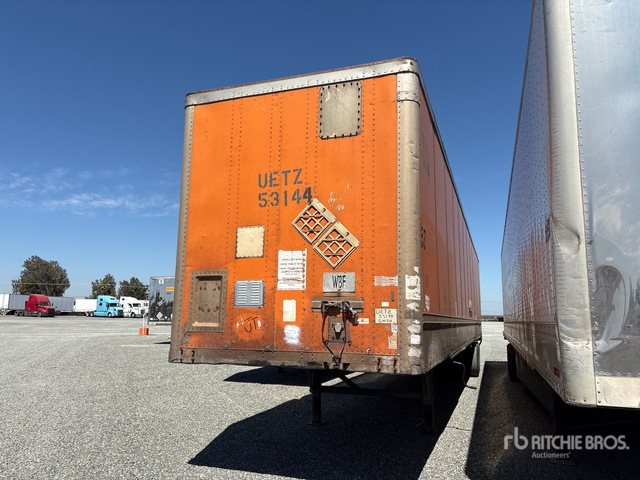 2004 Wabash Van Trailer
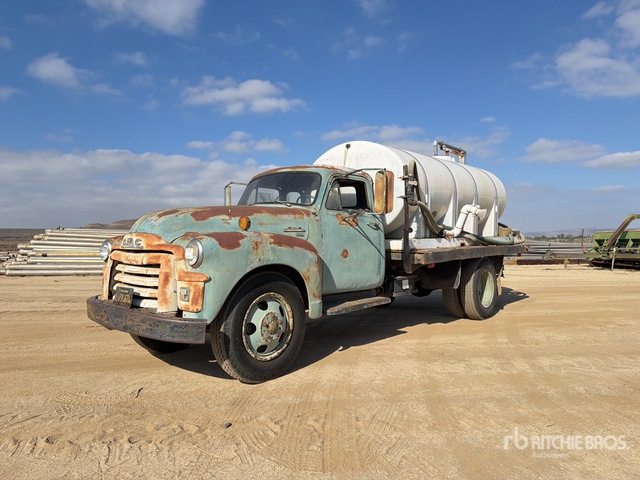 1963 GMC 350 Flatbed Truck
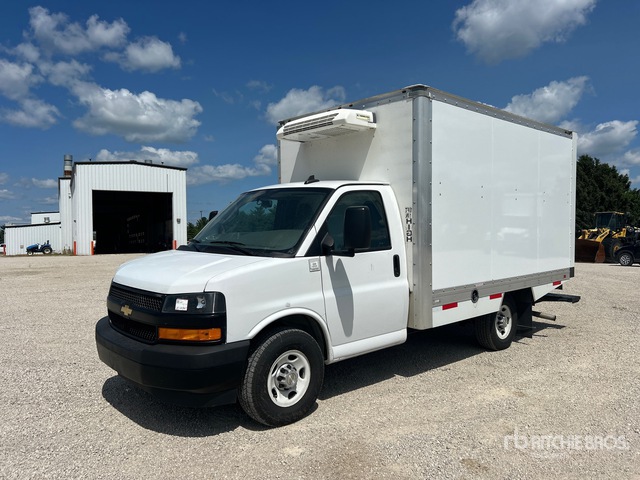 2023 GMC Express G3500 Refrigerated Truck
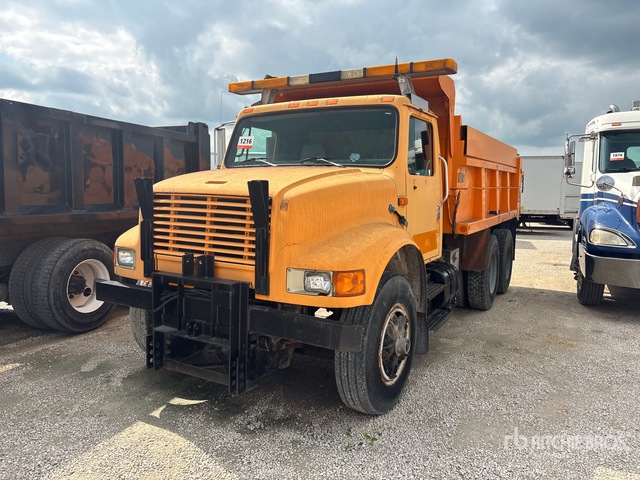 1992 International 4900 T/A Dump Truck
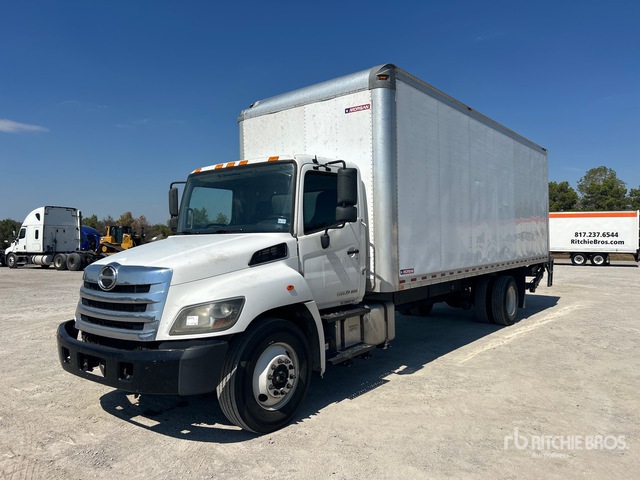 2019 Hino 268 Van Truck
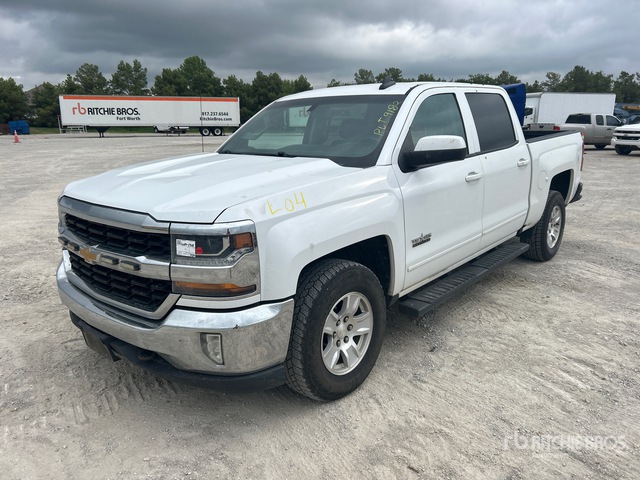 2018 Chevrolet Silverado 1500 Pickup
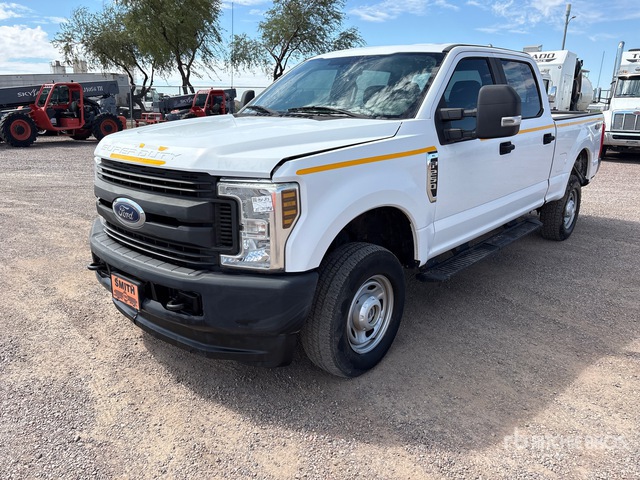 2018 Ford F-250 Pickup
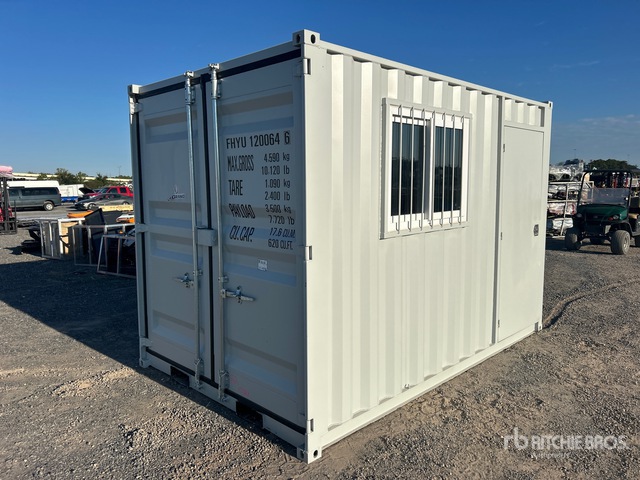 2026 SDGRAND IRC12 Storage Container
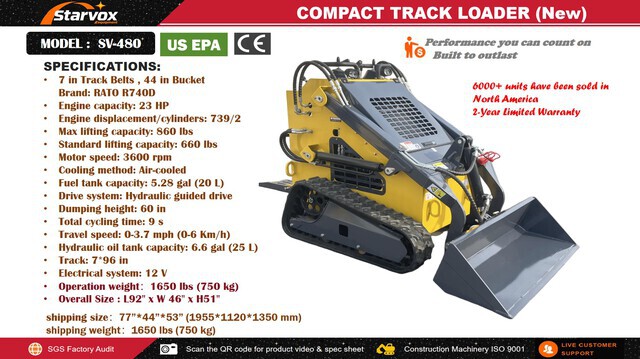 2026 STARVOX SV-480 Compact Track Loader
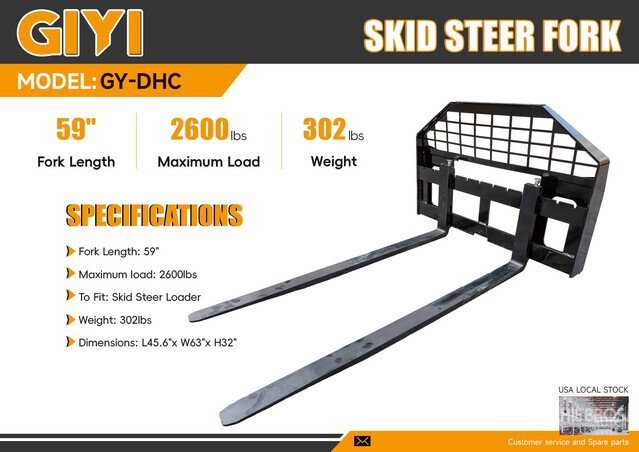 2026 GIYI GY-DHC Skid Steer Forks
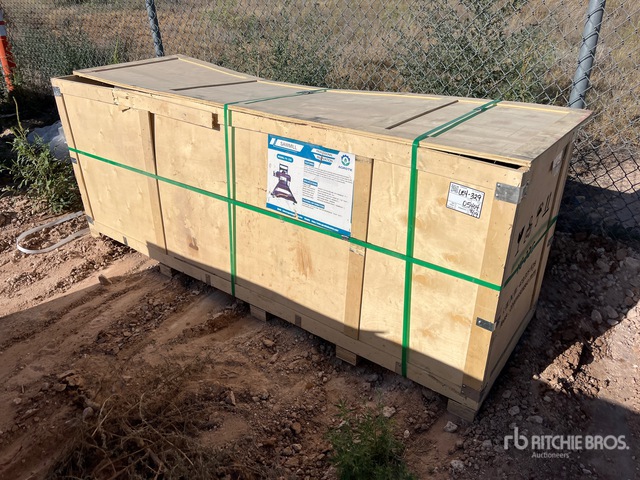 2026 AGT YC32-G Portable Sawmill
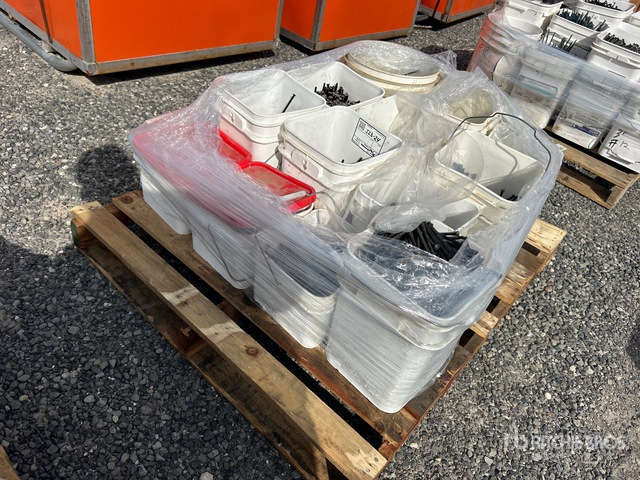 Drill-Tec Misc. Industrial
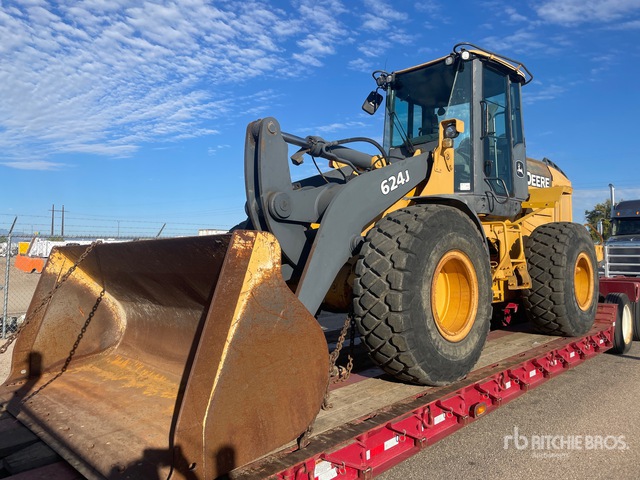 2007 John Deere 624J Wheel Loader
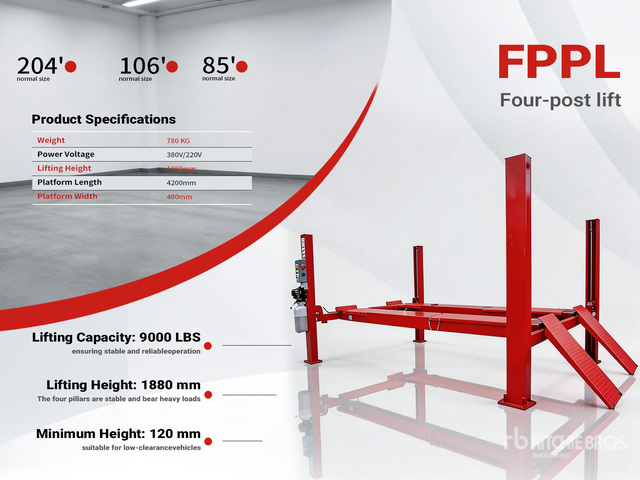 2026 FPPL Vehicle Lift
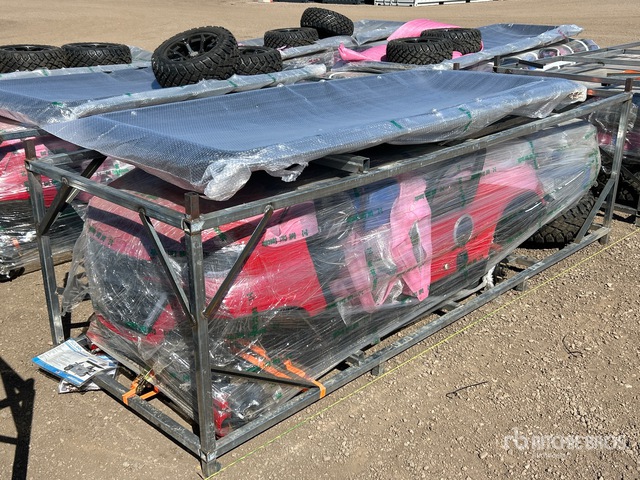 2026 SDLOOL SL-GC22S Golf Cart
 2026 GIYI GY-FR47 Skid Steer Forks
 2026 SDLOOL SL380R Compact Track Loader