 USA/CAN
 France
 Germany
 United Kingdom
 Netherlands
 Spain
 Italy
 Canada (FR)
 Mexico
 Australia
How County Governments Can Turn Surplus Equipment Into Budget Relief

Every county budget season brings the same conversation: not enough money, too many needs. Road repairs, staffing, infrastructure projects. The list is always longer than the funds available.
What many county officials don’t realize is that some of the answer may already be sitting in their equipment yard.
Many counties own large fleets of equipment: dump trucks, motor graders, loaders, pickups, and utility vehicles. Some assets are actively used every day. Others have been replaced but never sold. Some are aging out of service and simply taking up space.
Here’s how counties are turning surplus equipment into budget relief, while maintaining a process that’s transparent, defensible, and straightforward to manage.
Step 1: Get a Clear Picture of What You Actually Have
The first step is a simple audit: what do you own, what’s actively in service, and what’s been effectively decommissioned — either because it was replaced or because repair costs make it impractical to keep running?
Even a rough inventory is enough to get started. You don’t need condition reports or valuations at this stage. A list of asset types and approximate quantities is all it takes to have a productive first conversation with your local sales rep.
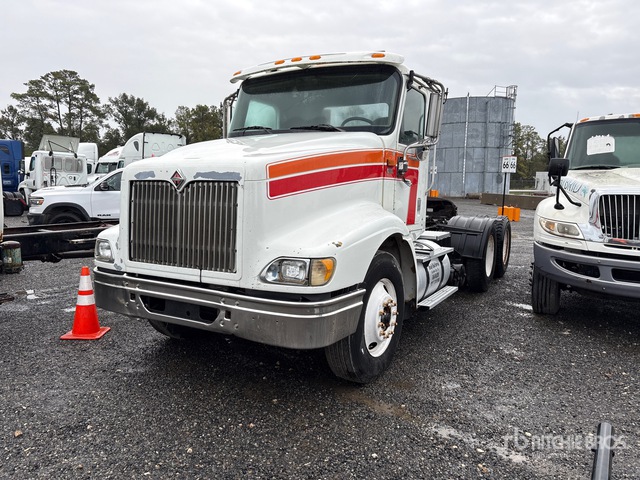 2010 International 9200i T/A Day Cab Truck Tractor
Step 2: Understand What It’s Worth on the Open Market
One of the most common surprises for county officials is how much their surplus equipment is actually worth.
A 10-year-old dump truck that’s been sitting idle might look like a liability on paper. On the open market, with the right buyer pool, that same truck often sells for significantly more than expected — particularly for specialized equipment like motor graders, excavators, and heavy road maintenance gear that’s always in demand from contractors and smaller municipalities.
The right auction partner should be able to give you a realistic sense of current market values before you commit to anything. Not a vague estimate — actual comparable sales data from similar equipment, similar ages, similar conditions.
That number matters for more than just planning. It matters when you have to justify the decision to commissioners, finance committees, or the public.
Step 3: Choose the Right Structure for Your Agency
Not every surplus sale looks the same, and not every agency has the same flexibility.
Some counties can go straight to a no-reserve auction — meaning the equipment sells to the highest bidder regardless of price. This approach tends to drive maximum buyer participation and competitive bidding, which often produces strong results.
 2022 Peterbilt 579 T/A Sleeper Truck Tractor
Other agencies need more certainty. If you’re accountable to a board that’s going to scrutinize the outcome, or if you have a minimum acceptable return tied to a pending equipment purchase, a guaranteed payout structure makes more sense. You agree on a floor before the sale happens. If the market beats it, you share in the upside. If it doesn’t, you’re still covered.
There are also outright purchase options for agencies that need the transaction to close quickly — before a fiscal year deadline, for example.
A good specialist will help you figure out which structure fits your situation. The goal isn’t to push you toward the option that’s easiest for the auction house — it’s to find the approach that gives you the best result with the least political exposure.
Step 4: Let the Process Work for You
One of the most common reasons counties put off selling surplus equipment is the assumption that it’s going to be a lot of work. Listing assets, handling buyer inquiries, managing payments, processing titles — it sounds like a department project nobody has bandwidth for.
With the right partner, it isn’t. A full-service auction company, like Ritchie Bros., handles the logistics end-to-end: listing, marketing to a qualified buyer pool, buyer verification, payment collection, and title processing. Your team’s involvement is minimal. You hand off the assets and you get paid.
Step 5: Time It to Your Fiscal Year
Government agencies don’t operate on a universal fiscal calendar. Some end in March, some in June, some at other points throughout the year. The timing of when you receive payment from an equipment sale matters, because unpaid items on your books at year-end can affect your federal budget allocation.
 2019 Freightliner Cascadia 126 T/A Day Cab Truck Tractor
A sale that closes in the wrong month, even a successful one, can create accounting headaches that outweigh the benefit. The right auction partner understands this. Payment timing should be part of the conversation from the start, not an afterthought.
The Bottom Line
Surplus equipment isn’t a problem to manage. It’s a resource to put to work. Counties that take a proactive approach can recover value from idle assets, improve fleet efficiency, and create greater budget flexibility.
Ritchie Bros. helps agencies through every step of the process, from asset valuations and sales strategy to transaction management and logistics. With a dedicated government team and a global buyer network, we help counties recover value in a way that’s transparent, defensible, and easy to manage.
Reach out today to connect with a Government Agency specialist.
 |
4 Reasons to Sell Your Equipment and Trucks Before Year-End |
 2010 International 9200i T/A Day Cab Truck Tractor2022 Peterbilt 579 T/A Sleeper Truck Tractor2019 Freightliner Cascadia 126 T/A Day Cab Truck Tractor
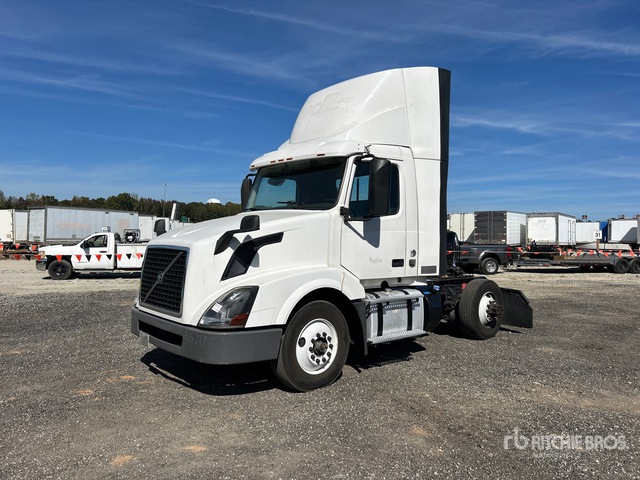 2017 Volvo VNL42T S/A Day Cab Truck Tractor
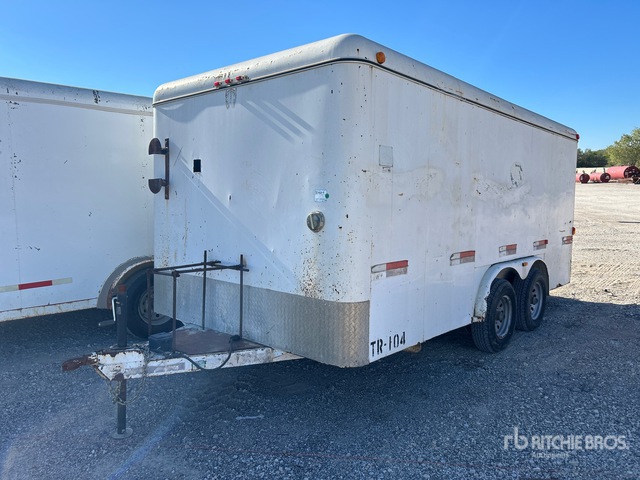 2009 W-W Enclosed Trailer
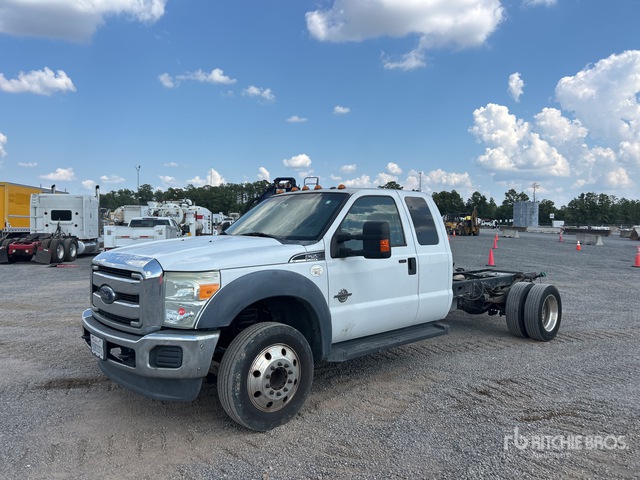 2015 Ford F-550 Cab and Chassis
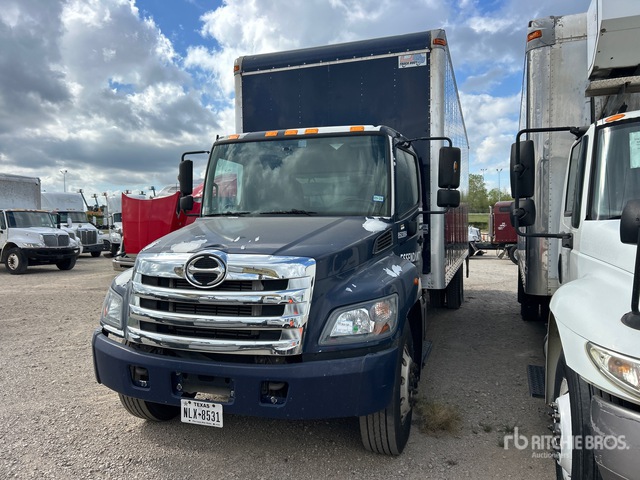 2014 Hino 268 Van Truck
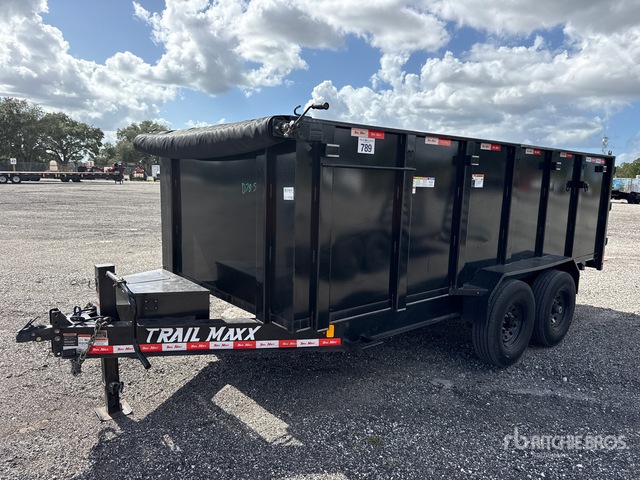 2025 Trail Maxx DT27 Dump Utility Trailer
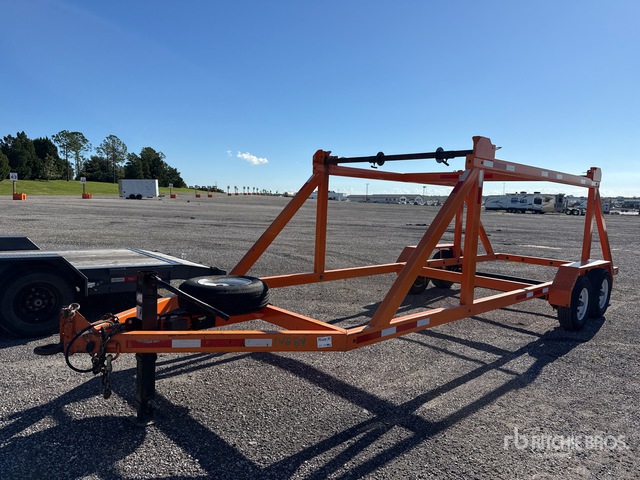 Reel Trailer
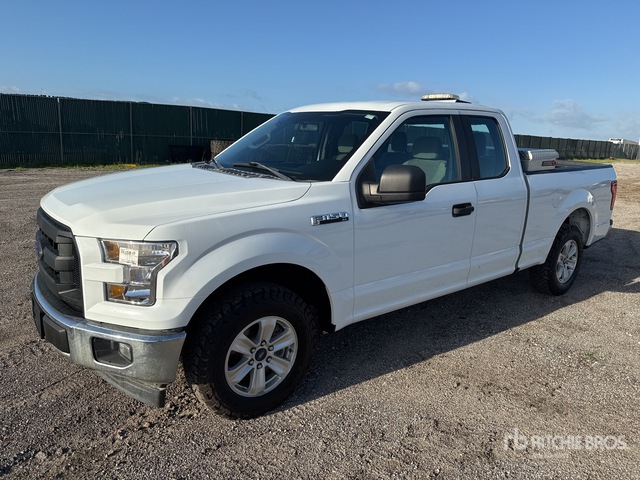 2015 Ford F-150 Pickup
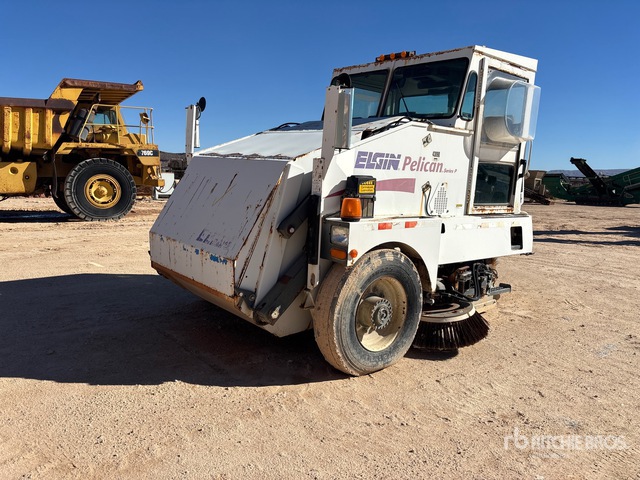 2002 Elgin Pelican Sweeper Truck
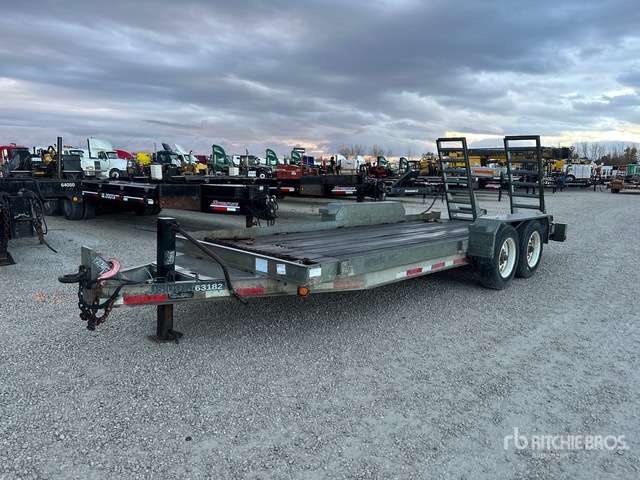 2016 Lucon 8T182BW Equipment Trailer
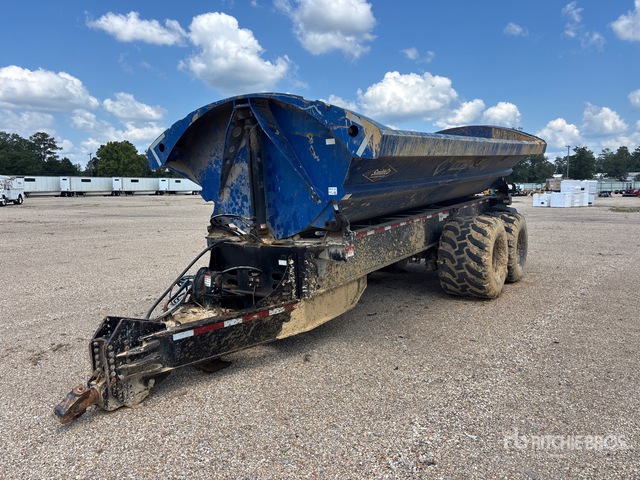 2022 Smithco CPL30-30-21 Off-Road Side Dump Trailer
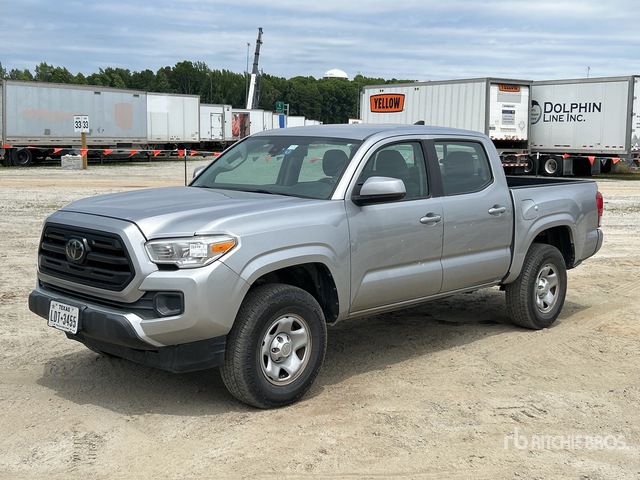 2018 Toyota Tacoma Pickup
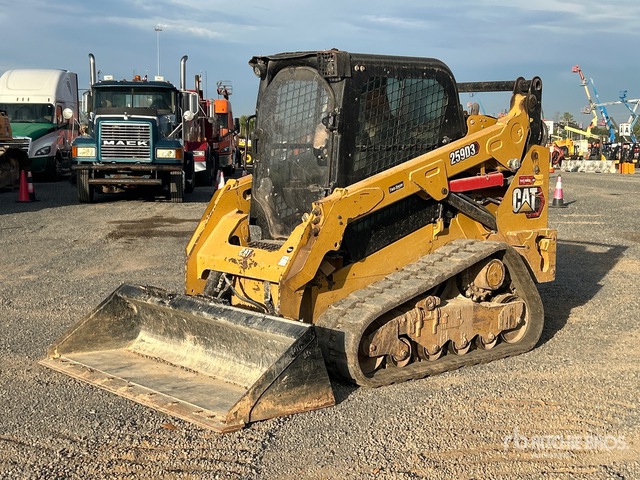 2021 Cat 259D3 Compact Track Loader
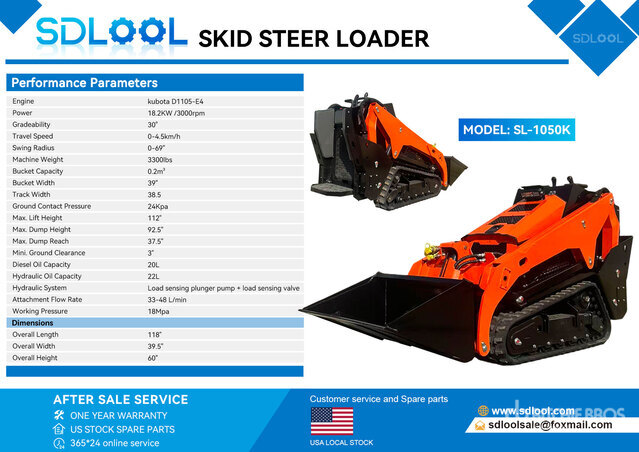 2026 SDLOOL SL-1050K Compact Track Loader
 2026 SSL60-RED Compact Track Loader
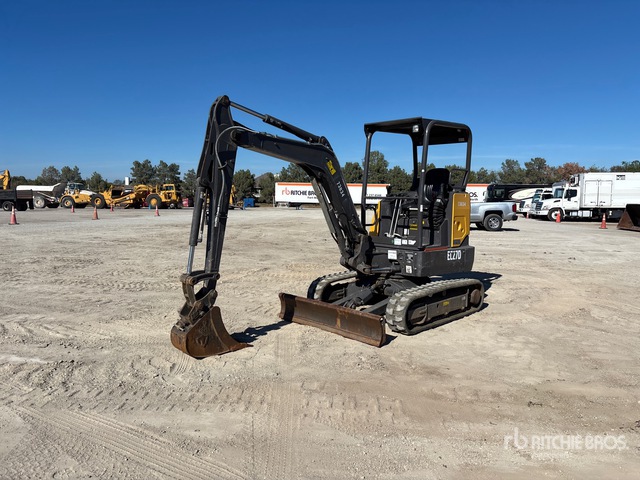 2023 Volvo EC27D Mini Excavator: <6.6t
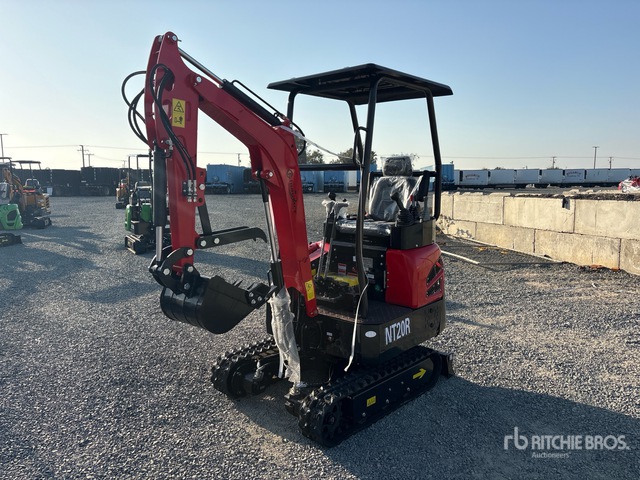 2026 CFG NT20R Mini Excavator: <6.6t
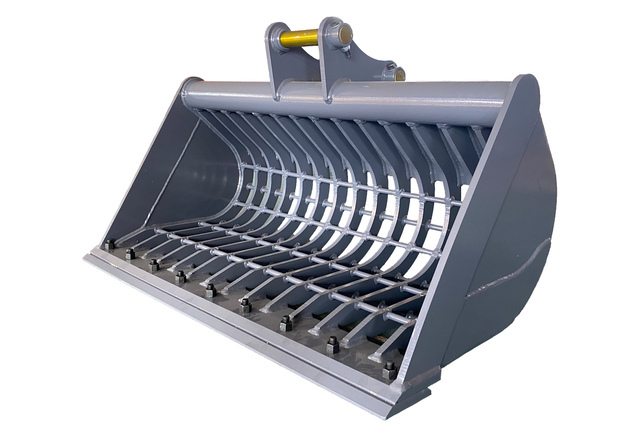 2026 Warrior WBMCS5-1320 Excavator Bucket
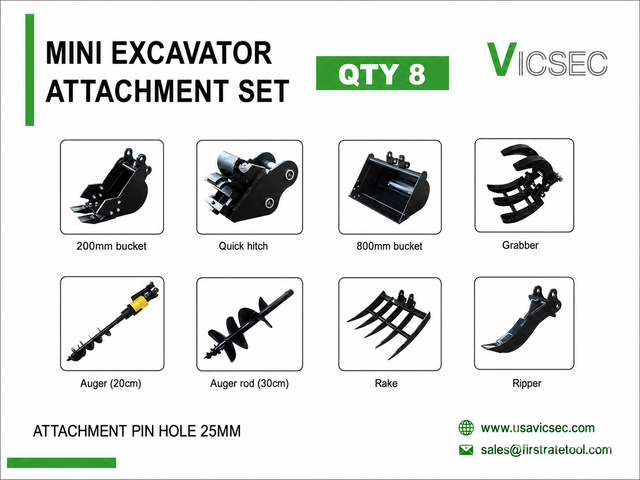 2027 VICSEC VCA-8 Misc. Excavator Attachment
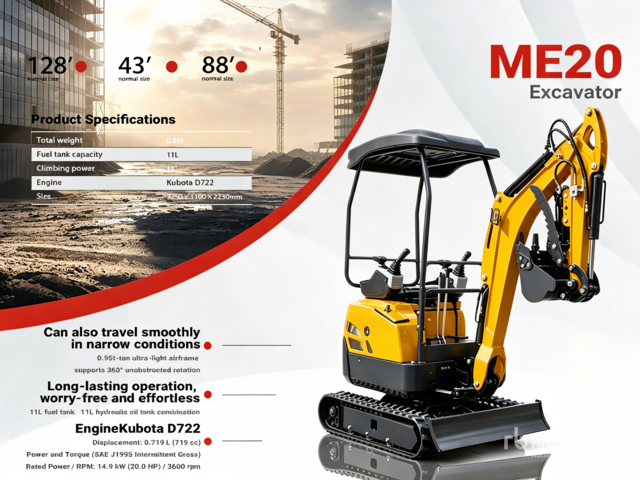 2026 ME20-YELLOW Mini Excavator: <6.6t
 Geith Excavator Bucket
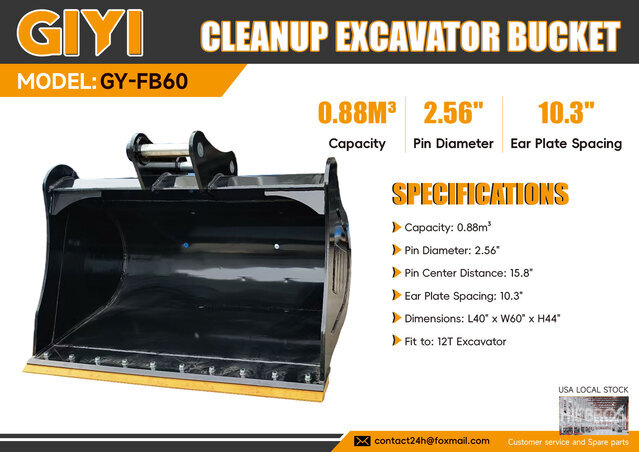 2027 GIYI GY-FB60 Excavator Bucket
 FAE UML/SSL 150 VT Skid Steer Mulcher