 USA
USA France
  Germany
  United Kingdom
  Netherlands
  Spain
Spain  Italy
Italy  Canada (FR)
  Mexico
  Australia
 Is the 6.4 Powerstroke a good engine?

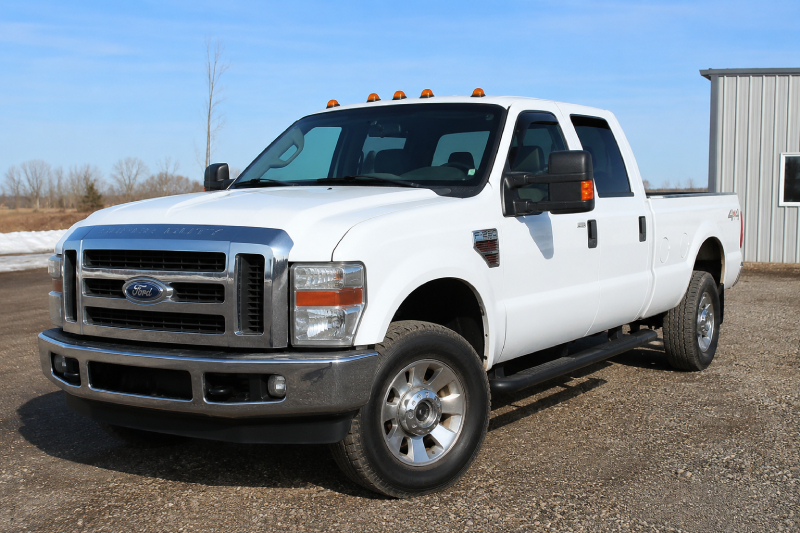
The Ford 6.4 Powerstroke sits in an awkward position in diesel history — powerful on paper, troubled in practice. If you’re looking at a used Ford Super Duty and asking whether the 6.4 Powerstroke is worth buying, the short answer is: it depends heavily on maintenance history, mileage, and what repairs have already been done. Here’s the full picture.
Is the 6.4 Powerstroke a good engine?
The 6.4 Powerstroke is not considered a reliable engine by most diesel mechanics and fleet buyers. It has a well-documented list of chronic problems that make it expensive to own long-term. That said, a well-maintained, high-mileage example with known repairs already completed can represent reasonable value at the right price, particularly for buyers who understand what they’re getting into and have budgeted for upkeep.
The engine replaced the 6.0 Powerstroke — itself a reliability disaster — and Ford’s attempt to fix its diesel reputation didn’t fully land. The 6.4 offered more power and a cleaner emissions profile, but introduced new failure points that frustrated fleet operators and owner-operators alike. Its reputation has only partially recovered in the used market.
For buyers sourcing commercial trucks at auction, the 6.4 is a known quantity: price it accordingly, inspect it thoroughly, and don’t expect the longevity you’d get from a 6.7 Powerstroke or a comparable Duramax.
6.4 Powerstroke engine specifications and performance
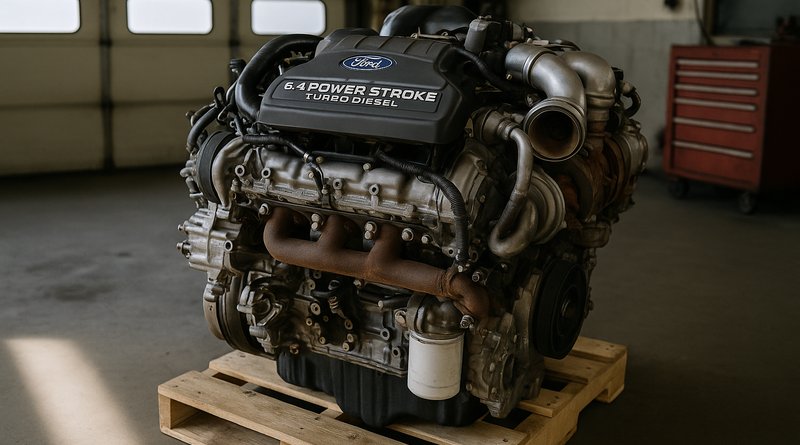
The 6.4 Powerstroke produced solid numbers for its era — enough to make it genuinely attractive as a workhorse engine.
| Specification | Detail |
|---|---|
| Displacement | 6.4L (390 cu in) |
| Configuration | V8, twin-turbocharged |
| Horsepower | 350 hp @ 3,000 rpm |
| Torque | 650 lb-ft @ 2,000 rpm |
| Fuel system | High-pressure common rail, 26,000 psi |
| Emission controls | Diesel Particulate Filter (DPF), EGR |
| Production years | 2008–2010 |
| Applications | Ford F-250, F-350, F-450, F-550 Super Duty |
6.4 Powerstroke hp comes in at 350 — a meaningful step up from the 325 hp of the outgoing 6.0 — and the 650 lb-ft torque figure gave it genuine pulling capability. The twin sequential turbo setup (a smaller charger spooling quickly at low rpm, a larger one taking over at higher rpm) delivered better throttle response than most competitors of the same period.
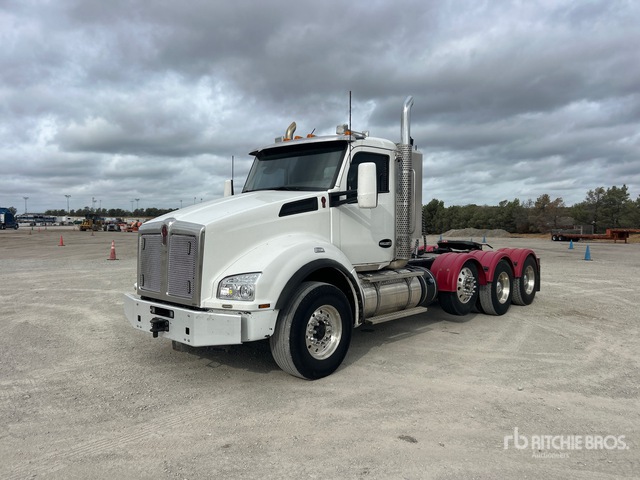 2015 Kenworth T880 Tri/A Day Cab Truck Tractor
On towing and hauling benchmarks, the 6.4 performed well when it was running right. The problem was keeping it running right.
Common 6.4 Powerstroke problems and reliability issues
Ford 6.4 diesel reliability is consistently rated poor by mechanics and owners — the engine has several expensive, recurring failure modes.
EGR cooler failure is the most notorious. The 6.4 uses two EGR coolers (an upgrade over the single unit on the 6.0), but both are prone to cracking under thermal stress. When they fail, coolant enters the intake, combustion chamber, and eventually the oil. Left undetected, this causes catastrophic engine damage. The repair cost runs $2,000–$5,000 or more.
Diesel Particulate Filter (DPF) clogging is the second major headache. The 6.4 uses active regeneration — burning extra fuel to clean the DPF — which puts considerable stress on the engine and dilutes the oil with diesel over time. Trucks used for short trips or light loads that rarely complete a full regen cycle suffer the most. DPF replacement can exceed $3,000, and many owners deleted the system entirely (now illegal for road use in most jurisdictions).
Injector failure is common past 100,000 miles. The high-pressure fuel system puts stress on injectors, and a full set replacement is a significant cost.
Oil dilution from fuel — a direct result of incomplete DPF regeneration cycles — degrades engine lubrication and accelerates wear throughout the bottom end.
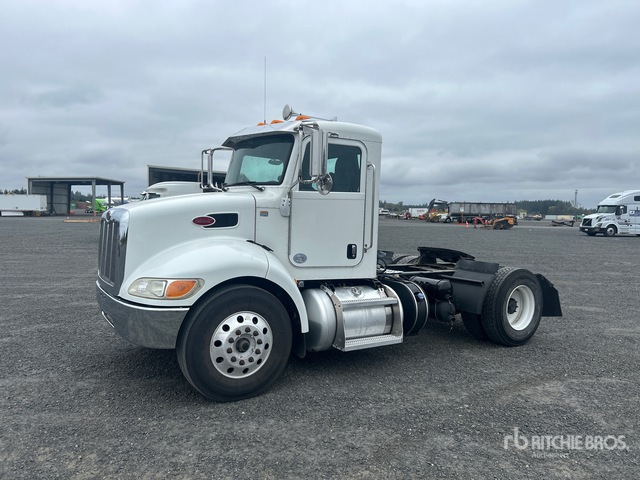 2016 Peterbilt 337 S/A Day Cab Truck Tractor
Radiator failure is also reported frequently. The factory radiator was undersized for the cooling demands of the twin-turbo setup and the EGR system, and replacements are a routine maintenance item on high-mileage examples.
Are the 6.4 Powerstrokes reliable for fleet use? Generally, no — fleet operators largely avoided the 6.4 or retired their trucks early due to high per-vehicle maintenance costs compared to competing platforms.
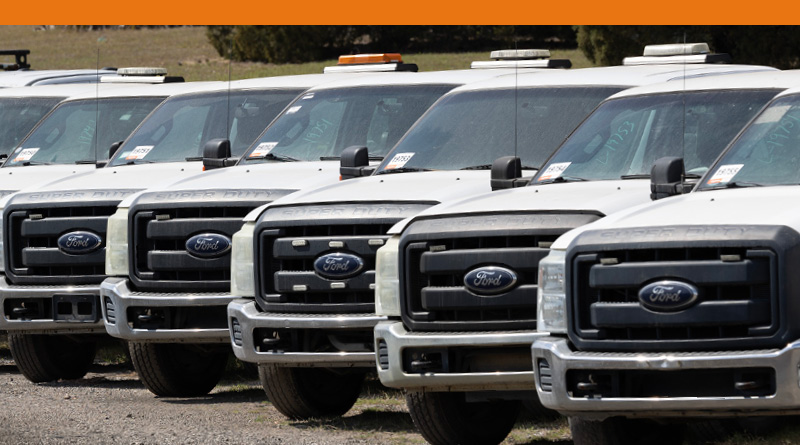
6.4 Powerstroke model years compared
The Ford 6.4 Powerstroke engine was only produced for three model years, and differences between them are minor — Ford made incremental software and calibration updates but did not fundamentally redesign the engine during its short run.
2008 6.4 Powerstroke engine
The 2008 model year was the launch year for the 6.4 and carries the highest risk for buyers. Early production trucks often exhibit the full range of known problems without the benefit of any dealer updates or prior owner repairs. The EGR cooler and DPF issues appeared quickly in early 2008 examples, and Ford issued several TSBs (Technical Service Bulletins) in response. If you’re considering a 2008, it needs a thorough inspection and full service history — assume nothing has been addressed without documentation.
2009 6.4 Powerstroke engine
The 2009 trucks benefited from Ford’s software calibration updates and some component revisions based on field failure data. EGR cooler and DPF problems persist, but 2009 examples that have been maintained and had known repairs completed are generally considered the most stable of the three years. For buyers at auction, a 2009 with documented EGR cooler replacement and clean oil analysis is the most defensible purchase in the 6.4 lineup.
2010 6.4 Powerstroke engine
The 2010 was the final year of the 6.4 before Ford replaced it with the significantly improved 6.7 Powerstroke. Being the last year doesn’t make it the best as the core design issues were never resolved for this year. However, 2010 trucks are often the youngest examples available, which can mean lower mileage. Watch for deferred maintenance on trucks that were lightly used: low mileage doesn’t protect against DPF clogging or coolant system degradation caused by age rather than hours.
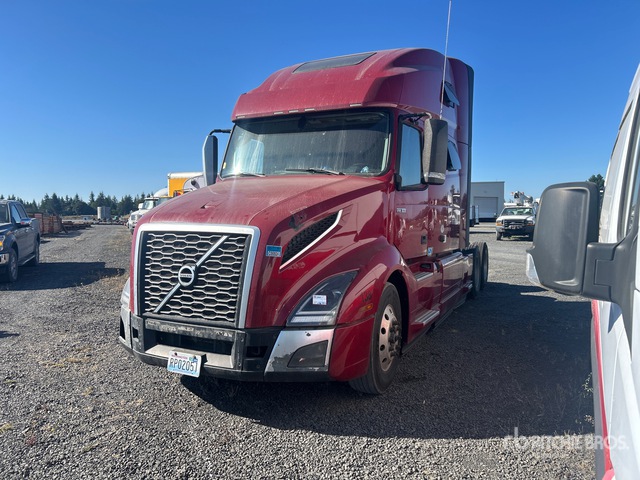 2023 Volvo VNL760 T/A Sleeper Truck Tractor
Should you buy a truck with a 6.4 Powerstroke?
Buying a 6.4 Powerstroke truck can make sense — but only at a price that reflects the engine’s risk profile and only with adequate inspection.
Buy if: – The price is meaningfully below comparable 6.7 Powerstroke trucks – You have full service records showing EGR cooler replacement and regular oil analysis – A diesel specialist has inspected the cooling system, DPF, and injectors – You have budget reserved for ongoing maintenance – The truck is being used for applications where you can control duty cycles (longer runs that allow DPF regeneration to complete)
Avoid if: – Service history is unknown or incomplete – The truck has been used for short-haul, stop-start work – There are any signs of coolant loss, white smoke, or oil with a fuel smell – You need a reliable work truck without tolerance for downtime or repair costs
For buyers sourcing used Super Duty trucks — whether for construction, agriculture, or fleet use — the 6.7 Powerstroke is the safer long-term choice. The 6.4 can offer value, but it demands due diligence that many buyers aren’t positioned to do. Ritchie Bros. regularly lists Ford Super Duty trucks and commercial equipment across live and online auctions, giving buyers access to a wide range of options with transparent bidding.
Bottom line: the 6.4 Powerstroke is a capable engine with serious known flaws. It rewards informed buyers who price the risk correctly — and punishes everyone else.
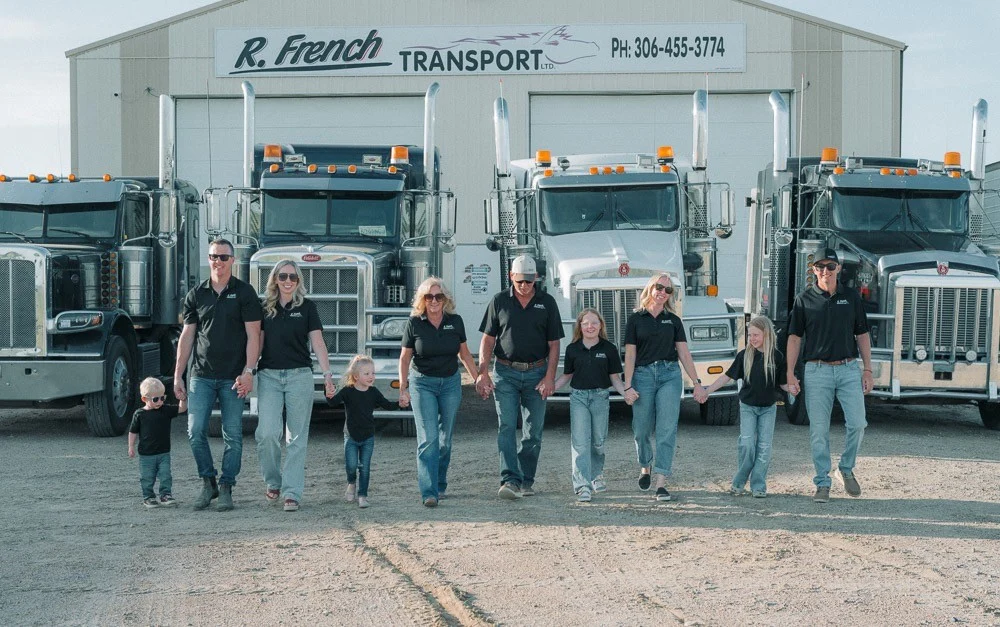 |
From Winter Roads to Retirement: How R. French Transport Sold Its Fleet from Home in Arcola, SK |
 2015 Kenworth T880 Tri/A Day Cab Truck Tractor2016 Peterbilt 337 S/A Day Cab Truck Tractor2023 Volvo VNL760 T/A Sleeper Truck Tractor
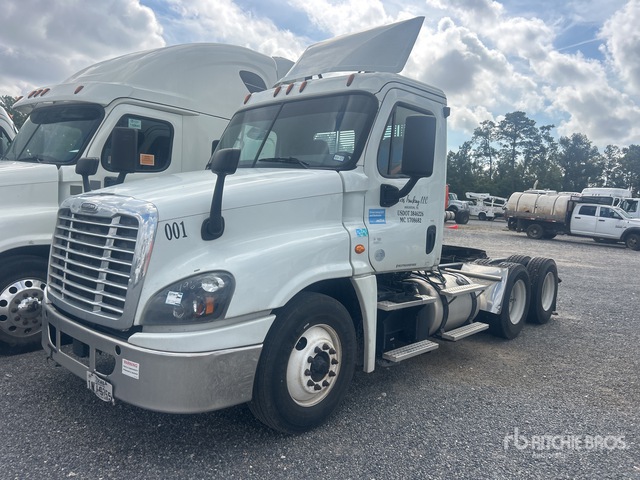 2019 Freightliner Cascadia 125 T/A Day Cab Truck Tractor
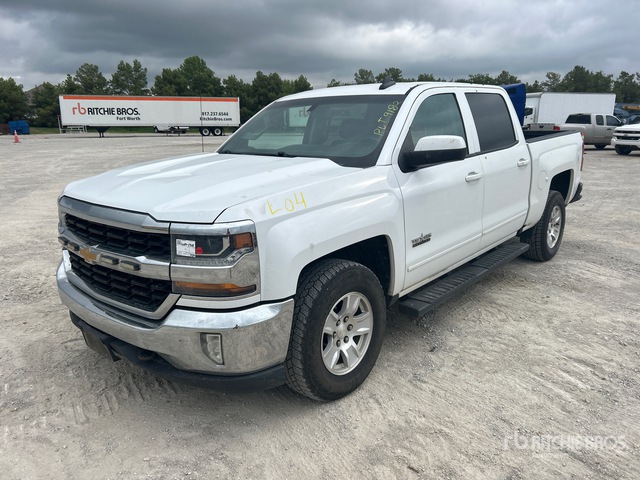 2018 Chevrolet Silverado 1500 Pickup
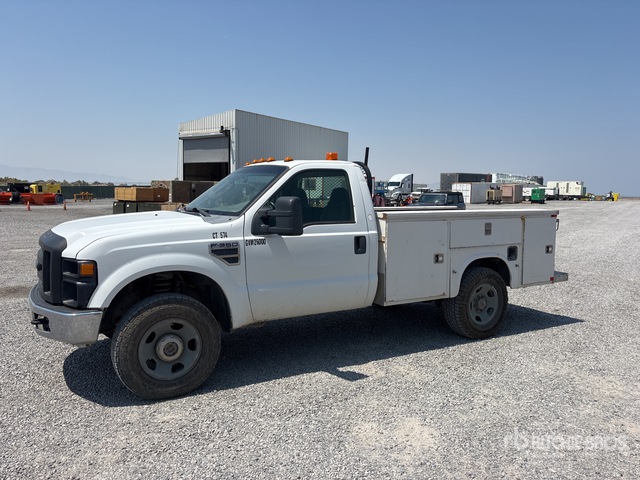 2009 Ford F-350 Utility Truck
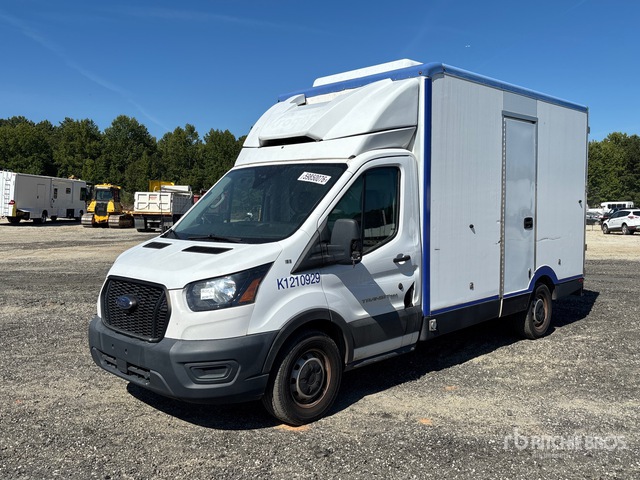 2022 Ford Transit T-350 Refrigerated Truck
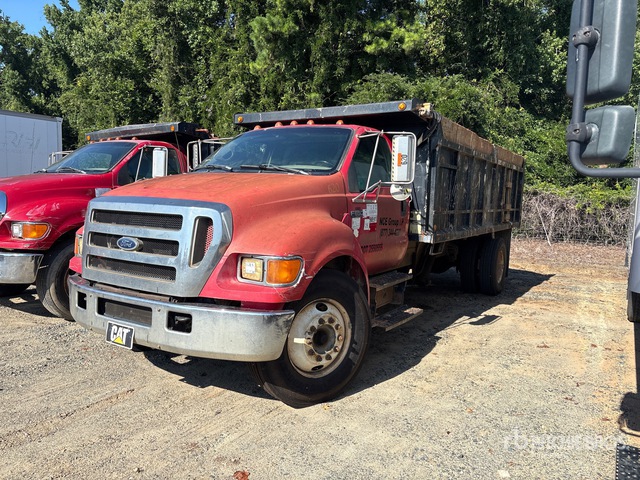 2006 Ford F-650 S/A Dump Truck
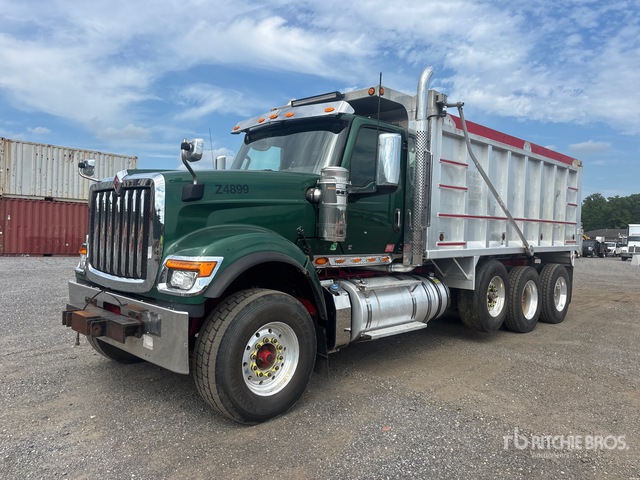 2023 International HX520 Tri/A Dump Truck
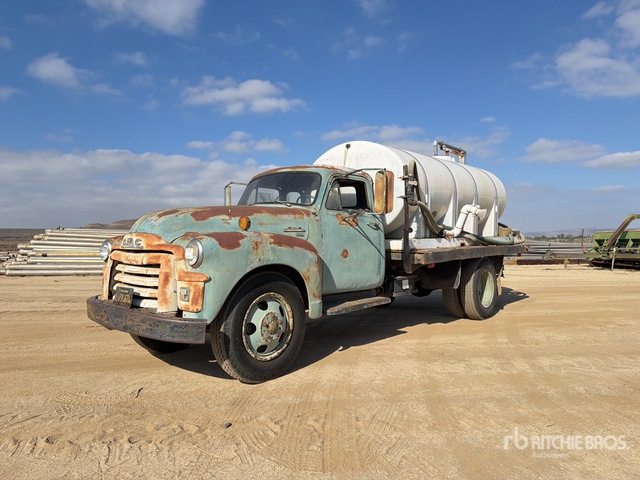 1963 GMC 350 Flatbed Truck
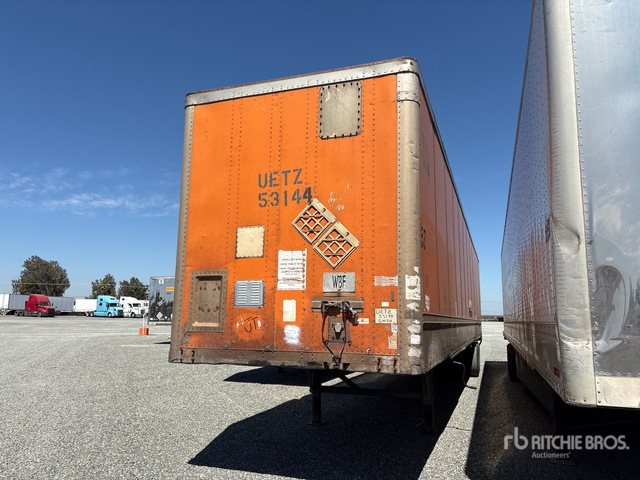 2004 Wabash Van Trailer
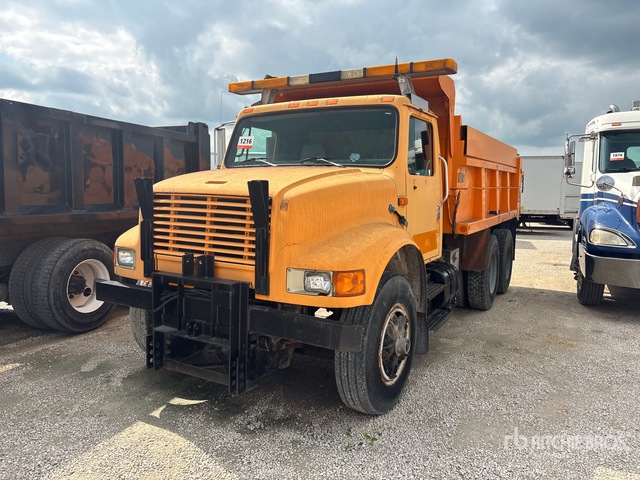 1992 International 4900 T/A Dump Truck
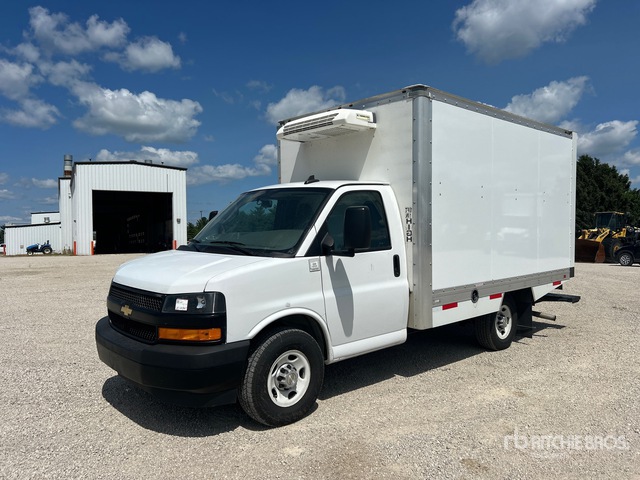 2023 GMC Express G3500 Refrigerated Truck
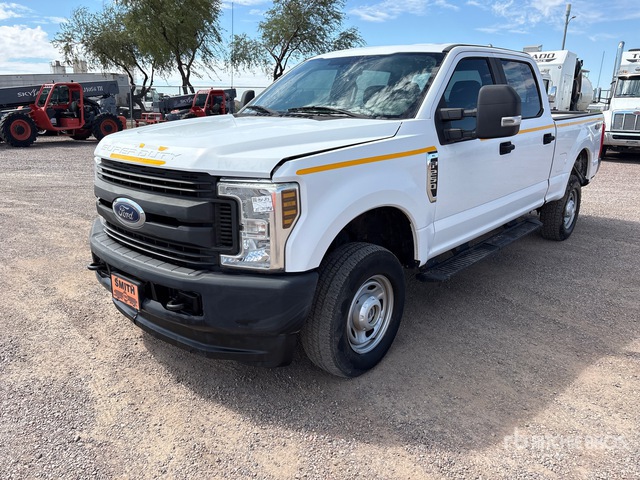 2018 Ford F-250 Pickup
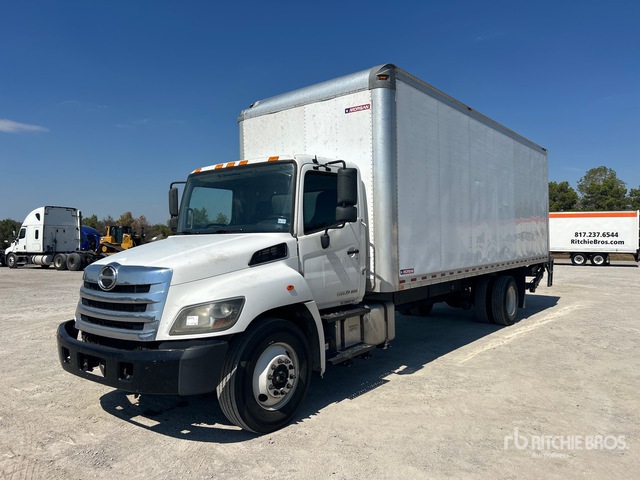 2019 Hino 268 Van Truck
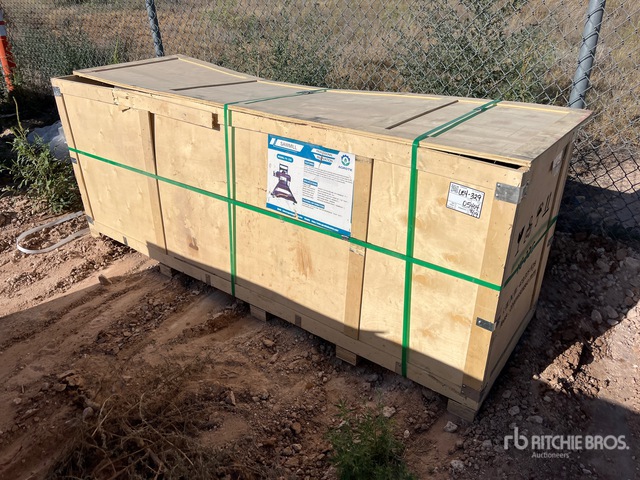 2026 AGT YC32-G Portable Sawmill
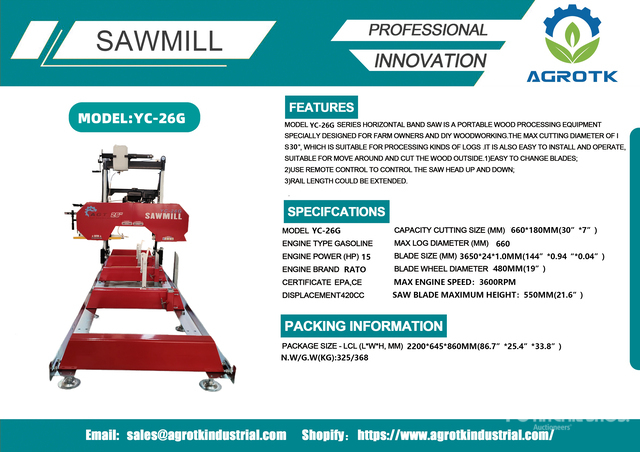 2026 AGT YC-26G Portable Sawmill
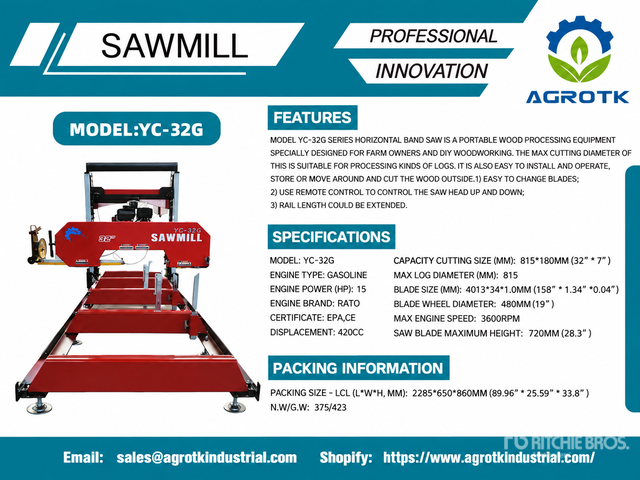 2026 AGT YC32-G Portable Sawmill
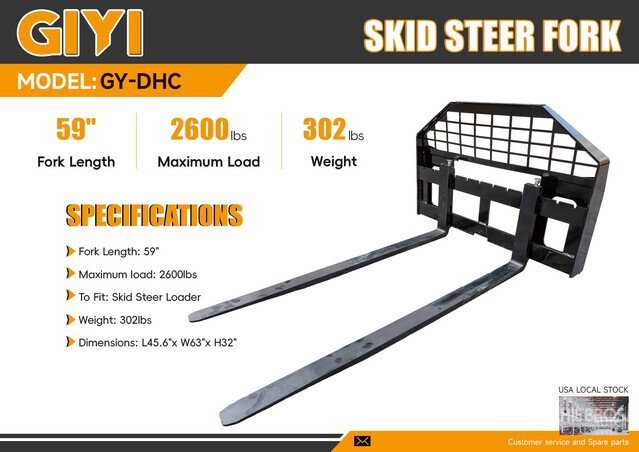 2026 GIYI GY-DHC Skid Steer Forks
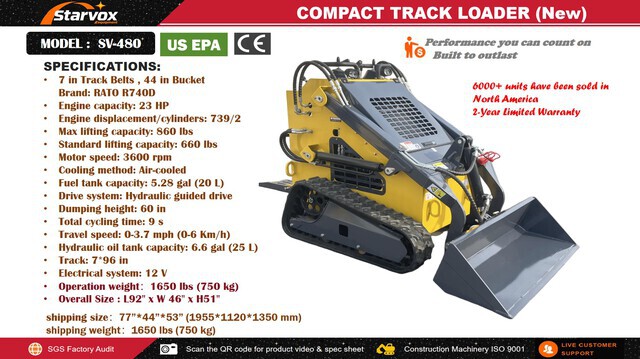 2026 STARVOX SV-480 Compact Track Loader
 2026 SDGRAND IRC12 Storage Container
 Drill-Tec Misc. Industrial
 2026 SDLOOL SL-GC22S Golf Cart
 2026 RanchMaster 40HQ Storage Container
 2026 GIYI GY-FR47 Skid Steer Forks