 USA/CAN
 France
  Germany
  United Kingdom
  Netherlands
  Spain
Spain  Italy
Italy  Canada (FR)
  Mexico
  Australia
 What is GVWR and why it matters when you buy a truck

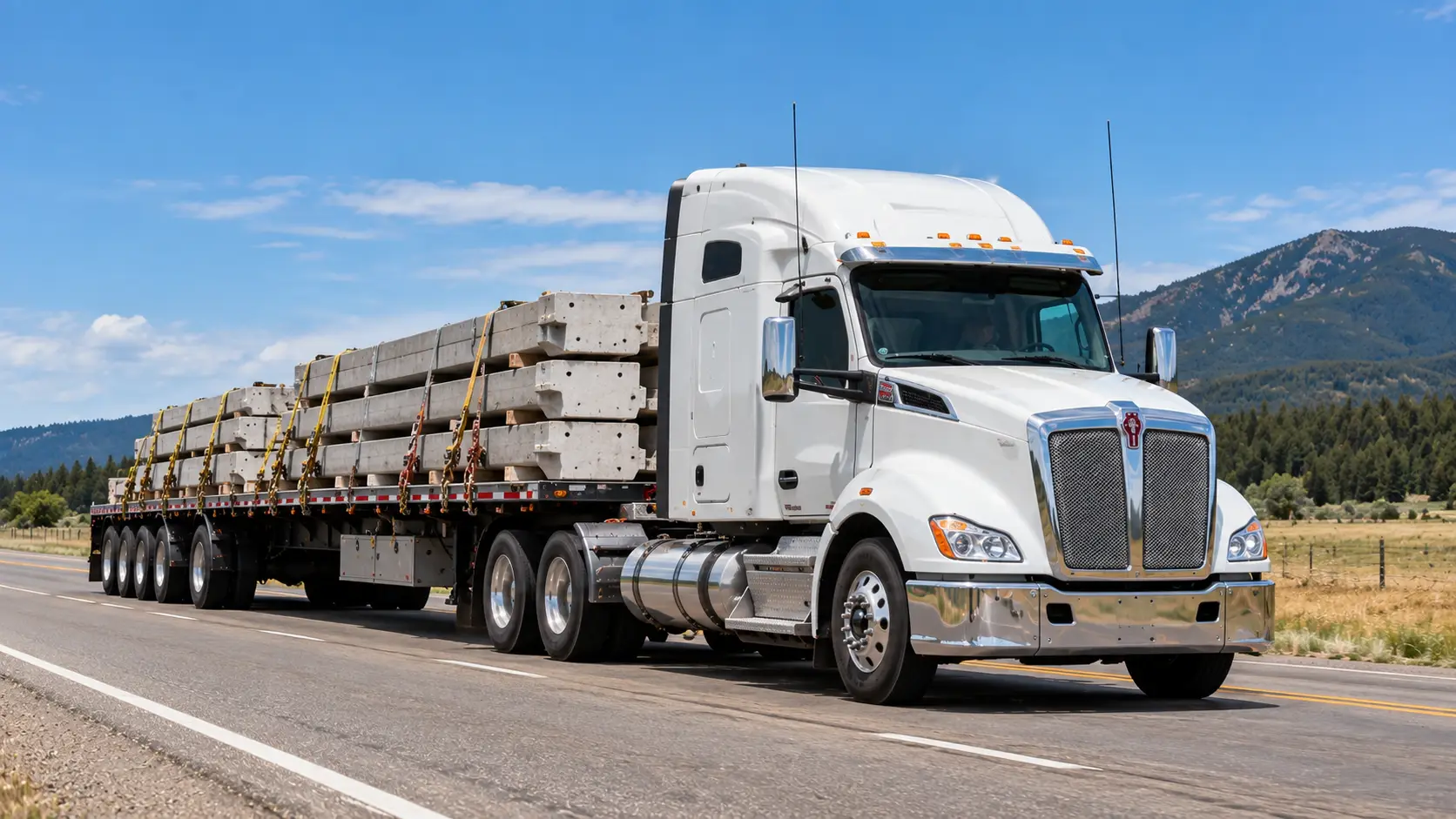
Every truck, van and trailer carries a number on its door jamb that matters more than horsepower when you put it to work: the GVWR. It decides how much you can carry, which weight class the truck falls into, and whether you need a DOT number or a commercial licence to run it. This guide explains what GVWR means, how it differs from payload, towing capacity and GCWR, and how to use it when you’re comparing used trucks.
The short answer: GVWR (gross vehicle weight rating) is the maximum a vehicle is allowed to weigh when fully loaded, including the truck itself, fuel, passengers, cargo and the trailer tongue weight pressing down on the hitch. It is set by the manufacturer, printed on a label in the driver’s door jamb, and you should never exceed it.
GVWR and related weight ratings at a glance
| Rating | What it measures | How to use it |
|---|---|---|
| GVWR | Maximum loaded weight of the truck alone | Truck + people + cargo + tongue weight must stay under it |
| Curb weight | Weight of the empty truck with fluids | Subtract from GVWR to get payload |
| Payload | How much you can add to the truck | GVWR minus curb weight |
| GAWR | Maximum weight on each axle (front and rear) | Matters for plows, service bodies and heavy hitch loads |
| GCWR | Maximum combined weight of truck and loaded trailer | Decides real towing limits and CDL class |
| Towing capacity | Maximum trailer weight the truck can pull | Still limited by GCWR and payload |
Quick checklist before you load or buy
- Find the GVWR on the certification label in the driver’s door jamb, not on a sales listing.
- Weigh the truck as you use it (fuel, tools, toolbox, crew) at a certified scale to get your real curb weight.
- Do the math: GVWR minus your real curb weight is your working payload.
- Count tongue weight as payload; it is usually about 10 to 15% of a bumper-pull trailer and more for a gooseneck or fifth wheel.
- Check the thresholds: 10,001 lbs and 26,001 lbs change your DOT and licensing requirements.
What does GVWR mean?
GVWR stands for gross vehicle weight rating, the most a vehicle can safely weigh with everything on board.
The manufacturer sets it based on the weakest link in the truck: frame, axles, springs, tires, wheels and brakes. Going over it overloads those parts, lengthens stopping distances and can void warranty coverage. It can also put you on the wrong side of the law, because weight-based regulations are tied to the rating, not to what the truck happens to weigh on a given day.
Where do you find a truck’s GVWR?
You find GVWR on the safety certification label inside the driver’s door jamb, usually alongside the front and rear GAWR.
The owner’s manual and the manufacturer’s spec sheets list it too, and a VIN decoder can confirm the configuration on a used truck. Trailers carry their own GVWR on a label or VIN plate on the tongue or frame. When you’re looking at an auction listing, check the photos for that label, and use our guide to inspecting pickup trucks at auction when you see the truck in person.
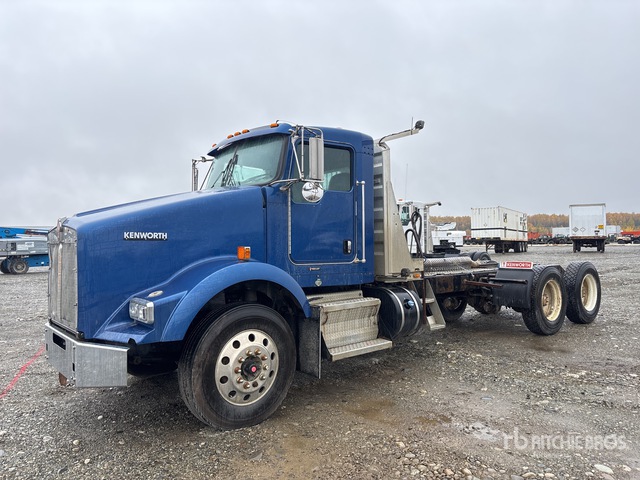 2015 Kenworth T800 T/A Day Cab Truck Tractor
What is the difference between GVWR and payload?
GVWR is the maximum loaded weight of the truck, while payload is how much weight you can add to it: GVWR minus curb weight.
Two trucks with the same GVWR can have very different payloads. A crew cab, 4×4, long bed or diesel engine all add curb weight, which leaves less room for cargo. That is why the payload sticker on one truck can be hundreds of pounds lower than the brochure figure. Our half-ton truck comparison shows how much payload varies by configuration.
What is the difference between GVWR and GCWR?
GVWR covers the truck alone, while GCWR (gross combined weight rating) covers the truck and its loaded trailer together.
When you tow, you have to respect both. The truck’s own loaded weight, including tongue weight, must stay under GVWR, and the total of truck plus trailer must stay under GCWR. The trailer also has its own GVWR, which limits how much you can put on it no matter how strong the truck is.
How does GVWR decide a truck’s weight class?
U.S. truck weight classes are set by GVWR, from Class 1 light pickups up to Class 8 heavy trucks over 33,000 lbs.
| Class | GVWR range | Typical examples |
|---|---|---|
| Class 1 | Up to 6,000 lbs | Compact and some mid-size pickups |
| Class 2a | 6,001 to 8,500 lbs | Most half-ton pickups |
| Class 2b | 8,501 to 10,000 lbs | Most three-quarter-ton pickups |
| Class 3 | 10,001 to 14,000 lbs | One-ton pickups and dually trucks |
| Class 4 to 6 | 14,001 to 26,000 lbs | Box trucks, medium-duty flatbeds and service trucks |
| Class 7 | 26,001 to 33,000 lbs | Single-axle dump trucks, city tractors |
| Class 8 | Over 33,000 lbs | Semi trucks, tandem dump trucks |
Class matters when you buy because it often drives insurance cost, registration fees and which roads and bridges you can use.
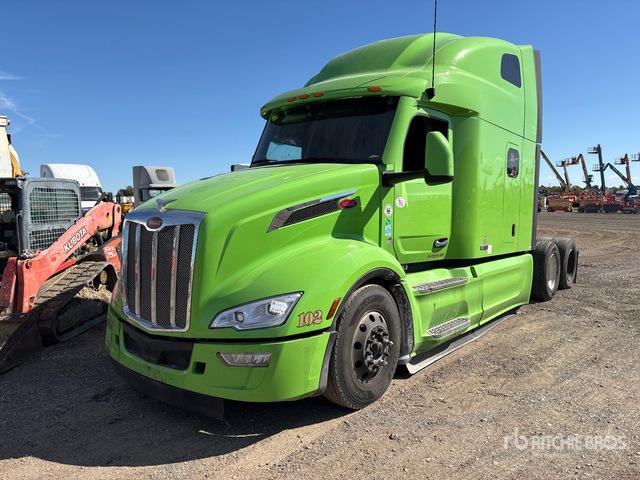 2024 Peterbilt 579 T/A Sleeper Truck Tractor
Do you need a CDL or DOT number based on GVWR?
In the U.S., a truck used commercially across state lines with a GVWR or GCWR of 10,001 lbs or more needs a USDOT number, and a single vehicle rated 26,001 lbs or more needs a CDL to drive.
- 10,001 lbs and up (interstate commerce): USDOT number and a DOT medical card for the driver. See our plain-English guide to DOT numbers.
- Class B CDL: a single vehicle with a GVWR of 26,001 lbs or more.
- Class A CDL: a combination with a GCWR of 26,001 lbs or more when the trailer’s GVWR is over 10,000 lbs.
That is why so many hotshot and landscaping setups are built to stay just under 26,001 lbs combined. Rules vary by state and province, and Canadian operators should check their provincial requirements, so confirm the details with your licensing authority before you buy.
Can you increase a truck’s GVWR?
No, not in any practical sense: the GVWR is the manufacturer’s rating, and aftermarket parts don’t change it.
Airbags, helper springs and heavier tires can improve ride and stance under load, but the legal rating stays what is on the door label. If you need more capacity, the answer is a heavier truck. Moving from a half-ton to a three-quarter-ton or one-ton usually adds far more payload than any upgrade.
How GVWR fits in with semi trucks and axle limits
On heavy trucks, GVWR works alongside federal and state axle limits, which cap how much weight each axle or axle group can carry on public roads. Our guides to DOT axle weight limits and how much a semi truck weighs cover that side in detail.
The bottom line
GVWR is the ceiling for everything you put in or on a truck. Check it on the door label, work out your real payload, and know where the 10,001 lb and 26,001 lb lines fall before you buy. When you’re ready to compare trucks, browse used pickup trucks and flatbed trucks on RB Auction, and check recent sold prices before you bid.
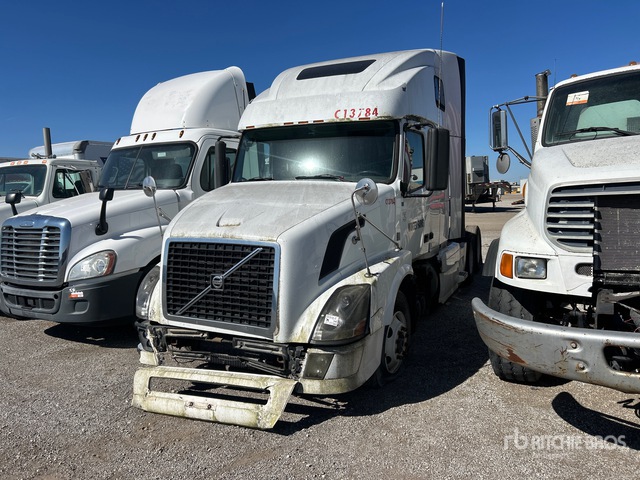 2010 Volvo VNL T/A Sleeper Truck Tractor
 |
GM’s New 8.3L Duramax: Codename Mongoose |
 2015 Kenworth T800 T/A Day Cab Truck Tractor
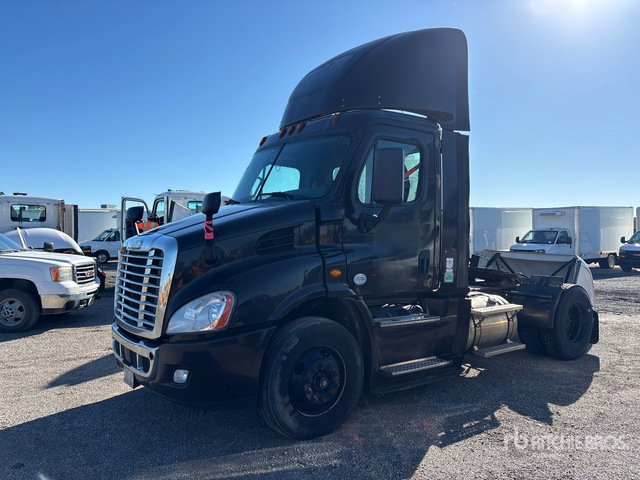 2017 Freightliner Cascadia 113 S/A Day Cab Truck Tractor2010 Volvo VNL T/A Sleeper Truck Tractor
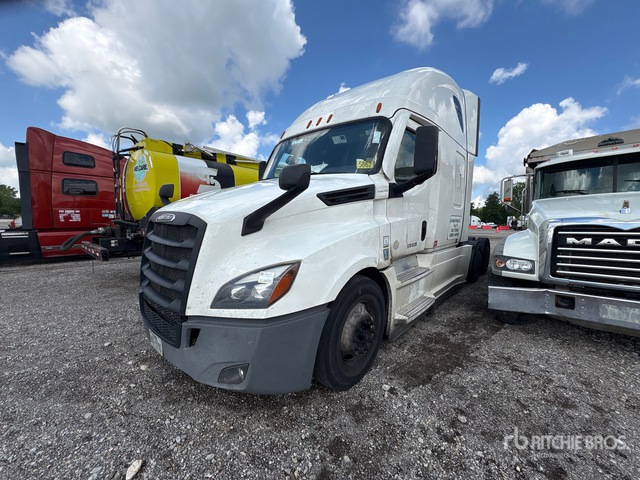 2022 Freightliner Cascadia 126 T/A Sleeper Truck Tractor2024 Peterbilt 579 T/A Sleeper Truck Tractor
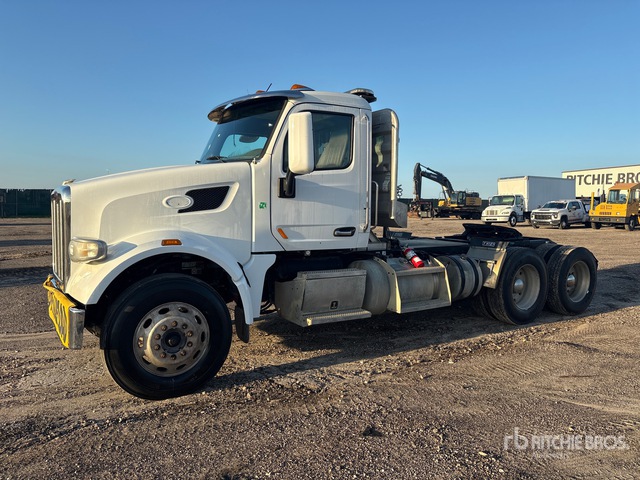 2017 Peterbilt 567 T/A Day Cab Truck Tractor
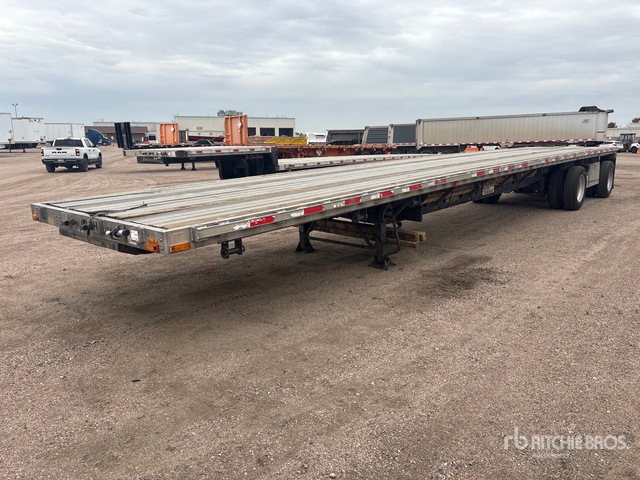 2004 Transcraft Flatbed Trailer
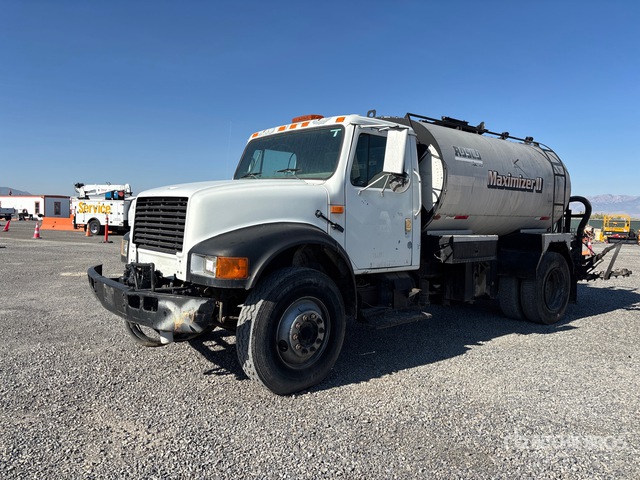 1993 International 4700 Asphalt Distributor Truck
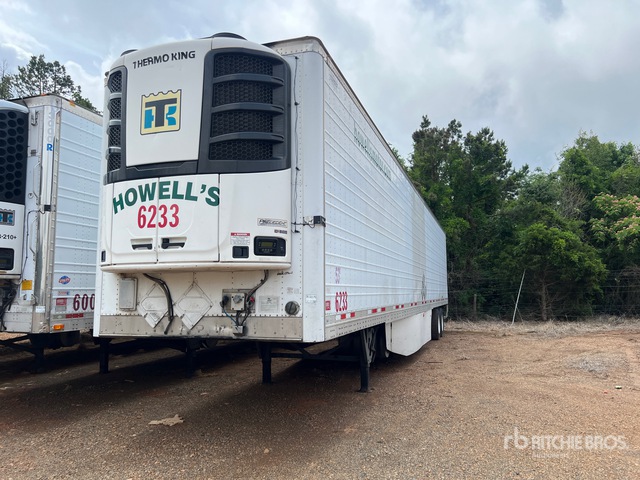 2018 Wabash RFALHSA Refrigerated Trailer
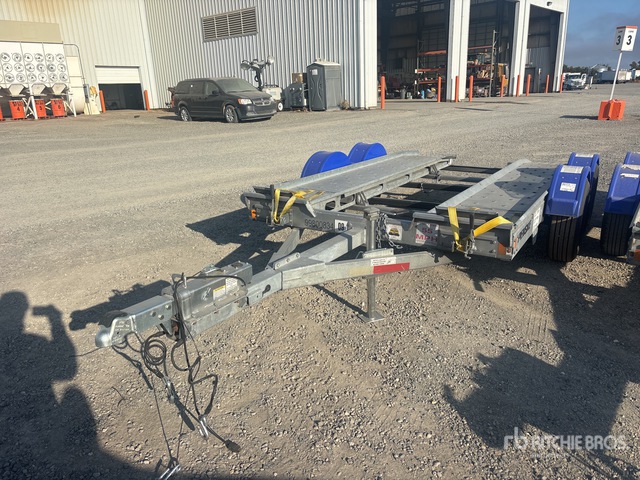 2020 Demco Car Carrier Trailer
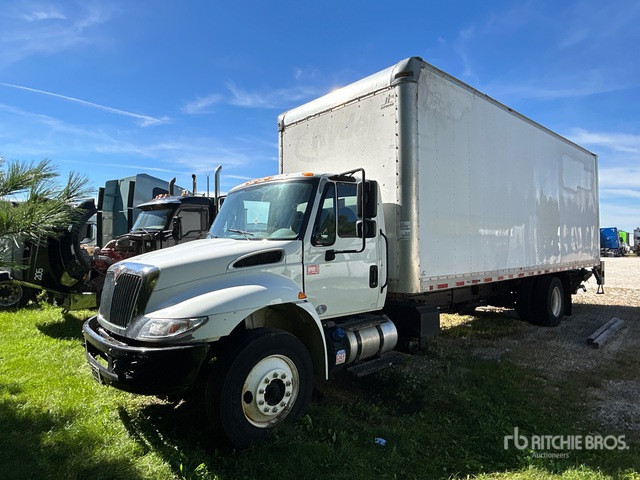 2017 International 4300 Van Truck
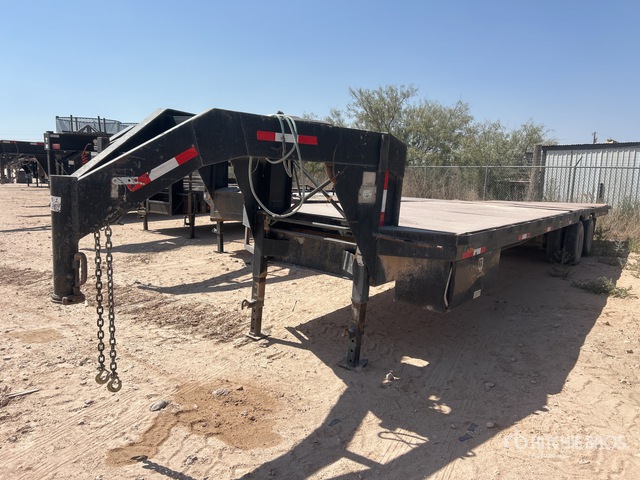 1983 PJ Flatbed Trailer
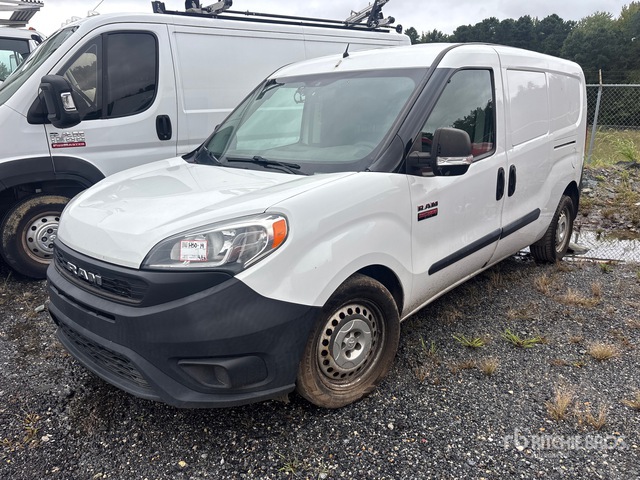 2019 Ram ProMaster 1500 Cargo Van
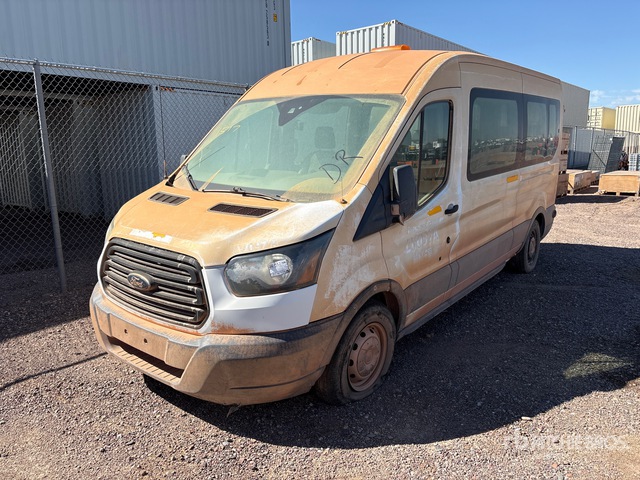 2019 Ford Transit 350 Cargo Van
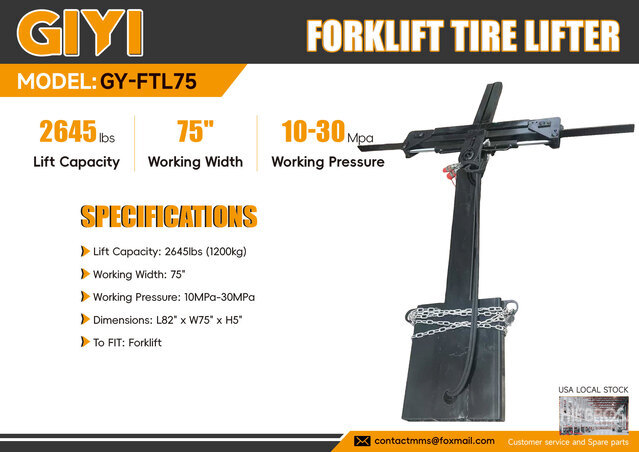 2026 GIYI GY-FTL75 Misc. Lift Truck Attachment
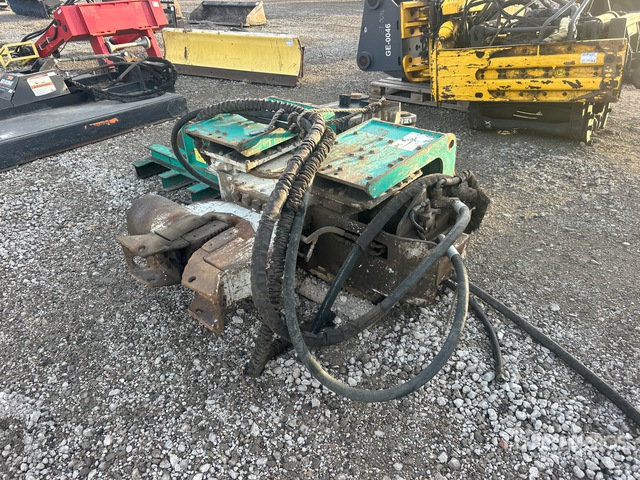 2008 ABI HVR 75 Pile Driver and Extractor
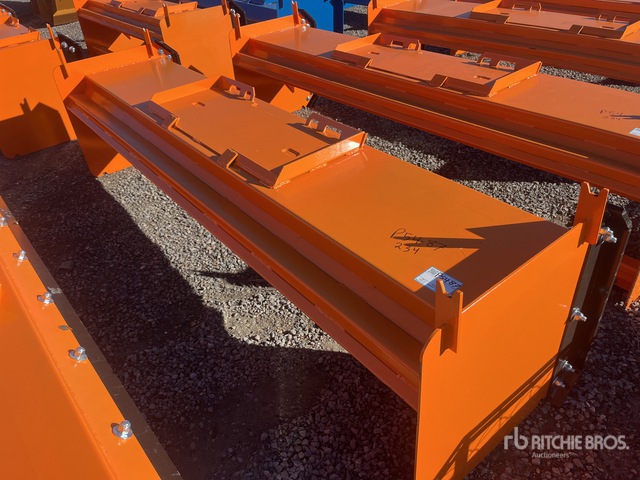 2026 Kit Containers QT-SP-10-23-SB Skid Steer Snow Pusher
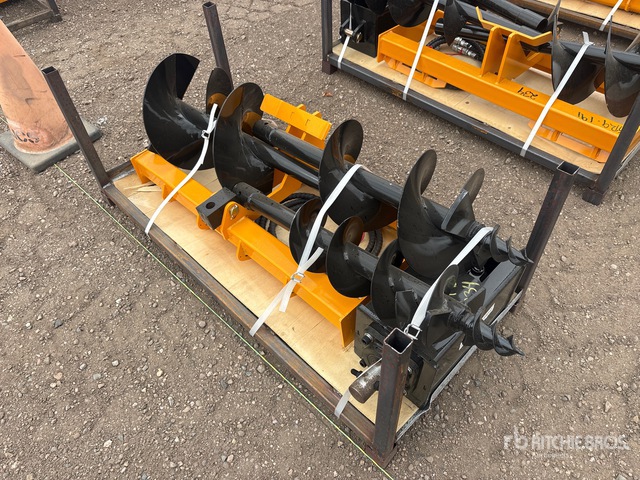 2026 GIYI GY-SA Skid Steer Auger
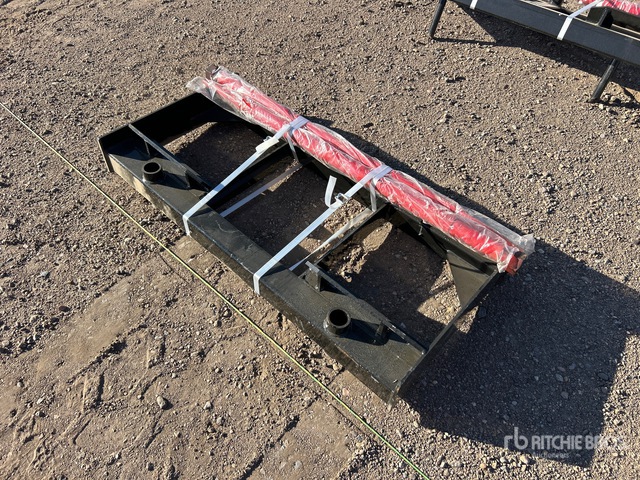 2026 GIYI GY-BF47 Skid Steer Bale Spear
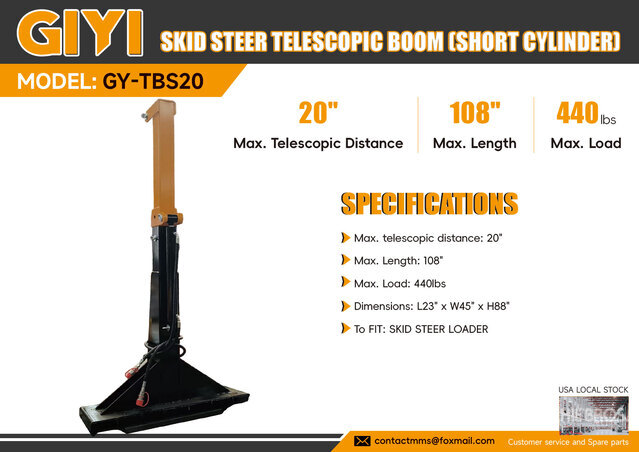 2026 GIYI GY-TBS20 Misc. Skid Steer Attachment
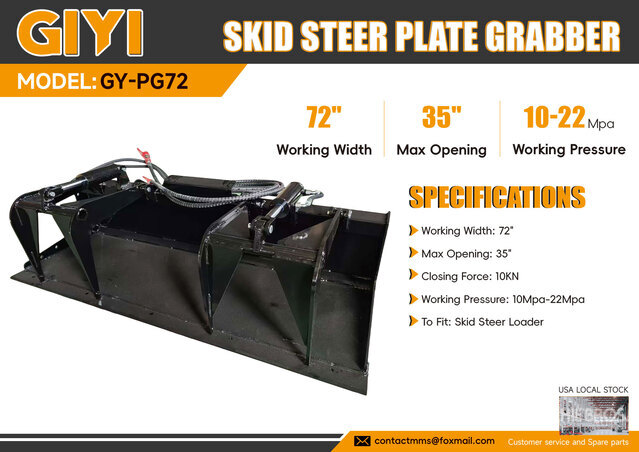 2026 GIYI GY-PG72 Skid Steer Grapple
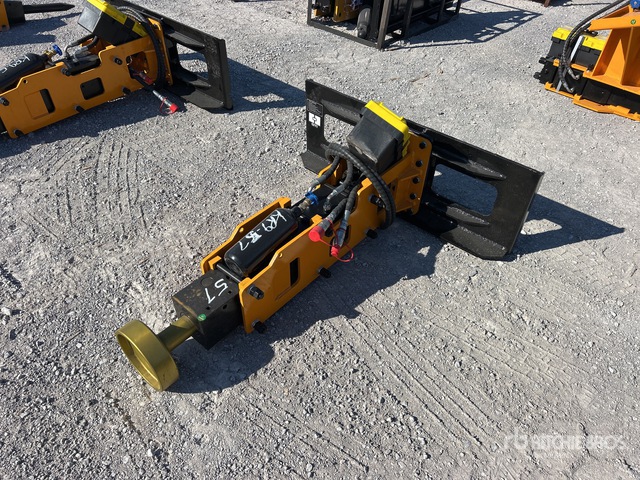 2026 GIYI GY-D680 Skid Steer Post Driver
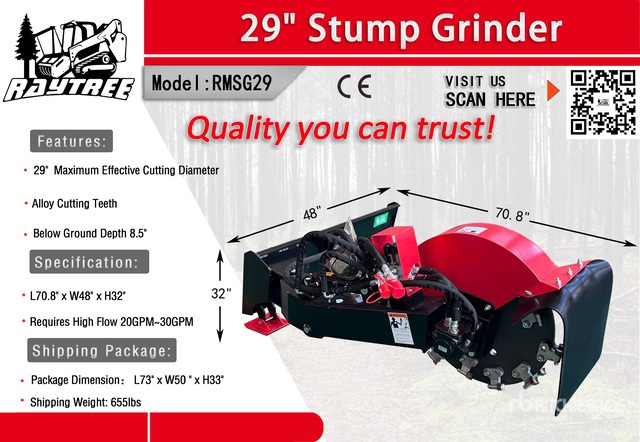 2026 Raytree RMSG29 Skid Steer Stump Grinder
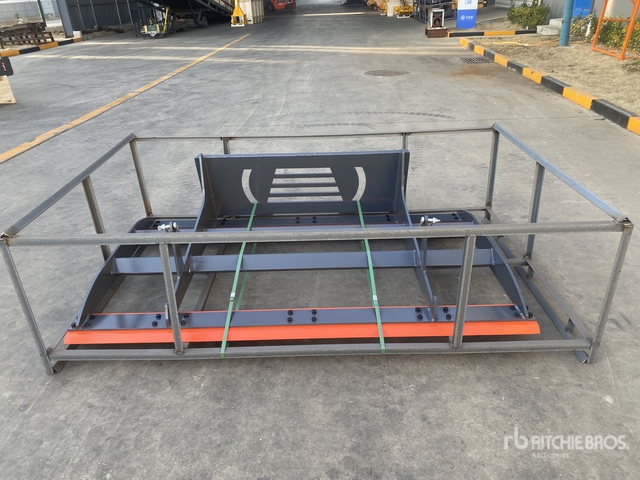 2026 TOFT STG74 Skid Steer Landplane
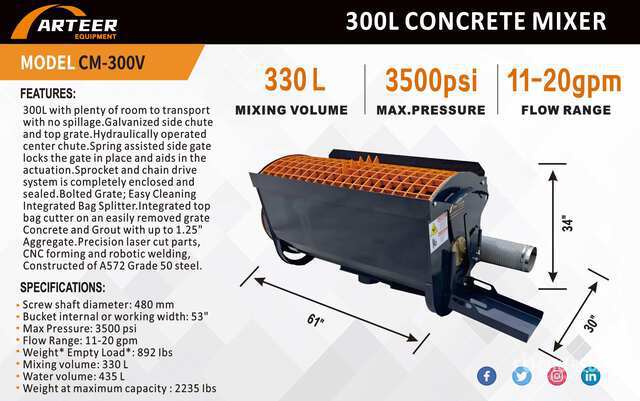 2026 ARTEER CM-300V Skid Steer Concrete Mixer