 USA
USA France
  Germany
  United Kingdom
  Netherlands
  Spain
Spain  Italy
Italy  Canada (FR)
  Mexico
  Australia
 What to expect at an offsite auction: A step-by-step guide
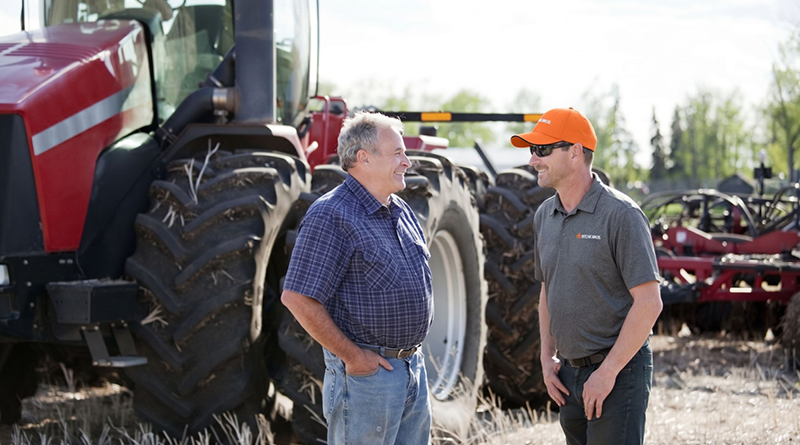
Selling equipment that’s been part of your operation for years, sometimes decades, isn’t just a transaction. When it’s time to disperse machinery through an offsite auction, knowing exactly what happens next, from your Territory Manager’s first visit to the day your check arrives, makes the process feel less like an unknown and more like something you’re in control of. Here’s what to expect at each of the five stages, plus where extra help like financing, transport, or refurbishing fits in along the way.
An offsite auction means your equipment sells from wherever it already sits. Nothing gets trucked to a sale site first. The auction comes to you.
Before your Territory Manager’s first visit
You don’t need a polished inventory list to get started, but a few things speed up that first conversation:
- Equipment details. Make, model, year, and serial number for everything you’re considering.
- Hour meters and maintenance records. Even rough logs help set expectations early.
- Loan information. If any equipment is still financed, know the payoff balance.
- Your timeline. Are you retiring, settling an estate, or just clearing a few pieces you no longer need?
None of this needs to be perfect. Your Territory Manager will fill in the gaps during the walk-through.
Step 1: Your Territory Manager walks the yard
Before anything gets listed, your Territory Manager comes to you. They walk the yard, look at every piece you’re considering, and talk through timing and which sale format fits your situation: a straight commission sale, where you keep full ownership until the equipment sells and pay a commission on the final price, or a guaranteed contract, where you get a set minimum return regardless of how bidding goes. Ritchie Bros. has 700+ dedicated sales reps worldwide with deep local relationships, so the person walking your yard likely lives in your area and has sold equipment like yours before.
If a few pieces need work before they’re ready to sell, this is also a good time to ask about coordinating refurbishing. A completed repair or a fresh coat of paint can move a unit into a higher-value listing rather than a lower one.
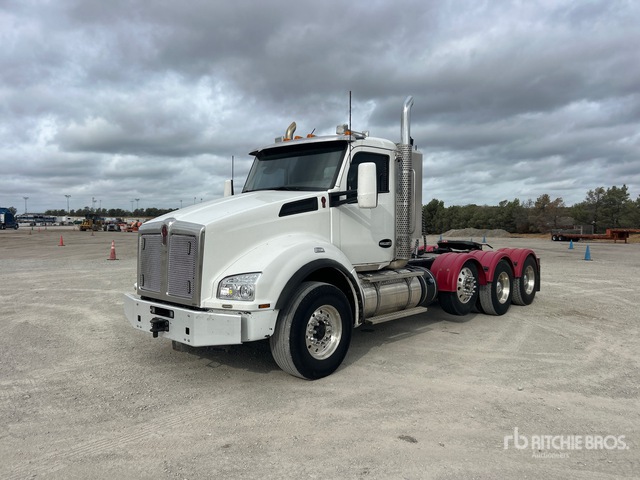 2015 Kenworth T880 Tri/A Day Cab Truck Tractor
Step 2: The Appraisal sets your range
Next, an appraiser from Ritchie Bros.’ own appraisal division inspects the equipment and returns a value range, low to high, based on comparable sales and current condition. That range becomes the foundation for your marketing plan and, if you choose a guaranteed contract, the number your guarantee is built around.
Step 3: Your equipment gets marketed, weeks before auction day
Once the range is set, your equipment gets catalogued, photographed, and inspected. Ritchie Bros. runs full inspections across multiple platforms, on-site or remote, so a buyer bidding from another province, state or country can see real condition data on your tractor, combine, or planter before they bid, not after.
Marketing starts weeks ahead of the sale: targeted digital ads, email alerts to the buyer database, and listings on rbauction.com. Viewing days are organized on-site, so local and regional buyers can walk the equipment in person before bidding opens. Timing matters too: post-harvest and pre-planting windows tend to draw the strongest buyer interest for ag equipment, so your Territory Manager will factor that into your marketing calendar. This is also when your Territory Manager can help you sort out clearing any outstanding loan balance on the equipment, so title transfers clean and nothing holds up settlement later.
Step 4: Auction day, and your yard doesn’t move
On auction day, buyers bid on your equipment where it sits. Nothing gets trucked to a sale site, and in an unreserved auction, everything sells: no leftovers to deal with afterward, no second sale to plan. Buyers bid online from wherever they are, drawing on the same global demand as any Ritchie Bros. auction.
Buyers who need financing to bid can access it before the sale through Ritchie Bros. Financial Services. That matters to you because it means the pool bidding on your equipment isn’t limited to buyers who already have cash in hand.
Step 5: Settlement, the check, the paperwork, and the pickup
Ritchie Bros. guarantees seller payouts typically within 21 days, with transparent reporting and documentation at every step so you’re not chasing down numbers after the sale closes. Once your equipment sells, buyers handle pickup. If a buyer needs help coordinating transport, VeriTread can be looped in to find carriers near your location and coordinate timing between you and the buyer, so pickup happens without you managing the logistics.
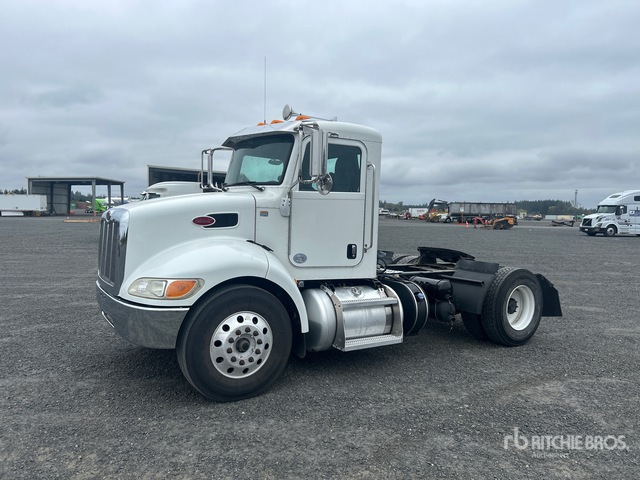 2016 Peterbilt 337 S/A Day Cab Truck Tractor
You’ll also get a settlement statement showing what each lot sold for and the math behind your payout, along with confirmation once every buyer has completed pickup.
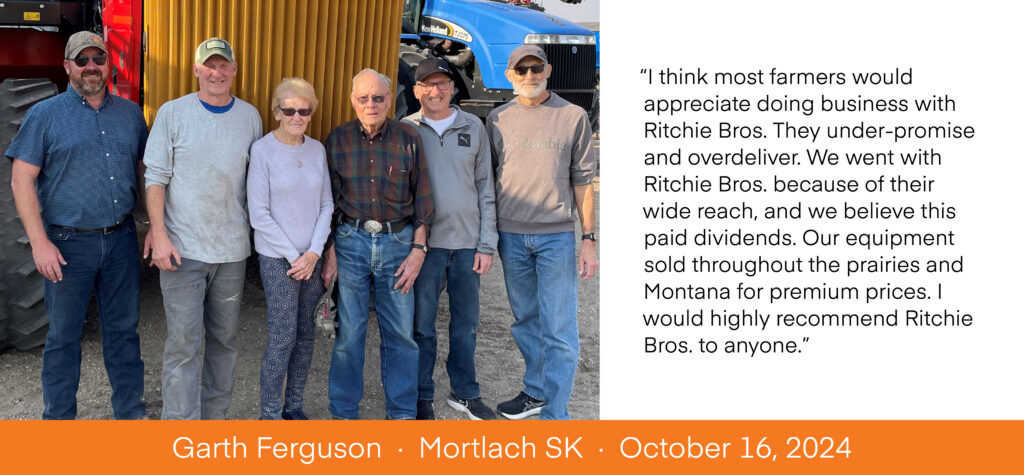
Whether this is retirement, an estate, or just downsizing
Not every sale looks the same. Maybe you’re retiring and clearing out equipment built up over a lifetime. Maybe you’re settling an estate and don’t have time to manage a drawn-out process on top of everything else. Maybe you’re just downsizing after a tough season and only need to move a few pieces. That’s what the first visit is for: your Territory Manager scopes the sale around your actual situation, not a fixed template. A guaranteed contract can also set a minimum return before the auction happens, which is worth asking about when a number you can count on matters more than upside.
Common first-time questions
Do I have to move any equipment to make this work? No. Buyers come to your equipment through online bidding and organized on-site viewing days. Your equipment stays exactly where it is until a buyer arranges pickup after the sale.
What if some equipment doesn’t sell? In an unreserved auction, every lot sells to the highest bidder, so there’s no leftover inventory sitting in your yard afterward. If certainty matters more than upside, a guaranteed contract sets a minimum return before the sale happens, regardless of where bidding ends up.
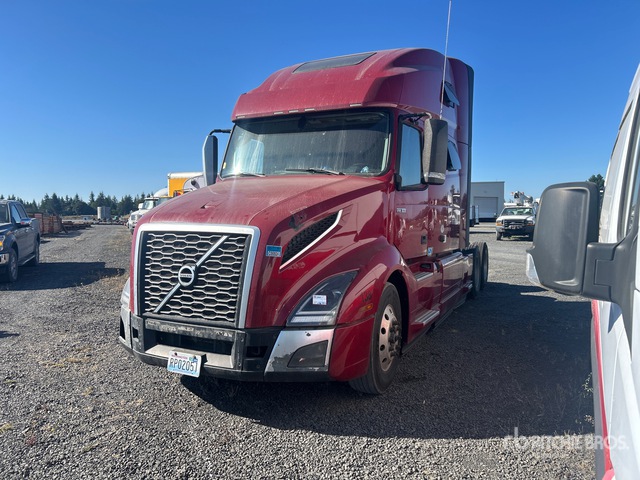 2023 Volvo VNL760 T/A Sleeper Truck Tractor
How is this different from consigning to a regional auction site? The mechanics are the same: appraisal, marketing, bidding, settlement. The difference is location. Your equipment never leaves your yard, so there’s no transport cost or downtime before the sale.
Can I set a reserve price? A guaranteed contract functions like a reserve: you get a guaranteed minimum regardless of the final sale price, with any amount above that guarantee typically split with you. A straight commission sale is unreserved, and the market sets the price.
How long does the whole process take? Timelines vary by equipment condition and how much you’re selling, but plan on several weeks from your Territory Manager’s first visit to auction day, with marketing running for multiple weeks before the sale and your payout following within 21 days of settlement.
How to know the process is working
Watch for a few signals along the way. Your Territory Manager stays reachable between the first visit and auction day, not just at the start and the end. Marketing activity shows up before the sale in the form of ads, emails, and listings you can actually see live. Inspection reports are available before bidding opens, not written after complaints come in. And when the sale closes, you get a payout timeline and documentation, not a vague promise.
The bottom line
An offsite auction works because one contact carries you from the first walk through your operation to the final cheque, and none of it requires moving a single piece of equipment or pulling you away from the season to make it happen. If you’re weighing whether it’s right for your operation, start with a conversation, not a commitment.
Talk to a Territory Manager about your operation.
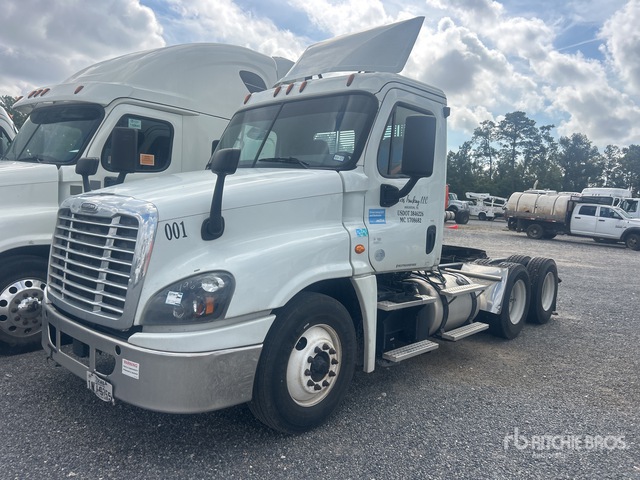 2019 Freightliner Cascadia 125 T/A Day Cab Truck Tractor
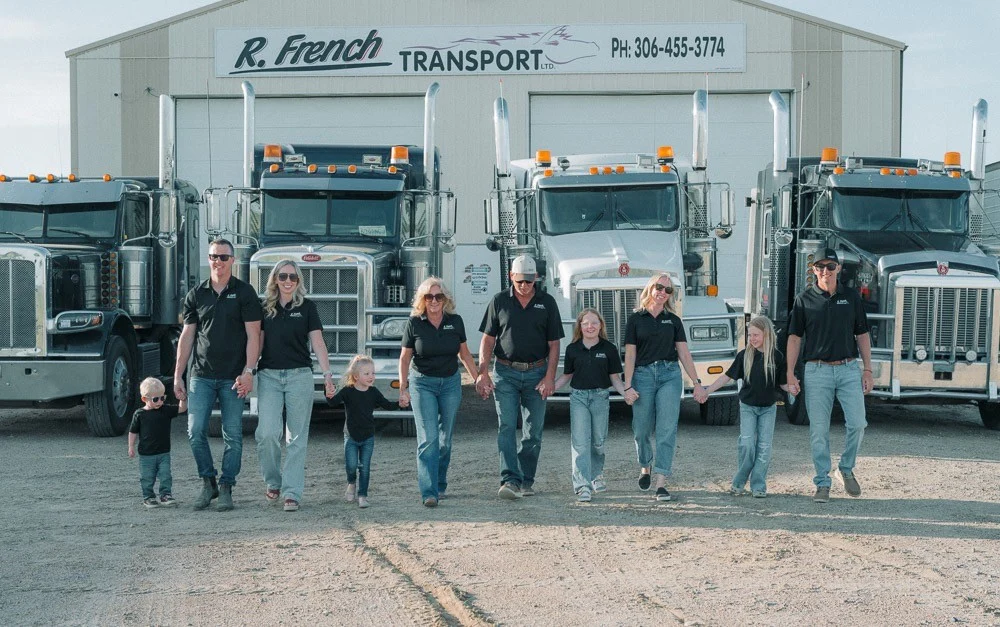 |
From Winter Roads to Retirement: How R. French Transport Sold Its Fleet from Home in Arcola, SK |
 2015 Kenworth T880 Tri/A Day Cab Truck Tractor2016 Peterbilt 337 S/A Day Cab Truck Tractor2023 Volvo VNL760 T/A Sleeper Truck Tractor2019 Freightliner Cascadia 125 T/A Day Cab Truck Tractor
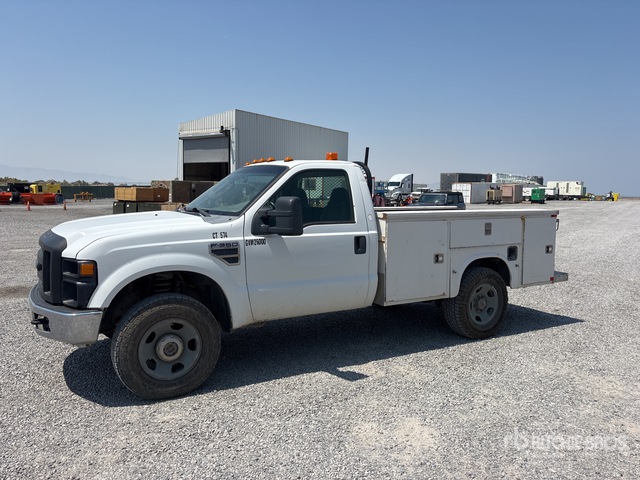 2009 Ford F-350 Utility Truck
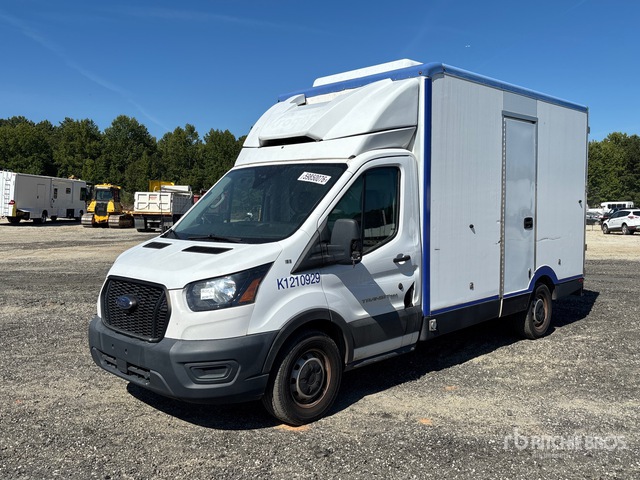 2022 Ford Transit T-350 Refrigerated Truck
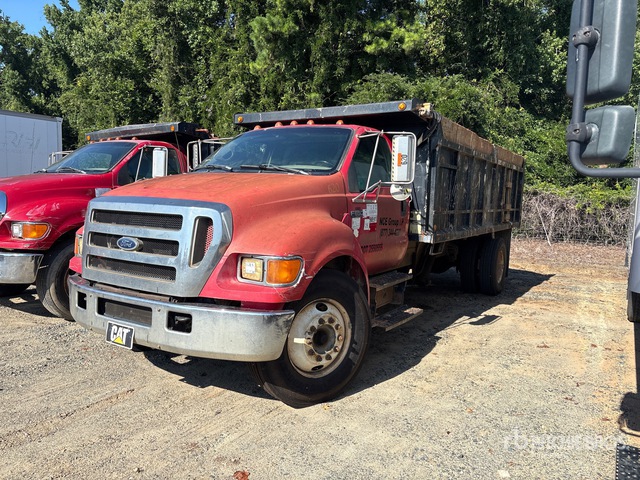 2006 Ford F-650 S/A Dump Truck
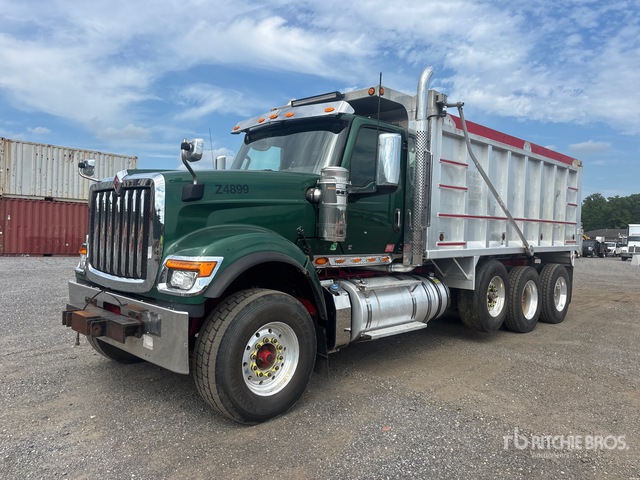 2023 International HX520 Tri/A Dump Truck
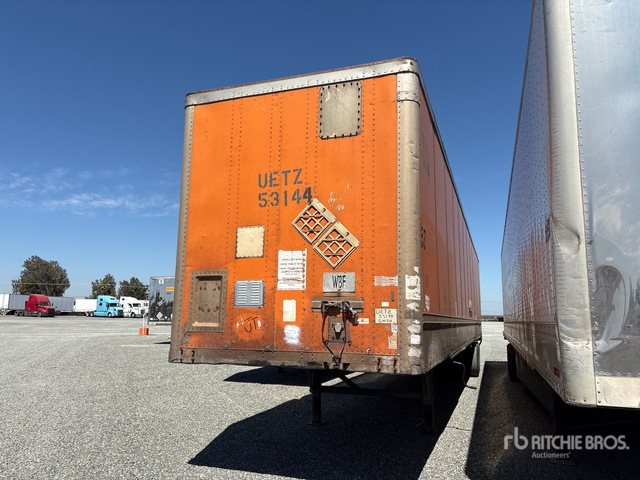 2004 Wabash Van Trailer
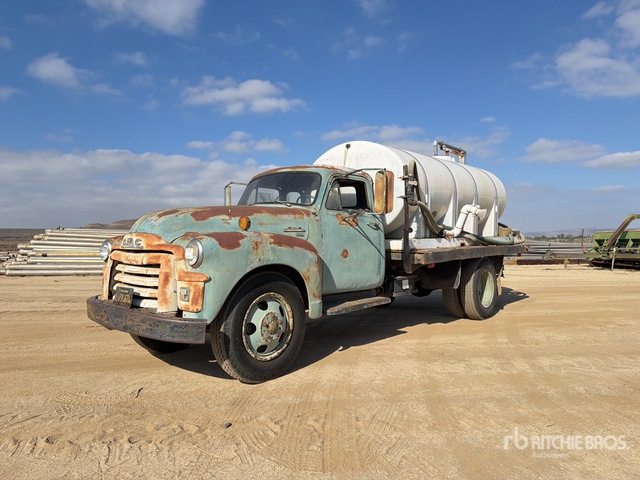 1963 GMC 350 Flatbed Truck
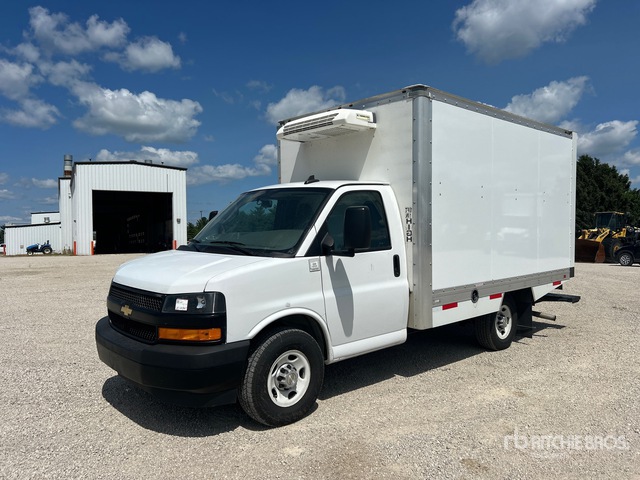 2023 GMC Express G3500 Refrigerated Truck
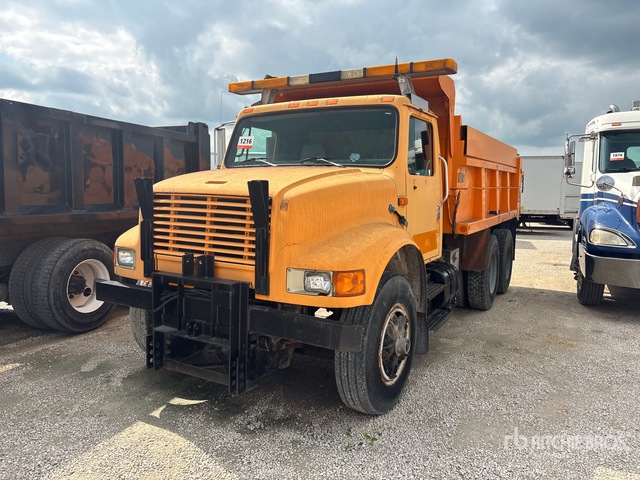 1992 International 4900 T/A Dump Truck
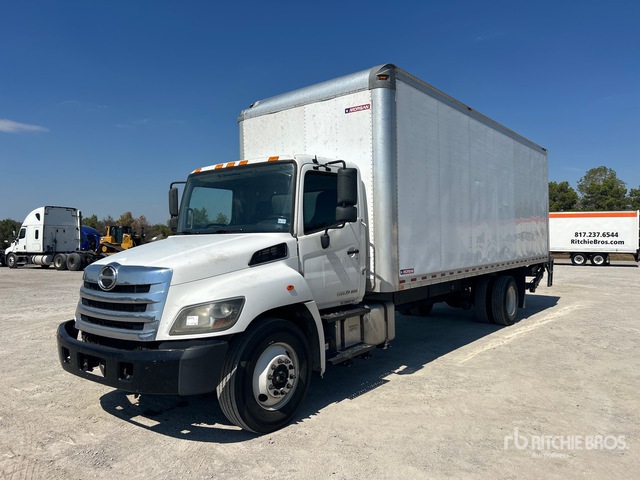 2019 Hino 268 Van Truck
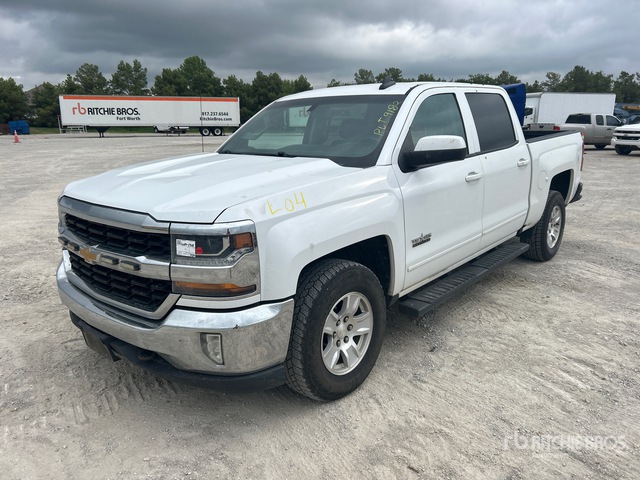 2018 Chevrolet Silverado 1500 Pickup
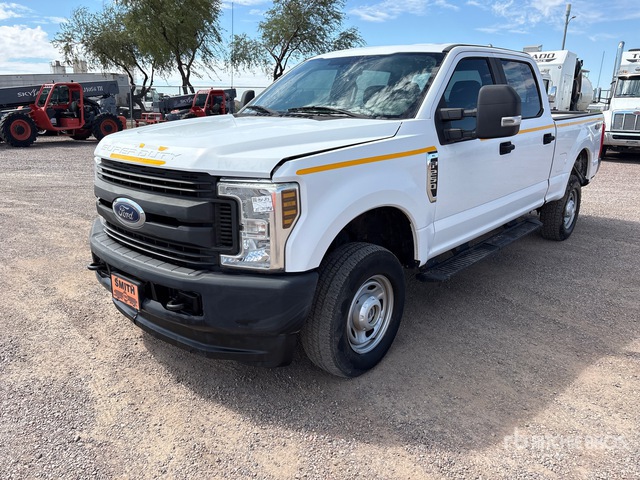 2018 Ford F-250 Pickup
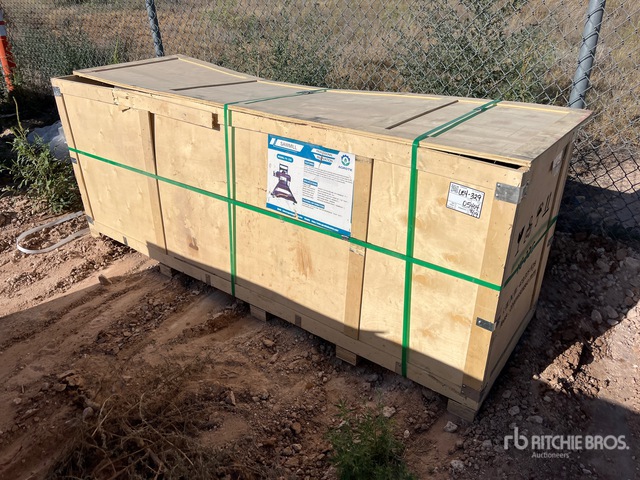 2026 AGT YC32-G Portable Sawmill
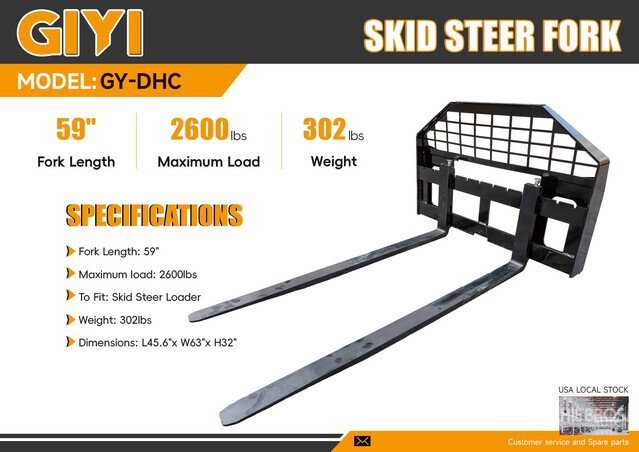 2026 GIYI GY-DHC Skid Steer Forks
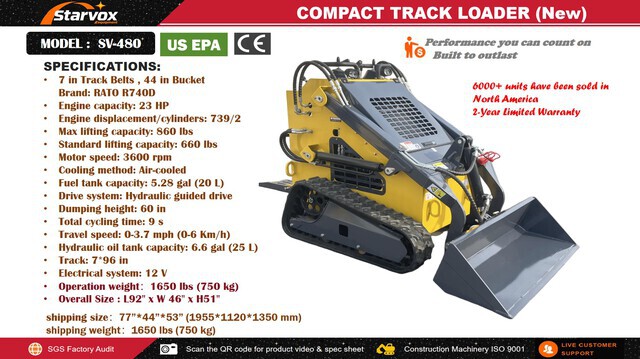 2026 STARVOX SV-480 Compact Track Loader
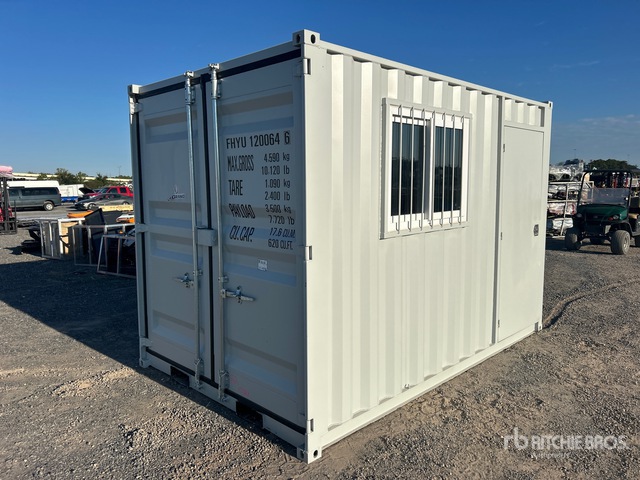 2026 SDGRAND IRC12 Storage Container
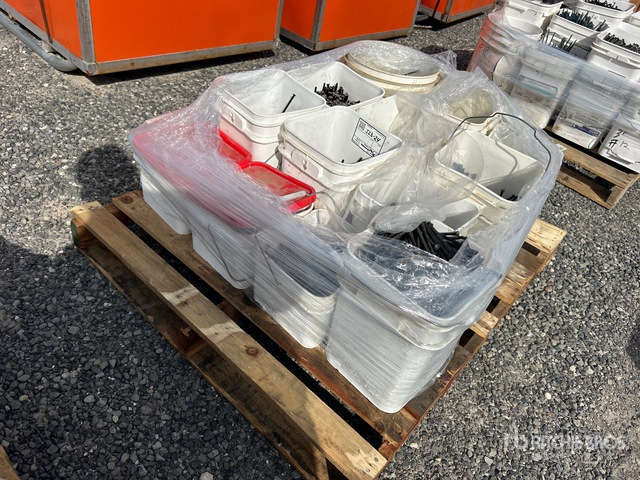 Drill-Tec Misc. Industrial
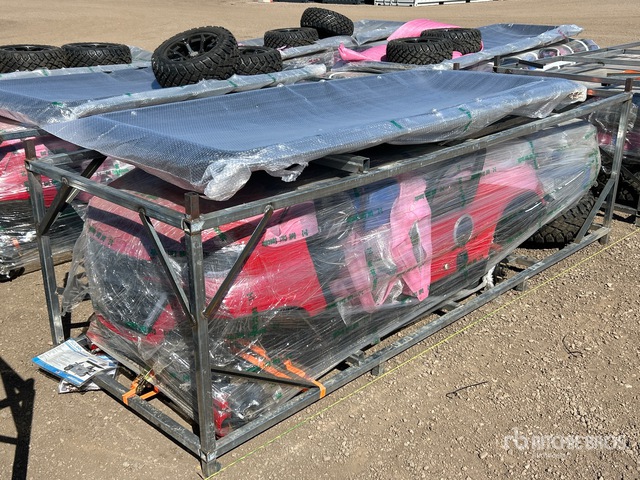 2026 SDLOOL SL-GC22S Golf Cart
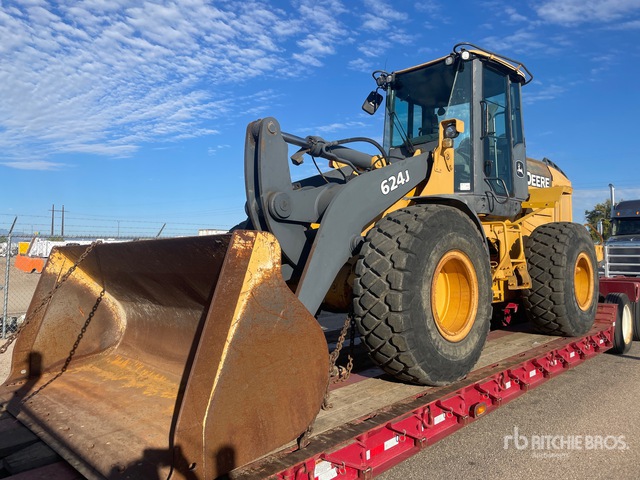 2007 John Deere 624J Wheel Loader
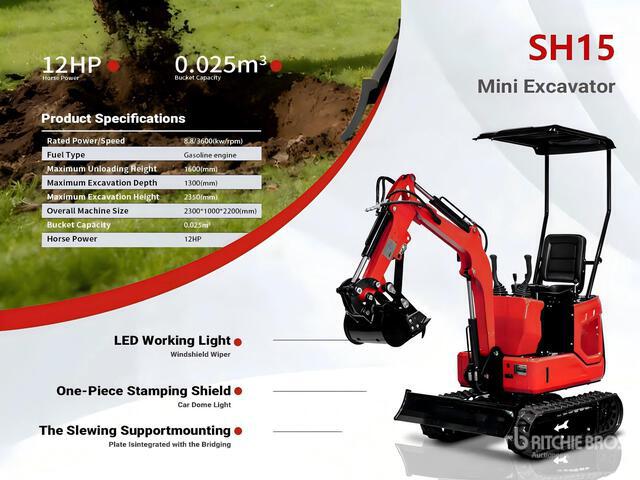 2026 SH15-RED Mini Excavator: <6.6t
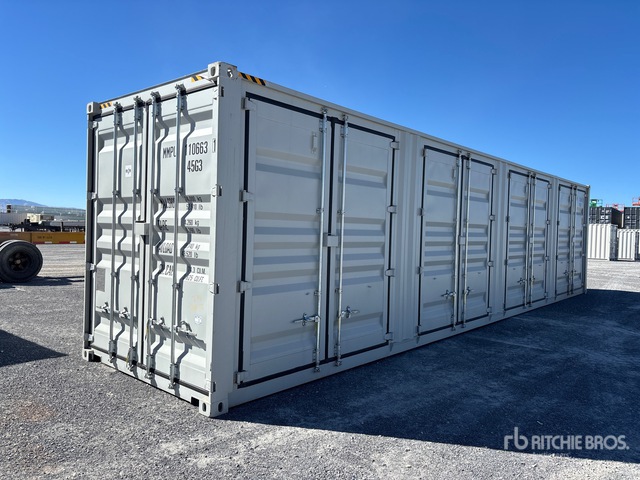 2026 RanchMaster 40HQ Storage Container
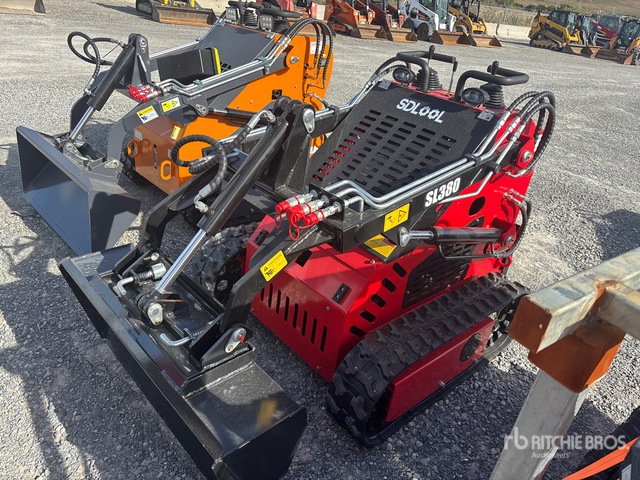 2026 SDLOOL SL380R Compact Track Loader