 USA/CAN
 France
 Germany
 United Kingdom
 Netherlands
 Spain
 Italy
 Canada (FR)
 Mexico
 Australia
What is a CDL? License classes, costs and how to get one


If you’re buying your first work truck or thinking about commercial driving, you’ve probably come across terms like “Class A CDL” and “CDL training.” The rules can be confusing, and getting them wrong can mean fines, voided insurance or a truck you can’t legally drive. This guide covers what a CDL is, who needs one, the differences between license classes, and what it takes in time and money to get one in the U.S.
The short answer: CDL stands for commercial driver’s license, a special license you need in the U.S. to drive large or specialized commercial vehicles. Generally, you need one for any vehicle or combination with a gross weight rating of 26,001 lbs or more, vehicles designed to carry 16 or more people including the driver, and vehicles hauling hazardous materials that require placards. There are three classes, A, B and C, and each is issued by your state under federal rules.
What does CDL stand for?
CDL stands for commercial driver’s license.
The program is regulated federally by the Federal Motor Carrier Safety Administration (FMCSA), and each state’s Department of Motor Vehicles (DMV) handles testing and issues the license. The license classes and endorsements are the same nationwide, but fees, paperwork and wait times vary by state.

CDL classes at a glance
| Class | What it covers | Common examples |
|---|---|---|
| Class A | Combinations with a gross combination weight rating (GCWR) of 26,001 lbs or more, where the trailer is rated over 10,000 lbs | Semi-trucks, dump trucks pulling pup or transfer trailers, lowboys |
| Class B | Single vehicles rated at 26,001 lbs GVWR or more, or those vehicles towing a trailer rated 10,000 lbs or less | Single, tandem and tri-axle dump trucks, cement mixers, large box trucks, buses |
| Class C | Vehicles that don’t meet Class A or B but carry 16 or more people (including the driver) or placarded hazardous materials | Small passenger buses, light hazmat delivery vehicles |
Vehicles below these thresholds, like most pickups, one-ton trucks and 26-foot rental box trucks, can be driven with a regular license. Our guide to GVWR and weight ratings explains how to find a vehicle’s rating.
Who needs a CDL?
You need a CDL if you drive a vehicle that meets the Class A, B or C thresholds on public roads for commercial purposes.
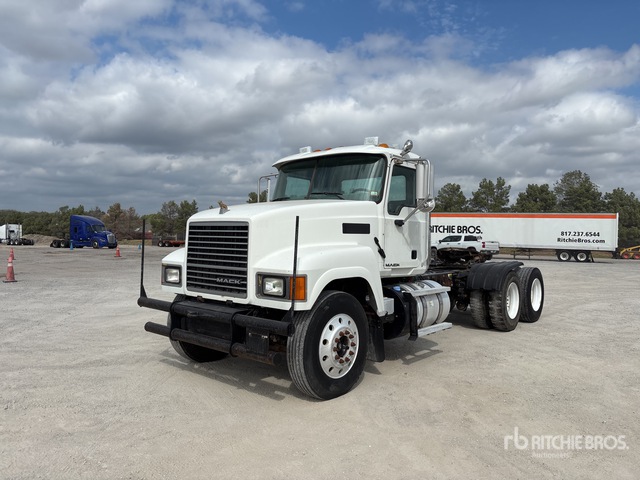 2012 Mack CHU613 T/A Day Cab Truck Tractor
Some drivers are exempt under federal rules, including military drivers, firefighters and other emergency vehicle operators, people driving recreational vehicles for personal use, and farmers using farm vehicles within 150 miles of their farm, although states decide how they apply some of these exemptions. Even without a CDL, many commercial trucks over 10,000 lbs need a DOT number and a driver with a DOT medical card.
What are CDL endorsements and restrictions?
Endorsements let you drive specialized vehicles, and restrictions limit what your CDL covers.
| Code | Type | What it means |
|---|---|---|
| H | Endorsement | Hazardous materials |
| N | Endorsement | Tank vehicles |
| P | Endorsement | Passenger vehicles |
| S | Endorsement | School buses |
| T | Endorsement | Double and triple trailers |
| X | Endorsement | Tank vehicles carrying hazardous materials |
| L | Restriction | No vehicles with full air brakes |
| E | Restriction | No manual transmission vehicles |
How do you get a CDL?
To get a CDL, you meet the eligibility rules, earn a commercial learner’s permit, complete required training, and pass a skills test.
- Meet the basic requirements. You must be at least 18 to drive within your state and 21 to drive across state lines, hold a valid driver’s license, and pass a DOT physical to get a medical examiner’s certificate.
- Get a commercial learner’s permit (CLP). Pass the general knowledge test, plus tests for air brakes, combination vehicles or endorsements as needed. You must hold the CLP for at least 14 days before your skills test.
- Complete entry-level driver training (ELDT). Since February 7, 2022, first-time Class A and B applicants, and drivers upgrading from B to A, must complete theory and behind-the-wheel training from a provider listed on the FMCSA Training Provider Registry.
- Pass the skills test. It includes a pre-trip inspection, basic vehicle control and an on-road driving test.
- Apply for your CDL. Bring your documents, test results and fees to your state DMV.
Federal and state rules change from time to time, so check with your state DMV and the FMCSA for current requirements.

How long does it take to get a CDL?
Most people get a CDL in about 3 to 8 weeks.
- Training program length. Full-time CDL schools typically take 3 to 4 weeks, while part-time or evening programs take longer.
- State processing times. Some DMV offices have waits for skills test appointments.
- The 14-day CLP rule. You can’t take the skills test until you’ve held your permit for at least 14 days.
How hard is it to get a CDL?
Getting a CDL is challenging but manageable with good preparation.
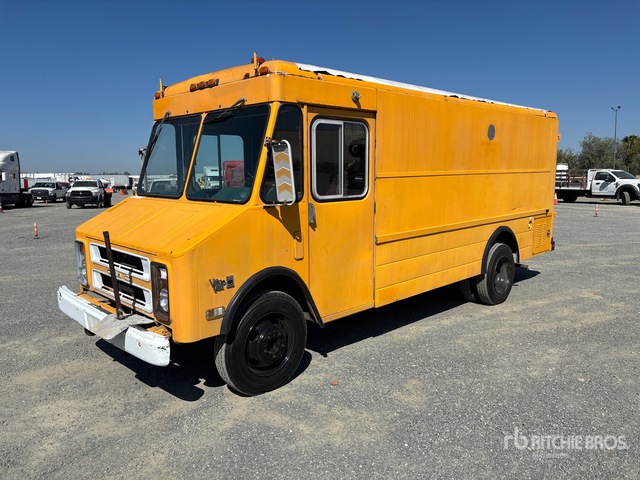 1988 GMC 3500 Step Van
The written tests cover vehicle inspection, safe driving and air brake systems, which can trip up unprepared test-takers. The skills test includes a pre-trip inspection, basic control skills like backing and parking, and an on-road evaluation. Most candidates find that maneuvering a large vehicle in tight spaces is the hardest part, and it gets easier with time behind the wheel.
How much does it cost to get a CDL?
Most of the cost of a CDL is training, which commonly runs from about $1,600 to $7,000 or more, plus a few hundred dollars in state and medical fees.
| Cost | Typical range |
|---|---|
| CDL training (ELDT program) | About $1,600 to $7,000+ |
| DOT medical exam | About $100 |
| Permit application | About $50 to $100 |
| Testing and license fees | About $100 to $200 and up, depending on the state |
Can you get a CDL for free?
Yes, in some cases you can get CDL training paid for.
- Company-sponsored training. Some trucking companies offer free training in exchange for a driving commitment, usually 6 to 12 months.
- Veteran programs. The GI Bill and other military benefit programs may cover training costs.
- State grants and workforce funding. Local job centres sometimes fund training, especially for unemployed or underemployed workers.

Do you need a CDL for a pickup, dump truck or box truck?
It depends on the vehicle’s weight rating, not its type.
| Vehicle | CDL needed? |
|---|---|
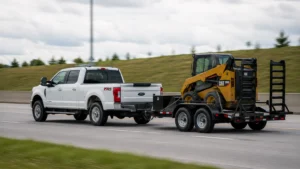
| Pickup trucks, including one-tons | No, unless the truck and trailer together are rated at 26,001 lbs or more and the trailer is rated over 10,000 lbs |
| 26-foot box trucks | No, most are rated at 26,000 lbs GVWR or less |
| Dump trucks | Usually yes. Most are rated over 26,000 lbs and need a Class B; see do you need a CDL to drive a dump truck |
| Semi-trucks | Yes, a Class A for tractor-trailers |
Our guides to the best trucks for towing and DOT axle weight limits cover the weight rules in more detail.
Do you need a CDL in Canada?
Canada doesn’t use the term CDL; each province issues its own commercial licence classes.
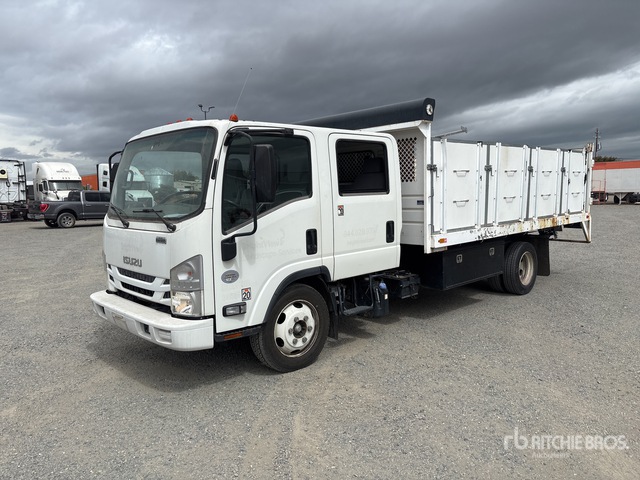 2019 Isuzu NPR Landscape Truck
For example, tractor-trailer drivers need a Class 1 licence in Alberta and British Columbia, and a Class AZ licence in Ontario. Requirements for heavy straight trucks also vary by province, so check with your provincial licensing office.
Is a CDL worth it?
Whether you’re buying a dump truck, hauling trailers or moving equipment between job sites, a CDL opens the door to higher-paying work and bigger trucks. Knowing which class you need before you buy helps you avoid costly surprises, especially if you’re browsing heavy-duty vehicles at auction.
If you’re in the market for commercial trucks or used dump trucks, knowing the licensing rules ensures you’re ready to put your next purchase to work.
 |
How County Governments Can Turn Surplus Equipment Into Budget Relief |
 2012 Mack CHU613 T/A Day Cab Truck Tractor2019 Isuzu NPR Landscape Truck1988 GMC 3500 Step Van
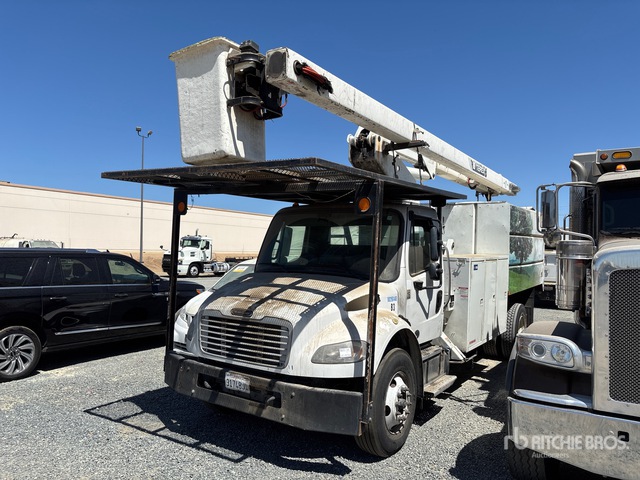 2016 Freightliner M2 106 Bucket Truck
 2007 Stoughton AVW-535T-S-C-AR Van Trailer
 2007 Stoughton AVW-535T-S-C-AR Van Trailer
 2026 Neks Fifth Wheel Wrecker Attachment
 2022 Great Dane ECL-1114-11053 Refrigerated Trailer
 2018 Utility VS2RA Refrigerated Trailer
 2023 Commander Enclosed Trailer
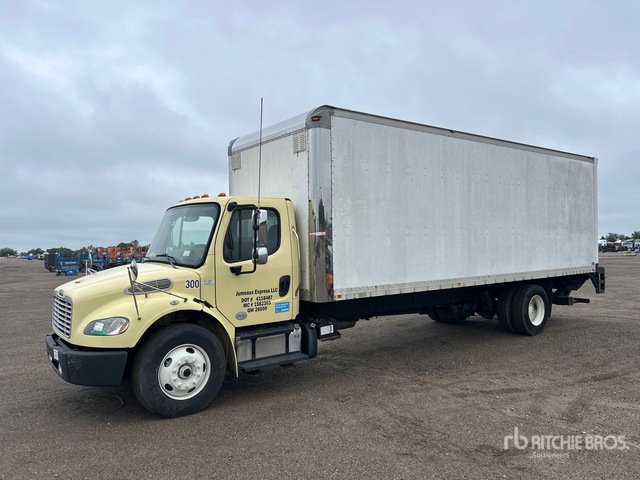 2015 Freightliner M2 106 Van Truck
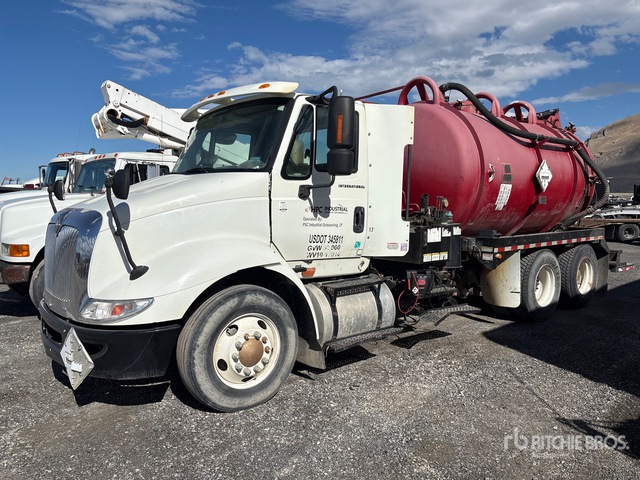 2007 International 8600 Vacuum Excavator Truck
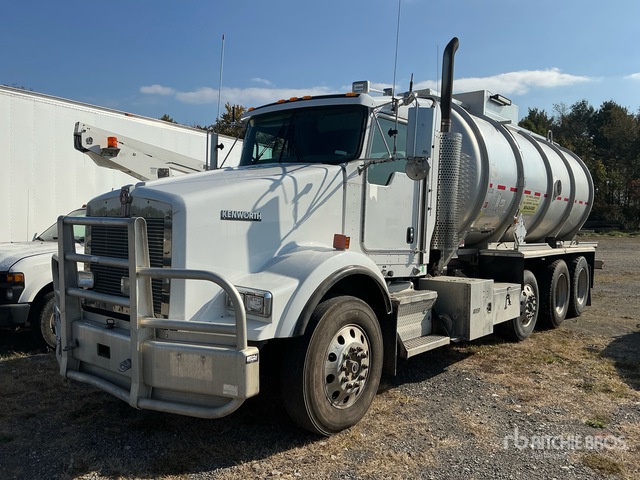 2015 Kenworth T800 Tanker Truck
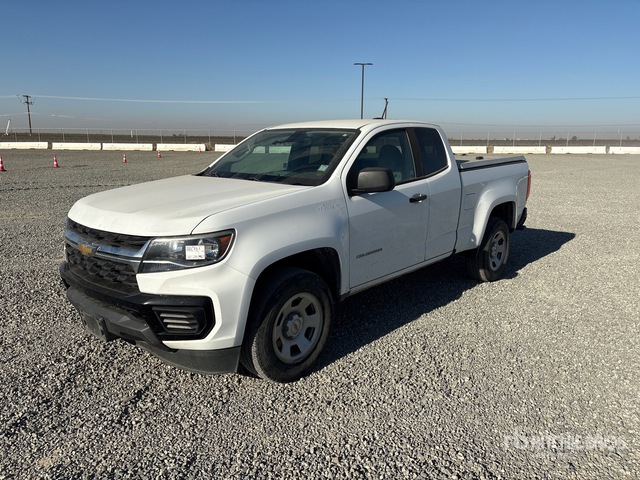 2022 Chevrolet Colorado Pickup
 Harrow
 2026 Handy HSNC78 Skid Steer Power Rake
 2026 CFG H13R Mini Excavator: <6.6t
 2026 GIYI Cat 301 GYA-8 Misc. Excavator Attachment
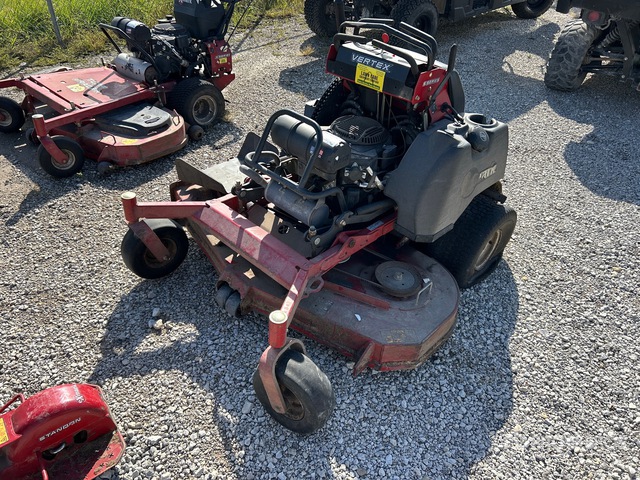 2024 Exmark Vertex S Series Lawn Mower
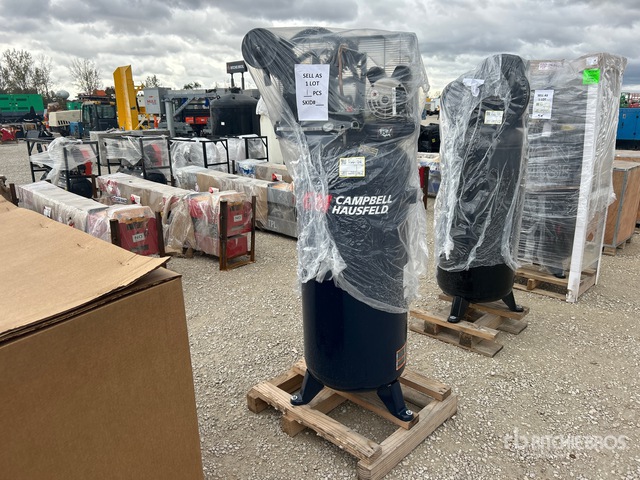 Campbell Hausfeld Air Compressor
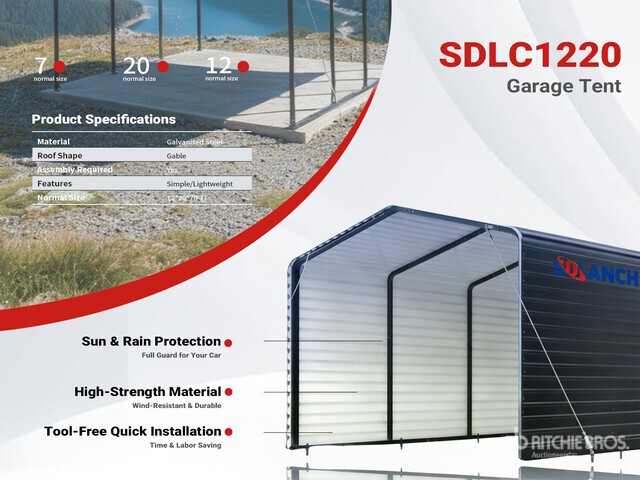 2026 SDLC1220 Carport
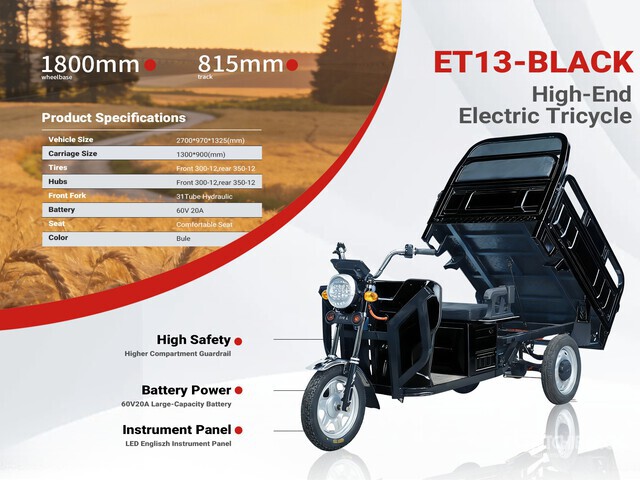 2026 ET13-BLACK Trike
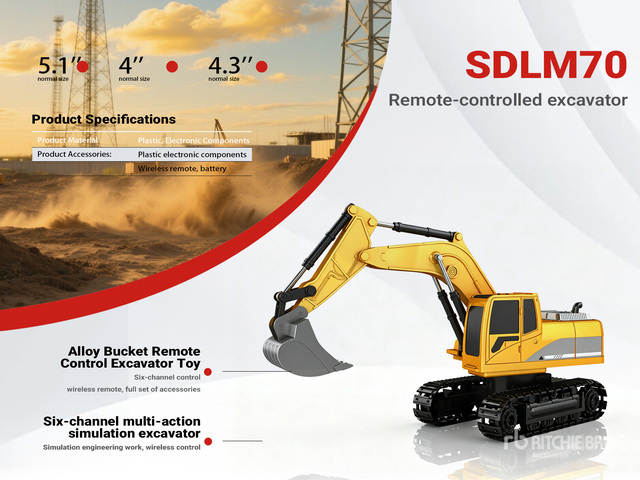 2026 SDLM70 Misc. Shop, Warehouse, Consumer
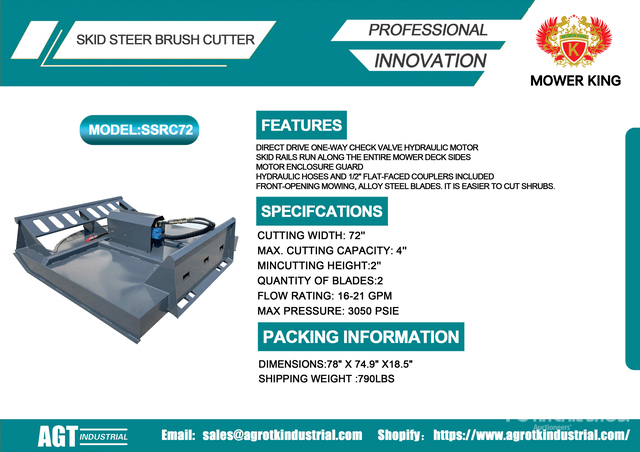 2026 Mower King SSRC Skid Steer Brush Cutter
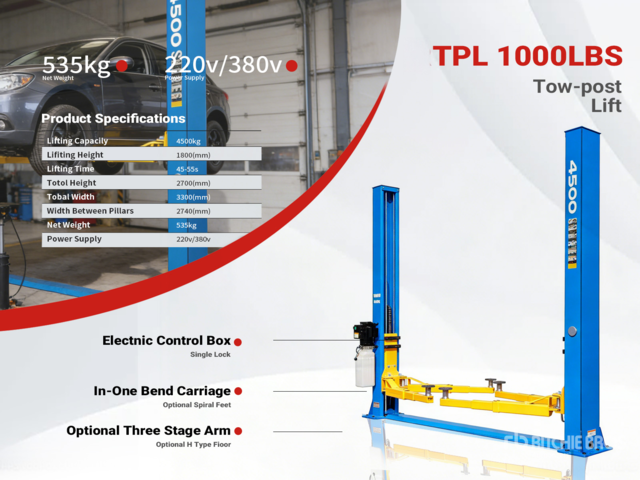 2026 TPL-BLUE Vehicle Lift