 USA
USA France
  Germany
  United Kingdom
  Netherlands
  Spain
Spain  Italy
Italy  Canada (FR)
  Mexico
  Australia
 How to start a land clearing business: equipment, costs, and income potential

Land clearing is one of the most in-demand services in construction, agriculture, and real estate development — and it’s a business you can build with a focused equipment investment and the right groundwork. Whether you’re starting from zero or expanding an existing landscaping or excavation operation, this guide covers exactly what equipment you need, what startup costs look like, and what kind of income you can realistically expect.
What equipment do you need for a land clearing business?
The core land clearing equipment list includes a forestry mulcher or brush cutter, an excavator or bulldozer, a skid steer, and a dump truck or trailer — the exact mix depends on the terrain, vegetation density, and job types you plan to take on.
Here’s a practical breakdown of the primary machines:
Forestry mulcher / brush cutter The workhorse of most land clearing operations. Mulchers grind trees, shrubs, and stumps into chips in a single pass. They mount on skid steers, excavators, or dedicated forestry machines. Ideal for residential lots and light commercial clearing. Browse available brush cutters at auction to get a sense of current pricing across brands.
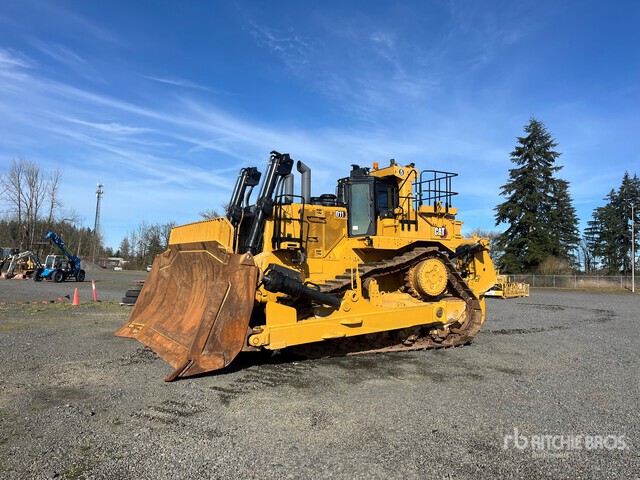
Bulldozer (crawler dozer) Essential for large acreage clearing, grading, and pushing heavy timber. A mid-size dozer — Cat D6, Komatsu D65, or equivalent — covers most commercial clearing jobs without being oversized.
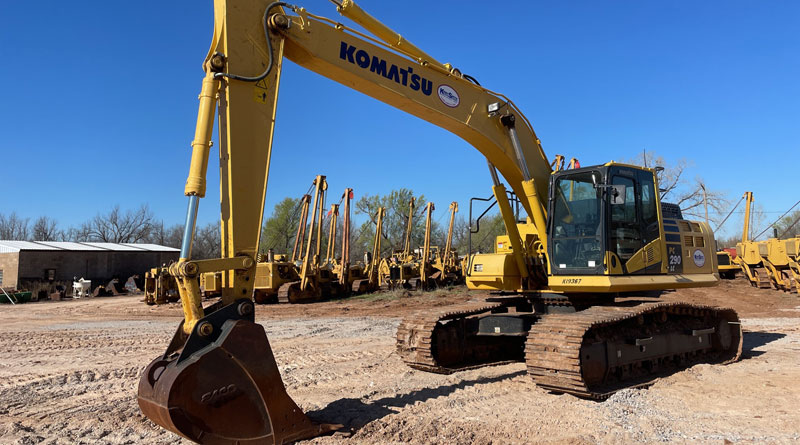
Excavator Used for stump removal, root grubbing, ditch work, and loading debris. A 20–30 tonne machine with a thumb attachment handles the widest range of clearing tasks.
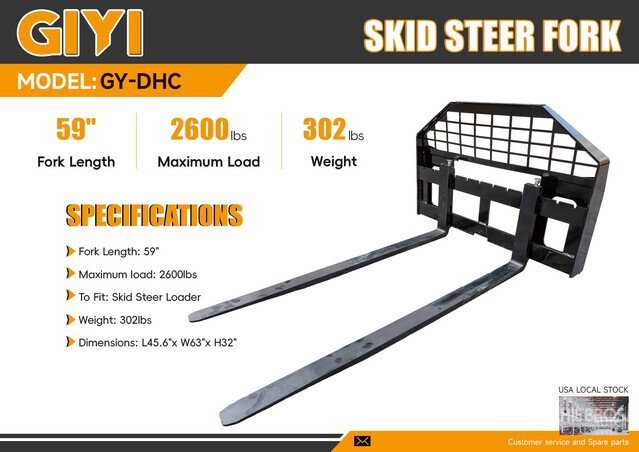 2026 GIYI GY-DHC Skid Steer Forks
Skid steer loader Versatile and easy to transport. With mulcher, grapple, or bucket attachments, a skid steer can handle brush clearing, debris management, and cleanup on tighter sites.
Stump grinder Not always needed if you’re using a mulcher, but a dedicated stump grinder adds a billable service line — particularly for residential clients who want clean lots after tree removal.
Dump truck or trailer Required for hauling debris, stumps, and fill material off-site. Even if you subcontract hauling initially, having your own trailer keeps margins tighter.
You don’t need all of this on day one. Most operators start with a dozer or skid steer plus a mulcher attachment, then expand as contracts grow.
How much does it cost to start a land clearing business?
Startup costs for a land clearing business typically range from $50,000 to $300,000+, depending on whether you buy new or used equipment, how many machines you start with, and your local licensing and insurance requirements.
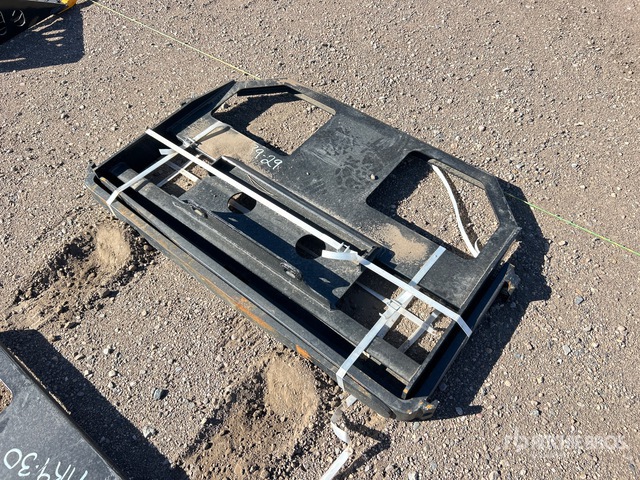 2026 GIYI GY-FR47 Skid Steer Forks
Here’s a realistic cost breakdown:
| Item | Estimated cost (used) |
|---|---|
| Forestry mulcher / brush cutter | $15,000 – $60,000 |
| Skid steer (with attachment) | $20,000 – $55,000 |
| Bulldozer (mid-size) | $30,000 – $120,000 |
| Excavator (20–30t) | $40,000 – $130,000 |
| Dump truck or trailer | $15,000 – $50,000 |
| Business registration & licensing | $500 – $3,000 |
| General liability insurance (annual) | $3,000 – $8,000 |
| Marketing (website, signage, listings) | $1,000 – $5,000 |
| Working capital (3 months operating) | $10,000 – $25,000 |

Buying used equipment at auction is the single most effective way to cut land clearing business startup costs. A used Cat D6 dozer in good working condition can cost 40–60% less than new, and used excavators and skid steers are readily available through equipment auctions. Check upcoming auctions for clearing equipment to see current inventory and pricing benchmarks.
Starting a land clearing business with limited capital
You can start a land clearing business for under $75,000 by purchasing one versatile used machine — typically a skid steer with a mulcher attachment — and subcontracting or renting specialty equipment for larger jobs.
Practical moves for low-capital starts:
- Buy used, not new. The difference between a 3-year-old and a brand-new bulldozer can be $80,000+. Used machines from reputable auctions like Ritchie Bros. come with detailed photos, videos and inspection data.
- Start with one machine, one attachment. A skid steer with a forestry mulcher handles residential and light commercial clearing — the highest-volume, lowest-competition segment for new entrants.
- Subcontract stump grinding and hauling until volume justifies the capital outlay.
- Finance strategically. Equipment lenders often offer better rates on used iron than you’d expect, especially when buying through established auction platforms with clear title documentation.
- Target residential first. Smaller jobs mean faster payment cycles, word-of-mouth growth, and lower liability exposure while you build operational experience.
How to start a land clearing business from scratch
Starting a land clearing business from scratch requires five core steps: register a legal business entity, obtain the required licenses and permits, secure insurance, purchase or finance your equipment, and land your first contract.
Business planning and licensing requirements
A land clearing business plan should define your target market (residential, commercial, agricultural, or government), your service area radius, your equipment investment plan, and a 12-month revenue projection before you spend a dollar on equipment.
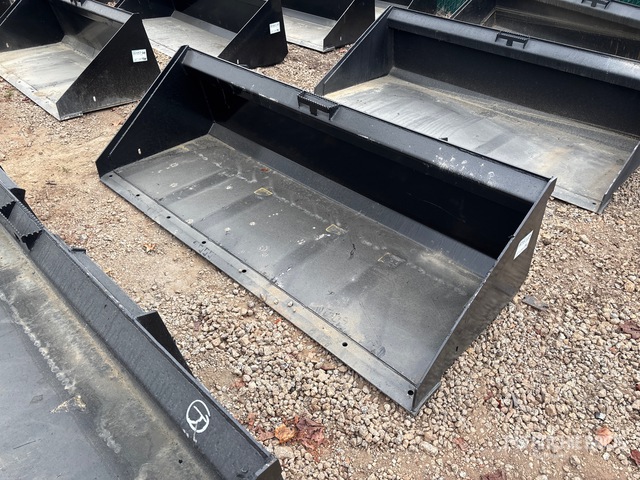 All-Star Skid Steer Bucket
Key planning and licensing steps:
- Choose a business structure. An LLC is the most common choice for small operators — it separates personal liability from business liability and is straightforward to set up in most US states.
- Register your business name with your state’s secretary of state office.
- Obtain an EIN (Employer Identification Number) from the IRS — required for business banking and hiring employees.
- Check local contractor licensing. Many states require a general contractor’s license or a specific land clearing/grading license. Requirements vary significantly by state and county.
- Pull permits for individual jobs. Most land clearing projects above a certain acreage require erosion control permits, tree removal permits (especially near waterways), and sometimes environmental impact reviews.
- Open a dedicated business bank account — critical for tracking revenue, managing taxes, and presenting professionally to commercial clients.
Insurance and compliance considerations
General liability insurance is the minimum requirement — most commercial clients and government contracts will require at least $1 million per occurrence coverage before they sign with you.
Additional coverage to consider:
- Commercial auto insurance — covers your trucks and trailers.
- Inland marine / equipment insurance — protects your machines on-site and in transit.
- Workers’ compensation — legally required in most states once you hire employees.
- Pollution liability — increasingly requested on contracts involving fuel handling or work near wetlands.
On the compliance side, familiarise yourself with your state’s stormwater management requirements. Land clearing disturbs soil, and regulators take erosion and sediment runoff seriously — non-compliance can result in stop-work orders and fines that derail early-stage businesses.
Best state to start a land clearing business: Florida
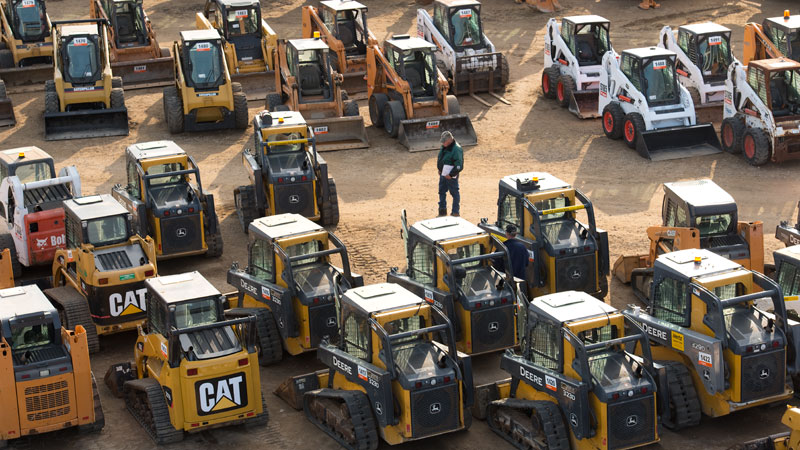
Florida is one of the best states to start a land clearing business due to consistent construction demand, active agricultural land conversion, and year-round operating conditions — but it comes with strict environmental regulations around wetlands, protected species, and tree removal ordinances.
Florida-specific requirements to know:
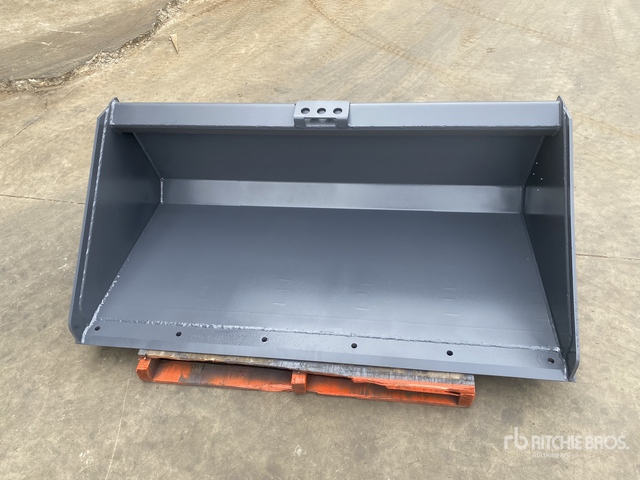 2026 TOFT HSSRB-60 Skid Steer Bucket
- Florida contractor licensing: Land clearing work in Florida often falls under site work or excavation contractor licensing. Check with the Florida Department of Business and Professional Regulation (DBPR) for current requirements in your county.
- Tree ordinances: Many Florida counties and municipalities — including those in the Tampa Bay, Orlando, and South Florida metro areas — have protected tree lists and require permits before removing live oaks, cypress, or other listed species.
- Wetlands and environmental permitting: Florida has extensive wetland protections enforced by the Florida Department of Environmental Protection (FDEP) and the US Army Corps of Engineers. Any clearing near wetland buffers requires permits and sometimes mitigation.
- Sovereign submerged lands: If your work is near water bodies, additional permitting through Florida DEP’s Office of Resilience and Coastal Protection may apply.
- Demand drivers: Florida’s land clearing market is fed by residential subdivision development, citrus grove conversion, timberland clearing, and storm debris management — all sectors with strong, recurring demand.
Many Florida operators also pursue FEMA and state disaster recovery contracts, which activate after hurricane events. Having your business registered with the state vendor system before storm season creates a legitimate pipeline that most competitors overlook.
Income potential and profitability for land clearing operators
A land clearing business can generate $100,000 to $500,000+ in annual revenue as a solo or small-crew operation, with net profit margins typically ranging from 20% to 40% depending on equipment ownership costs, crew size, and job mix.
Income benchmarks by job type:
| Job type | Typical rate |
|---|---|
| Residential lot clearing (under 1 acre) | $1,500 – $6,000 per job |
| Light commercial clearing (1–5 acres) | $4,000 – $20,000 per job |
| Agricultural / large acreage clearing | $200 – $600 per acre |
| Stump grinding (per stump) | $75 – $400 per stump |
| Brush cutting / mulching | $150 – $400 per hour |
A single operator running one dozer and one skid steer mulcher, completing 4–6 residential jobs per week, can realistically bill $8,000 – $15,000 per week in peak season. After equipment payments, fuel, insurance, and maintenance, net margins of 25–35% are achievable once you’re past the startup phase.
What separates profitable operators:
- Low equipment acquisition costs. Operators who buy used equipment at auction rather than financing new machines carry significantly lower monthly overhead.
- Diversified service lines. Adding stump grinding, grading, or site prep services increases revenue per customer and reduces seasonal slowdowns.
- Commercial and government contracts. These pay more per acre, offer longer job runs, and are more predictable than residential one-offs.
- Efficient job sequencing. Minimising mobilisation time between jobs — keeping work geographically clustered — has an outsized impact on hourly profitability.
Land clearing is a capital-intensive business to start, but the barriers to entry are manageable if you’re strategic about equipment acquisition. Buying quality used machines through auction — rather than stretching into new equipment debt — is how most successful operators get their first year into positive territory faster. Once you’ve established a local reputation and steady contract flow, scaling with additional machines becomes self-funding. Start lean, price your jobs accurately, and let your equipment work for you.
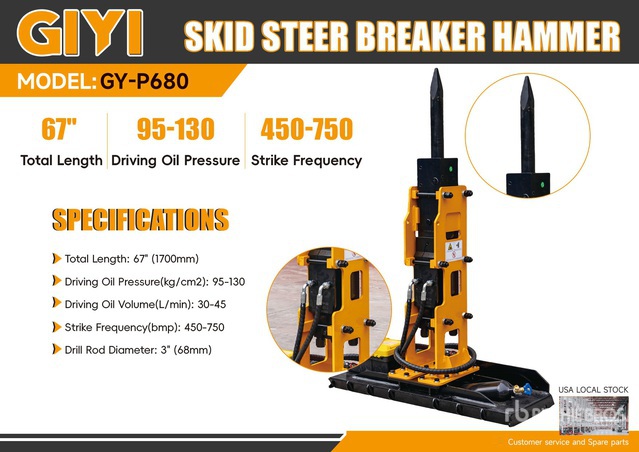 2026 GIYI GY-P680 Skid Steer Breaker
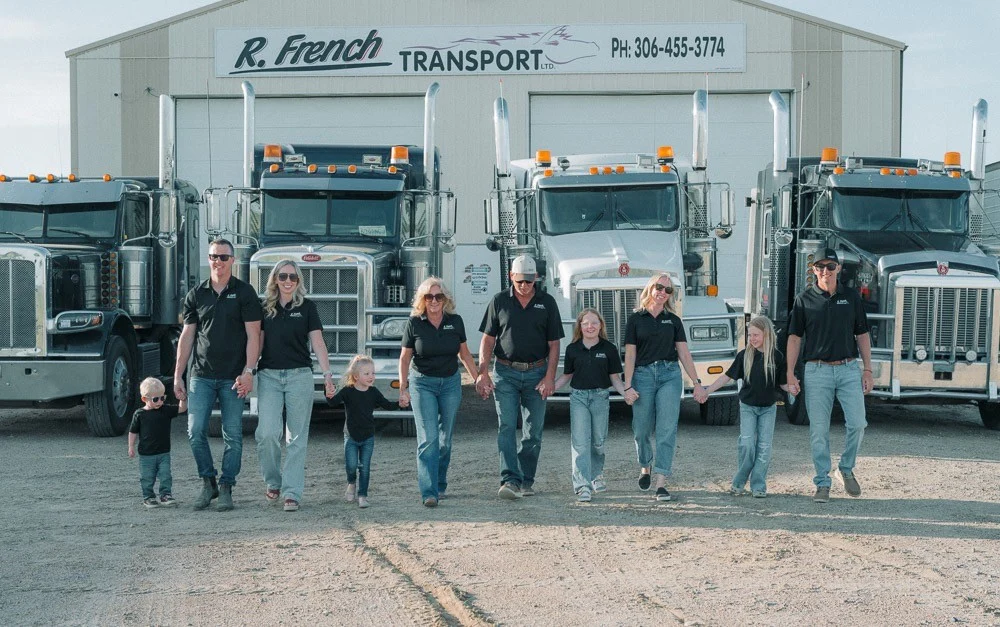 |
From Winter Roads to Retirement: How R. French Transport Sold Its Fleet from Home in Arcola, SK |
 2026 GIYI GY-DHC Skid Steer Forks2026 GIYI GY-FR47 Skid Steer ForksAll-Star Skid Steer Bucket2026 TOFT HSSRB-60 Skid Steer Bucket2026 GIYI GY-P680 Skid Steer Breaker
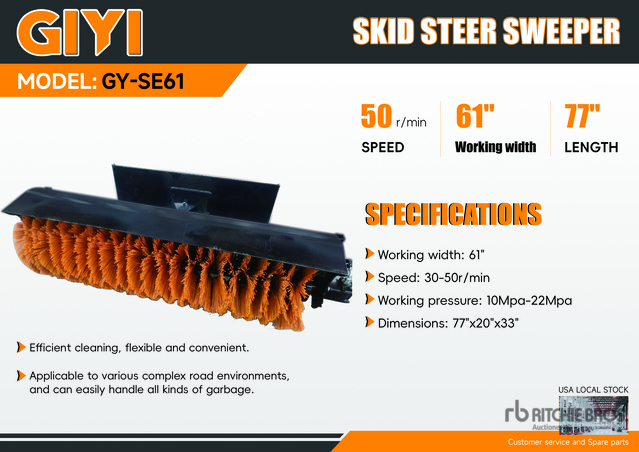 2026 GIYI GY-SE61 Skid Steer Broom
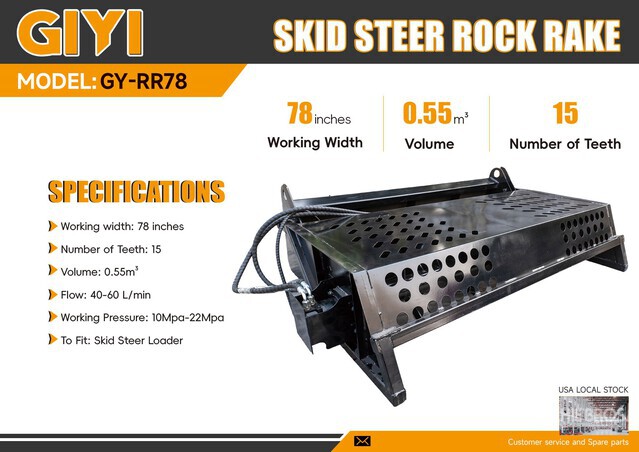 2026 GIYI GY-RR78 Misc. Skid Steer Attachment
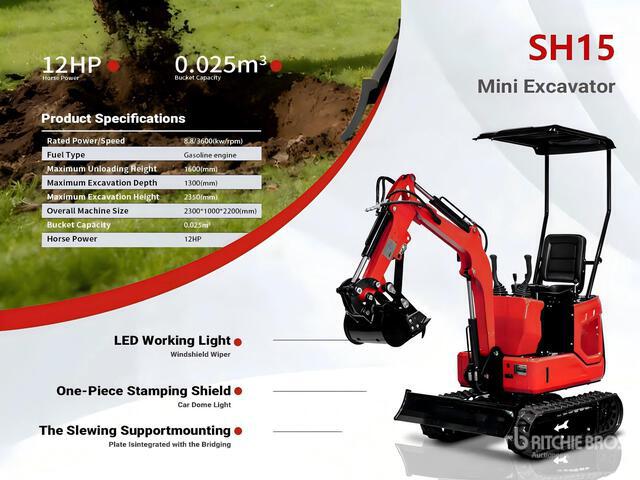 2026 SH15-RED Mini Excavator: <6.6t
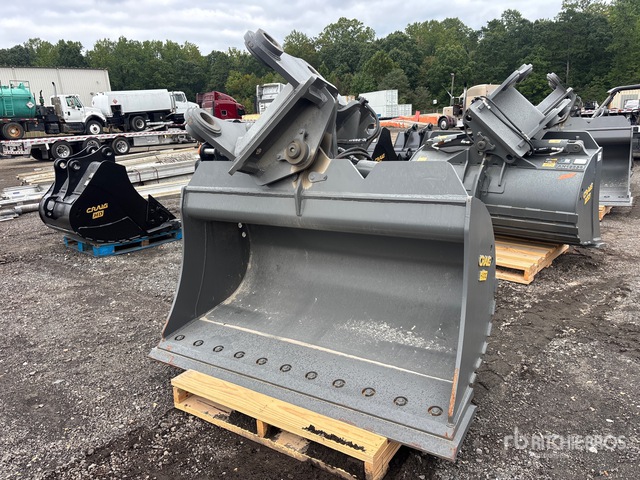 Craig Excavator Bucket
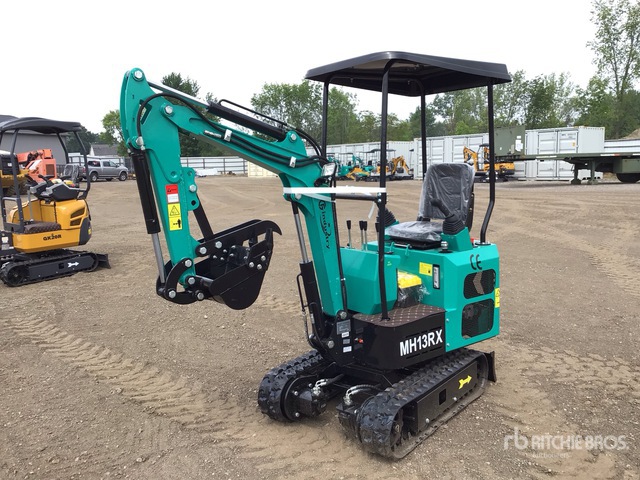 2026 CFG MH13RX Mini Excavator: <6.6t
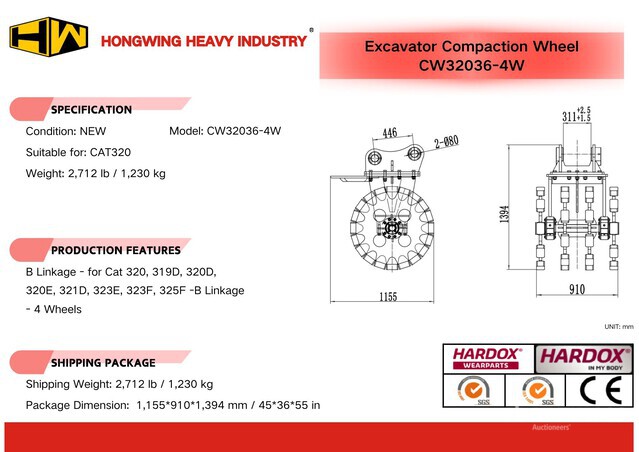 2026 HW CW32036-4W Excavator Compaction Wheel
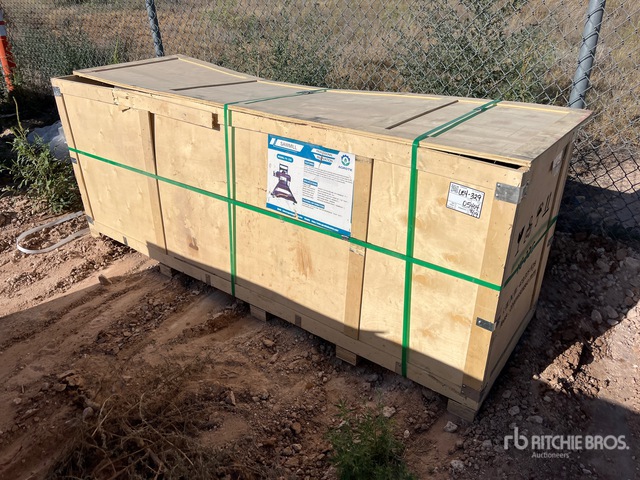 2026 AGT YC32-G Portable Sawmill
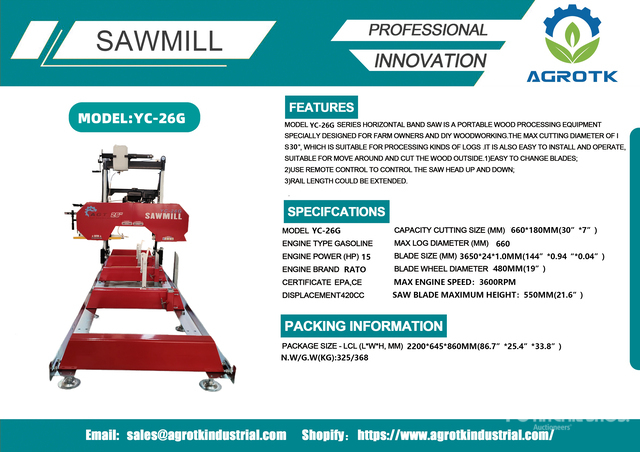 2026 AGT YC-26G Portable Sawmill
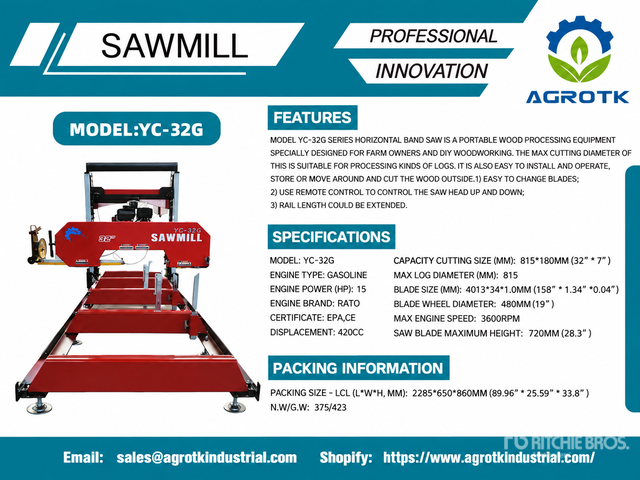 2026 AGT YC32-G Portable Sawmill
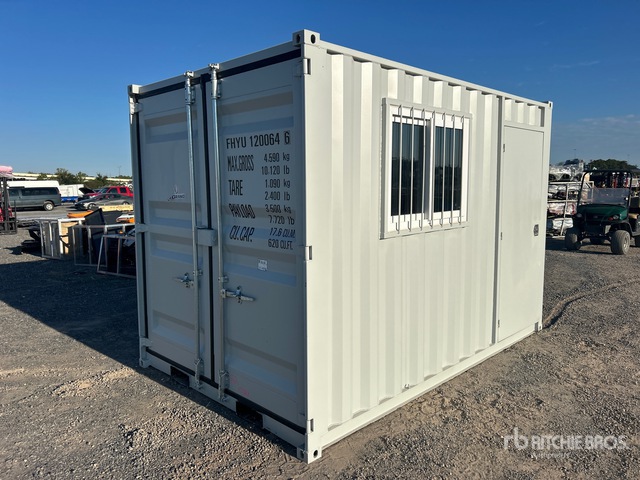 2026 SDGRAND IRC12 Storage Container
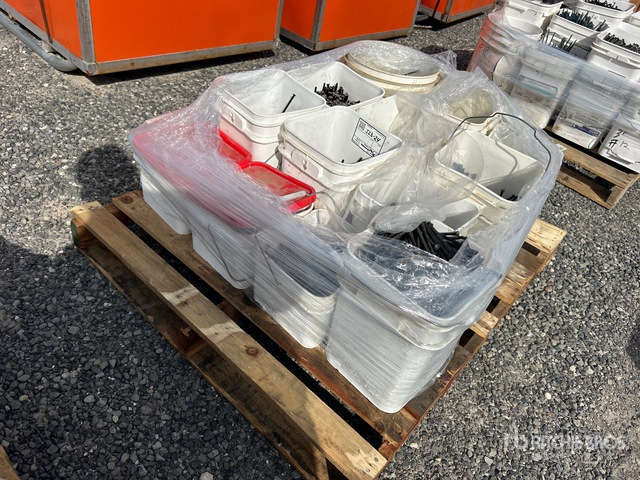 Drill-Tec Misc. Industrial
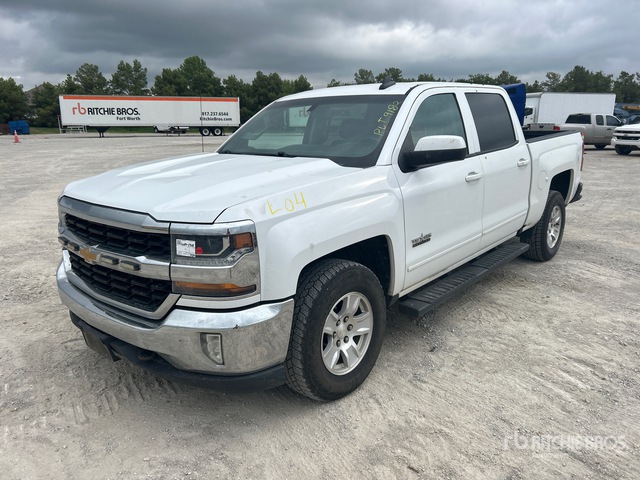 2018 Chevrolet Silverado 1500 Pickup
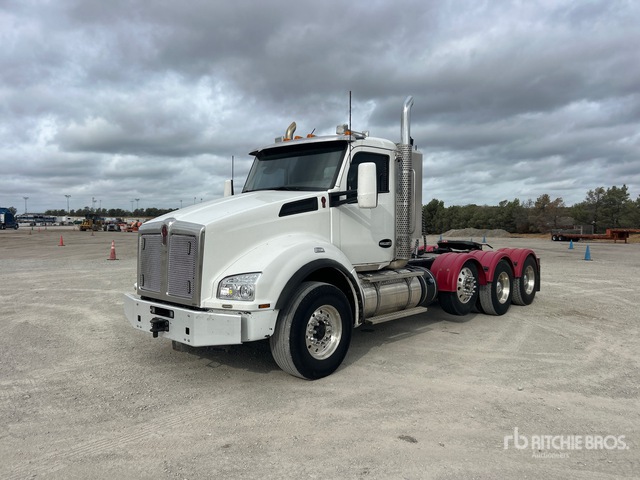 2015 Kenworth T880 Tri/A Day Cab Truck Tractor
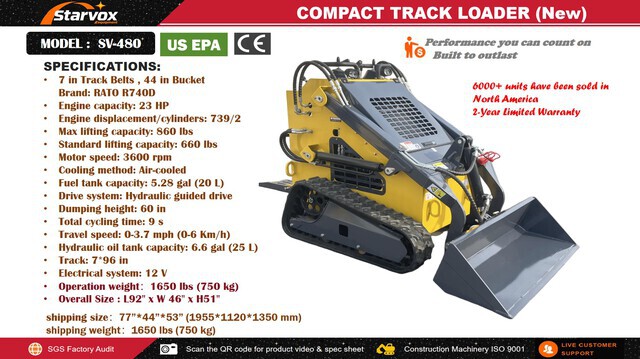 2026 STARVOX SV-480 Compact Track Loader
 2026 RanchMaster 40HQ Storage Container
 2009 Ford F-350 Utility Truck
 2007 John Deere 624J Wheel Loader
 2026 SDLOOL SL-GC22S Golf Cart
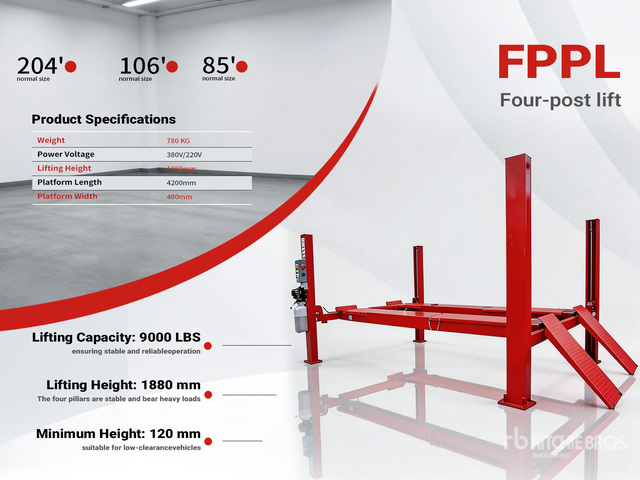 2026 FPPL Vehicle Lift
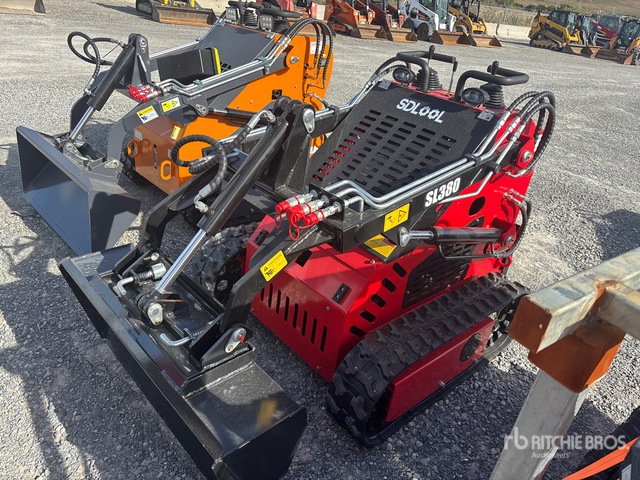 2026 SDLOOL SL380R Compact Track Loader