 USA
USA France
  Germany
  Netherlands
  United Kingdom
  Spain
Spain  Italy
Italy  Canada (FR)
  Mexico
  Australia
 How often should you inspect a forklift

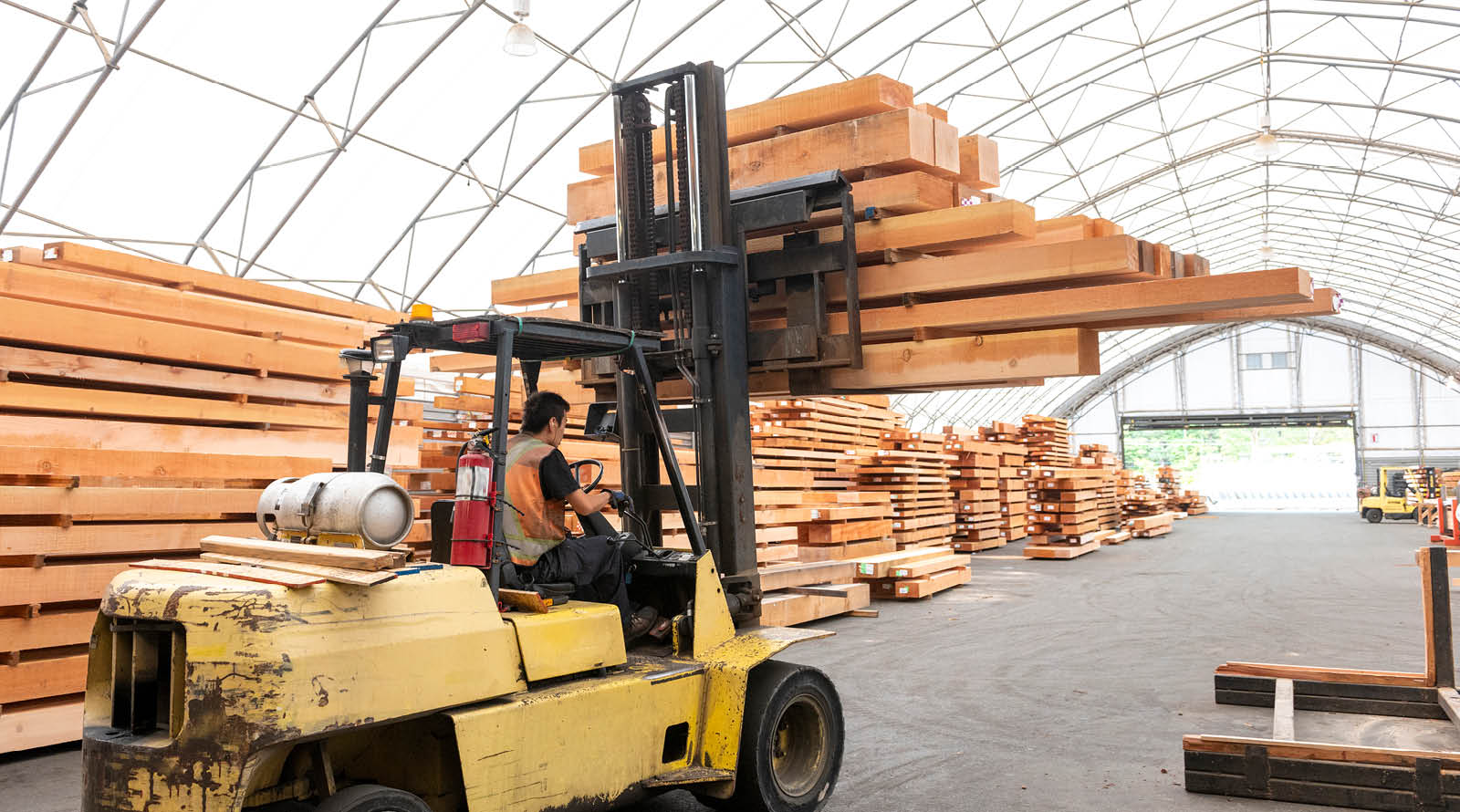
A forklift needs a fresh inspection before every shift it runs, and if it’s operating around the clock, that means a new check after each shift rather than once a day. That’s the inspection clock. Two others run alongside it. OSHA requires a full performance evaluation for every operator at least once every three years, and the manufacturer sets its own service interval, usually measured in engine hours rather than calendar time. Most of the confusion around forklift inspection comes from treating these as one requirement instead of three separate ones. This guide walks through each, what it actually involves, and how they fit together.
The daily inspection OSHA actually requires
Under 29 CFR 1910.178(q)(7), a powered industrial truck has to be examined before it’s placed in service, and that examination has to happen at least once a day. Round-the-clock operations don’t get to inspect once and call it covered for three shifts. OSHA requires a fresh check after each one. The person doing the check is the operator, not a supervisor or a maintenance technician, since it’s meant to happen right before that operator takes the truck out, not as a scheduled task someone else handles later.
The regulation is just as direct about what happens when something’s wrong. A forklift found to be unsafe, defective, or in need of repair has to come out of service immediately, and it stays out until it’s fixed. There’s no provision for finishing a shift on a truck that failed its check. Skipping this step isn’t a minor paperwork issue either. OSHA cites employers for powered industrial truck violations regularly, and in 2026 those citations carry maximum penalties of $16,550 per serious violation, climbing to $165,514 for a willful or repeat one.
What a pre-shift check actually covers
A pre-shift inspection happens in two passes. With the engine off, operators check fluid levels, look for leaks, cracks, or worn hoses, inspect tire condition, confirm the forks and their retaining pins are sound, and check the load backrest, finger guards, and safety decals, along with making sure the operator’s manual is actually in the truck and the seat belt works. With the engine running, the check shifts to the horn, brakes, steering, lift and tilt function, and warning lights, all before the truck ever picks up a load. Electric, internal combustion, and propane trucks each add a couple of power-source-specific checks on top of that base list. OSHA publishes its own sample daily checklist covering these items, which is a reasonable starting point for building one specific to a fleet.
None of this actually has to be written down. OSHA has confirmed in a standard interpretation that the examination itself is required, not a paper trail of it. Most fleets keep a log anyway, since it’s the fastest way to show an inspection happened if a truck is ever involved in an incident, and it’s usually the first thing an insurer asks for. There’s no federally mandated retention period for that kind of log either, precisely because OSHA doesn’t require the log to exist in the first place. A year on hand tends to be the practical minimum most fleets settle on, since that’s the window insurers and legal counsel typically ask about after something goes wrong.
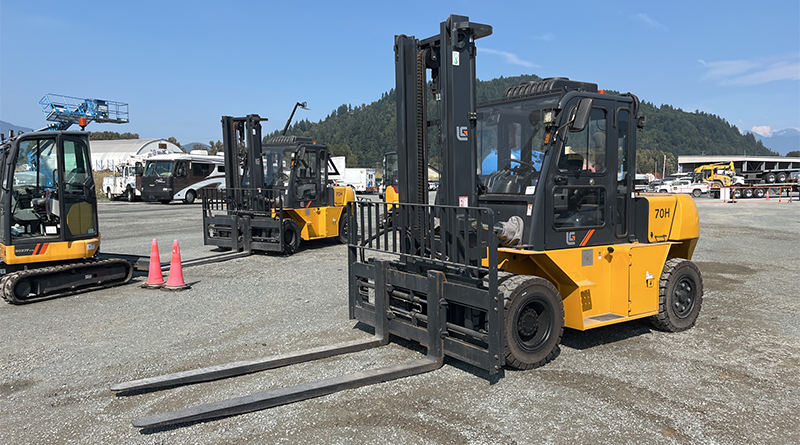
How often must a forklift operator be evaluated?
Every three years, at minimum, under 29 CFR 1910.178(l)(4)(iii). That’s a separate clock from the truck itself, measured against the operator rather than the equipment. A written test alone doesn’t satisfy it. The evaluator has to actually watch the operator work, ask questions that confirm they understand safe operating procedure, and come away confident they’ve retained the skills to run the truck safely, not just the ability to pass a quiz about it.
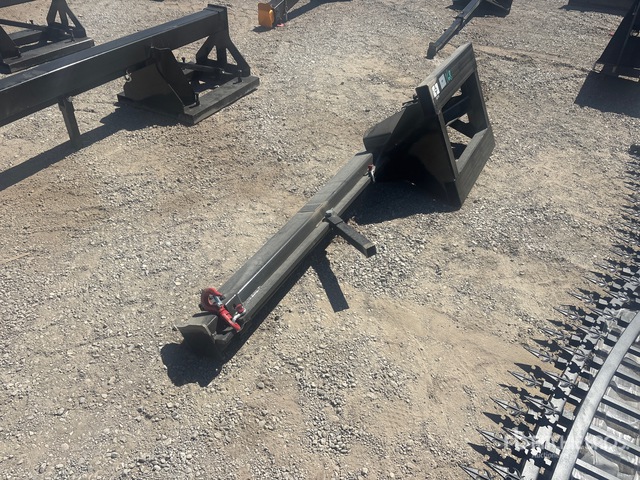 2026 GIYI GY-TB47 Misc. Lift Truck Attachment
The three-year mark isn’t the only thing that triggers a new evaluation. An operator seen driving unsafely, involved in an accident or near-miss, assigned to a different type of truck, or working somewhere conditions have changed enough to affect safe operation all reset the clock sooner.
Three schedules, one forklift
Between the daily inspection, the three-year operator evaluation, and the manufacturer’s own maintenance schedule, most fleets are running three separate clocks on the same piece of equipment without necessarily realizing it. OEMs typically call for a full service by a qualified technician somewhere around every 200 to 250 hours of operation, covering things a pre-shift walk-around was never meant to catch, like internal fluid analysis or mast and brake component wear. A truck can be current on that scheduled service and still fail tomorrow’s pre-shift check if something changed overnight, and it can pass every pre-shift check for months while quietly closing in on its next service interval.
Many fleets also reference ANSI/ITSDF B56.1, the industry’s voluntary safety standard for lift trucks, alongside the OSHA rules. It isn’t mandatory the way 1910.178 is, but it shows up often enough in fleet safety programs that it’s worth knowing it exists as a separate, complementary standard rather than part of the federal requirement itself.
Building all three into a routine, rather than treating them as separate boxes to check, is what actually catches problems while they’re still cheap to fix. A forklift with a consistent, documented inspection history is also the easier one to evaluate and price accurately later.
 |
Real Results: Government Agencies Sell Surplus With Ritchie Bros. |
 2026 GIYI GY-TB47 Misc. Lift Truck Attachment
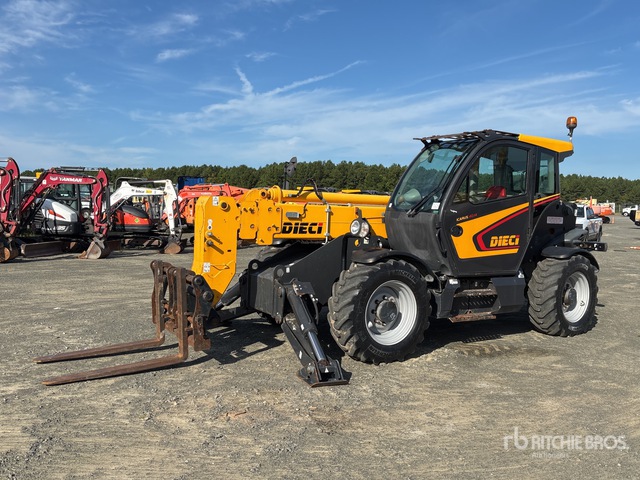 2021 Dieci Icarus 40.14 Telehandler
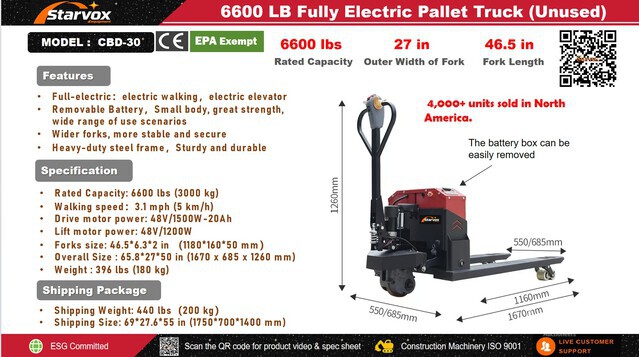 2026 STARVOX CBD-30 Pallet Jack
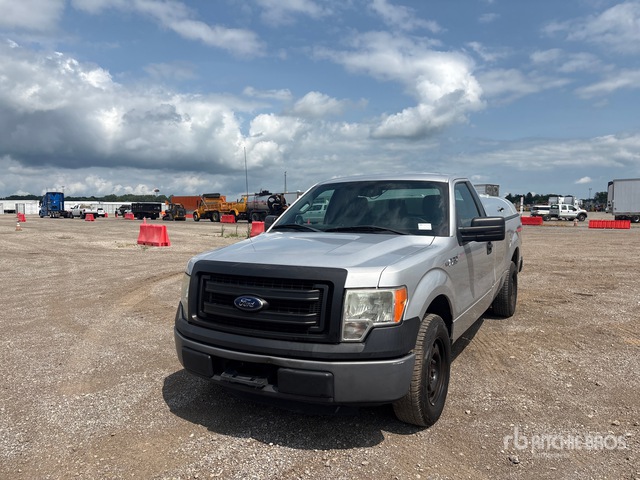 2014 Ford F-150 Pickup
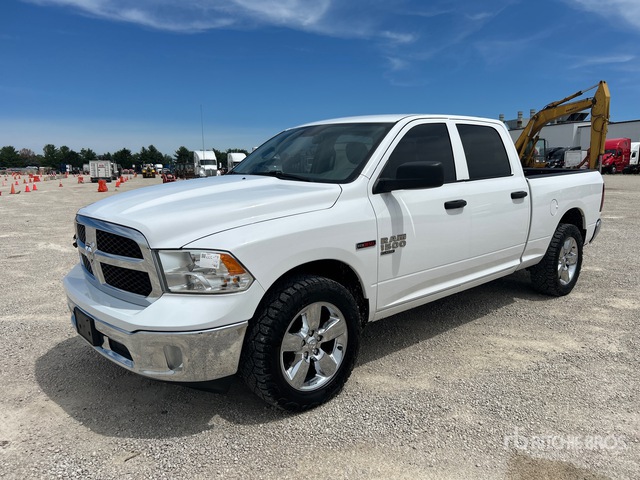 2019 Ram 1500 Pickup
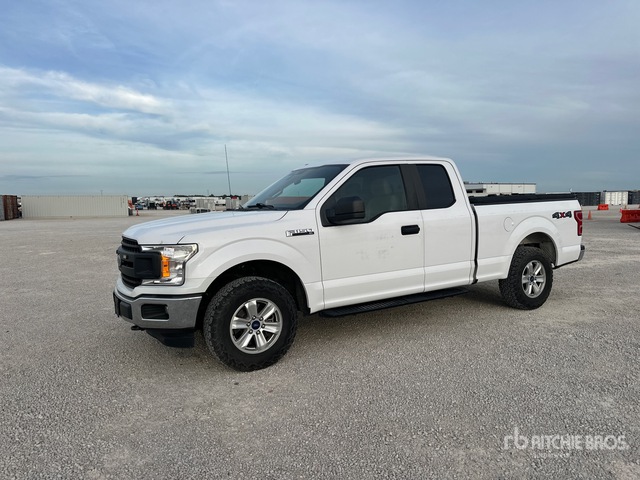 2019 Ford F-150 Pickup
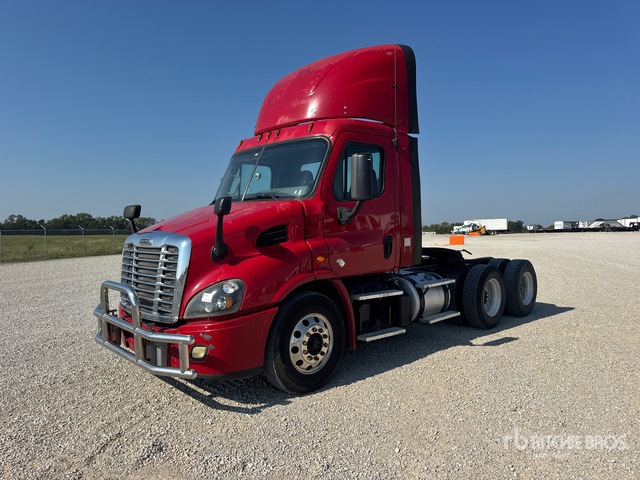 2016 Freightliner Cascadia 113 T/A Day Cab Truck Tractor
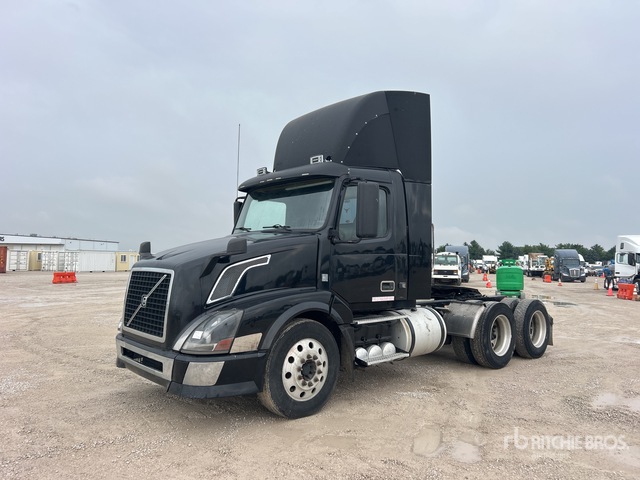 2010 Volvo VNL300 T/A Sleeper Truck Tractor
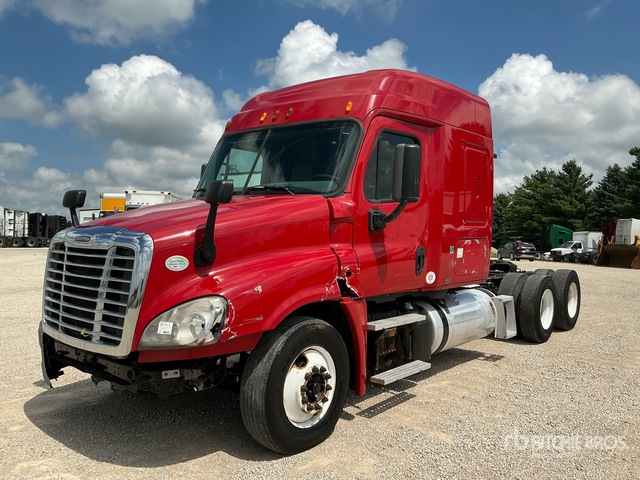 2015 Freightliner Cascadia 125 T/A Sleeper Truck Tractor
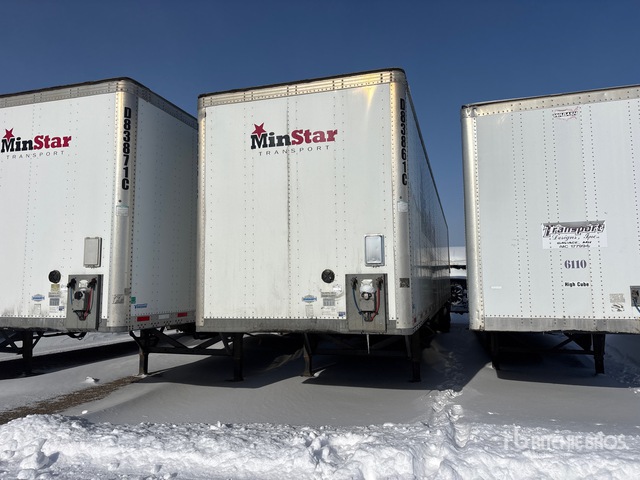 2020 Vanguard Van Trailer
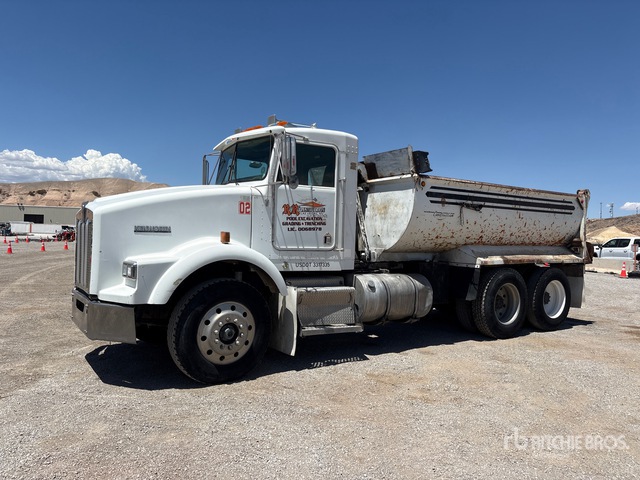 1990 Kenworth T800 T/A Dump Truck
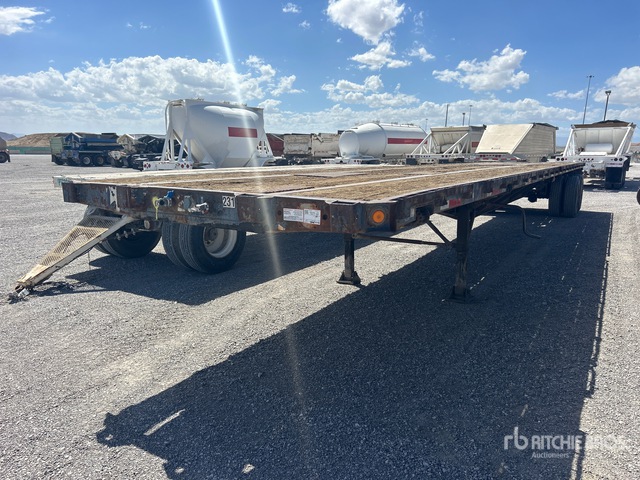 1990 Wanco Flatbed Trailer
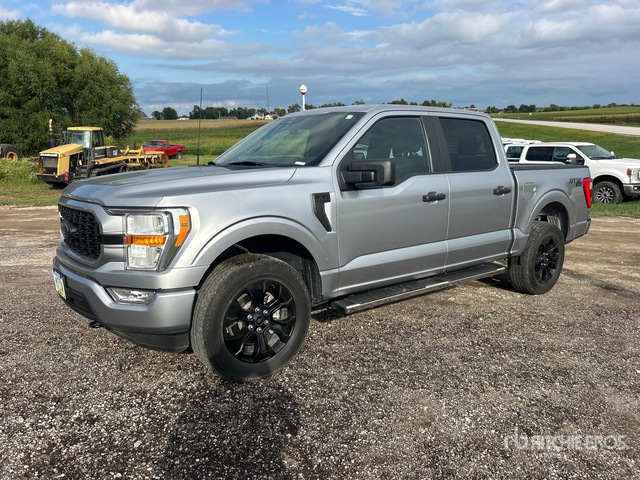 2022 Ford F-150 Pickup
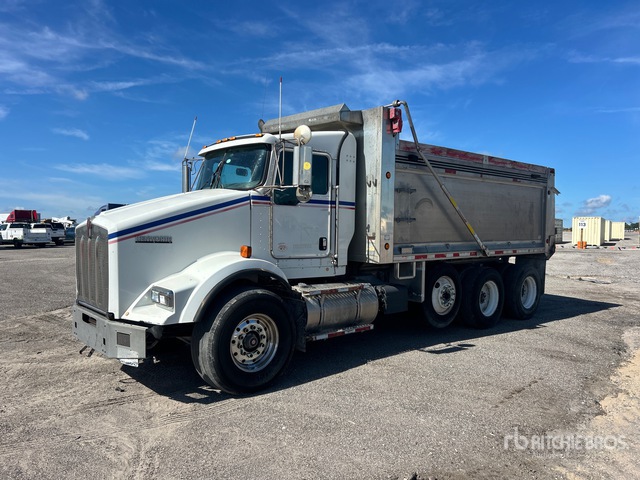 2015 Kenworth T800 Tri/A Dump Truck
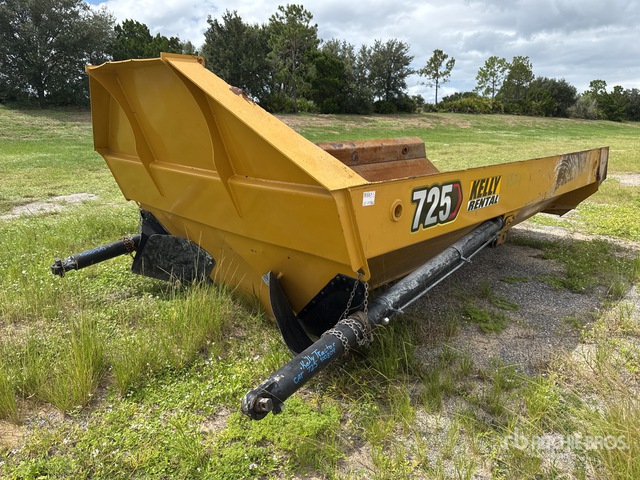 Cat 725 Truck Dump Body
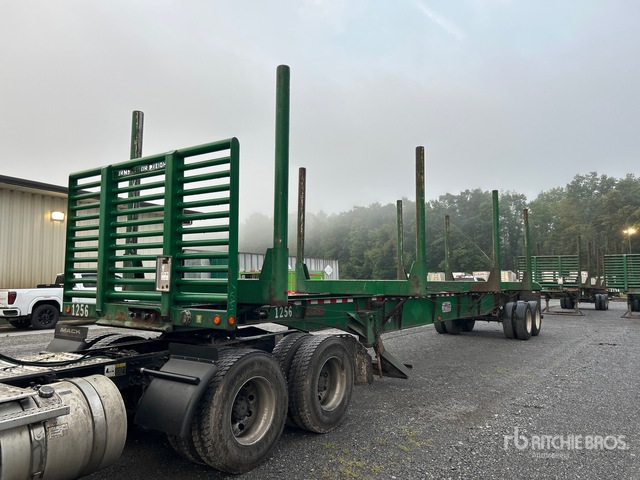 2019 Mclendon FT45L Log Trailer
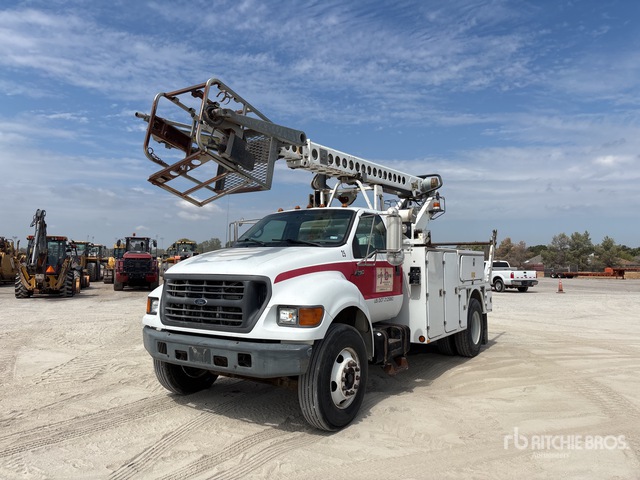 2000 Ford F-750 Bucket Truck
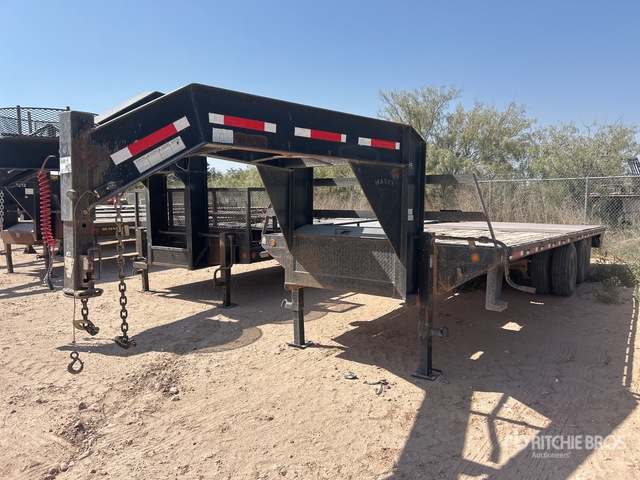 2007 Maxey Equipment Trailer
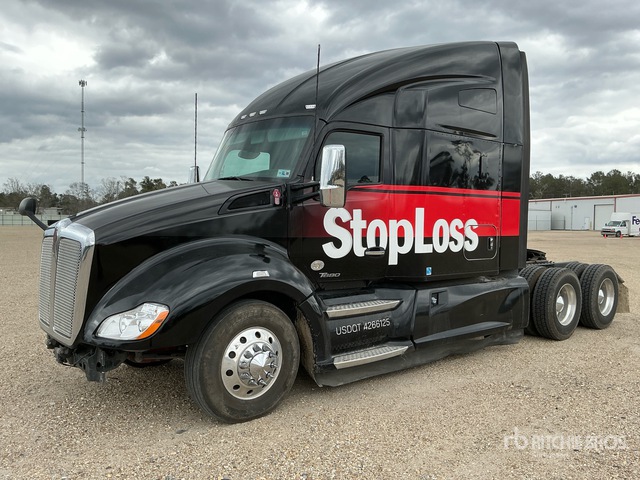 2021 Kenworth T680 T/A Sleeper Truck Tractor
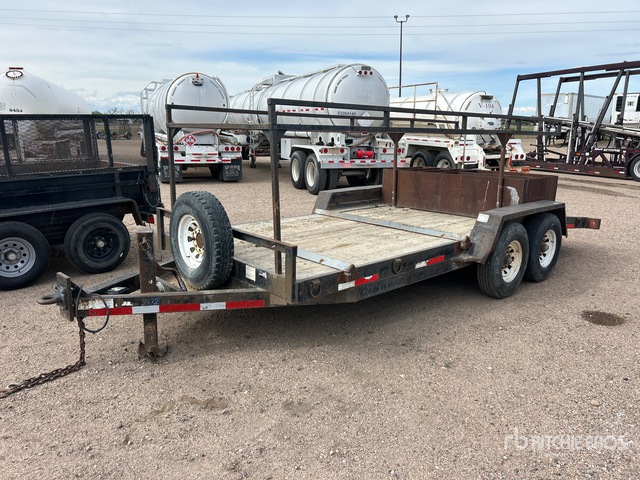 C&B Equipment Trailer
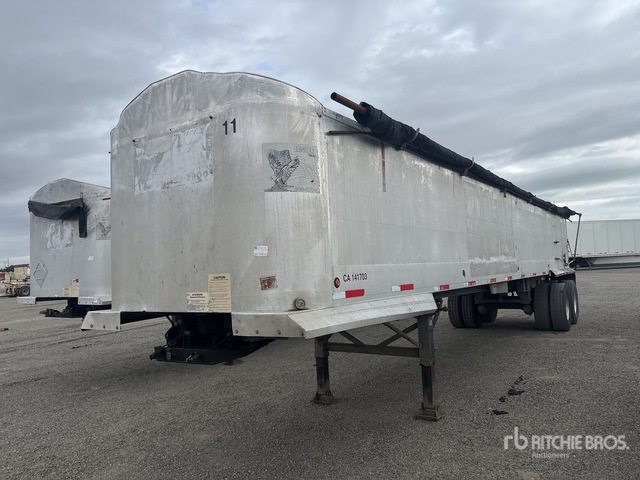 2007 Eaglerock T-91-SM End Dump Trailer
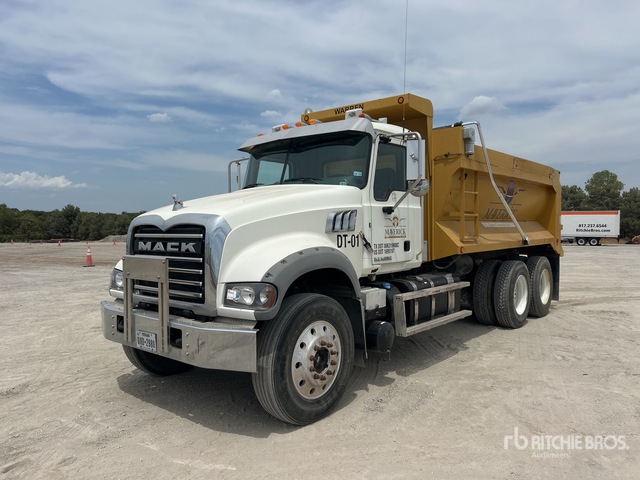 2015 Mack GU713 T/A Dump Truck
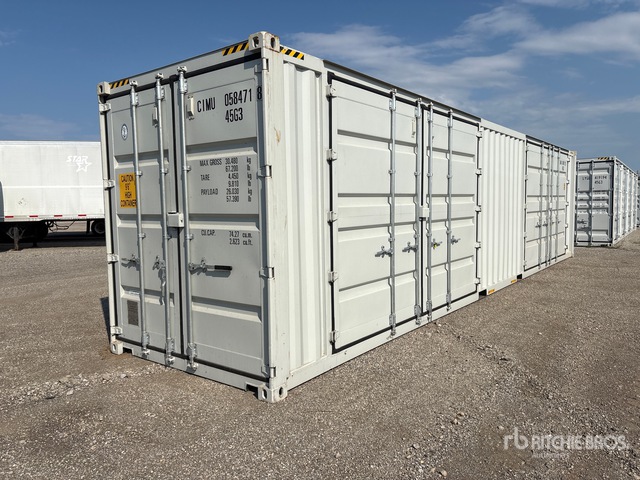 2026 KJ K40HC-2 Storage Container
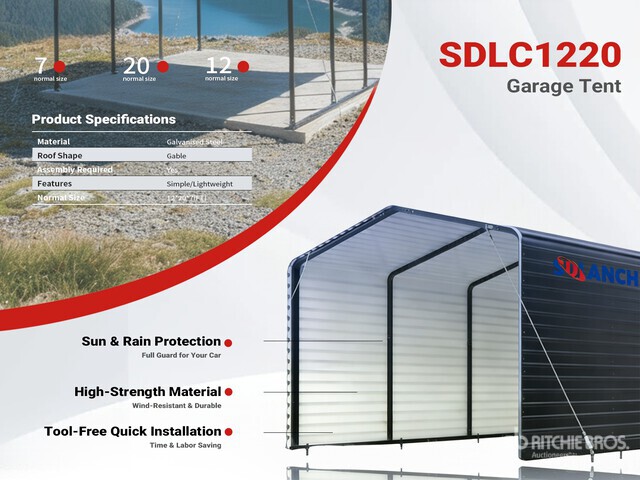 2026 SDLC1220 Carport
 2011 Kubota RTV900 Utility Vehicle