 USA/CAN
 France
  Germany
  United Kingdom
  Netherlands
  Spain
Spain  Italy
Italy  Canada (FR)
  Mexico
  Australia
 Trackhoe vs backhoe and which one to buy for your farm or job site

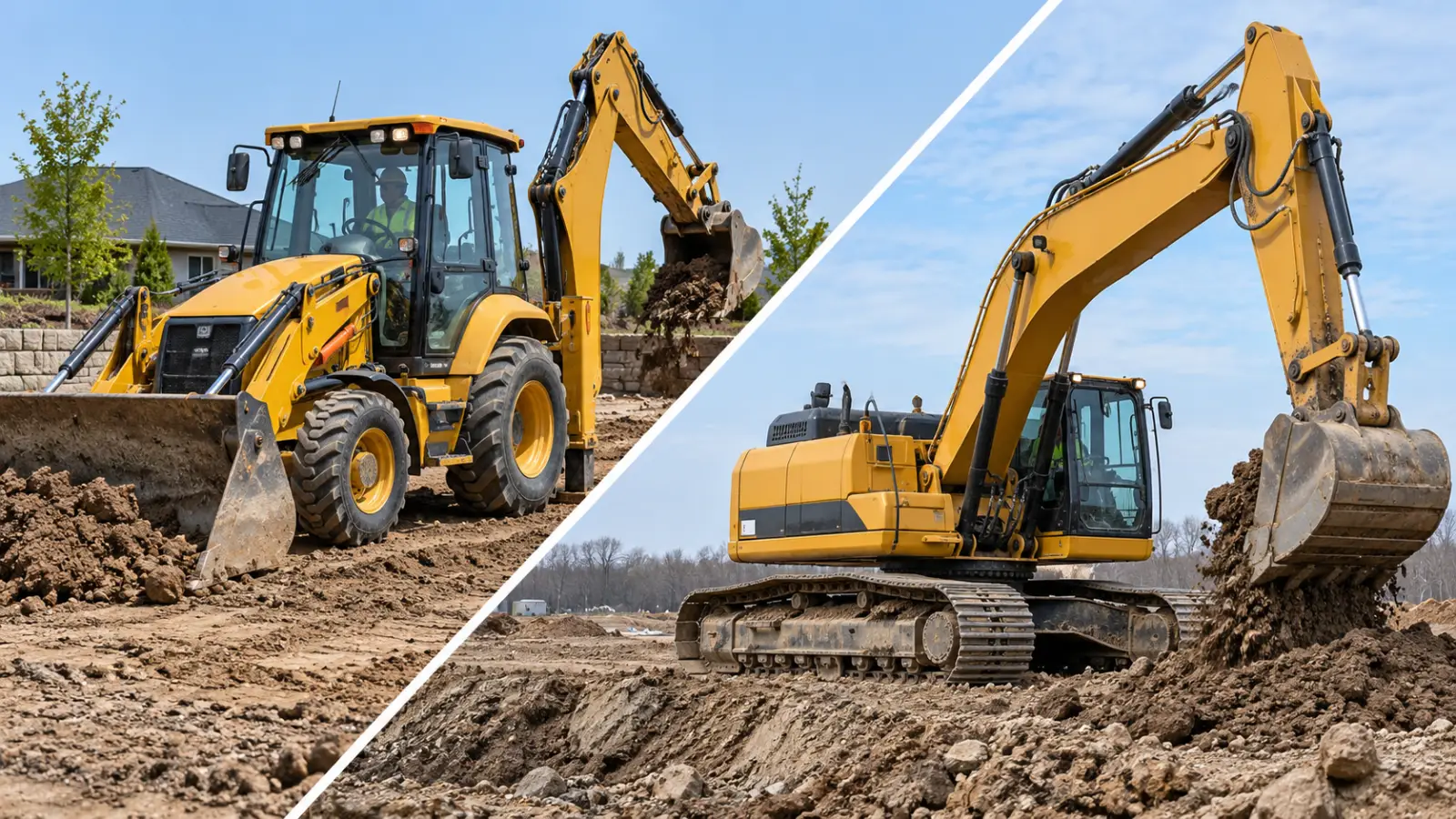
If you’re shopping for a digging machine for a farm, acreage or small contracting business, you’ll hear two names come up again and again: the trackhoe and the backhoe. They both dig, they both move dirt, and the names are close enough that people mix them up all the time. But they’re built for different kinds of work, and buying the wrong one can mean paying for capability you never use or missing the one feature you needed most. This guide breaks down how the two machines differ, what each one does best, and how to decide which belongs on your property.
The short answer: a trackhoe is a tracked excavator built for deep, heavy, all-day digging, while a backhoe is a wheeled, multi-purpose machine with a loader on the front and a smaller digging arm on the back. For most farms and property owners who need to dig some, load a lot and drive between jobs, a backhoe is the more practical buy. If your work is mostly trenching, excavating or land clearing at depth, a trackhoe earns its keep.
Trackhoe vs backhoe at a glance
| Trackhoe (tracked excavator) | Backhoe loader | |
|---|---|---|
| Undercarriage | Steel or rubber tracks | Rubber tires |
| Digging arm rotation | Full 360° house rotation | About 180° swing at the rear |
| Typical dig depth | About 20 ft and up (mid-size) | About 14 to 15 ft (more with an extendahoe) |
| Front loader bucket | No | Yes |
| Getting between sites | Needs a trailer | Can drive short distances at road speed |
| Soft or muddy ground | Strong (weight spread across tracks) | Weaker (tires can sink or rut) |
| Best for | Deep trenches, foundations, ponds, land clearing | Mixed farm work, loading, light trenching, snow |
Quick checklist: which machine fits your work?
- Choose a backhoe if you need to load material as often as you dig, you move between fields or properties on gravel roads, and most of your digging is under about 14 feet.
- Choose a trackhoe if you dig deep or for hours at a time, you work on wet, soft or sloped ground, or you need the reach and lifting power for ponds, basements or stumps.
- Consider a mini excavator if you want trackhoe-style digging on a small property without the size, weight and trailer requirements of a full-size machine.
Get free pricing for recently sold backhoes and excavators
Create a free account to access real sold pricing information from recent auctions.
Reveal sold price- Real auction data
- Verified sales
- Updated daily
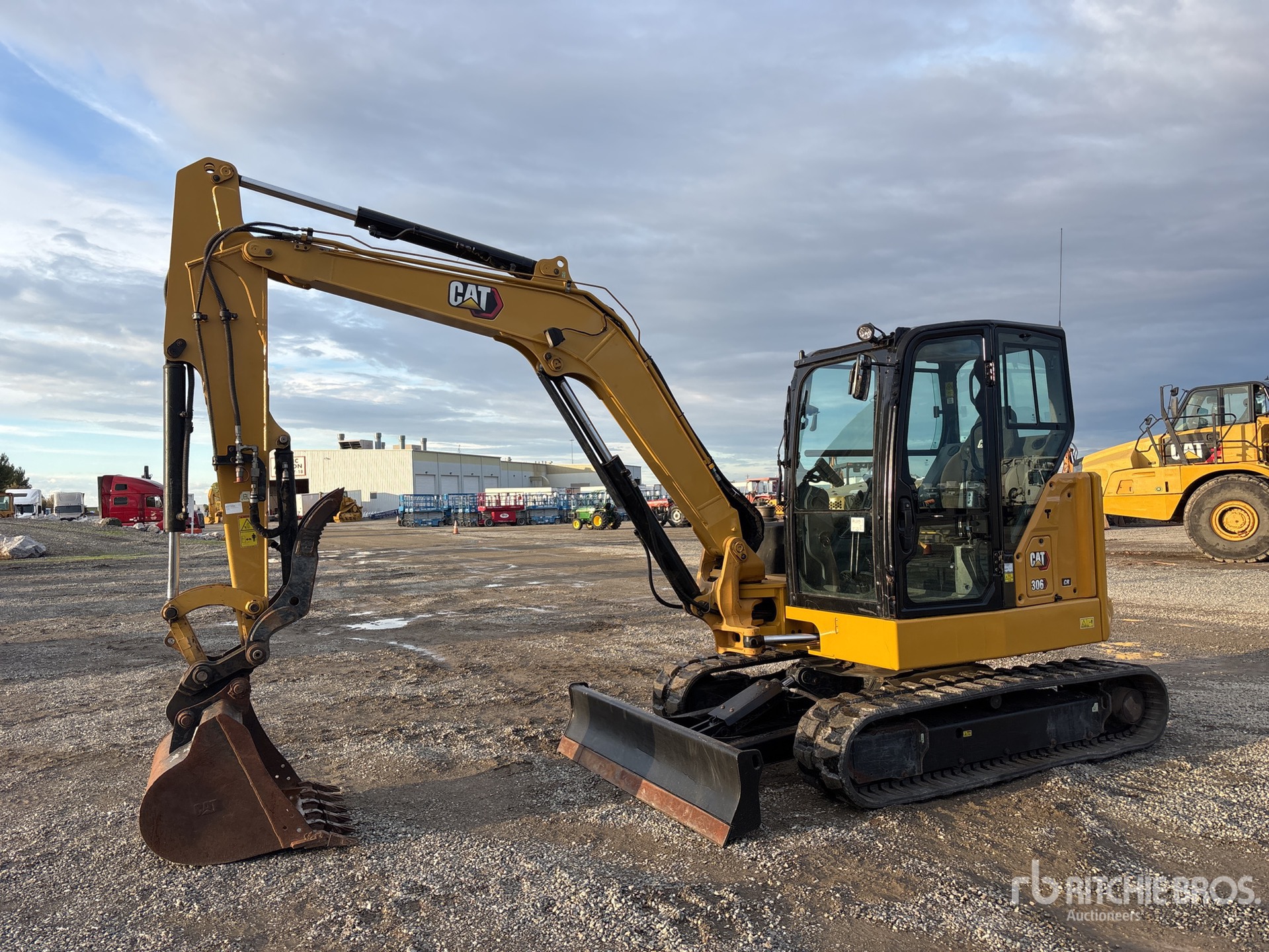
2023 Cat 306 CR Mini Excavator
Los Angeles, CA · 1,150 hrs
Sold
🔒 $X,XXX USD Reveal sold price >
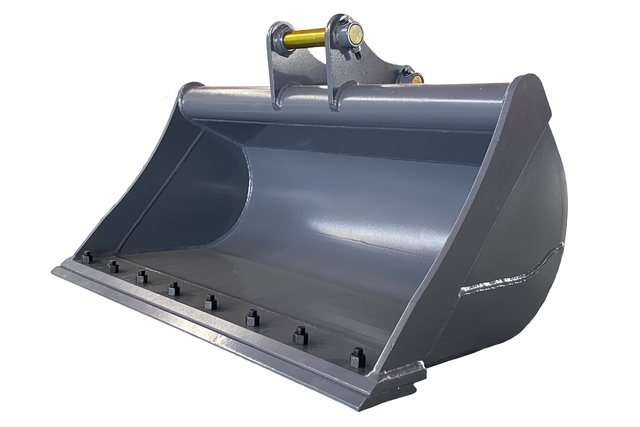 2026 Warrior WBMCC5-1220 Excavator Bucket
Closed: Jun 30, 2026
What is a trackhoe?
A trackhoe is a tracked excavator, a dedicated digging machine with a boom, stick and bucket mounted on a cab that rotates a full 360 degrees on a crawler undercarriage.
“Trackhoe” is mostly regional slang, common in the U.S. South and Midwest. Dealers and auction listings usually call these machines excavators or crawler excavators, so that’s the term to search when you start shopping. Because the whole upper structure rotates, a trackhoe can dig on one side and dump into a truck on the other without repositioning. That makes it fast for repetitive digging and loading work.
The tradeoff is that a trackhoe does one job. It has no front loader bucket, it moves slowly on its tracks, and anything beyond a mini excavator needs a trailer and a capable truck to move between sites. If you’re planning to haul spoil off site, it’s worth reading our guide on matching dump truck capacity to excavator size.
What is a backhoe?
A backhoe, or backhoe loader, is a tractor-style machine on rubber tires with a loader bucket on the front and a digging arm on the back.
The operator sits in a swivel seat and turns around to run the rear arm, using hydraulic stabilizer legs to keep the machine steady while digging. That two-ended design is why backhoes are so common on farms, at municipal yards and with small contractors. One machine can dig a trench, backfill it with the loader, move a pile of gravel, load a truck and push snow in winter.
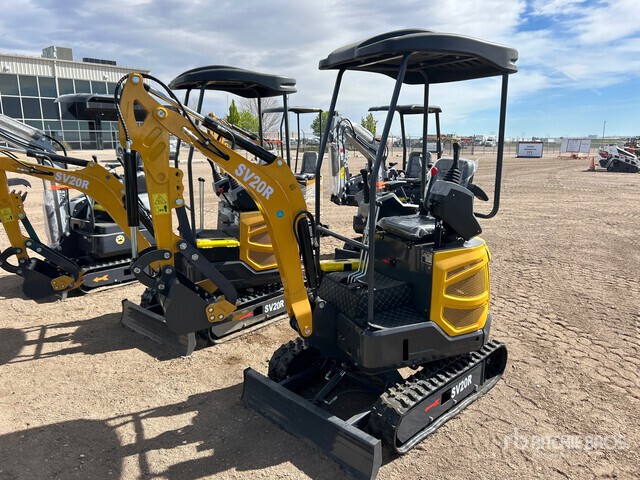 2026 STARVOX SV20R Mini Excavator: <6.6t
Rubber tires also mean a backhoe can drive itself down a gravel road or between fields without loading it on a trailer, which saves a lot of time if your work is spread out. Browse current backhoe loaders for sale to see the range of sizes and configurations available.
Which digs deeper, a trackhoe or a backhoe?
A trackhoe digs deeper; even a mid-size excavator typically reaches about 20 feet or more, compared with about 14 to 15 feet for a standard backhoe.
Many backhoes can be ordered with an extendable dipper stick (often called an extendahoe) that adds a few feet of reach. That’s usually enough for septic lines, water lines and drainage tile. For basements, ponds, deep utility work or large stumps, a trackhoe’s reach, breakout force and lifting capacity put it in a different class. Our Cat excavator size guide shows how dig depth scales by machine class.
Is a backhoe or trackhoe better for farm use?
For most farms, a backhoe is the better all-around choice because it handles loading, light digging and road travel in one machine.
Farm work is rarely pure digging. On a typical week you might clean pens, move feed or gravel, fix a water line, dig a post hole and clear snow. A backhoe covers all of that. A trackhoe makes more sense on farms with a specific heavy job, such as building or cleaning out ponds, clearing brush and trees, installing drainage across wet ground or digging large burial pits. Some operations own a backhoe for daily use and rent or buy a used excavator when a big project comes up. If clearing land is turning into paid work, see our guide on how to start a land clearing business.
If you’re still deciding on your main farm machine, our guide to the best tractor for a small farm covers where a tractor with a loader fits compared with a dedicated backhoe.
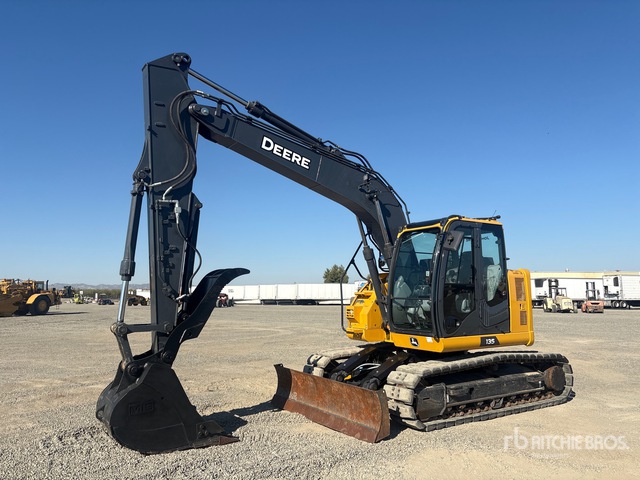 2024 John Deere 135 P-Tier Tracked Excavator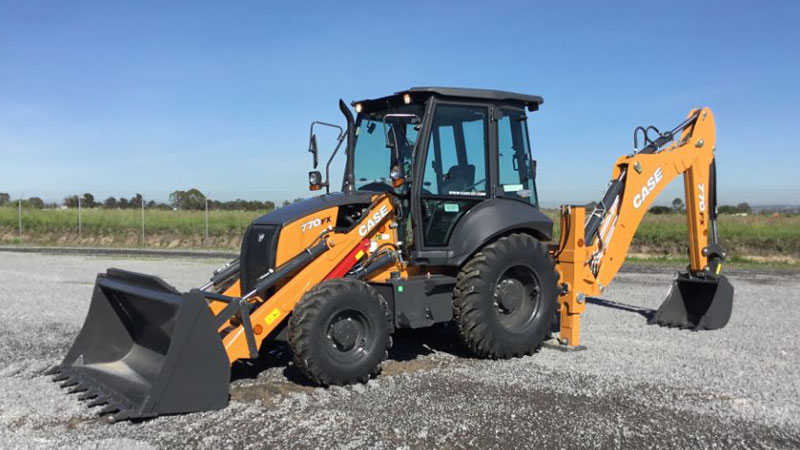
Which works better on wet or uneven ground?
A trackhoe works better on wet, soft or uneven ground because its tracks spread the machine’s weight over a much larger area than tires.
Backhoes can bog down or leave deep ruts in mud, and they need firm footing for their stabilizers. On pavement, finished lawns or hard-packed yards the advantage flips: a backhoe’s rubber tires are gentler on the surface than steel tracks.
Is a used trackhoe or backhoe cheaper to buy?
A used backhoe generally costs less than a used mid-size excavator of similar age and condition, though prices vary widely by brand, hours and attachments.
Think about the total cost, not just the purchase price. A trackhoe usually needs a trailer and a truck rated to pull it, and undercarriage wear (tracks, rollers and sprockets) is one of the most expensive maintenance items on any crawler machine. A backhoe has its own wear points, including tires, pins and bushings, the swing system and the stabilizers. Checking recent sold prices is the most reliable way to set a budget before you bid. If you’re weighing how to pay for it, see our guide to cash vs. financing at an equipment auction.
What should you inspect before buying either machine?
Focus on the parts that cost the most to fix: hydraulics, pins and bushings, and the undercarriage or tires.
- Both machines: hydraulic leaks at cylinders and hoses, play in the boom and bucket pins, cracks or welds on the boom and stick, hour meter vs. overall wear, and a cold start with no heavy smoke.
- Trackhoe: track tension and wear, rollers and idlers, sprocket teeth, swing bearing play and travel motor performance in both directions.
- Backhoe: tire condition, stabilizer cylinders and pads, swing frame and king post wear, loader linkage, and 4WD engagement if equipped.
Where does a mini excavator fit in?
A mini excavator is a scaled-down trackhoe that gives small properties 360-degree digging without the weight and transport needs of a full-size machine.
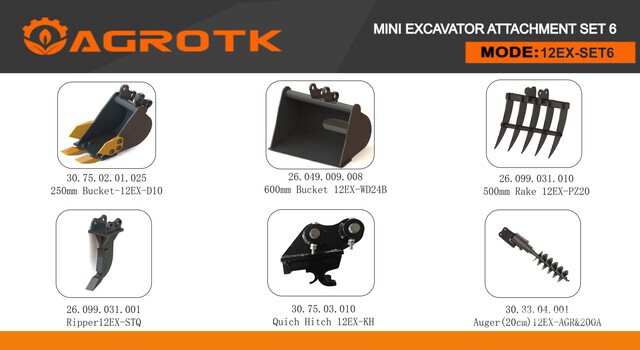 2026 AGT 12EX-SET6 Misc. Excavator Attachment
Minis are popular for landscaping, fence lines, footings and tight backyard work. They won’t load trucks or move material like a backhoe, but they’re easy to tow and hold their value well. Our breakdown of the best mini excavator brands for resale value is a good place to start if that’s the direction you’re leaning.
The bottom line
Pick a backhoe if you want one versatile machine that digs, loads and drives itself around the property. Pick a trackhoe if deep, heavy or wet-ground digging is the main job and you have a way to haul it. When you’re ready to compare real machines, browse backhoe loaders and tracked excavators on RB Auction, and check recent sold prices before you bid.
 |
How to choose a skid steer snow pusher for your machine |
 2026 Warrior WBMCC5-1220 Excavator Bucket2026 STARVOX SV20R Mini Excavator: <6.6t2026 AGT 12EX-SET6 Misc. Excavator Attachment2024 John Deere 135 P-Tier Tracked Excavator
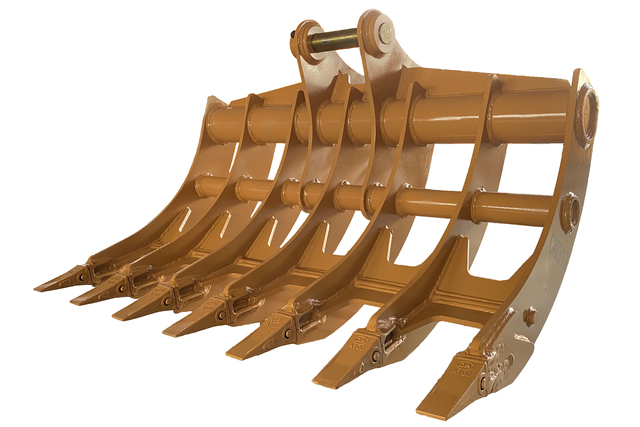 2026 Warrior WBRC12-1620-1 Excavator Rake
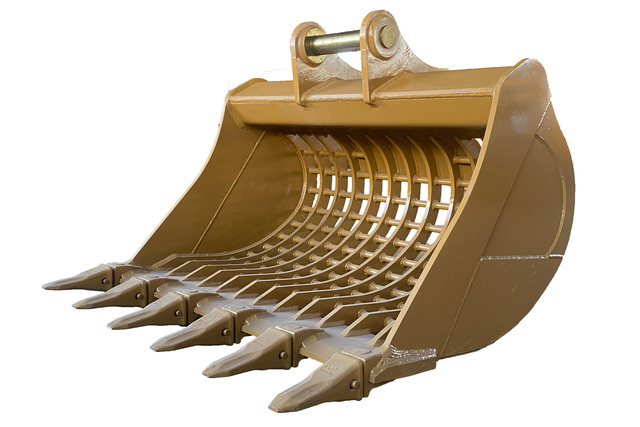 2026 Warrior WBMCS20-025 Excavator Bucket
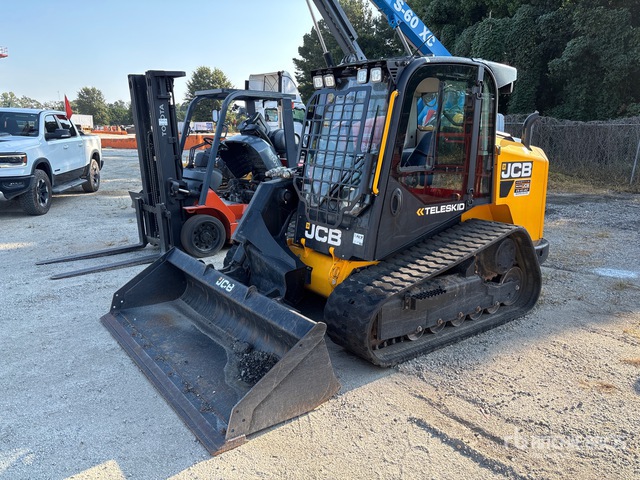 2024 JCB 3TS-8T Compact Track Loader
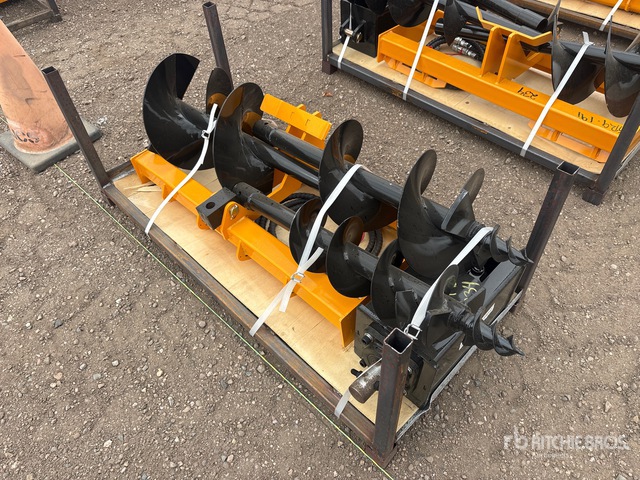 2026 GIYI GY-SA Skid Steer Auger
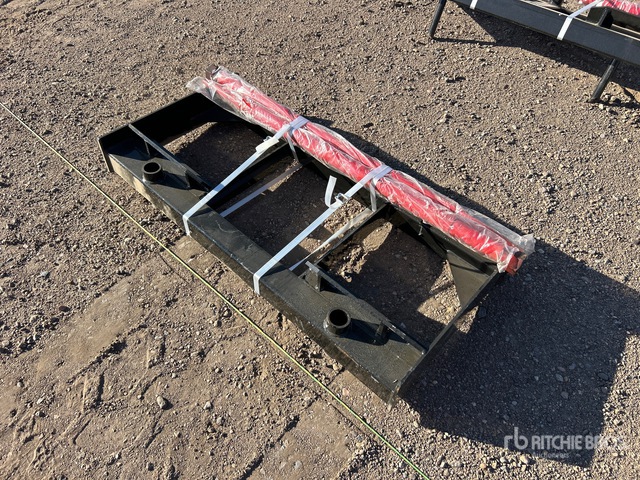 2026 GIYI GY-BF47 Skid Steer Bale Spear
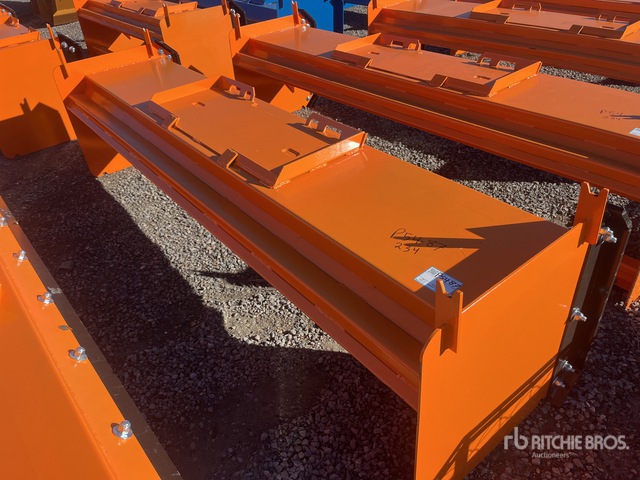 2026 Kit Containers QT-SP-10-23-SB Skid Steer Snow Pusher
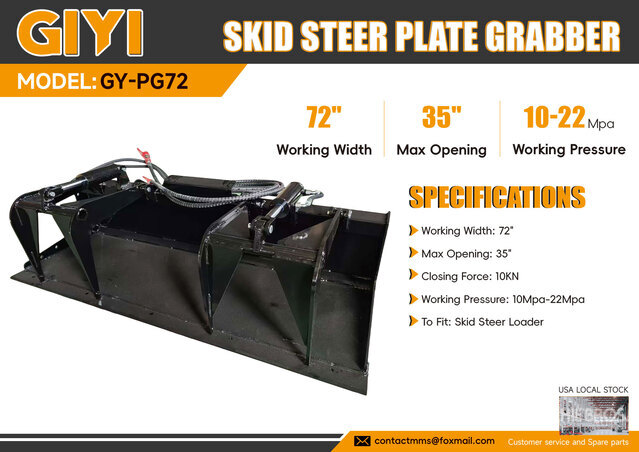 2026 GIYI GY-PG72 Skid Steer Grapple
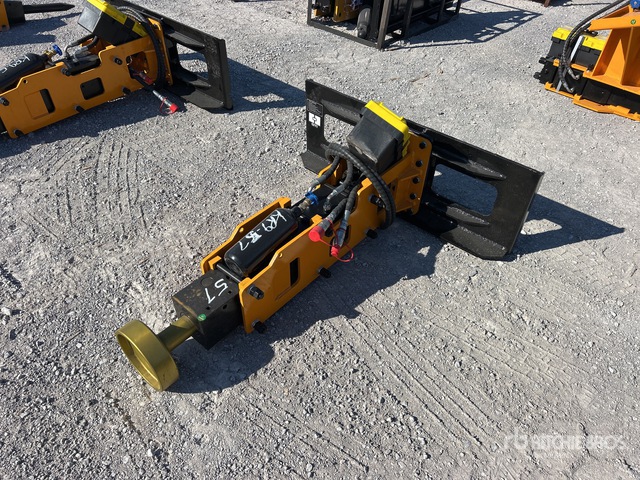 2026 GIYI GY-D680 Skid Steer Post Driver
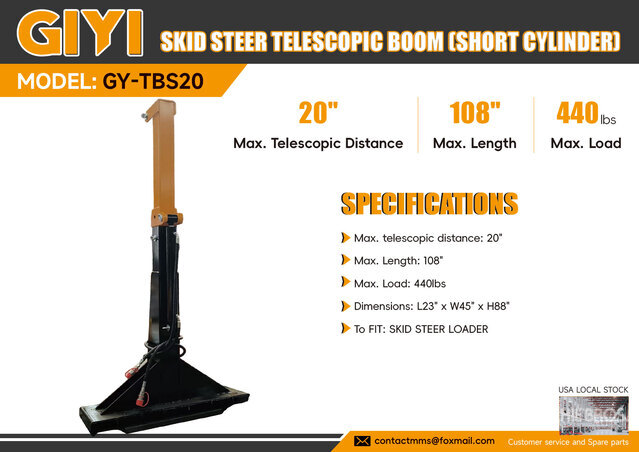 2026 GIYI GY-TBS20 Misc. Skid Steer Attachment
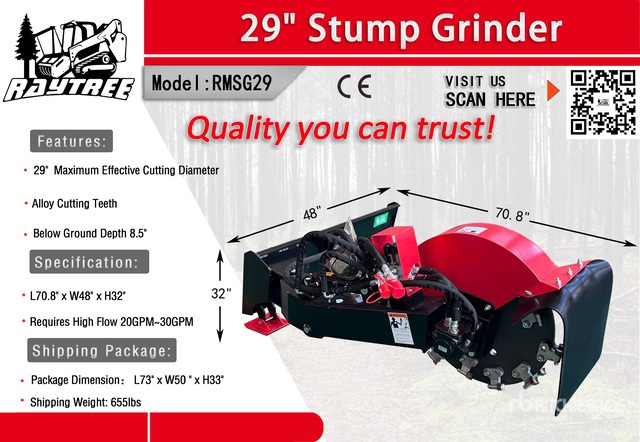 2026 Raytree RMSG29 Skid Steer Stump Grinder
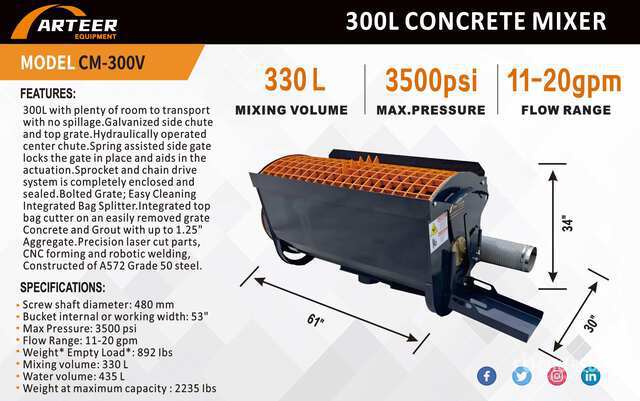 2026 ARTEER CM-300V Skid Steer Concrete Mixer
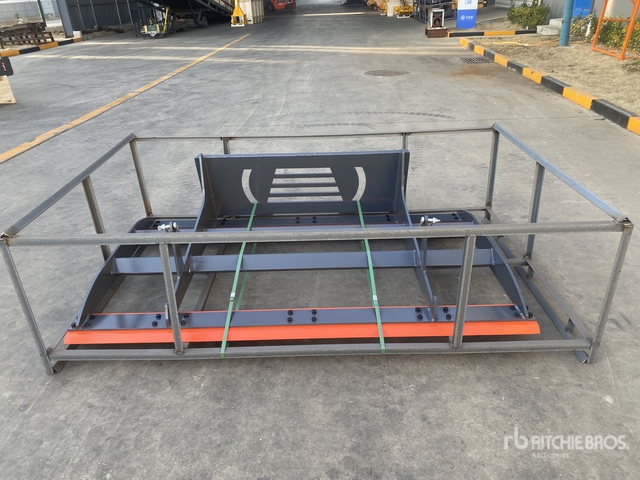 2026 TOFT STG74 Skid Steer Landplane
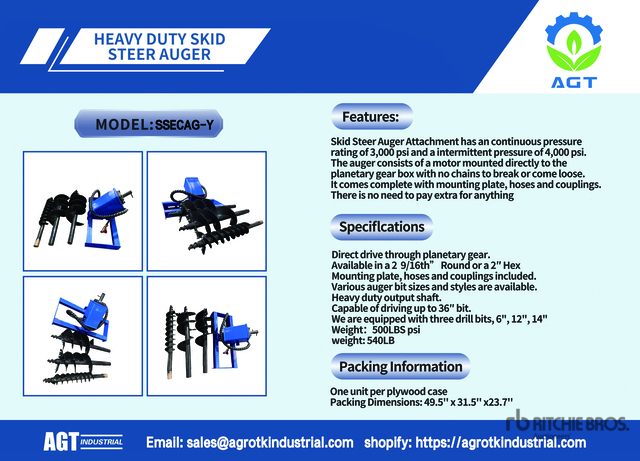 2026 AGT SSECAG-Y Skid Steer Auger
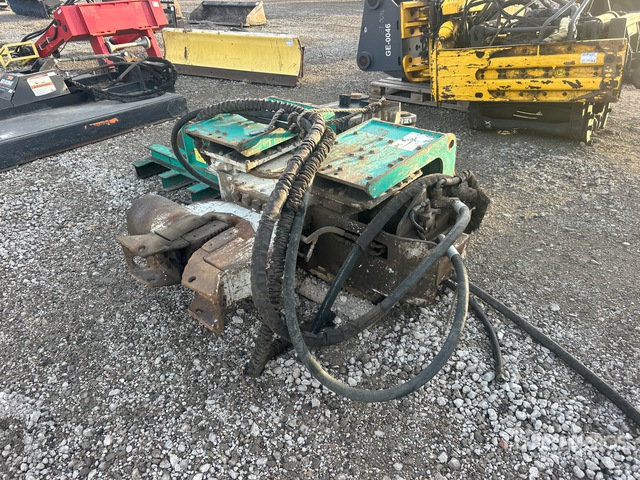 2008 ABI HVR 75 Pile Driver and Extractor
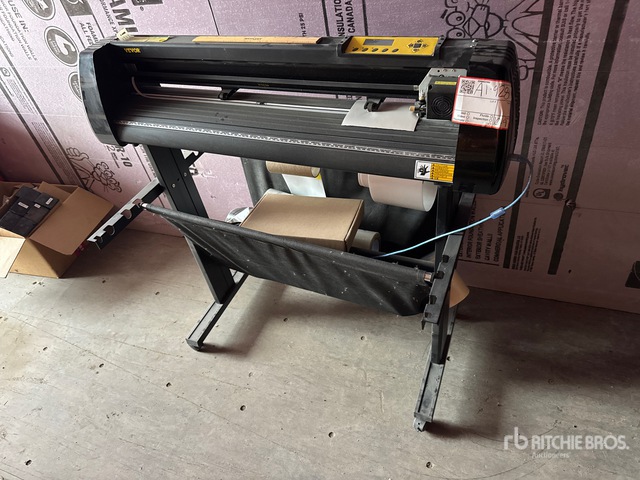 Vevor KW-870D Misc. Consumer Electronics
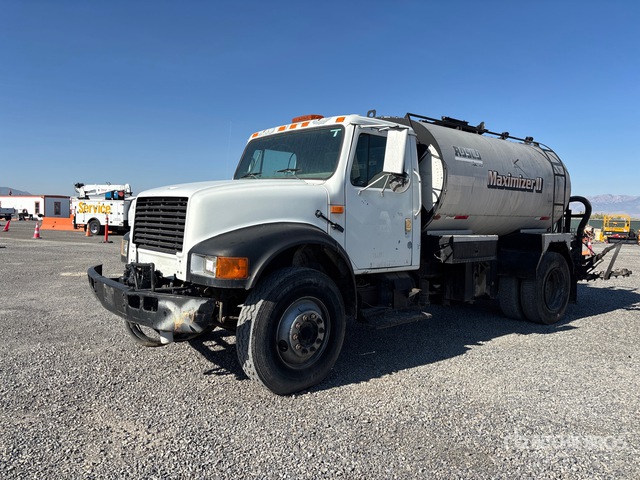 1993 International 4700 Asphalt Distributor Truck
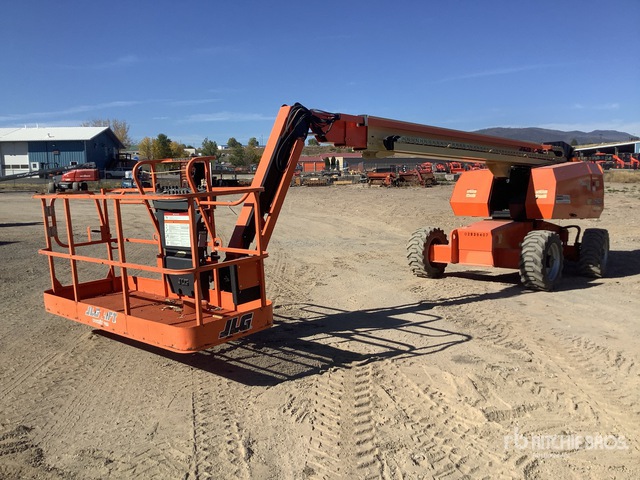 2012 JLG 660SJ Telescopic Boom Lift
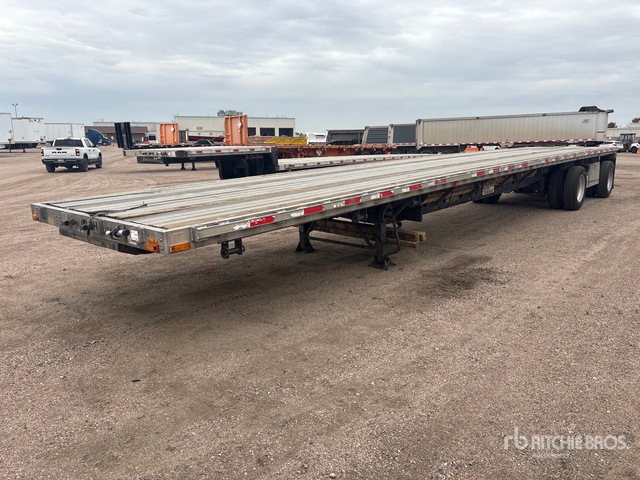 2004 Transcraft Flatbed Trailer
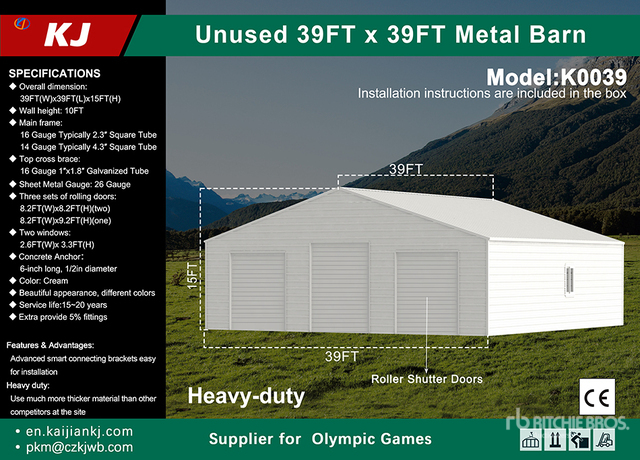 2026 KJ K0039 Storage Building
 2023 Exmark Turf Tracer S-Series Lawn Mower
 2026 AGT ATK-TC24 Tire Changer