 USA/CAN
 France
  Germany
  United Kingdom
  Netherlands
  Spain
Spain  Italy
Italy  Canada (FR)
  Mexico
  Australia
 How to choose a skid steer snow pusher for your machine

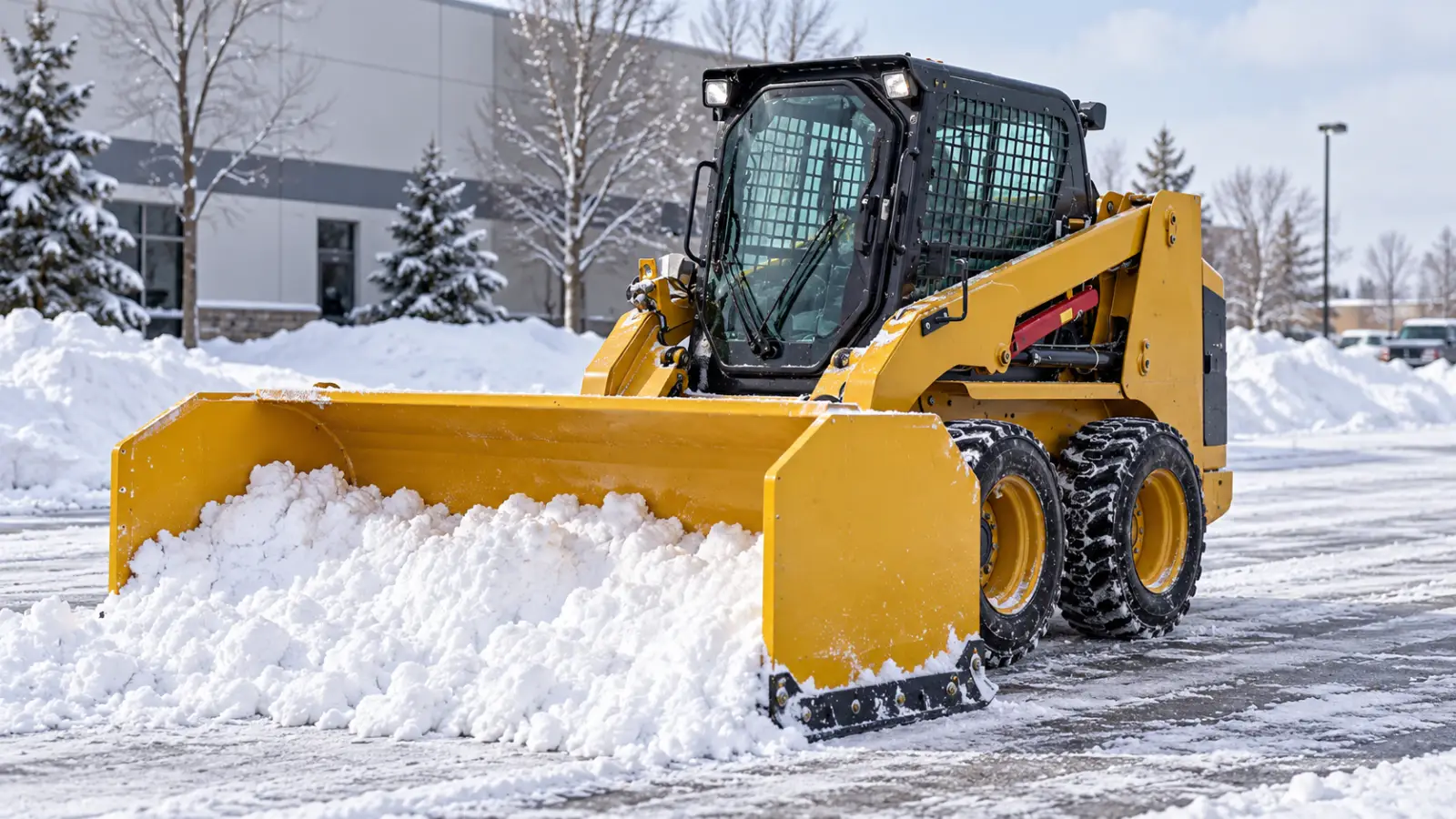
When the first big storm hits, a skid steer with the right snow pusher can clear a parking lot in a fraction of the time it takes with a bucket. But pushers come in a wide range of widths, edge types and builds, and the wrong match leaves you with a machine that spins its wheels or a pusher that is too small to make a dent. This guide covers how to size a snow pusher to your skid steer or compact track loader, which features are worth paying for, and what to check on a used one.
The short answer: pick the widest pusher your machine can push through a full load of wet snow without losing traction, which for most mid-size skid steers is 8 to 10 feet. Then choose the edge for your surface: steel for hardpack, rubber for pavers and finished surfaces, or a trip edge if you plow lots with curbs and hidden obstacles.
Snow pusher sizing chart
| Machine size | Typical rated operating capacity | Common pusher width |
|---|---|---|
| Mini skid steer or compact tractor | Under 1,000 lbs | 5 to 7 ft |
| Small skid steer | About 1,300 to 1,800 lbs | 6 to 8 ft |
| Mid-size skid steer or CTL | About 1,900 to 2,500 lbs | 8 to 10 ft |
| Large skid steer or CTL | About 2,600 lbs and up | 10 to 12 ft |
These are starting points, not hard limits. Go a size narrower if you mostly push heavy, wet snow or work on slopes, and check the pusher maker’s fit chart for your exact machine.
Quick checklist: choosing the right pusher
- Match the width to your machine’s weight and power, then size down for wet snow.
- Choose the edge for your surface: steel, rubber, poly or a trip edge.
- Check the mount: most pushers use the universal skid steer quick-attach plate.
- Decide on extras such as a back-drag edge for pulling snow from doors and docks, or hydraulic angle or wing sides.
- Plan the tires or tracks: traction limits how big a pusher you can really use.
Get free pricing for recently sold skid steer snow pushers
Create a free account to access real sold pricing information from recent auctions.
Reveal sold price- Real auction data
- Verified sales
- Updated daily
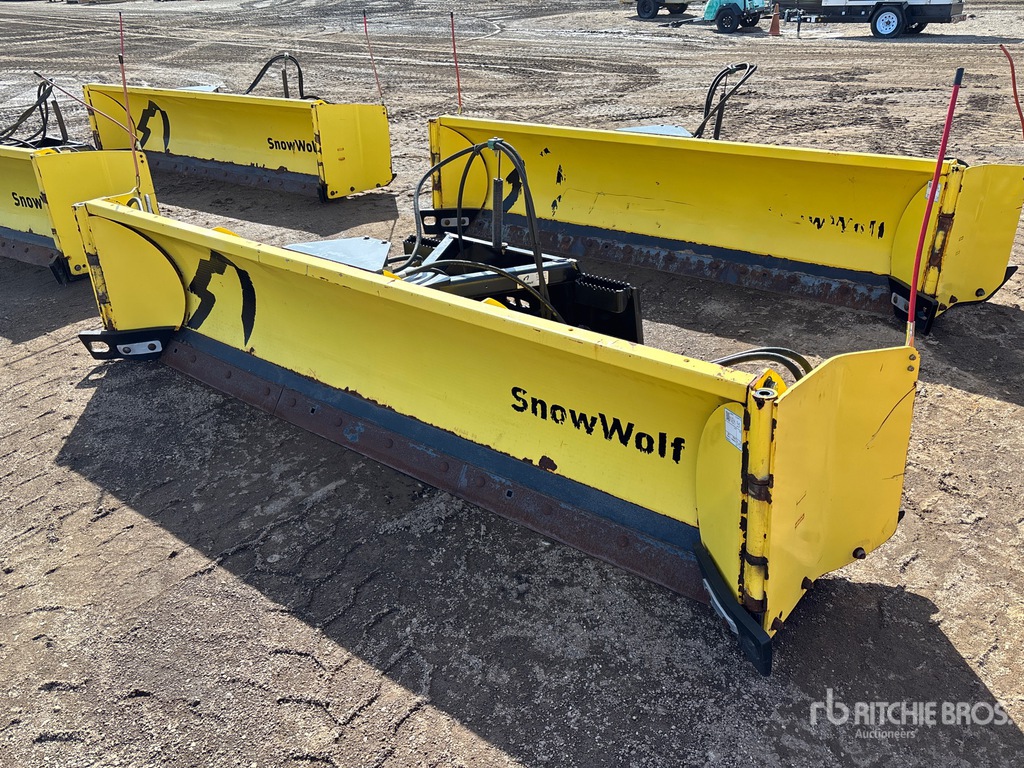
2020 Snow Wolf QuattroPlow QP-126 126 in Skid Steer Snow Pushe
Medford, MN
Sold
 2026 GIYI GY-BF47 Skid Steer Bale Spear
🔒 $X,XXX USD Reveal sold price >
Closed: Mar 30, 2026
What is a skid steer snow pusher?
A skid steer snow pusher is a box-shaped plow with a tall moldboard and side panels that traps snow and pushes it forward without spilling it to the sides.
Because the snow stays contained, you can push it in long, straight runs to a pile at the edge of a lot. That makes a pusher the fastest tool for large open areas like parking lots, loading yards and commercial driveways. Most mount to the standard quick-attach plate, so they swap on and off like a bucket. Browse current skid steer snow pushers to see the range of sizes and brands that come up at auction.
What size snow pusher does my skid steer need?
Most mid-size skid steers run an 8 to 10 foot pusher, while small machines do best with 6 to 8 feet and large machines can handle 10 to 12 feet.
The limit is usually traction, not hydraulic power. A full pusher of wet snow can weigh more than the machine can shove, so a pusher that is too wide just stalls and spins. Lighter, dry snow lets you go wider. If you’re still choosing the machine itself, our list of the best heavy-duty skid steers covers the models that handle big attachments well.
 2026 GIYI GY-SA Skid Steer Auger
Which cutting edge is best for a snow pusher?
A steel edge is best for scraping hardpack and ice, while a rubber or polyurethane edge is best for pavers, decorative concrete and other surfaces you don’t want to scratch.
- Steel edge: scrapes clean and handles packed snow, but it is loud and can gouge soft surfaces.
- Rubber edge: quiet and gentle, a common choice for lots and sidewalks, but it leaves a thin layer behind on hardpack.
- Polyurethane edge: lasts longer than rubber and is still easy on surfaces.
- Trip edge or sectional moldboard: sections fold back when they hit a curb, manhole or speed bump, protecting the machine and pusher, and follow uneven pavement more closely.
Is a snow pusher better than a blade, bucket or blower?
A snow pusher is the best choice for clearing large open areas fast, but a blade, bucket or blower can be better for roads, small spaces or tall piles.
| Attachment | Best for | Drawback |
|---|---|---|
| Snow pusher | Parking lots, yards, wide open areas | Can’t throw or windrow snow to the side |
| Angle blade | Roads, long driveways, windrowing | Spills snow off the ends on long pushes |
| Bucket | Small jobs, stacking and loading piles | Slow for clearing large areas |
| Snow blower | Throwing snow over banks, tight areas with no room to pile | Slower and more expensive to buy and maintain |
Many contractors run a pusher for the main lot and keep a bucket handy to stack piles and load trucks.
Are tracks or wheels better for pushing snow?
Wheeled skid steers with snow tires are often preferred for paved lots, while compact track loaders are better in deep snow and on soft or unpaved ground.
Tracks spread the machine’s weight and float over deep snow, but rubber tracks can slide on packed ice. Wheels with dedicated snow tires or chains bite better on pavement and travel faster between sites. Our guide to tracks vs wheels on skid steers goes deeper on the tradeoff.
What should you inspect on a used snow pusher?
Focus on the moldboard, the cutting edge and the mounting plate, because those take the most abuse.
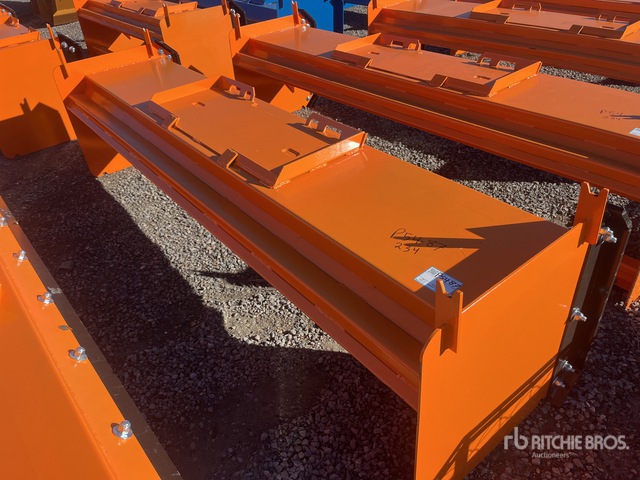 2026 Kit Containers QT-SP-10-23-SB Skid Steer Snow Pusher
- Moldboard and side panels: cracks, welds, bends or panels pushed out of square.
- Cutting edge: how much life is left, and whether bolts are seized.
- Mounting plate: wear or cracking around the quick-attach pockets and wedges.
- Trip springs and pivots: broken springs or seized pins on trip-edge models.
- Hydraulics: hoses, cylinders and couplers on angle or wing pushers.
- Wear shoes or skids: worn shoes let the edge dig in.
Can a skid steer and snow pusher become a business?
Yes. Commercial snow removal is one of the most common ways skid steer owners keep their machines earning through the winter. Seasonal contracts with lots, plazas and property managers can pay well, especially in areas with steady snowfall. Our guide to starting a skid steer business covers pricing and contracts, and if you have a side-by-side, see whether it can handle real snow plowing for smaller jobs.
The bottom line
Size the pusher to your machine’s traction, not just its horsepower, and choose an edge that suits the surfaces you clear. When you’re ready to buy, browse skid steer snow pushers, skid steers and compact track loaders on RB Auction, and check recent sold prices before you bid.
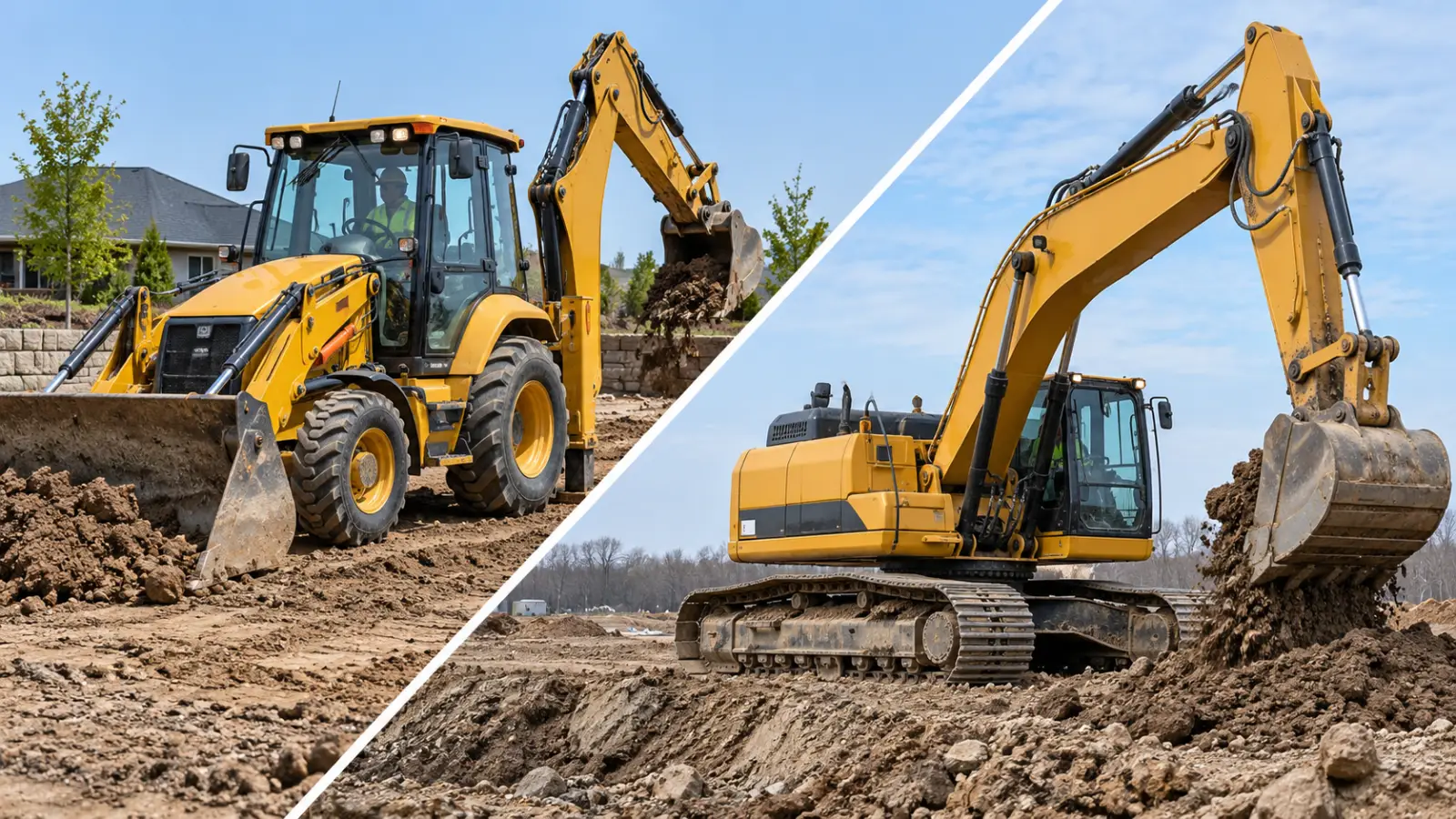 |
Trackhoe vs backhoe and which one to buy for your farm or job site |
 2026 GIYI GY-BF47 Skid Steer Bale Spear2026 GIYI GY-SA Skid Steer Auger2026 Kit Containers QT-SP-10-23-SB Skid Steer Snow Pusher
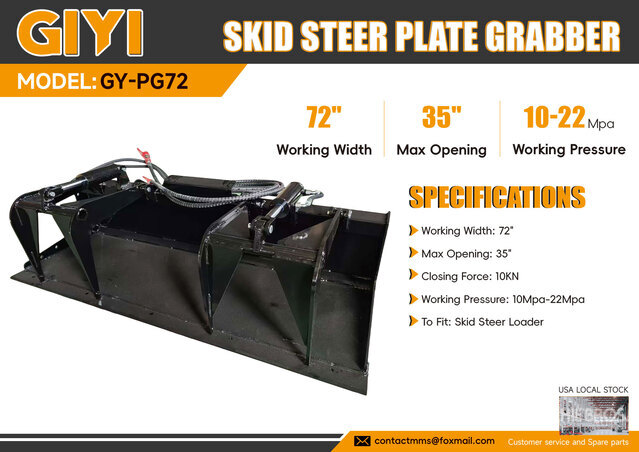 2026 GIYI GY-PG72 Skid Steer Grapple
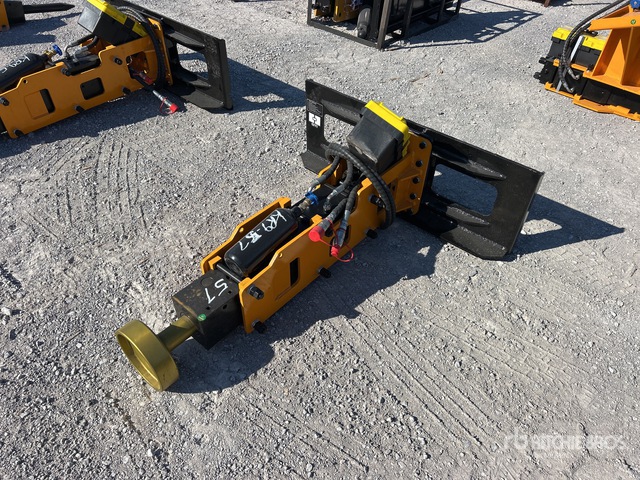 2026 GIYI GY-D680 Skid Steer Post Driver
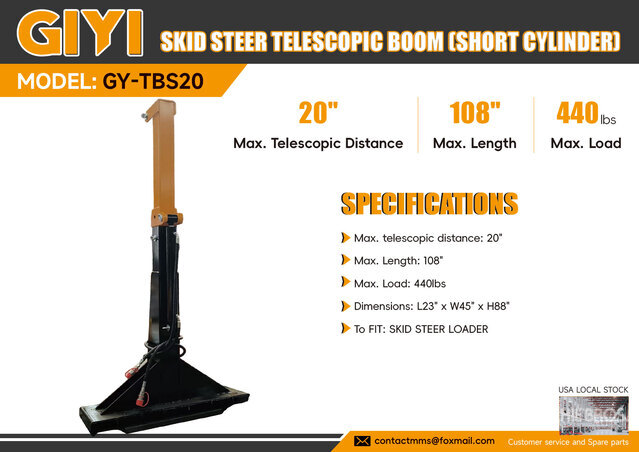 2026 GIYI GY-TBS20 Misc. Skid Steer Attachment
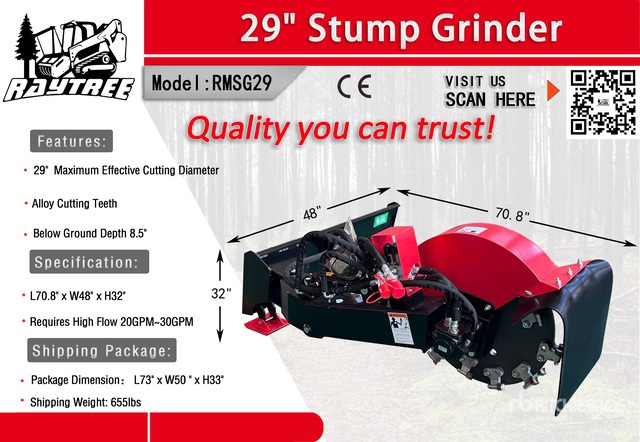 2026 Raytree RMSG29 Skid Steer Stump Grinder
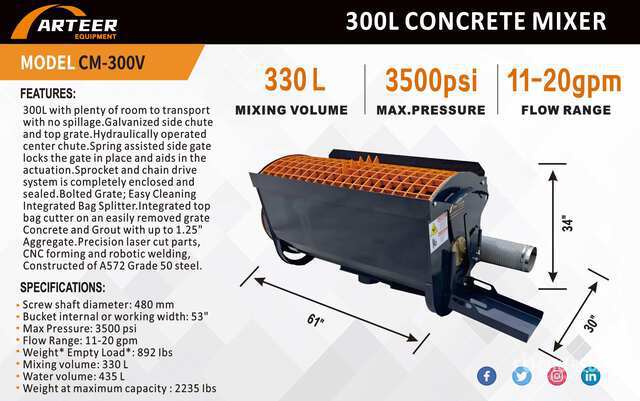 2026 ARTEER CM-300V Skid Steer Concrete Mixer
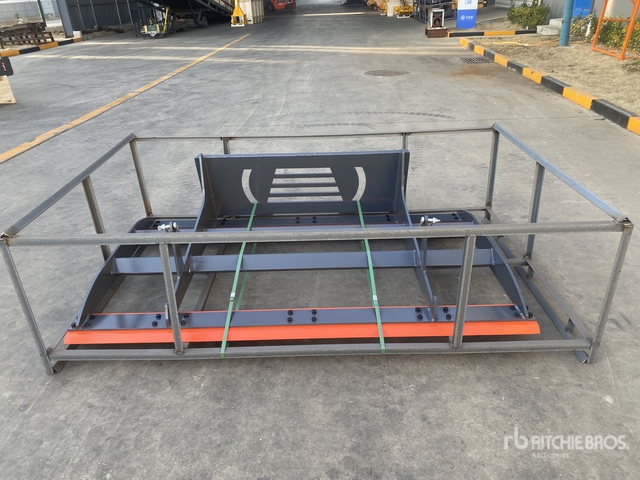 2026 TOFT STG74 Skid Steer Landplane
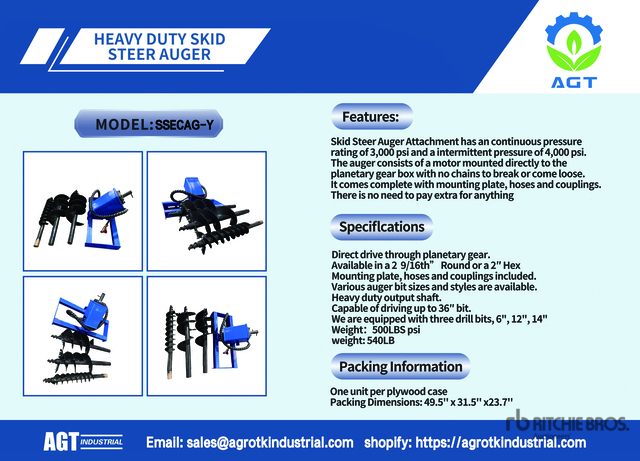 2026 AGT SSECAG-Y Skid Steer Auger
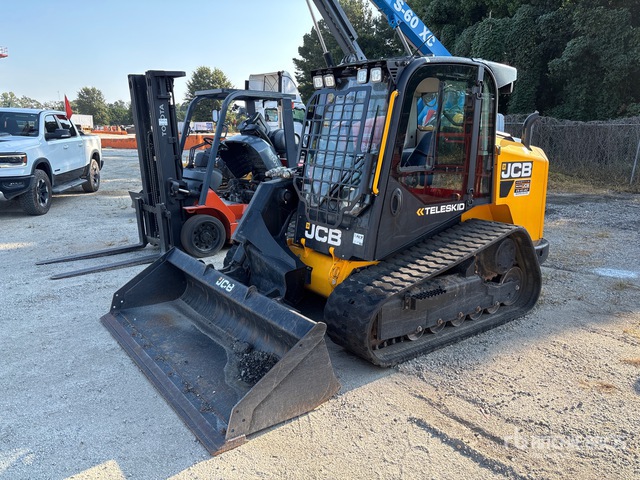 2024 JCB 3TS-8T Compact Track Loader
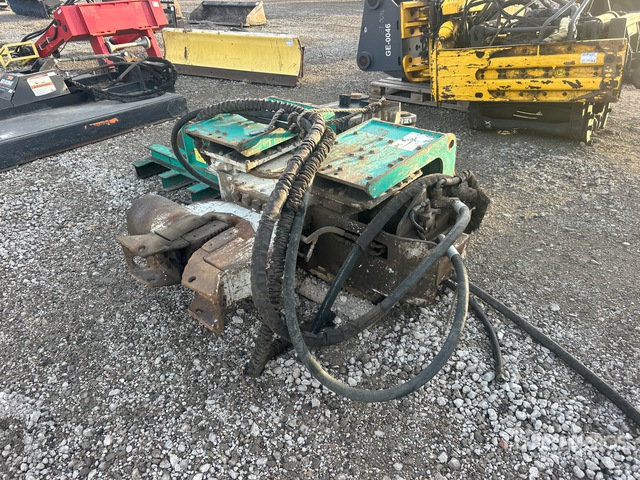 2008 ABI HVR 75 Pile Driver and Extractor
 2015 Kenworth T800 T/A Day Cab Truck Tractor
 2010 Volvo VNL T/A Sleeper Truck Tractor
 2024 Peterbilt 579 T/A Sleeper Truck Tractor
 2022 Freightliner Cascadia 126 T/A Sleeper Truck Tractor
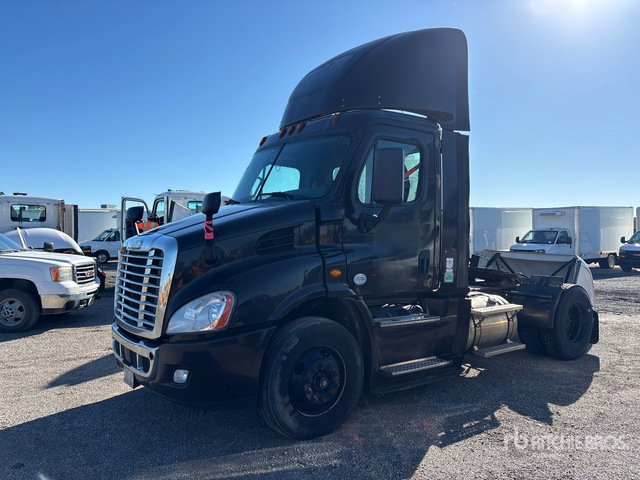 2017 Freightliner Cascadia 113 S/A Day Cab Truck Tractor
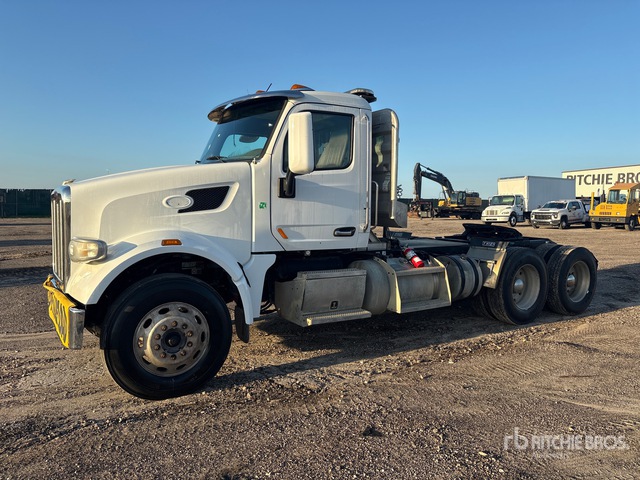 2017 Peterbilt 567 T/A Day Cab Truck Tractor
 2026 Warrior WBMCC5-1220 Excavator Bucket
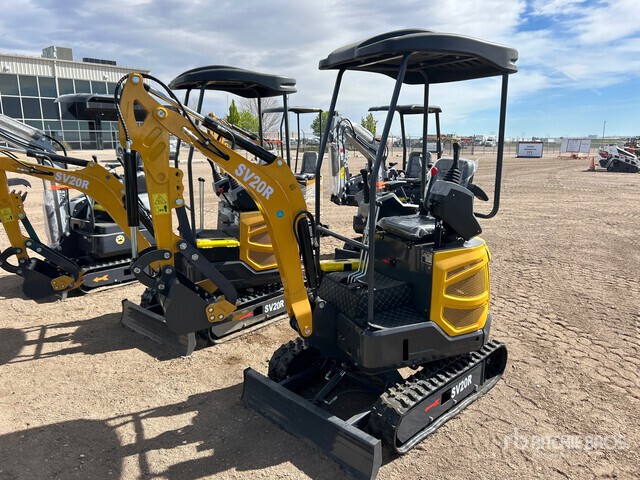 2026 STARVOX SV20R Mini Excavator: <6.6t
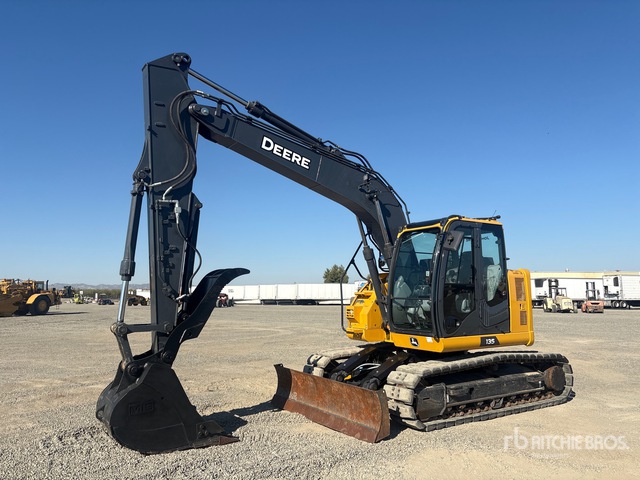 2024 John Deere 135 P-Tier Tracked Excavator
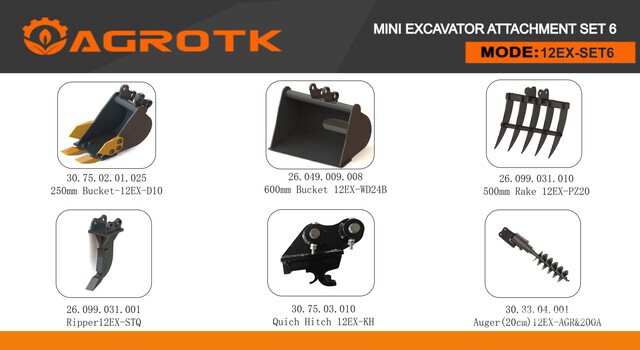 2026 AGT 12EX-SET6 Misc. Excavator Attachment
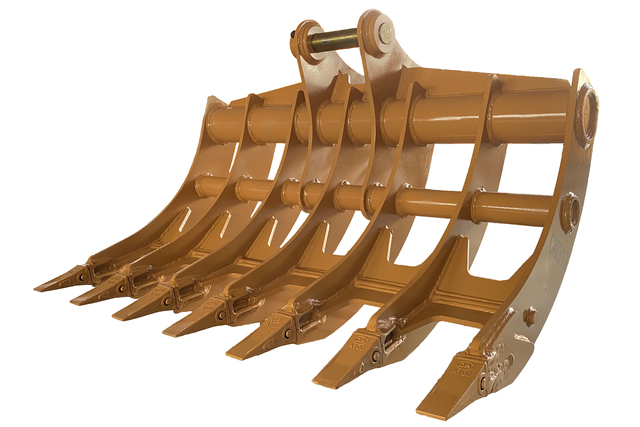 2026 Warrior WBRC12-1620-1 Excavator Rake
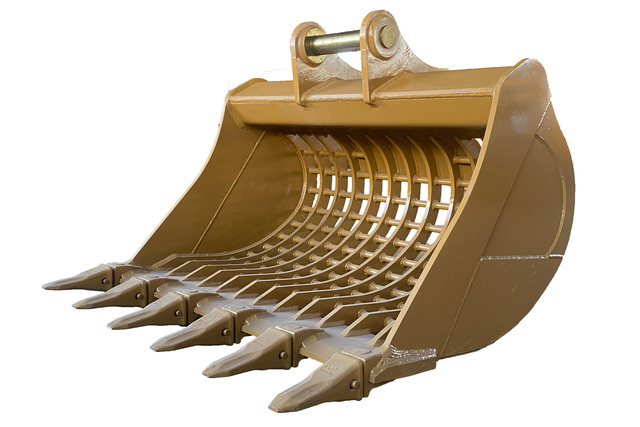 2026 Warrior WBMCS20-025 Excavator Bucket
 Vevor KW-870D Misc. Consumer Electronics