 USA/CAN
 France
 Germany
 United Kingdom
 Netherlands
 Spain
 Italy
 Canada (FR)
 Mexico
 Australia
Heavy equipment inspection checklist for used machine buyers

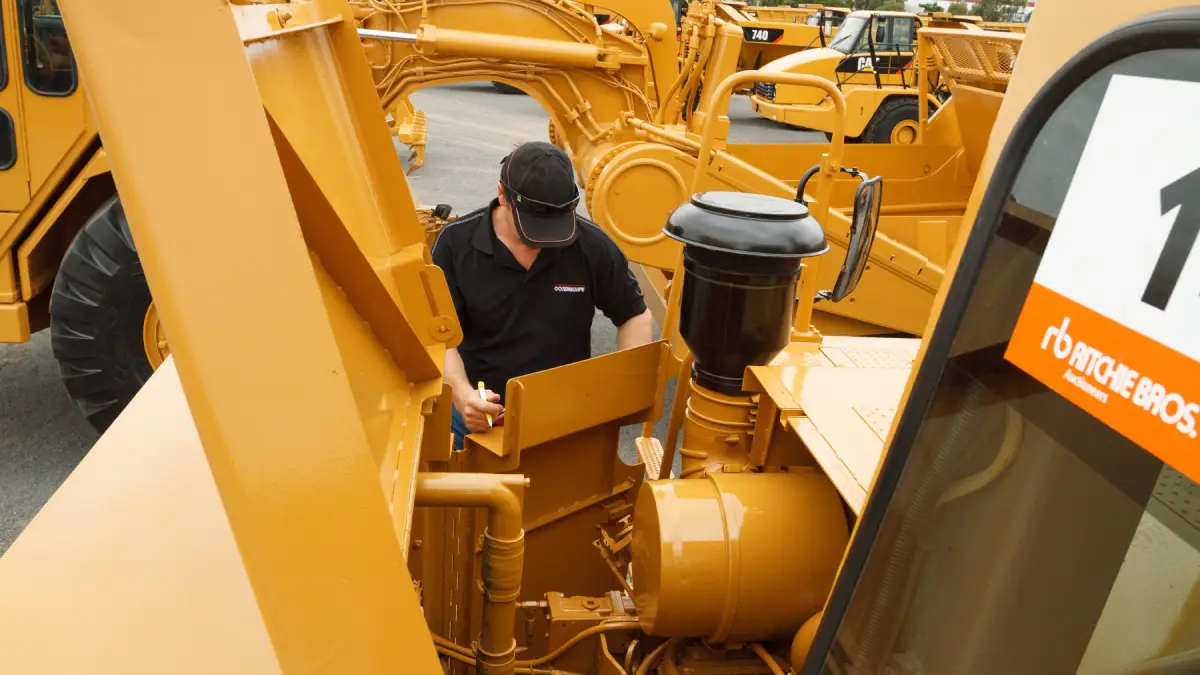
Buying used heavy equipment can save you a lot of money compared to buying new, but only if the machine you buy is ready to work. A 30-minute walkaround and test run will tell you more than any listing description, and it’s the best way to spot the repairs that turn a good deal into an expensive one. This guide gives you a heavy equipment inspection checklist you can take to the yard, plus what to look for on each system and on specific machine types.
The short answer: inspect a used machine in this order. Check the paperwork and hours, do a walkaround for cracks, welds and leaks, cold start the engine and watch the exhaust, test the hydraulics for speed and drift, inspect the undercarriage or tires, check the pins, bushings and attachments, test everything in the cab, and finish by operating the machine under load.
The heavy equipment inspection checklist
| Area | What to check | Red flags |
|---|---|---|
| Paperwork | Serial number matches the listing, hours, service records, emissions label | Missing or altered serial plate, no records on a high-hour machine |
| Walkaround | Frame, boom, loader arms, welds, fluid under the machine | Cracks, fresh paint over welds, puddles of oil or coolant |
| Engine | Cold start, exhaust smoke, blow-by, oil and coolant condition | Hard starting, blue or heavy black smoke, milky oil |
| Hydraulics | Cycle times, drift, cylinders, hoses, fluid | Slow or jerky functions, a boom that settles, scored rods |
| Undercarriage or tires | Sprockets, rollers, idlers, track tension, tire tread and cuts | Hooked sprocket teeth, leaking rollers, worn or mismatched tires |
| Pins and attachments | Play at every pivot, coupler, bucket, teeth and cutting edge | Clunking or visible movement at pins, cracked bucket |
| Cab and electrical | Gauges, warning lights, fault codes, lights, alarm, HVAC, seat belt | Active fault codes, warning lights, damaged ROPS |
| Test run | Drive, turn, lift and dig under load | Overheating, loss of power, noises under load |
Tip: print this page or save it to your phone and work through it in order at the inspection.
Get free pricing for recently sold heavy equipment
Create a free account to access real sold pricing information from recent auctions.
Reveal sold price- Real auction data
- Verified sales
- Updated daily

2023 John Deere 332G Two-Speed High Flow Skid Steer Loader
Medford, MN · 987 hrs
Sold
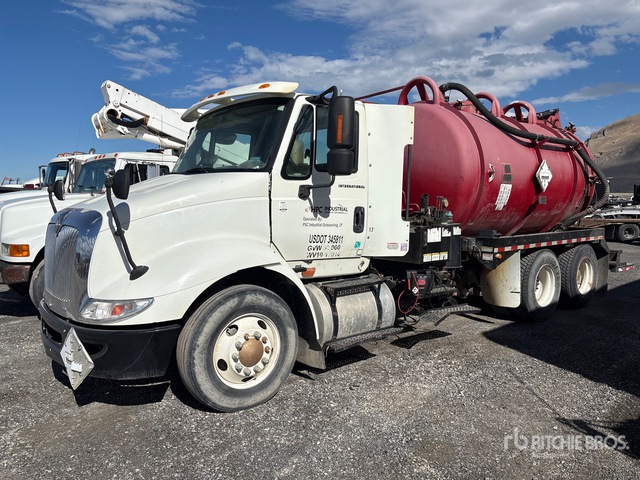 2007 International 8600 Vacuum Excavator Truck
🔒 $X,XXX CAD Reveal sold price >
Closed: Jun 30, 2026
What should you check before you go see the machine?
Before you travel, check the listing for the serial number, hours, photos, any inspection report and the service history.
Run the serial number through the manufacturer’s dealer if you can, to confirm the model year and configuration and to check for open recalls. Look at recent sold prices for similar machines so you know what the machine is worth before you look at it. That makes it easier to judge whether a problem you find is a deal breaker or just a reason to bid lower.
How do you inspect a used engine?
Start the engine cold, watch the exhaust, and check for blow-by and contaminated fluids.
- Ask for a cold start. A warm engine can hide hard starting and smoke. Put your hand on the block or exhaust to make sure it hasn’t been run.
- Watch the exhaust. A puff of smoke at start-up is normal. Heavy black smoke points to fuel or air intake problems, blue smoke means the engine is burning oil, and white smoke that doesn’t clear can mean coolant is getting into the cylinders.
- Check for blow-by. With the engine warm and running, remove the oil fill cap. A light vapour is normal, but heavy smoke or pressure pushing out points to worn rings or liners.
- Pull the dipstick. Milky or foamy oil means coolant contamination. Also check the coolant for an oily film.
- Look and listen. Check for leaks around the head gasket, turbo and injectors, and listen for knocking or a whistling turbo.
- Check the emissions system. On newer machines, look for diesel particulate filter (DPF) or diesel exhaust fluid (DEF) warnings, which can be costly to fix.
How do you test the hydraulics?
Run every function through its full stroke, time the cycles, and do a drift test with the boom raised.
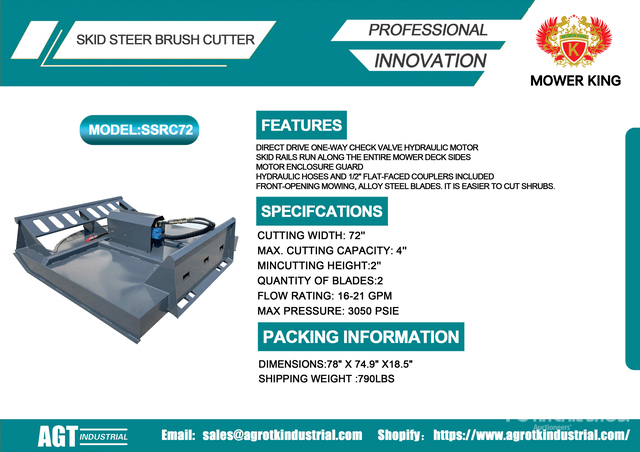 2026 Mower King SSRC Skid Steer Brush Cutter
- Cycle times. Each function should move smoothly and at a consistent speed once the oil is warm. Slow or jerky movement can point to a worn pump or internal leaks.
- Drift test. Raise the boom or loader arms with the bucket curled and shut the machine down. If it noticeably settles over a few minutes, a cylinder seal or valve is leaking internally.
- Cylinders and hoses. Look for wet seals, pitted or scored cylinder rods, and cracked, rubbing or patched hoses.
- Fluid. Check the level and colour. Dark, burnt-smelling or milky fluid is a warning sign.
- Auxiliary hydraulics. If the machine has auxiliary circuits for attachments, test them, especially high-flow circuits on skid steers and compact track loaders.
How do you inspect an undercarriage or tires?
On tracked machines, the undercarriage can make up a large share of repair costs, so check sprockets, rollers, idlers and track wear closely.
- Sprockets. Teeth should be rounded. Sharp, hooked teeth mean the sprocket and track chain are near the end of their life.
- Rollers and idlers. Look for leaks, flat spots and rollers that don’t turn.
- Track chains and pads. Check pin and bushing wear, grouser height, and cracked or missing pads. On rubber tracks, look for exposed steel cords and missing lugs.
- Track tension. Excessive sag can point to worn components or a leaking track adjuster.
- Tires. On wheeled machines, check tread depth, sidewall cuts, mismatched tires and bent rims. A full set of loader tires can cost thousands.
If you’re choosing between tracks and wheels, our guide to compact track loaders vs skid steers compares wear and running costs.
What should you check on pins, bushings and attachments?
Check every pivot point for play, and inspect buckets and attachments for cracks and worn edges.
With the bucket on the ground, have someone gently move the controls while you watch each pin. Visible movement or a clunk means worn pins and bushings. Check the quick coupler locks, bucket teeth, cutting edges and wear strips, and look for weld repairs on the bucket, boom and stick. Attachments like augers and grapples have their own common problems; see our guides to skid steer auger issues and skid steer grapples.
What should you check in the cab?
Check the gauges, warning lights and fault codes, and compare the cab wear with the hour meter.
Worn pedals, a torn seat and polished controls on a machine showing low hours can mean the meter has been replaced or tampered with. Test the lights, horn, backup alarm, wipers, heat and air conditioning, and make sure the seat belt, safety interlocks, and ROPS or FOPS structure are undamaged.
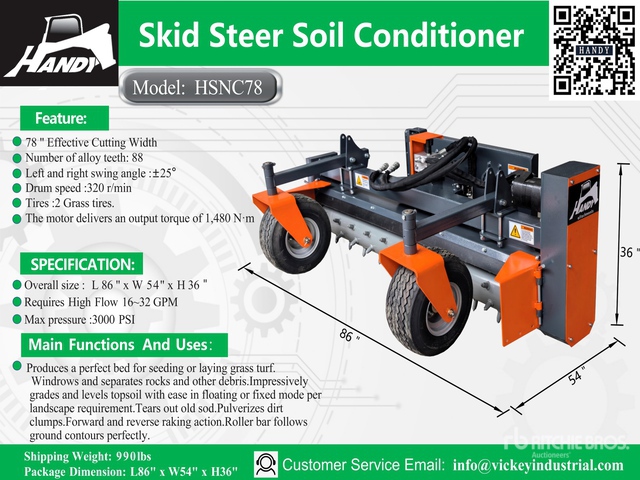 2026 Handy HSNC78 Skid Steer Power Rake
How many hours is too many on heavy equipment?
There’s no single cutoff, because maintenance history matters more than the number on the hour meter.
As a rough guide, compact machines like skid steers and mini excavators are often considered high-hour past 3,000 to 5,000 hours. Larger excavators, wheel loaders and dozers are built for much longer service lives and commonly run past 10,000 hours with good maintenance. A well-documented machine with higher hours can be a better buy than a low-hour machine with no records.
Machine-specific checks
| Machine | Extra checks |
|---|---|
| Excavators | Swing bearing play, swing motor, travel motors, cracks at the boom and stick, bucket linkage wear |
| Skid steers and compact track loaders | Chain case noise, drive motors, quick coupler, safety interlocks, high-flow hydraulics |
| Wheel loaders | Articulation joint play, transmission shifting, axle and differential leaks, brakes |
| Dozers | Final drives, steering, blade and ripper cylinders, track frame cracks |
| Backhoe loaders | Swing cylinders, stabilizers, extendable dipper wear, loader pins |
| Telehandlers | Boom wear pads, boom extension and retraction, frame levelling, load chart and safety systems |
For cranes, use our dedicated mobile crane inspection checklist, and for trucks, our pickup truck inspection tips.
Can you inspect equipment before an online auction?
Yes, most Ritchie Bros. auctions let you see equipment in person on inspection days, which are listed on each auction page.
If you can’t get to the yard, send a mechanic or someone you trust, and review the listing photos and any inspection report carefully. Our equipment buying checklist walks through the full process from registering to pick-up.
What paperwork should you check?
Confirm that the serial number on the machine matches the listing and title, and ask for service records.
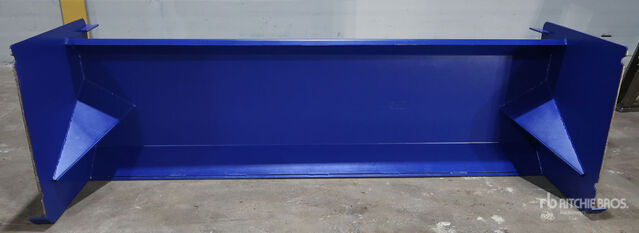 2026 Kit Containers QT-SPE-8-23 Skid Steer Snow Pusher
Check the emissions label for the engine tier, since it can affect where the machine can be used and exported. On titled items like trucks and trailers, make sure the VIN matches the title. Equipment bought at a Ritchie Bros. auction comes with a clear title. For private sales, run a lien search before you pay.
The bottom line
A good inspection follows the same order every time: paperwork, walkaround, engine, hydraulics, undercarriage, pins and attachments, cab, then a test run under load. Use this heavy equipment inspection checklist to find the problems that matter, price them into your bid, and walk away from machines that need more work than they’re worth. When you’re ready, browse used excavators, skid steers and wheel loaders on RB Auction.
 |
What is a buyer’s premium and how do auction fees work? |
 2007 International 8600 Vacuum Excavator Truck2026 Kit Containers QT-SPE-8-23 Skid Steer Snow Pusher2026 Handy HSNC78 Skid Steer Power Rake2026 Mower King SSRC Skid Steer Brush Cutter
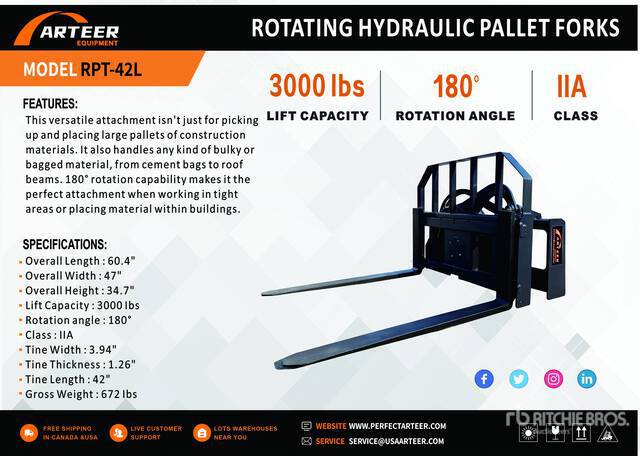 2026 ARTEER RPT-42L Skid Steer Forks
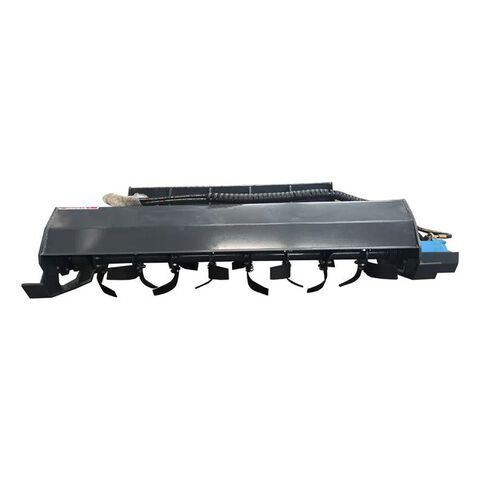 2026 Mower King ECSSTR072 Skid Steer Tiller
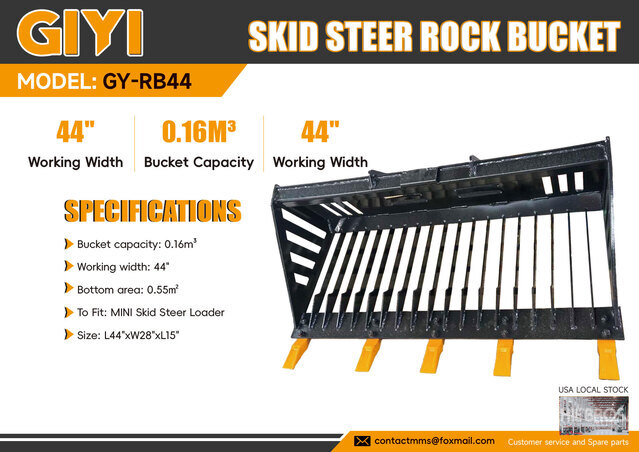 2026 GIYI GY-RB44 Skid Steer Bucket
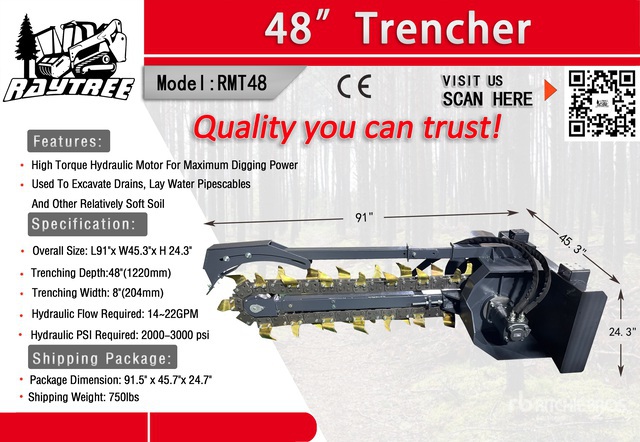 2026 Raytree RMT48 Skid Steer Trencher
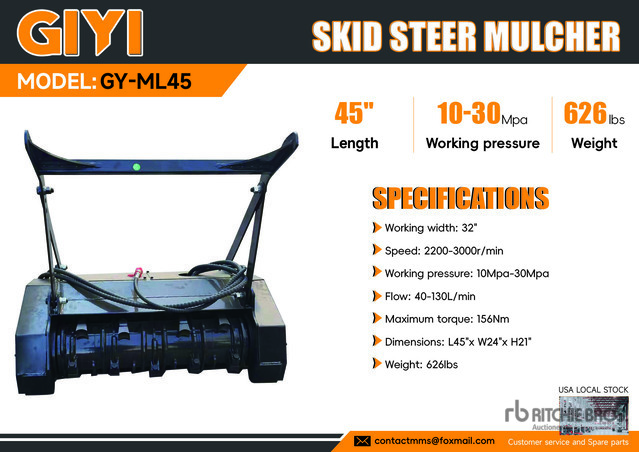 2027 GIYI GY-ML45 Skid Steer Mulcher
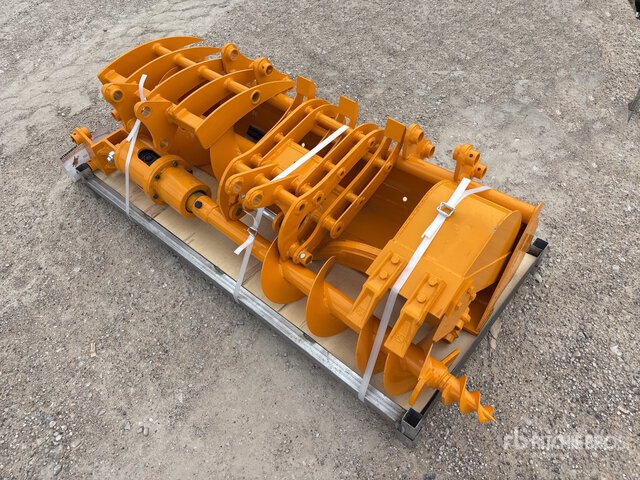 2026 GIYI Cat 301 GYA-8 Misc. Excavator Attachment
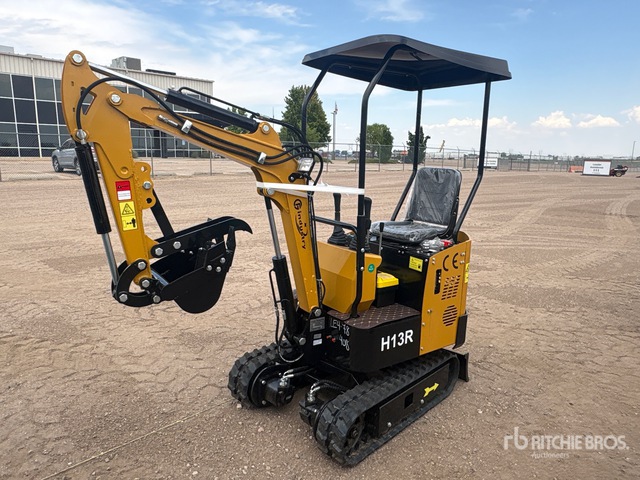 2026 CFG H13R Mini Excavator: <6.6t
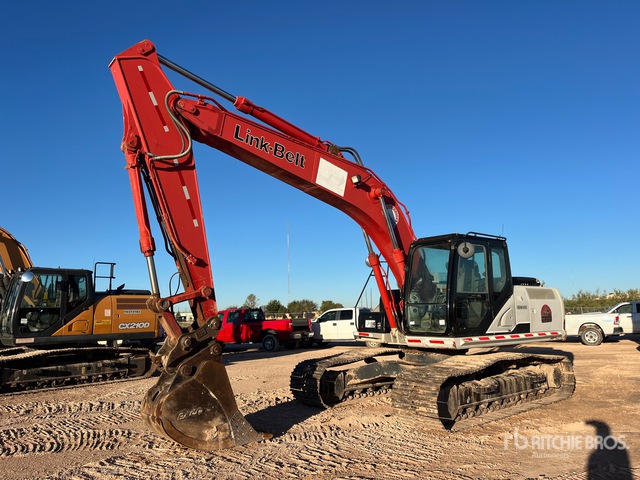 2014 Link-Belt 210LX Tracked Excavator
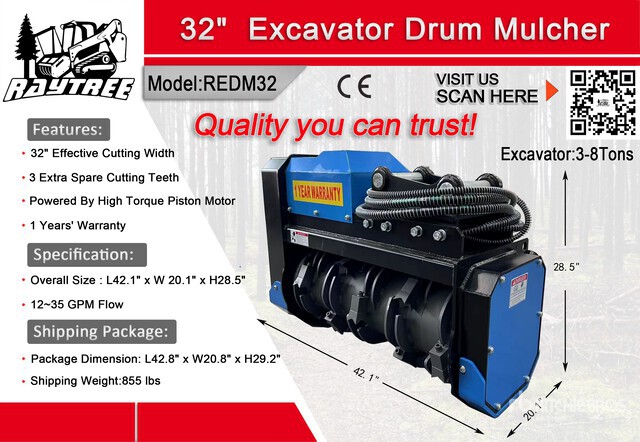 2026 Raytree REDM32 Misc. Excavator Attachment
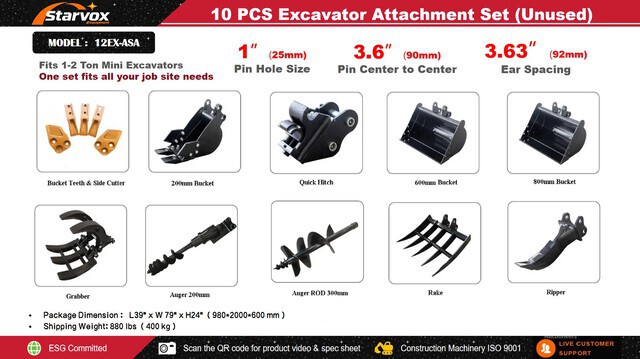 2026 STARVOX 12EX-ASA Misc. Excavator Attachment
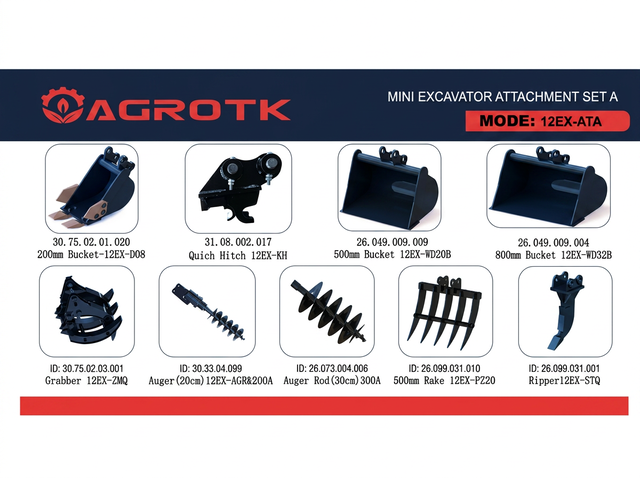 2026 AGT 12EX-ATA Misc. Excavator Attachment
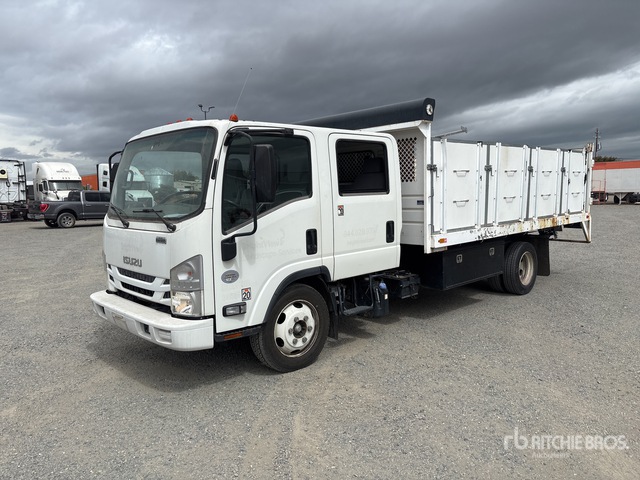 2019 Isuzu NPR Landscape Truck
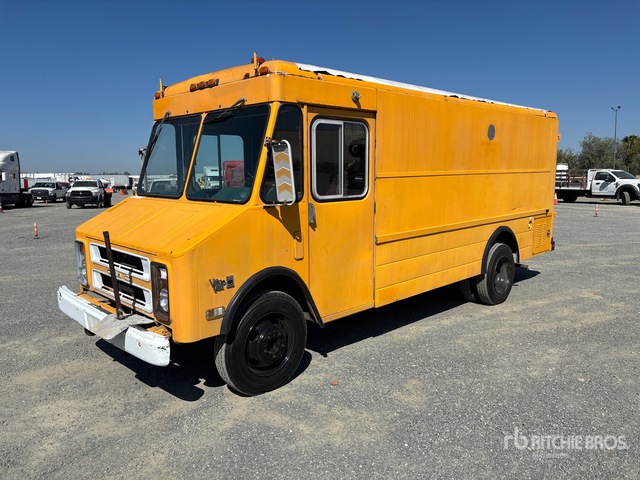 1988 GMC 3500 Step Van
 2022 Chevrolet Colorado Pickup
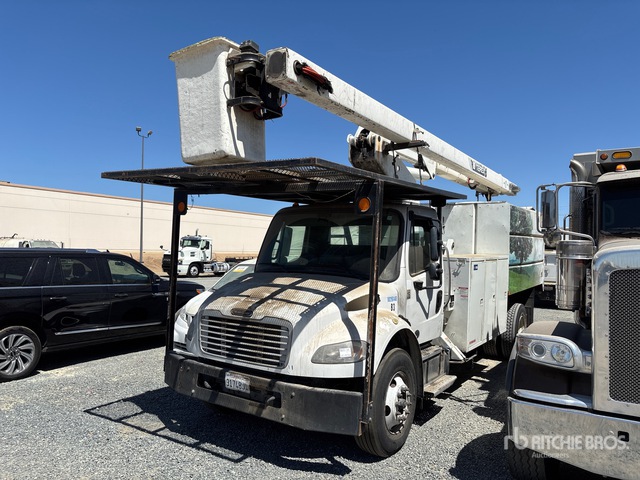 2016 Freightliner M2 106 Bucket Truck
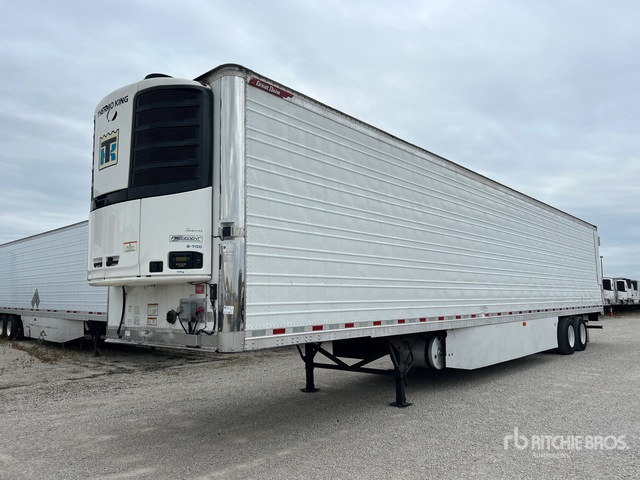 2022 Great Dane ECL-1114-11053 Refrigerated Trailer
 2007 Stoughton AVW-535T-S-C-AR Van Trailer
 2026 Neks Fifth Wheel Wrecker Attachment
 2007 Stoughton AVW-535T-S-C-AR Van Trailer
 2023 Commander Enclosed Trailer
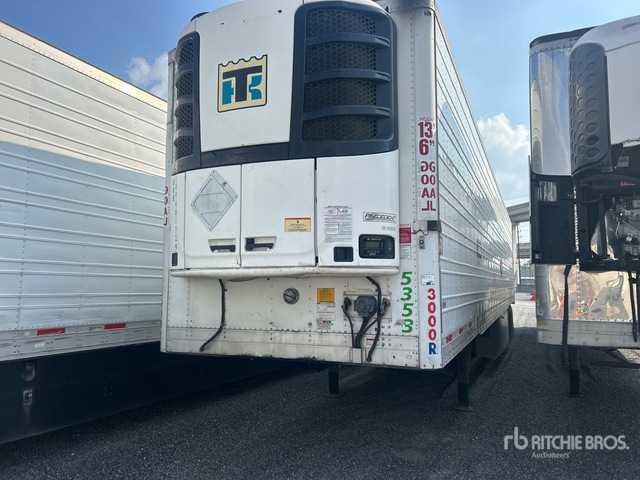 2018 Utility VS2RA Refrigerated Trailer